
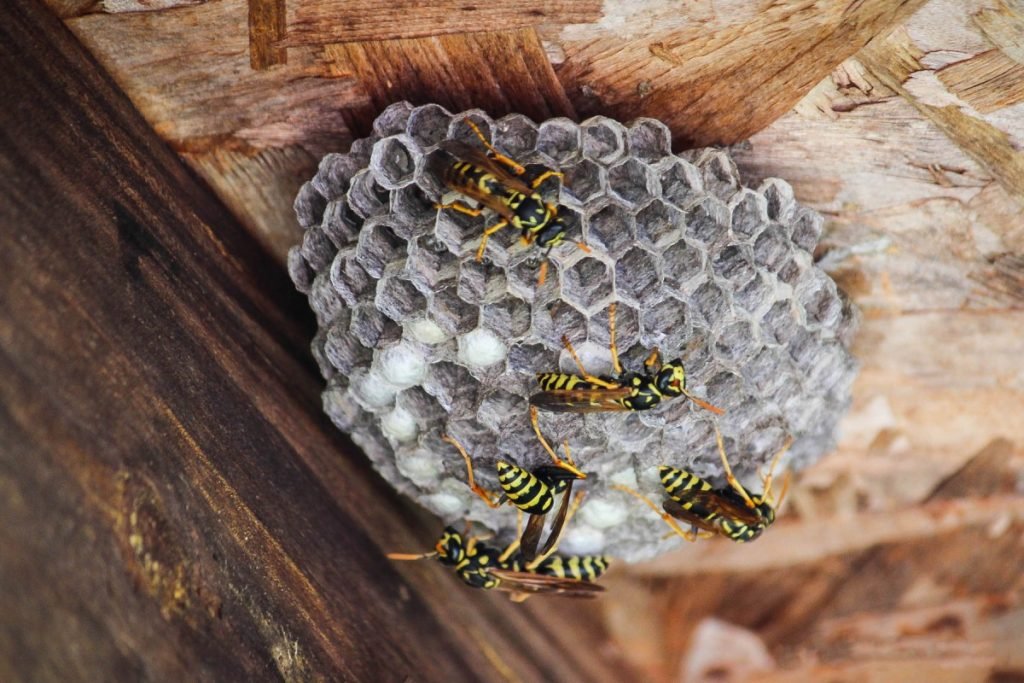
You’re finally out on the patio with a cold drink, and here comes that low, mean buzz circling your head like it owns the place. One wasp turns into three. Your kids won’t go near the yard. Your dog is snapping at the air. And you’re standing there wondering if you have to choose between enjoying your own backyard and getting stung.
I get it. My backyard used to feel like a wasp airport during peak flight season, with new arrivals landing every few minutes. I tried the spray-first-ask-questions-later approach for a couple of years, and honestly, it barely worked. The wasps just rebuilt somewhere else, my grandkids couldn’t play near the flower beds, and I didn’t love the idea of chemical residue drifting onto the tomatoes I was about to eat.
So I switched tactics. Over the last decade of gardening — and yes, getting stung more times than I care to admit — I’ve put together a handful of natural methods that actually keep wasps from setting up shop in the first place. No sprays, no foggers, no calling in a $300 exterminator every summer.
Here’s what’s worked for me, what’s a waste of your Saturday, and how to tell the difference between a wasp problem you can handle yourself and one you shouldn’t touch.
Why Natural Wasp Control Actually Makes Sense
Before we get into the list, let’s talk about why you’d even bother with natural methods instead of just grabbing a can of wasp killer spray.
For one, most chemical wasp sprays are broad-spectrum insecticides. They don’t just kill wasps — they knock out the bees, ladybugs, and other pollinators your garden actually needs. If you’re growing vegetables, herbs, or fruit trees, you want pollinators sticking around, not fleeing the scene.
Second, wasps aren’t all bad. I know that’s a hard sell when one just chased you off your own deck chair, but hear me out. Wasps are natural predators. They eat caterpillars, aphids, and other pests that would otherwise chew through your garden. A few wasps patrolling your yard is actually doing you a favor. The problem is when they decide to build a nest six feet from your back door, or when the population explodes because nothing’s keeping it in check.
Third — and this is the practical reason most people care — chemical sprays are a short-term fix. You kill the nest you can see, but you haven’t done anything to stop new queens from scouting your property next spring. Natural deterrents work differently. They make your yard less appealing in the first place, which means fewer nests to deal with down the road.
1. Plant Wasp-Repelling Herbs and Flowers Around Your Patio
This is where I always tell people to start, because it’s the lowest effort and it actually looks nice.
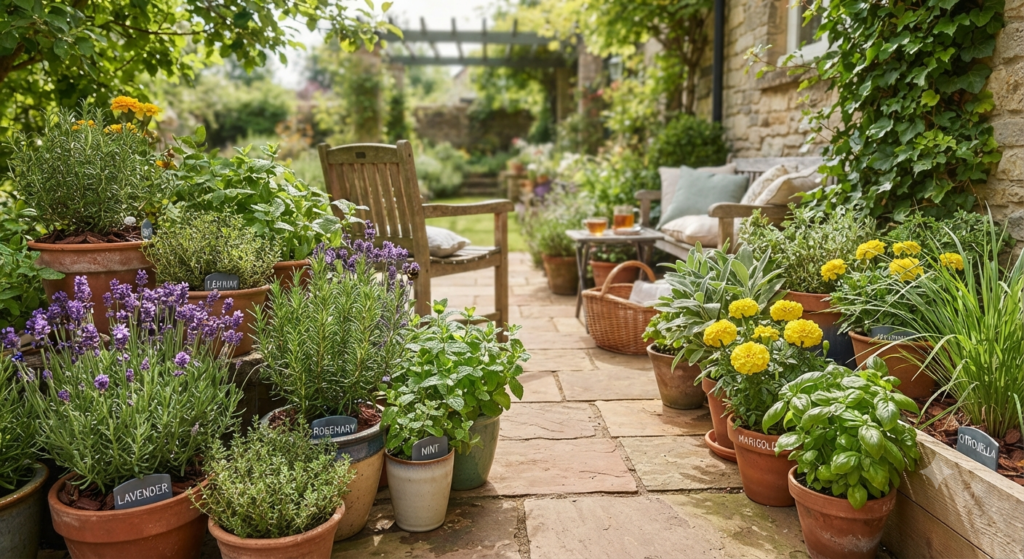
Wasps rely heavily on scent to find food and good nesting spots. Certain plants throw off strong smells that mess with their ability to navigate, and they tend to avoid those areas altogether. Spearmint, eucalyptus, citronella, wormwood, and thyme are your best bets. I’ve got a row of spearmint along my back fence, and I genuinely believe it’s cut down on wasp traffic near my seating area.
Marigolds are another one I plant every single year, not just for wasps but for pest control in general. They’re cheap, they bloom all summer, and they hold their own against a lot of garden pests. If you’ve got a vegetable bed you’re trying to protect, tuck a few marigolds around the border.
Here’s my planting tip: cluster these plants near entry points — porches, doorways, patio edges — instead of scattering them randomly across your yard. Wasps are more likely to encounter the scent barrier before they get close to where you’re actually sitting. I made the mistake early on of planting my citronella way out by the shed, which did basically nothing for the deck.
One thing to keep in mind: this method works best as prevention, not as a fix for an existing nest. If wasps have already moved in under your eaves, planting mint isn’t going to evict them. Think of this as building a fence, not knocking down a house.
2. Hang Fake Wasp Nests to Trick Territorial Wasps
This one sounds too simple to work, but it’s backed by actual wasp behavior, not just internet folklore.
Most wasp species are territorial. They don’t want to build a nest anywhere near another colony because it means competing for food and risking a turf war. Fake wasp nests — usually a gray paper-bag-looking decoy — take advantage of that instinct. Hang one near your porch or patio, and foraging wasps that fly by will often assume the territory’s already claimed and move on.
I bought my first decoy nest for about ten dollars, and I was skeptical. But I hung two of them — one near the back porch, one near the shed where wasps had built a nest the year before — and noticed a real drop in scouting activity within a couple of weeks. I’m not saying it’s a magic force field, but it’s cheap enough that it’s worth trying before you spend money on anything more aggressive.
A few pointers if you go this route. Hang the decoy nest high, at least ten to twelve feet off the ground if you can manage it, since real nests are often built up high and wasps expect to see rivals at that elevation. Also hang it early in the spring, before queens start scouting for nesting sites. By the time you’ve already got wasps buzzing around in July, the decoy trick is a lot less effective because they’ve already decided your yard is prime real estate.
Replace or reposition your decoy every season. They fade, get knocked around by wind and rain, and eventually stop looking convincing. I move mine to a slightly different spot each spring just to keep things fresh, though I honestly don’t have hard proof that matters — it just feels right.
3. Set Out DIY Wasp Traps Using Sugar Water or Vinegar
If you’ve already got a wasp problem and prevention ships have sailed, traps are your next move.
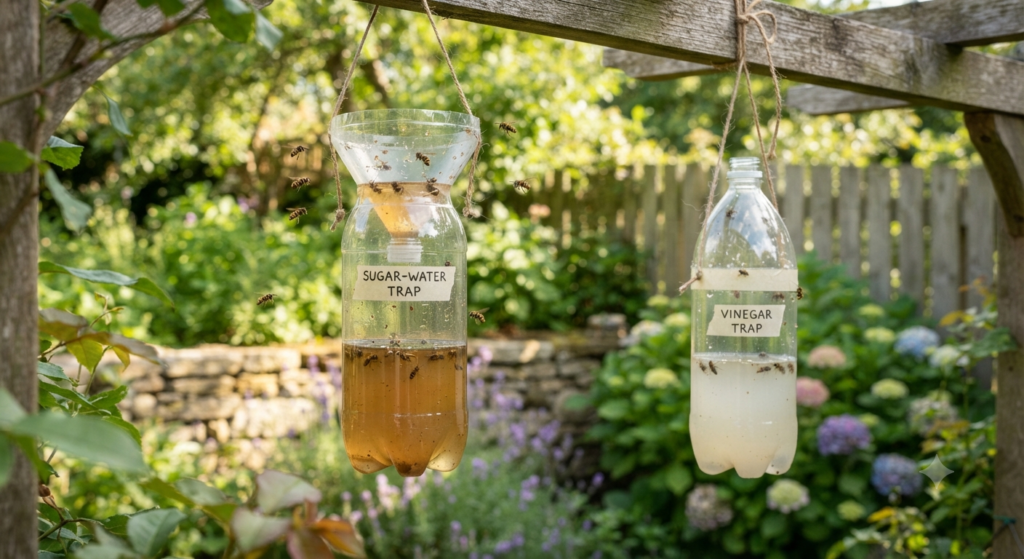
The classic approach: cut the top off a plastic bottle, invert it into the bottom half like a funnel, and fill the base with a lure. For a sugar-based trap, mix water with sugar and a splash of dish soap. The wasps fly in chasing the sweet smell, can’t figure out how to fly back out through the funnel, and the dish soap breaks the surface tension so they can’t escape once they land in the liquid.
If you’re dealing with yellowjackets specifically — which, fair warning, are more aggressive than most other wasp species — a vinegar-based trap tends to work better, especially later in the season when they’re less interested in sugar and more interested in protein. Apple cider vinegar mixed with a bit of dish soap and a drop of dish soap-scented liquid does the trick. Some people add a small piece of meat or cat food to the mix for extra pulling power, though I’ll admit that gets a little gross if you forget about it for a week.
Placement matters more than people think. Put your traps at the edges of your yard, not right next to where you’re sitting. You want to intercept wasps before they get to your patio, not lure more of them directly toward you. I learned this one by trial and error — my first trap sat two feet from the picnic table, and all it did was invite more wasps to the party before they eventually got stuck.
Check and empty your traps every few days. A trap full of dead wasps actually starts attracting more wasps after a while, since the decomposing bodies release a scent that reads as food to scavenging insects. Dump it, rinse it, and refill with fresh lure.
4. Remove Food Sources and Standing Water That Attract Wasps
This is the boring one, but it might be the most important item on this whole list.
Wasps show up because there’s something worth showing up for. Uncovered trash cans, sugary spills, pet food left outside, overripe fruit on the ground under your trees — all of it sends a dinner invitation. Same goes for standing water. Birdbaths, clogged gutters, puddles near a leaky hose bib. Wasps need water just like every other living thing, and a reliable source nearby makes your yard that much more attractive as a permanent home.
Start with your trash. Make sure lids seal tightly, and rinse out cans or bottles before tossing them in the recycling bin. I know that sounds excessive, but a few unrinsed soda cans in an open bin were basically a standing wasp buffet in my old setup.
Next, walk your yard for fallen fruit. If you’ve got apple, pear, or plum trees, windfall fruit rotting on the ground is one of the biggest wasp magnets you can have. Pick it up daily during peak season, or at minimum every couple of days. I’ve got two apple trees, and during a bad August I was out there almost every evening with a bucket, muttering about how much I regretted planting them so close to the patio.
Finally, deal with standing water. Fix that dripping hose connector. Clean out your gutters before they turn into a swamp. If you’ve got a birdbath, that’s fine for the birds, but consider moving it further from your seating areas, or dump and refill it every couple of days so it doesn’t become a wasp watering hole too.
5. Use Essential Oils as a Natural Wasp Repellent Spray
I was skeptical of this one for a long time because it felt a little too “crunchy homestead blog” for my taste, but I’ve actually come around on it.
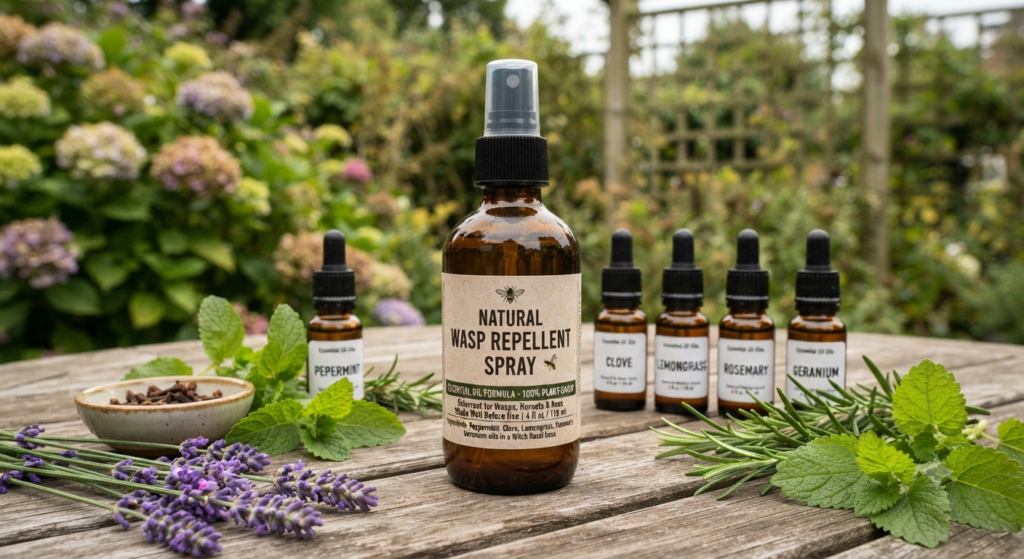
Peppermint, clove, and lemongrass essential oils are the big three when it comes to natural wasp repellents. Mix ten to fifteen drops of your chosen oil (or a combination) with a cup of water in a spray bottle, shake it well since oil and water don’t naturally combine, and spray it around door frames, window sills, porch railings, and any spot where you’ve seen wasps hanging around or where you suspect they might try to nest.
The reason this works comes down to scent overload again. Wasps rely on their sense of smell to locate food, water, and nesting sites. A concentrated, unfamiliar scent throws that whole system off, and they tend to steer clear of areas that smell overwhelming to them, even if it smells pleasant to us.
The catch is that this method needs upkeep. Essential oil sprays break down fast, especially outdoors in sun and rain. What worked great on Monday might be completely gone by Thursday. I reapply mine every three to four days during wasp season, and after a heavy rain I basically treat it as if I never sprayed at all.
One more thing worth mentioning: this is a repellent, not a killer. If you spray a nest directly hoping to wipe it out, you’re going to be disappointed and possibly stung. Essential oils are for keeping new wasps from settling in, not for evicting ones that are already established.
6. Seal Up Cracks, Gaps, and Potential Nesting Spots Early
Wasps are opportunists. They’re looking for small, sheltered gaps to start a nest — under eaves, inside wall voids, behind loose siding, in gaps around window frames, even inside old grill covers or unused mailboxes.
Walk your property in early spring, before queens start scouting, and look for anything that resembles a decent nesting spot from a wasp’s perspective. Gaps around utility lines, holes in fascia boards, cracks in brick or siding, unused vents. Caulk what you can, and use steel wool or hardware cloth for larger gaps that caulk alone won’t cover, since wasps and other pests can chew through some sealants over time.
Don’t forget about your outdoor furniture and equipment. I once found a nest starting inside the folded frame of a patio umbrella that had been sitting closed all spring. Another year, it was inside an old boot I’d left on the porch step. Check anything hollow or sheltered that’s been sitting undisturbed for more than a couple of weeks.
Screens are another overlooked spot. If you’ve got torn window or door screens, patch or replace them. It’s not just about keeping flies out — an open screen is basically a welcome sign for any wasp cruising by looking for shelter, especially as the weather cools in early fall and they start hunting for overwintering spots.
This step takes an afternoon, maybe two if your property’s older like mine, but it pays off. Prevention here is a lot less work than dealing with an established nest in July.
7. Encourage Natural Predators to Keep Wasp Populations in Check
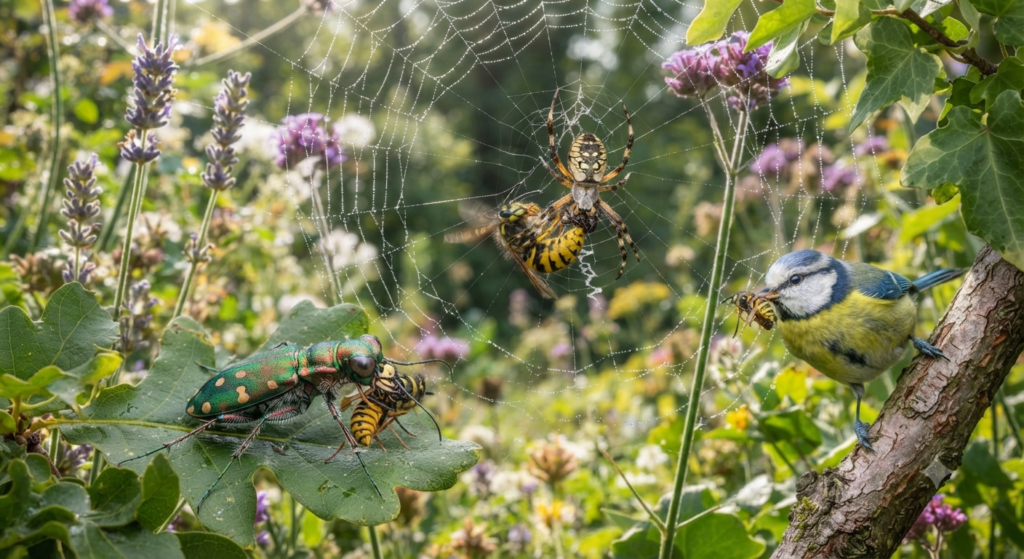
This is the long game, and it’s the one people skip most often because it doesn’t feel as immediately satisfying as spraying something or hanging a trap.
Birds, particularly ones like blue jays and starlings, will eat wasps given the chance. Bats eat massive quantities of flying insects overnight, wasps included. Even certain spiders will catch wasps in their webs. If you build a yard that supports these predators, you end up with a natural check on wasp populations that doesn’t require you to do much of anything once it’s established.
Put up a few birdhouses if you don’t already have them. Keep a water source available for birds specifically, separate from anything that might also attract wasps — a small, elevated birdbath works well. If you’re open to it, a bat house mounted high on a pole or the side of a shed can genuinely make a dent in your overall flying insect population over a season or two, wasps included.
I’ll admit this method takes patience. It’s not going to clear out a wasp problem you’ve got right now. But over a few years of leaning into a more bird- and bat-friendly yard, I’ve noticed fewer wasps overall, along with fewer mosquitoes and moths, which was a nice bonus I wasn’t even trying for.
Quick side note: don’t go overboard trying to attract every predator at once. A yard that’s suddenly covered in birdhouses and feeders can bring in more birds than your space can comfortably support, and some ground-feeding birds will actually scratch up garden beds looking for insects. Add these features gradually and see how your yard responds before going all in.
Real Talk: What’s Not Worth the Effort, and When to Call a Pro
Not everything you’ll read about natural wasp control actually holds up, so let me save you some time.
Ultrasonic pest repellers marketed for wasps are, in my experience, a waste of money. I tried one a few summers back because it was on sale, and I saw zero difference in wasp activity before or after plugging it in. The science on ultrasonic repellents working on flying insects like wasps is shaky at best, and most of the positive reviews you’ll find online read like they were written by someone who just happened to have a slow wasp season anyway.
Burning citronella candles is fine for a backyard party, but don’t expect it to do much heavy lifting against a real infestation. It creates a small scent barrier in a limited radius, and that’s about it. Great for keeping wasps off your dinner plate for a couple of hours, not a long-term solution.
Here’s the bigger point: natural methods are genuinely effective for prevention and for managing a small, manageable population. What they are not good for is an established, active nest, especially a large one. If you’ve got a nest bigger than a softball, if it’s in a wall cavity or somewhere you can’t easily monitor, or if anyone in your household is allergic to stings, that’s when you call a professional. I don’t care how good your essential oil spray recipe is — an allergic reaction is not something to gamble on to save forty bucks.
Also worth knowing: some wasps, particularly yellowjackets, get noticeably more aggressive in late summer and early fall as their colony’s food needs shift and their usual sugar sources start drying up. If you’re seeing more aggressive behavior during that window, don’t assume your natural deterrents have stopped working. It’s often just seasonal behavior, and a little extra caution around trash cans and outdoor eating areas goes a long way during that stretch.
Parting Wisdom
Keeping wasps away without chemicals isn’t about finding one perfect trick. It’s about stacking a handful of small habits — the right plants, a cleaner yard, a decoy nest here, a sealed crack there — until your property just isn’t worth their time anymore. Give it a full season before you judge whether it’s working. Wasp colonies build up gradually, and your defenses need a little time to catch up.
What’s your worst wasp story? Did a nest ever show up somewhere you really didn’t expect it? Drop it in the comments below — I read every one, and I’m always looking for new nesting spots to add to my “check this before spring” list.

About Syprose Kiche
Syprose Kiche is the creator and writer behind My Besuited Home, a practical home and garden website covering DIY projects, gardening, lawn care, landscaping, home improvement, and outdoor living. She focuses on turning everyday homeowner questions into clear, practical guides backed by careful research and useful real-world considerations.