
There’s nothing that ruins a warm evening faster than standing at your grill, spatula in hand, slapping at your ankles like you’re auditioning for an interpretive dance. I’ve hosted enough backyard dinners cut short by mosquitoes to know the frustration is real. Guests start making excuses to leave. Kids won’t stay outside past dusk. And you’re left wondering if it’s even worth planting flowers if nobody can sit near them without getting eaten alive.
Here’s the good news: your garden can actually fight back. Certain plants and trees contain natural oils and compounds that mosquitoes find repulsive, and when you group enough of them together, you create a buffer zone bugs would rather avoid. It’s not a magic force field, and I’ll be honest about that later, but it makes a real difference when combined with a few other habits.
I’ve spent the past decade rearranging my flower beds and testing this stuff on my own porch, my neighbor’s patio, and my sister’s chicken coop (long story). Below are the 14 plants and trees that have actually held up to backyard mosquito pressure, not just internet rumors.
1. Citronella Grass: The One Everyone Already Knows
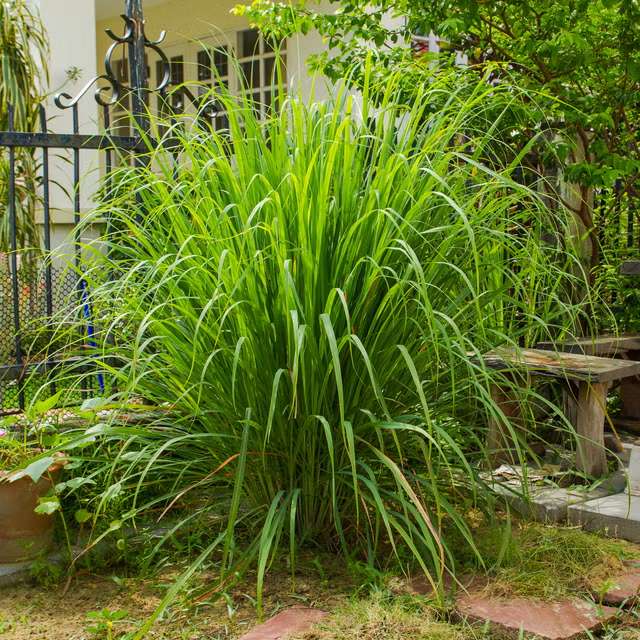
Citronella is the plant behind those candles you’ve probably burned a hundred times without realizing it grows as an actual grass. It’s a tall, clumping plant that looks a bit like an overgrown lemongrass, and honestly, that’s because they’re cousins.
The oil in citronella grass masks the scents that attract mosquitoes to your skin in the first place. That’s the real trick with most of these plants: they don’t kill mosquitoes, they confuse them.
Plant it in large pots near your patio or seating area. It needs full sun and gets big, sometimes four feet tall and just as wide, so give it room. I keep three pots flanking my back steps and it’s made a noticeable dent in evening bug traffic.
One quick warning: citronella grass is not cold-hardy. If you live somewhere with real winters, you’ll need to bring it inside or treat it as an annual.
2. Lemongrass: Citronella’s Kitchen-Friendly Cousin
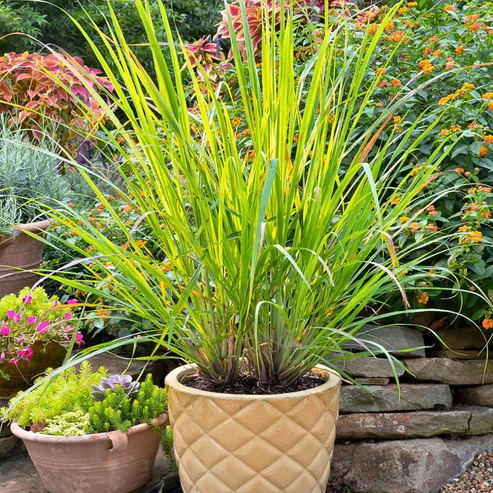
Lemongrass gets lumped in with citronella a lot, and for good reason. It contains citronella oil too, just in smaller concentrations, plus it’s genuinely useful in cooking, which citronella grass really isn’t.
I grow lemongrass in a big terracotta pot near my kitchen door so I can snip stalks for Thai curry and get some mosquito-fighting benefit at the same time. It’s a two-for-one that actually works.
It likes heat, humidity, and a lot of water. If you’re in a drier climate, you’ll need to babysit it more than you’d think for something that looks so tropical and tough.
The downside is that lemongrass doesn’t survive frost at all. Every fall I dig mine up and pot it for the windowsill, or I just accept I’m buying new starts every spring.
3. Marigolds: The Cheap, Cheerful Workhorse
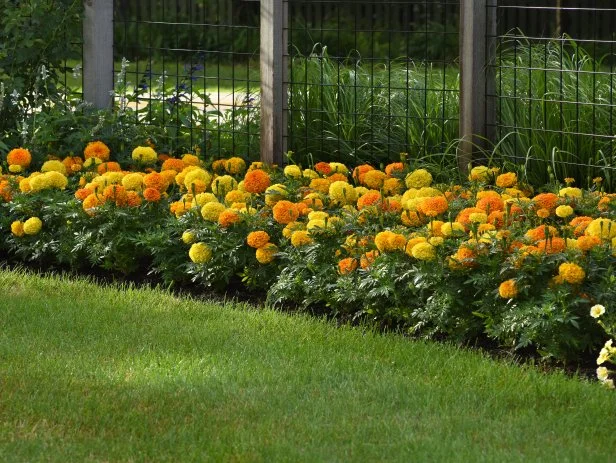
Marigolds get recommended for everything, and sometimes that makes gardeners roll their eyes and assume it’s overhyped. In this case, it’s earned. Marigolds contain pyrethrum, a compound used in a lot of actual commercial insect repellents.
They’re also absurdly easy to grow, which matters if you’re new to this or you’ve killed a few too many “easy” plants already (no judgment, I’ve been there with rosemary).
Plant marigolds along the border of your vegetable garden or tuck them into pots on your porch rail. Their scent is strong enough that mosquitoes, and a fair number of other garden pests, tend to steer clear.
They bloom nonstop from late spring through the first frost, so you’re not just fighting bugs, you’re getting months of orange and yellow color for almost no effort or money.
4. Lavender: Pretty, Fragrant, and Genuinely Effective
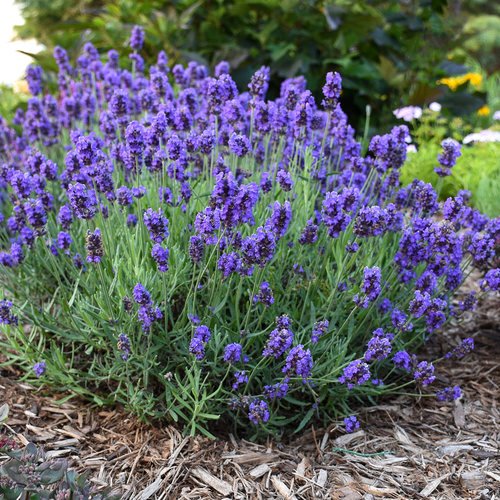
Lavender smells wonderful to us and apparently smells like a nightmare to mosquitoes. The essential oils in the leaves and flowers are what do the work, and you don’t even need to crush them, just brushing past the plant releases enough scent to matter.
I planted a row of lavender along my front walkway years ago mostly because I liked how it looked. It wasn’t until later that I found out it was quietly doing double duty as pest control.
Lavender wants full sun and soil that drains well. If you’ve got heavy clay soil, mix in some sand or grit before planting, because soggy roots will kill lavender faster than almost anything else.
It’s also drought-tolerant once established, so it’s a great pick if you tend to forget to water things (again, no judgment).
5. Basil: The Herb That Pulls Double Duty
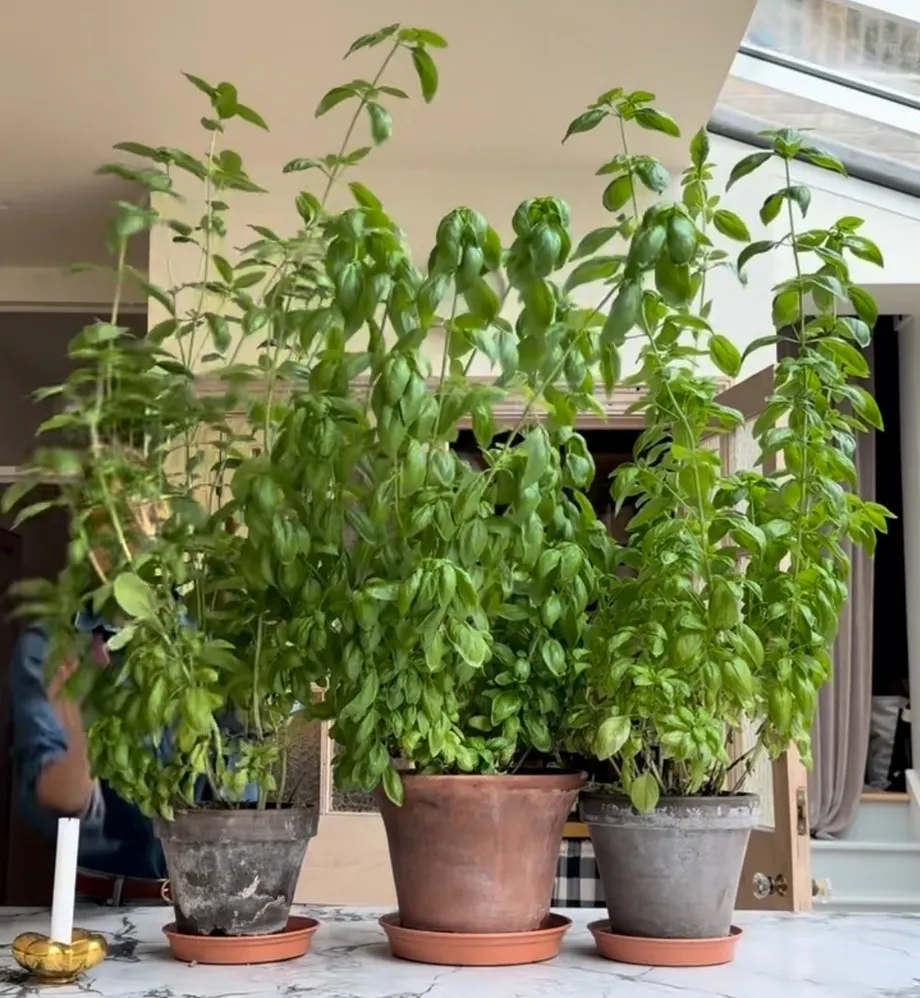
Basil is one of the few plants on this list you don’t even need to bruise or crush to get some repellent effect. It releases its aroma passively into the air around it, which is rare.
I keep pots of basil right by my back door and near any outdoor seating. It’s close enough to grab a handful for pasta, and it’s doing quiet work keeping the bug population down at the same time.
It needs at least six hours of sun and consistently moist soil. Pinch off the flower buds as they appear or the plant will put its energy into seeds instead of leaves, and the flavor gets bitter.
Basil is an annual almost everywhere, so you’ll be replanting it every spring, but the seeds are cheap and it grows fast enough that this isn’t much of a burden.
6. Catnip: More Powerful Than People Realize
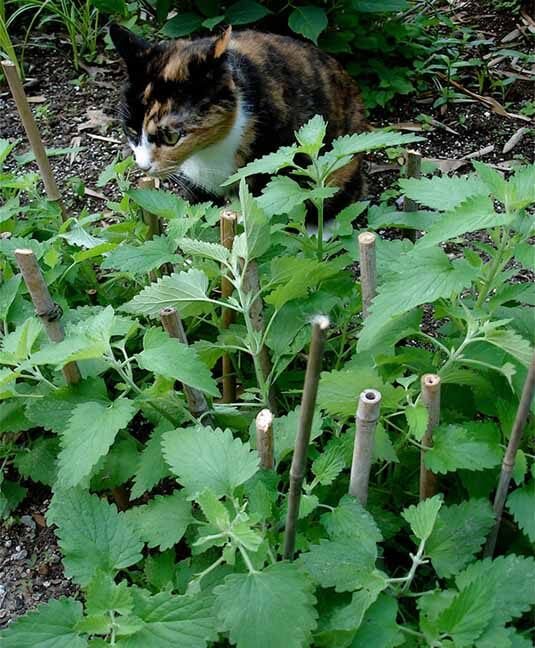
Catnip doesn’t get enough credit outside of the “makes my cat weird” reputation. Research out of Iowa State University found that nepetalactone, the compound in catnip, may actually be more effective at repelling mosquitoes than DEET in certain concentrations.
I’ll admit I was skeptical the first time I heard that claim, but after growing a patch near my chicken run (yes, another chicken story, my sister got me into this), the mosquito activity there did seem to drop.
Catnip spreads aggressively, so plant it somewhere it can’t take over your whole yard, or keep it contained in a pot. It’s part of the mint family, and mint family plants are notorious for turning into thugs if you give them free rein.
Bonus quick note: if you have cats, expect them to flatten the plant within a season. Consider it a fair trade for the mosquito relief.
7. Mint: Refreshing for You, Repulsive to Bugs
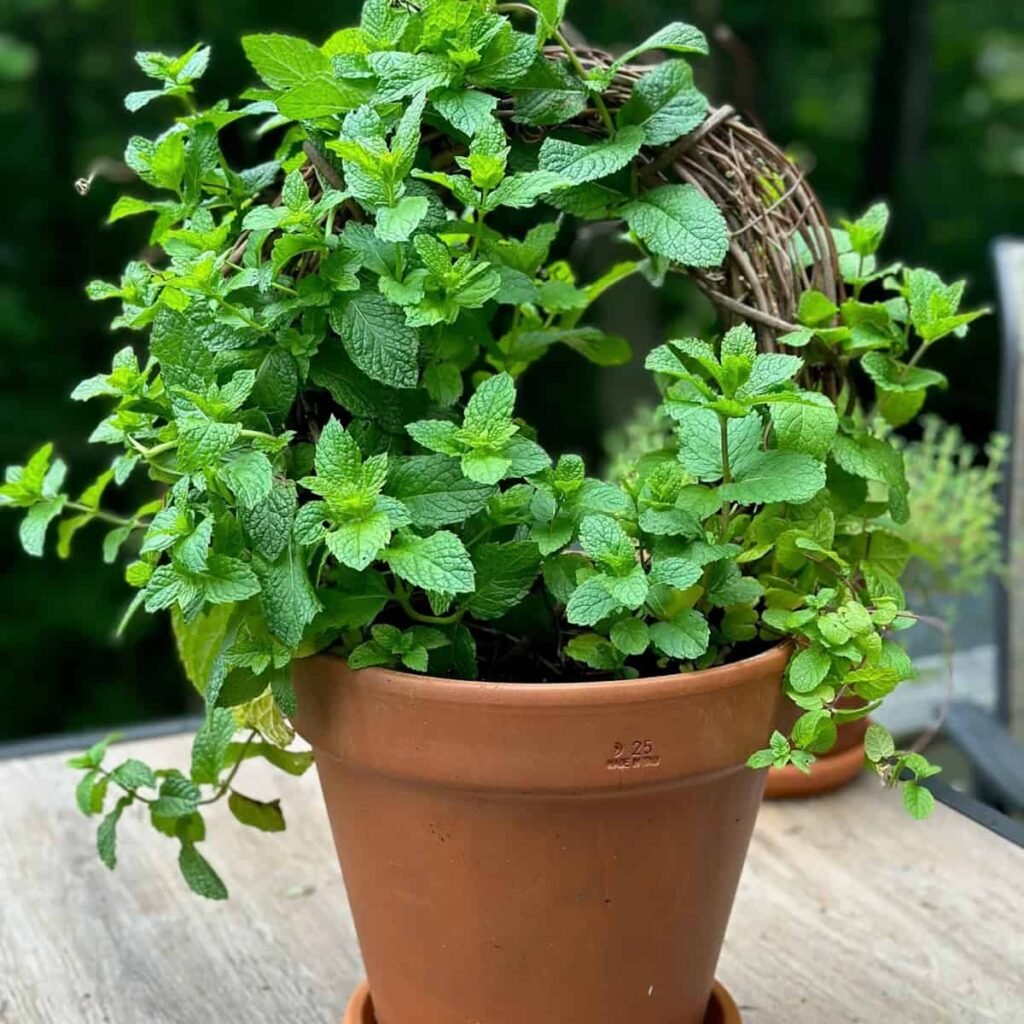
Mint works on the same principle as basil and catnip: strong essential oils that mosquitoes find overwhelming. Peppermint specifically has shown solid repellent properties in several small studies.
I grow mine exclusively in containers, and I mean exclusively. Mint planted directly in the ground will spread through your entire garden bed within a year or two, and digging out all those runners is not a fun weekend project.
Place pots of mint near doorways, windows, and patio seating. Crushing a few leaves and rubbing them on exposed skin gives a short-term repellent boost too, in case the mosquitoes are being especially bold.
It grows in partial shade just as well as full sun, which makes it one of the more flexible plants here if your yard doesn’t get much direct light.
8. Rosemary: The Woody Herb That Works Overtime
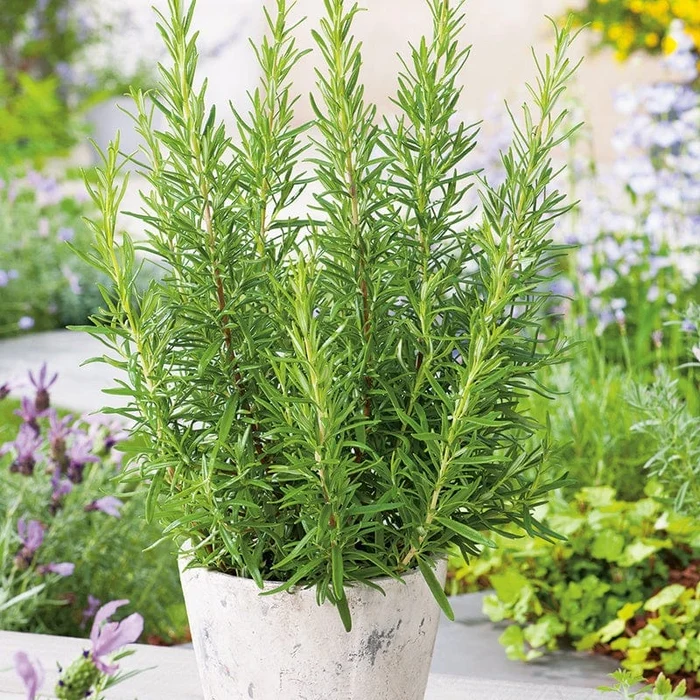
Rosemary has a strong, resinous scent that mosquitoes actively avoid, and it doubles as one of the most useful cooking herbs you can grow. Toss a few sprigs on the grill coals and you get a repellent effect and a flavor boost at the same time.
I grow rosemary in a raised bed near my patio, and honestly it’s one of the few plants I’ve never managed to kill, which is saying something given my track record with delicate herbs.
It prefers dry, well-drained soil and full sun, and it genuinely does not want to be babied. Overwatering is the most common way people accidentally kill rosemary.
In colder climates, rosemary needs to come indoors for winter or be treated as an annual, since it’s only reliably hardy in warmer zones.
9. Lemon Balm: Lemongrass’s Shadier Relative
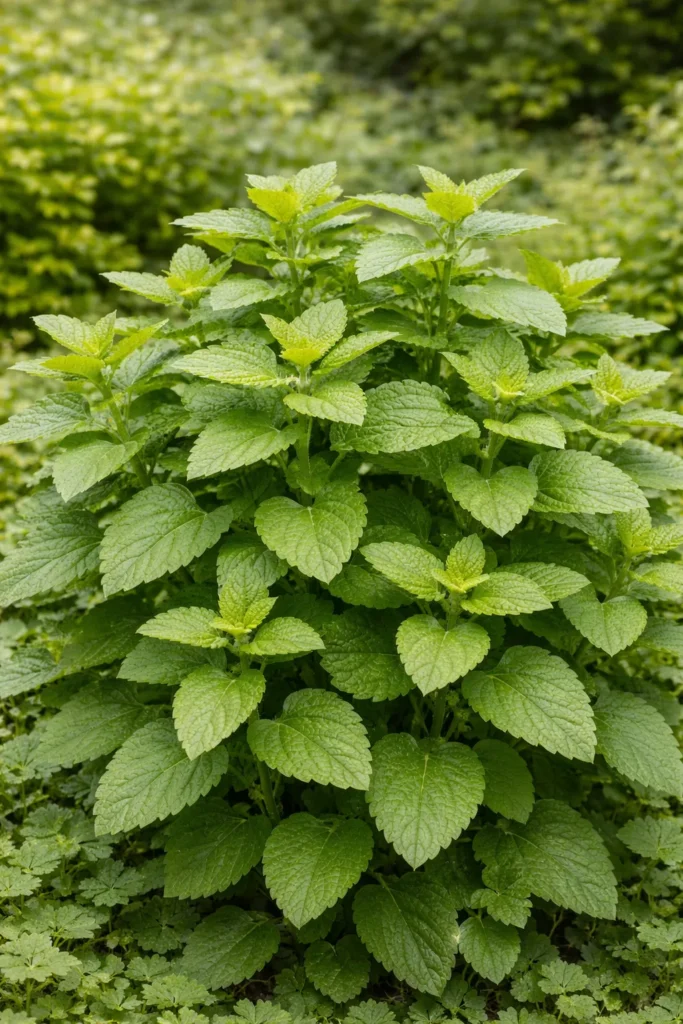
Lemon balm is part of the mint family and shares that unmistakable citrusy scent that mosquitoes find unpleasant. It’s easier to grow in partial shade than most of the other plants on this list, which makes it a solid choice for yards without much full sun.
I tucked a patch of lemon balm along the shady side of my house where nothing else seemed to thrive, and it took off within weeks.
Like mint, lemon balm spreads aggressively through underground runners. Container planting is the safer route unless you want it colonizing your whole flower bed.
Bruise the leaves before rubbing them near your ankles or wrists for a quick, temporary repellent boost while you’re outside gardening.
10. Geraniums: Especially the Citronella Variety
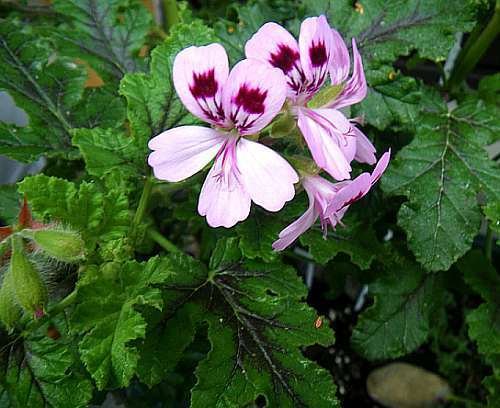
Regular geraniums add color, but citronella-scented geraniums, sometimes sold as “mosquito plants,” are the ones actually worth planting for this purpose. They contain geraniol and citronellal, both compounds mosquitoes tend to avoid.
I’ll be straight with you: some garden centers oversell these as a total mosquito solution, and that’s overselling it. They help, especially in pots near seating areas, but they’re not a standalone fix.
They need full sun and soil that drains well. Overwatering causes root rot faster than almost any mistake I’ve seen new gardeners make with geraniums.
Pinch off spent blooms regularly to keep the plant producing new flowers and staying full rather than leggy.
11. Floss Flower (Ageratum): The Underrated Option
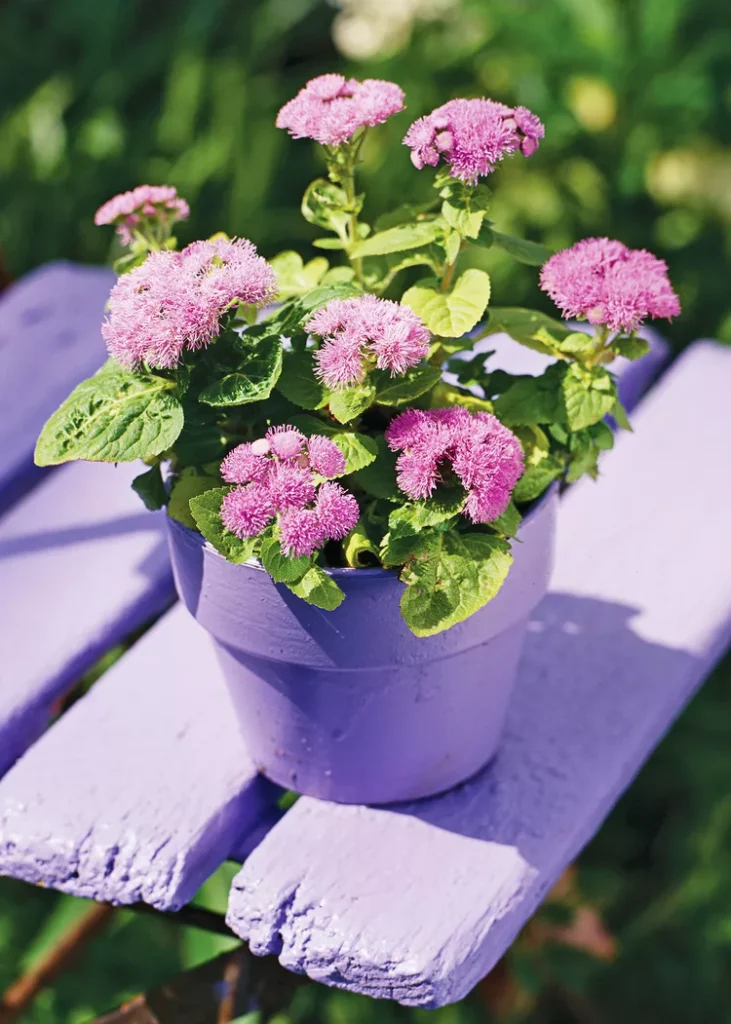
Floss flower contains coumarin, a compound used in some commercial mosquito repellents. It’s a low, mounding annual with fuzzy blue, purple, or pink blooms that work well as a border plant.
I planted a row of ageratum along my front garden bed a few summers ago mostly for the color, and it turned out to be one of the better surprises on this list in terms of actual bug reduction.
It handles both sun and partial shade, which gives you flexibility depending on where your problem areas are. Regular watering keeps it blooming through the heat of summer.
One caution: coumarin can be mildly toxic to pets if eaten in large amounts, so keep that in mind if you’ve got a dog that eats everything in sight (mine does).
12. Sage: The Overlooked Repellent

Sage doesn’t get talked about nearly as much as basil or mint for mosquito control, and I genuinely think that’s a mistake. Burning dried sage leaves releases smoke that mosquitoes actively avoid, similar to citronella smoke.
I keep a sage plant in my herb bed and occasionally toss a few dried leaves onto the fire pit when we’re sitting outside in the evening. The smell is pleasant to us and apparently unbearable to bugs.
It needs full sun and well-drained soil, and it’s genuinely drought-tolerant once established, making it low-maintenance compared to some of the thirstier herbs on this list.
Sage is also perennial in most climates, so once it’s established, you’re not replanting it every year like you would with basil.
13. Eucalyptus Trees: The Big Guns
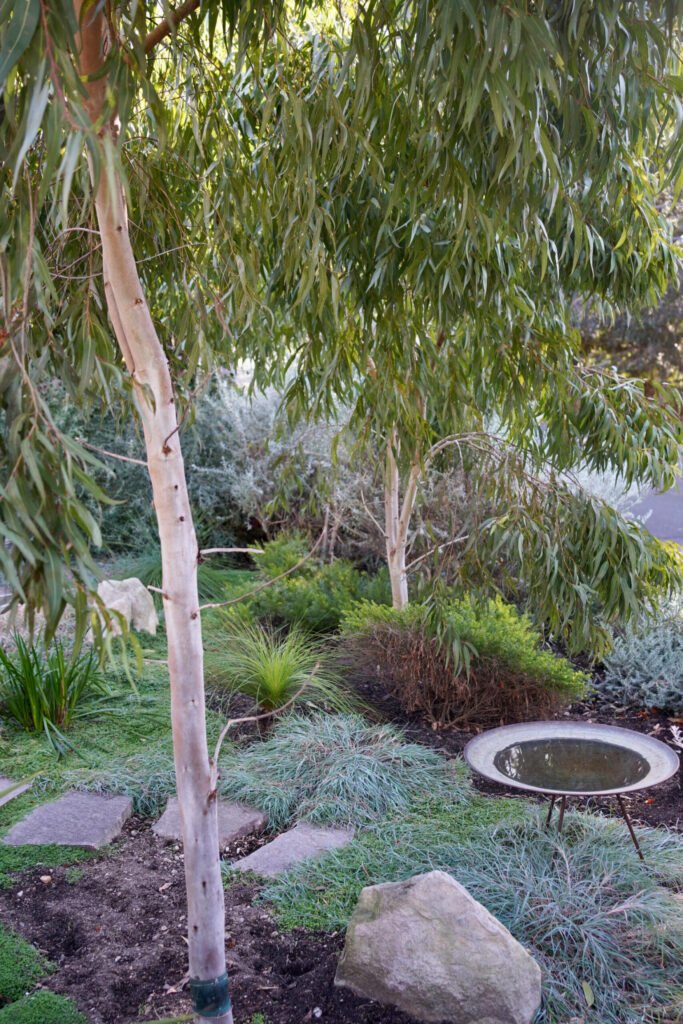
If you’ve got the space, a eucalyptus tree is one of the most effective mosquito deterrents you can plant, thanks to the eucalyptol in its leaves. Oil of lemon eucalyptus is even registered by the EPA as an active ingredient in some repellents.
I don’t have room for a full-sized eucalyptus in my own yard, but a neighbor of mine planted a dwarf variety near her deck, and the difference in evening bug activity around her patio versus mine is noticeable.
Eucalyptus trees grow fast, sometimes several feet a year, and they need full sun and well-drained soil. Dwarf varieties stay more manageable if you don’t have acreage to spare.
They’re not cold-hardy in most northern climates, so check your growing zone carefully before committing, since a hard freeze can kill even an established tree.
14. Neem Trees: The Multi-Purpose Powerhouse
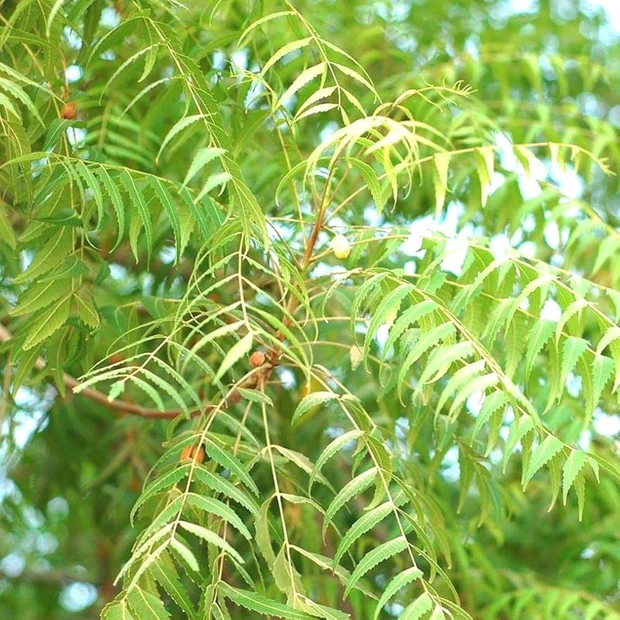
Neem trees are a bit of an investment since they’re slow to establish and need warm, tropical or subtropical conditions to really thrive, but the payoff is significant. Neem oil, extracted from the seeds, is one of the most widely used natural insect repellents and pesticides in the world.
I don’t grow neem myself since my climate is too cold for it outdoors, but I use neem oil spray on my container plants regularly, and it handles mosquito larvae in standing water as well as a range of other garden pests.
If you’re in a warm enough zone to grow neem as a tree, it also provides shade and, over time, a renewable source of neem oil you can extract and use throughout your property.
It needs consistent warmth and doesn’t tolerate frost at all, so this one is really only practical for tropical and subtropical gardeners.
Bonus: Pennyroyal (Handle With Care)
Pennyroyal is another mint-family plant with a strong repellent reputation, and I’m including it as a bonus rather than a full entry because it comes with a serious caveat. The oil is toxic if ingested in concentrated form, and it’s not something I’d plant anywhere near a yard with small kids or pets that graze on greenery.
If your yard is adult-only and pet-free, or you’re comfortable keeping it in a controlled container far from curious mouths, pennyroyal does work. It spreads as a low groundcover and releases its scent easily underfoot.
I keep mine in a hanging basket well out of reach, more as an experiment than a primary defense, and it’s held its own against the mosquitoes near my shed.
Treat this one as an advanced option rather than a starter plant. There are enough safer choices on this list that pennyroyal isn’t necessary for most households.
Real Talk: What These Plants Won’t Do
I want to be straight with you before you go spend fifty dollars at the garden center. These plants are not a force field. Mosquitoes aren’t reading a map that says “avoid this yard.” What’s actually happening is that the essential oils in these plants mask the carbon dioxide and body heat signals mosquitoes use to find you, and that effect is strongest right around the plant itself, not twenty feet away.
Simply having a lavender bush in your yard while mosquitoes breed in a clogged gutter thirty feet away is not going to solve your problem. You need to pair these plants with basic mosquito hygiene: dump standing water, clean your gutters, and check for anything holding water after rain, including saucers under potted plants.
Crushing the leaves and rubbing them directly on your skin works better than just having the plant nearby, but that’s a hassle most people won’t keep up with every single evening. I’ve tried it and I’ll be honest, I forget half the time and end up reaching for the bug spray anyway.
Also, don’t fall for the marketing on “mosquito plants” sold at big box stores in early summer. They’re almost always just citronella-scented geraniums marked up three times the normal price. Buy a regular geranium labeled “citronella” or “mosquito plant” from a reputable nursery instead, and you’ll save real money.
Lastly, some of these plants, especially the mint family members, will absolutely take over your garden if you’re not careful. I’ve spent more weekends than I’d like to admit ripping out runaway mint and lemon balm because I got lazy about containing them.
Parting Wisdom
Plant a mix of these around the areas where you actually spend time, group them in pots near seating if your soil isn’t cooperating, and don’t expect them to replace bug spray entirely, especially on the buggiest summer evenings. Think of them as one more layer of defense rather than a silver bullet.
Which of these have you tried in your own yard, and did they actually make a difference for you? Drop your experience in the comments below. I’m always curious whether other gardeners are seeing the same results I am, or if I’ve just gotten lucky with my particular patch of dirt.

About Syprose Kiche
Syprose Kiche is the creator and writer behind My Besuited Home, a practical home and garden website covering DIY projects, gardening, lawn care, landscaping, home improvement, and outdoor living. She focuses on turning everyday homeowner questions into clear, practical guides backed by careful research and useful real-world considerations.