
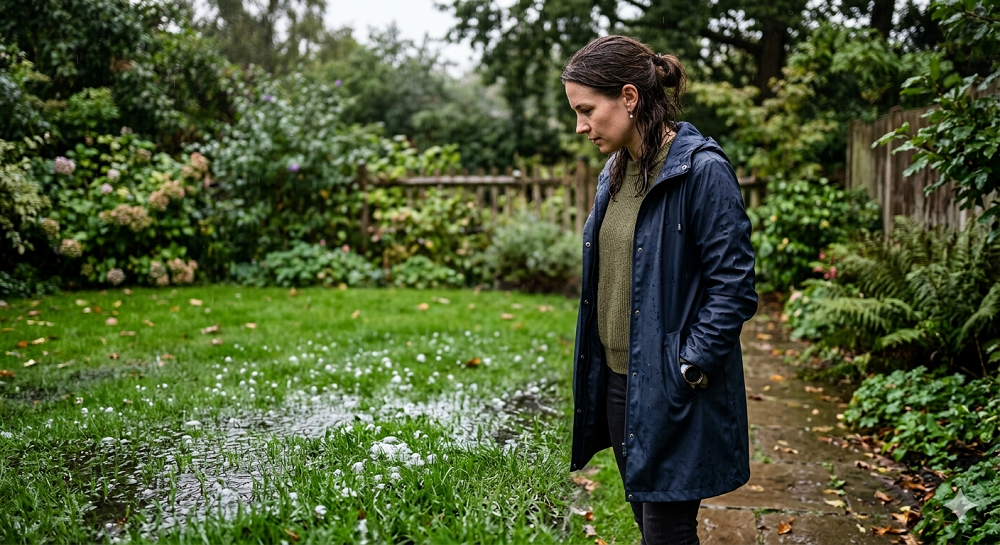
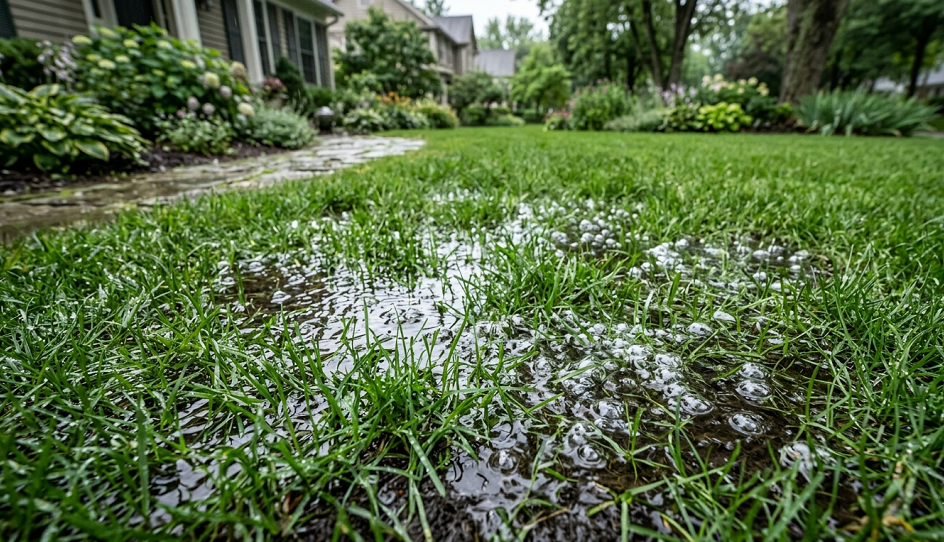
Your lawn looks like a boiling cauldron of green soup, and you are probably panicking. You walked out after a heavy downpour, expecting that crisp, clean post-rain smell, but instead, you found literal foam and white bubbles oozing out of your grass. It looks like someone dumped a giant bottle of dish soap right next to your prize-winning hydrangeas.
I know that exact sinking feeling. The first time I saw my own turf bubbling like a cheap hot tub, I was convinced my neighbor was pulling a prank on me, or worse, that some horrific chemical spill had poisoned my soil. I spent three hours in a mild panic, wondering if my dog was going to get sick just from walking across the yard.
The good news is your grass isn’t dying, and you don’t need to call a hazardous materials team. Lawn bubbling after heavy rain is a surprisingly common phenomenon, and it almost always points to a completely natural biological process rather than a toxic environmental disaster. You can put away the hazmat suit because we can fix this without a drop of harsh chemicals.
Let’s unpack exactly why your grass is blowing bubbles, how to tell the difference between a natural hiccup and a real chemical issue, and the exact steps I use to get a lawn back to normal.
Why Is My Grass Oozing Foam After Heavy Rain?
To solve the mystery of the bubbly lawn, we have to look at what happens when an absolute deluge of water hits dry, organic matter. The most frequent culprit behind a soapy-looking lawn is a completely natural substance called saponin. Think of saponins as nature’s own built-in dish soap. They are organic, carbon-based compounds found inside many common plants, trees, and soil microbes.
The summer my zucchini took over the entire ZIP code, I noticed the exact same foamy residue near my garden beds after a massive July thunderstorm. When your soil gets incredibly dry during a hot spell, organic debris like dead grass clippings, fallen leaves, and thatch just sit there, baking in the sun. The saponins stay locked inside that dried material.
When a sudden, heavy rainstorm slams into that dry turf, it acts exactly like the agitation cycle in your washing machine. The falling rainwater rapidly dissolves those accumulated saponins. As the water rushes through the grass blades and mixes with air, it whips those natural sugars and proteins into a visible lather. The result is a thick, white foam that looks incredibly alarming but is actually completely biodegradable.
There is another biological factor at play here: the frantic activity of soil bacteria and fungi. When a long dry spell is abruptly broken by rain, the microbes in your dirt wake up starving and go on a massive feeding frenzy. As they rapidly break down the newly softened organic matter, they release gases. If your lawn has a thick layer of thatch, those escaping gases get trapped under a wet blanket of organic material, blowing little soapy-looking bubbles as they force their way to the surface.
How to Get Rid of Foam on Lawn Without Chemicals
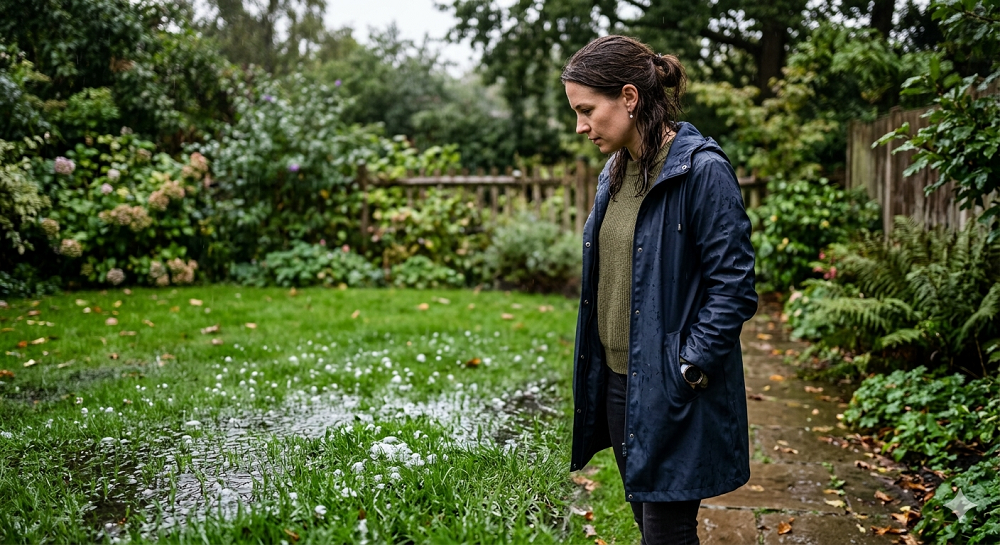
If you want to clear up that unsightly froth without ruining your soil health, the absolute best tool in your shed is a standard garden hose with a high-quality spray nozzle. It sounds incredibly counterintuitive to add more water to a lawn that just got soaked, but your goal here is dilution and dispersal. You want to break the surface tension of those foamy pockets before they dry into a crusty, yellowish film on top of your grass blades.
Set your hose nozzle to a gentle shower or a medium spray pattern. Walk slowly across the affected areas, washing the foam down into the roots. Do not use a high-pressure blast, or you will just churn up more air and create an even bigger bubble bath. By rinsing the grass, you dilute the concentrated saponins and force them deeper into the dirt, where they actually act as a mild, natural wetting agent that helps the soil absorb moisture more evenly.
While you are out there rinsing, take a close look at where the foam is clustering. If the bubbles are piling up in low spots or depressions in your yard, you are dealing with a drainage issue alongside the chemical reaction. Rinsing helps in the short term, but you will want to toss a few shovelfuls of a 50/50 mix of clean play sand and organic compost into those low holes later in the season. This builds up the grade and stops water from pooling up and frothing in the future.
I completely avoid commercial lawn defoamers or chemical synthetic sprays that promise to pop bubbles instantly. Those products are designed for industrial wastewater treatment plants or swimming pools, not your home ecosystem. They are a total waste of money, even if they look like a quick fix on Pinterest. They often contain silicone oils or harsh surfactants that can coat your grass roots, suffocate beneficial soil microbes, and leave ugly brown chemical burns across your yard. Stick to clean water and let nature finish its cycle.
Best Natural Lawn Care for Foamy Grass
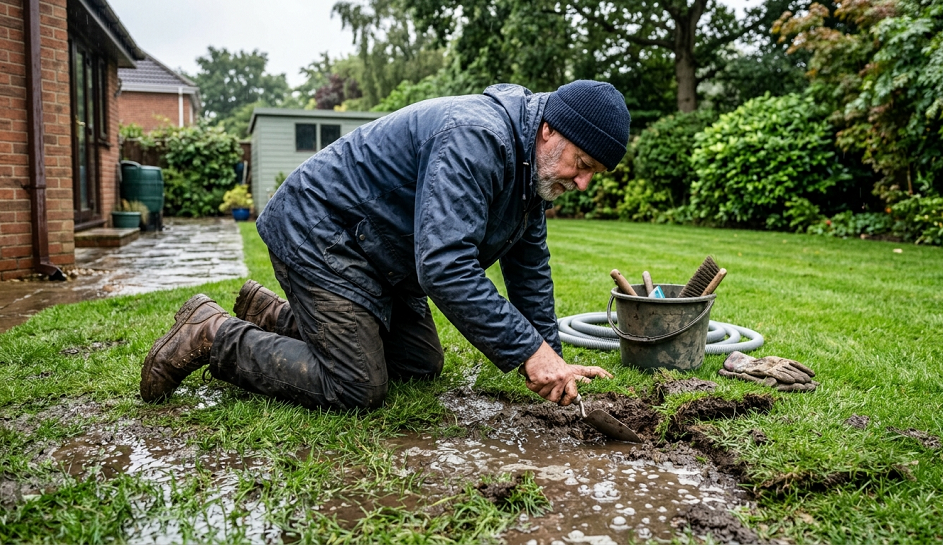
Preventing the foam from coming back means changing how you manage the organic matter on top of your soil. The most effective long-term strategy is to systematically reduce the amount of excess protein and sugar buildup in your yard. This starts with a hard look at your mowing habits. If you are constantly cutting off more than one-third of the grass blade at a time, you are dropping massive amounts of wet, nitrogen-rich debris onto the soil surface, creating a perfect breeding ground for foam.
Switch your mower to a high-quality mulching blade and mow more frequently during the spring rush. Mulched grass should be tiny, almost microscopic flecks that drop straight down to the dirt and decompose in a matter of days. If you see clumps of wet grass sitting on top of your lawn after you mow, grab a leaf rake and clear them out immediately. Leaving those heavy mats to rot in the summer sun is a guaranteed way to trigger a massive bubble outbreak during the next rainstorm.
You also need to take a look at your fertilization schedule. Over-fertilizing with high-nitrogen synthetic blends creates soft, weak, bloated grass growth that breaks down easily and releases high concentrations of saponins. Switch over to a slow-release, organic fertilizer like composted poultry manure or alfalfa meal. These organic amendments feed the lawn slowly over months rather than weeks, preventing the sudden spikes in plant sugars that cause your soil to foam up like a milkshake.
I also highly recommend applying a liquid humic acid or seaweed extract spray once a month during the active growing season. These natural soil conditioners help boost the population of beneficial fungi that eat through tough plant compounds before they can turn into foam. It is like giving your dirt a healthy dose of probiotics, making the entire ecosystem more resilient against sudden weather shifts.
Step-by-Step Lawn Aeration Guide to Stop Soil Bubbling
If your lawn bubbles every single time it rains more than half an inch, your dirt is suffocating. Compacted soil acts like concrete; it blocks water from sinking down and stops trapped gases from escaping quietly. When heavy rain hits compacted ground, air is forced out of the tiny remaining soil pores all at once, creating a fizzy, bubbling effect. To fix this, you need to open up the earth using a mechanical core aerator.
1.Check soil moisture levels:24 hours before.
Never aerate bone-dry dirt or soaking wet mud. Your soil should feel like a wrung-out sponge. If it has not rained recently, run your sprinklers for about 20 minutes the night before you plan to aerate to soften up the ground.
2.Mark your hidden obstacles:1 hour before.
Walk your yard with a bundle of white wire flags or brightly colored landscape paint. Mark every single sprinkler head, shallow invisible dog fence wire, and buried utility line. A mechanical aerator will easily shatter plastic sprinkler parts into a million pieces.
3.Run the machine in a grid:During aeration.
Rent a gas-powered core aerator from a local tool yard. Do not use those useless spiked shoes. Drive the machine across your entire lawn in straight, overlapping lines, then do a second pass at a 90-degree angle to create a dense grid of holes.
4.Leave the dirt plugs to dry:Post-aeration.
Your yard will look like a flock of geese threw a party on it. Leave those little muddy plugs right where they fall. Within a week or two, they will naturally dry out, crumble apart, and redistribute clean, microbe-rich soil across the thatch layer.
How to Fix Lawn Thatch Buildup Naturally
Thatch is that springy, woven mat of dead and living grass stems, roots, and debris that sits right between the green blades and the soil surface. A little bit of thatch—around a quarter of an inch—is fantastic because it acts like a natural cushion that protects your soil from baking in the sun. But once that layer gets thicker than half an inch, it turns into a hydrophobic barrier that traps water, blocks oxygen, and brews up a bubbly soup every time a storm rolls through.
To check your thatch layer, use a sharp garden spade to cut a small, wedge-shaped piece of turf out of your lawn, just like a slice of cake. Look at the profile from the side. If you see a thick, brown, spongy layer that looks like tightly packed peat moss sitting on top of the dark dirt, you have a thatch problem. This thick mat holds onto plant saponins like a sponge, waiting for the rain to whip them into a lather.
Instead of tearing up your back with a heavy dethatching rake, you can melt thatch away naturally by throwing a thin layer of organic compost right over the top of your grass. This process is called topdressing. Spread about a quarter-inch of finely screened compost across the entire yard and use the flat back of a garden rake to settle it down into the grass blades. The compost injects millions of hungry decomposers right into the thatch layer, eating it from the inside out.
You can also brew up a homemade liquid dethatching spray using items from your pantry. Mix one can of regular, non-diet cola, one cup of liquid dish soap (make sure it is a clear, natural soap without degreasers), and a quarter-cup of liquid molasses in a hose-end sprayer. Spray this over your lawn in the late evening. The sugars in the cola and molasses feed the soil bacteria, while the mild soap breaks down the waxy coating on the dead thatch, allowing it to rot down naturally.
Real Talk: When Bubbles Mean Big Trouble
Let’s get real for a minute: while 90% of lawn bubbles are completely harmless plant sugars, there are times when that white foam is a warning sign of something much worse. If the foam rolling across your yard smells strongly of synthetic lavender, chemical citrus, or chlorine, you are not dealing with nature. You are dealing with graywater runoff or a chemical spill.
That time I accidentally knocked out a load-bearing stud in my old tool shed, I learned the hard way that things can go south fast when you don’t pay attention to layout. The same goes for your neighborhood typography. If your yard sits at the bottom of a slope, check upstream. A neighbor up the hill might be washing their massive RV with heavy-duty surfactants right before a rainstorm, allowing all that chemical soap to pour directly onto your pristine sod.
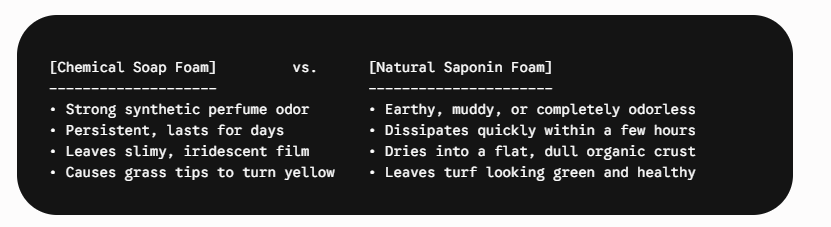
Another massive red flag is a bubbling lawn accompanied by a distinct, foul odor that smells like rotten eggs or raw sewage. If you smell that, step away from the foam immediately and keep your pets inside. This is a classic sign of a failing septic tank or a backed-up municipal sewer line.
When the ground gets oversaturated with rainwater, a compromised septic drainage field will force untreated wastewater up to the surface, creating a toxic, highly dangerous bacterial foam. If you suspect this is the case, do not try to fix it with a garden hose. Call a licensed septic professional immediately and keep everyone off the grass.
Parting Wisdom
At the end of the day, a bubbling lawn is usually just your yard’s way of taking a quick, natural bath after a long, dry stretch of weather. Don’t stress out, don’t dump a bunch of expensive chemicals onto your soil, and don’t spend hours panicking over a few patches of froth. Take a deep breath, grab your garden hose, dilute the spots that look unsightly, and plan to give your soil a little extra love with an aerator later in the fall. Your grass will thank you for it, and your soil will stay healthy, vibrant, and completely toxin-free.
Have you ever walked out after a storm and found your yard covered in strange bubbles or weird foam? Drop a comment down below and tell me what happened, or let me know if you tried the compost topdressing trick. I read every single comment and love swapping dirty-fingernail stories with fellow gardeners!

About Syprose Kiche
Syprose Kiche is the creator and writer behind My Besuited Home, a practical home and garden website covering DIY projects, gardening, lawn care, landscaping, home improvement, and outdoor living. She focuses on turning everyday homeowner questions into clear, practical guides backed by careful research and useful real-world considerations.