
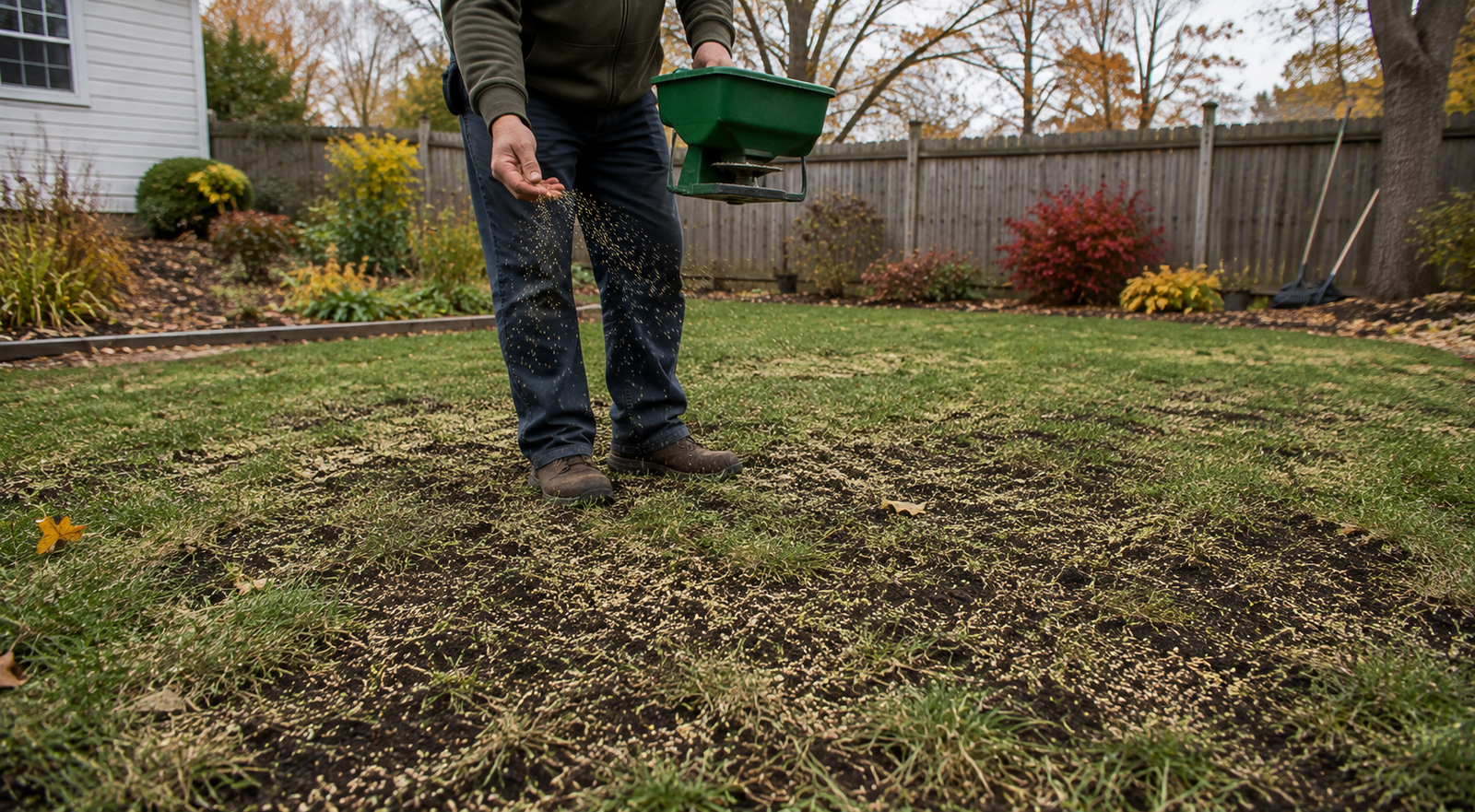
You finally got your lawn looking decent after a brutal summer, and now there’s a fresh wave of weeds crawling in like they own the place. Dandelions popping up where you swear you pulled them in July. Clover spreading across the back corner. Some weird low, spreading thing you can’t even name yet.
Here’s the part nobody tells you: fall weeds are playing a completely different game than summer weeds. They’re not trying to survive the heat. They’re setting up shop for next spring. And if you ignore them now because “it’s almost winter anyway,” you’re basically handing them a head start for March.
I’ve spent more falls than I care to count crawling around lawns with a bucket and a garden knife, and I’ve picked up a few tricks that actually work without turning your yard into a chemical dead zone. Let’s get into it.
Quick heads up before we start: none of this requires a truckload of products or a weekend you don’t have. Most of what works best in fall is cheap, low-effort, and stuff you can knock out in twenty minutes a couple times a week. That’s honestly the appeal for me. I’ve got better things to do with a Saturday than babysit a lawn.
Why Fall Weeds Are a Different Beast Than Summer Weeds
Most people treat weeds the same way all year, and that’s mistake number one. Summer annuals like crabgrass are basically done by fall. They’ve already dropped their seeds and they’re on their way out no matter what you do.
Fall weeds are the opposite story. Things like dandelion, clover, chickweed, and henbit are either just germinating or actively pushing energy down into their roots to survive winter. That root-storing behavior is actually your best opportunity as a gardener.
When a weed is sending sugars and nutrients down to its roots for winter storage, any treatment you apply gets pulled down with it. That’s why fall is considered prime time for a lot of natural and organic weed control, even though most people are mentally checked out of yard work by October.
I ignored this for years. I’d spray, pull, and mulch all summer, then basically abandon the yard once the leaves started turning. Come April, I’d have the exact same weed problem, sometimes worse. Once I started treating fall as an active season instead of a wind-down season, my spring weed count dropped by more than half.
Identify Your Fall Weeds Before You Do Anything Else
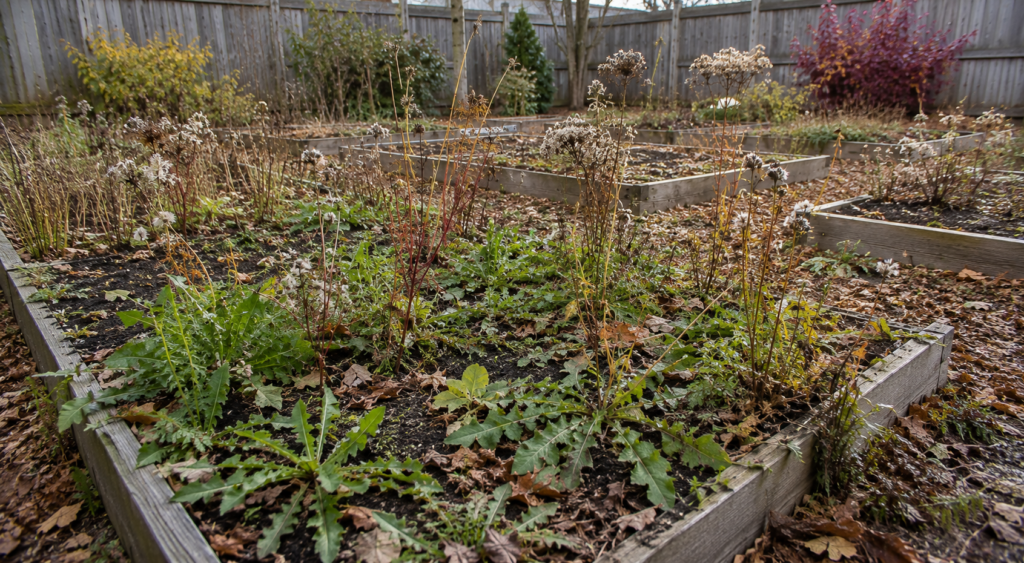
You can’t fight what you can’t name. Different weeds respond to different tactics, so a five-minute walk around your yard with your phone camera will save you a lot of wasted effort.
Dandelions have that deep taproot and the classic yellow flower, though by fall you might just see the rosette of leaves low to the ground. Clover spreads in patches with the little three-leaf clusters. Chickweed is a low, mat-forming plant with tiny white flowers that thrives in cool, damp weather, which makes fall its favorite season. Henbit has square stems and purple flowers and loves to show up in thin, bare patches of lawn. Creeping Charlie (ground ivy) has round scalloped leaves and a minty smell when you crush it.
Knowing which one you’re dealing with matters because, for example, vinegar works great on broadleaf weeds like dandelion and clover but does almost nothing against something with an aggressive root system like creeping Charlie. Match the method to the weed, not the other way around.
If you’re not sure what you’re looking at, snap a photo and use a plant identification app, or bring a sample to your local garden center. I know that sounds like extra work when you just want the weeds gone, but five minutes of identification saves you weeks of applying the wrong fix and wondering why nothing’s changing. I wasted an entire October one year dumping vinegar on what I thought was clover. Turned out to be wood sorrel, which looks nearly identical but shrugs off vinegar like it’s morning dew.
It also helps to know roughly when each weed is most vulnerable. Chickweed and henbit germinate from seed in early fall, so they’re most exposed right when they’re small seedlings. Dandelion and clover are perennials that are already established, so your window is more about targeting the root before the plant goes dormant for winter. Same season, different strategy.
Natural Ways to Get Rid of Fall Weeds
1. Hand-Pull After a Rain (or a Deep Watering)
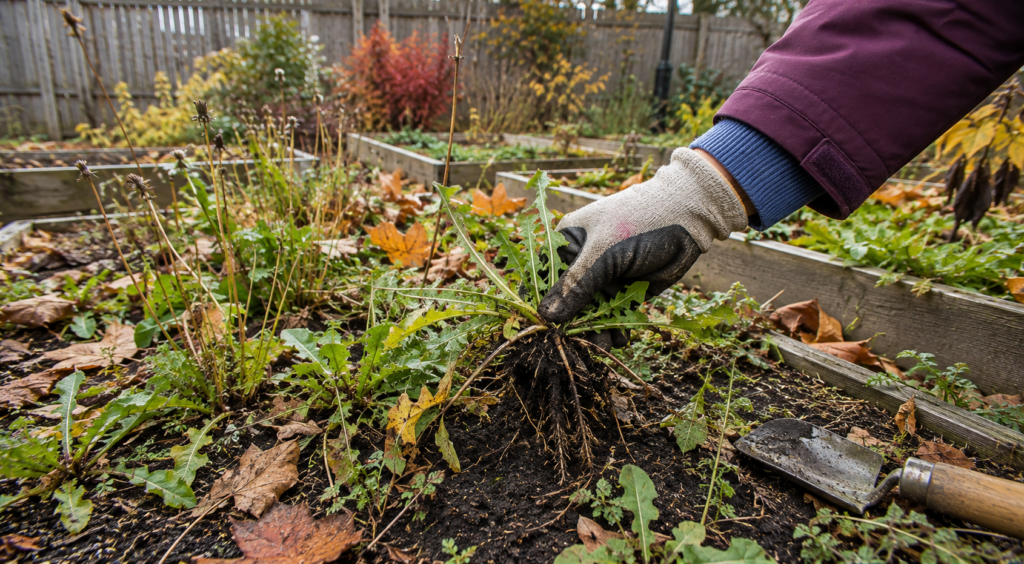
This is the oldest trick in the book, and it’s still one of the most effective for isolated weeds, especially taprooted ones like dandelion.
Wait until the soil is damp, either from rain or a good soak with the hose. Dry soil grips roots like cement, and you’ll snap the top off, leaving the root to regrow within a couple weeks. Wet soil lets the whole root system slide out with a gentle, steady pull.
Use a dandelion knife or an old kitchen knife angled alongside the root to loosen the soil first if the weed is stubborn. I keep a beat-up steak knife in my garden bucket specifically for this. It’s not glamorous, but it works better than half the fancy weeding tools I’ve bought over the years.
Do this in the morning or evening when it’s cooler, both for your own comfort and because the soil holds moisture longer before the sun bakes it dry again. One pass through your yard every week or two in fall keeps new growth from establishing roots deep enough to be a real problem.
2. Use a Vinegar and Dish Soap Spray for Broadleaf Weeds
Regular grocery store vinegar is only about 5% acetic acid, and honestly, it’s not strong enough to do much beyond mildly annoying a weed. If you want real results, look for horticultural vinegar at 20% acetic acid from a garden center or hardware store.
Mix it with a small amount of dish soap, roughly one tablespoon per quart, so the spray sticks to the waxy leaf surface instead of beading up and rolling off. Spray directly onto the leaves of the weed on a sunny, dry day with no rain in the forecast for at least 24 hours.
This method is a contact killer, meaning it burns the leaves it touches but generally won’t travel down to kill deep taproots in one application. You’ll likely need to reapply on regrowth, especially for dandelions. It works best on young weeds or as a follow-up treatment after hand-pulling has already weakened the root.
Be careful with your aim here. This stuff doesn’t know the difference between a weed and your prized hostas, so a paintbrush or a spray bottle with a narrow, controlled nozzle beats a wide sprayer every time.
3. Try Corn Gluten Meal as a Natural Pre-Emergent
If you’re dealing with weeds that reseed themselves every single fall, like chickweed and henbit, corn gluten meal is worth trying. It’s a natural byproduct of corn processing that suppresses seed germination by drying out the tiny root that a seed sends out first.
Timing is everything with this one. It needs to go down before the weed seeds germinate, which for most cool-season weeds means late summer into early fall, depending on your climate zone. Applying it too late, after the seeds have already sprouted, does basically nothing. I made this mistake my first year using it and spent the money for zero results.
Spread it evenly across your lawn following the bag’s rate recommendations, then water it in lightly. It also happens to add a small amount of nitrogen to your soil, which gives your grass a nice boost heading into the cooler months.
One thing to know: corn gluten meal stops new seeds from establishing, but it won’t touch weeds that are already growing from an existing root system. Pair it with hand-pulling for full coverage.
4. Solarize or Smother Small Weed Patches
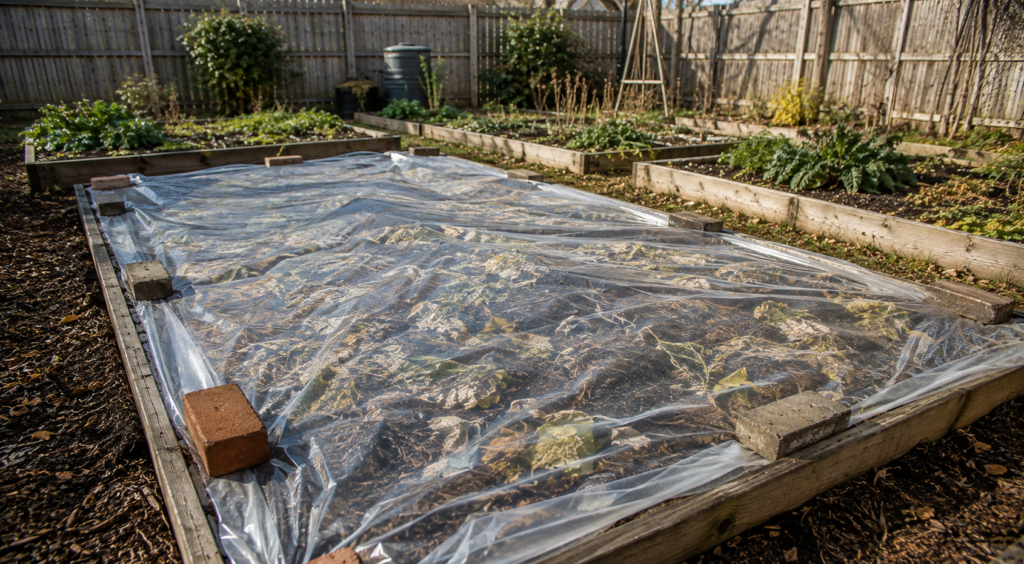
For weeds taking over a specific bed or patch rather than your whole lawn, smothering is a low-effort, highly effective option. Lay down a thick layer of cardboard or several sheets of newspaper directly over the weeds, then cover it with mulch, straw, or compost.
This blocks sunlight completely, and without light, the weeds underneath can’t photosynthesize and eventually die off, roots and all. It takes a few weeks to a couple months depending on the weed and the thickness of your smothering layer, which makes fall a perfect time to start since you’re not racing against a planting deadline.
I use this method every year in my vegetable beds once the season winds down. I toss down cardboard, pile mulch on top, and by spring, that section is clean, weed-free, and full of nutrients from the decomposing cardboard underneath. It’s basically a two-for-one: weed control and soil improvement while you do nothing.
Just avoid glossy or heavily printed cardboard, since some inks and coatings aren’t great for your soil long-term. Plain brown boxes are your best bet.
5. Boiling Water for Cracks, Gravel, and Driveways
I mentioned this one briefly already, but it deserves its own spot because it’s genuinely one of the most satisfying weed-killing methods out there. For weeds popping up between patio pavers, in driveway cracks, or along gravel paths, boiling water is quick, free, and requires zero shopping trip.
Just boil a kettle or pot of water and pour it directly onto the weed, focusing on the base of the plant where it meets the crack. The heat ruptures the plant cells almost instantly, and you’ll see the weed wilt within hours. For tougher, more established weeds, you might need a second pour a few days later to finish off anything that survived the first round.
The catch, and I’ll say it again because it matters, is that this only belongs on hardscaping. Pouring it anywhere near grass, garden beds, or soil you actually care about will kill everything in that spot, not just the weed. I learned to keep a dedicated “weed kettle” by the back door specifically so I’m not tempted to use my good stovetop kettle and end up smelling like scorched dandelion for the rest of the afternoon.
6. Overseed Your Lawn to Crowd Out Bare Spots
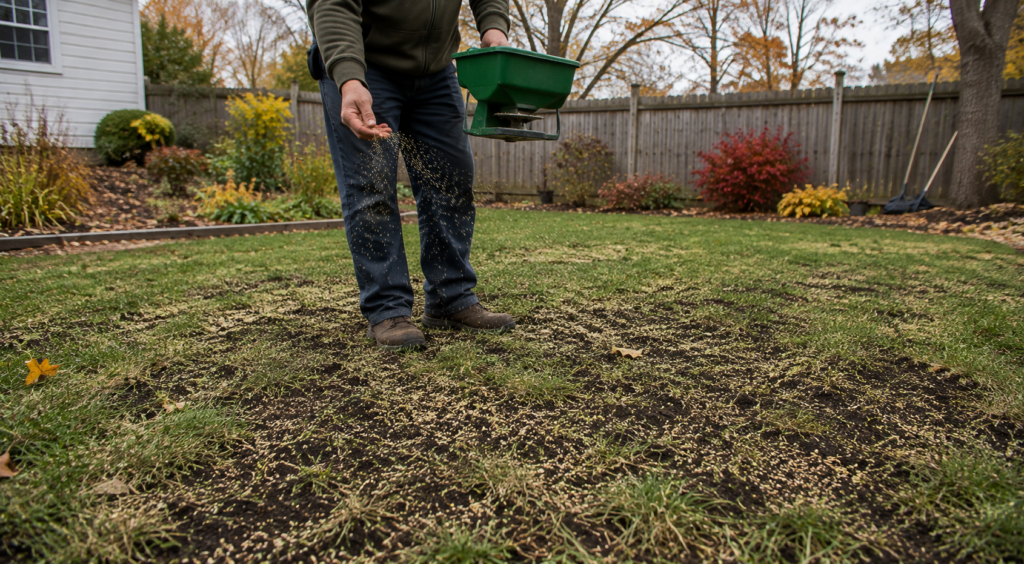
This one isn’t a direct weed killer, but it might be the single most underrated method on this list. Weeds are opportunists. They move into thin, bare, or stressed patches of lawn because there’s nothing else competing for that space.
Fall is the best time of year to overseed cool-season grasses because the soil is still warm from summer but the air has cooled down, which is the exact combination grass seed needs to germinate without getting scorched. Fill in those bare patches with fresh grass seed, keep the soil consistently moist, and you’re closing the door weeds would otherwise walk through.
I’ve found that a thick, healthy lawn does more long-term weed prevention than any spray I’ve ever used. It’s not instant gratification, but it’s the difference between fighting the same battle every single year and actually winning it.
Quick side note: if you’re overseeding, hold off on any vinegar or corn gluten applications in that same area. Both will hurt your new grass seedlings just as easily as they’d hurt a weed. Give new seed a full growing season before treating that patch again.
When Should You Actually Start Fall Weed Control?
Timing questions come up constantly, so let’s clear this up. Generally, you want to start your fall weed control push once nighttime temperatures consistently drop into the 50s Fahrenheit, which usually lines up with early to mid-September in most temperate climates, though it shifts earlier or later depending on where you live.
This timing matters for two reasons. First, it’s when cool-season weed seeds like chickweed and henbit start germinating, so it’s your best shot at a pre-emergent like corn gluten meal actually doing its job. Second, it’s when perennial weeds start pulling energy down into their roots to survive winter, which is exactly when a contact treatment like vinegar has the best chance of reaching that root system instead of just burning the leaves.
Wait too long, until after the first hard frost, and a lot of these methods lose their effectiveness because the plant has already gone dormant and stopped actively pulling nutrients down. That’s the window most people miss entirely because they’ve mentally moved on to raking leaves and prepping for winter.
Building Weed Prevention Into Your Fall Routine
Beyond the specific methods above, there are a few habits that make everything else on this list work better. None of these kill weeds directly, but they make your yard a much harder place for weeds to succeed.
Keep mowing your lawn through fall, even as growth slows down. Set your mower height a little higher than you did in summer, since taller grass blades shade the soil and make it harder for weed seeds to get the sunlight they need to germinate. A lawn mowed too short is basically rolling out the welcome mat for weeds.
Rake up fallen leaves regularly instead of letting them pile up and smother your grass. A thick, wet layer of leaves left sitting for weeks creates the exact damp, low-light conditions that weeds like chickweed thrive in. I know raking is nobody’s favorite chore, but a quick pass every week beats one miserable afternoon in November dealing with a soggy mess.
Test your soil if you haven’t in a while. Compacted, poor-quality soil struggles to grow thick grass, and thin grass is an open invitation for weeds. A basic aeration in early fall, followed by a light topdressing of compost, does wonders for giving your grass the edge it needs going into the following spring.
Real Talk: What’s Not Worth the Effort (and What Can Backfire)
Here’s where I get honest with you, because half the advice out there skips this part entirely.
Vinegar is not selective. I’ve watched it kill a border of decorative grass I actually wanted because I got sloppy with the spray on a windy day. If there’s even a light breeze, skip spraying that day. Drift happens fast, and it doesn’t discriminate.
Boiling water is another popular “natural” method you’ll see floating around, and I’ll be straight with you: it works, but only on driveway cracks and sidewalk gaps. Do not pour boiling water on your lawn near weeds unless you want a dead, brown patch of grass along with the weed. It kills everything it touches, roots and all, indiscriminately.
Corn gluten meal sounds great in theory, but the timing window is genuinely narrow, and a lot of people (myself included, the first time) miss it entirely and waste a bag of product for nothing. If you’re not confident about your local germination timing, check with a local extension office before buying a big bag.
And smothering, while effective, is not a fast fix. If you need a bed cleared in two weeks, this isn’t your method. It’s a slow burn that pays off over a season, not a weekend.
I’ll also say this: natural methods, across the board, are slower than synthetic herbicides. If you’re hoping for the instant, scorched-earth results you’d get from a bottle of chemical spray, you’re going to be disappointed the first week and impatient the second. What natural methods lack in speed, they make up for in the fact that you’re not dumping chemicals into soil where your kids or dog are rolling around, or into groundwater that eventually ends up somewhere downstream. That trade-off is worth it to me, but it’s fair to know what you’re signing up for going in.
Last thing: don’t expect one method to solve everything. I get emails from readers asking why their vinegar spray “didn’t work” on creeping Charlie, and it’s because vinegar was never going to touch that root system in the first place. Matching the right method to the right weed matters more than how aggressively you attack the problem.
Final Thoughts on Natural Fall Weed Control
Fall weed control isn’t about one dramatic fix. It’s a handful of small, consistent habits, pulling when the soil is damp, spot-treating with vinegar on calm days, smothering the worst patches, and thickening up your lawn so weeds have nowhere left to move in. Stack a few of these together and you’ll notice a real difference by spring, without a single chemical jug in your garage.
What’s the most stubborn fall weed you’re dealing with right now? Drop it in the comments below and I’ll tell you what’s actually worked for me on it.

About Syprose Kiche
Syprose Kiche is the creator and writer behind My Besuited Home, a practical home and garden website covering DIY projects, gardening, lawn care, landscaping, home improvement, and outdoor living. She focuses on turning everyday homeowner questions into clear, practical guides backed by careful research and useful real-world considerations.