
Nothing kills a backyard dinner faster than a mosquito doing victory laps around your ankles while you’re trying to enjoy a burger. I’ve hosted enough ruined cookouts to know the feeling: you light a citronella candle, swat the air dramatically, and twenty minutes later you’re covered in bites anyway.
I run a small backyard garden and a worse-than-small patience for chemical bug sprays that smell like a hardware store exploded. Over the past decade, I’ve tested more essential oil “bug solutions” than I’d like to admit, including a lavender spray I made so strong it gave my neighbor a headache over the fence.
This guide skips the Pinterest fluff. I’m giving you the seven oils that actually move the needle on backyard bugs, how to use each one properly, and where they completely fall apart. No magic, no miracle cures, just what’s worked in my own yard, season after season.
How Essential Oils Actually Repel Backyard Bugs
Before we get into the list, here’s the quick science so you know why some of this works and some of it is nonsense.
Insects find you using smell. Carbon dioxide, sweat, and skin bacteria all send up a flare that says “dinner’s here.” Strong-smelling plant oils mask that signal or actively irritate an insect’s sensory organs, which makes them steer clear.
The catch is concentration and consistency. A few drops in a diffuser smells nice to you but does almost nothing to a mosquito eight feet away. You need the right ratio, the right delivery method, and you need to reapply more often than the label suggests. I learned that one the hard way during the summer my zucchini patch turned into a jungle and the gnats turned it into their personal nightclub.
With that out of the way, here are the seven oils worth keeping on hand.
1. Citronella Oil for Mosquitoes
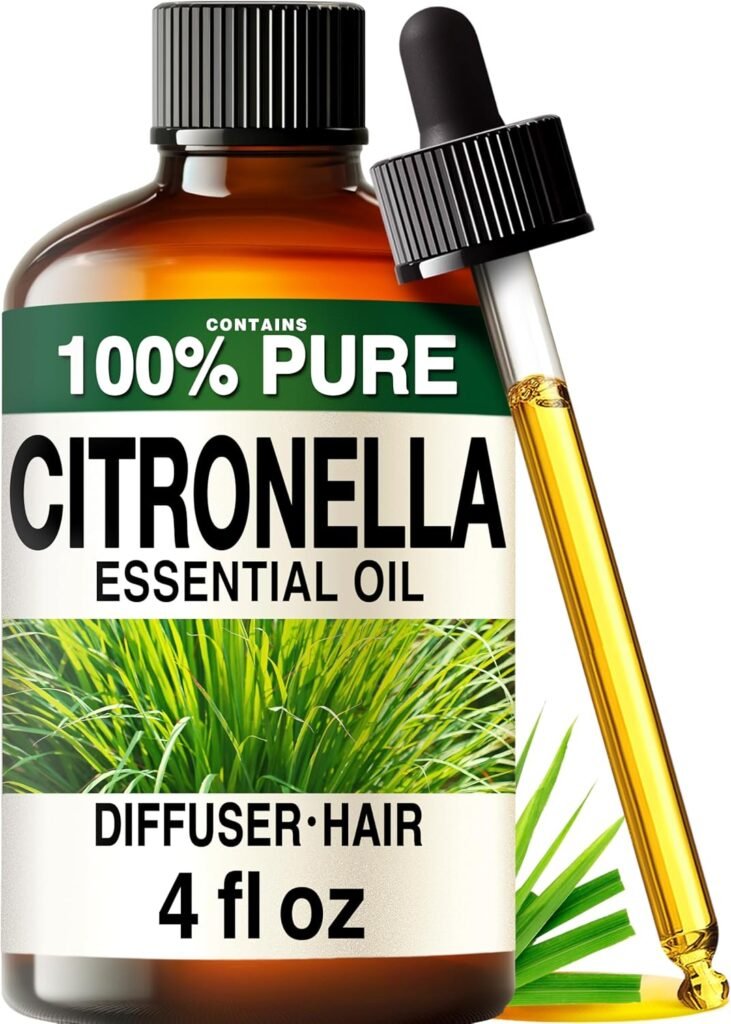
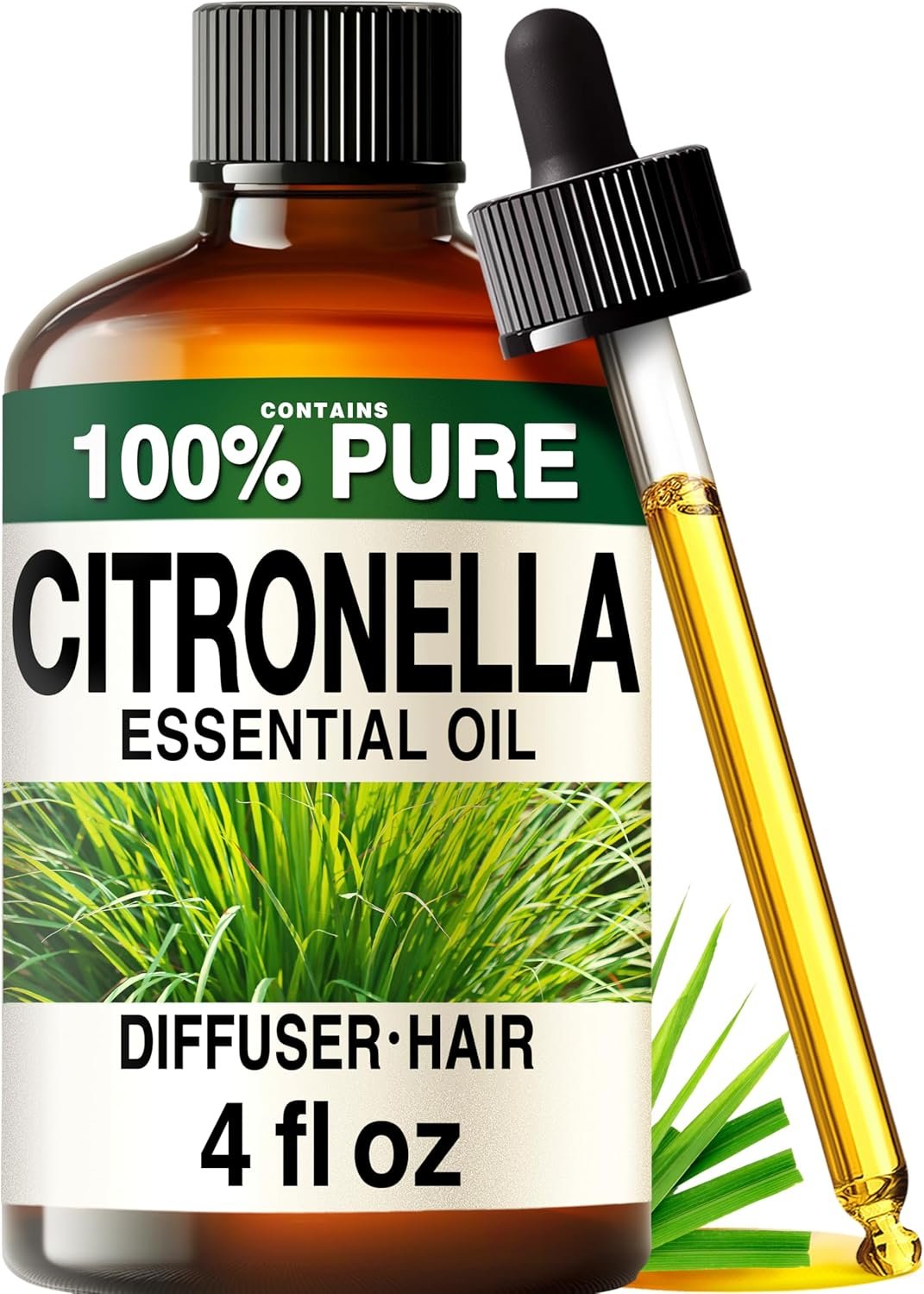
Citronella is the celebrity of bug-repelling oils, and for once, the hype is mostly earned. It’s distilled from a type of lemongrass, and mosquitoes genuinely dislike the smell.
Here’s where most people mess it up: candles. A citronella candle gives off a tiny, low-concentration cloud that drifts away the second there’s a breeze. I burned through a dozen of those candles one Fourth of July and still ended up with bites on my elbows. The candle isn’t the problem; the dose is.
What actually works is a spray. Mix 10-15 drops of citronella oil with a tablespoon of a carrier oil (witch hazel works great) and 2 ounces of water in a spray bottle. Shake it before every use because oil and water are not friends and will separate if you let the bottle sit.
Spray it directly on exposed skin, clothing edges, and the legs of your patio furniture. Reapply every 90 minutes if you’re sitting outside for a long stretch. I keep a bottle by the back door from May through September because I’ve learned that grabbing it on the way out is the only way I actually remember to use it.
2. Peppermint Oil for Ants and Spiders
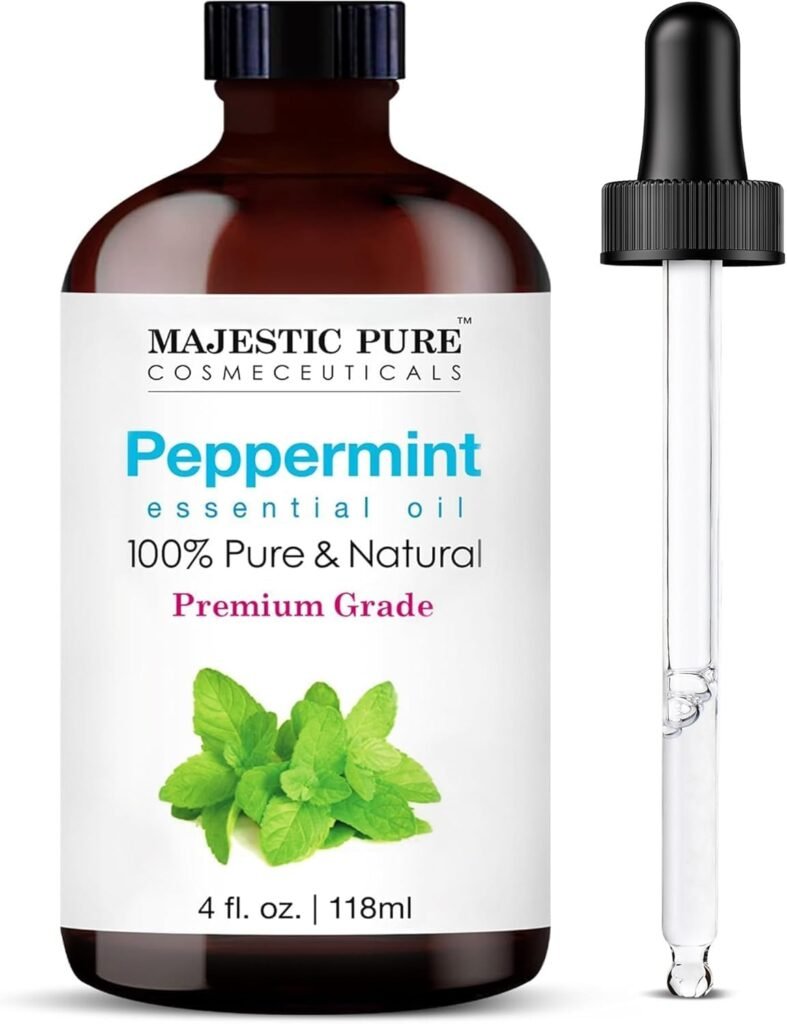
Peppermint oil is the oil I reach for the most, mostly because it tackles two problems at once: ants marching across the patio and spiders setting up shop in the corners of my porch.
Ants navigate using scent trails. They leave a chemical breadcrumb path for the rest of the colony to follow back to whatever snack they found. Peppermint oil scrambles that trail completely, so the ants get confused and turn back. I’ve watched a line of ants hit a peppermint-treated threshold and just stop, like they walked into an invisible wall.
For ants, mix 15 drops of peppermint oil with 2 cups of water in a spray bottle and treat doorways, window sills, and any cracks where you’ve seen them entering. Spiders hate the smell too, so a stronger mix (20 drops per cup of water) sprayed in corners, under eaves, and around the shed door keeps webs from reappearing every single week.
One honest warning here: peppermint oil is strong enough that I’ve gotten a slight headache from spraying too much in an enclosed space, like inside a garage. Outdoors it’s fine, but go easy if you’re treating an indoor mudroom or covered porch.
3. Lemon Eucalyptus Oil for Mosquitoes (The Heavy Hitter)
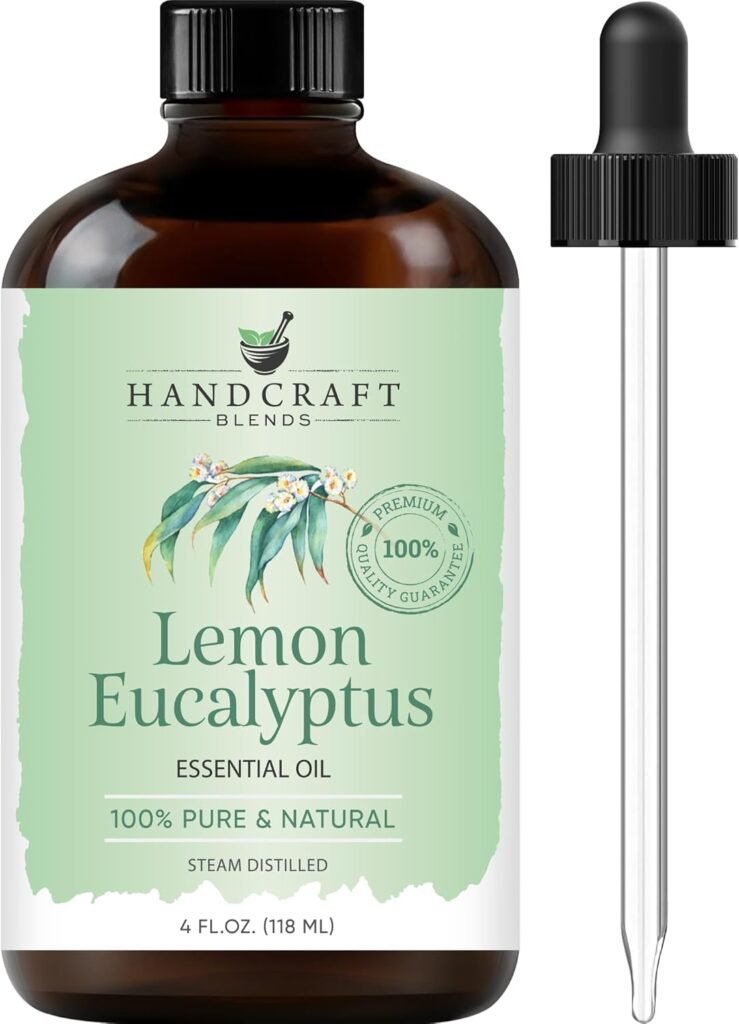
If citronella is the celebrity, lemon eucalyptus oil is the actual workhorse. This is the one with research backing it up. The compound inside it, called PMD, has performance numbers in studies that come close to some synthetic repellents.
I switched my personal bug spray over to lemon eucalyptus oil three summers ago after a camping trip where the mosquitoes treated my citronella spray like a light snack. The difference was noticeable within the first night.
To make a spray, combine 20-25 drops of lemon eucalyptus oil with 2 tablespoons of a carrier oil and 4 ounces of water. This one holds up longer outdoors than citronella, often giving you a solid two hours before you need to reapply. It also smells less like a candle aisle and more like an actual lemon, which my kids tolerate a lot better.
A quick caution: lemon eucalyptus oil is not recommended for children under 3 years old, according to most safety guidance, so keep a separate kid-safe spray (your citronella or peppermint mix, well-diluted) for the little ones.
4. Lavender Oil for Moths and Flies
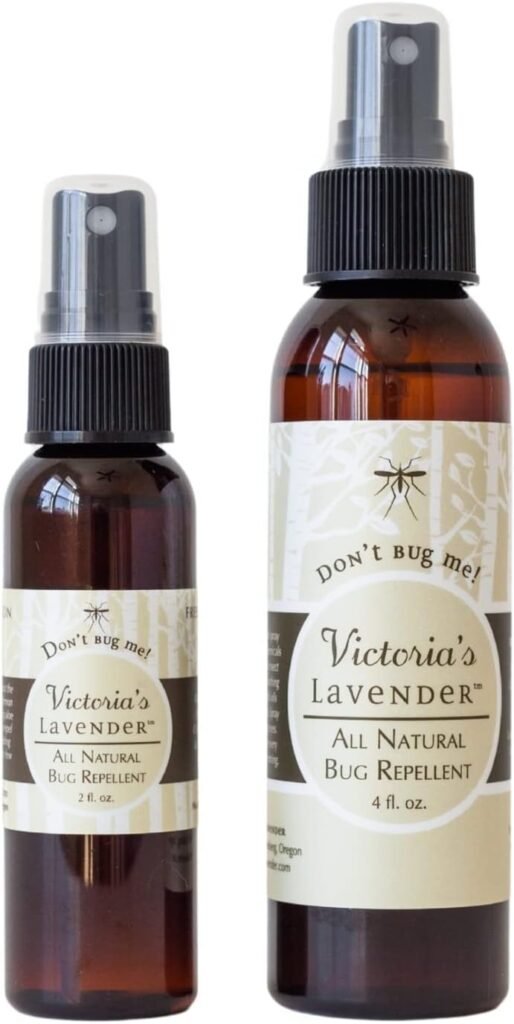
Lavender gets a reputation as the “pretty but useless” oil, and I’ll admit I assumed the same thing for years. Turns out it’s genuinely effective against moths and flies, just not mosquitoes, which is where people get disappointed and write it off entirely.
Moths despise the smell of lavender, which is why sachets of dried lavender have been tucked into closets for centuries. The oil version works even better outdoors. Flies also avoid it, which makes it a solid choice for keeping them off the food table during a backyard gathering.
Mix 15 drops of lavender oil with a cup of water and a teaspoon of dish soap (the soap helps the oil blend and stick to surfaces). Spray it on outdoor seating cushions, around trash can lids, and near any porch lights that tend to attract a moth party every night.
I’ve found that lavender is a total waste of money if you’re buying it specifically to fight mosquitoes, even though half the candle aisle markets it that way. Use it for what it’s actually good at, and it earns its keep.
5. Tea Tree Oil for Ticks and Fleas
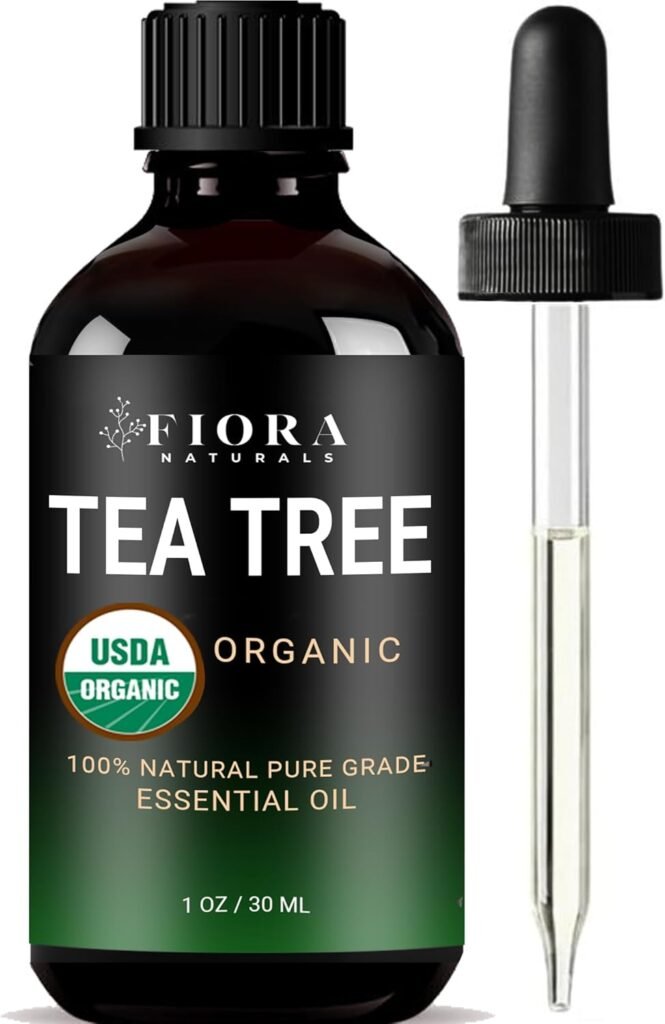
Tea tree oil is the one I trust most for ticks, which matter a lot if your backyard backs up to any kind of wooded area or tall grass. Ticks are patient little hitchhikers, and tea tree oil disrupts their ability to latch on.
The summer my dog picked up four ticks in a single week from our own yard was the wake-up call that pushed me toward this one. I started spraying the lower legs of our patio furniture, the dog’s leash, and the perimeter of the yard where grass meets the wood line.
Mix 10 drops of tea tree oil with 2 cups of water and a splash of carrier oil. Spray it on shoes, pant cuffs, and any pet bedding kept outside. It also works against fleas, so if you’ve got an outdoor cat or a dog that lounges on the porch, this is worth keeping in rotation.
Be careful with concentration here. Tea tree oil is potent enough to irritate sensitive skin if it’s not diluted properly, and it’s genuinely toxic to cats in higher concentrations, so keep any tea tree spray away from direct contact with your cat’s fur or paws.
6. Clove Oil for Mosquitoes and Gnats
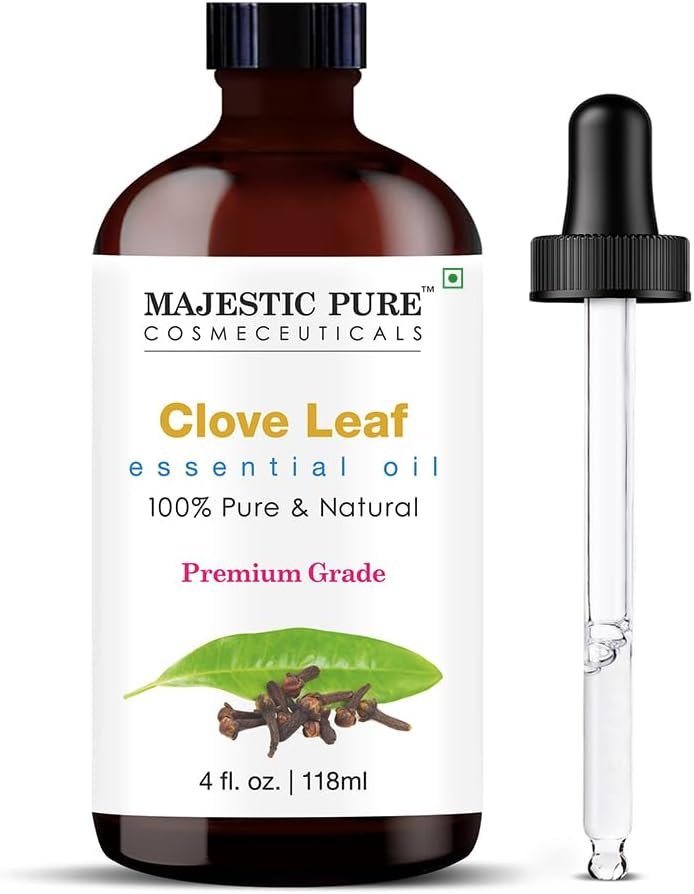
Clove oil doesn’t get nearly enough credit. It’s got one of the strongest scent profiles on this list, and bugs find it overwhelming in the best possible way.
I started using clove oil after running out of lemon eucalyptus mid-summer and grabbing whatever was left in my essential oil drawer. It surprised me. The mosquitoes thinned out almost as fast as with my go-to spray, and it knocked out the gnats hovering around our compost bin, which nothing else on this list touched quite as well.
Mix 10-12 drops of clove oil with 2 ounces of carrier oil and 4 ounces of water. Spray it around compost areas, trash bins, and standing water sources like bird baths (just not directly into the water if birds are drinking from it). It’s strong, so a little goes further than you’d expect.
Clove oil is also one of the more affordable oils on this list, which matters if you’re treating a big yard and going through bottles fast. I buy it in bulk now specifically because of how often I use it around the compost pile.
7. Cedarwood Oil for Fleas, Moths, and General Yard Pests
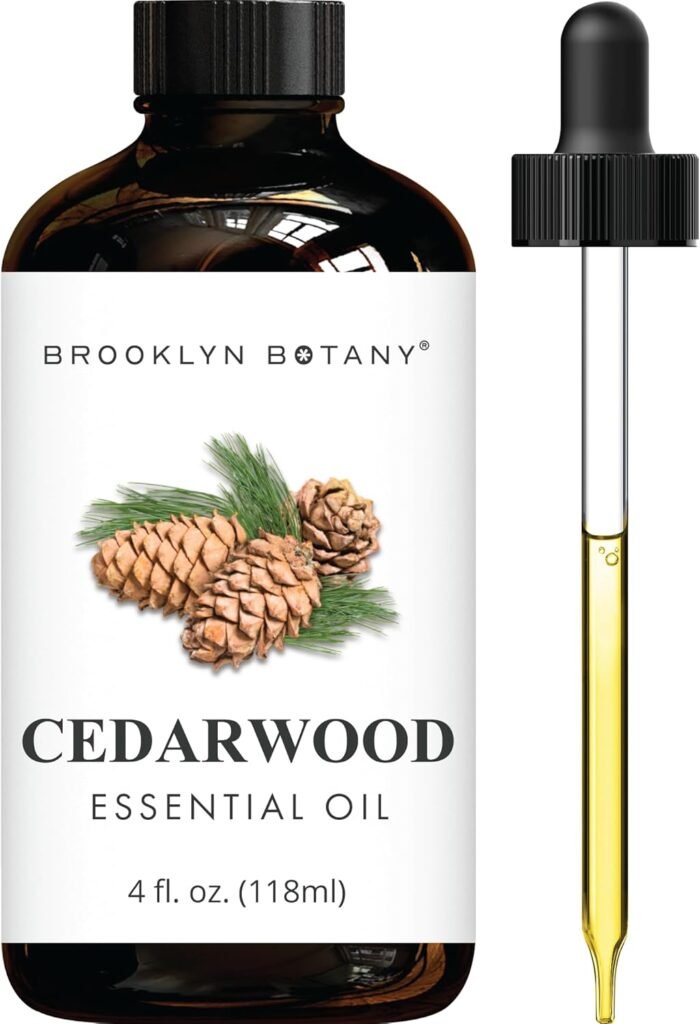
Cedarwood oil is the quiet all-rounder. It won’t single-handedly clear out a mosquito-heavy backyard, but it does a respectable job keeping fleas, moths, ticks, and even some beetles away from specific zones in your yard.
I use cedarwood oil mostly around my garden beds because it doesn’t seem to bother the bees or butterflies the way some stronger oils can if you spray too liberally near flowering plants. That matters to me since half my yard exists specifically to feed pollinators.
Mix 15 drops of cedarwood oil with a cup of water and spray it around mulch beds, the base of raised garden boxes, and any wooden furniture where pests like to nest. It also holds up decently well in dry heat without breaking down as fast as some lighter oils.
It’s not the most powerful oil on this list by a long shot, but it’s the one I trust the most for general, low-key maintenance. Think of it as the daily multivitamin of bug repellents rather than the emergency medicine.
Bonus: Catnip Oil (A Quick Side Note Worth Trying)
I almost left this one off the main list because it’s less common, but it deserves a mention. Some research has suggested catnip oil can be even more effective against mosquitoes than DEET in certain concentrations, which sounds wild until you actually try it.
The catch: it’s harder to find pre-made, and if you’ve got an outdoor cat, expect them to roll around in anything you spray with it. Mix 10 drops with 2 ounces of water and use it sparingly in areas your cat doesn’t frequent. I keep a small bottle for treating the far corner of the yard where my cat never wanders anyway.
Real Talk: What Doesn’t Work and Where I’ve Wasted Money
I want to be straight with you here because too many gardening blogs make every single oil sound like a miracle. Some of this stuff is genuinely not worth your time.
Diffusers and candles are weak sauce outdoors. Any open-air diffuser or candle relies on the oil drifting through the air to reach you, and outdoors, that scent dissipates almost instantly with any breeze. I burned through an embarrassing number of citronella candles before admitting they were mostly ambiance, not actual protection.
Essential oils break down fast in direct sun and heat. A spray that worked great in the morning can be basically useless by 3 p.m. if it’s been baking on your patio furniture all day. Reapplication isn’t optional, it’s the whole game. If you’re not willing to spray every 60-90 minutes during peak bug season, an essential oil approach will frustrate you.
Don’t expect oils to replace real pest control for serious infestations. If you’ve got a tick problem bad enough that you’re pulling them off your dog daily, or a mosquito breeding ground nearby that you haven’t addressed (standing water is the real culprit), no amount of spray is going to fix the root cause. Oils are a deterrent, not a cure, and treating them as your only line of defense is how people end up disappointed and switching back to chemical sprays out of frustration.
Mixing too many oils together can backfire. I once combined peppermint, clove, and tea tree into one “super spray,” thinking I was being efficient. The smell was so overpowering it drove my own family off the porch before it touched a single bug. Stick to one or two oils per spray bottle and label them, because trust me, you will forget which bottle is which by August.
And please, dilute properly. Undiluted essential oil on skin can cause irritation, and I’ve made that mistake more than once trying to save time by skipping the carrier oil step. It’s not worth the rash.
My Parting Advice (and a Question for You)
If I had to pick just two oils to keep stocked all summer, I’d grab lemon eucalyptus for mosquitoes and peppermint for everything crawling on six or eight legs. Everything else on this list earns a spot depending on your specific yard, your specific pests, and how much patience you’ve got for reapplying spray every hour.
Essential oils aren’t a one-and-done fix. They’re a habit, the same way sunscreen only works if you actually put it on before you’re already sunburned. Build the spraying into your routine and you’ll notice the difference within a week.
What’s your go-to bug battle this summer, mosquitoes, ticks, or something else entirely? Drop your worst backyard bug story in the comments below, I guarantee mine isn’t the worst one out there.

About Syprose Kiche
Syprose Kiche is the creator and writer behind My Besuited Home, a practical home and garden website covering DIY projects, gardening, lawn care, landscaping, home improvement, and outdoor living. She focuses on turning everyday homeowner questions into clear, practical guides backed by careful research and useful real-world considerations.