
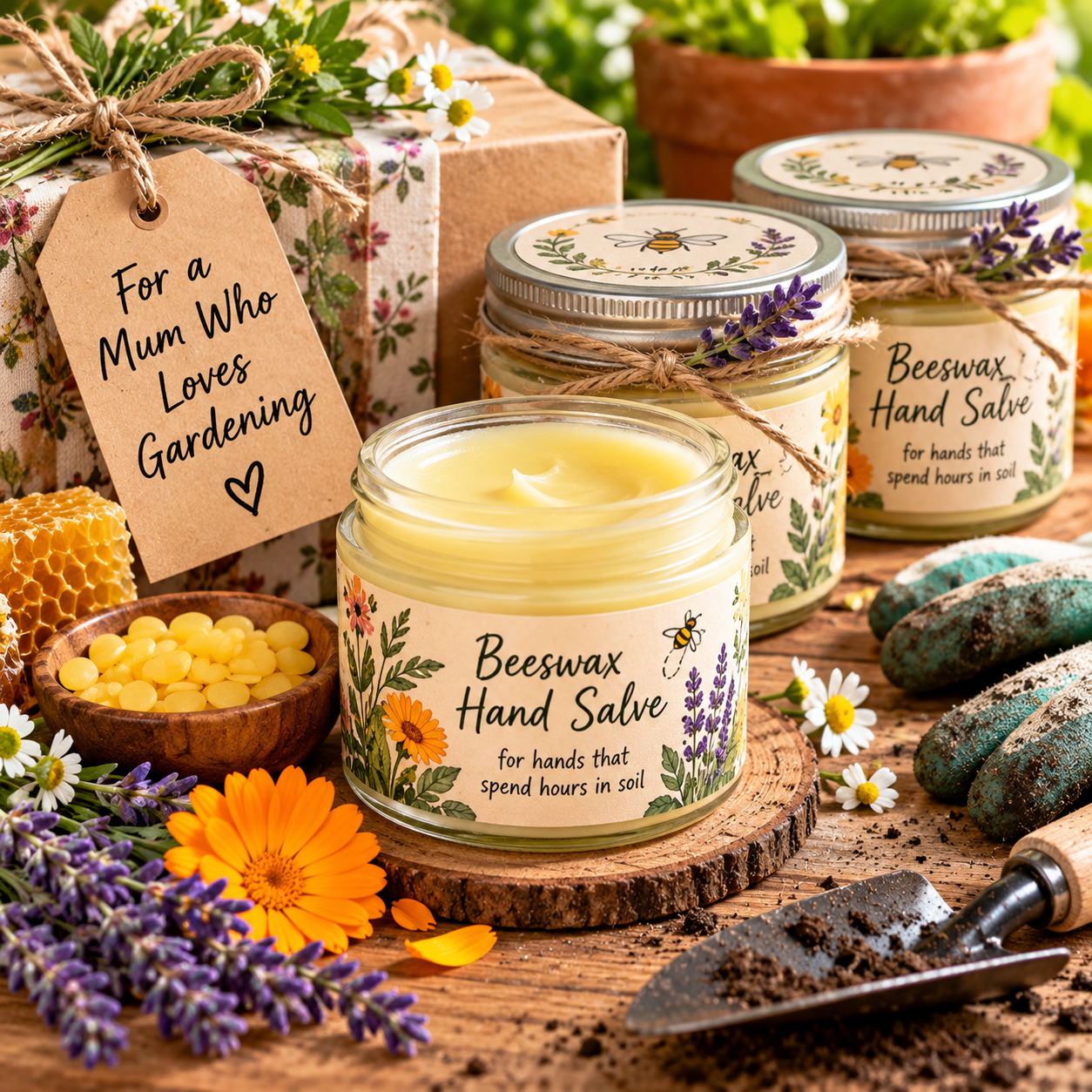
A committed gardener already owns the trowel, the gloves and probably three watering cans. Anything from the garden-gift shelf is a gamble on her taste, her soil and the tools she is already loyal to. A handmade gift avoids most of that gamble, but only if it is something she will use or display rather than something she feels obliged to keep in a drawer.
The twenty projects below are grouped by who you are making for: mum, sister, girlfriend, best friend, and a birthday set for when the date matters more than the relationship. Each one covers what goes into it, where it tends to go wrong and how much time to allow. Some can be finished in an evening. A few need weeks to cure, dry or sprout, so check the timing before you promise a deadline.
How to Pick a Project That Fits Your Deadline and Skill Level
Start with the calendar, not the inspiration. Anything that cures, dries or grows (hypertufa, dried bouquets, infused oils, forced bulbs, mosaics) needs lead time, and rushing those steps is the most common reason a handmade gift looks homemade in the wrong way. With under two weeks, stick to sewing, stamping, mixing and assembling projects.
Then look at how she actually gardens. A balcony container gardener will use planters, hangers and herb pots. Someone with a cutting patch will appreciate dried and pressed flowers. A cook who grows herbs gets more from salts, teas and labelled pots than from decor. A gardener who keeps a tidy shed will notice a well-made apron or journal every time she uses it.
| Gift | Skill | Plan ahead |
| 1. Painted herb pots | Easy | A few days |
| 2. Canvas garden apron | Moderate (sewing) | A weekend |
| 3. Beeswax hand salve | Easy | An evening, plus oil infusing if wanted |
| 4. Seed-saving box | Easy | Weeks, if using saved seed |
| 5. Hypertufa planter | Moderate | About two days, then weeks of curing |
| 6. Kokedama moss ball | Moderate | An afternoon |
| 7. Pressed-flower frame | Easy | 2 to 4 weeks pressing |
| 8. Macramé plant hanger | Moderate | An evening or two |
| 9. Dried flower bouquet | Easy | 2 to 3 weeks drying |
| 10. Soy candle in a teacup | Moderate | A day, plus curing |
| 11. Closed-jar terrarium | Easy | An afternoon |
| 12. Herbal tea blend | Easy | Days, for drying |
| 13. Stamped spoon plant markers | Moderate | An afternoon |
| 14. Garden journal | Moderate | A weekend |
| 15. Wildflower seed bombs | Easy | 1 to 2 days drying |
| 16. Lavender bath salts | Easy | 30 minutes |
| 17. Birth-month flower kit | Easy | An evening |
| 18. Mosaic stepping stone | Moderate | Several days with curing |
| 19. Forced bulbs in a vase | Easy | Weeks of chilling for some bulbs |
| 20. Herb finishing salt | Easy | An evening, plus drying |
Three habits apply to nearly everything below. Write the ingredients or plant names on anything edible, wearable or growable. Check whether she has pets or small children in the house before you choose plants, essential oils or seeds. And buy plants, moss and bulbs from nurseries or suppliers instead of collecting them from the wild.
DIY Gifts for Mum
Mums who garden often have routines built up over decades, so the best gifts slot into what she already does. These four lean practical and are made to last.
1. Painted Terracotta Herb Pots With Matching Labels
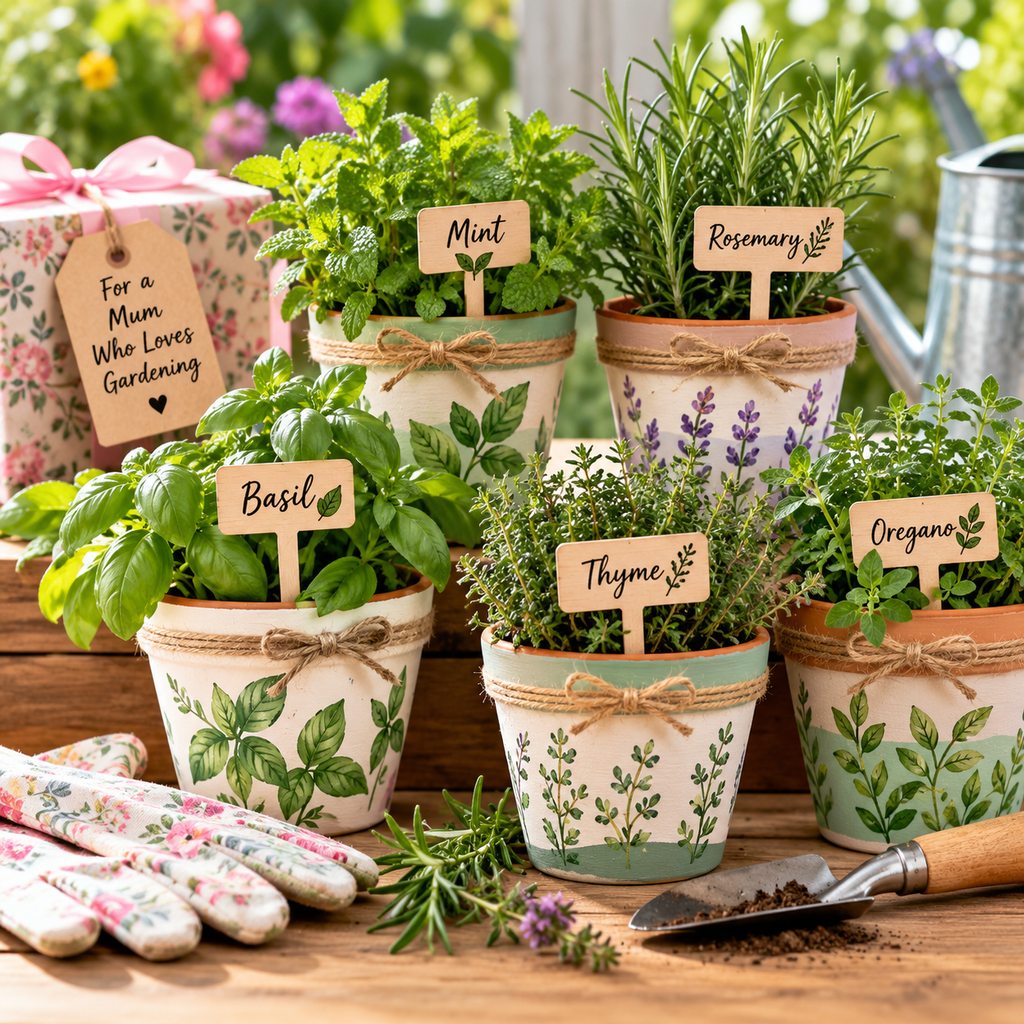
Unglazed terracotta suits herbs because the clay lets moisture escape through the walls, which most culinary herbs prefer. That same porosity is the catch when decorating. Paint the outside only, leave the inside and the drainage hole bare, and finish with a water-based exterior sealer so the colour does not flake after a few waterings.
Plant by water needs rather than colour scheme. Thyme, oregano and rosemary want a freer-draining mix, so blend some coarse grit or perlite into the compost. Parsley and chives prefer steadier moisture. Mint spreads aggressively by its roots and does better in a pot of its own. Add a saucer and a hand-lettered label on a wooden stick or painted stone. Give paint and sealer a day or two to cure before planting, and follow the sealer’s label for exact times.
2. A Canvas Garden Apron With Deep Pockets
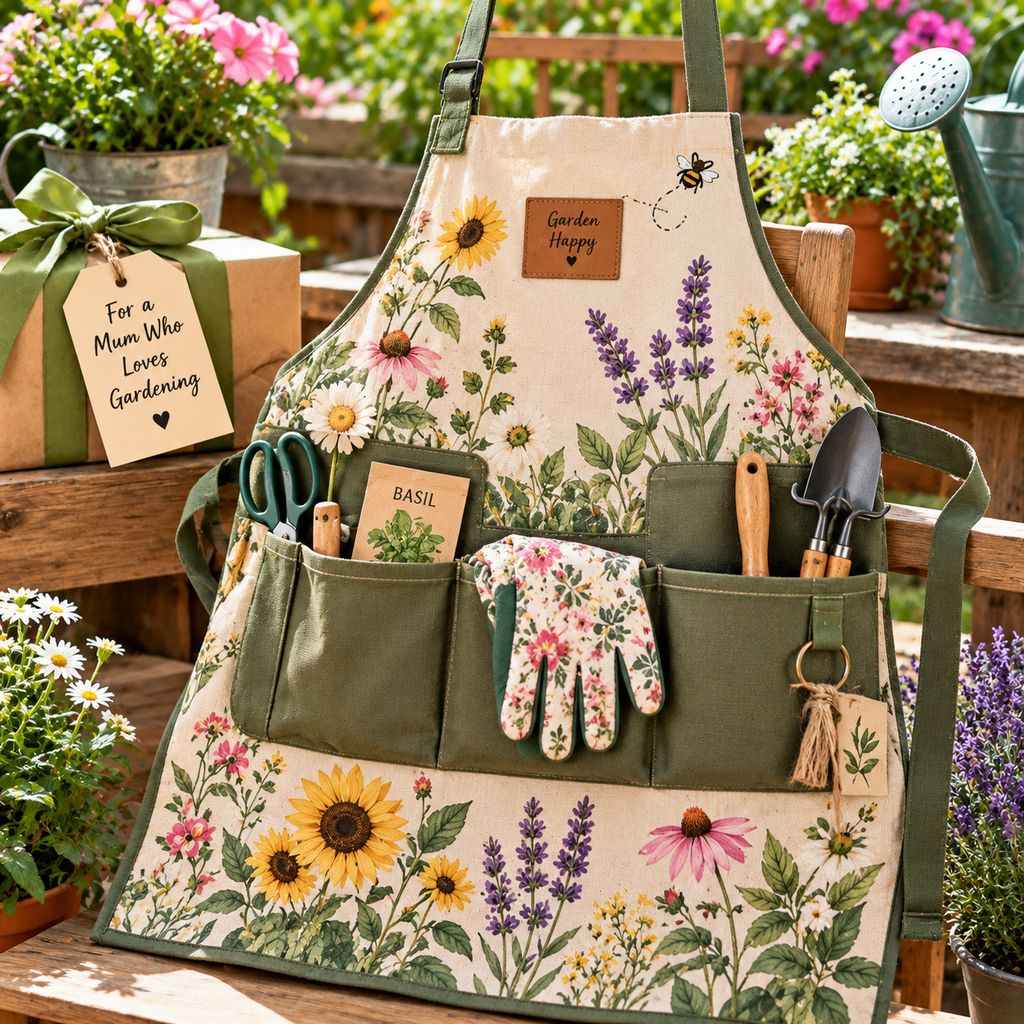
Shop-bought aprons often have pockets too shallow to hold secateurs without them tipping out. Making one lets you size the pockets to her tools: measure her trowel, secateurs and seed packets first, then make rows deep enough that the handles stay upright.
Use medium-weight cotton canvas or duck, and wash and dry the fabric before cutting, because canvas shrinks. Fold and double-stitch every hem, and sew an extra line across the top corner of each pocket where the strain is greatest. For the ties, cotton webbing with an adjustable neck strap lets it fit over a winter coat. This is a good first sewing project because there are no curves, only straight seams. A basic machine is enough.
3. Beeswax Hand Salve for Hands That Spend Hours in Soil
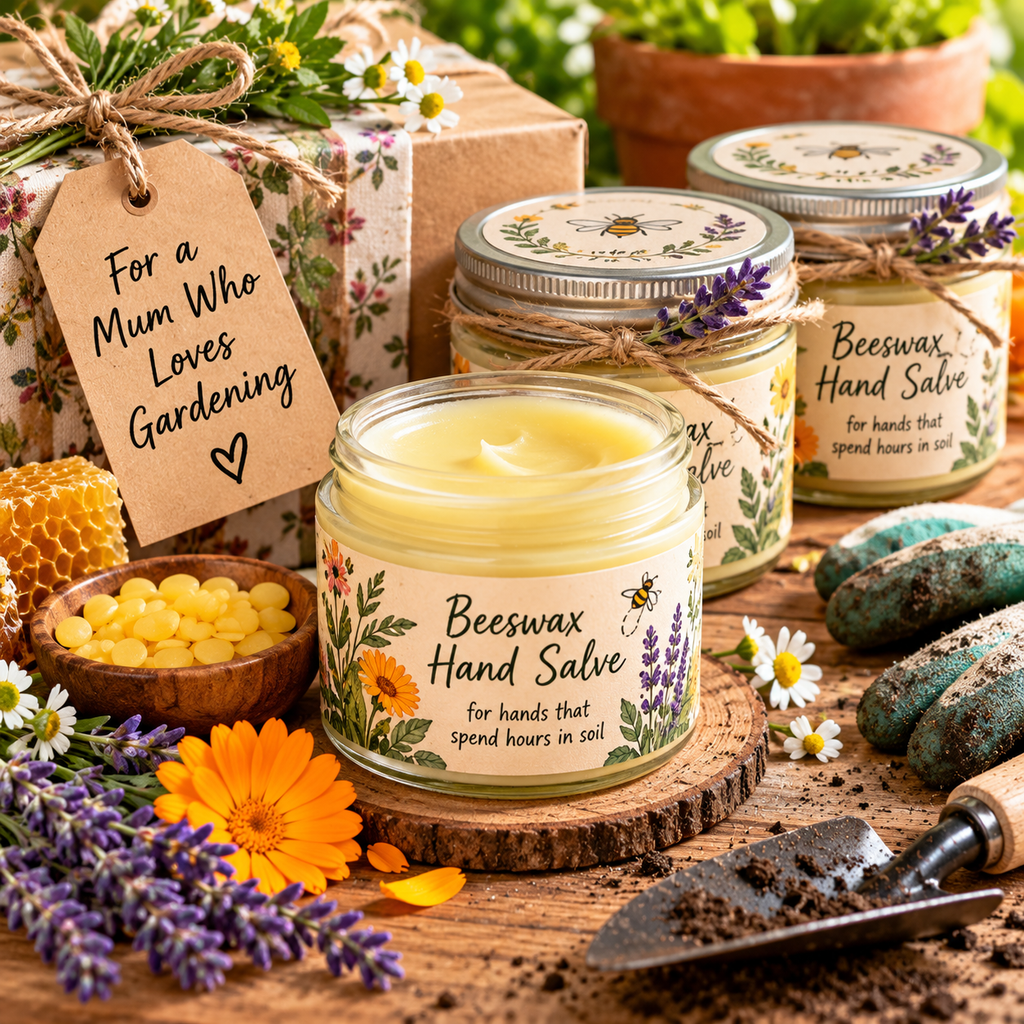
Melt beeswax pastilles with a carrier oil such as olive, sweet almond or jojoba in a heatproof jar set in a pan of barely simmering water. A soft salve usually starts around 1 part beeswax to 4 parts oil by weight, and recipes vary, so test by dipping a spoon in and chilling it for a minute. If it sets too hard, add oil. Too soft, add wax. Pour into small tins while liquid.
Calendula-infused oil is a common choice for gardeners, but infusing takes weeks if done slowly or a few hours with gentle heat, so start early. Use fully dried petals, because any moisture invites mould. Label the tin with the ingredients (nut oils matter for allergies) and the date made. Leave out essential oils on a first batch, since they add skin-sensitivity and pet questions you do not need.
4. A Seed-Saving Box With Hand-Folded Envelopes
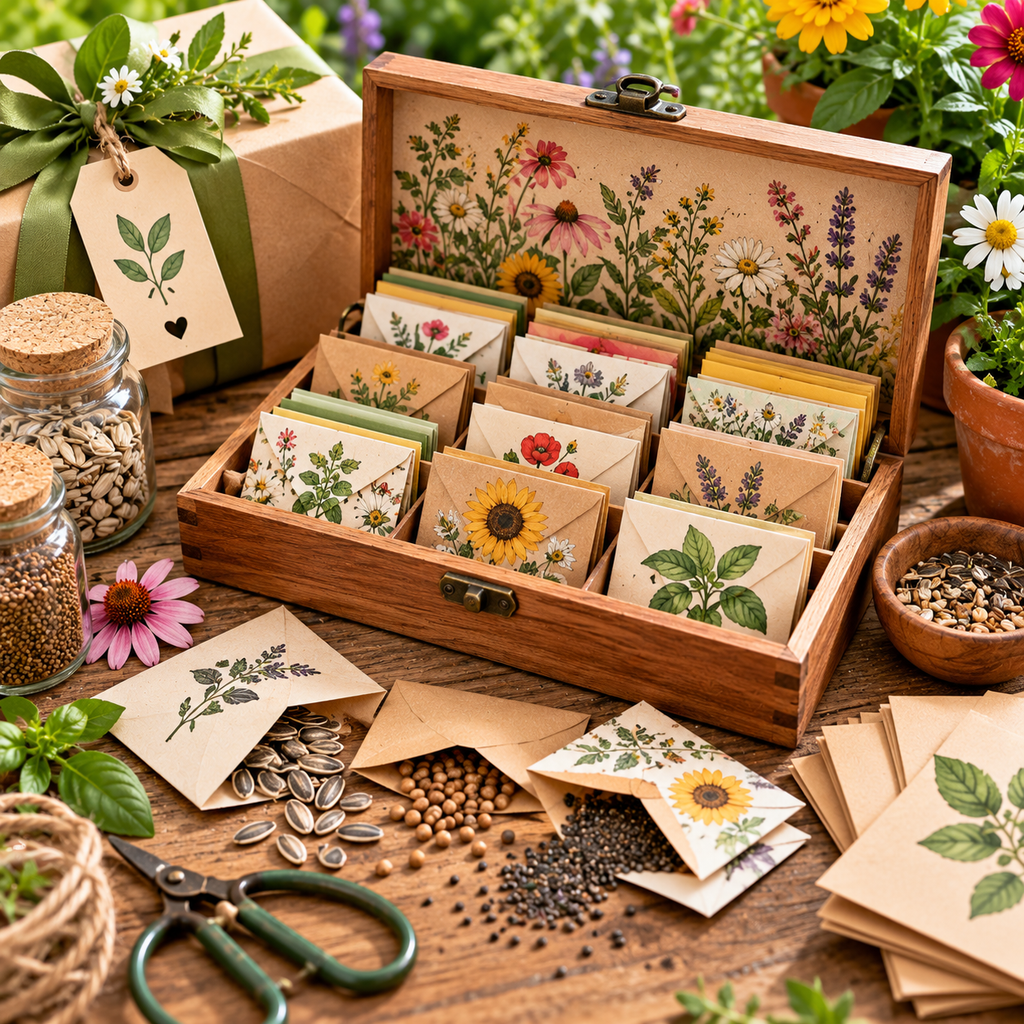
A small wooden or recycled cardboard box, a set of index-card dividers and a stack of folded paper envelopes becomes a seed library. The useful details are on the envelopes: plant name, year, sowing depth, spacing and when to sow.
The seed itself needs thought. Seed saved from hybrids often does not come true to the parent plant, so open-pollinated or heirloom varieties are the better choice. Marigolds, calendula, nasturtiums, cosmos and sweet peas are among the easier flowers to save from. If you are posting seed across a border, check the destination’s plant-import rules first, since many countries restrict it.
DIY Gifts for Your Sister
Sisters tend to forgive an experimental result and enjoy a bold one. These projects suit smaller spaces and have a bit of personality.
5. A Hypertufa Planter That Looks Like Aged Stone
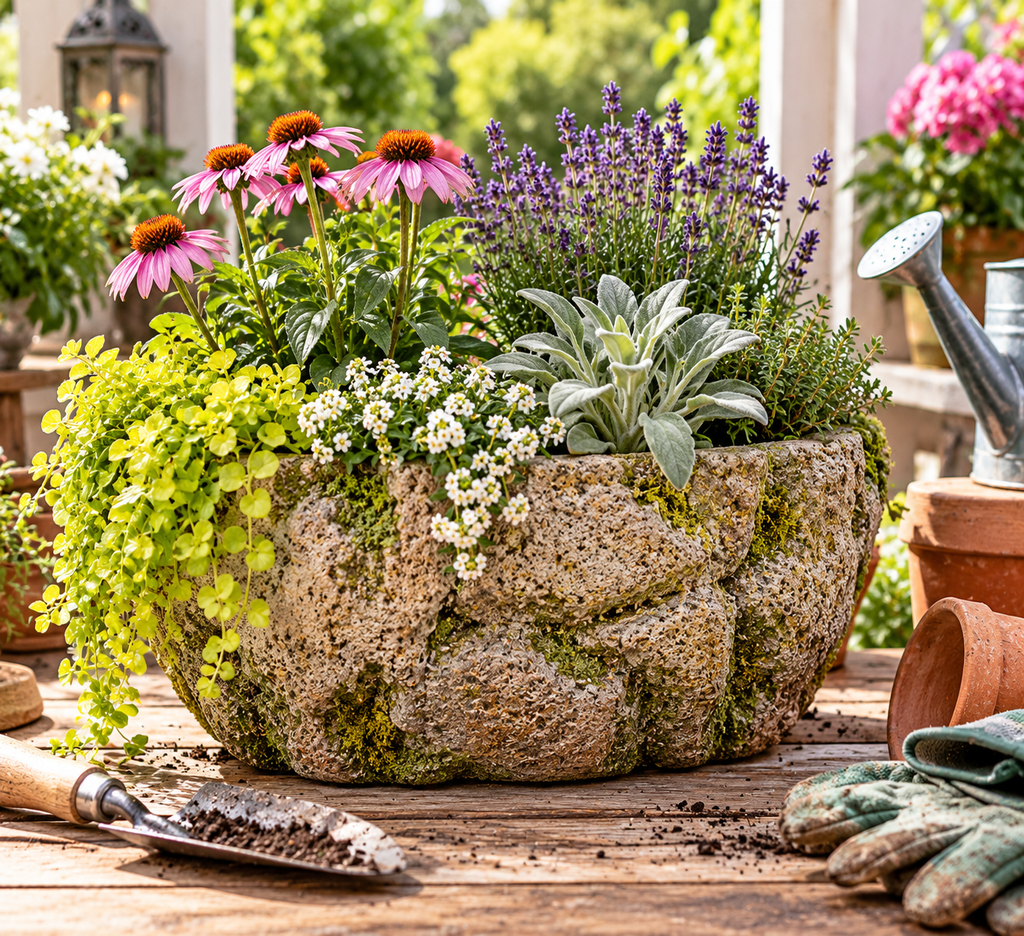
Hypertufa is a lightweight mix of Portland cement with peat moss or coir and perlite, commonly about 1 part cement to 1½ to 2 parts each of the others, though recipes differ. Pack it around an upturned plastic container or into a cardboard-box mould, push in a dowel or plug for drainage, and keep it damp and covered for a day or two before unmoulding.
Wet cement is caustic. Wear gloves and eye protection, and a dust mask while dry-mixing. Fresh hypertufa is also alkaline, so many makers let it cure for several weeks and rinse it before planting; check a reliable extension or supplier guide for the timing. Alpines, sedums and small succulents suit the rough texture. It gets heavy once filled, so think twice before posting it.
6. A Kokedama Moss Ball for a Shelf or Window
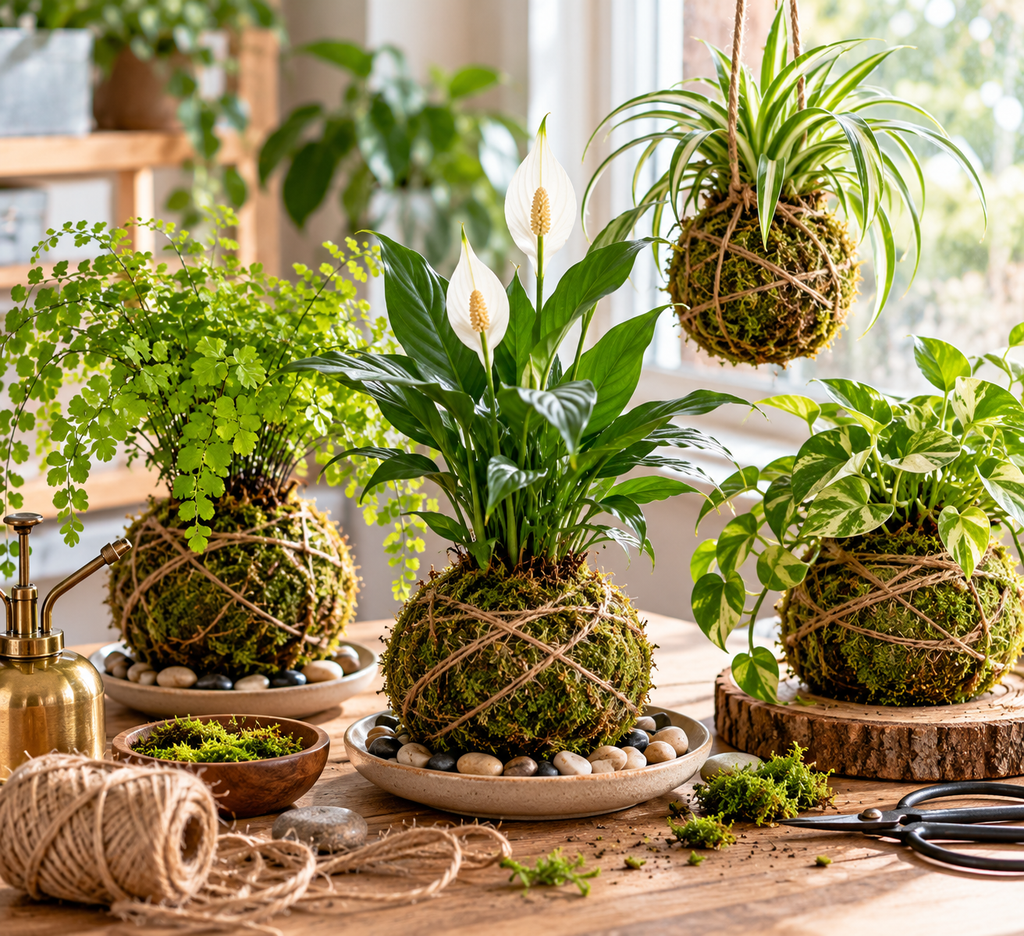
Kokedama is a plant grown in a ball of soil wrapped in moss and twine instead of a pot. The ball is usually a mix of peat-free compost and a heavier, clay-based soil such as akadama, moulded around the root ball, then covered in sheet moss and bound with string.
Ferns, pothos and ivy cope well with the steady moisture. Watering means setting the ball in a bowl of water until it feels heavy again, then letting it drain. Check a plant care source for the specific plant. The mistake is overwatering until the ball sours, so tell her to lift it and feel the weight before each soak. Buy the moss instead of stripping it from woodland.
7. A Pressed-Flower Frame
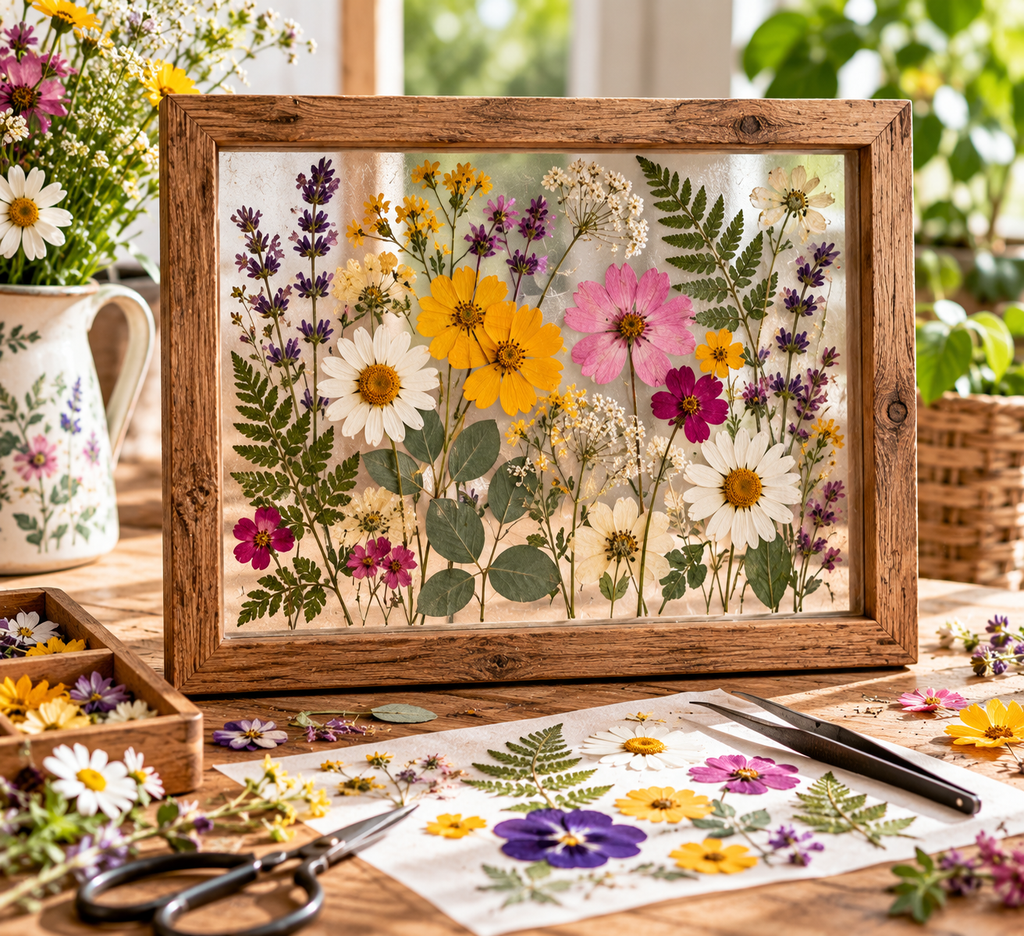
Flat flowers press best: pansies, violas, cosmos petals, small ferns and thin leaves. Thick blooms such as roses and dahlias hold moisture and can brown or go mouldy, so press individual petals or slice the flower in half lengthways. Cut in the mid-morning once the dew has dried.
Lay them between sheets of blotting or plain paper inside a heavy book, weight it, and leave it for two to four weeks without peeking early. Arrange the dried flowers on acid-free paper and mount them in a floating glass frame. Epoxy resin coasters are popular, but resin needs ventilation and gloves, and a glass frame skips that. Colours fade over time, particularly in direct sun, so hang it away from a bright window.
8. A Macramé Plant Hanger
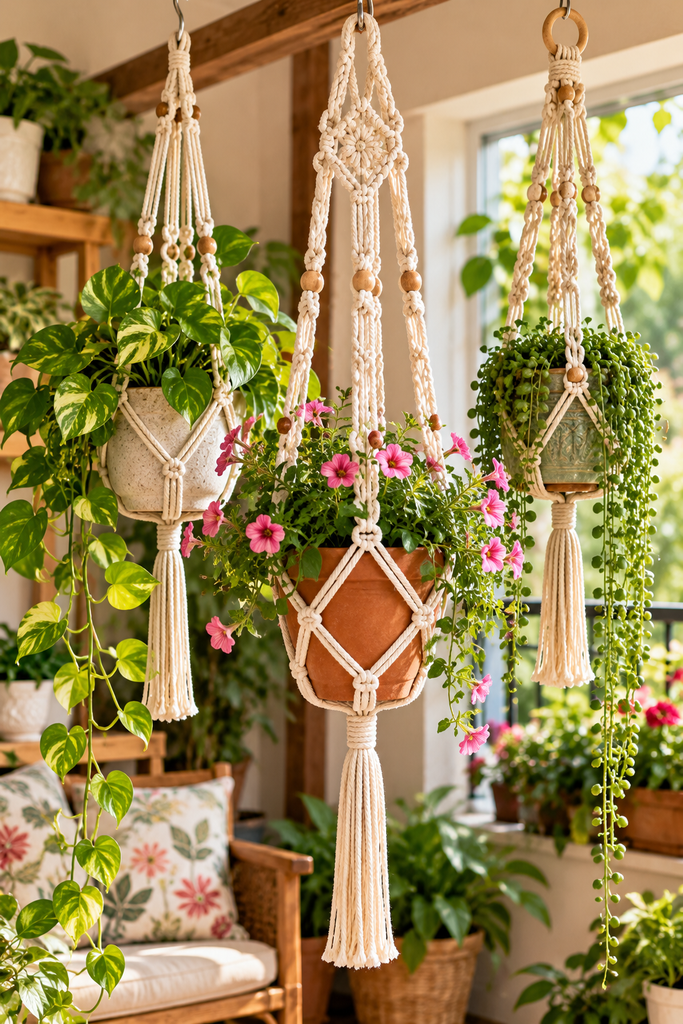
A hanger is mostly a handful of knots repeated: a gathering knot at the top, spiral or square knots down the length, and a final wrap that leaves a basket for the pot. Natural cotton cord around 4 mm thick holds knots well, and most patterns need several metres per strand, so follow the pattern’s measurements.
Test it with the pot filled and watered before gifting. A wet pot weighs far more than a dry one, and the hook needs to be rated for that, screwed into a joist or proper anchor and not just the plaster. Avoid hanging it above a bed or seat. Pick a plant that trails, such as pothos or string of hearts.
DIY Gifts for Your Girlfriend
Gifts for a partner can be more personal and sensory. These four are about scent, light and the pleasure of something made by hand.
9. A Dried Flower Bouquet From Everlasting Blooms
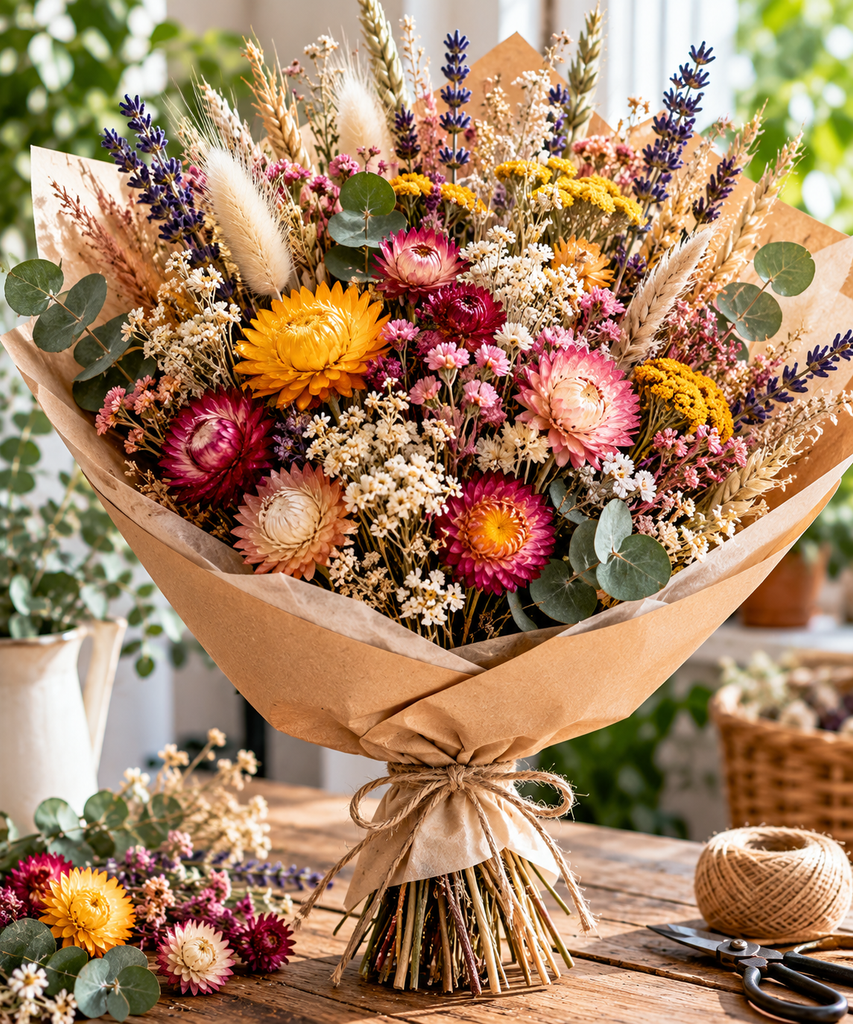
Only some flowers dry well. Strawflowers, statice, globe amaranth, yarrow, lavender and ornamental grasses keep their shape and colour when air-dried, while delphiniums and most roses can crumble or brown. Harvest strawflowers before they open fully, because they keep opening as they dry.
Bundle small amounts with rubber bands, which tighten as the stems shrink, and hang them upside down in a dark, dry, airy spot. Two to three weeks is typical. If you have no cutting garden, buy dried stems from a florist or grower. Wrap the finished bouquet in kraft paper, and mention that sun fades dried flowers and that they shed a little.
10. A Soy Candle Poured Into a Vintage Teacup
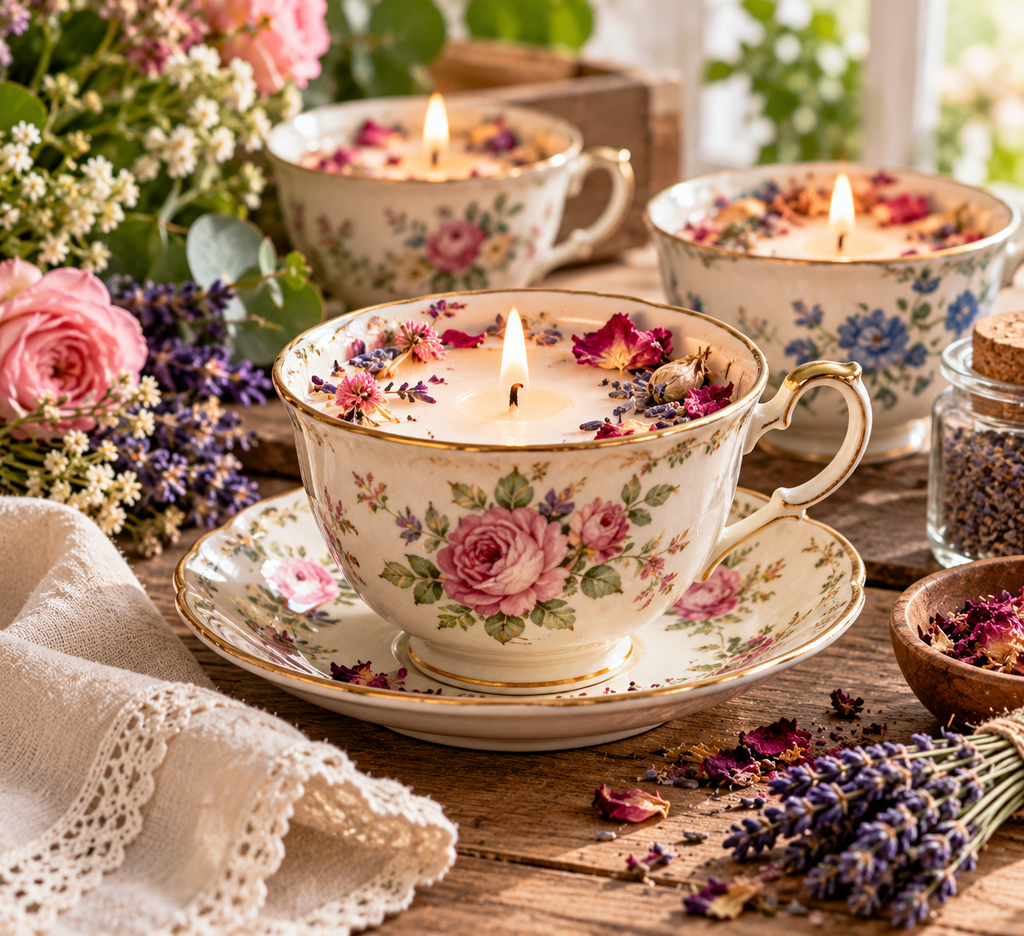
A candle in a teacup is easy to make and easy to get wrong. Choose an undamaged ceramic cup, since hairline cracks can fail under heat. Fix the wick to the base with a wick sticker, match the wick size to the cup’s diameter using the chandler’s chart, and melt soy wax to the pour temperature its manufacturer lists. Add fragrance oil sparingly and only the type meant for candles.
Soy wax typically benefits from a week or two to cure before burning, though your supplier’s guidance should win. Include a card with burn safety: never leave it unattended, keep it clear of anything flammable, trim the wick before relighting, and stop burning when a small amount of wax remains. Fragrance can bother pets and sensitive people, so a lightly scented or unscented candle is safer.
11. A Closed-Jar Terrarium
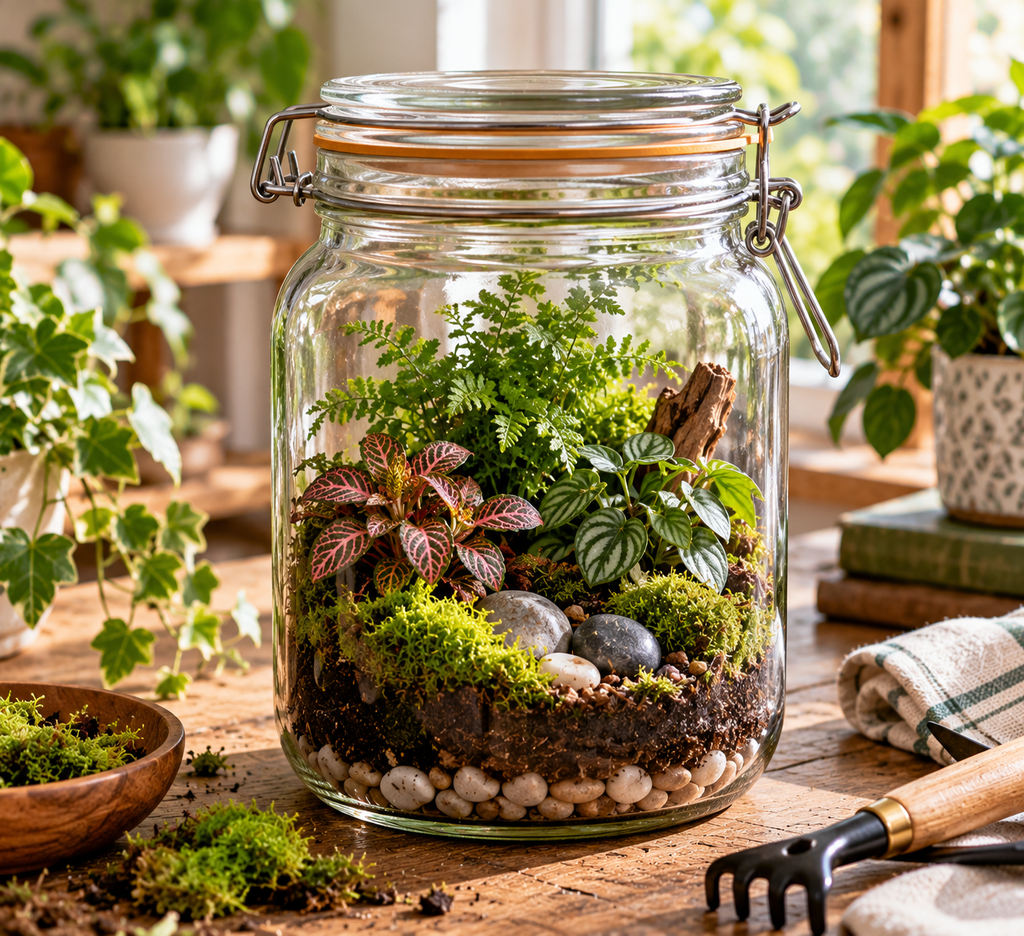
A lidded glass jar suits moisture-lovers: small ferns, fittonia, moss and baby tears. It does not suit succulents or cacti, which rot in the humidity. Layer pebbles at the base so excess water has somewhere to sit, add a potting mix, then plant. The pebbles are not true drainage, so water very little.
Keep it in bright, indirect light. Direct sun can cook the plants through the glass. Thick condensation on every wall means it is too wet, and leaving the lid off for a day lets it dry out. Make sure the plants and moss come from a nursery, since foraged moss may carry pests and its removal can harm woodland.
12. A Homegrown Herbal Tea Blend
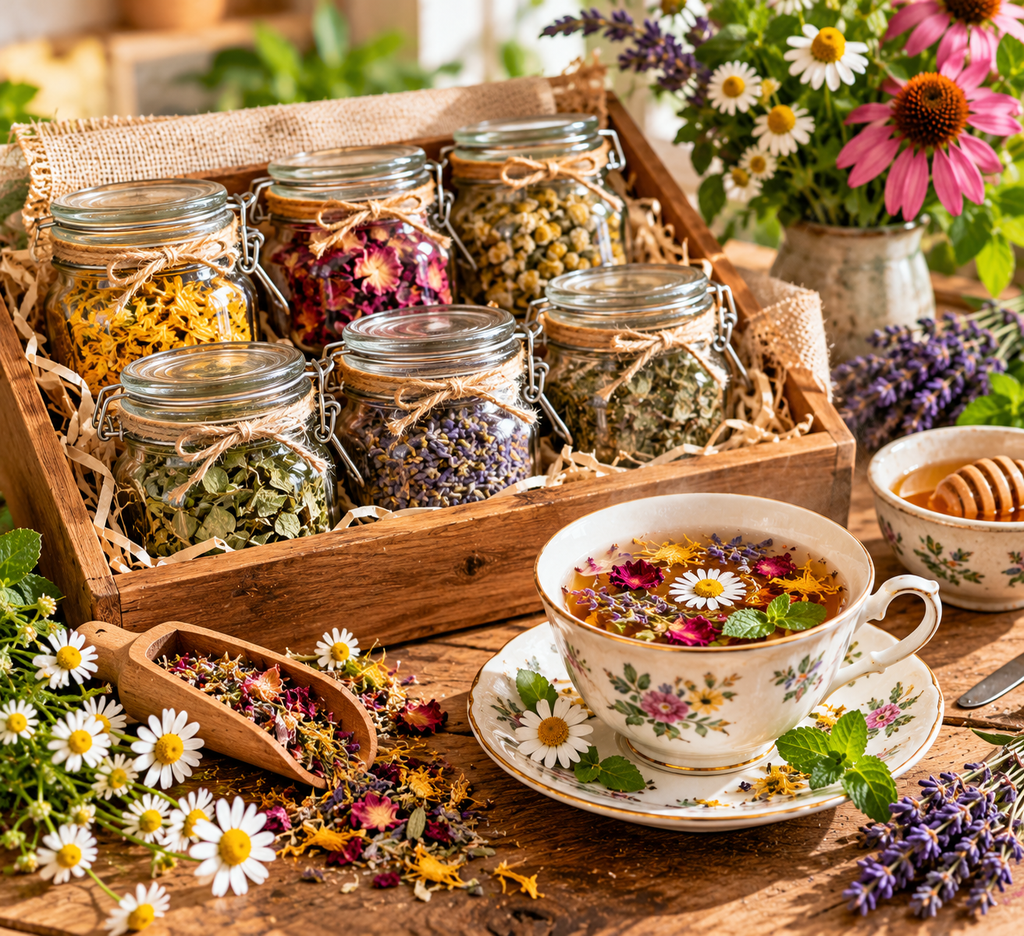
Mint, lemon balm, lemon verbena and chamomile make a gentle blend. Pick in the morning after the dew dries, shake off any insects, and dry on a rack or in a paper bag in a warm, shaded, ventilated spot until the leaves crumble. Store only fully dry herbs, because damp herbs go mouldy in a tin.
Use only herbs you can identify with certainty, grown without pesticides. Chamomile can affect people allergic to ragweed, and some herbs are not advised during pregnancy or alongside certain medications, so list every ingredient on the label and keep the blend to common culinary herbs. A tin and a hand-lettered label make it feel finished.
DIY Gifts for Your Best Friend
Best-friend gifts can carry in-jokes. The friend who tells you what she really thinks is also the person who will notice if the gift is thoughtful.
13. Stamped Spoon Plant Markers
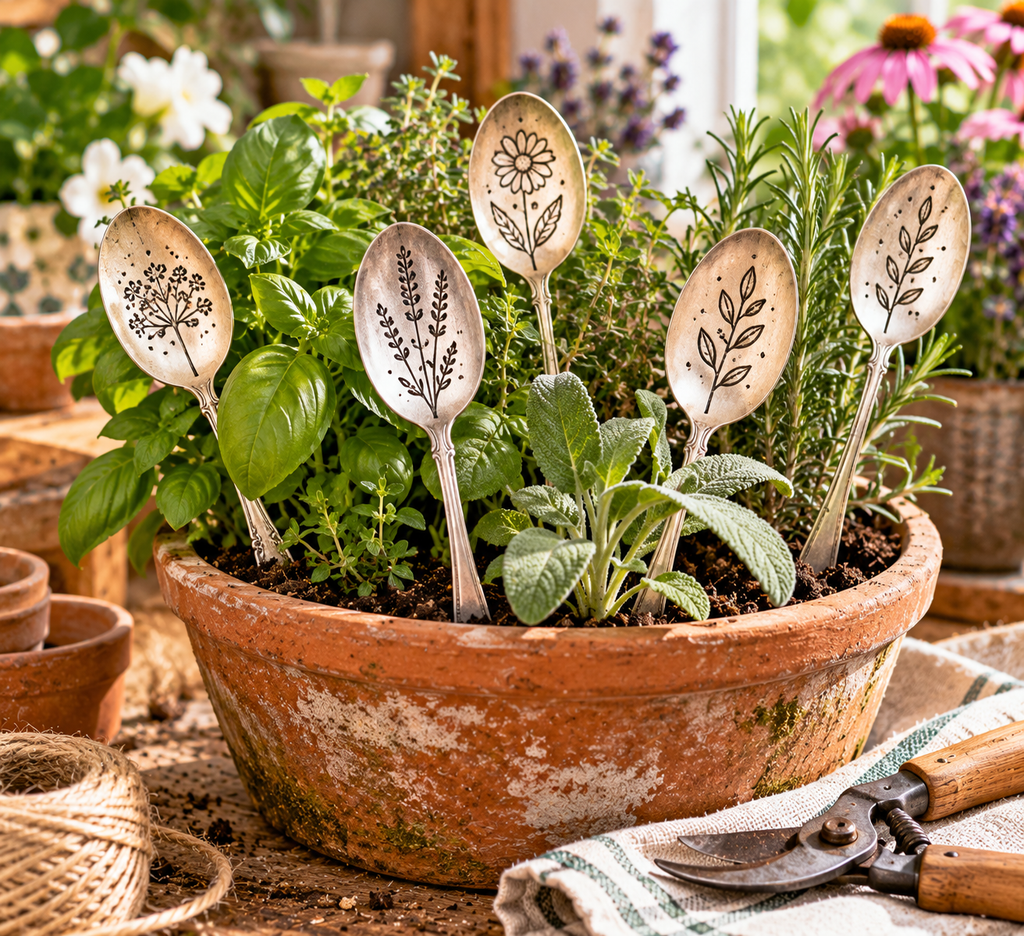
Old spoons make weatherproof markers that outlast wooden sticks. Use a metal stamp set, a steel block and a hammer to stamp plant names, or a joke she will recognise, into the bowl. Stamping works best on softer metal such as aluminium or silver-plated spoons. Stainless steel is hard enough to dent cheap stamps.
Secondhand shops and car boot sales are good sources for the spoons. Because stamped metal can carry rough edges, file them smooth, and once a spoon has been used as a marker keep it out of the kitchen. Practise the lettering on scrap first, since a stamp that slips cannot be undone.
14. A Garden Journal With Seed-Packet Pockets
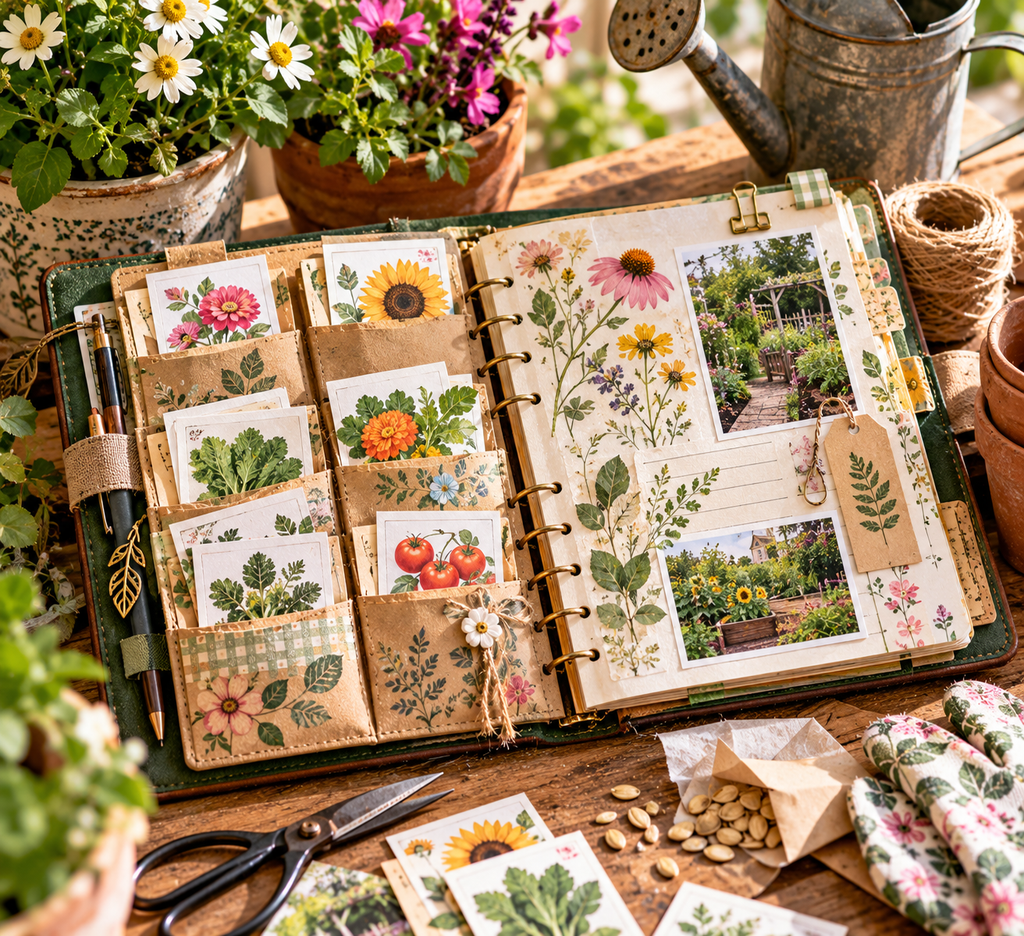
A plain notebook becomes a gardener’s tool with a few additions. Glue or stitch envelope pockets into the back for seed packets. Add month dividers, a sowing-calendar page, a plant list with room for notes, and a page for her local first and last frost dates, which you can look up in advance for her area.
Binding your own with stab stitching or a simple pamphlet stitch is possible, but starting from a good blank book is perfectly respectable. Use heavier paper if she will tape in plant tags, and a cover that wipes clean. A weatherproof pen tucked into the spine finishes it.
15. Wildflower Seed Bombs in a Jar
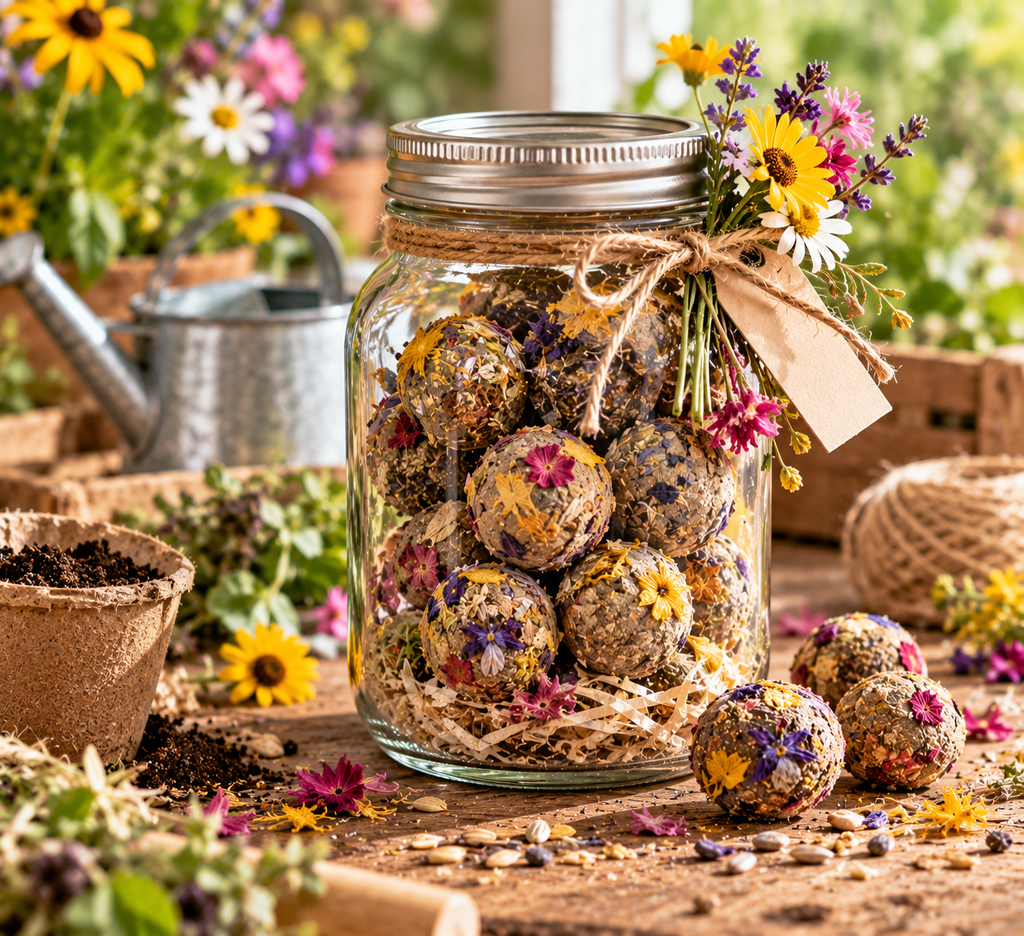
Seed bombs are clay, compost and seed pressed into balls, commonly about 5 parts clay powder to 3 parts compost to 1 part seed, with water to bind. Roll them to walnut size and dry for a day or two.
The seed mix is the detail that matters. Choose a regional native mix labelled for her area instead of a generic packet, because some commercial mixes include species that spread beyond the garden. Include a card saying when to sow and that seed bombs belong in her own beds or permitted spots, since scattering them onto protected or private land is not appropriate. Packaged in a jar with a ribbon, they give a gift that costs little.
16. Lavender Bath Salts
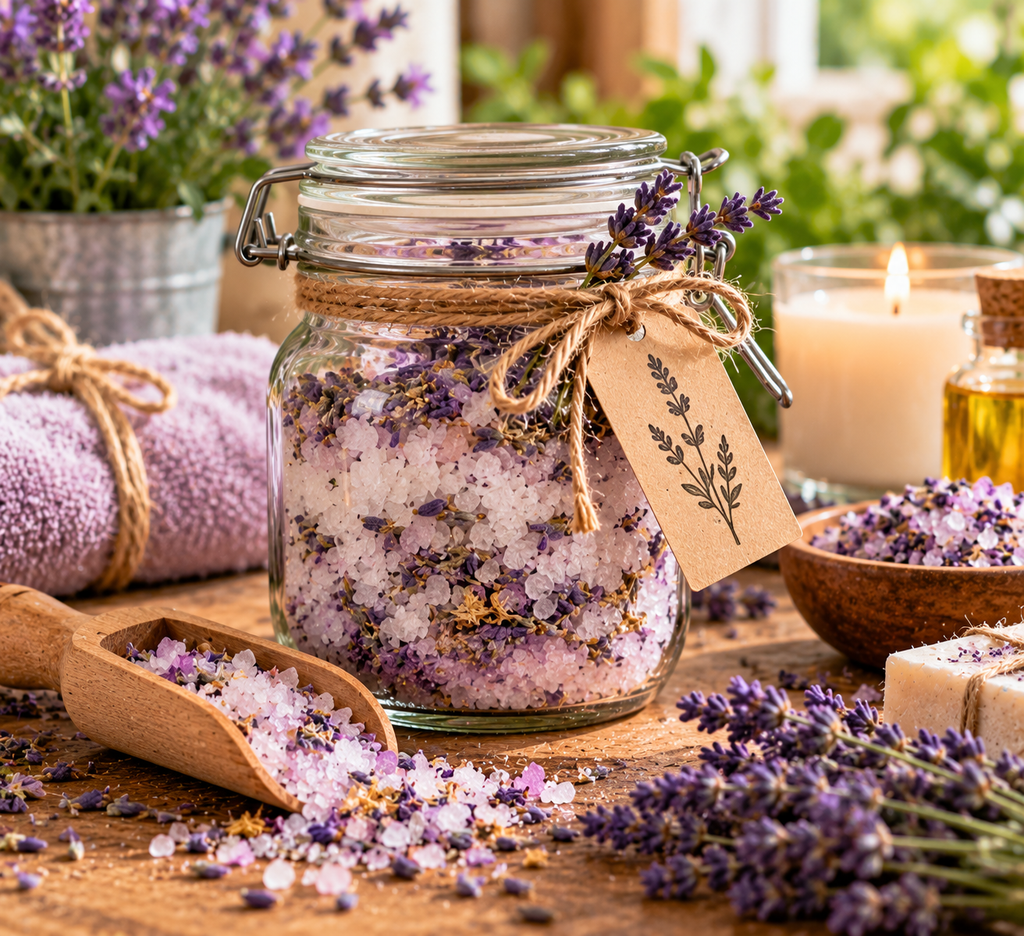
Stir together about 2 cups Epsom salt and 1 cup coarse sea salt, add a handful of dried lavender buds, and pack into a jar. That is the whole recipe. Essential oil is optional and best skipped if you do not know her skin, her pets or whether she is pregnant.
Buds can clog drains, so suggest she use a muslin bag or tea strainer. Keep the jar airtight, because damp salts clump and dried buds can go mouldy. Use lavender from your own plants only if it has not been treated with pesticides, or buy dried culinary lavender instead.
DIY Gifts for a Gardener’s Birthday
A birthday gift can be tied to the date itself, either through birth flowers or something she will see grow.
17. A Birth-Month Flower Kit
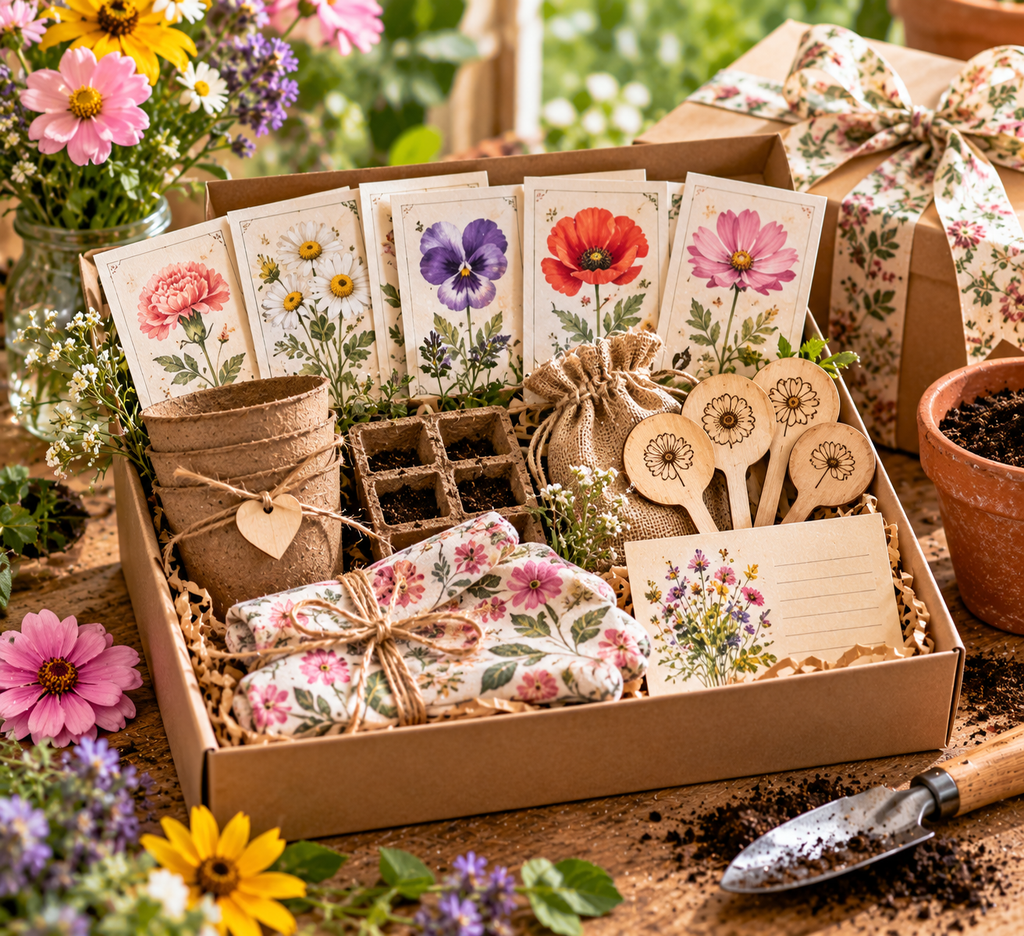
Birth-month flower lists exist in many traditions, and they do not all agree, so choose from a list she would recognise. For a kit, pick the flower from her month that is actually easy to grow from seed or bulb: sweet peas for April, marigolds or cosmos for October, chrysanthemums for November.
Pack seeds in a hand-folded envelope with a pot and a small bag of compost, and write the sowing season on the packet, since a gift of seed in the wrong month sits in a drawer until next year. Several traditional birth flowers, including larkspur, lily of the valley and daffodil, are toxic if eaten, so check against pets and children.
18. A Mosaic Stepping Stone
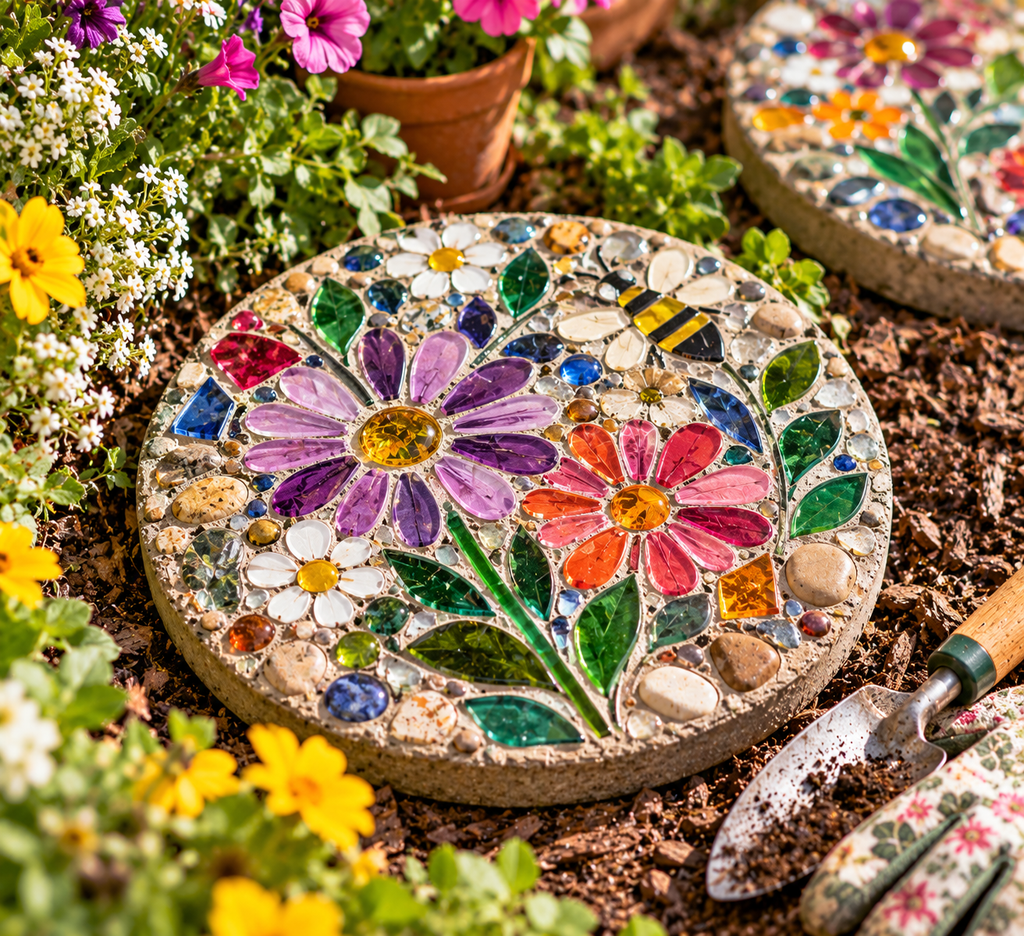
The fast route is a ready-made concrete paver or a mould kit, with tile or glass pieces glued on using an exterior-grade adhesive and then grouted. Frost-proof tiles last outside, and ordinary indoor ceramics can crack in freezing weather.
Breaking tiles throws sharp shards, so wear eye protection and gloves, and a dust mask when mixing grout. Seal the finished stone and allow the adhesive, grout and sealer to cure for the time stated on each product. It is heavy, which is worth remembering for delivery. A design planned on paper first looks more deliberate than one made as you go.
19. Forced Bulbs in a Glass Vase
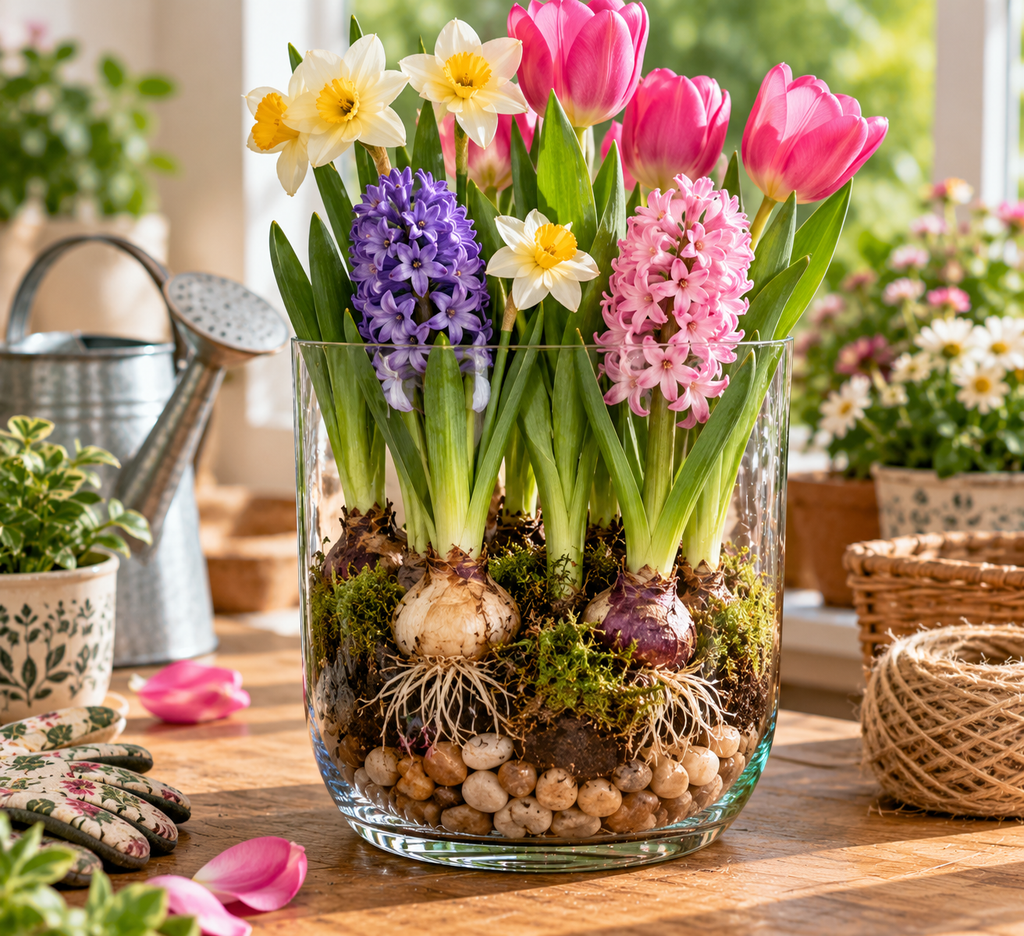
Paperwhite narcissus need no chilling and can be set on pebbles and water, where they flower in a few weeks. Hyacinths and tulips need a cold period, often around 12 weeks in a fridge away from fruit, which gives off ethylene that can damage flower buds. Check the bulb supplier’s guidance for each.
What matters for a gift is timing. Pick the bulb to match the birthday, and say clearly what to do and when. Keep the bulb’s base just above the water so it does not rot. Narcissus are toxic to pets and people if eaten, so add a short note if she has animals. For a winter birthday, a pre-planted amaryllis is a reliable alternative.
20. Herb Finishing Salt
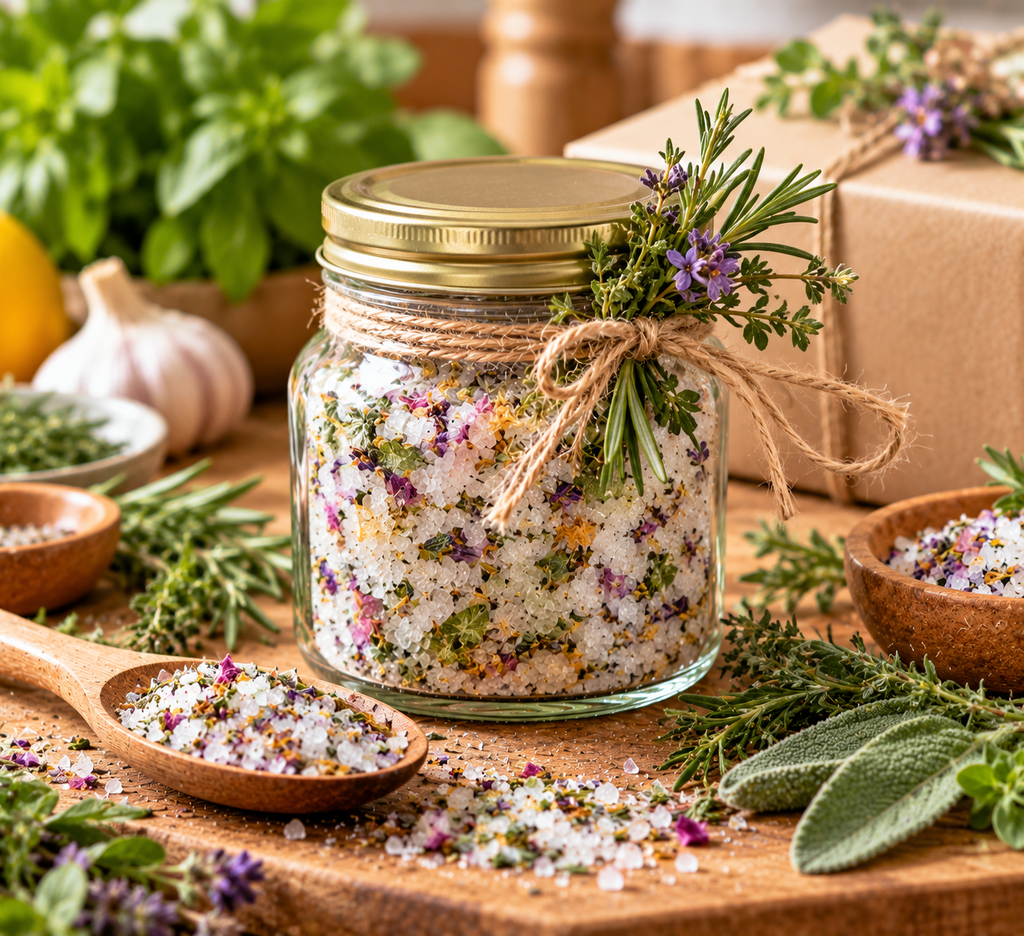
Pulse coarse salt with dried rosemary, thyme, oregano or sage until the herbs are small and evenly spread. The key is dryness, because fresh herbs add moisture and make the salt clump or spoil. Dry the herbs on a rack or in a low oven first.
Keep this to salt and dried herbs. Herbs steeped in oil, particularly with garlic, can carry a botulism risk when stored at room temperature, so leave oils out of homemade gifts. Pack it in a small jar with the herbs named on the label and a suggestion or two: roast potatoes, bread dipping, eggs.
Questions Worth Asking Before You Start
What if I do not have a garden to harvest from?
You can still make most of these. Buy herb plants or dried herbs from a nursery or reputable supplier, order dried flowers from a florist or grower, and buy sheet moss rather than foraging. For anything edible or applied to skin, use ingredients sold for that purpose.
Which of these are safe to post?
The apron, markers, journal, salve, salts and candle travel well if wrapped carefully. Hypertufa and mosaic stones are heavy, and fresh plants, bulbs and seeds are restricted in many countries when crossing borders, so look up the rules before posting internationally.
She has cats or dogs. What should I avoid?
Skip lilies entirely if she has cats, and be cautious with narcissus, lily of the valley and larkspur. Heavily scented candles and essential oils can also bother animals, so go unscented or lightly scented. If in doubt, ask her vet or check a poison list from a veterinary body.
Final Thoughts
The best handmade gifts match how she gardens. A herb pot suits a kitchen gardener, a dried bouquet suits someone with a cutting patch, and an apron suits a gardener who is hard on her kit. Give anything that needs curing, drying or chilling more time than you think it needs, and label ingredients and plant names clearly, particularly where food, skin or pets are involved. If you are short on time today, start with the salve, seed envelopes or herb salt, and save hypertufa and mosaics for a gift that can wait.

About Syprose Kiche
Syprose Kiche is the creator and writer behind My Besuited Home, a practical home and garden website covering DIY projects, gardening, lawn care, landscaping, home improvement, and outdoor living. She focuses on turning everyday homeowner questions into clear, practical guides backed by careful research and useful real-world considerations.