
A new gardener usually owns a kitchen spoon they’ve been digging with, a hose that came with the house, and a handful of seed packets bought on impulse. That’s the gap a gift can fill. It’s also why gardening gifts so often miss: the shelves fill with decorative signs, 40-piece tool sets and “grow your own” kits that need more setup than a beginner has patience for.
The gifts below were chosen for one question: will this still be in use in June? They’re grouped by what the gardener will be doing with them, not by price, so you can build a small bundle instead of buying one item and hoping.
Tools That Get Picked Up Every Time They Garden
Most of a beginner’s early work is digging, cutting, and kneeling. Spend the money here first.
1. A Trowel That Won’t Bend or Snap at the Neck
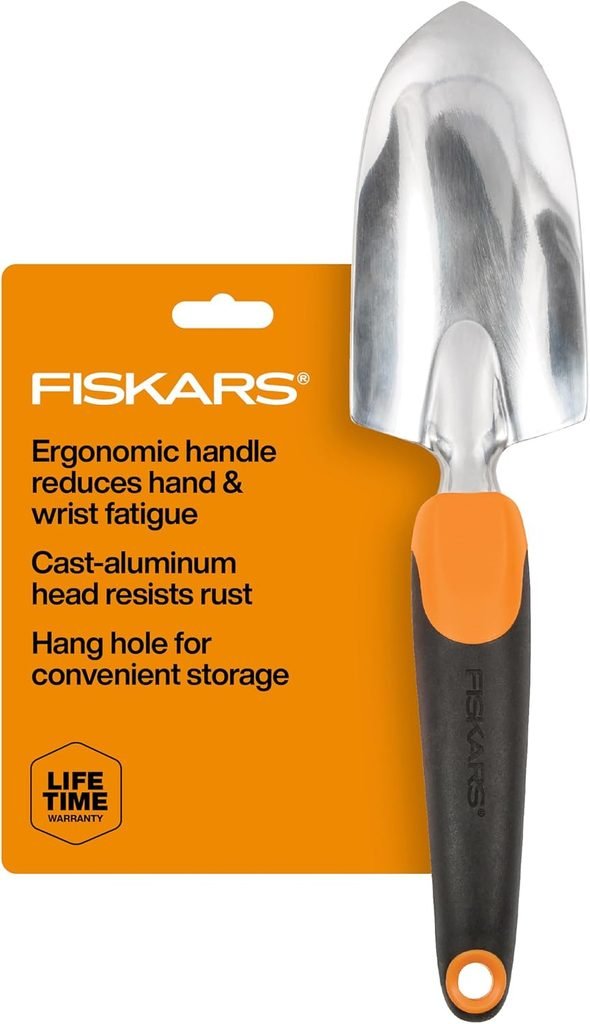
The trowel is the tool a new gardener will use most, and also the one most likely to fail. The weak point is where the blade meets the handle. Cheap trowels are often stamped from thin metal or joined with a narrow, welded neck that flexes in compacted soil.
Look for a blade and shank made from a single piece of metal, with the handle fixed firmly over a long tang. Stainless steel resists rust and slides through soil cleanly. Carbon steel is stiffer and often cheaper, but it needs wiping dry after use. A ruler-style depth marking etched into the blade is handy for planting bulbs and seedlings at the right depth.
Hold it before buying if you can. A heavy handle that feels fine in the shop can tire a hand after twenty minutes of planting.
2. A Hori Hori (Soil Knife)
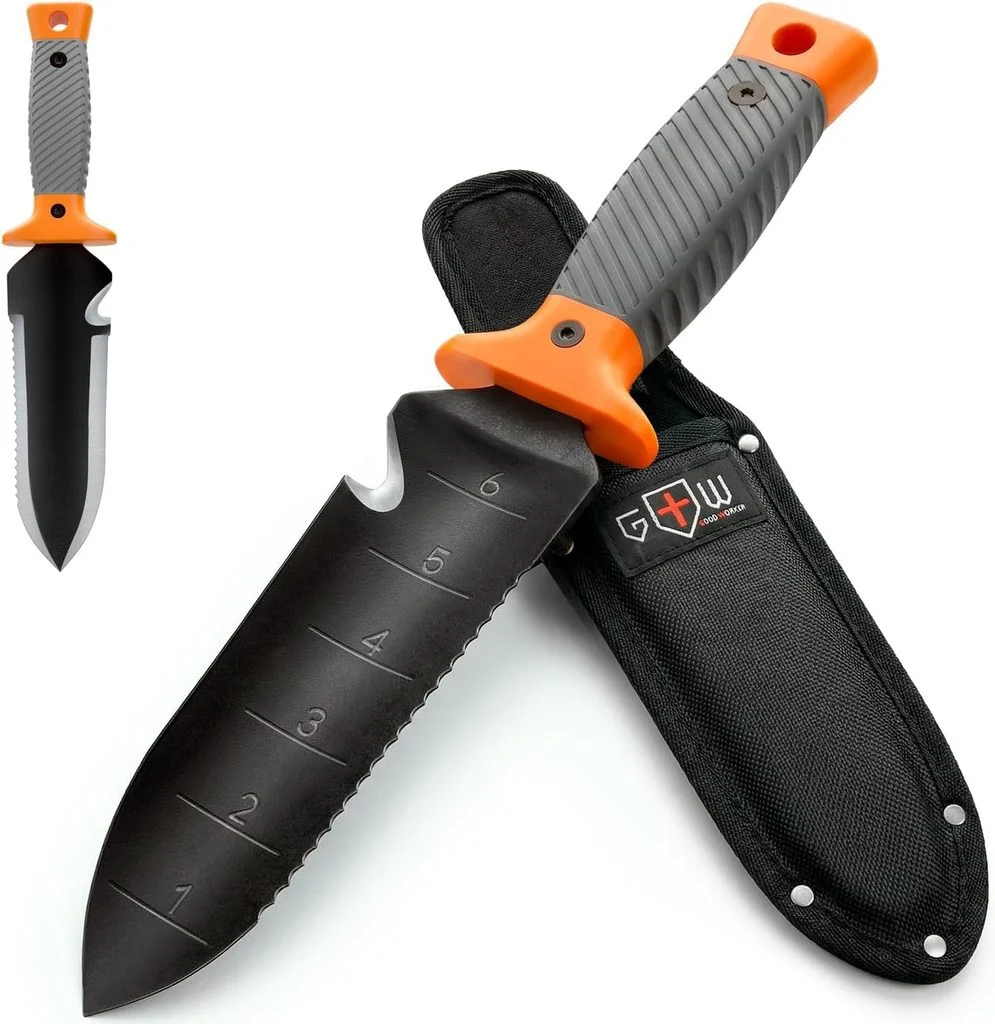
A hori hori is a Japanese-style digging knife with a narrow, concave blade, one serrated edge, and one smooth cutting edge. It does a surprising number of jobs: opening planting holes, slicing through roots, cutting twine, prying out deep-rooted weeds, dividing perennials.
It makes a good second tool for a gardener who already has a trowel, though it can replace one. Because the blade is sharp, it should come with a sheath, and a belt loop on the sheath is a real advantage. Skip any that don’t include one. Beginners tend to leave tools in the grass, and a bare blade in a pocket or a toolbox is a nuisance at best.
3. Bypass Pruning Shears
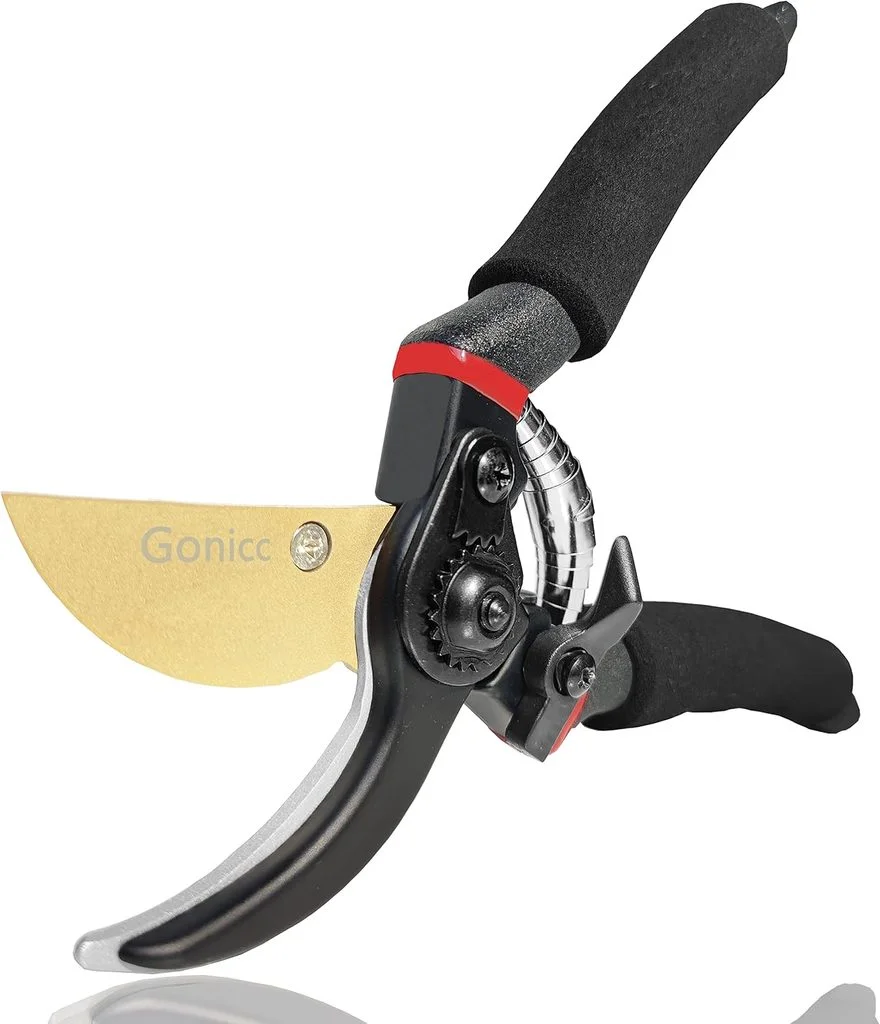
Pruners come in two designs. Bypass shears cut like scissors, with two blades passing each other. Anvil shears press a blade against a flat surface. Bypass pruners make cleaner cuts on living stems, which is what most gardeners are cutting: roses, shrubs, tomato suckers, perennials. Anvil pruners suit dead, dry wood, and they tend to crush green stems.
For a gift, choose bypass. Check the maximum cutting diameter (commonly around three-quarters of an inch for hand pruners) and don’t expect them to handle thicker branches. A hand pruner forced through a branch that’s too thick will bend or chip the blade.
A pair with a simple safety lock and a replaceable blade is worth the extra cost, since the blade is the part that dulls first.
4. Gloves That Fit Properly
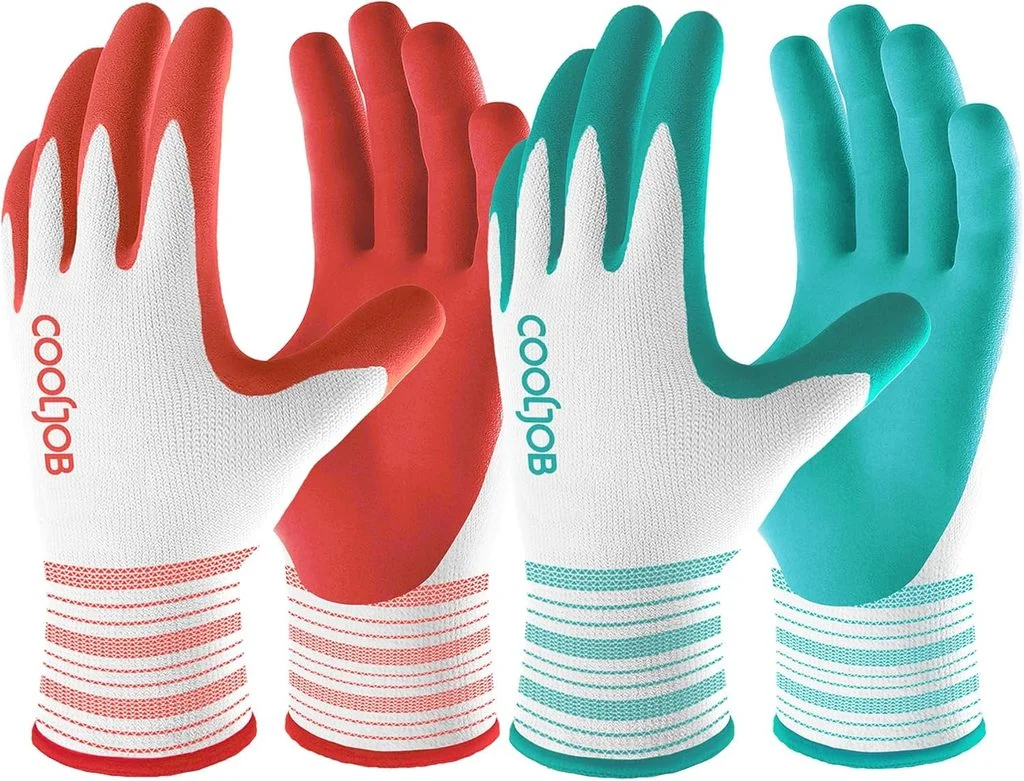
Fit matters more than material. Gloves that are too big make delicate work frustrating, and gloves that are too small wear through at the fingertips quickly. If you don’t know their size, choose a brand that sells in half sizes or ask someone who lives with them to check an existing pair.
Which material depends on the work:
- Nitrile- or latex-coated gloves keep hands dry and give good grip for planting, weeding, and handling seedlings. They’re the best all-purpose choice for a beginner.
- Leather gloves hold up better against thorns, brambles, and rough work like moving stones or pruning roses, but they stiffen if soaked and don’t dry well.
- Long-cuff gloves protect the forearm when reaching into thorny shrubs.
If you’re buying one pair, nitrile-coated is the safer choice. A second pair in leather can come later, once they know what they’re growing.
5. A Kneeler or Kneeling Pad
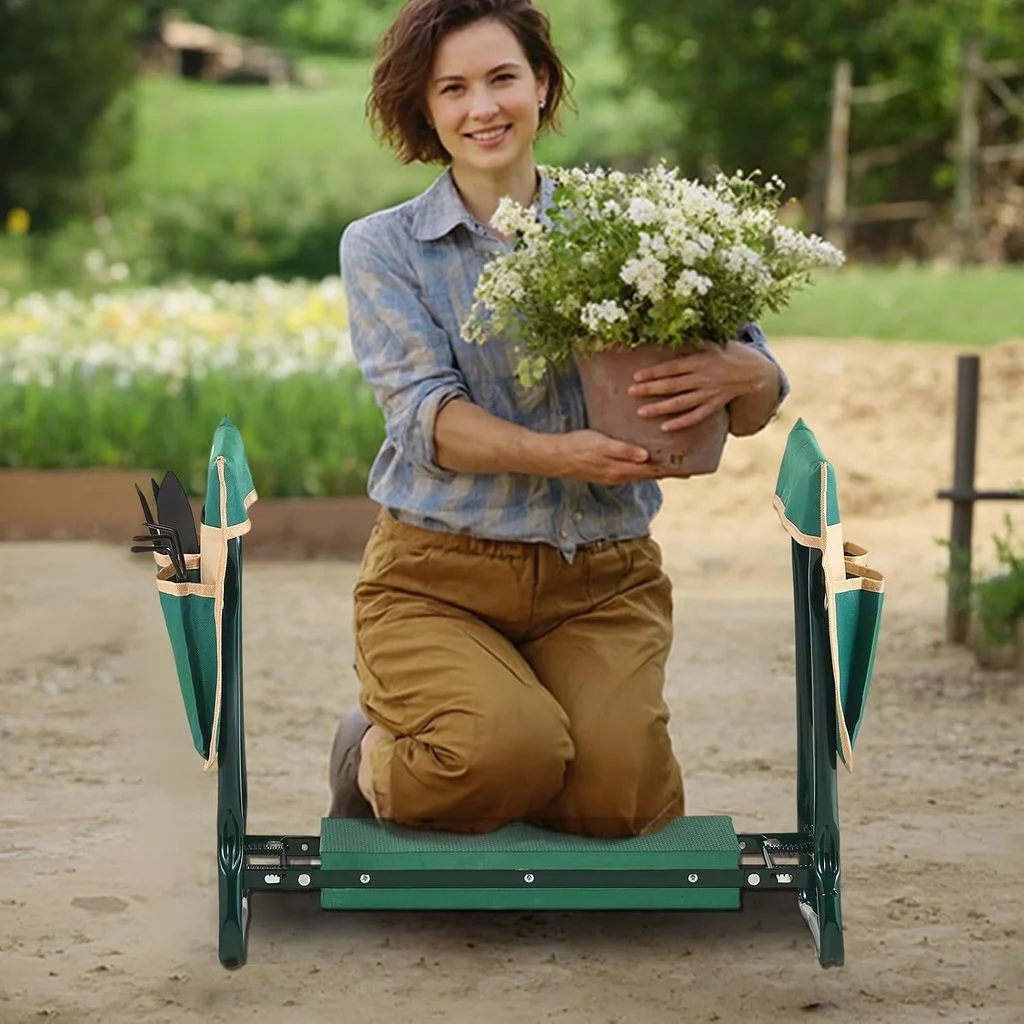
Weeding and planting seedlings means a lot of time at ground level, and knees are usually the first thing to complain. A thick foam pad is the simplest solution. A folding garden kneeler with handles doubles as a low seat, and the handles help with getting up, which matters more than it sounds for anyone with stiff knees or back trouble.
Pads are lighter and easier to carry between beds. Kneelers take more storage space but give more support. If the person you’re buying for has any mobility concerns, the kneeler with handles is the better gift. For someone with a small balcony garden, the pad is plenty.
6. A Watering Can Sized for Actually Carrying
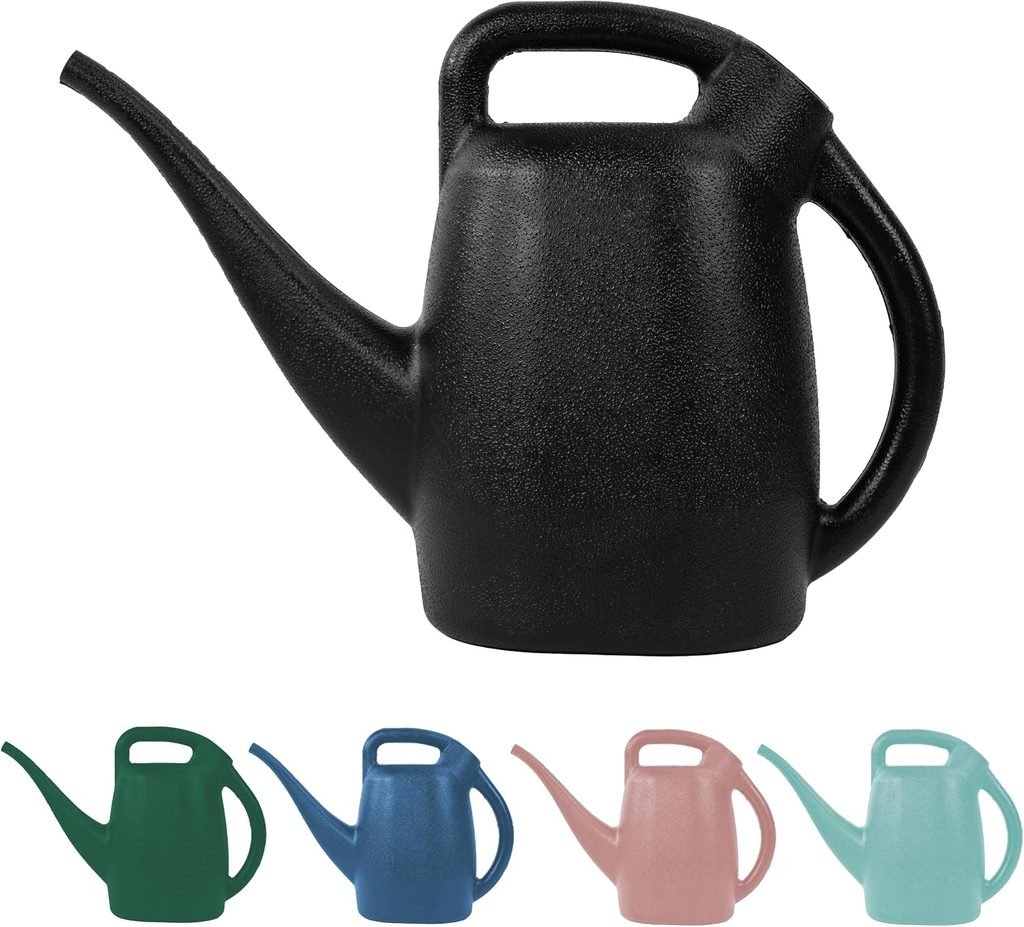
Capacity is where watering cans go wrong. A two-gallon can holds roughly 16 pounds of water, plus the can itself, and that’s a lot to carry one-handed across a yard. A smaller indoor-style can with a long, narrow spout works well for pots, seedlings, and a windowsill. A larger one makes sense for a vegetable bed or a row of containers.
Check for a removable rose (the sprinkler head on the spout). A fine rose delivers a soft spray that won’t wash out seeds or flatten seedlings. Without it, the stream from the open spout is better for watering at soil level around established plants. A can that lets you do both is the right one to give.
Plastic is lighter and rust-free. Metal looks better and lasts longer, but check the seams and whether it’s galvanized or coated, since an unlined, thin steel can will eventually rust through.
7. A Hose Nozzle With a Gentle Setting
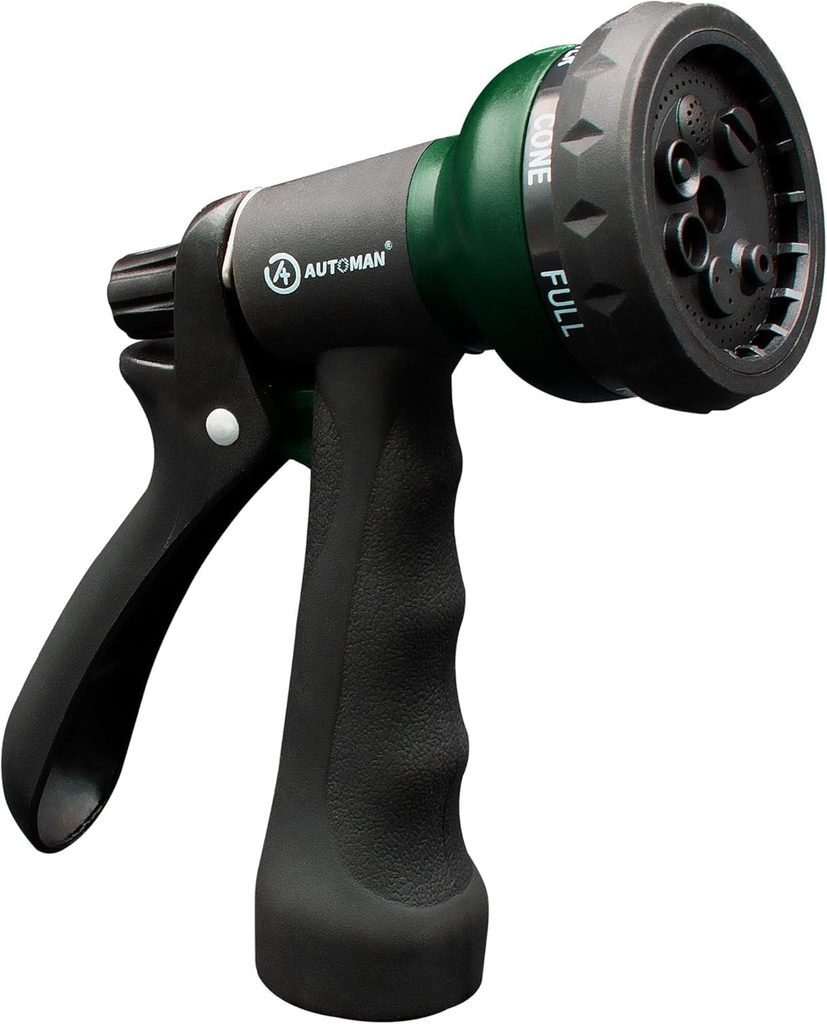
Most beginner gardens that fail don’t fail from lack of water, but from the wrong kind of watering: a hard jet that blasts soil out of beds, or quick sprinkles that never reach the roots. A hose nozzle with a “shower” or “soaker” setting, and an easy shut-off lever, solves most of it.
Look for one with a trigger that stays comfortable over several minutes, since people tend to stop watering early if the nozzle hurts their hand. Metal bodies last longer than plastic in sun and cold. Make sure the thread matches a standard garden hose; a quick-connect fitting can be a bonus, but only if the recipient’s hose is compatible.
Gifts for Starting Plants From Seed
Seed starting is where beginners can save money and grow varieties no garden center stocks, but it’s also where they run into trouble most often. These gifts remove the common obstacles.
8. A Few Carefully Chosen Seed Packets
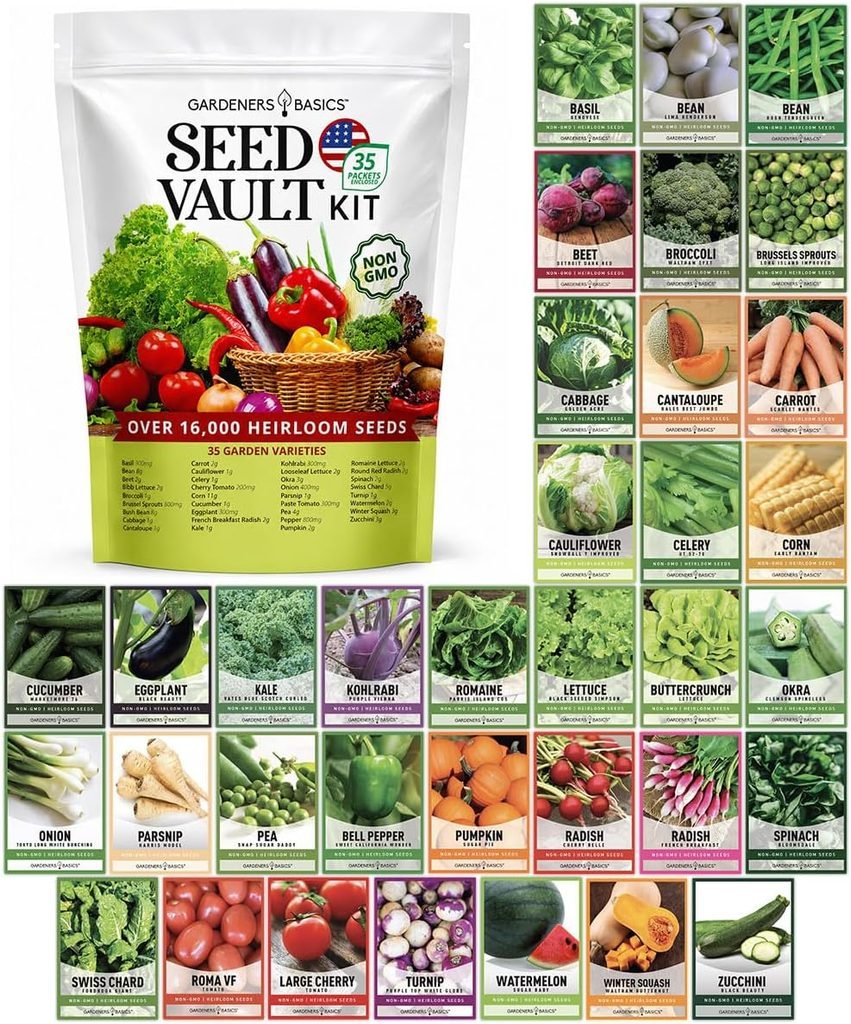
Seeds are the classic gift, and the easiest to get wrong by choosing too many or too difficult. A better approach is a small collection of plants that forgive mistakes:
- Radishes and lettuce sprout quickly and can be sown directly in the ground or a container.
- Bush beans and zucchini grow vigorously and give a lot of food for little effort.
- Marigolds, zinnias, and sunflowers produce flowers from seed in one season with minimal fuss.
- Nasturtiums tolerate poor soil and give both edible flowers and leaves.
Check the packet for the sowing window. Seeds given at Christmas won’t go in the ground for months in most of the northern hemisphere, so the packets should be ones the gardener can store comfortably until spring. Seeds are packed for a specific year, and while many stay viable longer, germination rates drop with age, so buy fresh stock and avoid anything marked with a previous year.
Where possible, choose varieties suited to the recipient’s region. A tomato bred for a long, hot summer will struggle in a short northern season. Local seed companies and regional seed libraries are good sources.
9. Seed-Starting Trays With a Humidity Dome
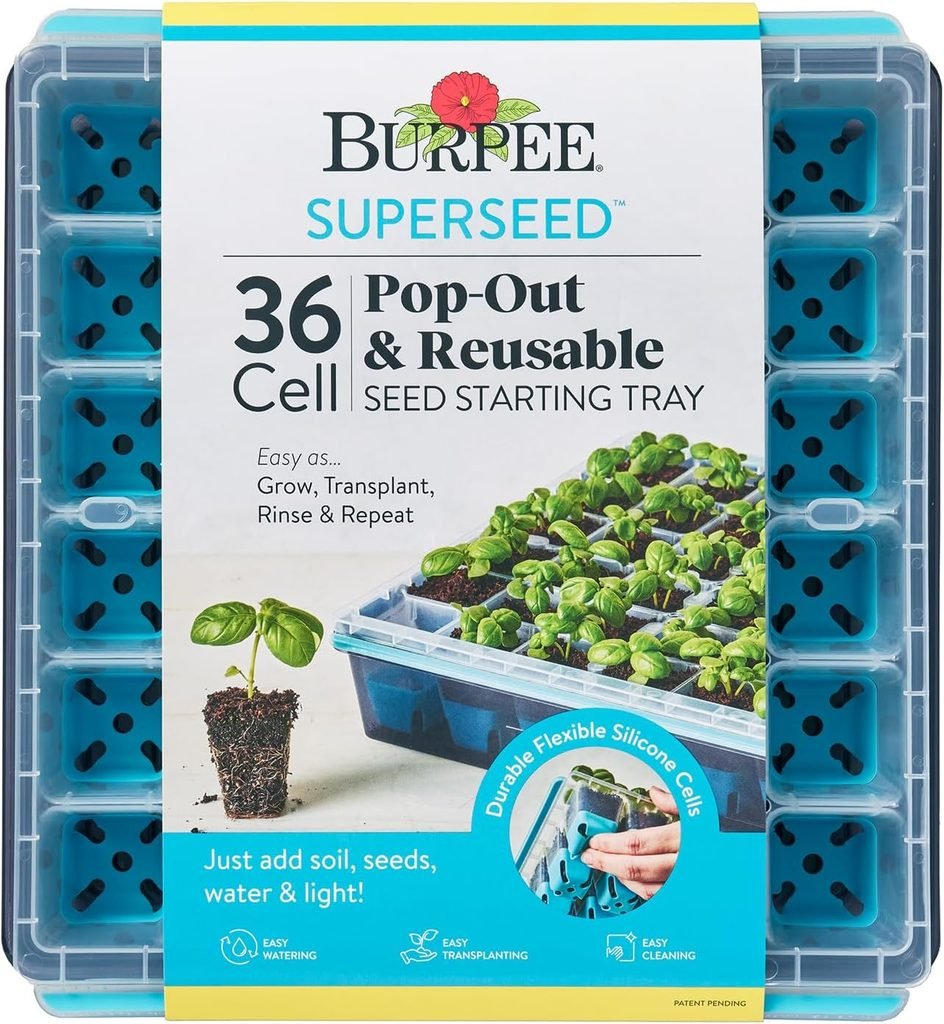
A tray with individual cells, drainage holes, a bottom tray to catch water, and a clear plastic dome is the simplest way to get seedlings going indoors. The dome holds in moisture until germination, and it should come off once seedlings touch the lid, otherwise damp, stagnant air encourages fungal problems like damping-off.
Rigid, reusable trays last longer than the thin ones. The cell count matters: 72 cells sounds generous, but small cells dry out quickly and cramp roots, so tomatoes and peppers will outgrow them. Larger cells of 2 inches or more suit fewer, bigger plants.
Include a small bag of seed-starting mix. It’s finer and lighter than potting soil, and it’s sterile, which reduces disease. Garden soil is a poor substitute. It compacts in a tray and can carry pathogens that kill seedlings.
10. A Seedling Heat Mat
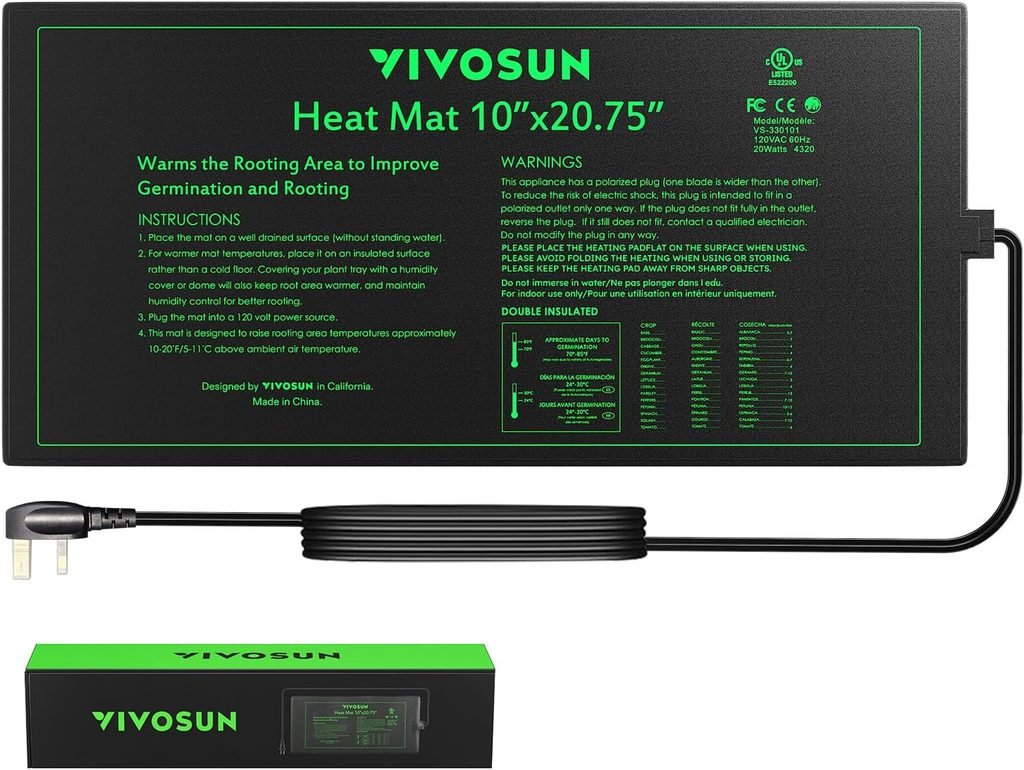
Warm-season crops like tomatoes and peppers germinate faster and more evenly in warm soil, and most homes in winter run cooler than that. A waterproof seedling heat mat sits under the tray and raises soil temperature a few degrees.
It’s an optional upgrade, not a necessity. Radishes, lettuce, and many flowers sprout fine at room temperature. But for a gardener set on growing peppers from seed, which can be slow to germinate, a heat mat makes a visible difference. Make sure it’s rated for plant use and has a UL or equivalent safety mark. A mat with a built-in thermostat, or one that can plug into a separate thermostat, prevents overheating.
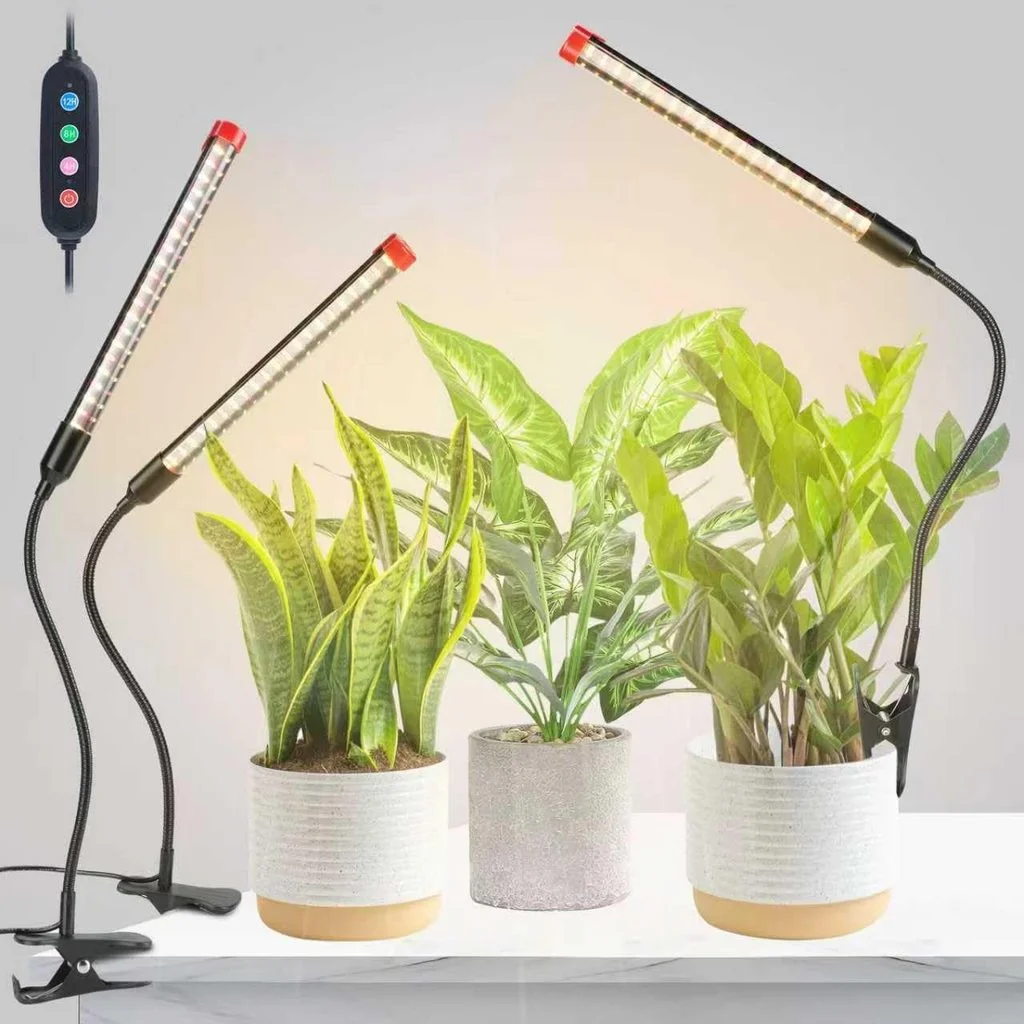
11. A Basic Grow Light
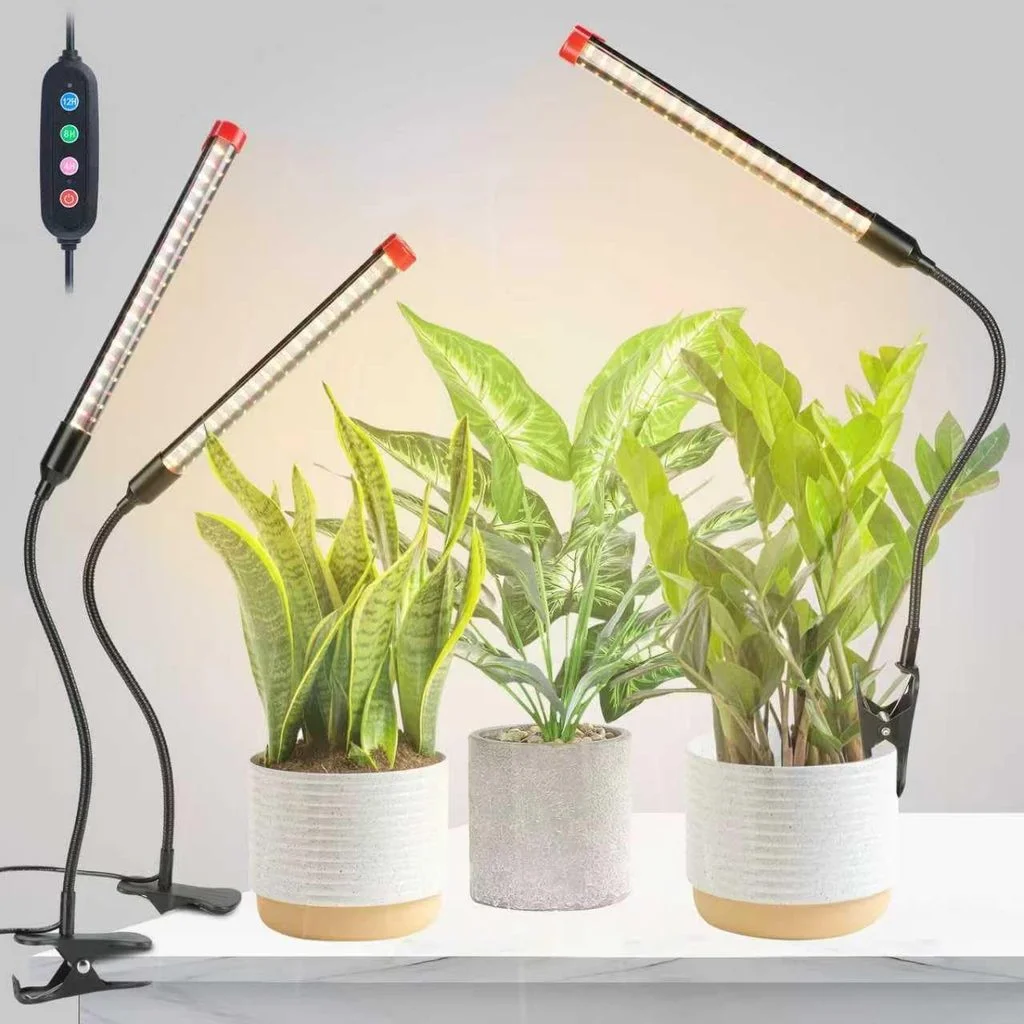
A south-facing window rarely gives seedlings enough light in winter, and the result is long, pale, leggy stems that flop over. A small LED grow light on an adjustable stand or clamp keeps seedlings short and sturdy.
For a beginner, a simple full-spectrum LED shop-style fixture that hangs a few inches above the tray is enough. The light needs to be kept close to the plants and raised as they grow, and a timer set to roughly 14 to 16 hours a day suits most seedlings. Pair the gift with a basic outlet timer.
This is a larger investment than most items here. If budget is tight, it’s better to give seed packets and a tray, and let the gardener use a bright window for hardy plants like lettuce and herbs.
12. Plant Markers That Survive a Season
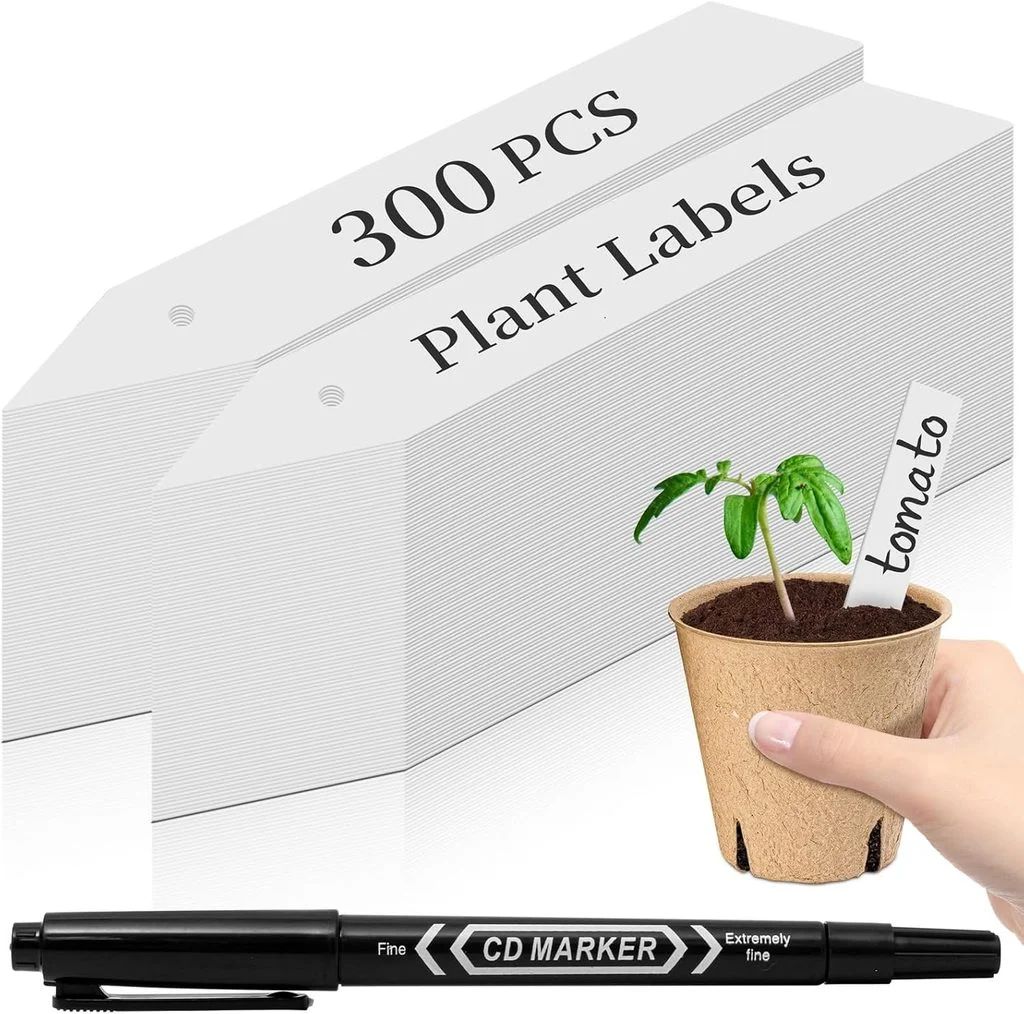
Seedlings of different tomato varieties look identical. So do most young herbs. Beginners who skip labeling find themselves guessing by midsummer.
The durable options are metal stakes, copper tags, slate, or rigid plastic. Wooden sticks work for seedling trays but rot in soil. The marking tool matters as much as the marker: ordinary permanent marker fades in sun within weeks, while a pencil on a roughened plastic tag lasts surprisingly well, and a paint pen or an engraving tool holds up on metal. A gift of markers plus a paint pen or a grease pencil is more useful than markers alone.
Gifts That Help Them Understand What’s Happening
Beginners fail more often from guessing than from lack of effort. These gifts replace some of the guesswork.
13. A Soil Test Kit (and the Right Expectations)
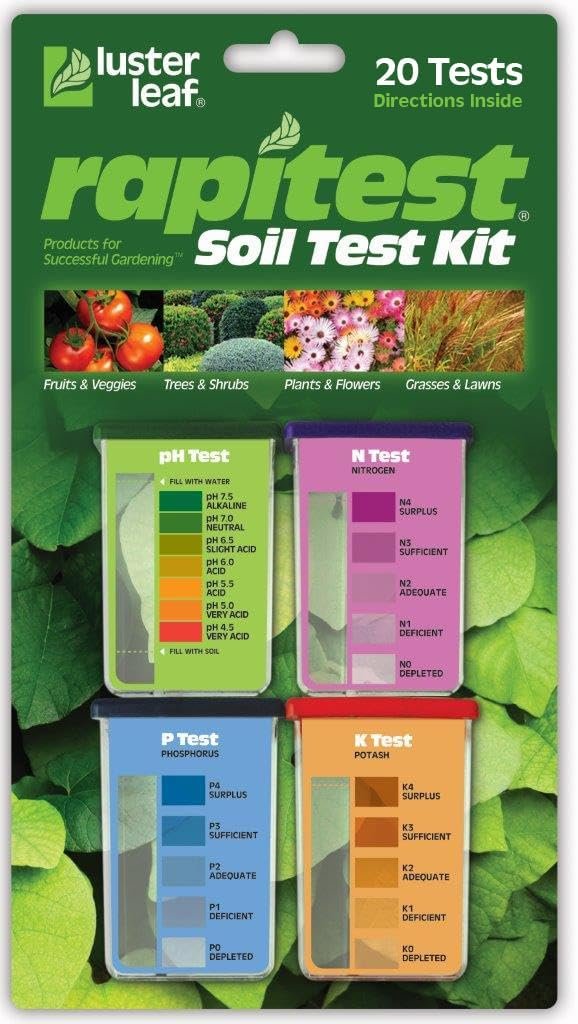
Soil pH controls how well plants take up nutrients. Most vegetables and flowers do well in slightly acidic to neutral soil, roughly pH 6.0 to 7.0, while blueberries and rhododendrons prefer more acidic conditions. A beginner who knows their pH can avoid wasting money on fertilizer that the plants can’t use.
Home kits come in a few forms. Chemical test kits with color-matched capsules or strips give a rough pH and sometimes an estimate of nitrogen, phosphorus, and potassium. Probe-style electronic meters are cheap and convenient, but many extension educators consider the cheaper ones unreliable. A mail-in laboratory test through a state or provincial extension service gives the most dependable results and includes specific recommendations, usually for a small fee.
A good gift is a simple pH kit alongside a note about how to find their local extension office for a full lab test. That pairs a quick answer with a trustworthy one.
14. A Soil Thermometer
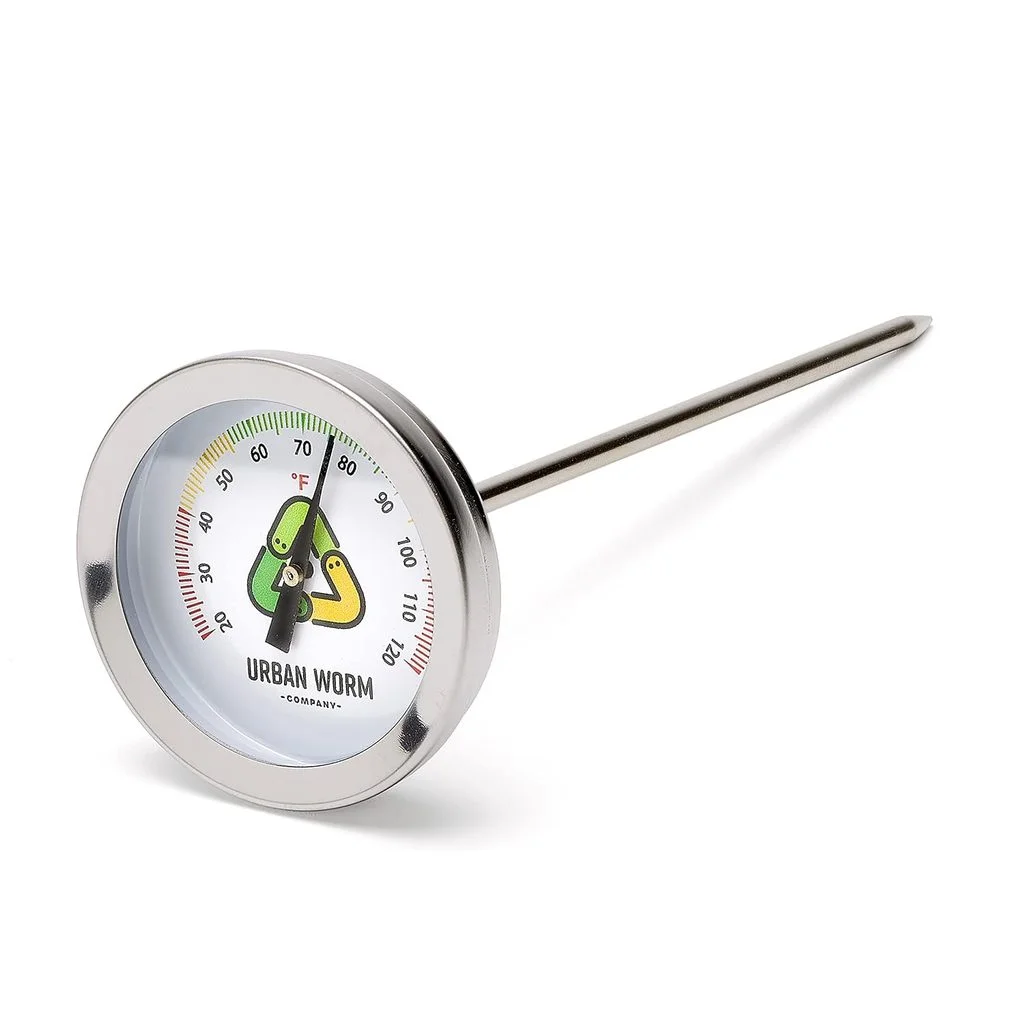
This one is easy to overlook, but it answers the question beginners ask most: when can I plant? Seeds germinate within temperature ranges. Peas will sprout in cool soil, while beans, squash, and corn sit and rot if the soil is too cold. A simple probe thermometer pushed a couple of inches into the soil gives a number to check against the seed packet, and it’s more reliable than the calendar.
An inexpensive dial or digital probe works. Look for one with a long enough probe, around 4 to 6 inches, and a readable display. Small and cheap, it fits well in a stocking.
15. A Rain Gauge
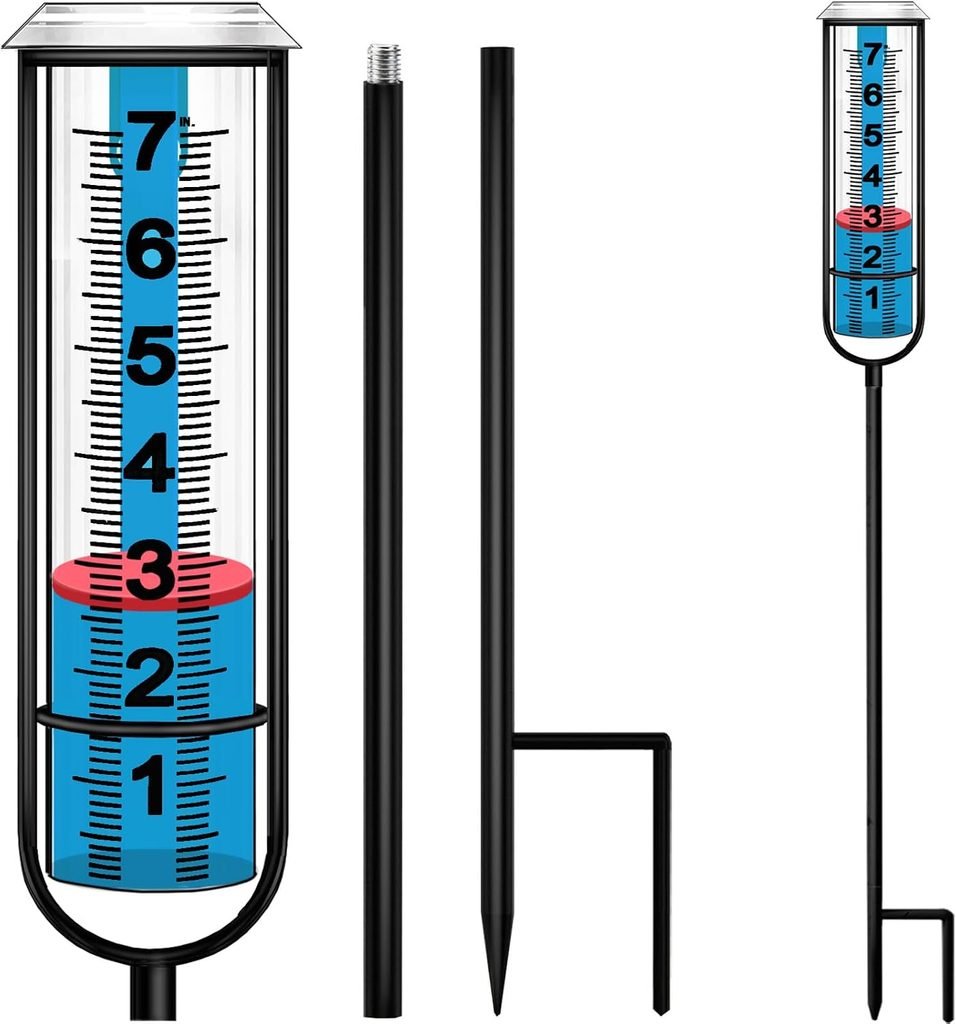
Common advice says gardens need about an inch of water per week, but that depends heavily on soil type and weather. Sandy soil drains quickly and may need more frequent watering. Clay holds moisture longer. A rain gauge stuck in the ground tells the gardener how much rain actually fell, so they can top up with a hose only if needed.
It’s a modest gift, but it prevents both overwatering and underwatering. Choose a gauge with large, clear markings and a wide opening, and note that it should be mounted in an open spot away from overhanging branches and roof drips, which skew readings. Glass gauges can crack in freezing weather, so a plastic one is safer in colder climates.
16. A Garden Journal They’ll Actually Use
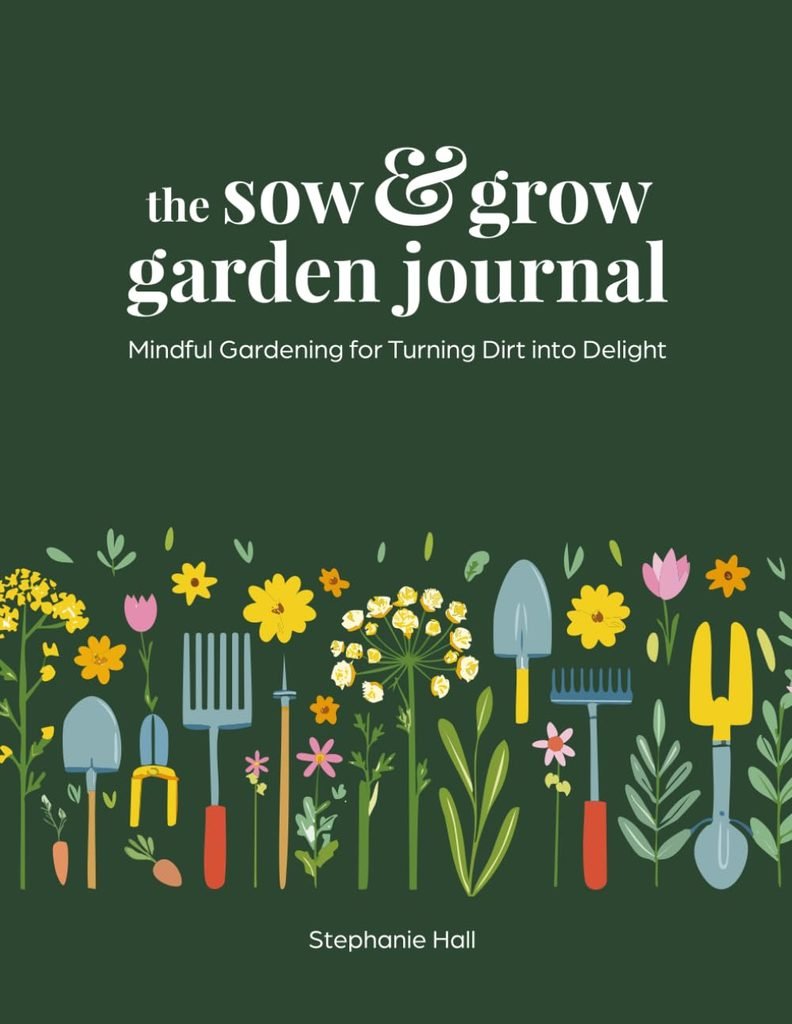
A journal turns one season of mistakes into the next season’s plan. The useful kind records what was planted and when, the variety, where it went, what happened, first and last frost dates, and what they’d change.
A blank notebook works, but one with structure helps a beginner who doesn’t know what to record. Look for pages for planting dates, bed layouts, harvest notes, and a calendar. A small, sturdy cover matters if it’s going to end up in a muddy tote bag. The best ones lie flat and have a pocket for seed packets.
Pair it with a pencil or a waterproof pen. Ink smears on damp pages, and a pencil will always write.
17. A Gardening Guide for Their Region
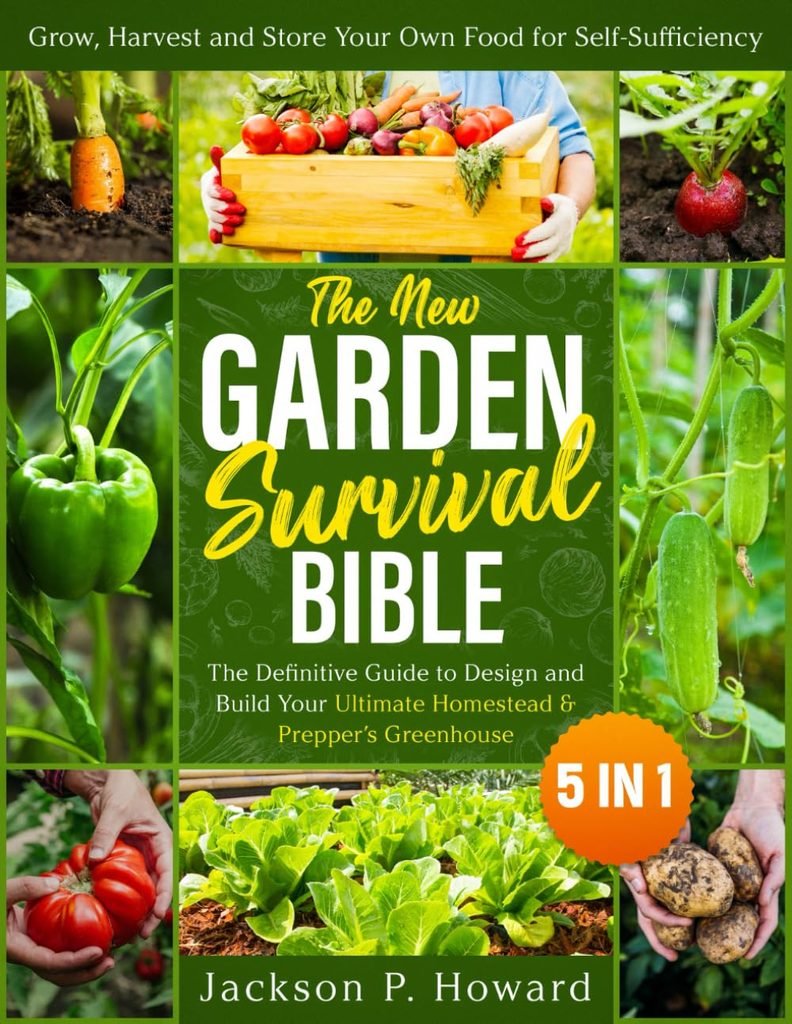
One good book beats ten blog posts, especially if it’s written for their climate. Planting dates, pest problems, and suitable varieties vary enormously from region to region, and a generic book written for another climate will misdirect a new gardener.
Look for guides tied to a specific state, province, or climate zone, often published by regional garden writers or cooperative extension programs. Many extension offices also publish free planting calendars, which can be printed and tucked inside the cover.
For a more general reference, choose a book with clear photographs of common pests and diseases. A beginner trying to identify a chewed leaf is better served by pictures than by paragraphs.
Containers, Compost, and Small Extras
18. Fabric Grow Bags or a Starter Container Set
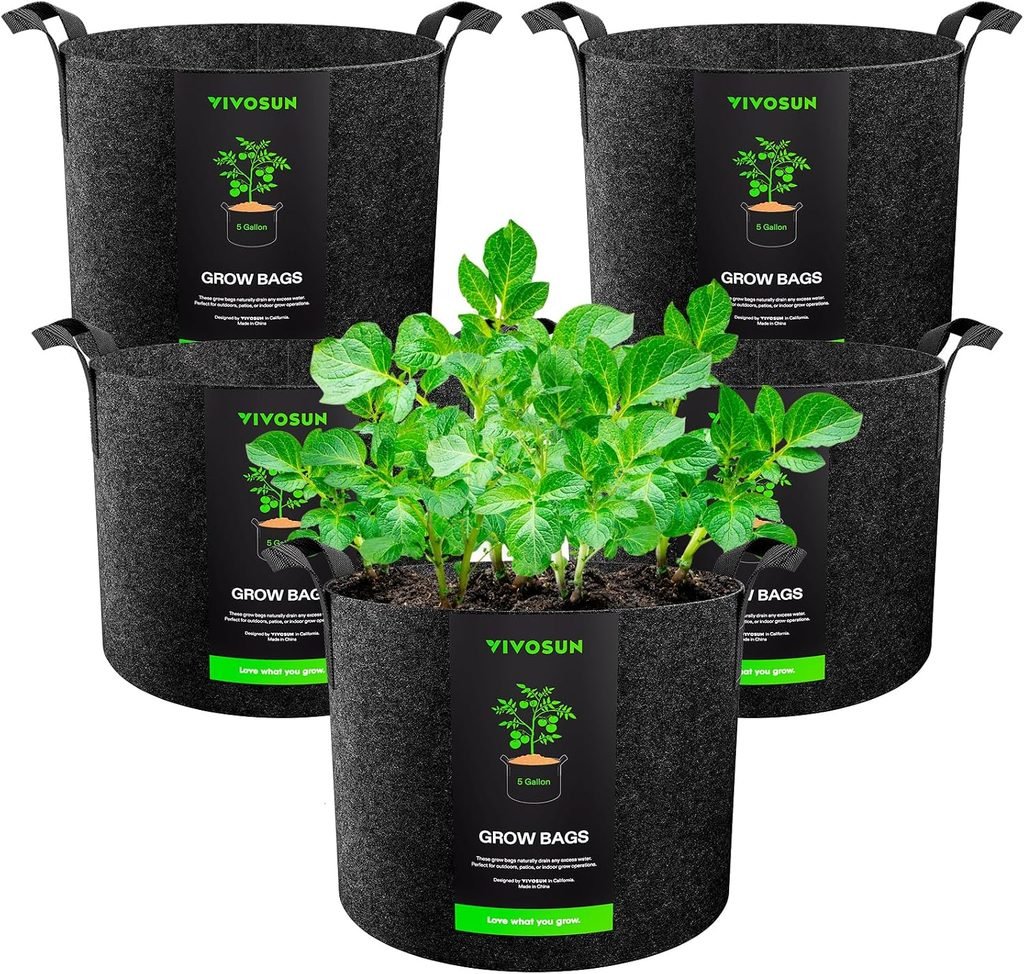
Not every new gardener has a yard. Fabric grow bags work well on patios and balconies: they drain freely, and the fabric lets roots air-prune, which discourages circling. They’re light, cheap, and storable over winter.
Size depends on the crop. Lettuce and herbs do fine in 3- to 5-gallon containers. Tomatoes, peppers, and eggplant need around 5 to 10 gallons per plant to avoid drying out daily in summer heat. Smaller containers dry out fast and stress plants, a common beginner problem.
Pairing the bags with a bag of quality potting mix, not garden soil, makes the gift complete. Garden soil compacts in containers and restricts drainage.
19. A Small Kitchen Compost Bin
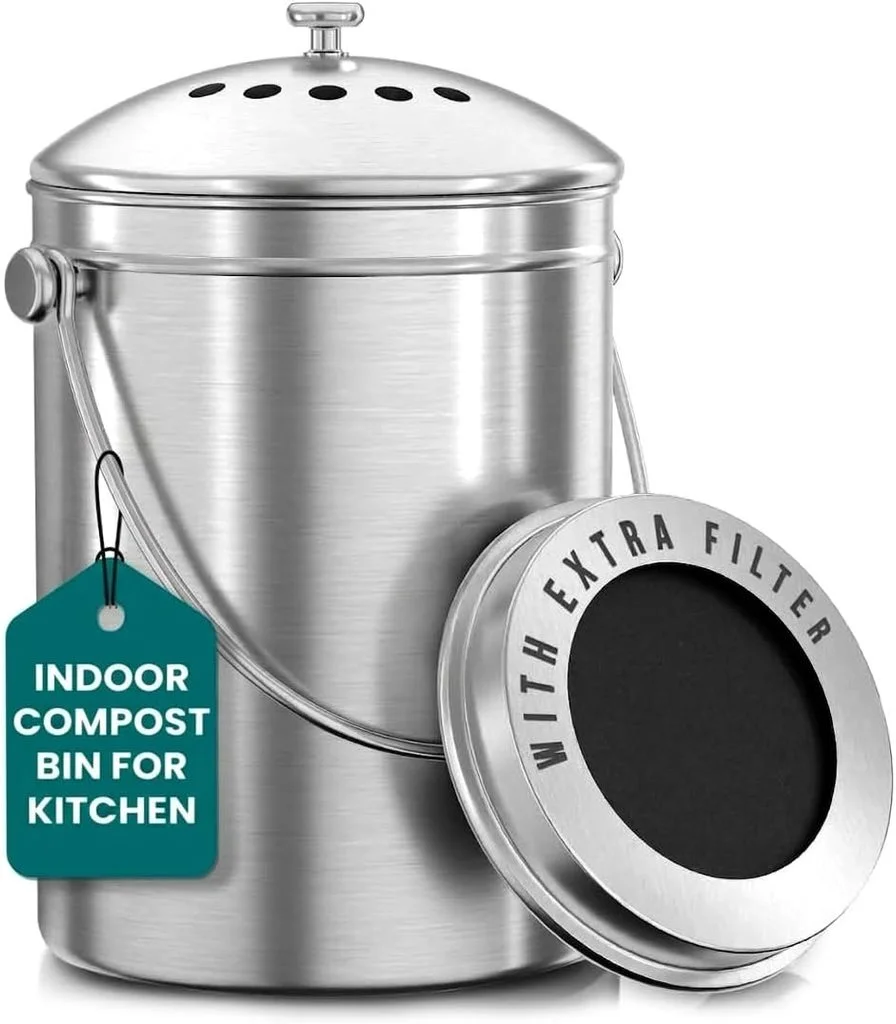
Composting turns vegetable scraps into something useful, and a countertop bin makes the habit easy to start. Look for one with a tight-fitting lid and a replaceable charcoal filter to control odor. Stainless steel or ceramic bins are easy to clean, but even a simple plastic one works.
There’s a catch worth mentioning: a countertop bin only collects scraps. The gardener still needs somewhere for those scraps to go: a backyard pile, a tumbler, a municipal green-waste program, or a community drop-off. Check what’s available locally before giving it. A compost bin without a destination just becomes a smelly bucket.
20. A Gift Card to a Local Nursery
This is the one gift where the gardener does the choosing, and for a beginner, that’s a feature. Local nurseries know which plants perform in the area, and staff will often explain how to plant and care for them. A gift card also lets the recipient buy in spring, when plants are actually available and the planting window is open.
If you want to make it more personal, include a note suggesting two or three easy plants to look for: a perennial herb such as chives, a hardy flower like coneflower, a reliable shrub. A voucher plus a few suggestions removes the intimidation of walking into a garden center for the first time.
Gifts That Look Good on the Shelf but Disappoint
A few popular items deserve caution:
- Large multi-piece tool sets. They’re attractive and cheap, but the tools are often lightweight aluminum with weak joints. One good trowel and one good pair of pruners will outlast an entire boxed set.
- Tiny “grow-it-yourself” kits. Pots and seed discs in a box often come with small quantities of seed and little growing medium. They can be fun for children but frustrating for adults who want a real harvest.
- Decorative garden signs and ornaments. Charming, but not a starter gift. They’re better as a second gift once the garden exists.
- Cheap electronic soil meters. As noted, readings from inexpensive probes are often unreliable, and a beginner has no way to know.
Putting Together a Bundle by Budget
Instead of buying a single item, combine a few that work together.
A small bundle might include a good trowel, a pair of nitrile-coated gloves, three or four easy seed packets, and a journal with a pencil.
A mid-range bundle adds bypass pruners, a watering can with a rose, a seed-starting tray with mix, and a set of durable plant markers.
A fuller starter kit adds a kneeler, a soil test kit with a note about local lab testing, a heat mat or small grow light, and a nursery gift card tucked inside a regional gardening book.
Wrap the pieces in a bucket or tote. They’ll use it.
Questions Gift-Givers Often Ask
What if I don’t know what they plan to grow?
Choose tools, not plants. A trowel, gloves, a kneeler, and a watering can are useful no matter what’s going in the ground. Seeds and plants depend on climate and space, so wait for specifics or give a nursery gift card.
Is it too early to give seeds in December?
Not if they’re stored properly. Seeds keep best in a cool, dry place, such as a sealed jar in a cupboard. Tomatoes and peppers are often started indoors about six to eight weeks before the last expected frost, which could be as early as February in warmer areas. Check the last frost date for their region and the instructions on the packet.
Should I buy organic or heirloom seeds?
It depends on what the gardener wants. Heirloom varieties are open-pollinated, so seed saved from them will grow true to type, which interests people who want to save seed. Hybrids are often bred for disease resistance and uniformity, which can help a beginner. Neither is automatically better. Reliable performance in their region matters more than the label.
Are tools with ergonomic handles worth the extra cost?
For anyone with arthritis, wrist pain, or limited grip strength, yes. Larger, cushioned, or angled handles reduce strain. For others, a comfortable, well-balanced standard handle is fine.
Final Thoughts
The best gift for a new gardener is a few things that work well, not a lot of things that don’t. Start with a sturdy trowel, a pair of bypass pruners, and gloves that fit. Add something that helps them learn, such as a journal, a soil test, or a regional guide, and a few forgiving seeds. If the budget allows, a nursery gift card gives them a reason to go shopping in spring, when the real work starts.

About Syprose Kiche
Syprose Kiche is the creator and writer behind My Besuited Home, a practical home and garden website covering DIY projects, gardening, lawn care, landscaping, home improvement, and outdoor living. She focuses on turning everyday homeowner questions into clear, practical guides backed by careful research and useful real-world considerations.