
The easiest gift for a plant lover is another plant, and it’s often the worst one. Someone with a crowded windowsill has already made decisions about light, space, and which species they can keep alive. A new plant adds to the workload, may not suit their conditions, and may be toxic to a pet. It can also arrive in December, when cold air between the car and the front door can damage tropical foliage.
The better gifts support the plants they already have. They make care easier, make the collection look better, or open up something the person hasn’t tried, like propagation or growing under lights. Below are twenty ideas in that spirit, with notes on what to check before buying so the gift fits the person’s home and routine.
Before You Buy: Four Questions That Narrow the List
A few observations will save you from most bad purchases.
Where do their plants actually live? Plants on a single sunny sill need different things from a shelf in a dim corner. Someone whose plants sit far from a window is a candidate for a grow light. Someone with a bright south-facing room may need shade or humidity help instead.
Are they houseplant people, garden people, or both? “Plant lover” covers a lot. Gifts for a person with forty tropical foliage plants are different from gifts for someone who grows vegetables and flowers outdoors. The ideas below lean toward indoor plants, with a few that work for both.
Do they have pets or small children? This matters for plants, fertilizers, soil additives, and anything small enough to swallow. Many popular houseplants, including pothos, philodendrons, and peace lilies, are listed by the ASPCA as toxic to cats and dogs.
What do they already own? Look at what’s on display. A person with matching ceramic pots may not want a mismatched set. A person who labels everything may already have labels. When you can’t tell, choose a consumable (potting mix, fertilizer, a book) over an object.
Gifts for Displaying and Housing Plants
1. A Plant Stand That Matches Their Space
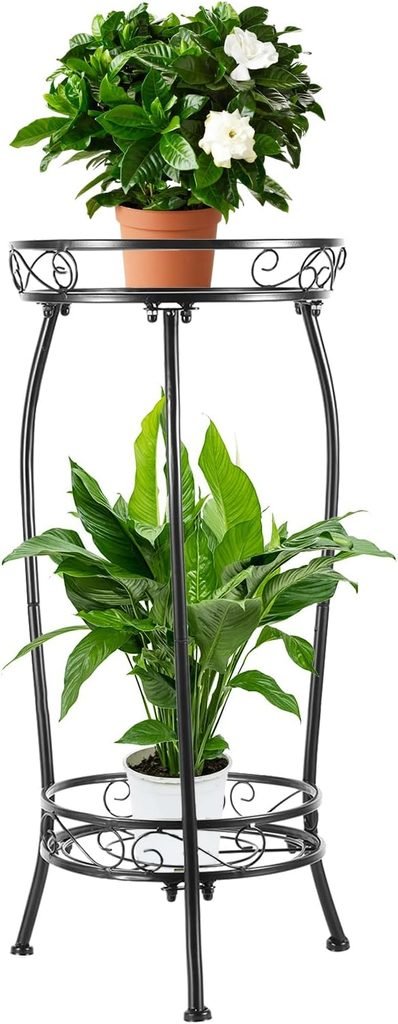
A stand does two jobs. It gets a plant closer to light, and it frees up floor or shelf space that would otherwise be crowded.
Check three things first. Weight matters, because a large ceramic pot with wet soil is far heavier than it looks, and a flimsy stand can wobble or tip. Height matters, because tall stands suit floor-level plants that need to reach a window while short ones suit tabletops. Material matters, because untreated wood can mark or warp under repeated moisture, so look for sealed or finished surfaces, or metal.
Tiered stands are good for people with many small plants. A single raised stand suits one statement plant. If you don’t know their floor plan, a small tabletop riser is the safer choice.
2. Decorative Pots With Drainage (or a Real Plan for It)
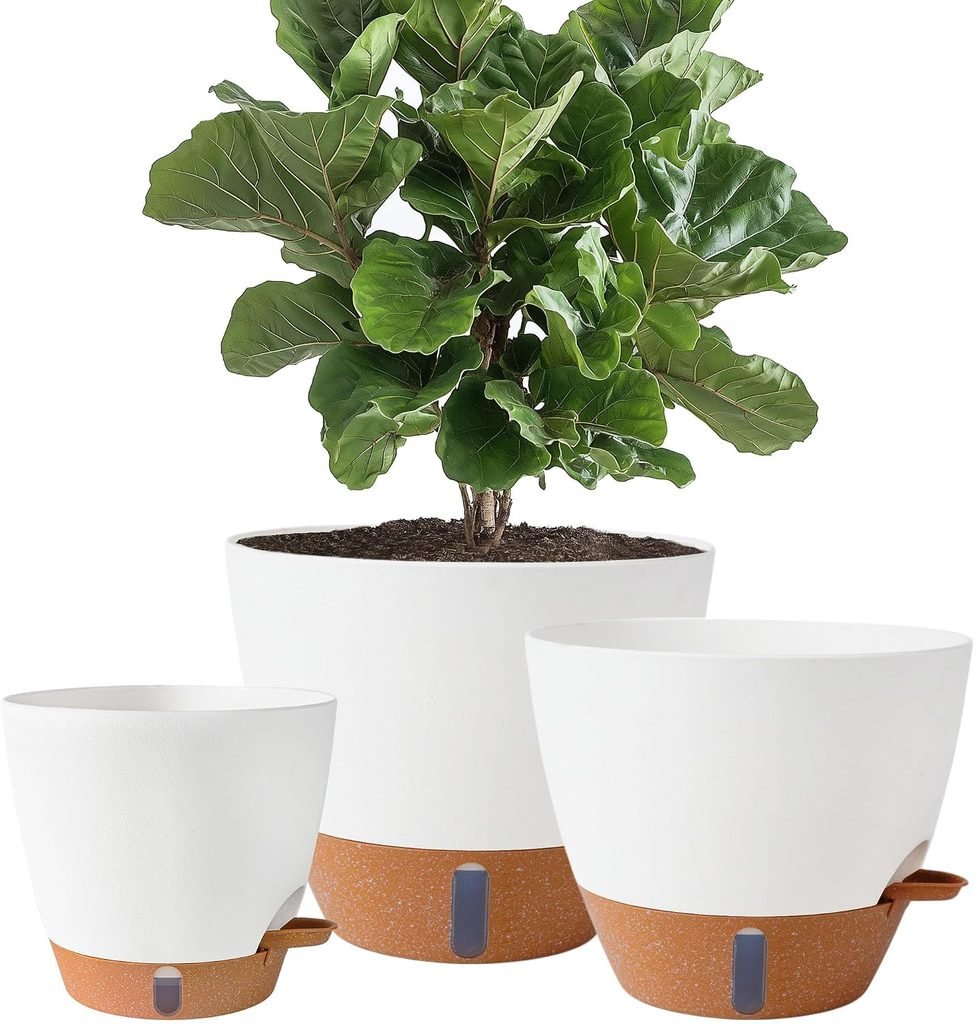
Decorative pots look good but cause the most problems, because many ceramic cache pots have no drainage hole. Roots sitting in standing water are a common route to rot.
There are two sound solutions. Buy a pot with a drainage hole and a matching saucer. Or buy a decorative outer pot (a cachepot) sized to hold a plastic nursery pot inside it, so the plant can be lifted out and drained at the sink. Gift one of those pairings and you’ve given something that works. If you gift a no-hole pot alone, you’ve left the recipient to improvise, and the usual improvisation is a layer of gravel at the bottom, which doesn’t solve the problem.
Size is the other trap. Most plants prefer a pot only slightly larger than the root ball, so a pot that’s much too big holds excess moisture. If you don’t know what they’re repotting, a set of small pots in a neutral finish is more useful than one large one.
3. Hanging Planters and Wall-Mounted Options
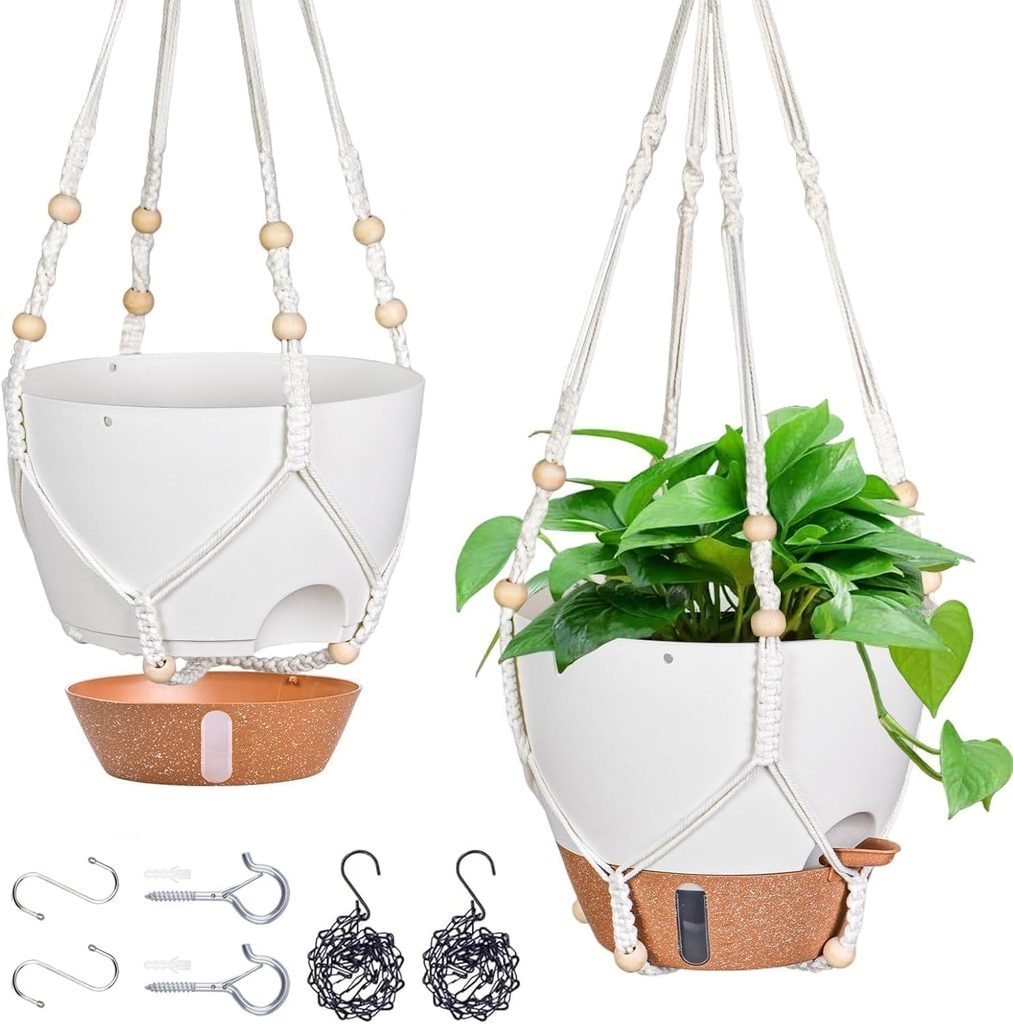
Hanging planters free surface area, and they suit trailing plants such as pothos, string-of-pearls, and philodendron. The main questions are weight, how the planter is installed, and where the drip goes.
Ceiling hooks need to be anchored into a joist or fitted with an appropriate anchor, because a wet planter is heavy. If the person rents or doesn’t want to drill, look at tension rods or over-the-door options instead. Choose macramé hangers with a built-in saucer or a lined planter, since water dripping on floors and furniture quickly stops being charming.
4. A Plant Shelf or Window Ledge Shelf
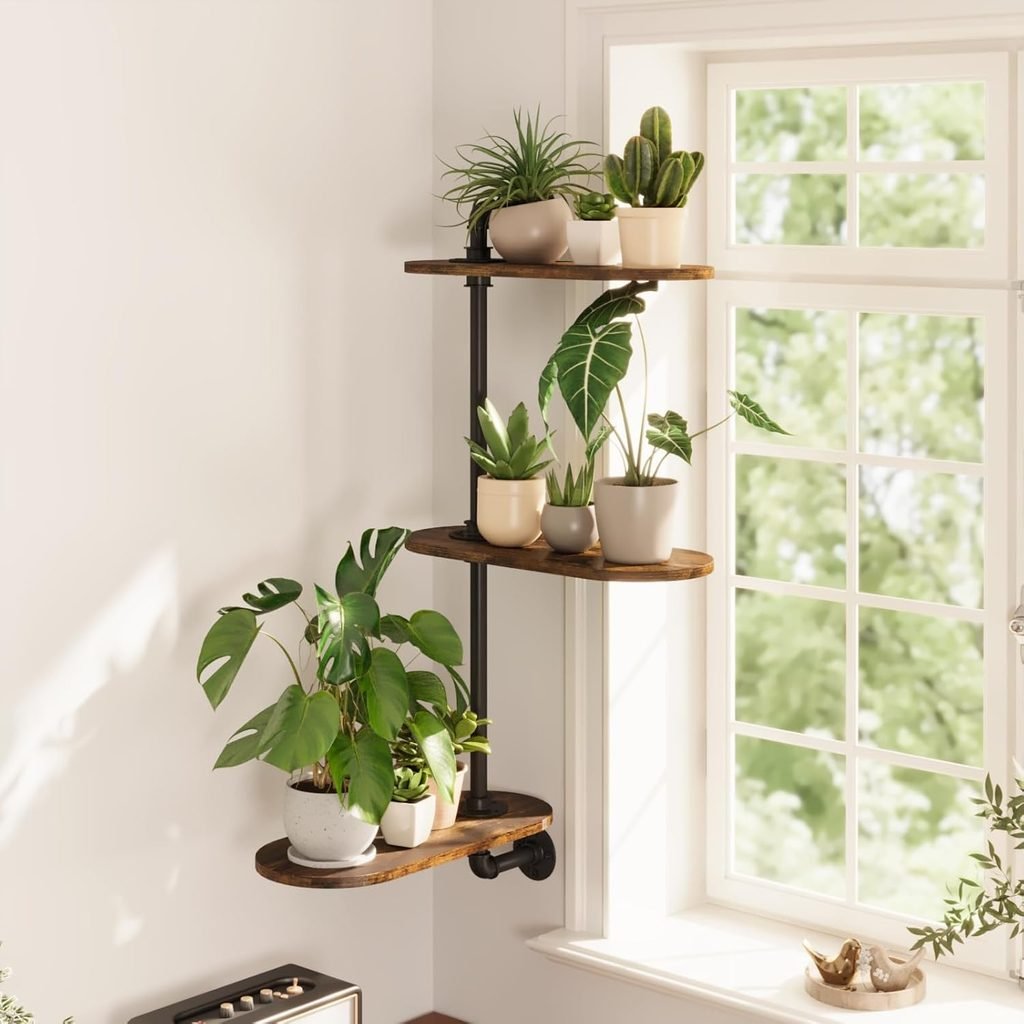
Where a plant stand adds space on the floor, a window shelf adds it where the light is. Narrow glass or wood shelves that attach across a window frame give small plants a spot at eye level.
Check the window first. Shelf brackets and suction mounts vary in capacity, and a loaded shelf can fail. Cold glass is also worth thinking about. In winter, leaves touching a single-pane window can chill or damage, so shelves that hold plants a few centimeters back from the glass tend to work better.
Gifts for Watering and Daily Care
5. A Long-Spout Watering Can
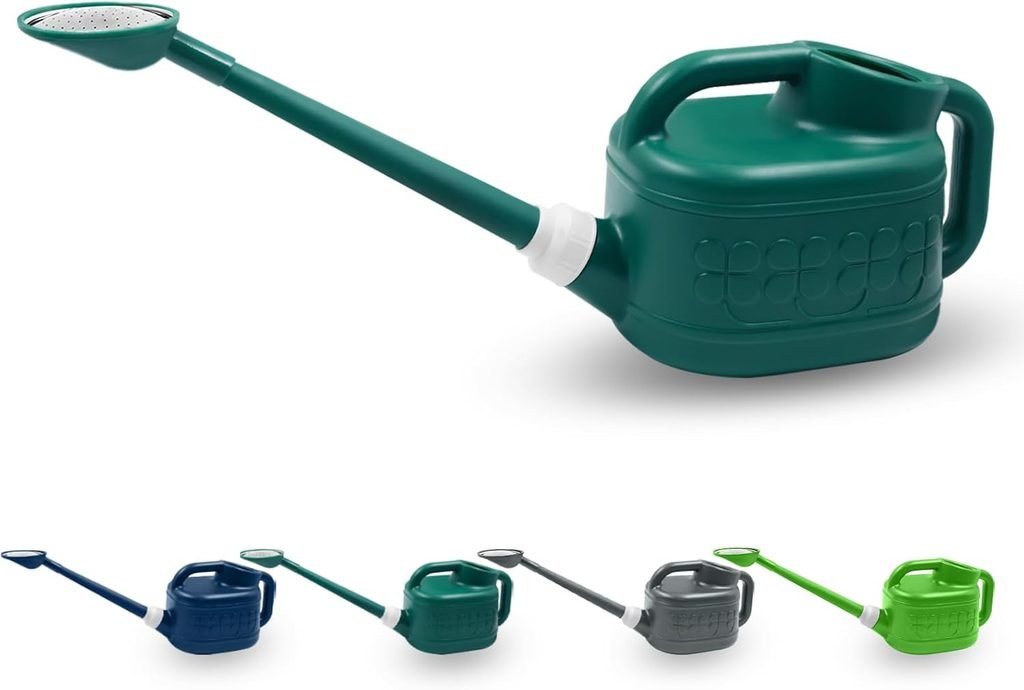
A good watering can is one of those things people use daily and rarely replace. Long, narrow spouts reach under dense foliage so water lands on the soil and not on the leaves, which matters for plants that dislike wet crowns, such as African violets.
Capacity matters. A small can, around one liter, suits a dozen houseplants on a windowsill but means repeated trips for a large collection. A larger can is more convenient but harder to control when full. A can with a comfortable handle and a balanced pour gives better control than a decorative one that’s awkward to hold.
6. A Moisture Meter (With Realistic Expectations)
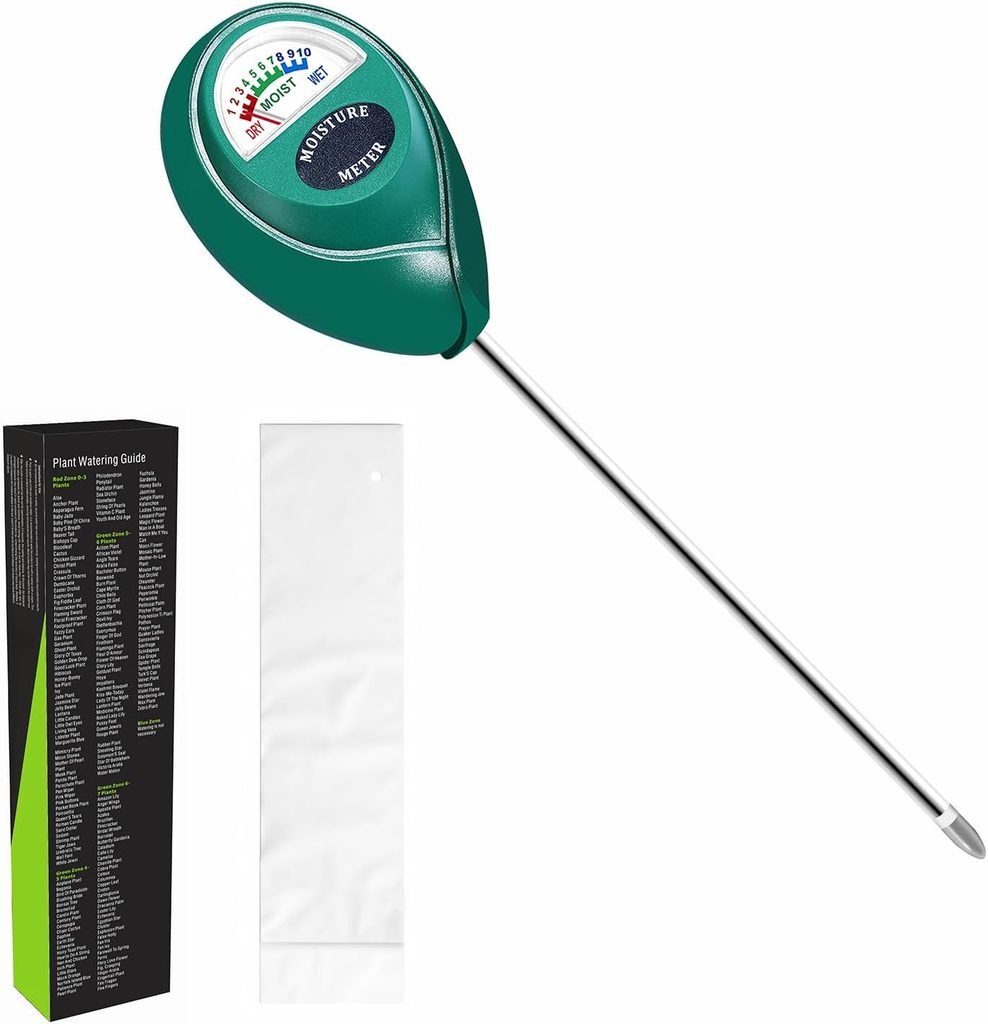
Moisture meters are popular gifts, but their accuracy varies by model, and many simple probe-style meters are inconsistent. They work best as a rough guide, not a precise tool, and the common advice among growers is to confirm with a finger test or by lifting the pot to judge weight.
A meter helps a person who tends to overwater and wants a prompt to wait. It helps less in very chunky or bark-heavy mixes, where probes may not read reliably. If you give one, treat it as a supplement to habit. A more dependable alternative for the same problem is a set of wooden skewers or a plain chopstick, which a person can push into the pot to see how damp the lower soil is.
7. Self-Watering Aids, Chosen Carefully
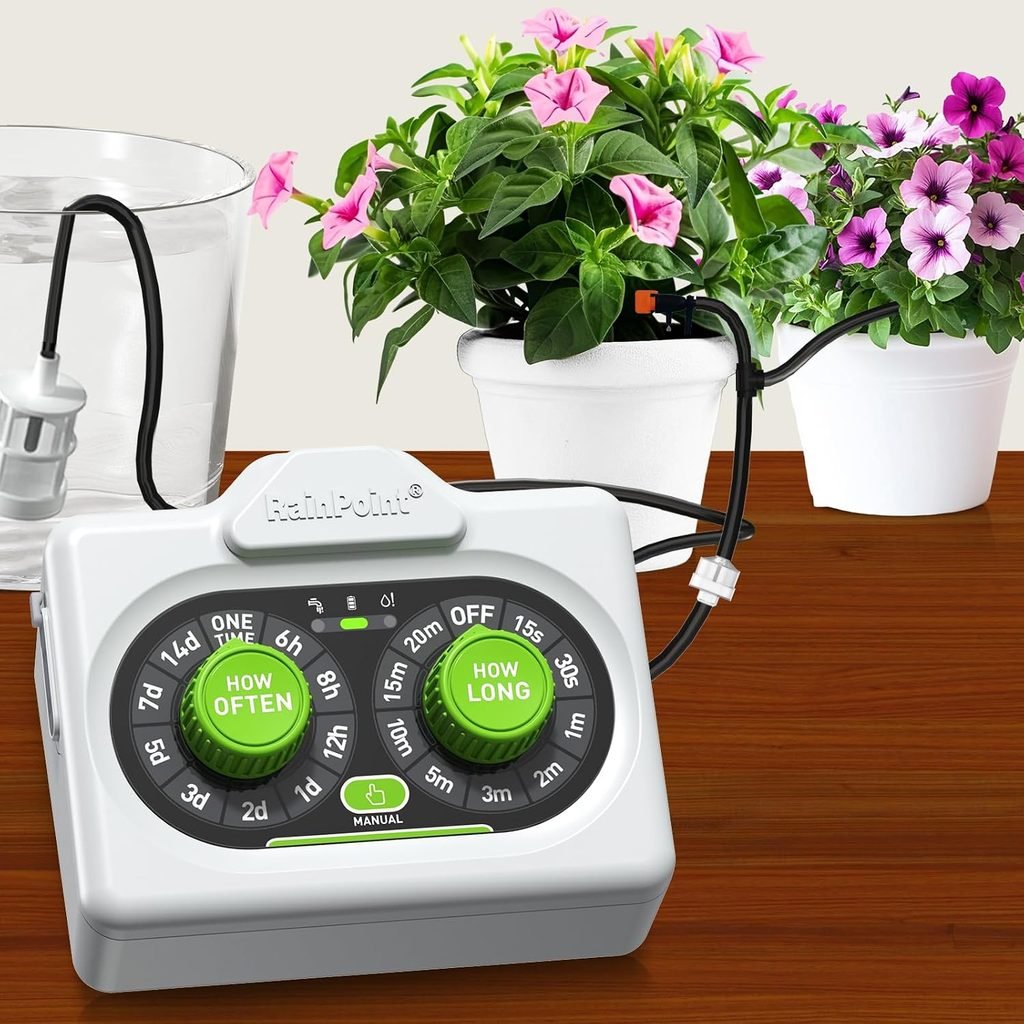
Self-watering spikes, wicking systems, and reservoir pots can help someone who travels. They don’t suit every plant. Succulents and cacti usually need the soil to dry out between waterings, and a constant supply of moisture can work against them. Plants that prefer even moisture, such as ferns and peace lilies, tend to be better candidates.
Wick systems (a cotton cord running from a water reservoir to the soil) are simple and don’t depend on a gadget. If you want to give something for a holiday trip, a reservoir-style pot or a wicking kit is more reliable than the glass globes that release water unpredictably. Whatever you pick, expect the recipient to test it for a week or two before leaving plants unattended.
8. A Spray Bottle or Mister for the Right Plants
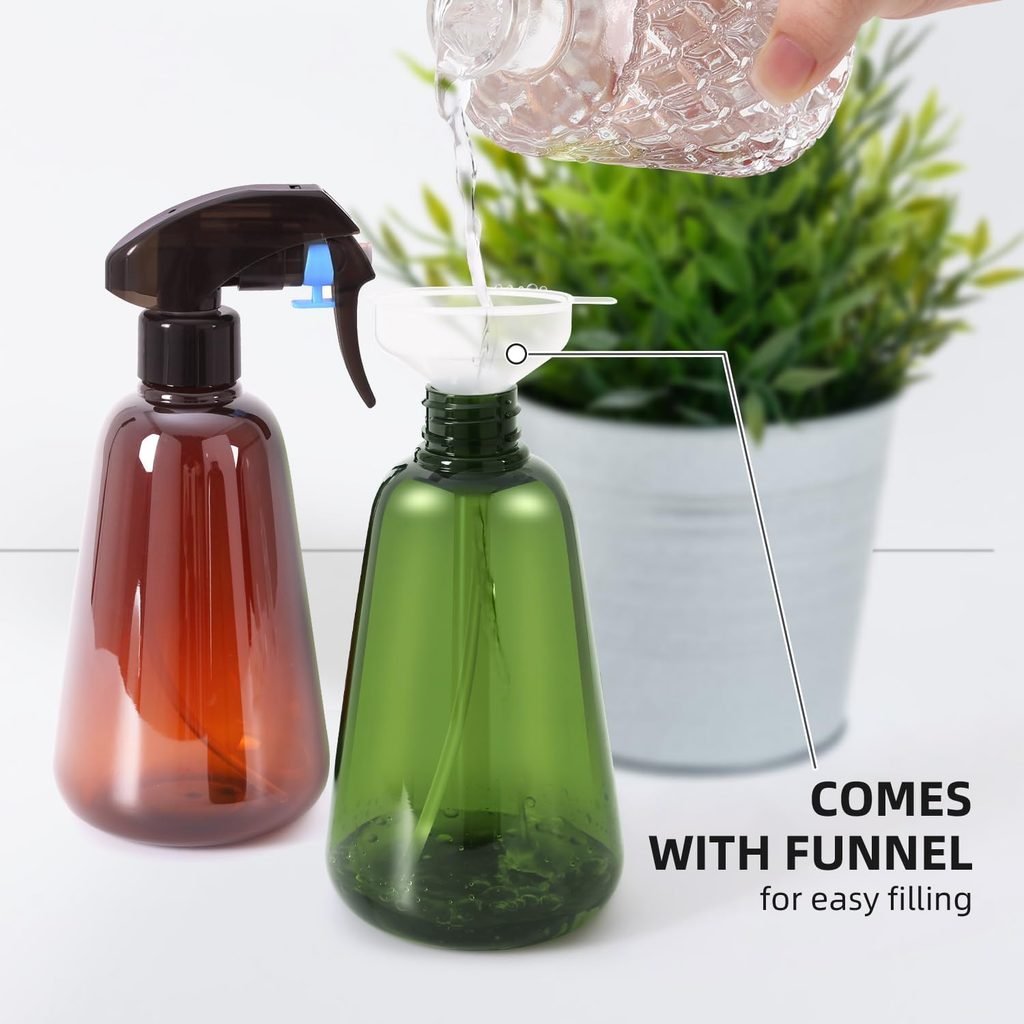
Misting is controversial. It briefly wets leaves but doesn’t raise humidity for long, and on some plants it encourages leaf spots. It suits specific cases: air plants, some ferns, and seedlings or cuttings under a cover.
If the person owns air plants or a terrarium, a fine-mist bottle is a good gift. If their collection is mostly thick-leaved succulents or fuzzy-leaved plants, skip it.
Gifts for Pruning, Cleaning, and Maintenance
9. Small Pruning Snips
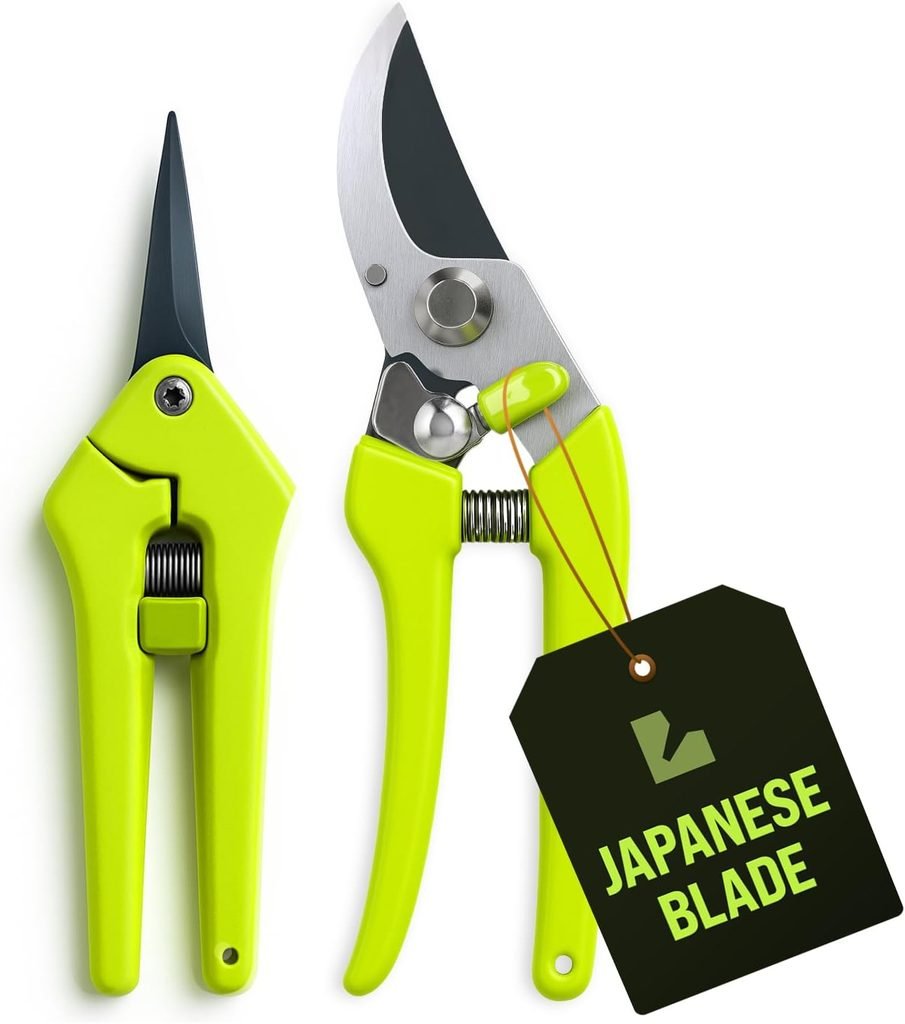
A pair of small, sharp, bypass-style snips makes trimming easier and cleaner than scissors. Clean cuts heal better than crushed stems, which matters when taking cuttings. Narrow tips help reach into dense growth.
For indoor use, a compact pair with a lock is enough. Heavy garden pruners are overkill for a windowsill. Mention to the recipient, or include a note, that blades should be wiped with rubbing alcohol between plants if one shows signs of disease, so problems don’t spread from one plant to the next.
10. A Soft Brush and Leaf Cleaning Kit
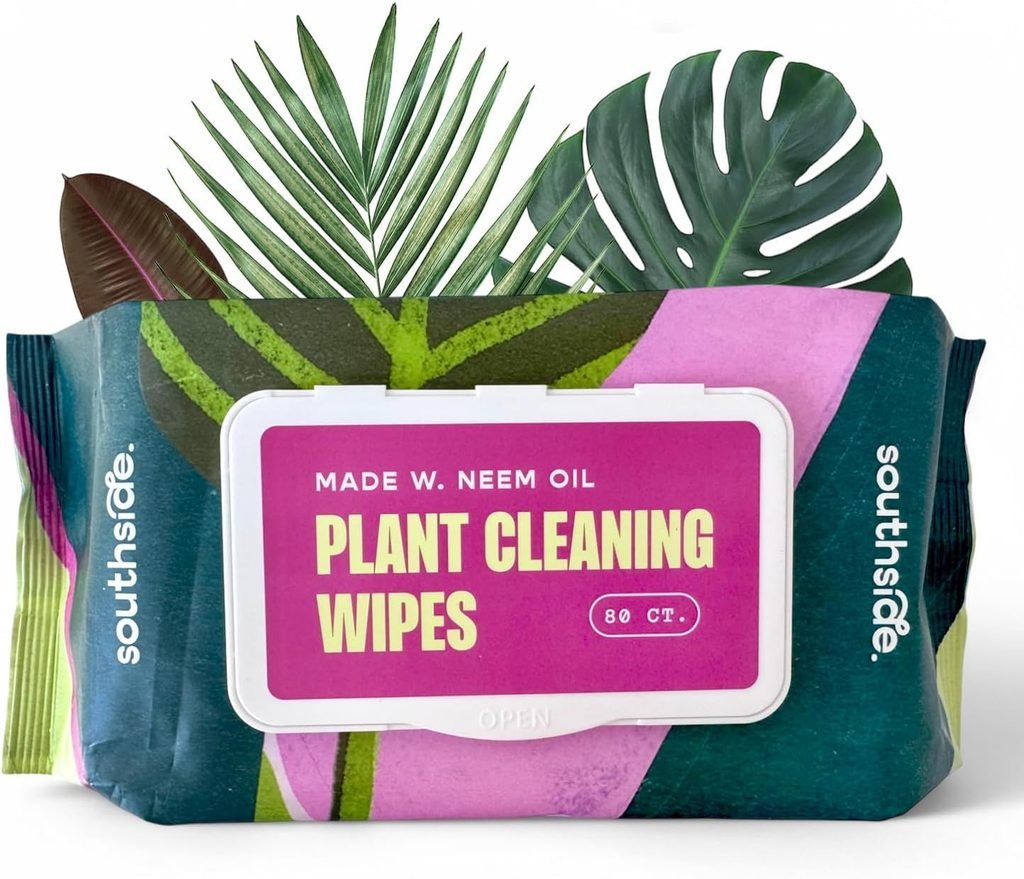
Dust on leaves reduces the light a plant can absorb, and it hides pests. A soft makeup brush or a small paintbrush works for fuzzy-leaved plants like African violets, where wiping with a cloth can damage the leaf hairs. For smooth, broad leaves, a damp microfiber cloth is enough.
You can assemble this as a gift: a couple of brushes of different sizes, a soft cloth, and a small bottle of mild insect-killing soap that’s labeled for houseplants. Read the label before recommending any product, and test on a single leaf before treating a whole plant, since some species are sensitive.
11. Fungus Gnat Traps and Pest Monitoring
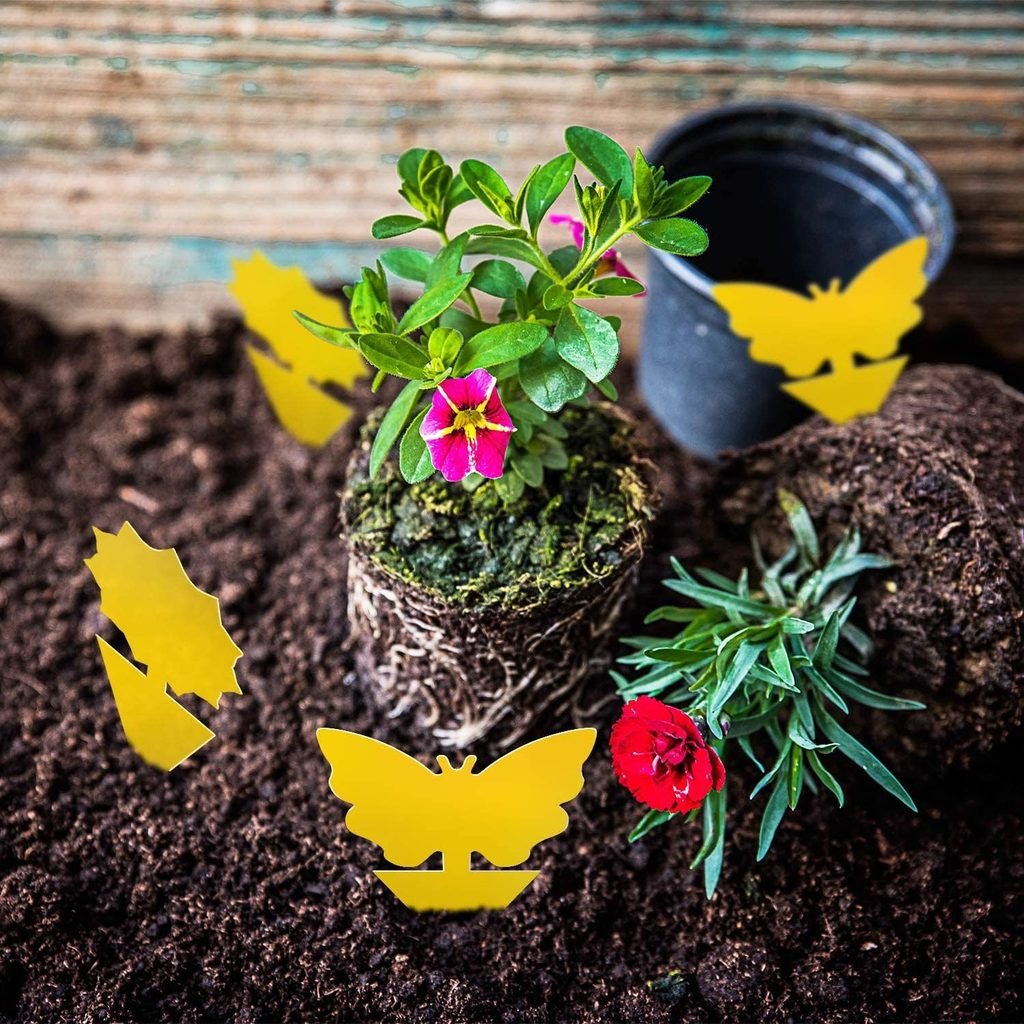
Fungus gnats are a common indoor annoyance, usually tied to damp soil. Yellow sticky traps catch adults, and they also work as an early warning for other flying pests. They don’t solve the cause, which is usually soil that stays too wet, but they help a person see whether the problem is shrinking.
This isn’t a glamorous gift, but it suits a plant lover who is already dealing with the problem. Pair it with a note on letting the top layer of soil dry between waterings, which is the standard advice for gnats.
12. Plant-Specific Fertilizer
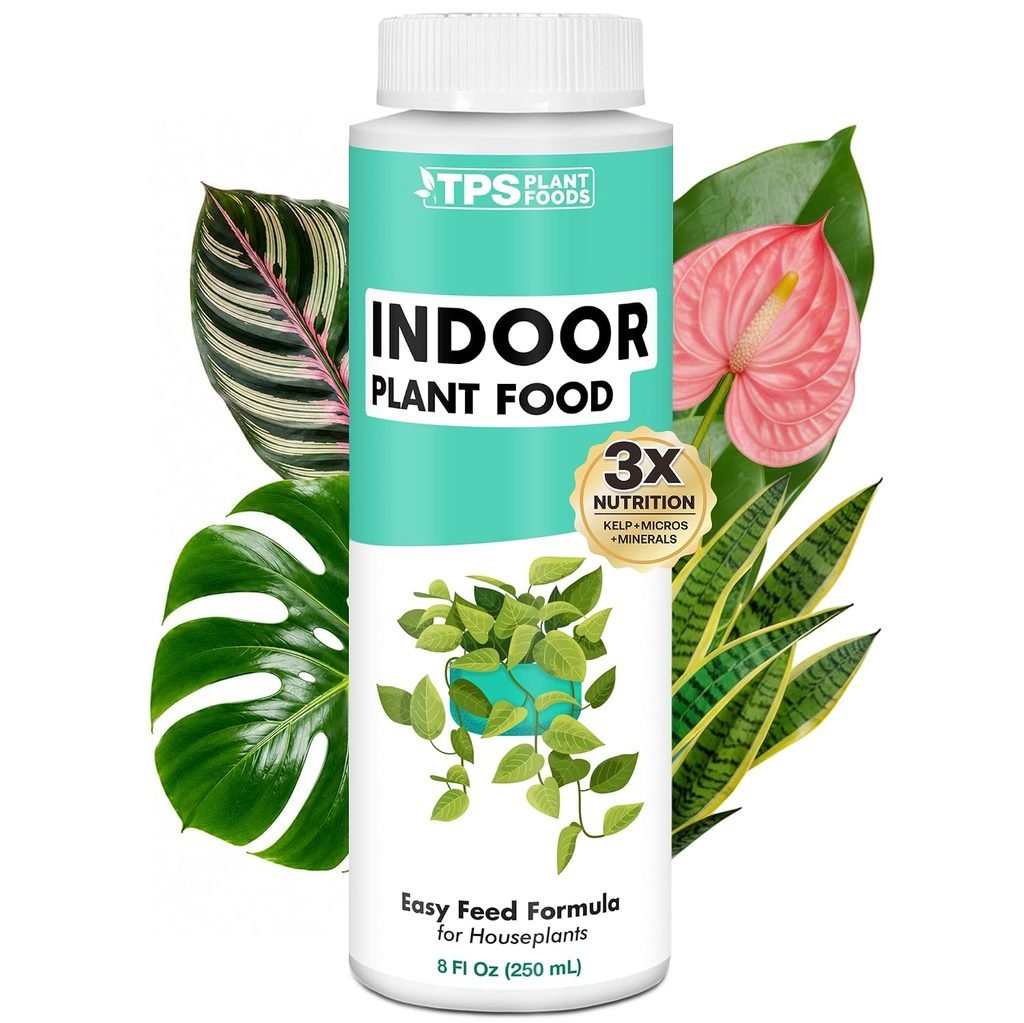
Fertilizer gifts work best when they match the plants. A general-purpose liquid fertilizer is a safe default, but a person with orchids, cacti, or carnivorous plants may need something different. Carnivorous plants, in particular, are often harmed by regular fertilizer, so gifting them standard plant food can do damage.
Follow the label on dilution and frequency. Plants generally need less fertilizer in low winter light, when growth slows, so a gift given in December may sit unused until spring. If so, tell the recipient. Pair a bottle with a calendar note and it becomes more than a guess.
Gifts for Growing More Plants
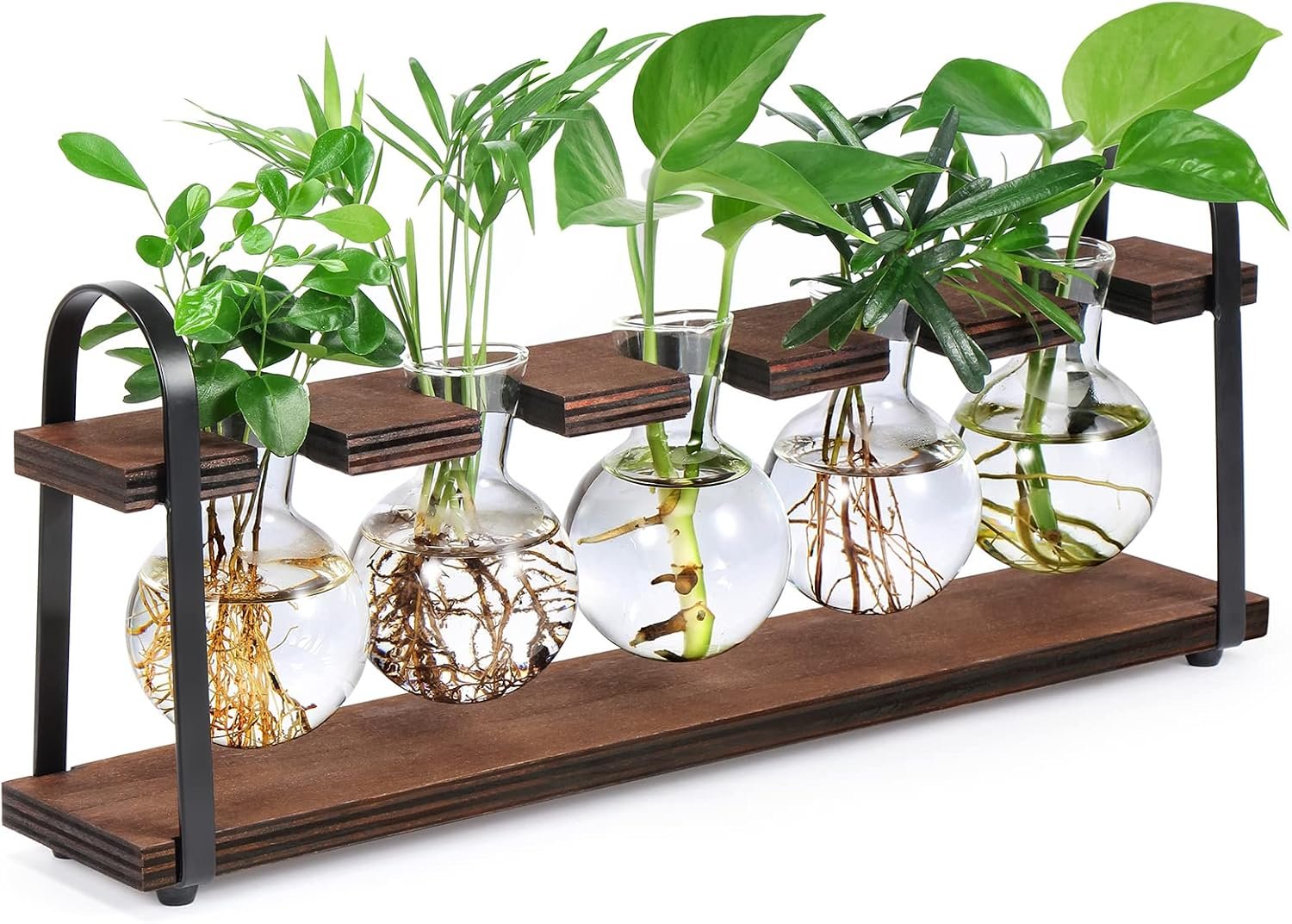
13. A Propagation Station
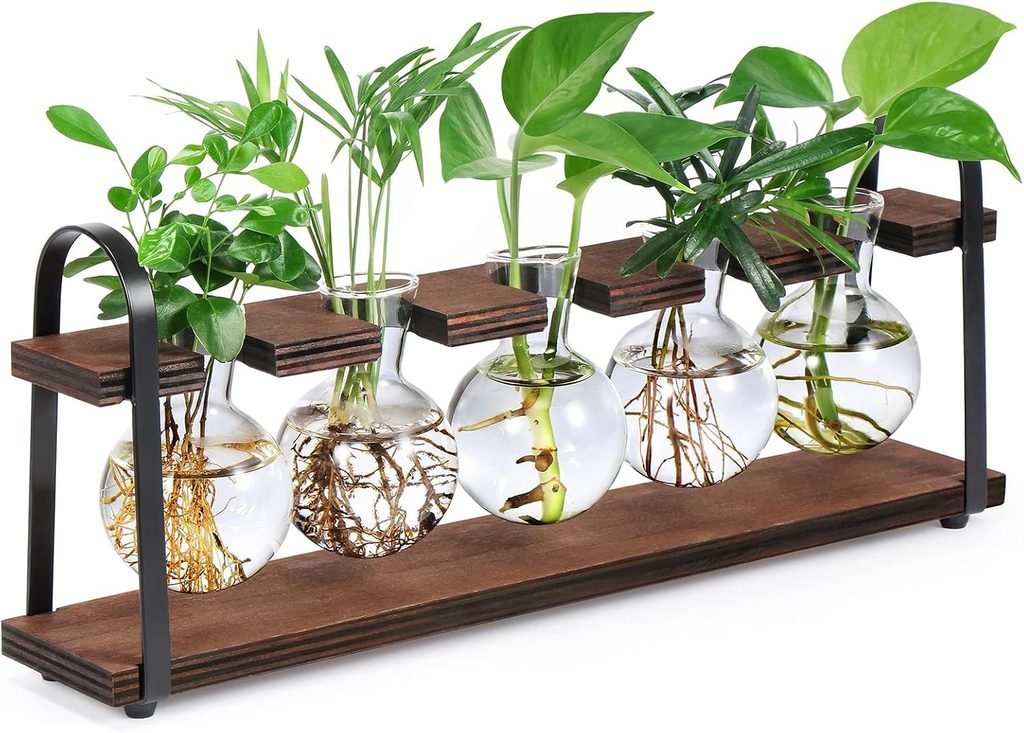
Propagation stations are a good gift for the person who already owns plants that root easily. Pothos, tradescantia, philodendron, and many other common houseplants can root in water from a cutting with a node.
A simple station is a set of small glass vessels on a stand or tray. Check three things. Glass should be clear, so roots can be watched. Openings should be narrow enough to hold a cutting upright. And the stand should be stable, because a tipped vessel can spill water onto a table.
Rooting in water has limits. Roots grown in water can struggle when moved into soil, and some plants, including most succulents, root more reliably in dry or lightly moist mix. A station works best for the water-rooting species, so it suits someone who owns those.
14. A Grow Light
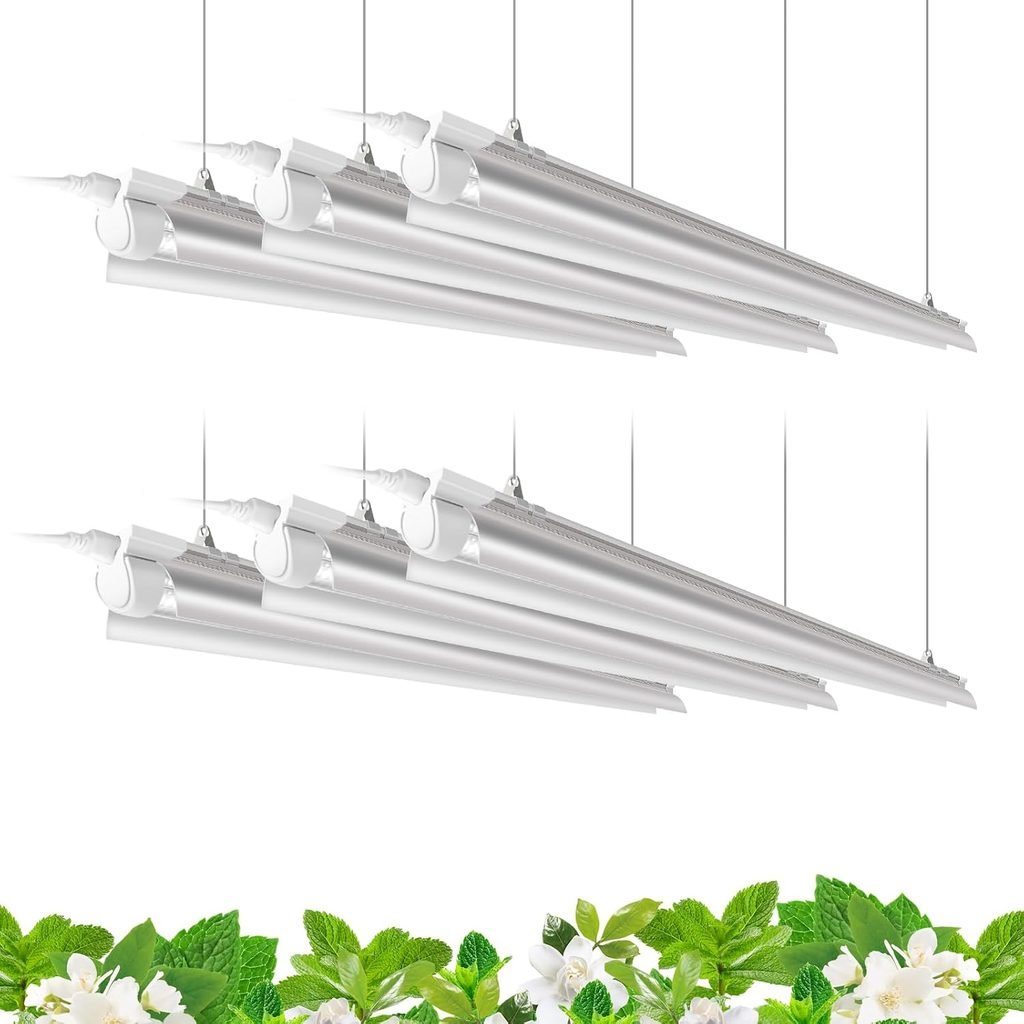
For a person with a dim apartment, a grow light is among the most useful gifts. Plants in low light tend to stretch and lose color, and artificial light can fix this.
Look for full-spectrum LED lights, since they produce little heat and run cheaply. Choose a form that fits their space: a clip-on lamp for one plant, a bulb that screws into an existing fixture, or a bar-style strip for a shelf. Plug-in timers make a big difference, because plants generally do better on a consistent daily light period. Many growers use around 12 to 16 hours, but the right amount varies by plant, so check what the specific light recommends.
Distance matters too. Too far and it does little. Too close and it can scorch leaves. Manufacturer instructions are the place to confirm both.
15. A Seed-Starting or Microgreens Kit
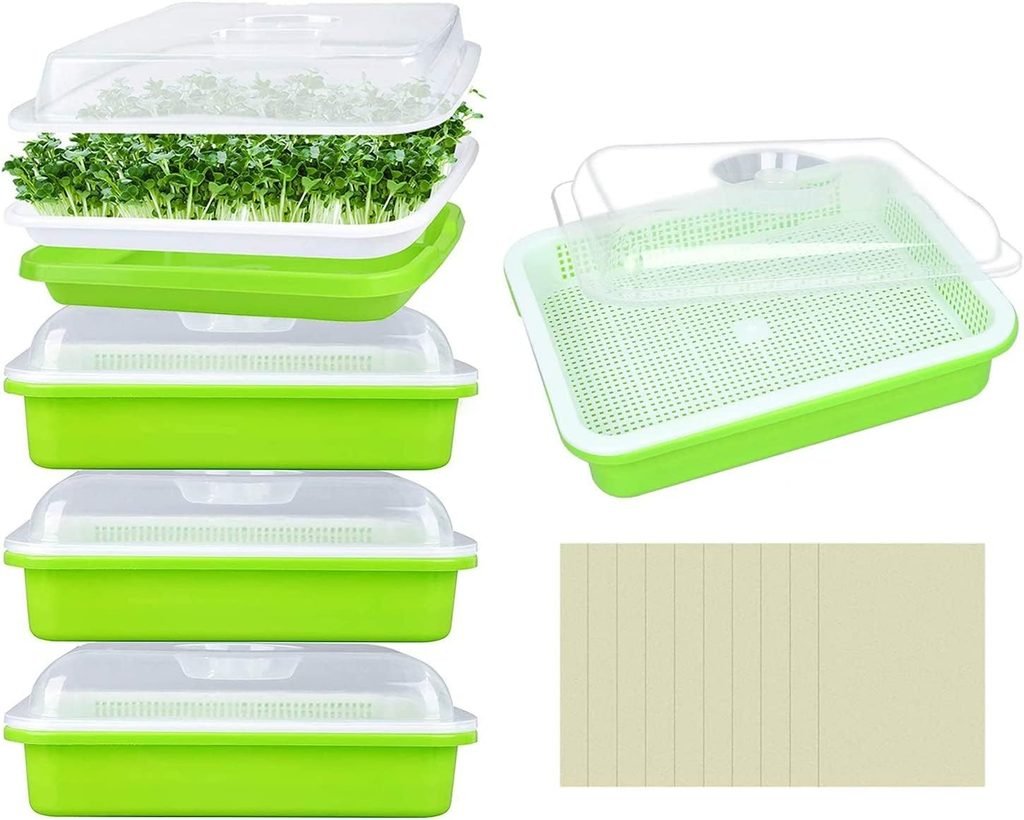
Indoor growing kits suit the plant lover who also likes eating. Herbs, salad greens, and microgreens can grow on a sunny sill or under a light, with quick results that make good winter projects.
Microgreens are among the faster options, often ready within a couple of weeks, though timing varies by crop. A tray with a humidity dome, seed mats, and a few seed varieties makes a complete gift. Check that the kit includes drainage and a tray to catch water, since leaking onto a sill is a common problem.
16. A Terrarium Kit or Air Plant Set
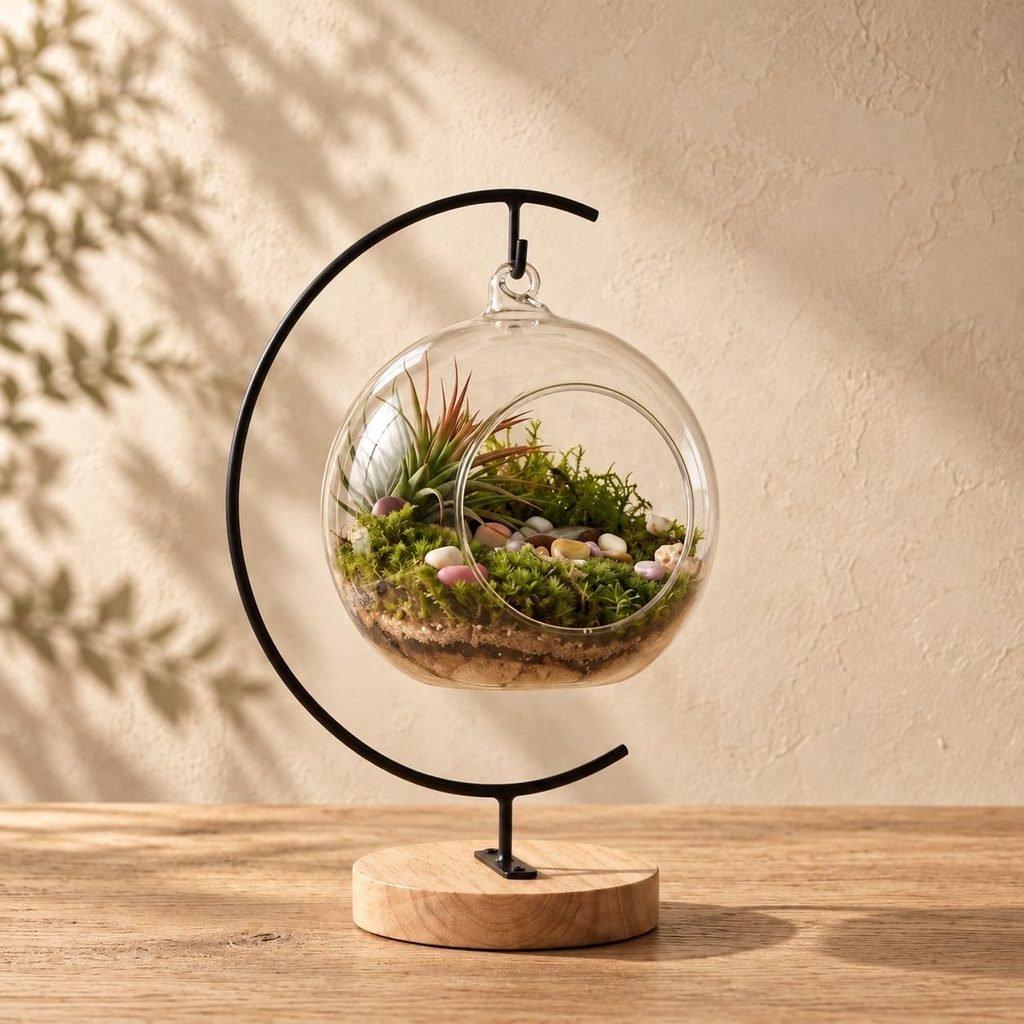
For the person with limited space, a small terrarium or air plant display is a compact option. Closed terrariums create their own humid environment and suit moisture-loving plants such as ferns and mosses. They don’t suit succulents, which prefer dry conditions and can rot in a closed, humid space.
Air plants need no soil, but they do need regular soaking or misting and good airflow, and they often struggle when forgotten. A gift set should come with clear care instructions, because air plants are often misunderstood as needing no care at all.
Gifts for Keeping Track and Learning More
17. A Plant Journal or Care Log
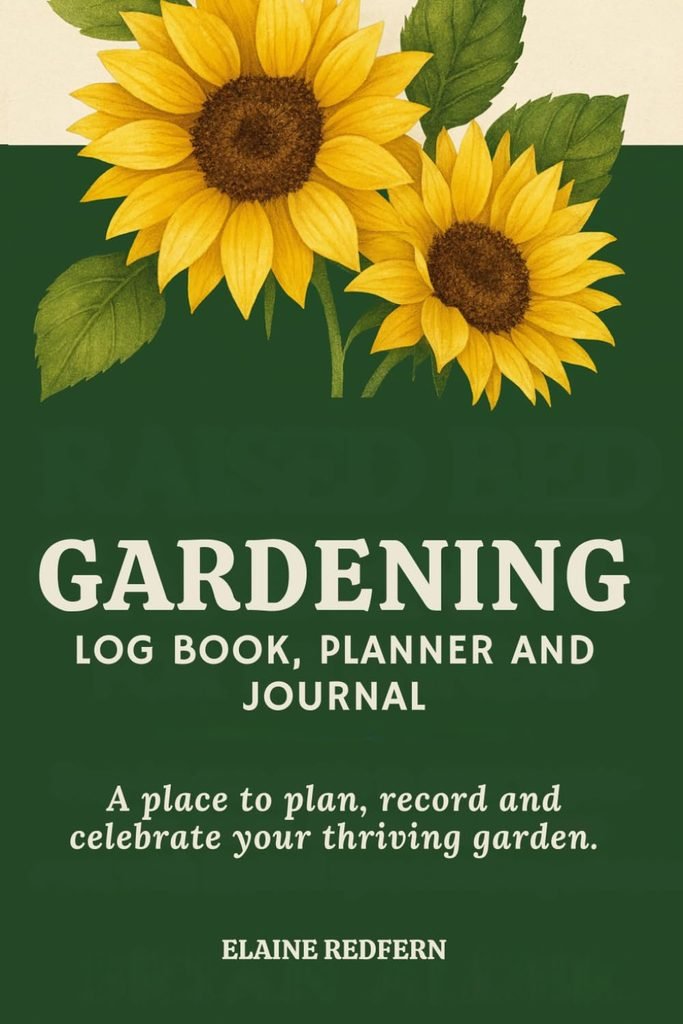
A log helps a person who has many plants and can’t remember what was repotted when. Useful pages cover the plant’s name, its location, the date of the last watering, repotting, and fertilizing, and any problems noticed.
Look for one with space to record both the plant’s name and the pot size. A blank notebook can work as well as a printed one if the person likes to design their own layout. This is a good gift for a beginner, who may not yet know what’s worth writing down, and for a collector, who has too many plants to remember.
18. Plant Labels and Markers
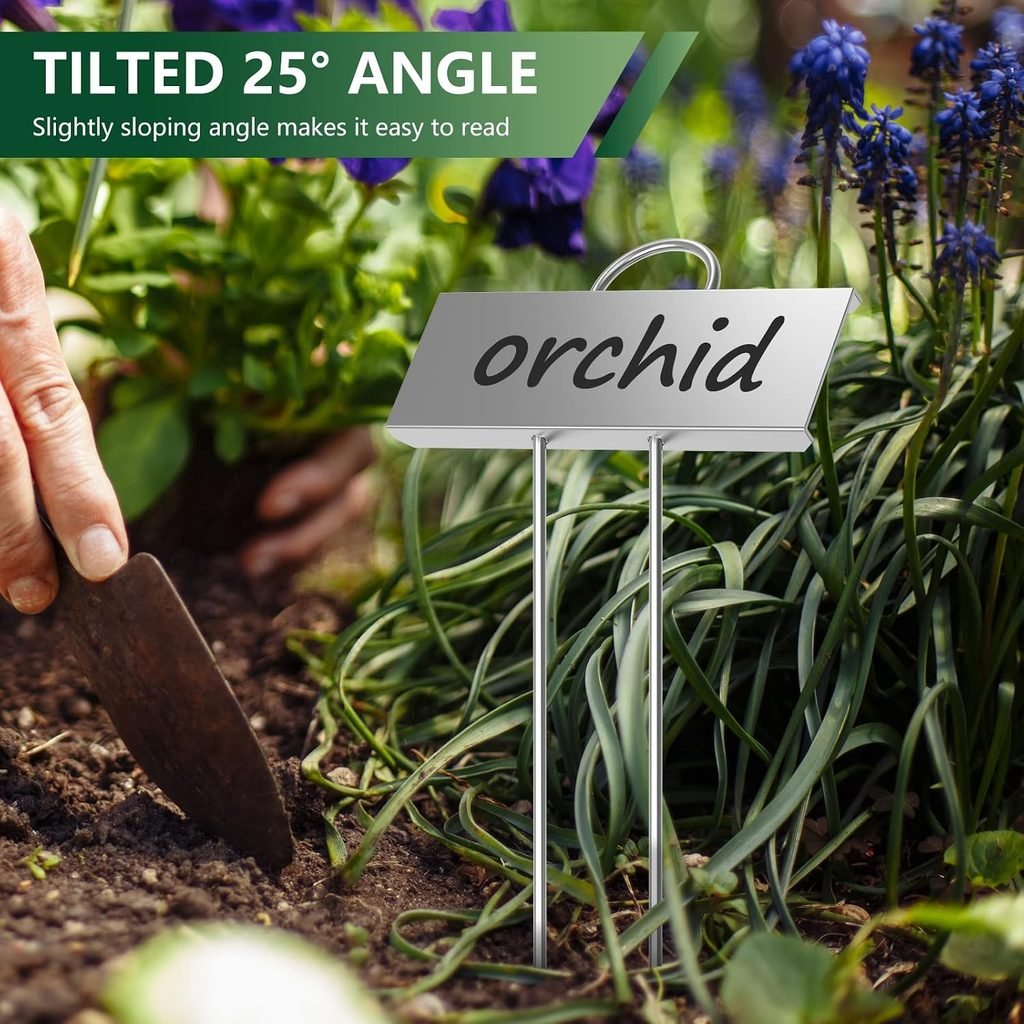
Labels solve a basic problem. A person with many similar-looking plants may not remember which is which, or what each needs. Reusable labels, such as small stakes with writable surfaces, work well in pots and in garden beds.
Choose labels that survive moisture. Wood tends to deteriorate, while ceramic, slate, and metal last longer. If the recipient also gardens outdoors, weather-resistant labels become useful twice over.
19. A Book Chosen for Their Collection
Plant books fall into broad categories: identification guides, care references, design and styling books, and books on a single genus or type, such as succulents, orchids, or ferns. A good match depends on what the person grows.
A broad care reference suits someone newer to plants. A specialist book suits a collector who has already moved past the basics. A design book suits a person who cares most about how their plants look in a room. Check publication details before buying, since book content on plant care can vary in quality, and look for authors with horticultural training or institutional backing.
20. A Personalized Plant Accessory
Personalized items, such as a plant marker with a name on it, an engraved pot, or a custom plant sign, work best when they feel specific. A pot with a pet’s name or a label for a favorite plant carries more meaning than generic text.
Keep personalization simple and legible. Long text on small items looks cramped. Check the return policy before ordering, since custom items often can’t be returned, and allow time for production and shipping, especially in the weeks before Christmas.
Matching the Gift to the Person
A short guide for when you’re still undecided:
- A beginner with a few plants: a watering can, labels, a care journal, or a beginner-friendly care book.
- Someone with a large collection: pruning snips, a leaf-cleaning set, a log, or a grow light.
- A person who loves variety and projects: a propagation station, a terrarium kit, or a microgreens kit.
- A renter or someone short on space: a window shelf, a tension-rod hanger, or a compact stand.
- When you know very little: a consumable such as a good fertilizer, a notebook, or a book. These are hard to get wrong.
Mistakes That Turn Good Gifts Into Problems
Giving a plant without checking pet safety. If the recipient has a cat or dog, check the plant’s toxicity before buying. Lists from the ASPCA are widely used for this.
Buying decorative pots without drainage. As covered above, this is the most common issue. If you can’t confirm drainage, choose a pot with a hole.
Ignoring winter conditions. If you do give a plant, wrap it for transport. Many tropical species suffer when exposed to cold air, and a short trip from a store to a car in winter can be enough to cause damage. Check the species’ tolerance if you’re unsure.
Choosing cheap gadgets with big claims. Products that promise to prevent overwatering or end plant care problems tend to oversell. Reliable results usually come from good light, appropriate watering, and well-draining soil, so gifts that support those basics tend to be more useful.
Overlooking size. Large items can overwhelm small apartments. When in doubt, go smaller.
Questions Gift-Givers Often Ask
Is it a bad idea to give a plant to a plant lover?
Not always, but it carries more risk than other gifts. If you do, choose something unusual that suits the recipient’s light conditions, check pet safety, and consider whether they’ll have space. A rooted cutting from your own plant, if you have one, can work well and doesn’t add to a shopping list.
What’s a good gift under a modest budget?
Plant labels, a small pruning snip, a notebook, a spray bottle for the right plants, or a small set of glass propagation vessels all tend to be affordable. Prices vary by brand and region, so compare options before buying.
What if I don’t know what plants they own?
Choose items that suit almost any plant: a watering can, a journal, a leaf-cleaning set, or a book with broad coverage. Or ask someone close to them what they’re growing.
Do grow lights really work for houseplants?
They can, particularly where natural light is limited, as long as the light is the right type and placed at an appropriate distance. They don’t suit every situation, and results depend on the plant and the light.
Final Thoughts
The strongest plant gifts solve a small, real problem: not enough light, no room on the shelf, a pot without drainage, a collection nobody can keep track of. Start with what the person already owns and where it lives, and choose something that helps those plants do better. When you can’t tell, pick a consumable or a book, and avoid anything that adds a plant with unknown needs to a home that may already be full.

About Syprose Kiche
Syprose Kiche is the creator and writer behind My Besuited Home, a practical home and garden website covering DIY projects, gardening, lawn care, landscaping, home improvement, and outdoor living. She focuses on turning everyday homeowner questions into clear, practical guides backed by careful research and useful real-world considerations.