
A pair of pruners is a good gift until the handles turn out to be too big for the person holding them. Then it lives in a drawer. Gifts for gardeners fail in a handful of predictable ways: the tool is the wrong size, the seeds suit the wrong climate, the planter has no drainage hole, or the item looks lovely and does nothing in the garden itself.
Flower gardeners are also a specific group. They tend to care about cutting, arranging, pressing, and attracting pollinators, and less about yield or harvest weight. That changes what counts as useful.
The fifteen ideas below cover everything from a few dollars’ worth of seed to tools someone might use for a decade. Each one comes with the conditions where it works well and the ones where it doesn’t.
Before You Buy: Three Questions That Save Money
What hemisphere and climate does the gardener live in? Christmas falls in midwinter in the northern hemisphere and midsummer in the southern. Seeds, bulbs, and anything meant to be planted right away only make sense if the timing fits. A packet of tender annuals is a fine gift for someone who will start seeds indoors in late winter. It is a poor one for a gardener in a hot region who is already past the best sowing window. When you’re unsure, choose items that work in any season, such as tools, journals, and baskets.
What kind of flower gardening do they do? Someone with a few containers on a balcony needs different things from someone with a cutting bed. A person who grows for bouquets wants good snips and buckets. A person who grows for pollinators wants native seed and water. Notice what they already do and buy for that.
Do they already own the basics? People who garden seriously usually have a pruner they like. If they do, don’t replace it. Add something around it, such as a sharpening kit or a good pair of floral snips.
Seeds That Suit the Season
1. A Cut-Flower Seed Collection
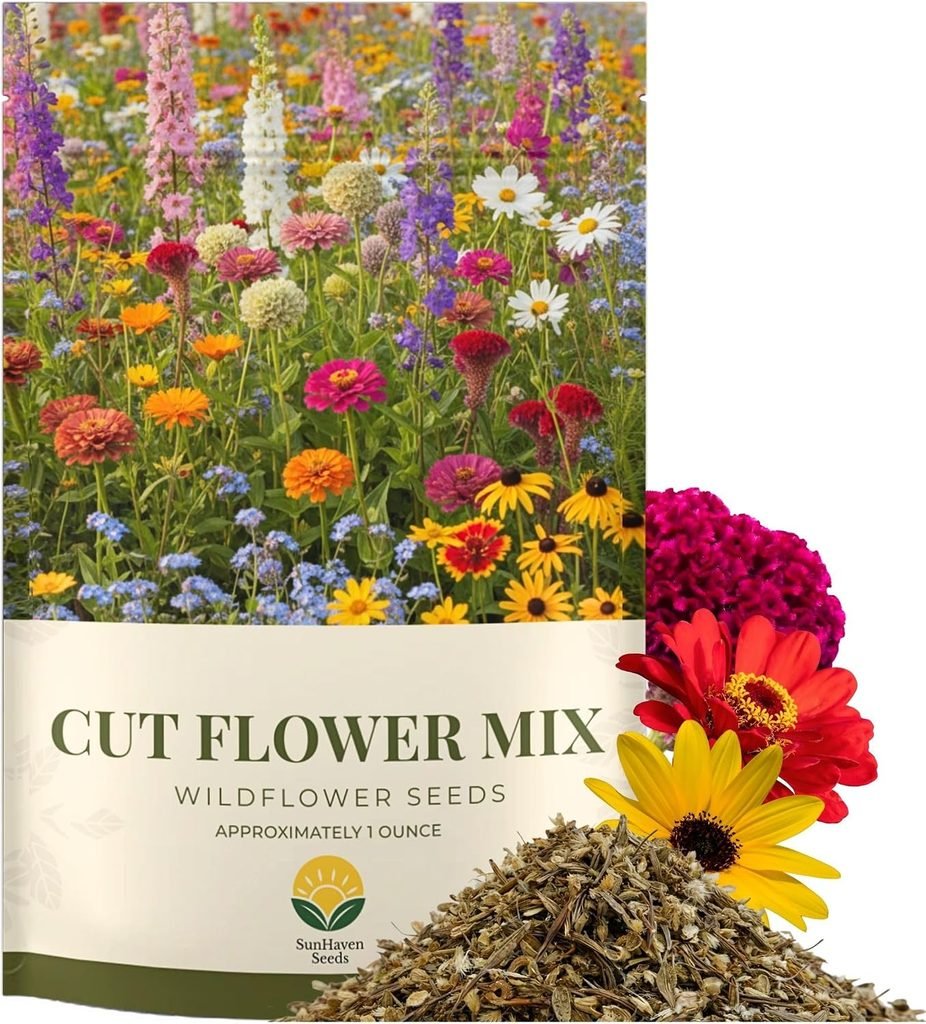
Cutting flowers are a category of their own. Zinnias, cosmos, and sunflowers are commonly grown for this because they are annuals that keep producing more blooms as you cut them. Plants bred for the border are often bred to hold a shape, while cutting varieties are chosen for long stems and vase life.
Look for a collection that lists each variety’s height, days to bloom, and sowing time on the packet. That information matters more than a pretty photograph. Zinnias and cosmos are generally tender to frost, so in cold climates they get started indoors or sown after the last frost date.
Skip anything sold as a “mix of 50 flowers” without variety names. You can’t plan a bed around a mix, and some of its species may be invasive where the recipient lives.
2. Sweet Pea Seeds, With a Note on Timing
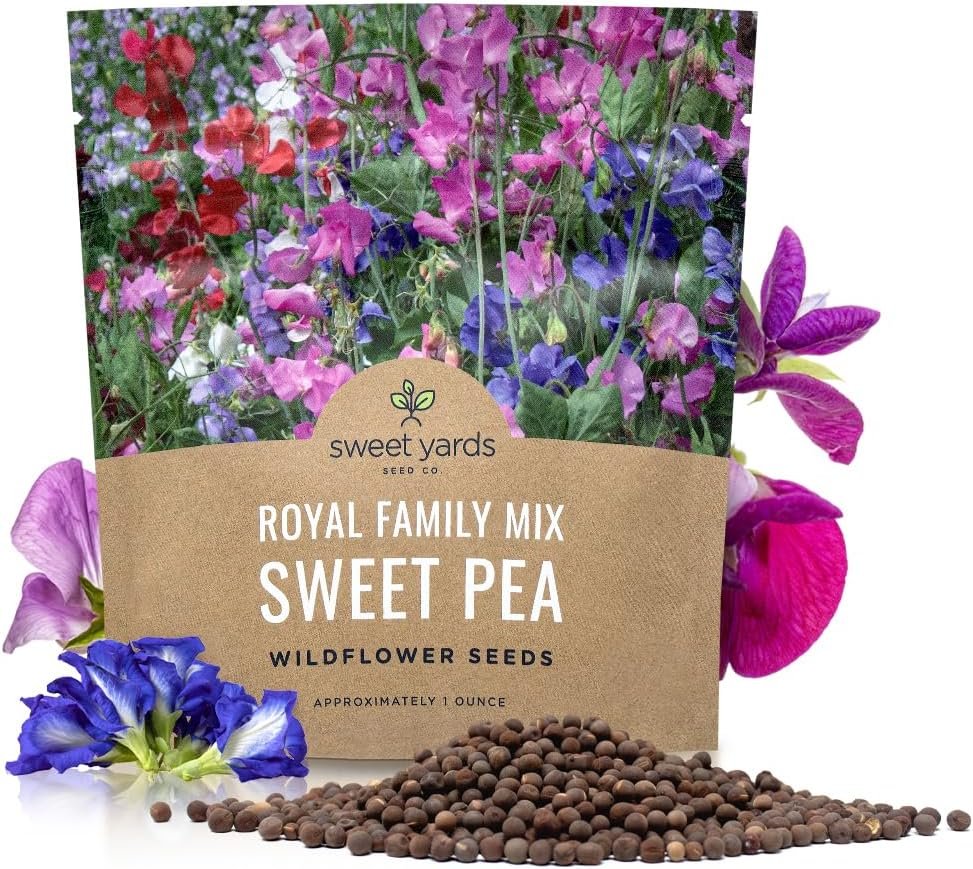
Sweet peas suit gifting because the scent is what people remember, and it can’t easily be bought in a shop bouquet. They are climbing annuals that need a trellis, netting, or twiggy support.
Timing varies. In areas with mild winters, they are traditionally sown in autumn or winter. In colder areas, they are started indoors in late winter and moved out once the weather settles. They also dislike root disturbance, which is why many growers sow them in deep pots.
One safety note: the seeds and pods of sweet peas (Lathyrus odoratus) are poisonous if eaten, so keep the packet away from young children and pets. Include a slip of paper with sowing dates for the recipient’s region. That makes a small gift look considered.
3. A Regional Native Wildflower Seed Mix
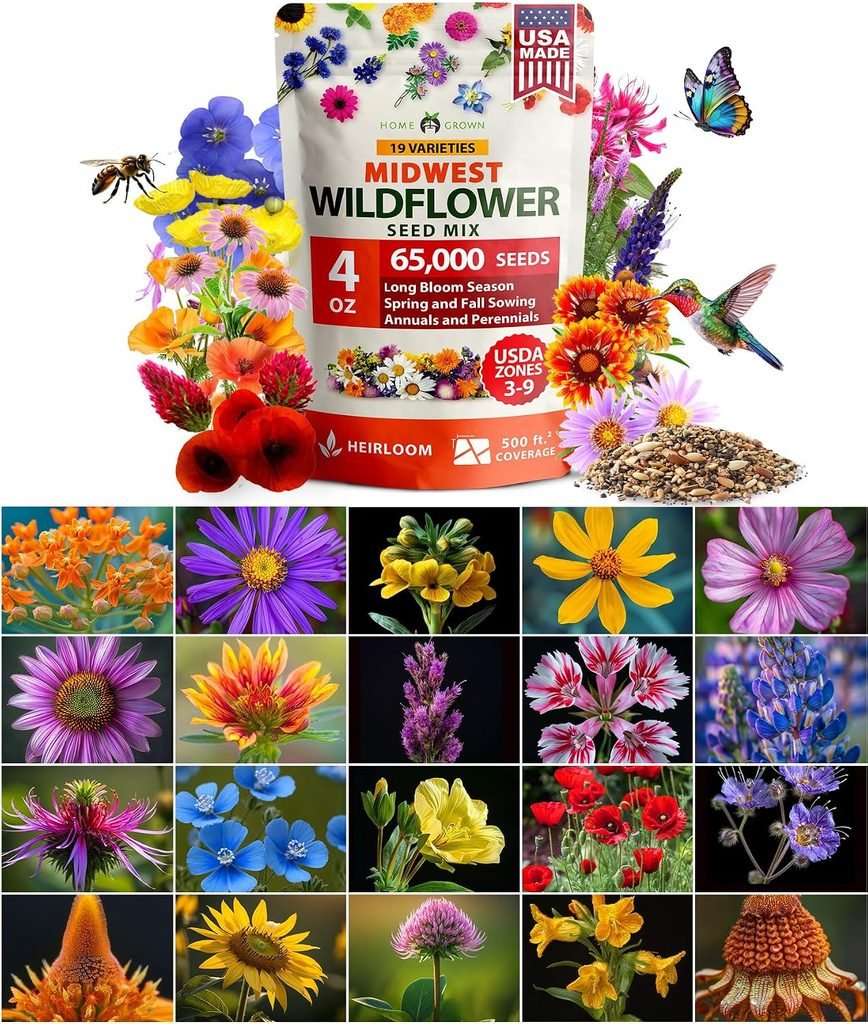
This one belongs in the pollinator group, but it starts as a seed gift. A mix of native plants for the recipient’s own region is more useful than a generic “bee-friendly” blend, because native pollinators are adapted to native flowers.
Check the label for the region it’s made for and the species it lists. Many perennial wildflowers need a period of cold, moist conditions before they germinate, so winter sowing outdoors can work in cold climates. In warm climates the instructions will differ. Read the packet rather than assuming.
Planters Worth Giving
4. A Glazed Ceramic Planter With Drainage
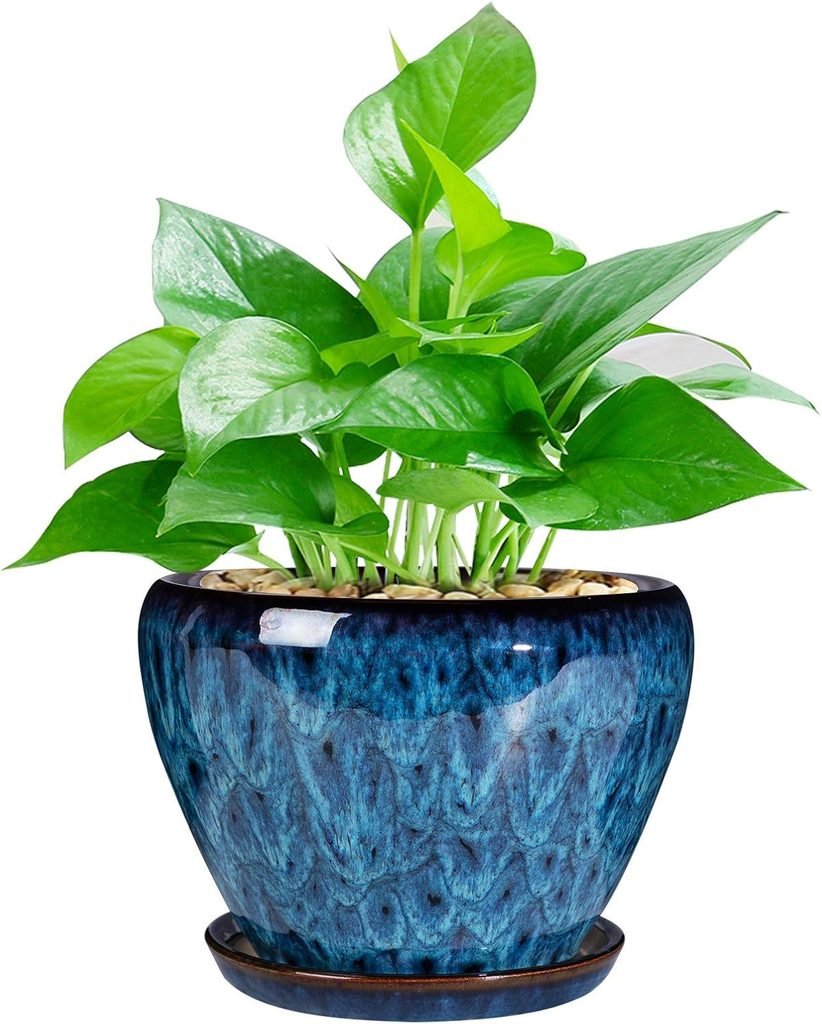
The most common planter mistake is one without a hole in the bottom. Standing water in the root zone is a fast way to lose a plant. If a beautiful pot has no drainage, treat it as a cachepot: the plant stays in a plain nursery pot inside it, and gets lifted out to drain.
Glazed ceramic holds moisture longer than unglazed terracotta, which is helpful for people who forget to water and less helpful in wet climates. Frost is the other consideration. Thin ceramic can crack when water freezes inside it, so in cold regions look for pots labeled frost-proof or plan on bringing it in for winter.
Size matters more than most buyers expect. A pot around 12 inches (30 cm) wide gives enough soil for a small perennial or a group of annuals, while tiny decorative pots dry out fast and stunt roots.
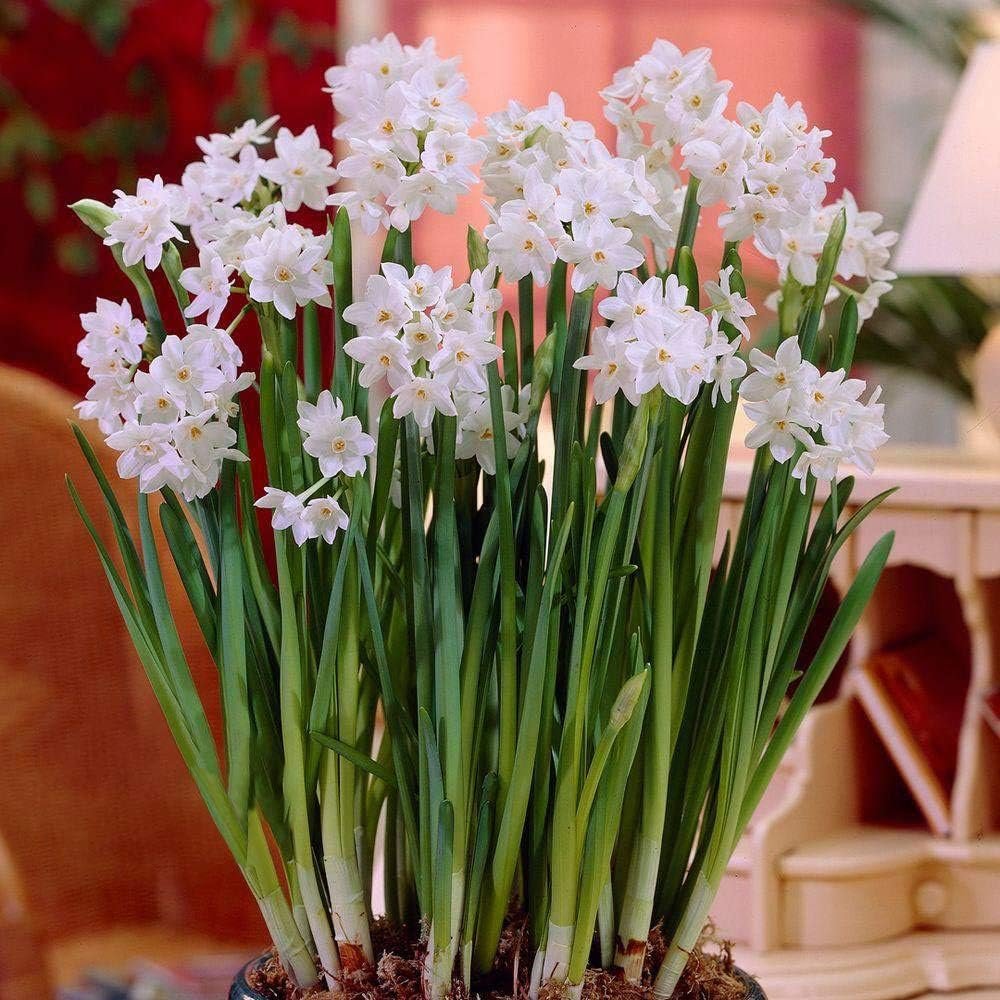
5. An Amaryllis or Paperwhite Forcing Kit
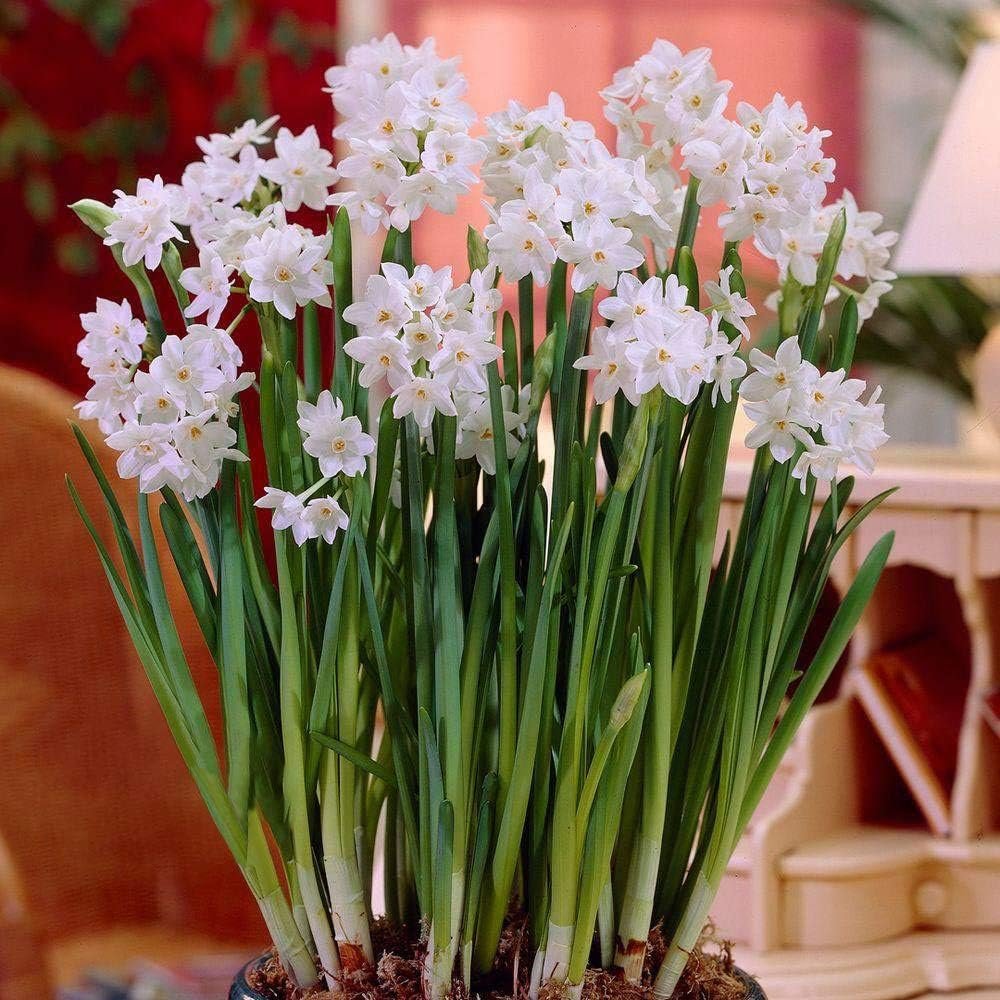
If the goal is something that blooms during the holiday season, a bulb kit is one of the few flower gifts that can. Amaryllis bulbs typically flower somewhere around six to eight weeks after planting, though this varies with variety and warmth. Paperwhites are quicker, often blooming in a few weeks.
Both are simple enough for a beginner and appealing to experienced gardeners who want winter color. The kit should include a container, growing medium, and a bulb that is firm and plump.
There’s one caution. Amaryllis and narcissus (which includes paperwhites) are toxic to cats and dogs if chewed. If the recipient has pets, choose another gift or place the pot well out of reach.
Scissors and Pruning Tools
6. Floral Snips for Cutting and Deadheading
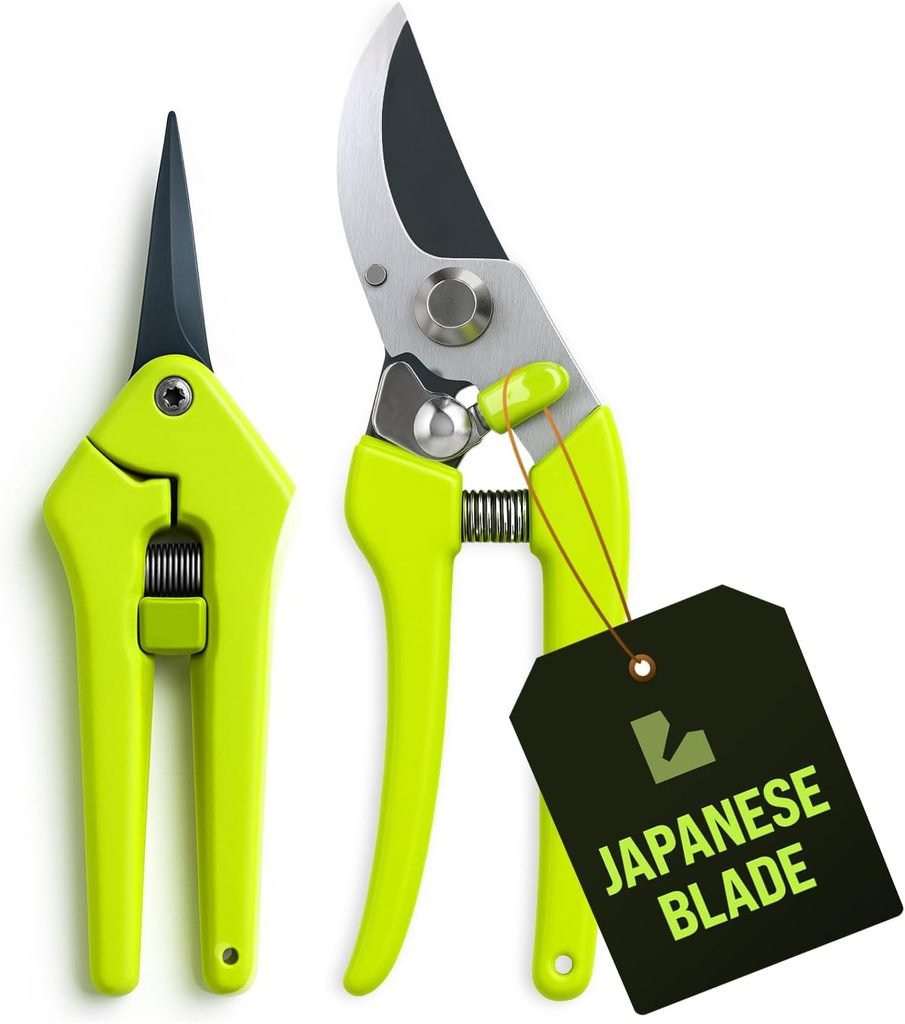
Kitchen scissors crush stems. Floral snips are made for narrow, precise cuts, and that helps with two jobs: harvesting flowers for the house and removing spent blooms. Both encourage many annuals to keep flowering.
Spring-loaded snips with a locking catch and a fine tip are useful for tight spaces among dense stems. A small pair with a sheath or holster stays within reach, and that alone makes them more likely to get used.
Snips are not designed for woody stems. Forcing them through anything thicker than a soft green stem can bend the blades or spring the joint. Pair them with a pruner for thicker material.
7. Bypass Hand Pruners in the Right Size
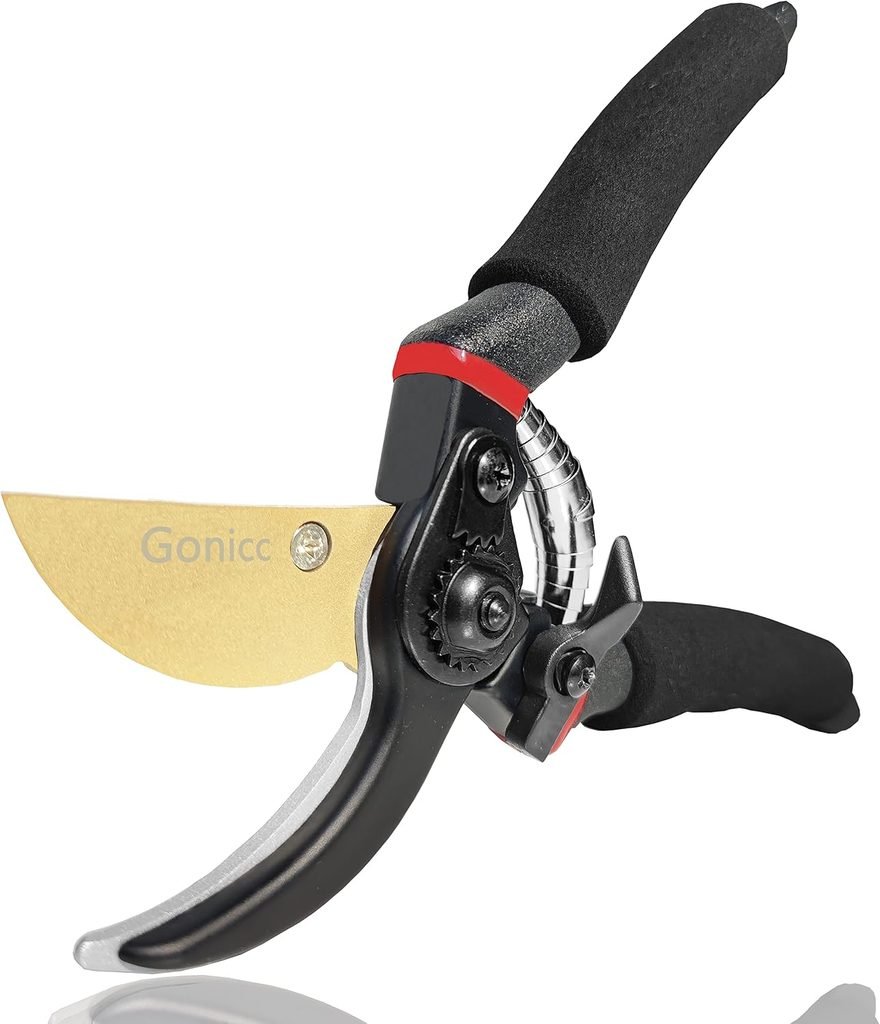
There are two main designs: bypass pruners, where two blades pass each other like scissors, and anvil pruners, where a blade closes onto a flat surface. Bypass pruners make a cleaner cut on living stems, which is why they’re the usual choice for roses, shrubs, and flowering perennials. Anvil pruners suit dead wood.
Fit is the part that decides whether this gift works. Pruners are sold in different sizes, and some come in models designed for smaller hands or for left-handed users. If you don’t know the person’s hand size, a gift receipt is worth including. Or give a pruner alongside a note offering an exchange.
Look for replaceable blades. A pruner with replaceable parts can last for years, while a cheap one gets thrown away when the edge dulls.
8. A Sharpening and Tool Care Kit
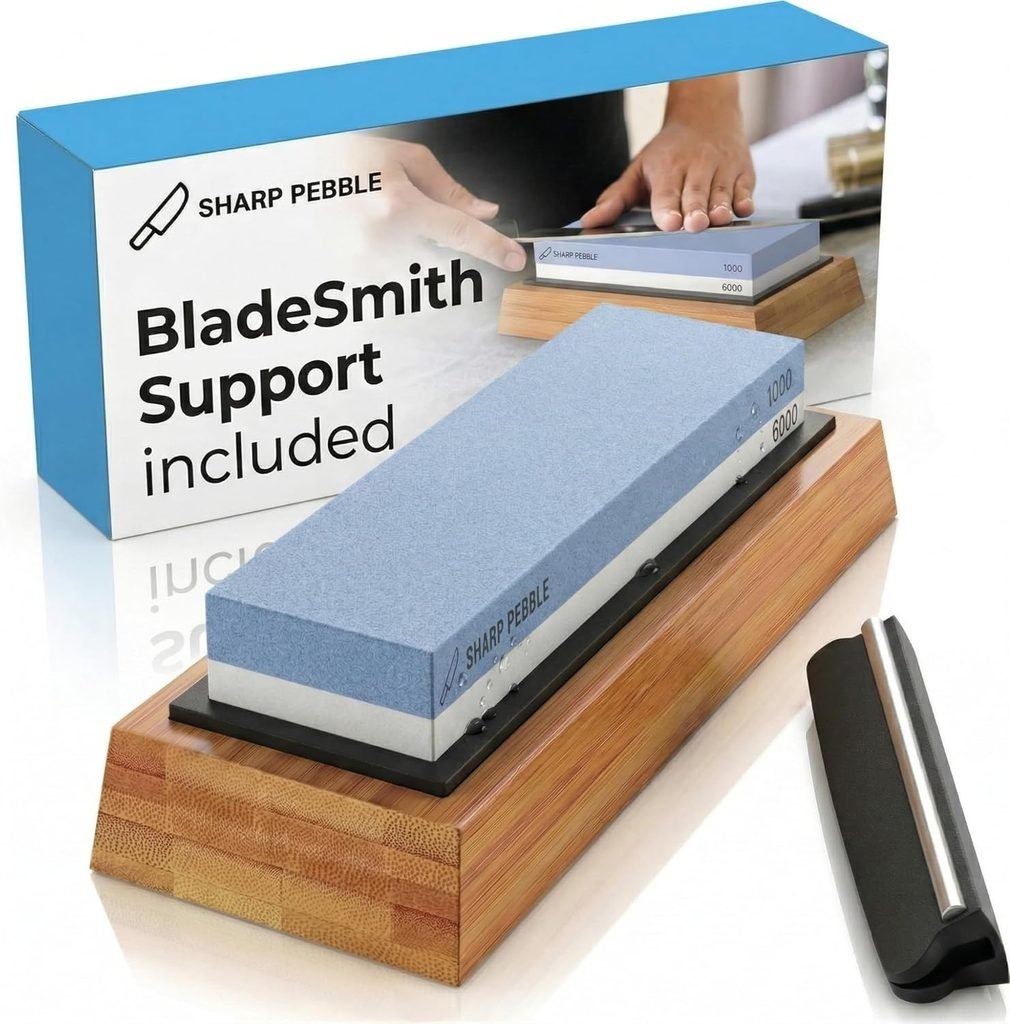
This is what a gardener who owns good tools would want and rarely buys. Dull blades tear stems rather than cutting them, and torn stems are slower to heal and easier for disease to enter.
A basic kit includes a small whetstone or diamond file for the blade edge, a rag, and a light oil for the pivot and blades. Many gardeners also wipe blades with rubbing alcohol between plants when cutting diseased material, to avoid spreading problems.
The gift is useful because the maintenance is easy but rarely done. A short instruction card with the kit helps: sharpen along the original bevel, and only on the beveled side of a bypass blade.
Organizing the Garden
9. Metal Plant Markers
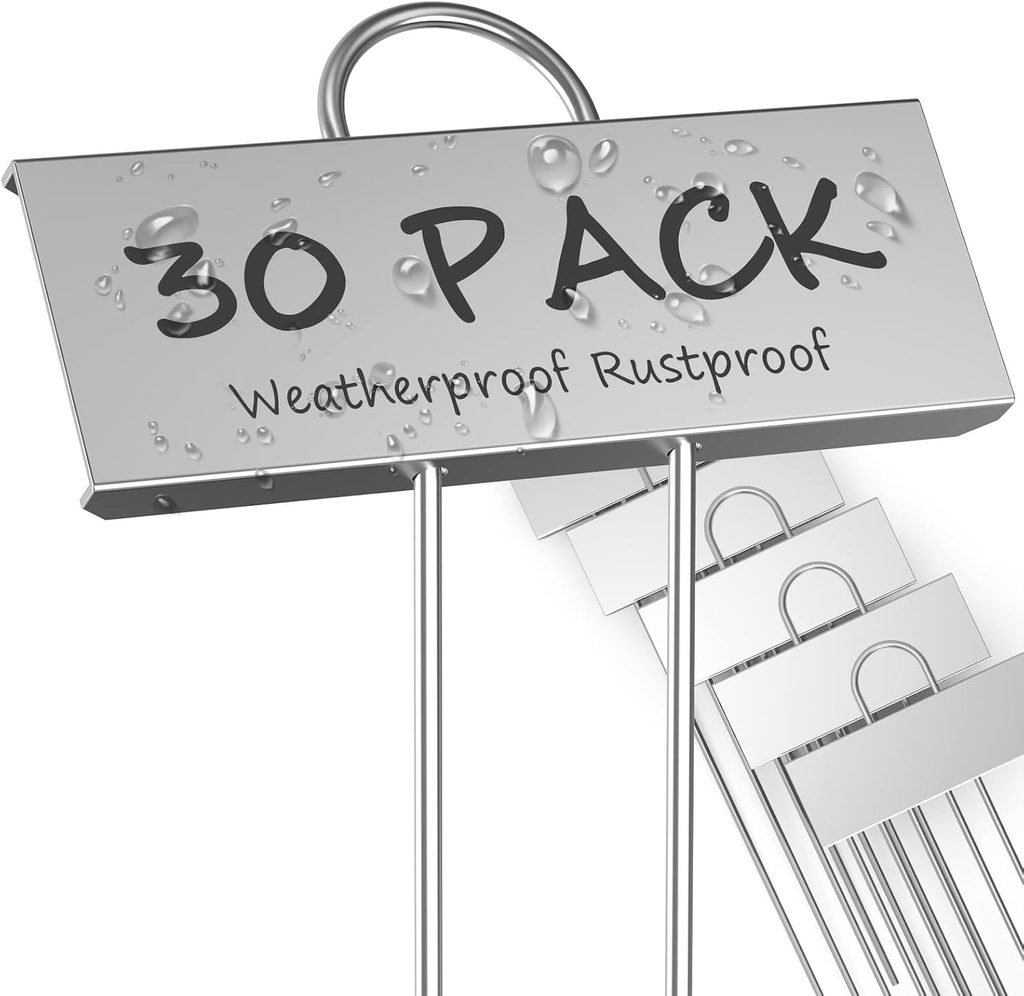
Plastic tags fade, crack, and disappear. Permanent marker pens are widely reported to fade in strong sun, while pencil on a plastic or wooden tag often lasts longer. Metal markers, made from copper, zinc, or stainless steel, can be stamped, engraved, or written on with a suitable pen, and they weather well.
Markers matter more for flowers than for vegetables. Spring bulbs disappear underground and perennials die back, and a gardener can easily dig up a plant they forgot they had. Labels solve this.
Choose markers long enough to stay upright in the soil, at least 8 to 12 inches in total, with a large writing area. Very short stakes get lost in mulch.
10. A Garden Journal With Space for Notes
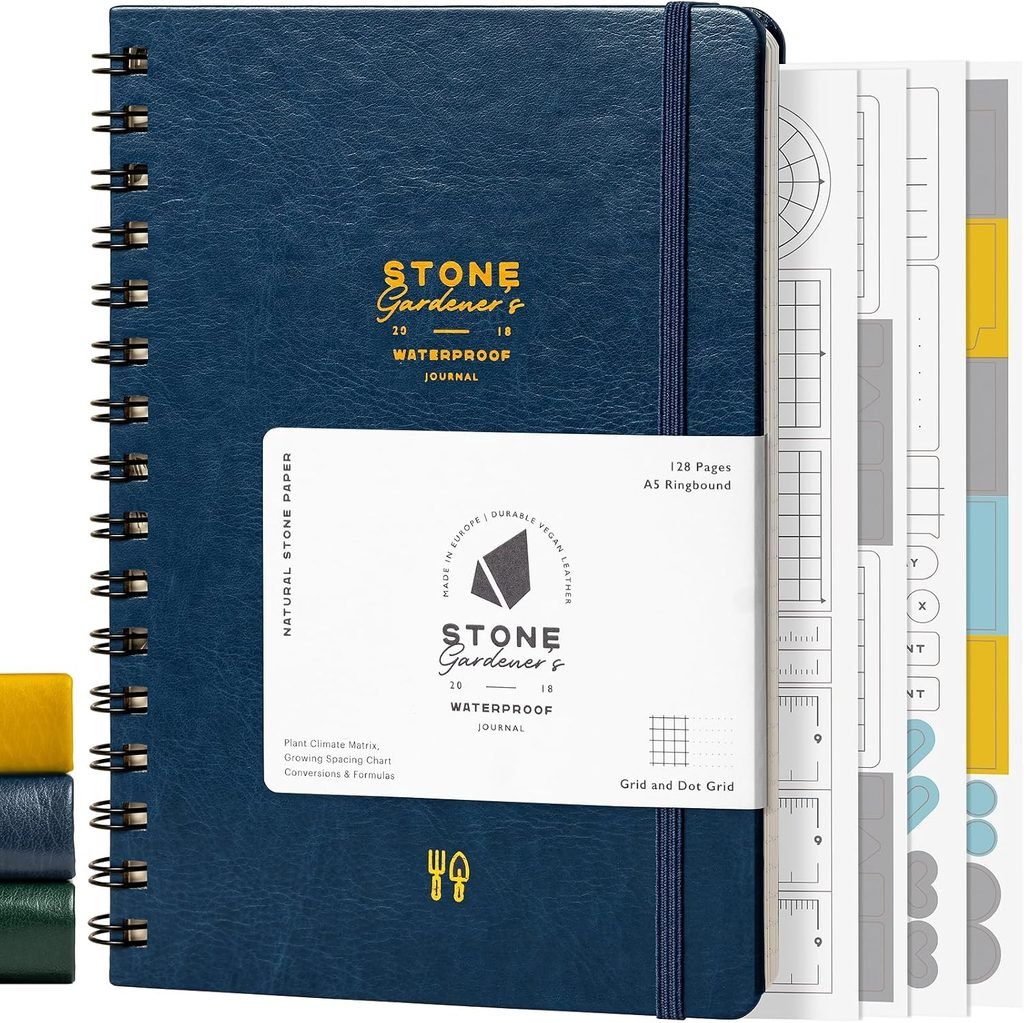
A journal helps with things memory doesn’t reliably keep: sowing dates, which varieties did well, when the first frost arrived, and where bulbs were planted. A gardener who writes these down can plan next year from evidence rather than guesswork.
The features that matter are practical. A lay-flat binding is easier to use with dirty hands. Pages should allow for a plant list, monthly notes, and a simple map of the beds. A pocket for seed packets is a bonus.
A journal that’s too prescriptive can go unused. Look for one with open space rather than dozens of forms to fill in.
Flowers Indoors
11. A Wooden Flower Press
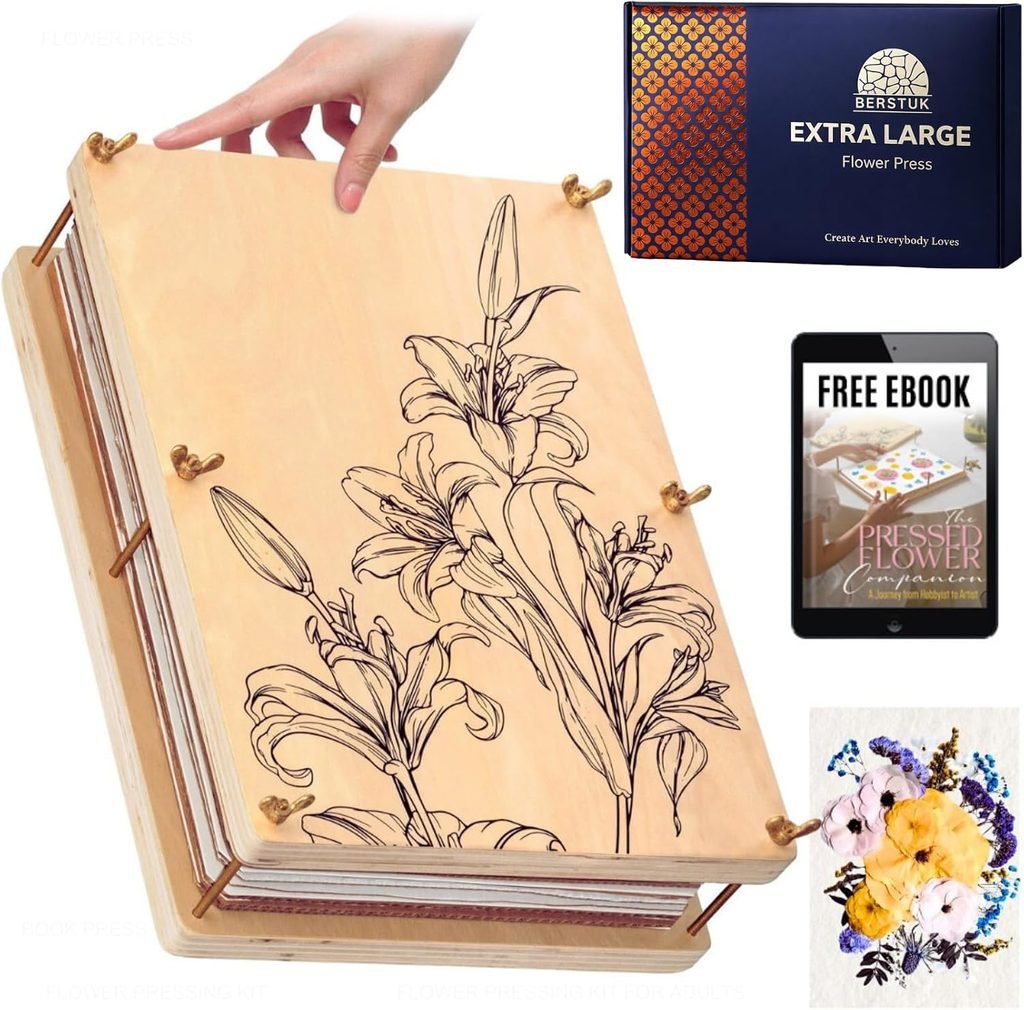
Pressing flowers turns a summer garden into something that lasts through winter. A traditional press has two boards held together by screws or bolts, with layers of blotting paper and cardboard between them.
Not every flower presses well. Thin, flat blooms such as pansies, violas, cosmos, and larkspur do best. Thick flowers like roses hold too much moisture and can go brown, so many people press the petals or split the bloom. Drying generally takes anywhere from one to four weeks depending on thickness and humidity.
A press is a gift for someone who likes crafts as well as gardening. It suits people who already make cards, framed art, or bookmarks. For a pure gardener with no interest in crafts, it may go unused.
12. A Wooden Trug or Gathering Basket
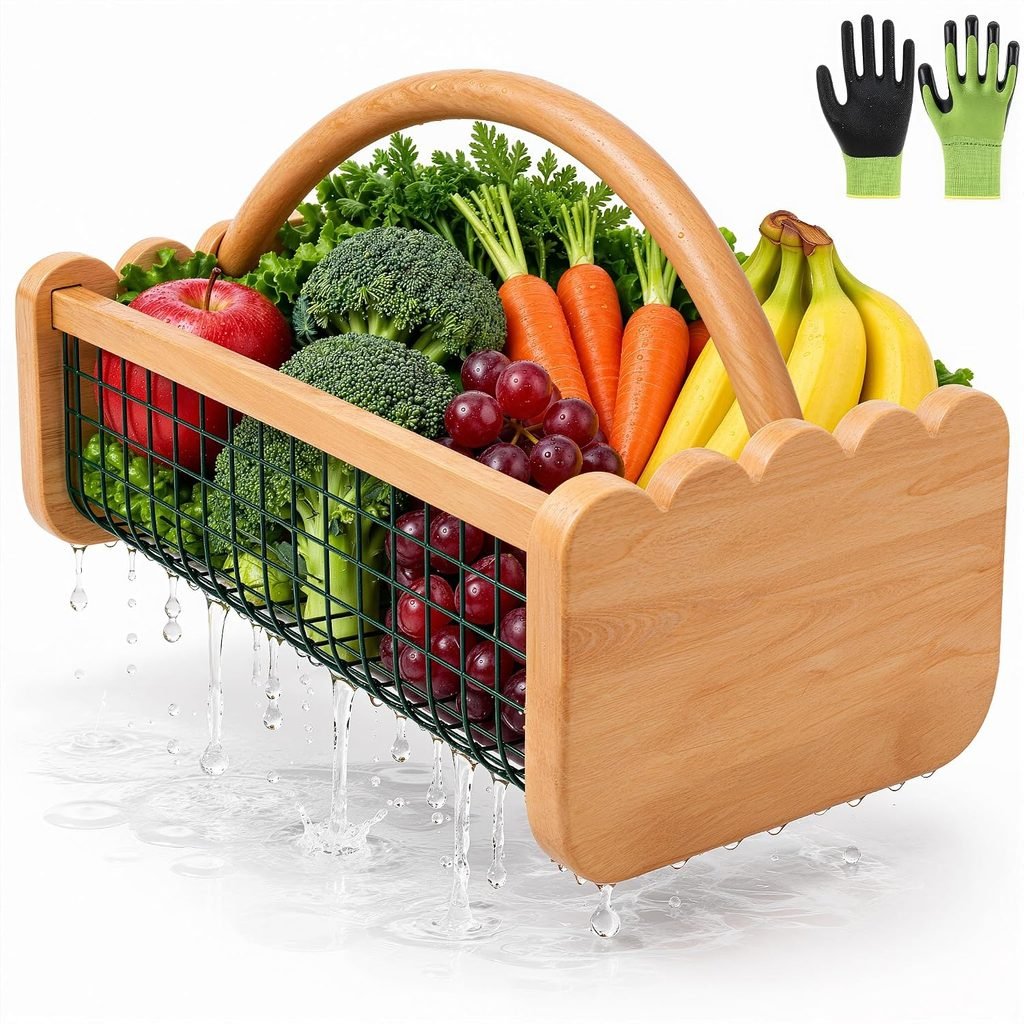
A trug is a shallow, wide basket, traditionally made from wood, and its shape has a practical purpose. Flowers lie flat rather than being crushed, and the wide base carries snips, string, and gloves. A woven basket with a sturdy handle does the same job.
When choosing, look at the base. Slats or open weave allow soil and water to drain. A basket with a solid bottom is better for carrying cut flowers, but it can hold moisture and go moldy if left wet.
For cut flowers, it helps to harvest in the cooler part of the day and put stems into water quickly. A bucket of water alongside the basket does more for vase life than any product.
Signs and Personal Touches
13. A Personalized Garden Sign
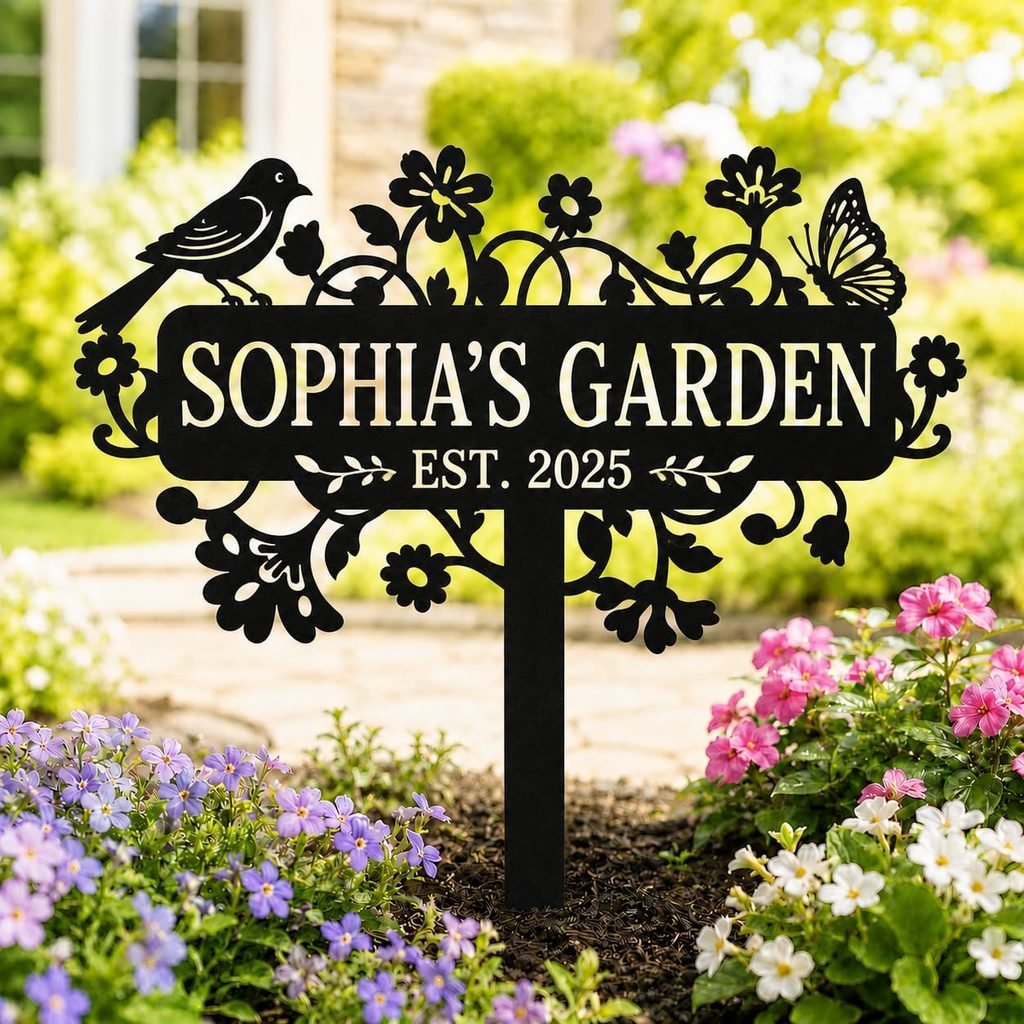
A sign with a family name, a garden’s name, or a short phrase suits the person who has everything else. Because it is customized, it usually can’t be returned, so check the details carefully.
Materials decide how long it lasts. Untreated wood can rot within a couple of seasons outdoors. Metal, sealed hardwood, or engraved slate hold up better. If the sign will be mounted on a fence or post, check how it attaches.
Two practical points. Custom work takes time, so order early and confirm the seller’s shipping cutoff for Christmas delivery. And proofread the text twice. A misspelled family name is the fastest way to ruin the gift.
For Pollinators
14. A Mason Bee House
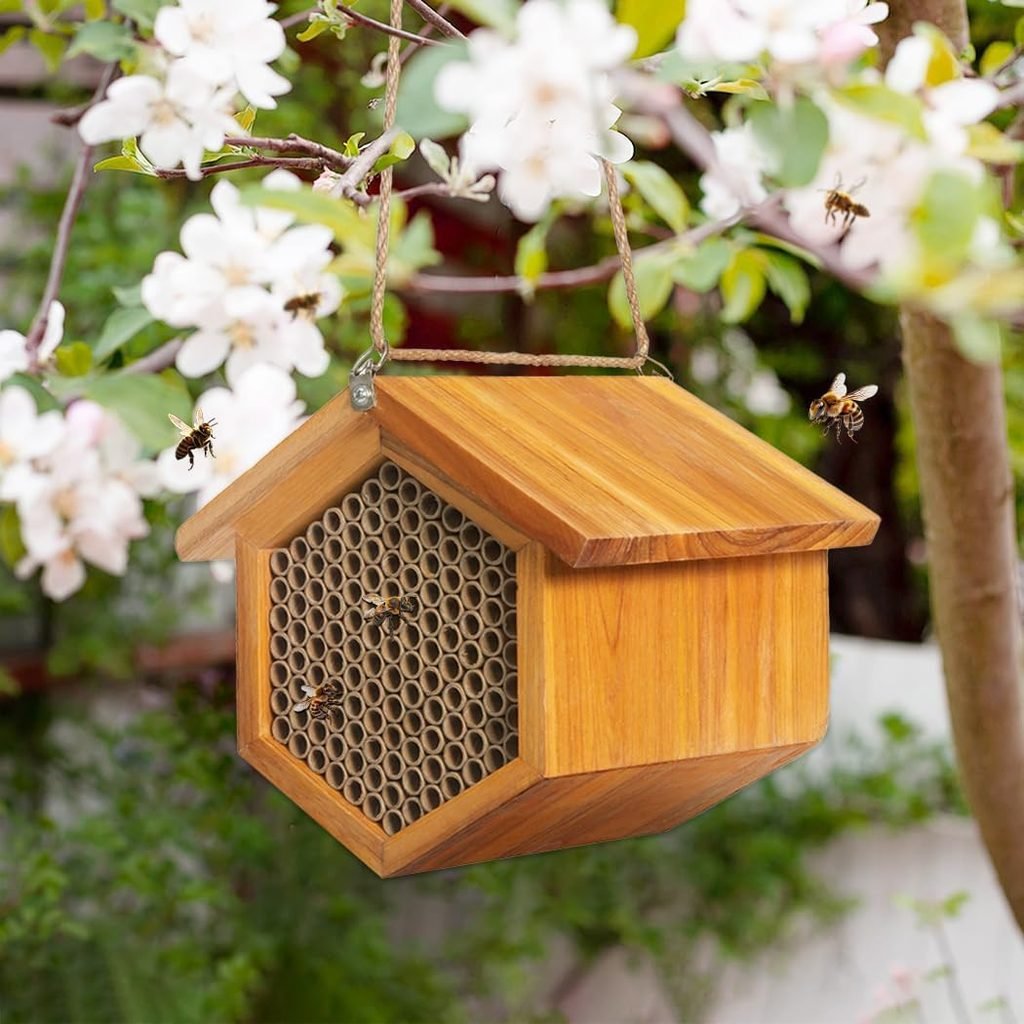
Mason bees are solitary bees that nest in small tubes. They don’t live in hives and rarely sting, and they are efficient pollinators of many flowers and fruit trees.
They need the right kind of house. Look for one with removable or replaceable nesting tubes, because a house that can’t be cleaned may build up mold, mites, and parasites over time. Guidance from extension services commonly recommends cleaning or replacing tubes each year. The house should be fixed firmly in a sheltered spot, facing morning sun, and placed near flowers.
Honey bees and bumble bees don’t use these houses. If the recipient wants to help bees in general, pair the house with more flowers.
15. A Shallow Pollinator Water Dish
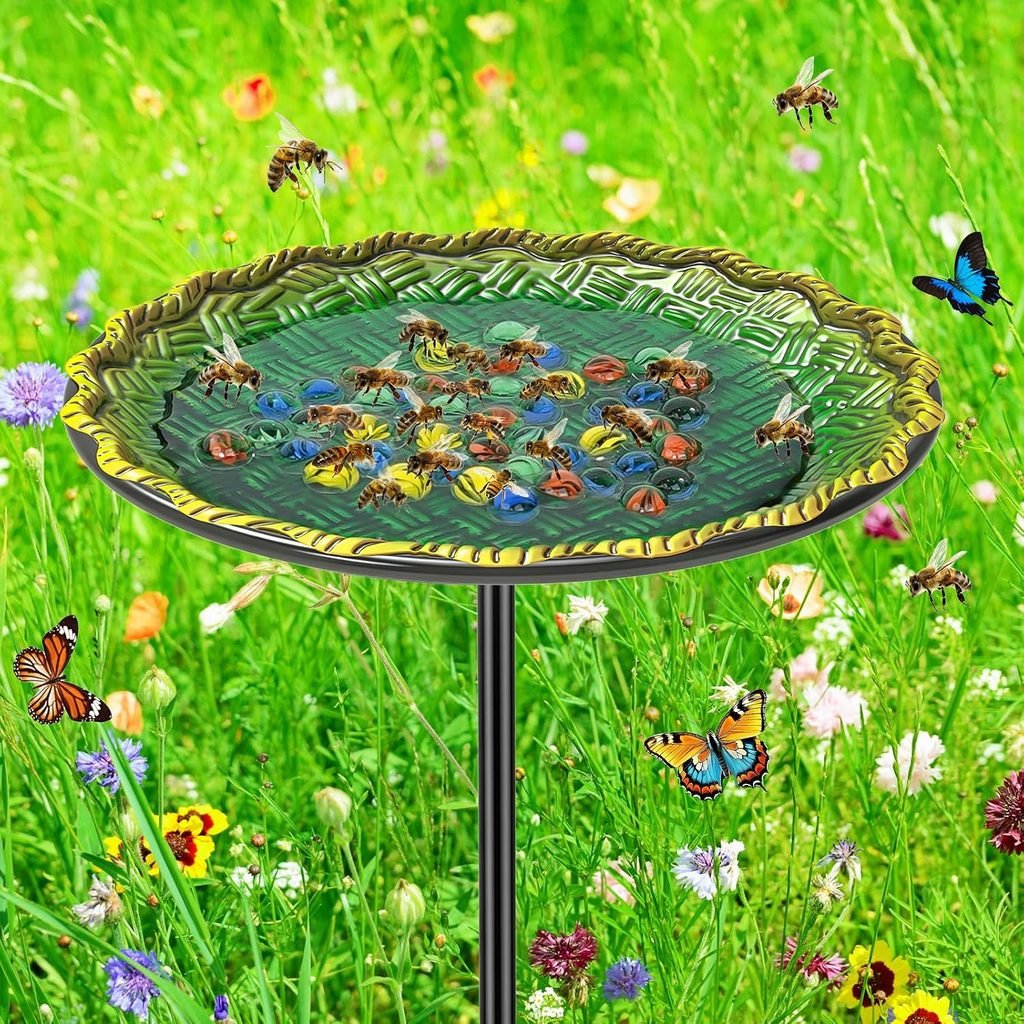
This is a small, inexpensive gift, and one that is often missing. Bees and butterflies drink water, but deep dishes are dangerous, because insects can drown. A shallow dish filled with pebbles or marbles gives them somewhere to land.
It needs to be refreshed every day or two to prevent mosquitoes breeding and to keep the water clean. It works best when placed in a sunny, sheltered spot close to flowers.
Pair it with the wildflower seed mix from earlier and you have a small, complete pollinator gift for very little money.
Pairing Gifts Into Sets
Single items often feel modest. Sets can feel generous. Some combinations that work:
- The cutting garden set: floral snips, a trug, and a cut-flower seed collection
- The winter bloomer: an amaryllis kit in a ceramic planter
- The tool care set: bypass pruners with a sharpening kit
- The pollinator set: native seed mix, a water dish, and a mason bee house
Sets also let you spread a budget across several small things rather than one expensive one.
Which Gift for Which Gardener
| Gardener type | Best choices |
| Beginner | Amaryllis kit, seed collection, journal |
| Cutting-flower grower | Floral snips, trug, cut-flower seeds |
| Container gardener | Ceramic planter, plant markers |
| Experienced gardener | Sharpening kit, quality pruners, markers |
| Crafty gardener | Flower press, personalized sign |
| Wildlife-minded gardener | Native seed mix, bee house, water dish |
A Practical Next Step
Choose one gift that matches something the person already does in the garden, then add a small companion item. If you can’t tell what they already own, choose consumables such as seeds and bulbs, or care items such as sharpening kits, where duplication doesn’t matter. Check delivery dates for anything personalized before ordering.

About Syprose Kiche
Syprose Kiche is the creator and writer behind My Besuited Home, a practical home and garden website covering DIY projects, gardening, lawn care, landscaping, home improvement, and outdoor living. She focuses on turning everyday homeowner questions into clear, practical guides backed by careful research and useful real-world considerations.