
The trouble with buying for a vegetable gardener is that the obvious gifts are usually already in the shed. Trowel, gloves, watering can and a plant-of-the-month calendar are all on the standard starter list, so a keen grower has probably bought them years ago. The gifts that land tend to fall into three groups. Some fix a specific irritation, like a knee that complains after twenty minutes of weeding or a raised bed that dries out by July. Some get used up and need replacing every year, such as seeds, labels and filters. And some are a step up from what a gardener would spend their own money on, like a decent pair of snips, a thermostat-controlled heat mat or a proper grow light.
The list below is organized by where each gift gets used: seed shelf, seedling tray, bed, harvest, kitchen and hose. Each entry says who it suits and what to check before buying. I haven’t attached prices or brand recommendations, since both change constantly. The notes on what to look for should still hold when you’re comparing options.
Three Questions to Answer Before You Buy Anything
- What are they growing, and where? A gardener with a few large raised beds needs different things than one growing tomatoes in buckets on a balcony. Container growers get more from good watering gear and compact trellises. Bed growers get more from hoes, row covers and drip irrigation.
- Are they at the seed-starting stage? Some gardeners start everything from seed in late winter. Others buy transplants in spring and never touch a seed tray. Seed-starting gifts are excellent for the first kind and wasted on the second.
- What do they already own? If you can’t ask directly, choose things that get consumed (seed collections, labels, compost liners) or that upgrade a cheap item most people buy first. Nobody has too many good labels, and few gardeners own a real soil thermometer.
Seeds and Seed Storage Gifts
1. A regional seed collection instead of a random variety pack
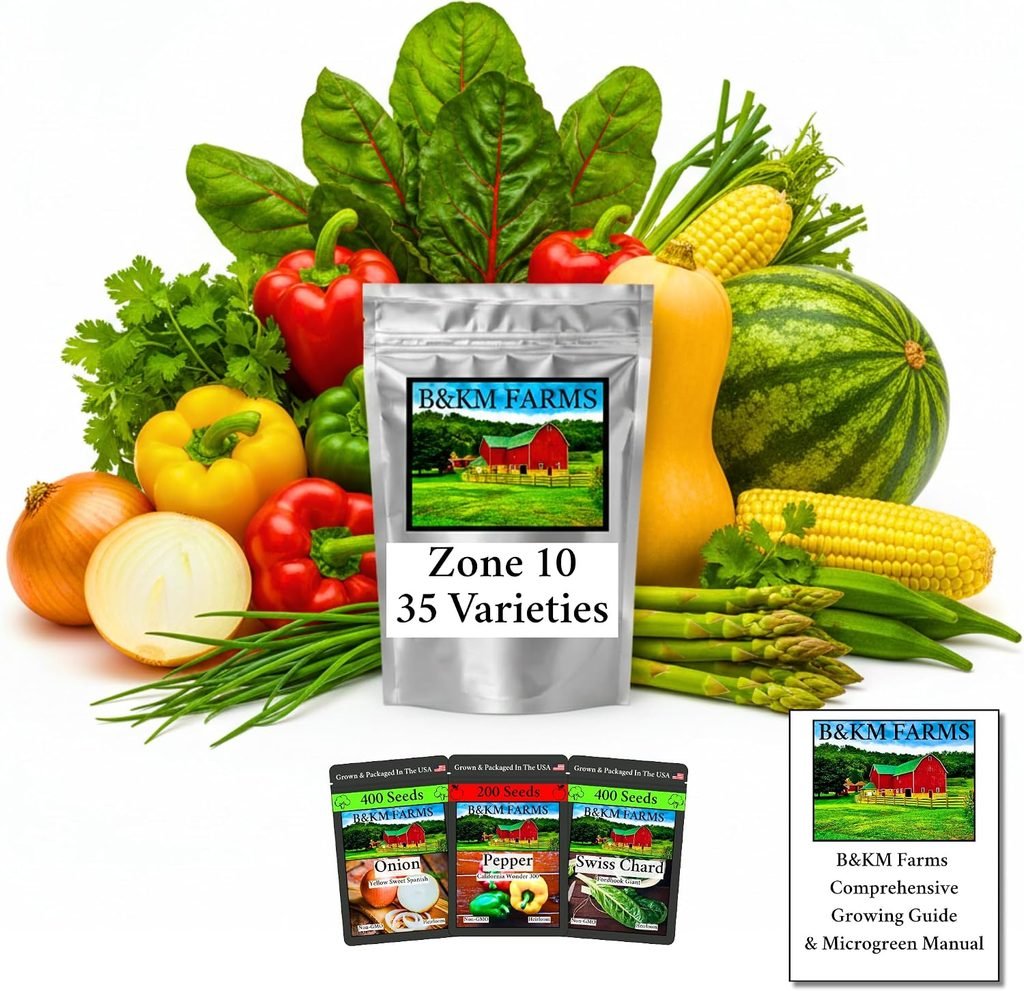
Big-box variety packs often include crops that don’t suit the recipient’s climate or season length. A better gift is a themed set from a seed company that operates in or near their region, such as a salsa garden (tomatoes, peppers, cilantro, onions), a salad garden or a short-season set for cold climates.
Check two numbers on each packet: days to maturity and the sowing instructions. A tomato that needs 90 days from transplant is a poor choice for a gardener whose summer is short and cool. Check the packing year too. Most seed keeps for a few years if stored well, but germination rates decline, and onions, parsnips and parsley relatives tend to lose viability faster than tomatoes, beans or lettuce.
If you don’t know what they grow, a gift certificate to a seed company is not a cop-out. Choosing varieties is half the fun of the hobby.
2. A seed storage box with envelopes and desiccant packets
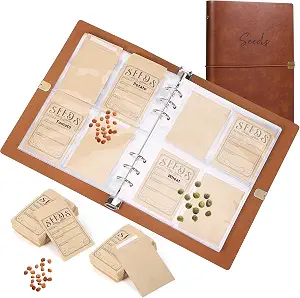
Anyone who has grown vegetables for a few seasons ends up with half-used packets stuffed in a drawer or shoebox. Those packets are prone to damp, heat and mice, and moisture is the biggest enemy of seed viability. A sturdy tin or plastic box with dividers, plus small paper envelopes for labeling, gives them a system. Add a few silica gel or similar desiccant packets to absorb moisture.
Cool, dry and dark is the target. Many gardeners keep the box in a cool closet or, in a sealed container, in the refrigerator. If it goes in the fridge, the container should be airtight and left to warm to room temperature before opening, so condensation doesn’t form on the seed. A pack of index-card dividers marked by crop or month sowing dates makes the gift more useful.
3. A seed-saving guide for the gardener ready to try it
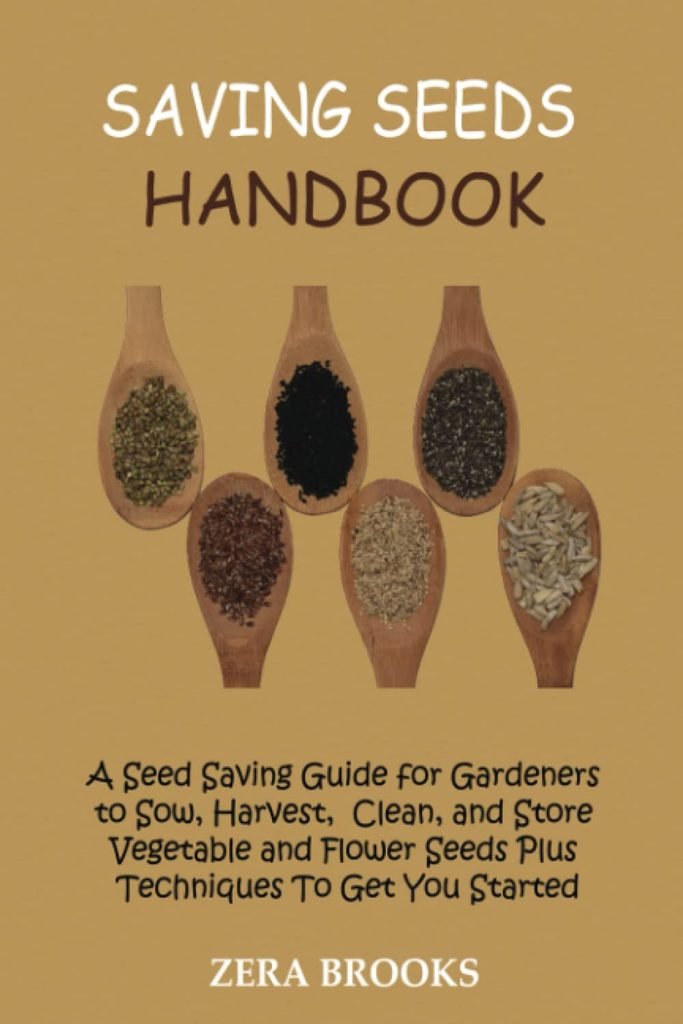
Saving seed from your own plants is the natural next step after a few good seasons. The gift is a book or printed guide, and the reason it helps is that the rules differ by crop. Tomatoes, beans, peas and lettuce are mostly self-pollinating and forgiving, so they suit beginners. Squash and cucumbers cross-pollinate readily with other varieties in the same species, so saved seed can produce fruit unlike the parent. Plants labeled F1 hybrids generally don’t come true from saved seed at all.
Look for a guide with crop-by-crop instructions covering wet seed (tomatoes, cucumbers) and dry seed (beans, lettuce), plus isolation distances. Vague enthusiasm about “heirloom magic” is less useful than a table.
Seed-Starting Equipment Gifts
4. A full-spectrum LED grow light with adjustable height
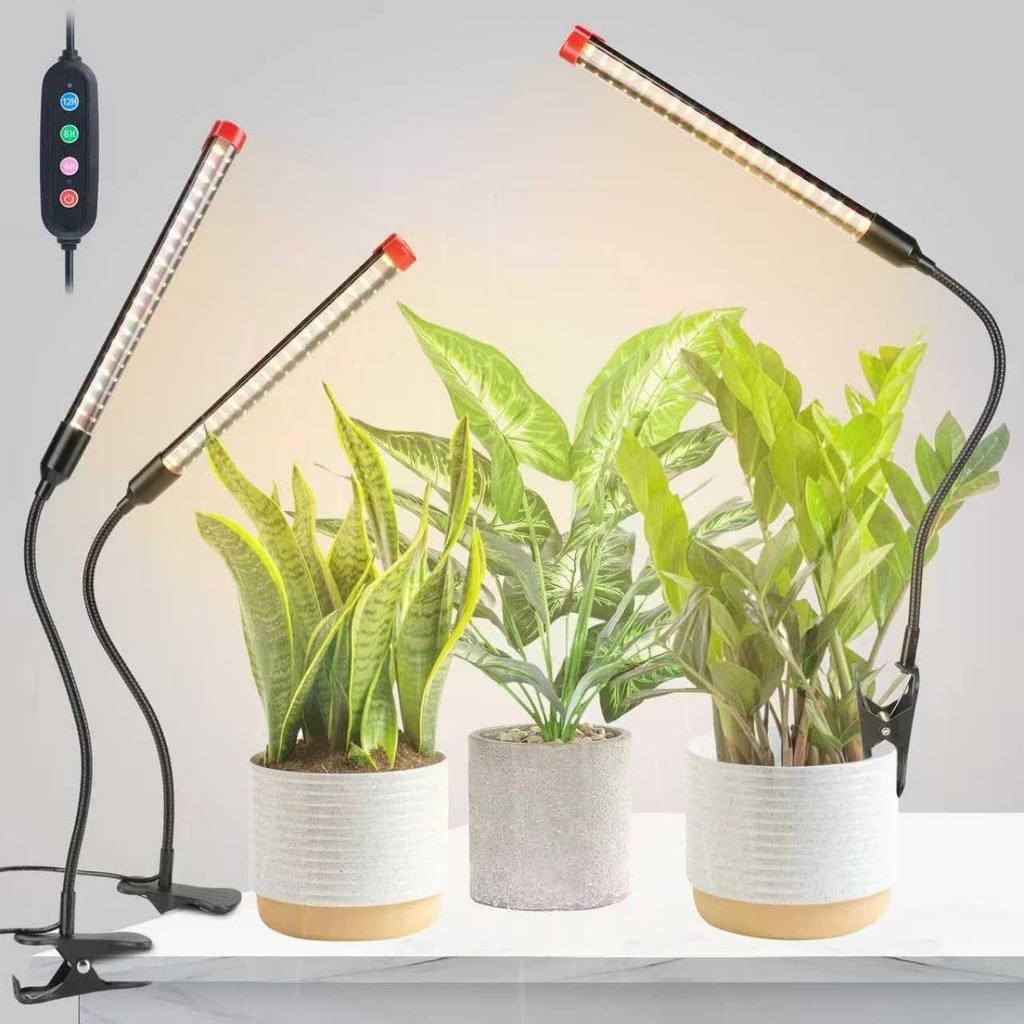
A sunny windowsill looks like enough light for seedlings. In late winter and early spring, it usually isn’t. Days are short, the sun is low and window glass filters light, and the result is seedlings that stretch toward the glass, thin and pale. A grow light fixes this, and it is one of the most useful things a seed-starter can own.
Look for a fixture whose height can be adjusted, either with chains or a stand. Seedlings need the light close, and raising it as they grow is part of the routine. Manufacturers specify distance, so follow their guidance. A simple outlet timer set for roughly 14 to 16 hours a day is common practice among seed-starters and makes a good add-on. Shop-light-style LED bars work well over standard 1020 trays, and a shelving unit turns them into a small nursery.
One caution: keep cords and plugs away from splashing water and use listed fixtures from reputable sellers.
5. A thermostat-controlled seedling heat mat
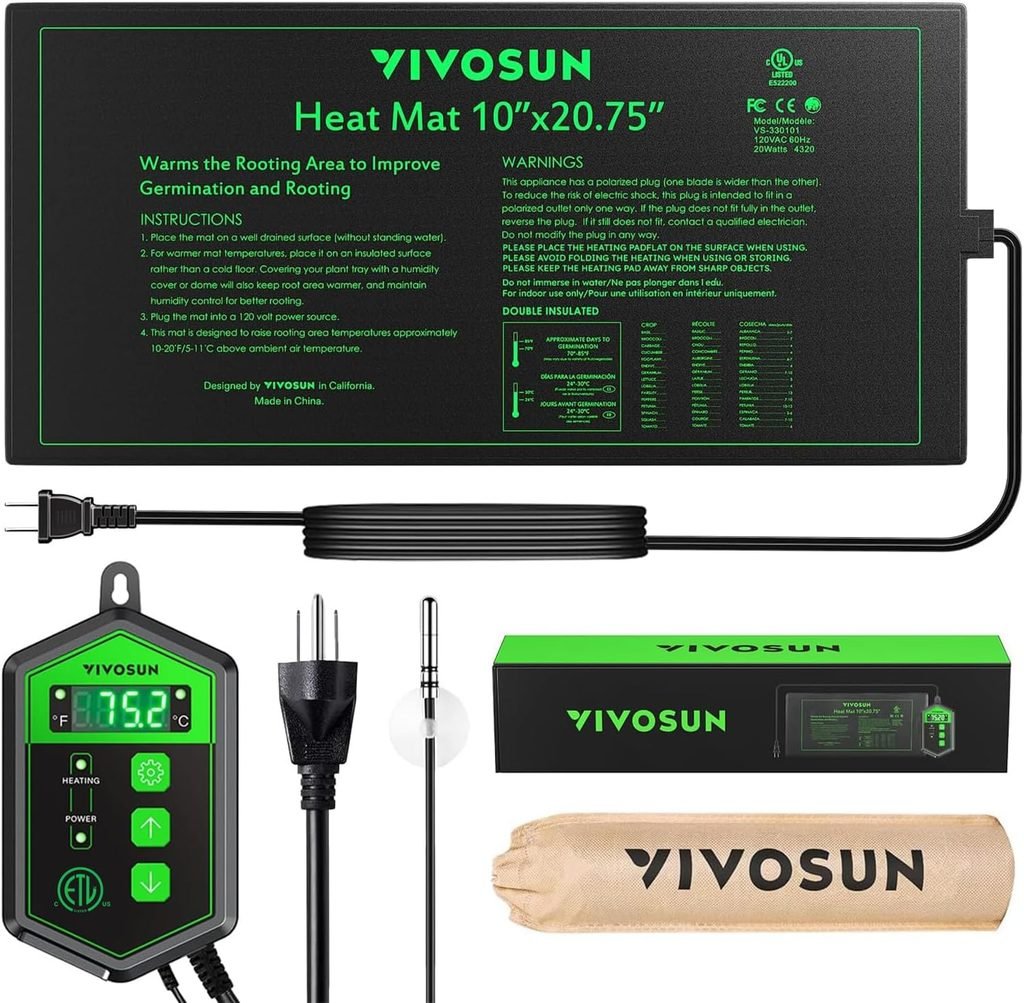
Some seeds germinate slowly or unevenly in a cool house. Peppers and eggplants are the classic examples, and tomatoes are faster with warmth. A heat mat under the tray keeps the growing mix warm, roughly in the mid-70s to mid-80s °F range that those crops prefer, and speeds up germination.
Spend the extra money on a model with a thermostat, or add a separate plug-in thermostat controller. An unregulated mat can overheat the mix and cook seed, particularly under a plastic dome. The mat is only needed until seedlings emerge. After that, warmth encourages soft, leggy growth, and it should come off. Choose mats rated for damp environments with a recognized safety certification, and don’t use them with damaged cords.
6. A soil block maker or a set of sturdy reusable seed trays
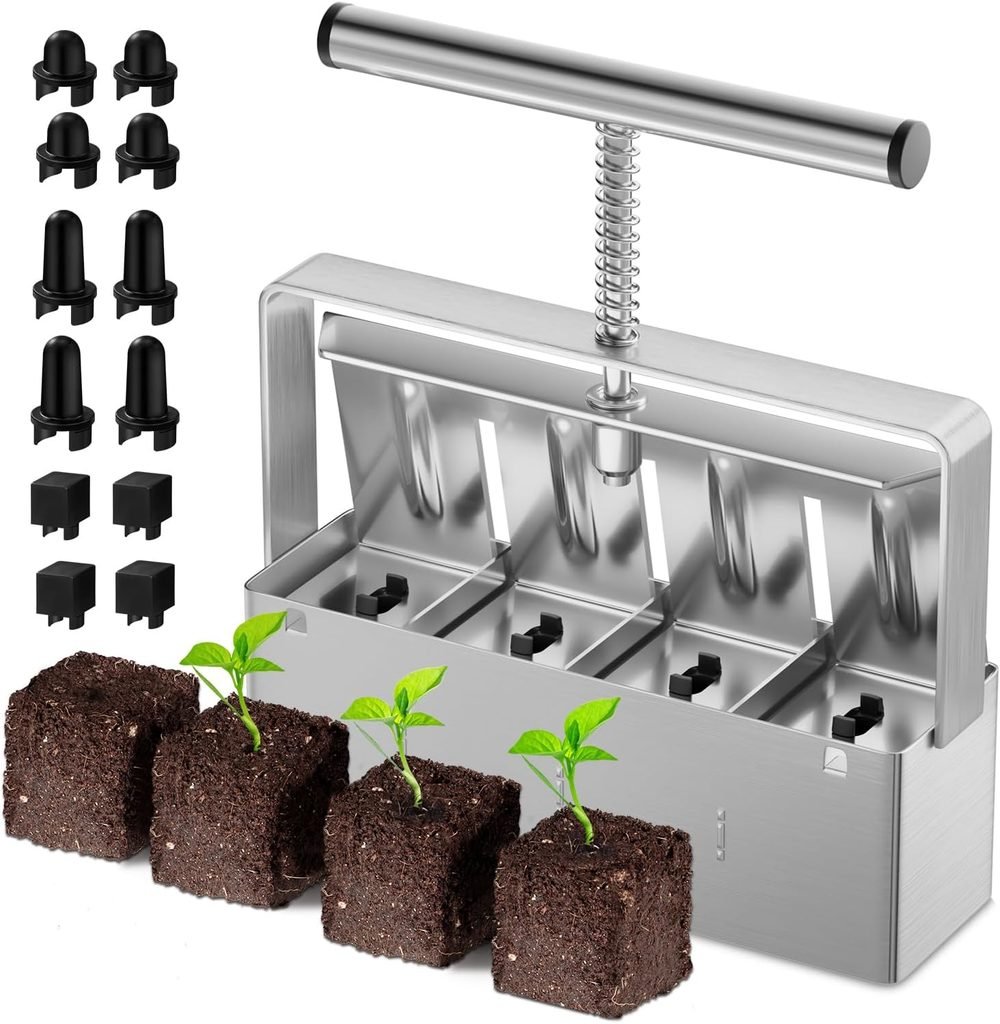
Plastic cell packs crack after a season or two and are awkward to clean. Two gifts address this.
Soil blockers are hand tools that press moistened mix into freestanding cubes, so seedlings grow without a plastic container. Roots stop at the block’s edge rather than circling, which makes transplanting easier. The drawbacks are real: the mix has to be the right consistency (wet enough to hold together, not soggy), blocks dry out faster than cell packs, and they need a flat tray underneath. It is a gift for a gardener who likes to tinker.
For someone who wants simplicity, a set of thick, reusable cell trays with bottom-watering trays is the safer choice. Bottom watering keeps the soil surface drier, which discourages damping-off, the fungal problem that collapses seedlings at the base. It also avoids washing seed out of shallow cells.
Hand Tools Worth Upgrading
7. A hori hori knife
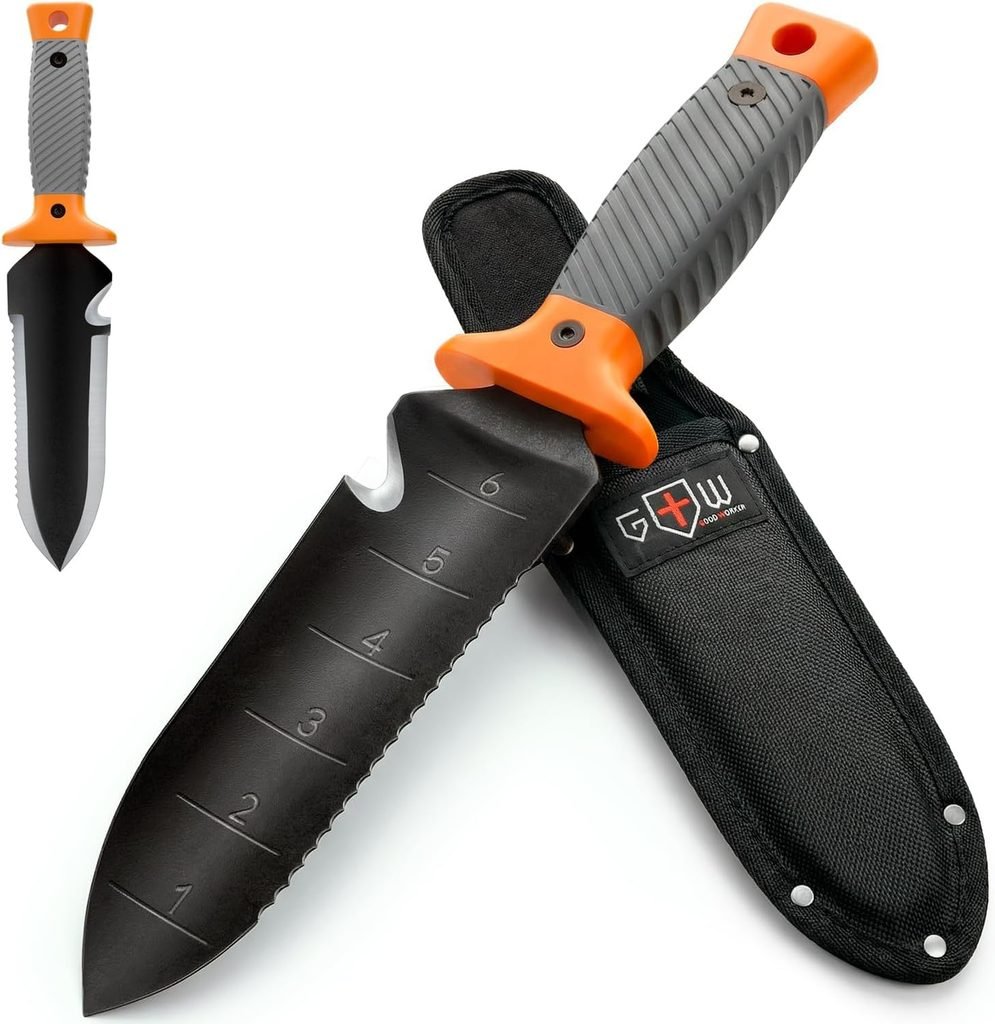
This Japanese digging knife has a stout blade, often with a serrated edge on one side, a sharpened edge on the other and depth markings on some. Gardeners use it to dig planting holes, slice through roots, cut open soil amendment bags, and pry out weeds with taproots. It replaces a trowel, a small saw and a knife in one tool.
Blade material matters. Stainless steel resists rust with minimal care. Carbon steel holds an edge well but will rust if left wet. Get a sheath, since the tool is genuinely sharp and shouldn’t rattle around a bucket. Handles that are wood or textured rubber are more comfortable than smooth plastic when hands are wet.
8. Precision harvest snips
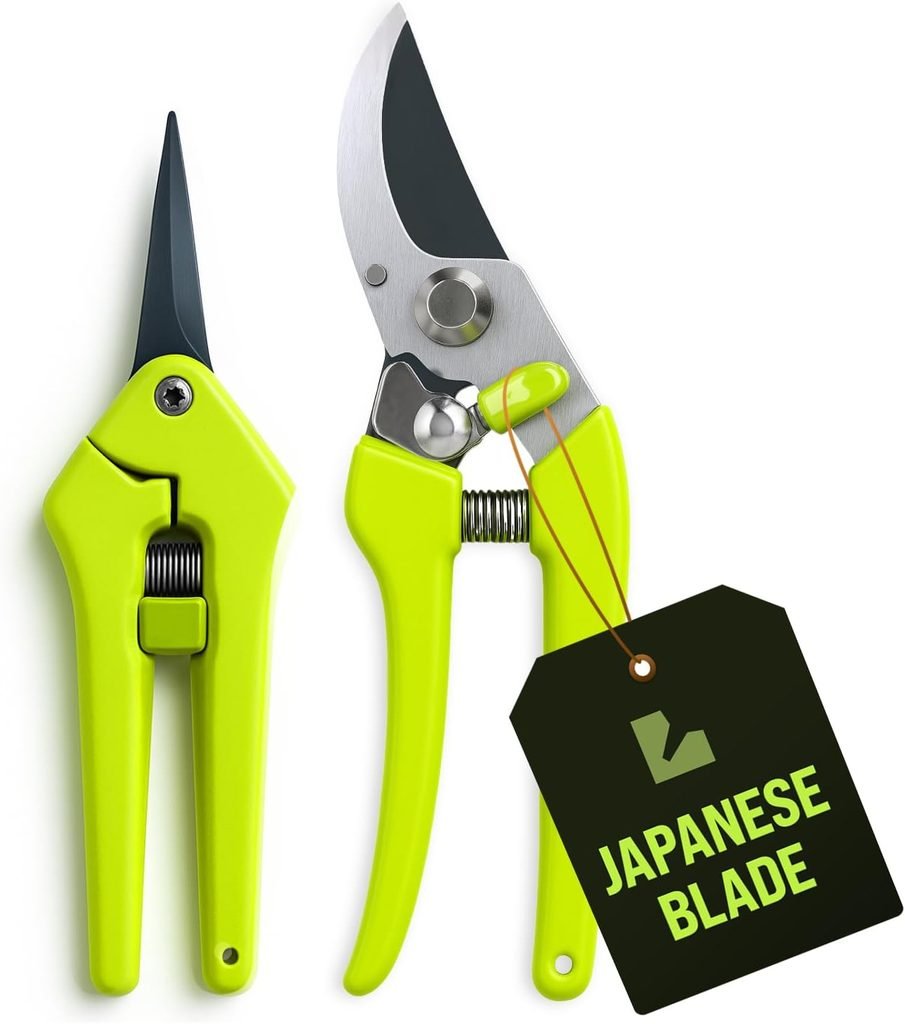
Many vegetables, including peppers, eggplant, cucumbers and tomatoes, are best cut rather than pulled. Yanking a pepper can snap a branch that would have kept producing. A pair of small pointed snips with a spring-loaded handle makes clean cuts on herbs, beans and stems, and the fine tips work in tight clusters of foliage.
Spring action reduces hand fatigue during long harvest sessions, and a locking mechanism keeps the blades closed in a pocket. Wiping the blades with rubbing alcohol between plants is standard advice when working around diseased foliage, so a small bottle or a pack of alcohol wipes is a sensible thing to tuck into the gift.
9. A stirrup hoe (or similar oscillating hoe)
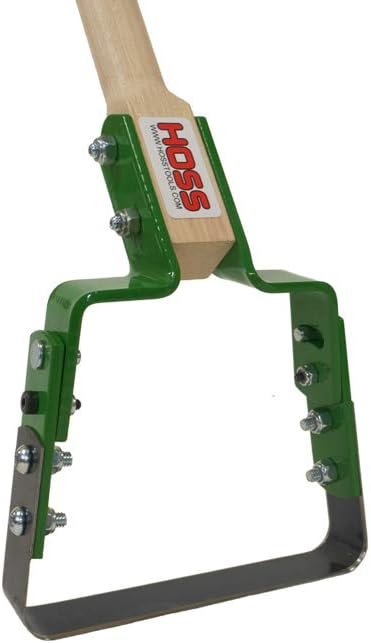
Traditional hoes chop, but a stirrup hoe has a hinged, sharp-edged loop that slices weeds just under the soil surface on both the push and pull strokes. It is quick, needs little bending and works best on small weeds in dry conditions, since weeds cut on a dry day tend to wither in the sun instead of re-rooting. It won’t dig out established perennial roots, and it needs an occasional sharpening with a file.
It suits gardeners with wide row spacing or large beds, and it does little in tight intensive plantings where there isn’t room to swing it. Blade width matters. Narrower heads move more easily between crops.
10. A folding garden kneeler and seat
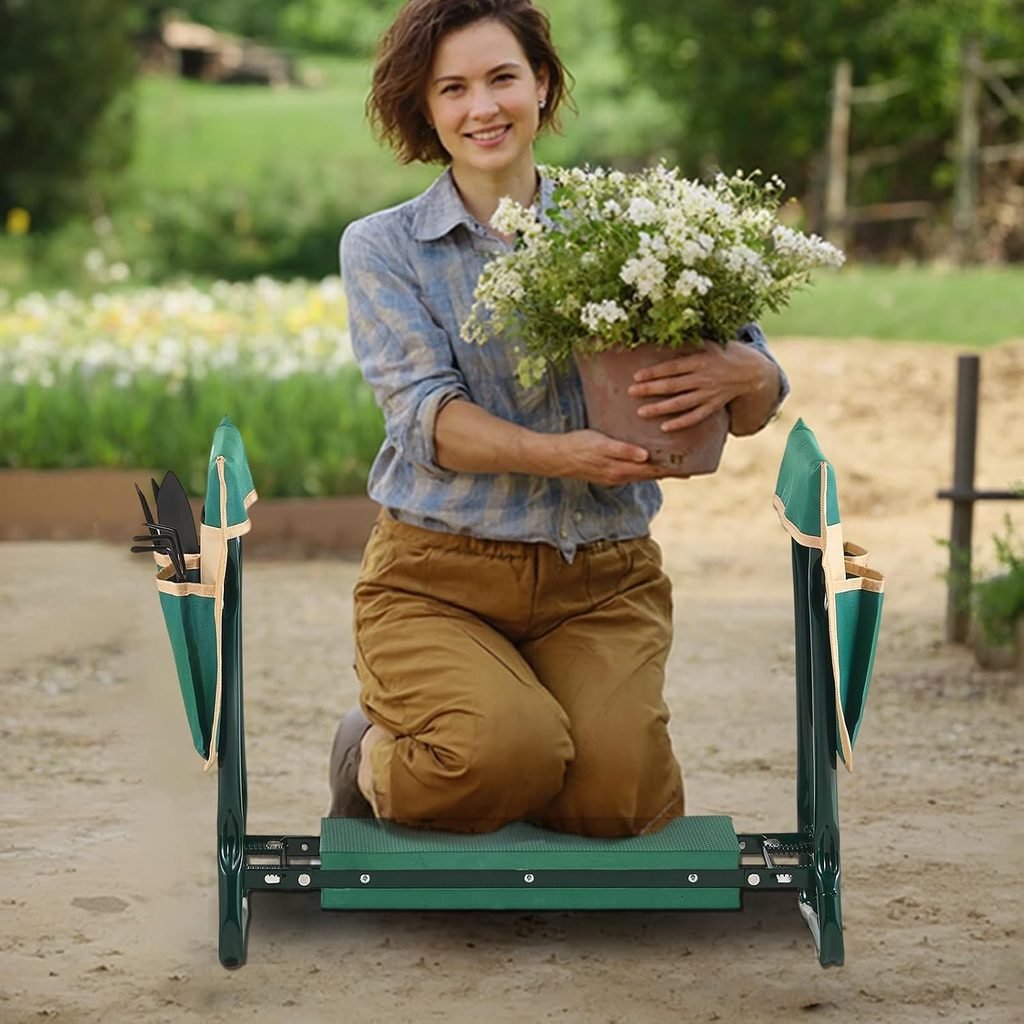
Weeding, planting and harvesting low crops means a lot of kneeling and rising. A kneeler with a padded platform and sturdy side handles gives something to push against when getting up, and many models flip over to act as a low seat. This is one of the most appreciated gifts for gardeners who feel their joints after a session.
Check the weight rating and how stable it is on soft, uneven ground. A wide base is more stable than a narrow one. If the recipient gardens in raised beds, a seat that can be positioned beside a bed is more useful than one designed for open ground.
11. Well-fitted work gloves in the right material
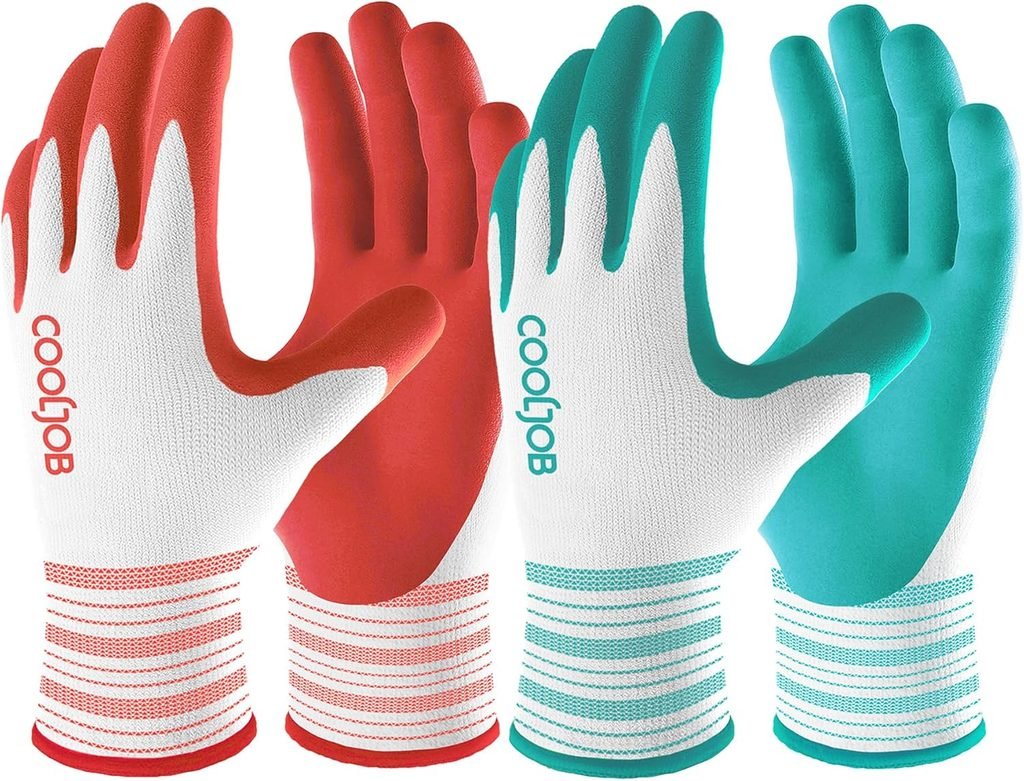
Gloves are easy to buy and easy to get wrong. Wrong size means poor dexterity, and the wrong material means wet hands or a thorn in the palm. Nitrile-coated gloves grip wet tools and soil and suit transplanting and weeding. Leather or leather-reinforced pairs protect against thorns and the prickly stems of squash and raspberries.
The gift works if you know their size. If you don’t, choose a style that comes in adjustable cuffs or add a gift receipt. Two pairs in different materials is a better present than one, because a single pair is often either too thin for rough work or too bulky for delicate seedlings.
Raised-Bed Accessories That Extend the Season
12. Hoops and row cover fabric
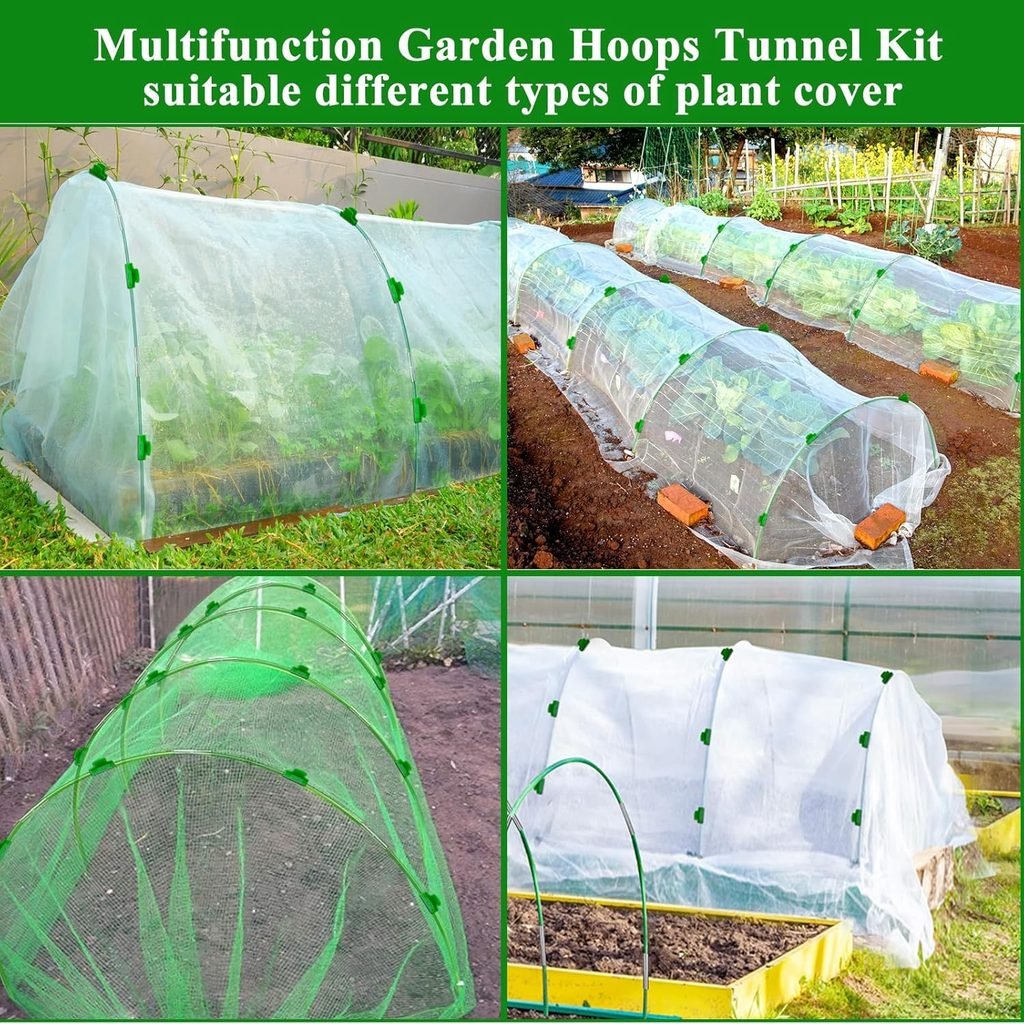
Row cover is lightweight fabric draped over hoops that sit above the bed. Its uses depend on weight. Lighter fabrics keep insects like flea beetles and cabbage moths off brassicas and greens. Heavier weights add a few degrees of frost protection, extending the season at both ends. It also softens hail and wind damage on young plants.
Choose fabric weight based on the purpose, since manufacturers publish the approximate frost protection each weight provides. Sturdy hoops made from metal conduit or fiberglass rods last longer than thin wire. Fabric needs to be anchored at the edges with soil, clips or weighted bags, or it will blow off. One important limit: crops that need insect pollination, such as squash and cucumbers, must be uncovered when they flower.
13. A sturdy trellis, or a heavy-duty cage for tomatoes
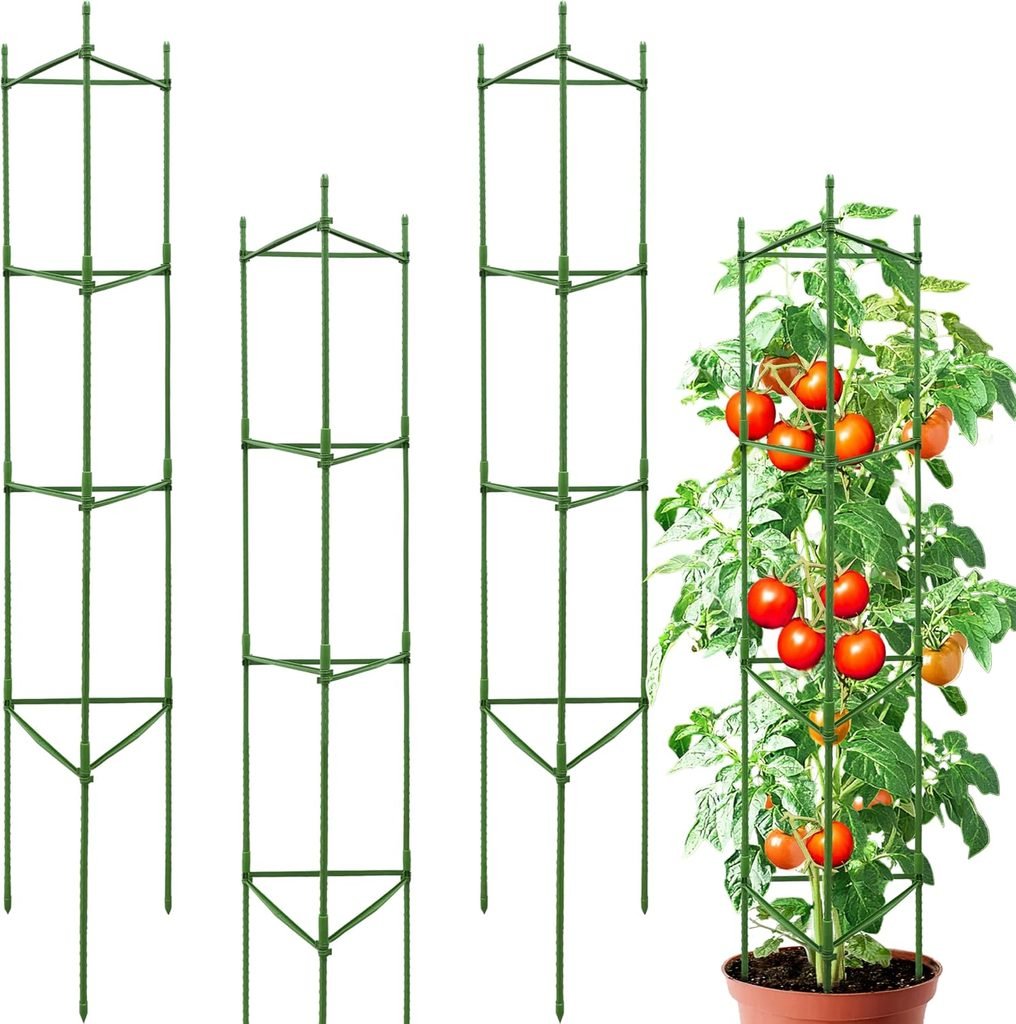
Thin cone-shaped tomato cages sold in many stores tend to be sized for compact or determinate varieties. Indeterminate tomatoes keep climbing and can exceed six feet, and they will topple a flimsy cage under a heavy fruit load. A stronger option is a tall, heavy-gauge cage, a set of sturdy stakes with twine, or a welded livestock panel arched over a bed.
For peas, cucumbers and pole beans, a trellis net or a rigid panel gives vines something to climb and gets fruit off the ground, which helps with air circulation and easier picking. Whatever the choice, it needs anchoring. A trellis full of foliage catches wind like a sail. Look for height that matches the crops: pole beans and cucumbers do well at five to seven feet, while a low trellis suits compact peas.
14. A soil thermometer
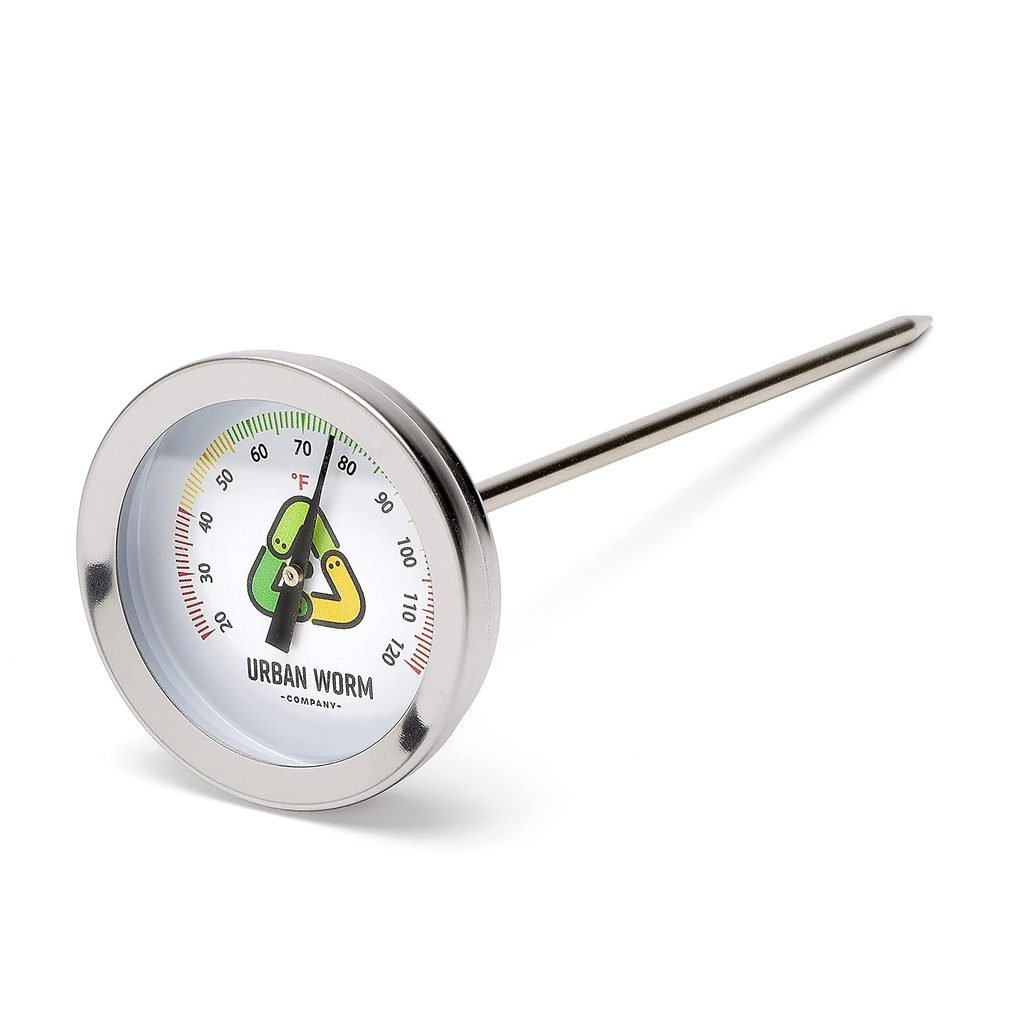
Air temperature and soil temperature aren’t the same thing, and seeds respond to the soil. Peas will sprout in cool soil, roughly 40°F is the commonly cited minimum. Warm-season crops like beans, squash, cucumbers and tomatoes are usually planted out only once the soil has warmed to somewhere around 60°F or higher, depending on the crop. A soil thermometer takes the guesswork out of planting dates.
A probe thermometer with a metal stem and readable dial or digital display works. Measure in the morning at planting depth for the most conservative reading, since afternoon temperatures run higher. Include a printed chart of minimum germination temperatures for common vegetables, which can be found from land-grant university extension publications.
Harvest Gear That Also Helps in the Kitchen
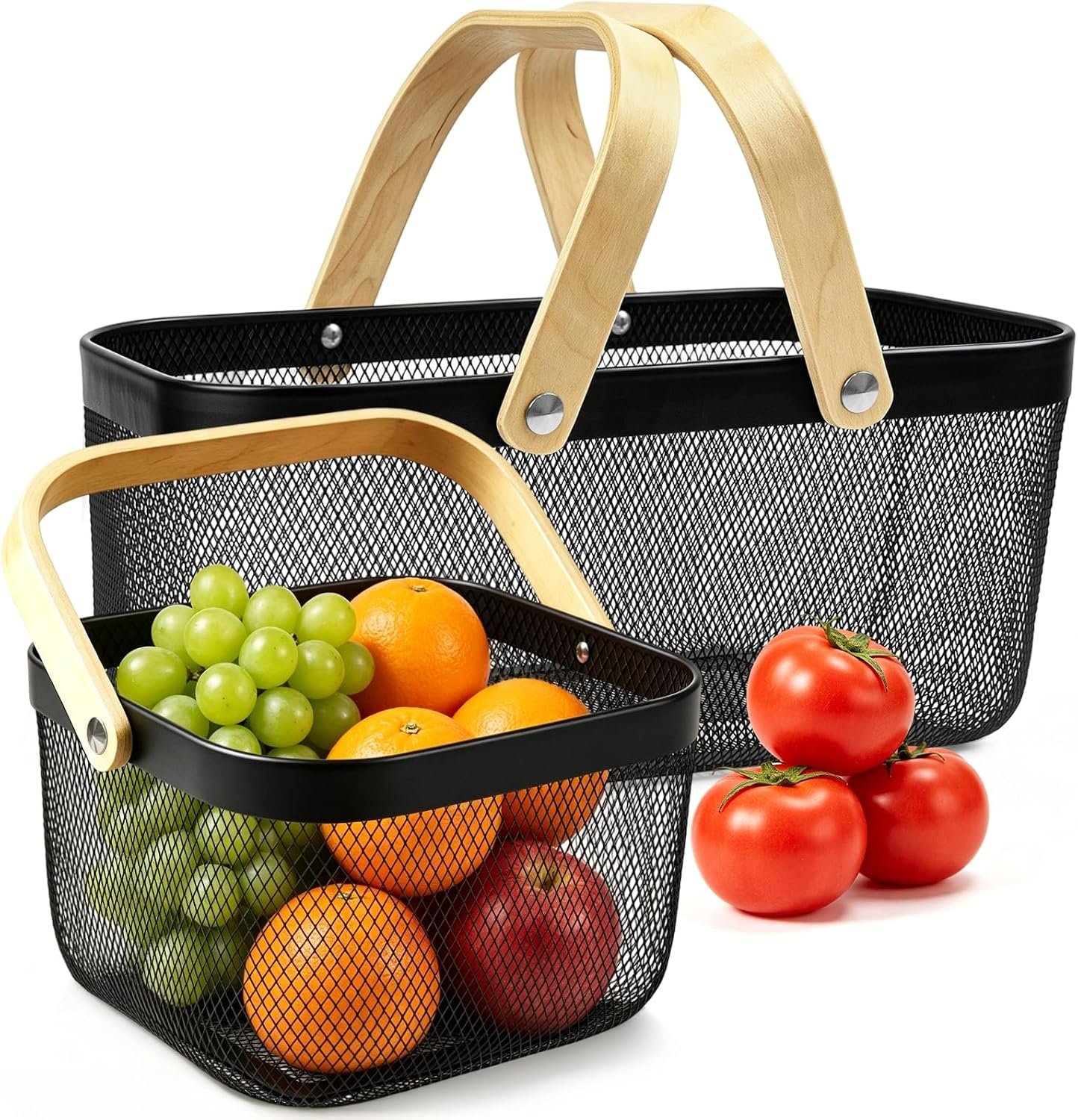
15. A mesh-bottom harvest basket or trug
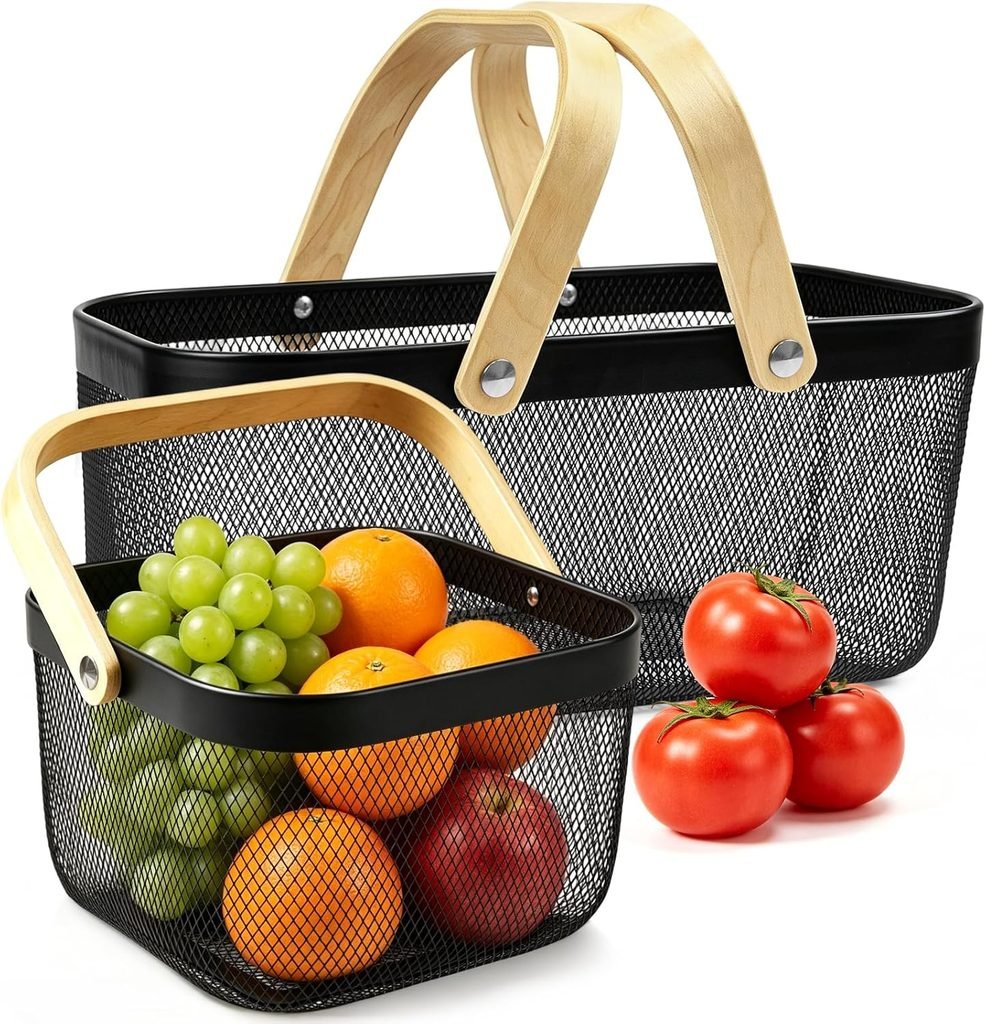
A colander-style basket lets you hose off dirt and drain water right in the garden, which keeps mud out of the kitchen. Wire or heavy plastic mesh is easier to rinse than woven baskets. A trug with a flat bottom also keeps tomatoes and cucumbers from being crushed at the bottom of a deep container.
Wooden-framed versions look nice but need to dry out after washing to avoid mildew. Collapsible options are handy for gardeners with limited storage. Whatever the material, avoid deep baskets for soft fruit. A wide, shallow one prevents crushing.
16. A preservation starter set
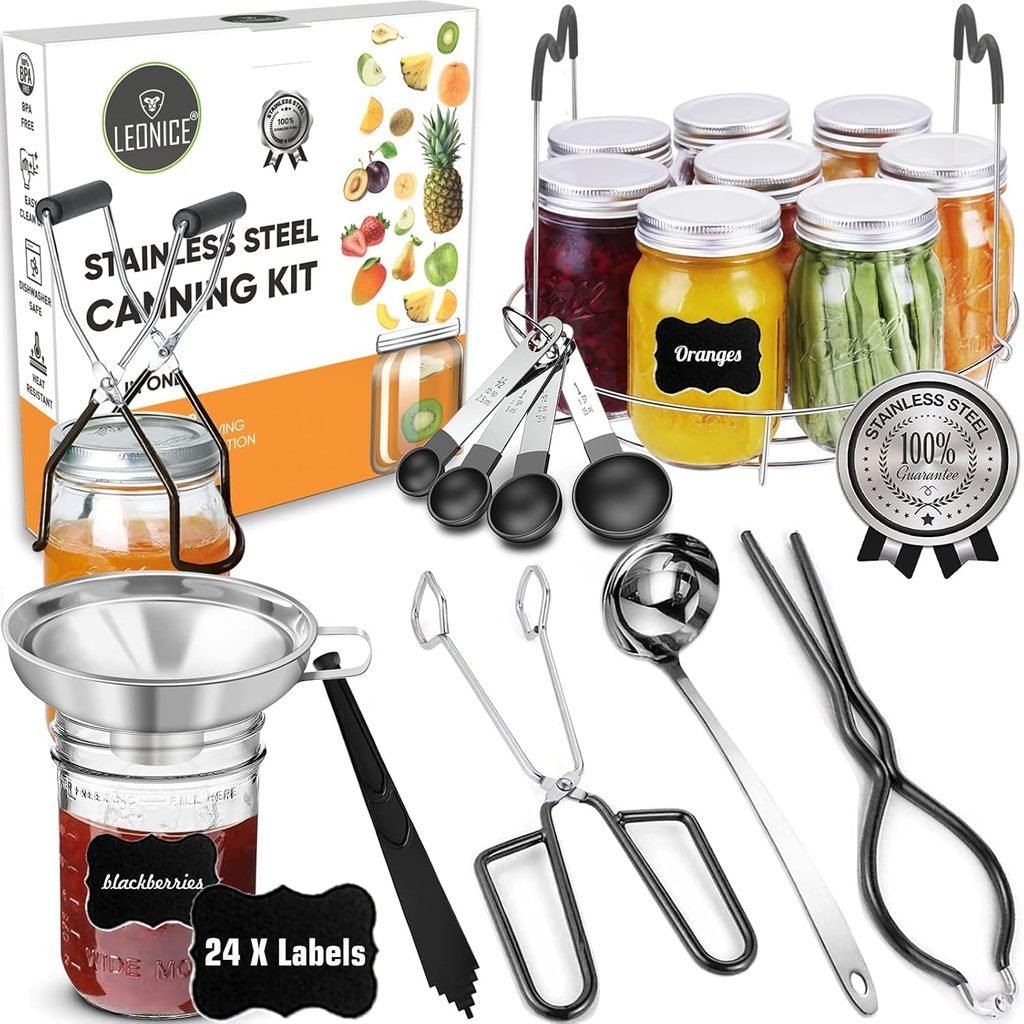
A garden that produces heavily creates the problem of a lot of produce arriving at once. A preservation gift gives it somewhere to go. Options include fermentation lids and glass weights for making sauerkraut and pickles, or a water bath canning starter set with a jar lifter, funnel and lid wand.
Food safety matters here. Low-acid vegetables such as green beans, corn and carrots can’t be safely canned in a water bath. They require a pressure canner. The safest approach is to pair any canning gift with current, tested recipes, such as those from the National Center for Home Food Preservation, and avoid old family recipes or unverified online instructions. A current guidebook is worth including with the gift.
Labels and Journals
17. Durable plant labels and a marker that lasts
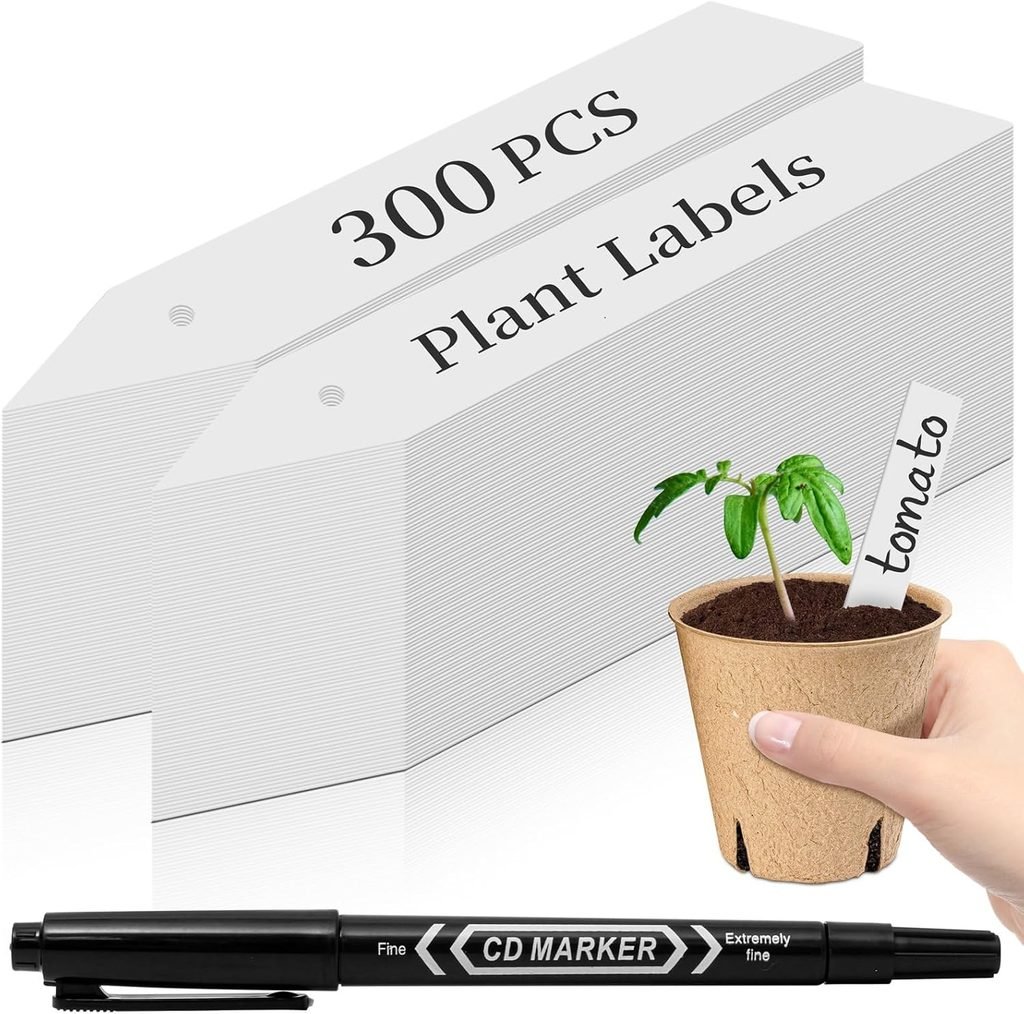
Labels fade, snap and vanish into mulch, and a garden with unlabeled rows is a guessing game by August. Better labels are worth giving. Options include copper or aluminum tags that can be embossed with a stylus, stainless steel stakes, slate markers and thick plastic tags.
What you write with matters as much as the label. Standard permanent markers are known to fade in strong sun, and many gardeners prefer a pencil on plastic or wood, paint pens, or an embossing tool for metal. A set of labels with a suitable pen or stylus solves the problem in one package. Longer stakes stay visible when plants grow up around them.
18. An undated garden journal or planner
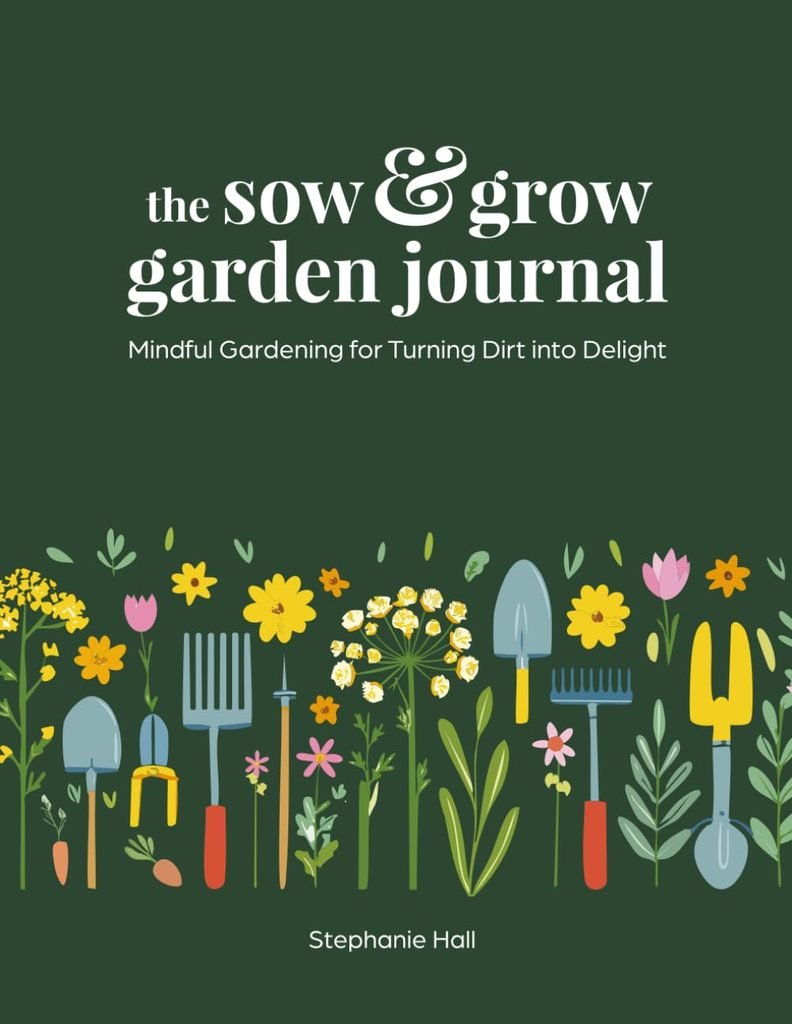
A garden journal is only useful if it records the right details. The best ones give room to sketch bed layouts, log sowing and transplanting dates, note variety names, and track first and last frost dates and harvest dates. Undated pages work better than calendar-bound ones, because gardeners don’t always begin in January.
The real value is rotation records. Tomatoes, peppers, potatoes and eggplant belong to the same plant family, and planting related crops in the same spot year after year can allow soil-borne diseases to build up. A journal that shows what grew where last year makes rotation easy. Tuck the local last and first frost dates from the regional extension office into the front cover, and add a pencil.
Compost Accessories
19. A countertop compost pail or a compost thermometer
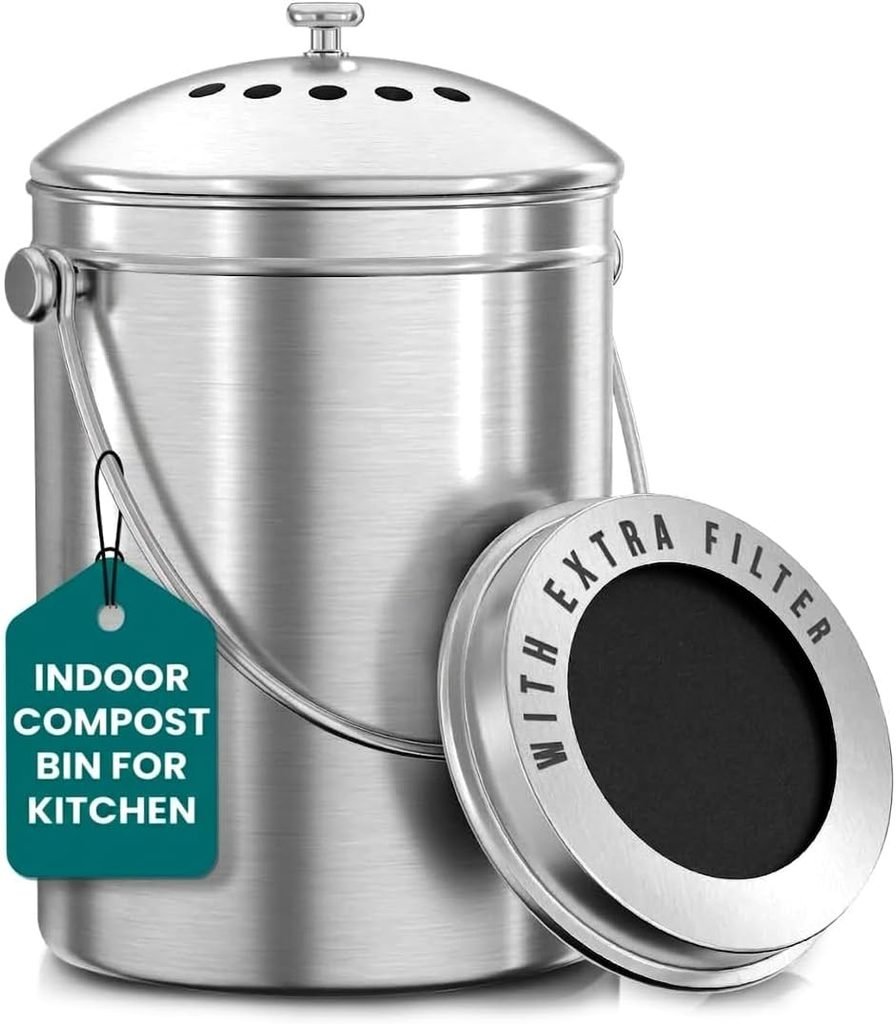
Two gifts here suit two kinds of composters.
For the kitchen, a countertop pail with a tight lid and a replaceable charcoal filter keeps vegetable scraps contained. Size matters: a pail around one gallon fills up quickly but stays fresh, and it should be emptied every few days to avoid odors and fruit flies. Stainless and ceramic options are easier to clean than plastic. Liners help but aren’t essential. Remind the recipient that meat, fish and dairy don’t belong in a typical backyard pile, though bokashi systems handle them differently.
For the gardener who runs a hot compost pile, a long-stem compost thermometer, often 20 inches or more, shows whether the center is heating up. A hot pile is generally in the range of 130 to 160°F. If it’s cooler and sluggish, the pile likely needs more nitrogen-rich material, moisture or turning.
Watering Equipment
20. A drip irrigation starter kit with a timer
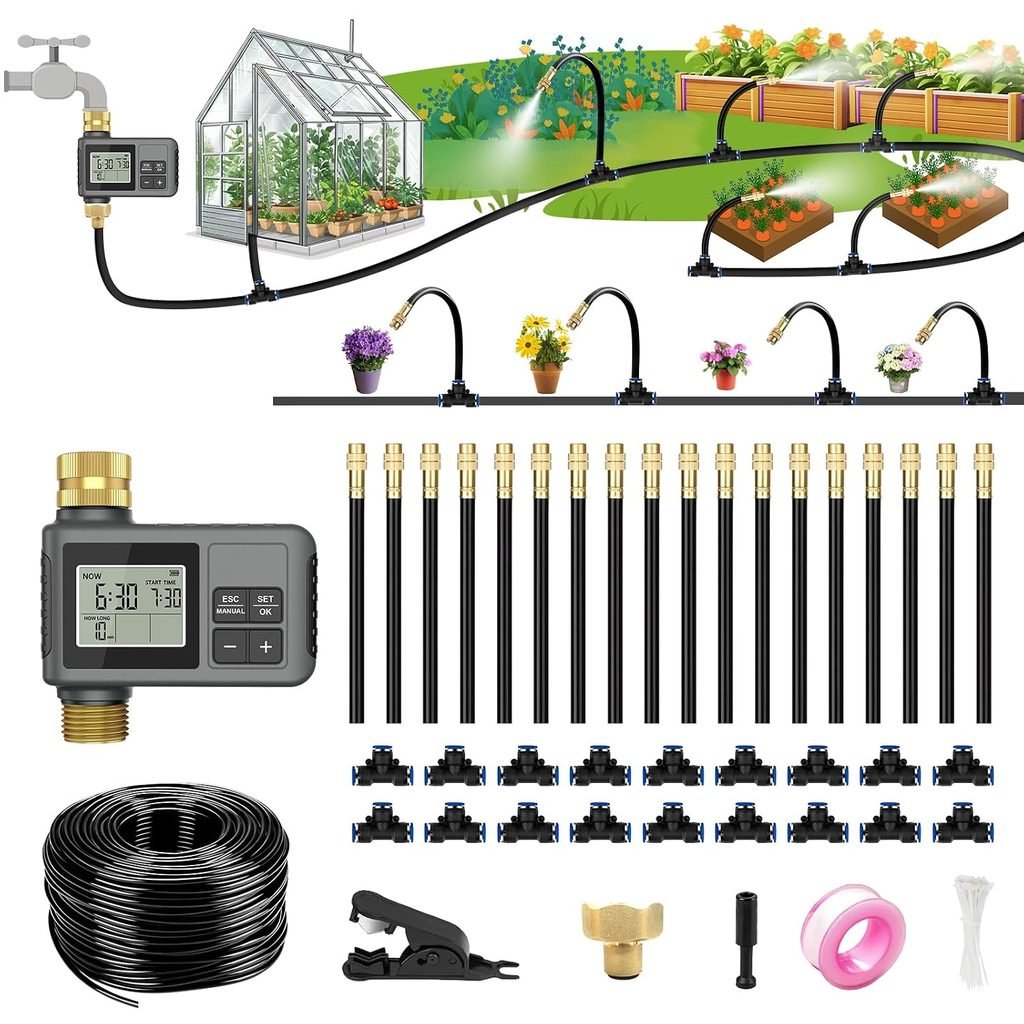
Overhead watering wets foliage, and wet leaves favor fungal diseases on tomatoes, cucumbers and squash. Drip irrigation delivers water at the base of the plant. A starter kit with tubing, emitters or drip line, connectors and a hose-end timer is one of the most useful gifts for any gardener with more than a few plants.
A few details make the difference. Drip components work at low pressure, so a pressure regulator and a filter are part of a proper setup. Check that the kit matches the spigot thread. Tubing length and emitter spacing should suit the bed layout, so it helps to know the dimensions of their raised beds. Soaker hoses are cheaper and work on level ground, but water delivery drops off along the hose, and manufacturers list maximum run lengths. Timers with rain delay or multiple start times are more flexible.
21. A bucket caddy or wall rack for tool organization
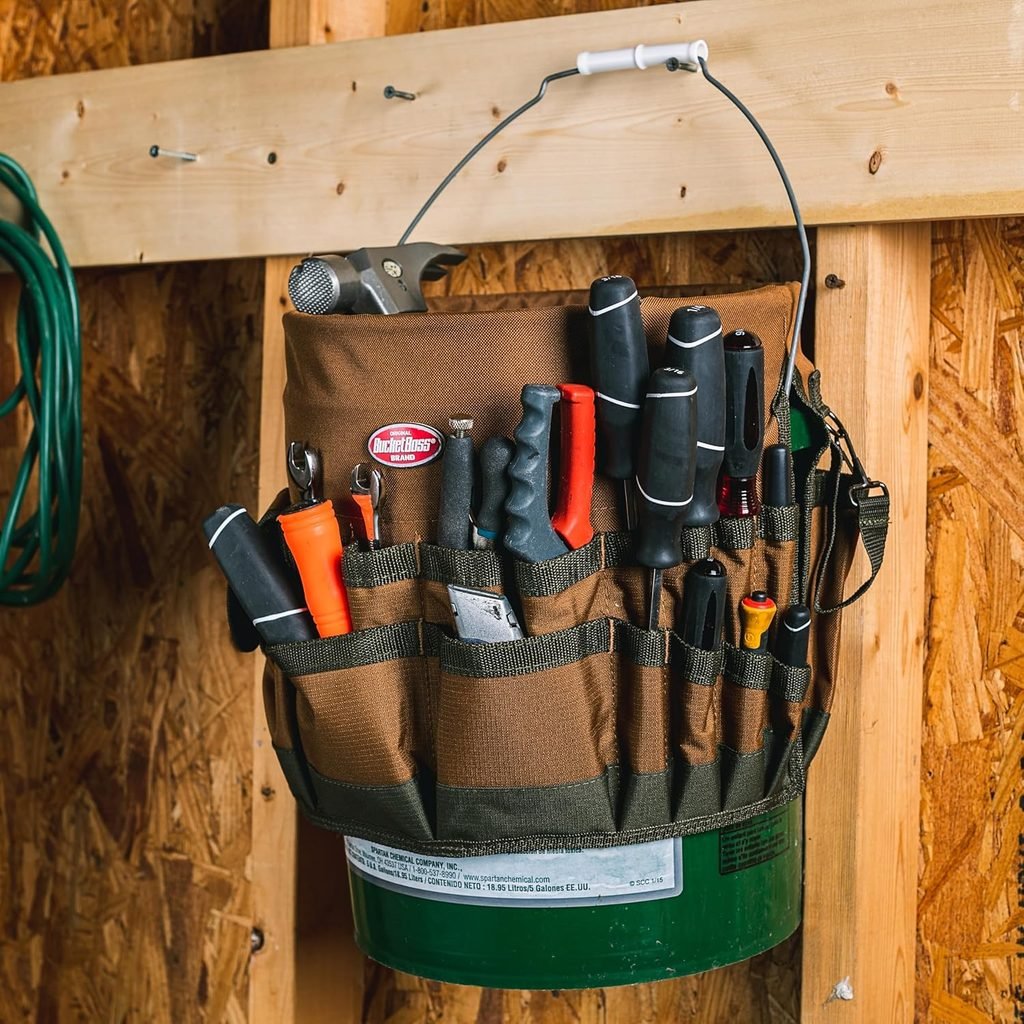
Tools get lost, left in the rain and left dull. A canvas organizer that fits over a five-gallon bucket holds hand tools in outside pockets, and the bucket itself holds a bag of amendment or the day’s weeds. A wall-mounted rack in a shed or garage keeps long-handled tools upright and off the damp floor.
Pair it with a small sharpening file and a can of tool oil, since keeping edges sharp and steel oiled is what makes tools last. Rust-prone pieces like hori hori knives and pruners benefit from a wipe with an oily rag before storage.
Gifts That Tend to Miss
A few categories cause more disappointment than delight:
- Pre-planted novelty kits. Herb-in-a-mug or grow-your-own tomato kits often come with tiny containers and poor germination conditions, and they’re not what a real vegetable gardener wants.
- Large equipment. A rototiller or shredder is a considerable commitment in storage, fuel and maintenance, and many growers avoid tilling on purpose to protect soil structure.
- Fertilizers and pest products. Gardeners are particular about inputs, especially organic ones, and a product that conflicts with their approach goes unused.
- Big multi-piece tool sets. Ten thin tools of mixed quality are a worse gift than one good one.
Questions Gardeners’ Friends Ask
When should the gift arrive? It depends on the type. Seed-starting gear is most useful six to ten weeks before the last spring frost, so a winter gift lands in the ideal window in the Northern Hemisphere. Row covers, soil thermometers and drip kits are needed in early spring. Preservation gear is best in late summer. Gardeners in the Southern Hemisphere or in the tropics, where the growing calendar differs, will have different windows, so check local planting seasons.
What if they only grow in containers? Focus on watering and harvest gear. A small drip system or self-watering planters, a sturdy small trellis and a soil thermometer all work in pots. Bed-specific tools like hoes and row covers are less useful.
What if I can’t find out what they own? Choose consumables such as seeds, labels and compost liners, or include a gift receipt with a tool. A seed company gift certificate is safe because it lets them choose.
A Practical Way to Decide
Pick one gift from the stage where your gardener spends the most time and add one small extra that pairs with it, such as a soil thermometer with a seed collection or labels with a journal. If you’re not sure where to start, a good pair of snips or a set of durable labels almost never goes to waste.

About Syprose Kiche
Syprose Kiche is the creator and writer behind My Besuited Home, a practical home and garden website covering DIY projects, gardening, lawn care, landscaping, home improvement, and outdoor living. She focuses on turning everyday homeowner questions into clear, practical guides backed by careful research and useful real-world considerations.