
A backyard gardener is a harder person to shop for than someone who grows tomatoes on a windowsill. The yard has a fence line, a patio, a shed, a path that turns to mud in November, and a corner where nothing grows. The gardener has probably already bought the good pruners. What they usually haven’t bought is the thing that makes the yard easier to use: a tool rack that gets the shovel off the shed floor, a light that makes the path safe after dark, a feeder that keeps the space busy in winter.
The gifts below are grouped by what they do for the yard rather than by price. Each entry says what to look for, what to avoid, and who it suits. Prices are left out on purpose because they change by retailer and season. Where a specification matters (size, voltage, material), the entry says what to check on the product page before buying.
Start With the Yard, Not the Person
Two questions narrow the list quickly.
How big is the space, and what is in it? A patio-and-planters gardener needs different gifts from someone with a full lawn, borders, and a shed. Look at what the yard already has. If there are raised beds, accessories for raised beds make sense. If there is a seating area, furniture accessories do. A gift that assumes a feature the yard lacks will sit in the garage.
Does this person like doing the work or enjoying the result? Some backyard gardeners spend every weekend in the soil. Others treat the yard as an outdoor room and want it to look good and feel good. Tools and organization suit the first group. Lighting, decor, and seating accessories suit the second. Most people are a mix, but one side usually dominates.
One practical point about timing: in much of the Northern Hemisphere, December is the off-season, so gifts that do something now (feeders, lighting, storage, winter protection) tend to be used sooner than tools for spring planting. Gifts for spring are still welcome, but they wait months to be used.
Gifts That Make the Yard Usable After Dark
1. Solar Path Lights
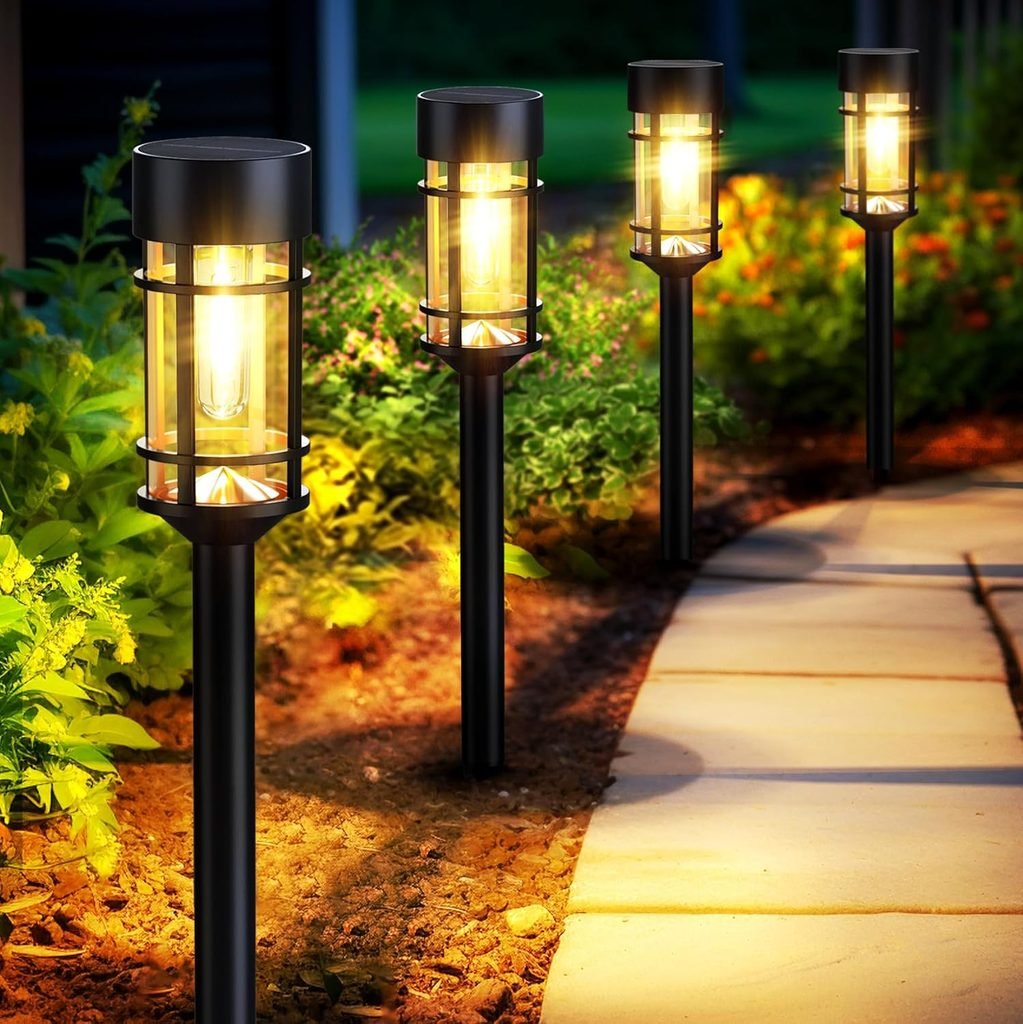
Solar path lights are the easy first purchase because they need no wiring, but quality varies enormously. Cheap stake lights often use small panels and small batteries, so they may glow dimly for a short time after a cloudy day. In winter, when days are short and the sun is low, weaker units can fail to charge enough to be useful.
Check for: a panel that is large relative to the light, a replaceable rechargeable battery, and some kind of weather rating (an IP rating, such as IP65, indicates resistance to dust and water; verify the rating on the product listing). Place them where the panel gets direct sun. Lights tucked under a shrub or the eaves of a shed will underperform whatever the box promises.
Best for: someone with a path, steps, or driveway edge that is currently dark.
2. Low-Voltage Landscape Lighting Kit

Low-voltage kits run on a transformer plugged into an outdoor outlet and step the household voltage down to a much safer level for the fixtures. Compared with solar, they give steadier, brighter light regardless of season. They also let the gardener light a specific tree, wall, or planting bed rather than just marking a path.
The catch is installation. The cable has to be run and buried or hidden, the transformer needs a weatherproof outdoor outlet, and the total wattage of the fixtures must stay within what the transformer can supply. Many kits are designed for a confident beginner to install. Anyone unsure about the outlet, or wanting a permanent installation, should ask an electrician. Buy a kit rated for outdoor use and follow the manufacturer’s instructions on cable length and connection.
Best for: someone who already has a well-planted yard and wants it to look good in the evening.
3. String Lights Rated for Outdoor Use
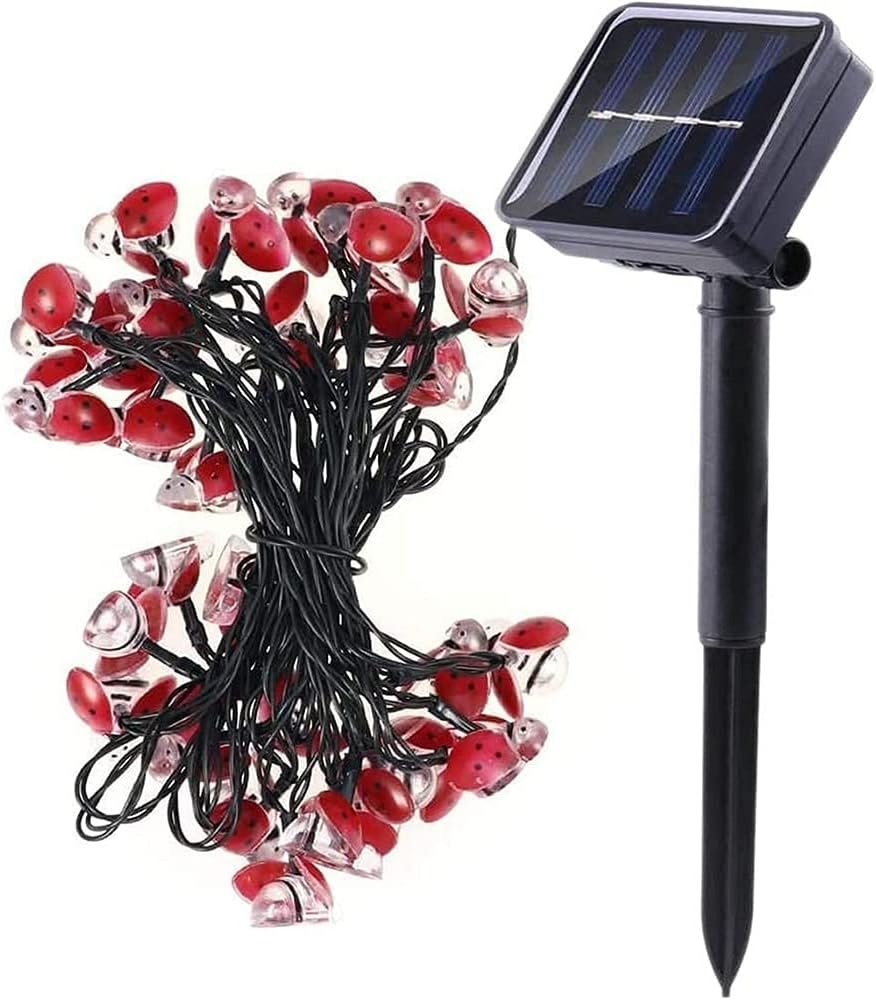
Patio string lights are common as gifts, and the difference between a good set and a disappointing one is mostly in the details. Look for a weather-resistant cord specified for outdoor use (indoor fairy lights are not designed to sit in rain), replaceable bulbs, and a cord long enough to span the actual distance with some slack. Measure before ordering. A string that ends two feet short of the post is a gift that gets returned.
Commercial-grade sets with sturdy sockets tend to last longer than thin decorative strands. If the gardener has no nearby outlet, a solar string or a set powered by a rechargeable battery pack avoids extension cords across the patio.
Best for: anyone with a seating area, pergola, or fence.
4. Lanterns for Flameless Candles
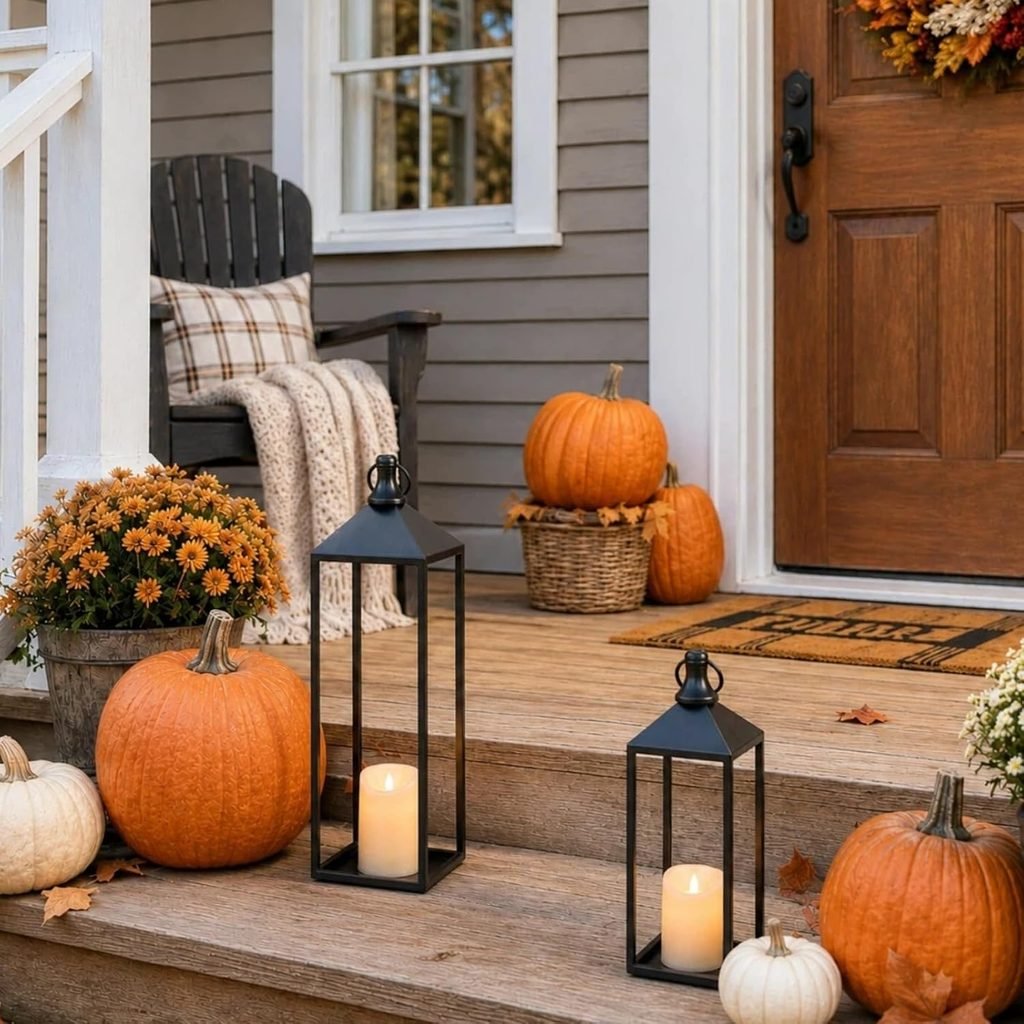
A lantern with a flameless LED candle is a gift that brings light without the fire risk of a real candle sitting near dry ornamental grasses or a wooden deck. Choose a metal or glass-and-metal lantern with a sealed or drainable base so rain does not pool inside. Timer-equipped candles switch on at dusk and off after a set number of hours, which means no one has to remember them.
Best for: someone who wants soft light on a table or porch without wiring.
Gifts for Feeding and Watching Birds
5. A Seed Feeder Built to Be Cleaned
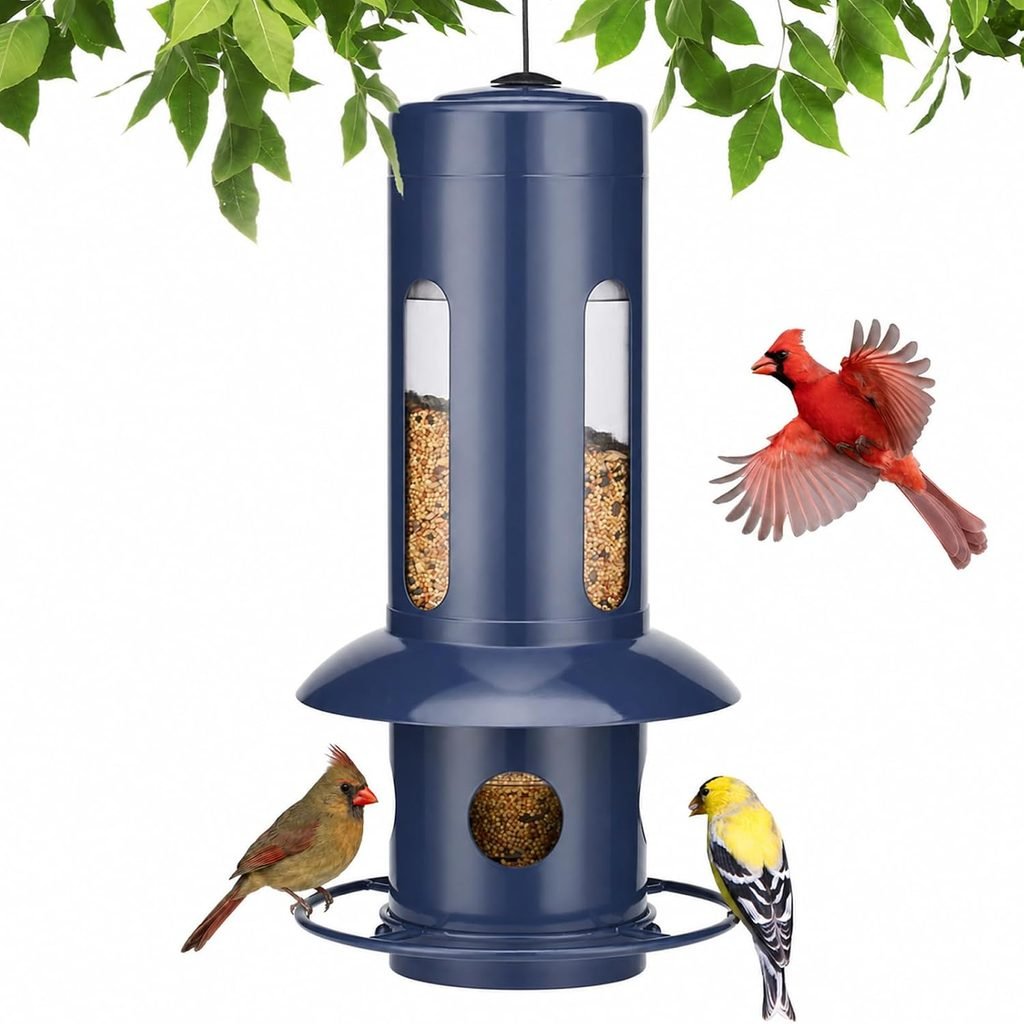
A feeder that cannot be taken apart is a feeder that will not be cleaned, and dirty feeders can spread disease among birds. Choose a design that opens fully or disassembles into a few parts, with a base that drains. Wildlife and bird conservation organizations generally advise cleaning feeders regularly with a diluted household disinfectant solution, then rinsing thoroughly and drying before refilling. Check a current guide from a recognized bird organization for the exact ratio and frequency, since recommendations are updated periodically.
Material matters too. Metal and hard plastic are easier to sanitize than untreated wood. Larger-capacity tube feeders reduce refilling but can be a problem if seed sits damp, so a smaller feeder that empties quickly is often better in wet climates.
Best for: a gardener who has a window or patio spot with a view.
6. Squirrel-Resistant Feeder or a Baffle
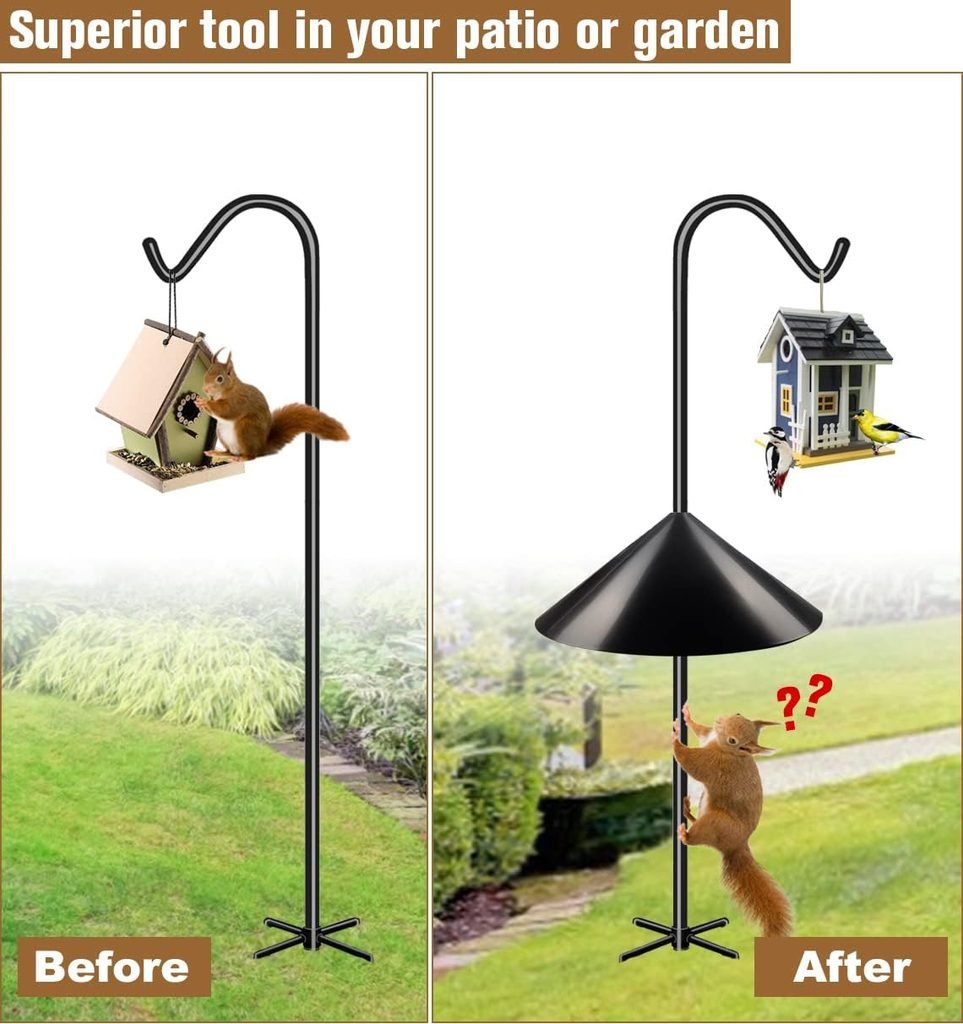
Squirrels are an entire category of gift decision. A weight-activated feeder closes the feeding ports when a heavier animal lands on it, letting birds feed while blocking squirrels. A baffle, which is a dome or cylinder mounted on the pole, blocks climbing from below. Neither approach is guaranteed to defeat a determined squirrel, and the placement matters as much as the hardware: a feeder near a fence, roof, or branch gives squirrels a jumping route no baffle can stop. As a rule of thumb, keep feeders well clear of anything a squirrel can launch from, and verify the manufacturer’s recommended distances.
Best for: someone whose current feeder gets emptied in a day.
7. A Heated or Winter-Friendly Bird Bath
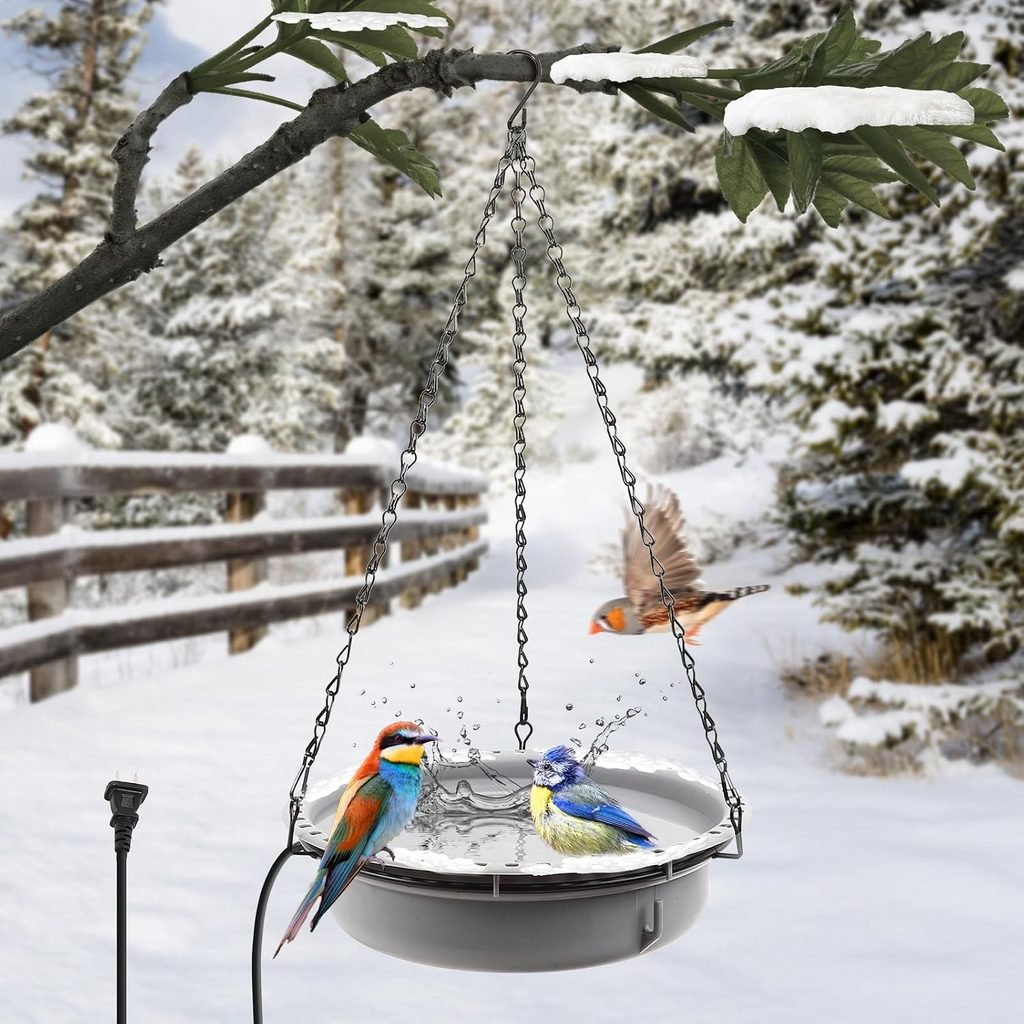
Birds need water in freezing weather when natural sources ice over. A heated bird bath, or a heater that fits an existing bath, gives them liquid water. Look for a product designed for the purpose, with a thermostat that switches on only near freezing, a grounded cord, and an outdoor rating. It will need an outlet nearby. A heater not designed for bird baths should not be improvised, because a damaged cord near water is a real electrical hazard.
Best for: gardeners in cold climates who already feed birds.
8. A Nest Box or Roost Box
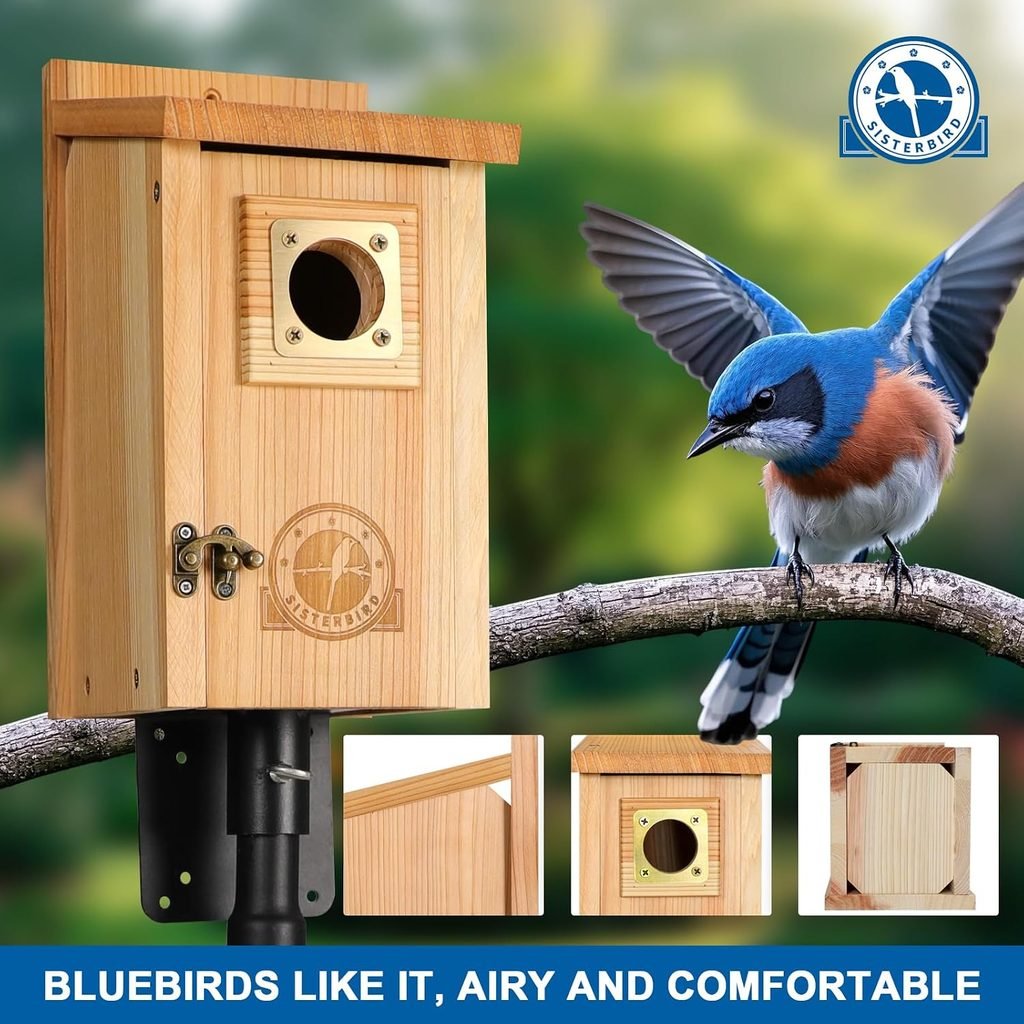
Small cavity-nesting species use nest boxes in spring, and some species also use them for shelter in winter. A gift given in December gives the gardener time to mount it before the season starts. The details determine whether birds use it: entrance hole size is specific to the species, and a box with the wrong hole size may attract the wrong tenants or none. Reputable bird organizations publish hole-size guidance by species. Choose a box with a removable panel for cleaning, ventilation, and drainage, and avoid boxes with a perch below the hole, which can help predators.
Best for: someone who enjoys wildlife and has a tree, post, or fence to mount it on.
Gifts for Planting and Growing
9. Large Frost-Resistant Planters
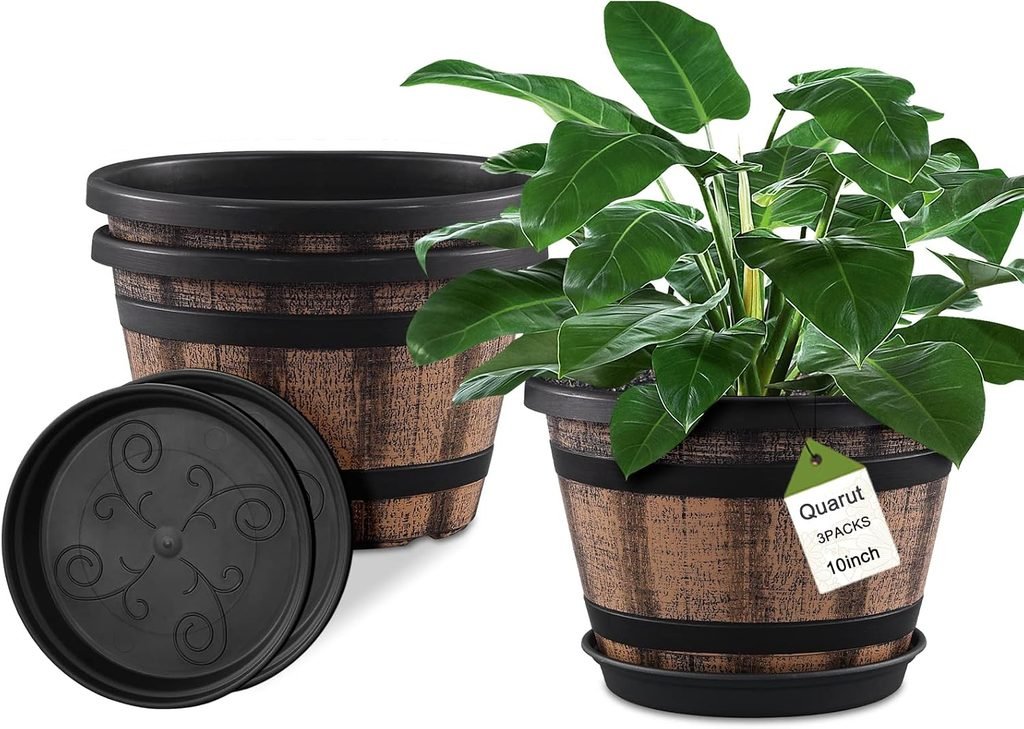
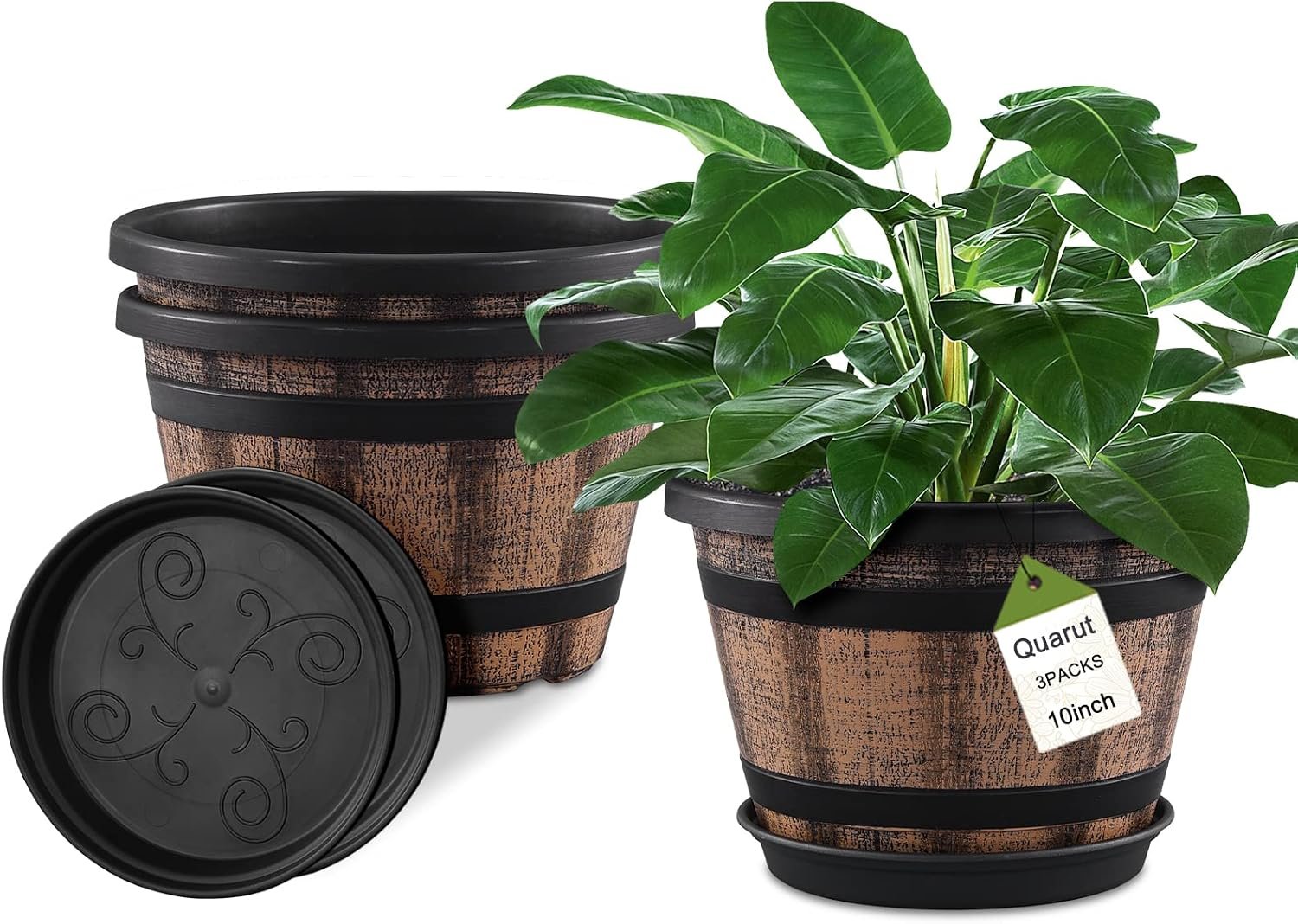
A planter that cracks in the first hard freeze is a poor gift. Materials differ. Untreated terracotta and some ceramics absorb water and can crack when it freezes. Fiberglass, resin, heavy-duty plastic, cast stone, and wood tend to survive freezing better, though quality within each category varies, so check the product description for frost-resistance claims and consider whether they are credible.
Size matters more than most gift buyers realize. Larger volumes of soil hold moisture more evenly, insulate roots better, and dry out more slowly in summer. A pot under about 12 inches across dries out quickly in warm weather, whereas a pot in the 18 to 24 inch range gives more forgiving conditions for shrubs, small trees, and mixed plantings. Drainage holes are essential. A decorative pot with no hole is a cachepot, meant to hold a plastic nursery pot inside, and it is only suitable if the recipient knows that.
Best for: patios, steps, and gardeners who like container plants.
10. Wheeled Plant Caddies
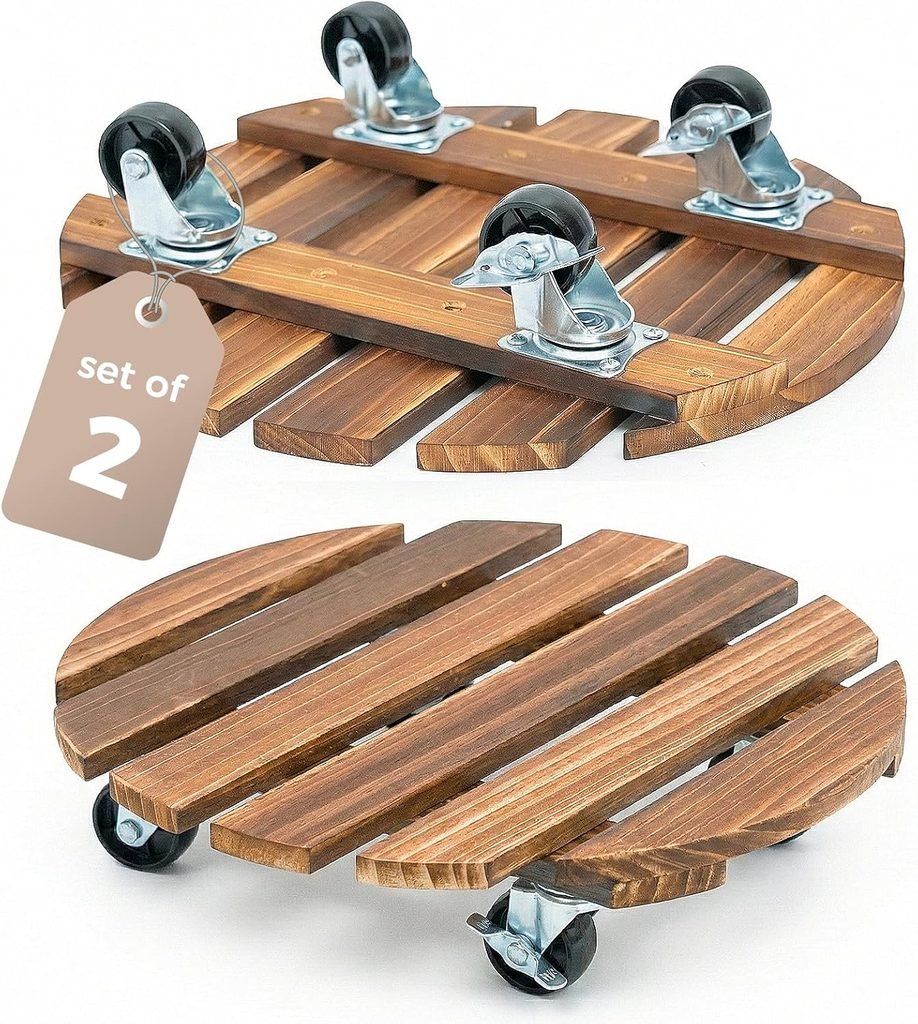
Heavy planters are hard to move, and the moment a gardener wants to shift one for winter protection, a caddy pays for itself. Look for a weight rating clearly higher than the pot filled with wet soil and plant. Wet soil is heavy, and an underrated caddy will collapse. Wheels with locks keep the pot from rolling on a slope.
Best for: gardeners with big pots, tender plants, or patios that need rearranging seasonally.
11. A Raised Garden Bed Kit
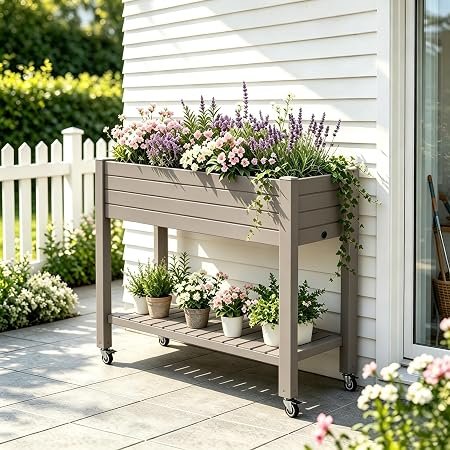
Raised beds are a large gift, but a well-chosen one solves real problems: poor native soil, drainage, or bending. A few points separate a good kit from a poor one.
Material: untreated cedar and similar naturally rot-resistant woods last longer than softwood, but they cost more. Composite and metal beds last a long time and do not rot. Avoid wood treated with older preservatives if the bed will hold edibles, and check the manufacturer’s statement on the treatment used.
Depth: 10 to 12 inches suits many vegetables and flowers, whereas shallow beds limit root crops. Taller beds are kinder to backs and knees.
Assembly: a kit with clear joints and no special tools will not frustrate the person building it. Also check dimensions. A bed too wide to reach the middle from either side leads to stepping into the soil and compacting it, so widths of about four feet or under are typical guidance.
The soil to fill it is a separate expense. If the gift is the bed alone, it helps to say so, or to pair it with a bulk soil delivery or a gift card for one.
Best for: someone who has talked about starting vegetables or improving a problem area.
12. Raised Bed Accessories
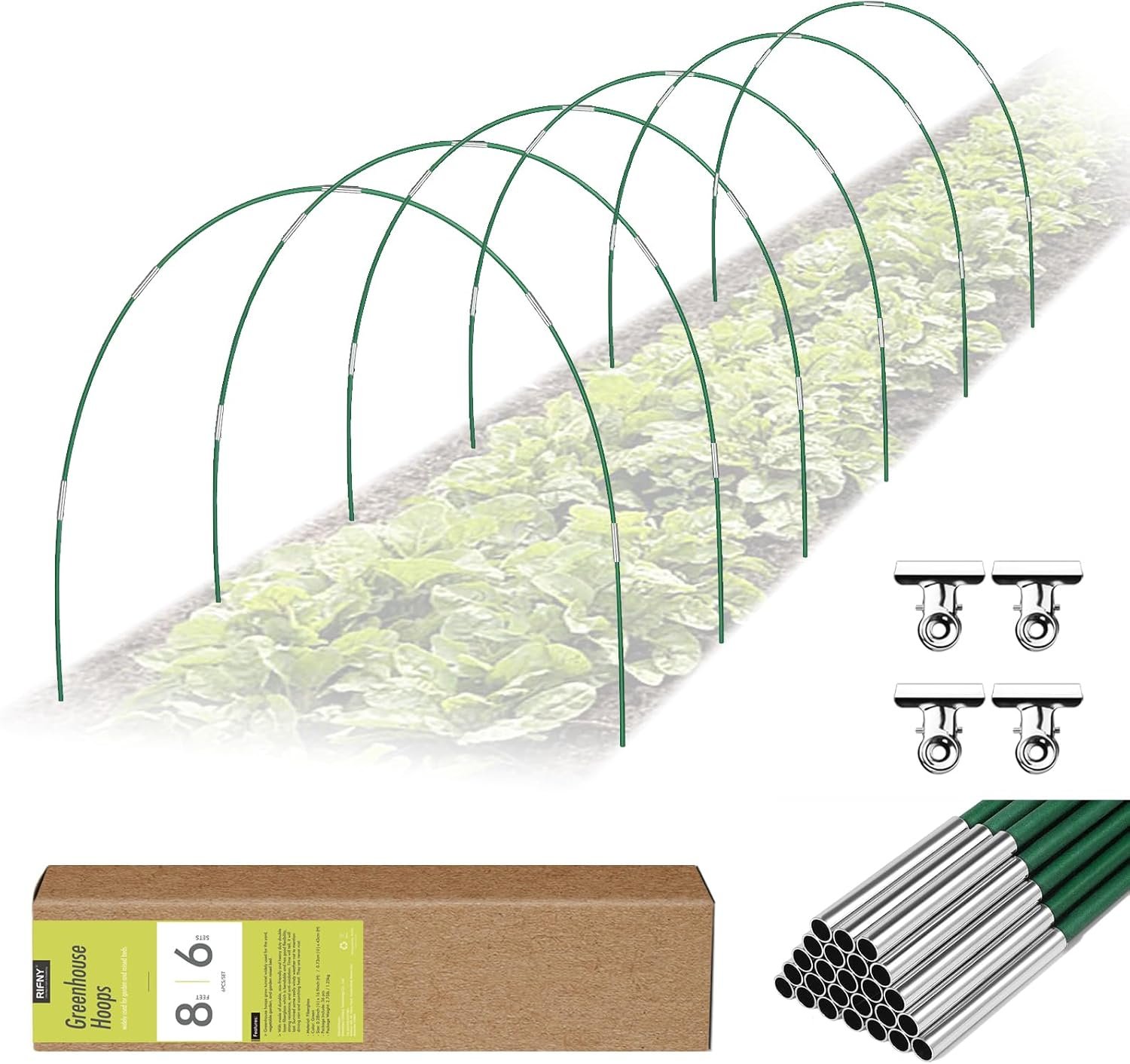
If the gardener already has beds, accessories are a gift that fits. Options include hoop kits for supporting row cover or netting (useful for extending the season or blocking pests), corner connectors, trellis brackets, and irrigation kits. Row cover fabric comes in different weights, with lighter fabrics for insect protection and heavier ones for frost protection, so check which is intended. Cold-climate gardeners tend to value season-extension gear.
Best for: gardeners with existing beds who want to grow longer into the year.
Gifts for Tools and Their Storage
13. A Wall-Mounted Tool Rack or Storage Rail
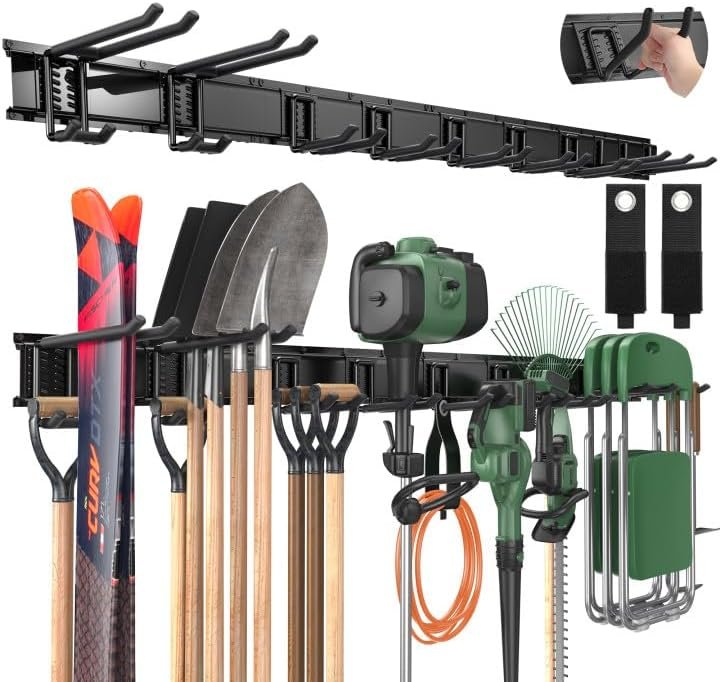
Long-handled tools such as rakes, shovels, and hoes tend to lean in a corner and fall. A wall-mounted rail with hooks or a rack with slots gets them off the floor, keeps blades from getting damaged, and makes it obvious when something is missing. Choose a system that mounts to studs or a suitable wall, and check its weight rating against the heaviest tool. A rail that pulls out of drywall is worse than no rail.
If the gardener has no shed wall available, a freestanding tool tower or a wall unit inside a garage can work. Ask what the tools currently lean against.
Best for: cluttered sheds and garages.
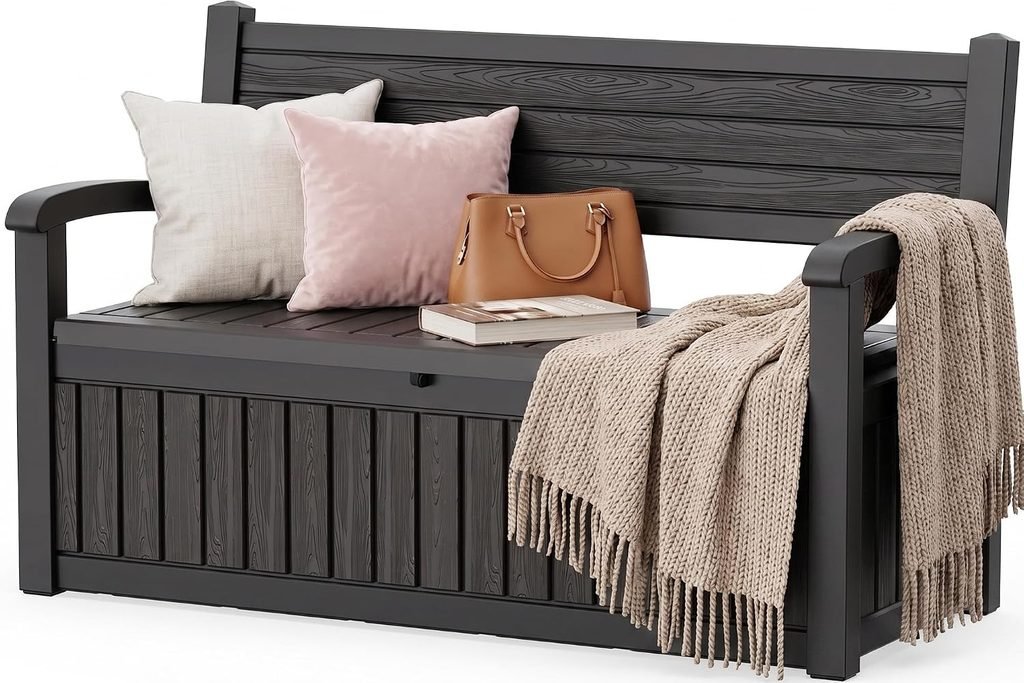
14. A Weatherproof Deck Box or Storage Bench
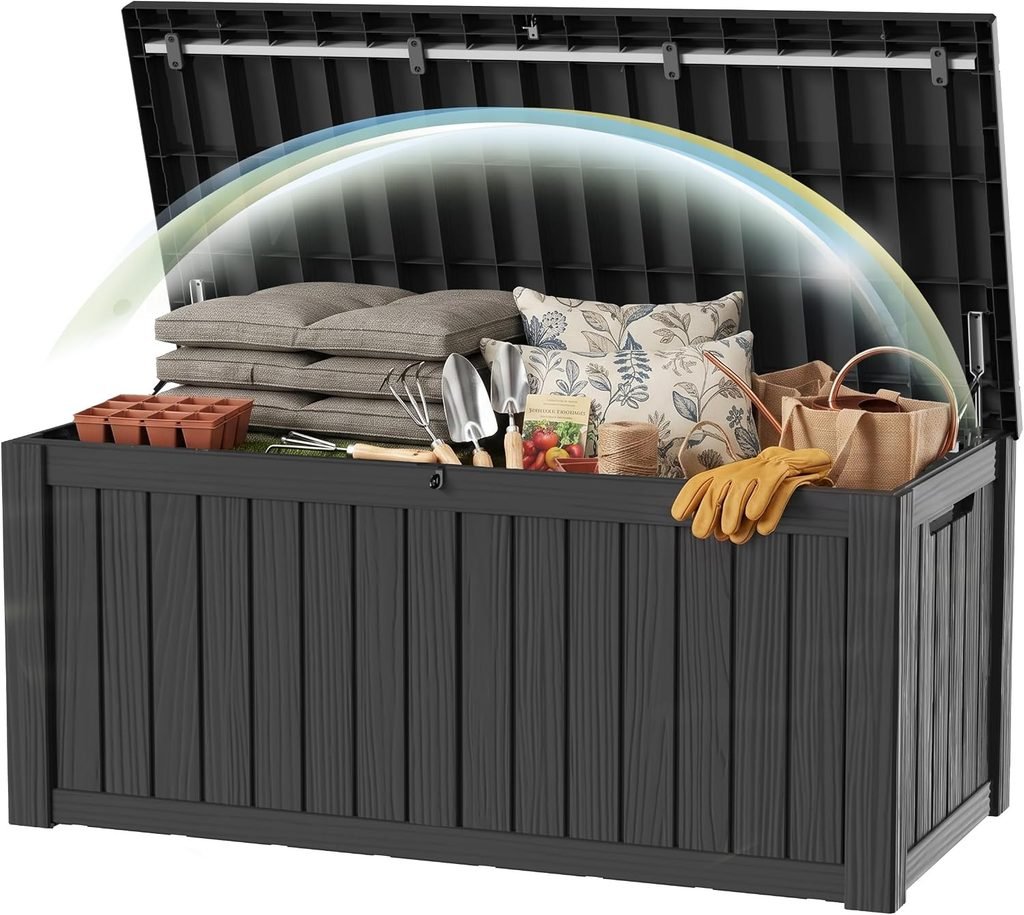
Cushions, small tools, hose fittings, watering cans, and fertilizer bags all need a dry place close to where they are used. A deck box or bench provides that without a shed. Look for a lid that seals, ventilation to reduce mildew, and a weight capacity if it will double as seating. Resin boxes handle rain well, though cheaper ones can fade or warp in strong sun, and wood needs periodic sealing.
A note on what to store: do not keep pesticides, fuel, or other hazardous chemicals in a bench or box near a seating area where children or pets may open it. Those belong in a secured, ventilated, locked spot, following the label.
Best for: patio owners whose stuff lives on the ground.
15. A Garden Kneeler and Seat
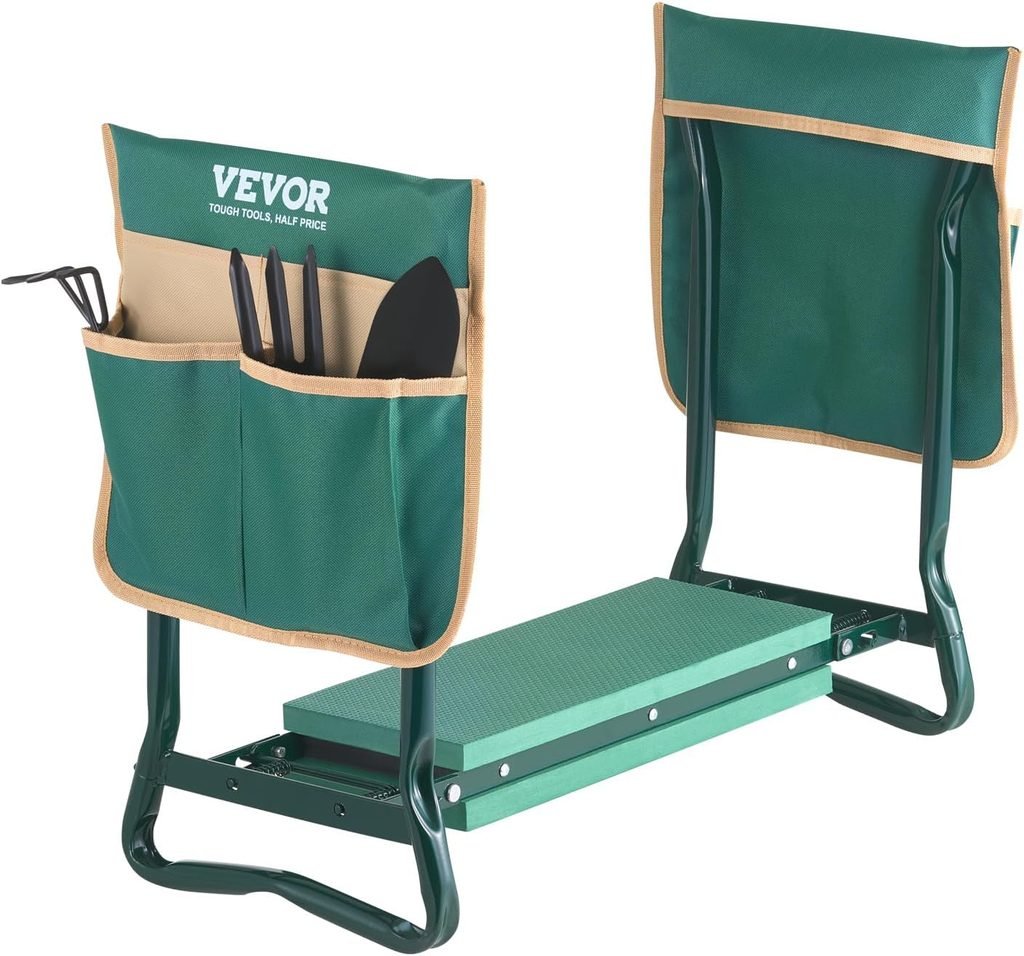
A kneeler with handles doubles as a seat when flipped, and it helps anyone with sore knees or a stiff back. Check the weight rating and the stability of the legs on uneven ground. Padded foam should be closed-cell so it does not soak up water.
Best for: gardeners who spend long stretches weeding or planting.
16. A Quality Hori-Hori Knife or Digging Tool
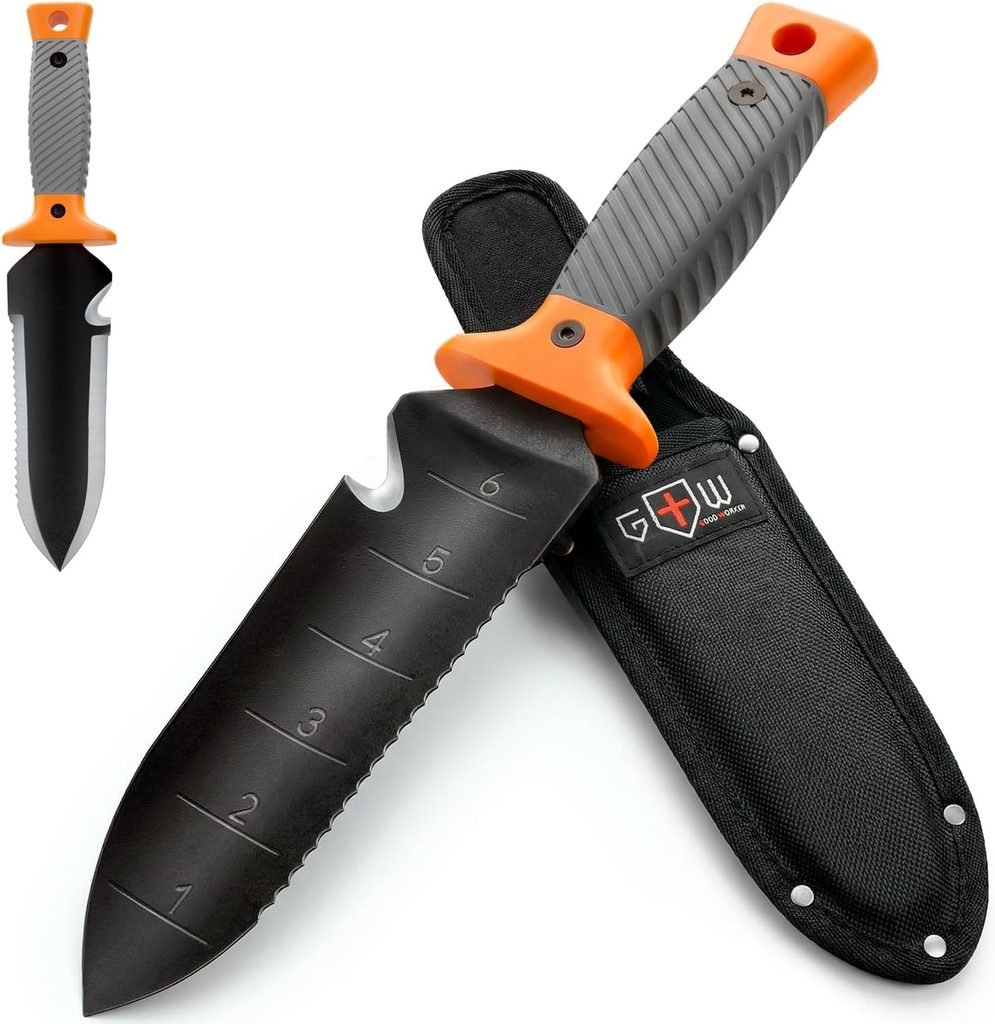
A hori-hori is a Japanese-style digging knife with a sharpened, serrated, concave blade. It is used for planting bulbs, dividing perennials, cutting through roots, and prying out weeds. It is a tool many gardeners come to rely on once they have one, though preferences differ. A stainless steel blade resists rust, while carbon steel holds an edge but needs oiling. A sheath is a sensible accessory, as the blade is sharp.
Best for: gardeners who already own the basics and want a versatile tool.
17. A Long-Handled Weeding Tool
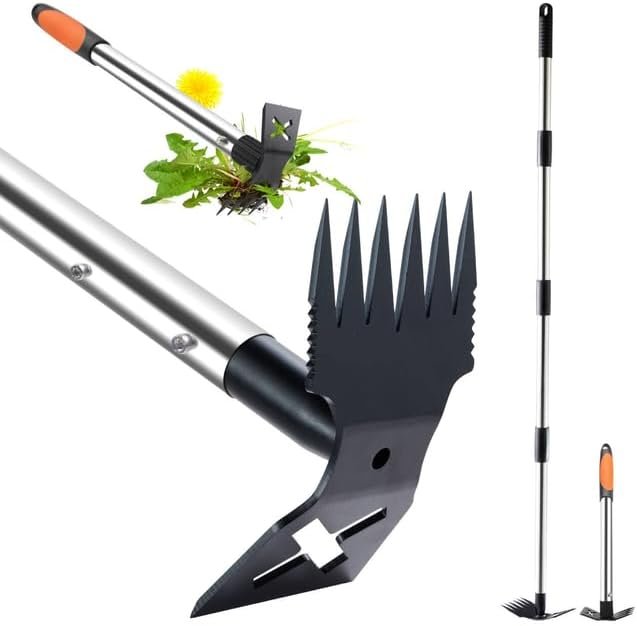
Long-handled weeders such as a stand-up weeder let a person remove taproot weeds without kneeling. Taproots, like dandelion, can regenerate if a portion of the root remains, so a tool that reaches deep and lifts the whole root is more useful than one that snips the top. In soft, damp soil, hand pulling is often quicker. In compacted or dry soil, a weeding tool helps. Look for a sturdy shaft and a foot step to drive the tool.
Best for: lawn owners and anyone with weeds in paths and borders.
Gifts for the Look and Feel of the Yard
18. Stepping Stones or a Path Kit
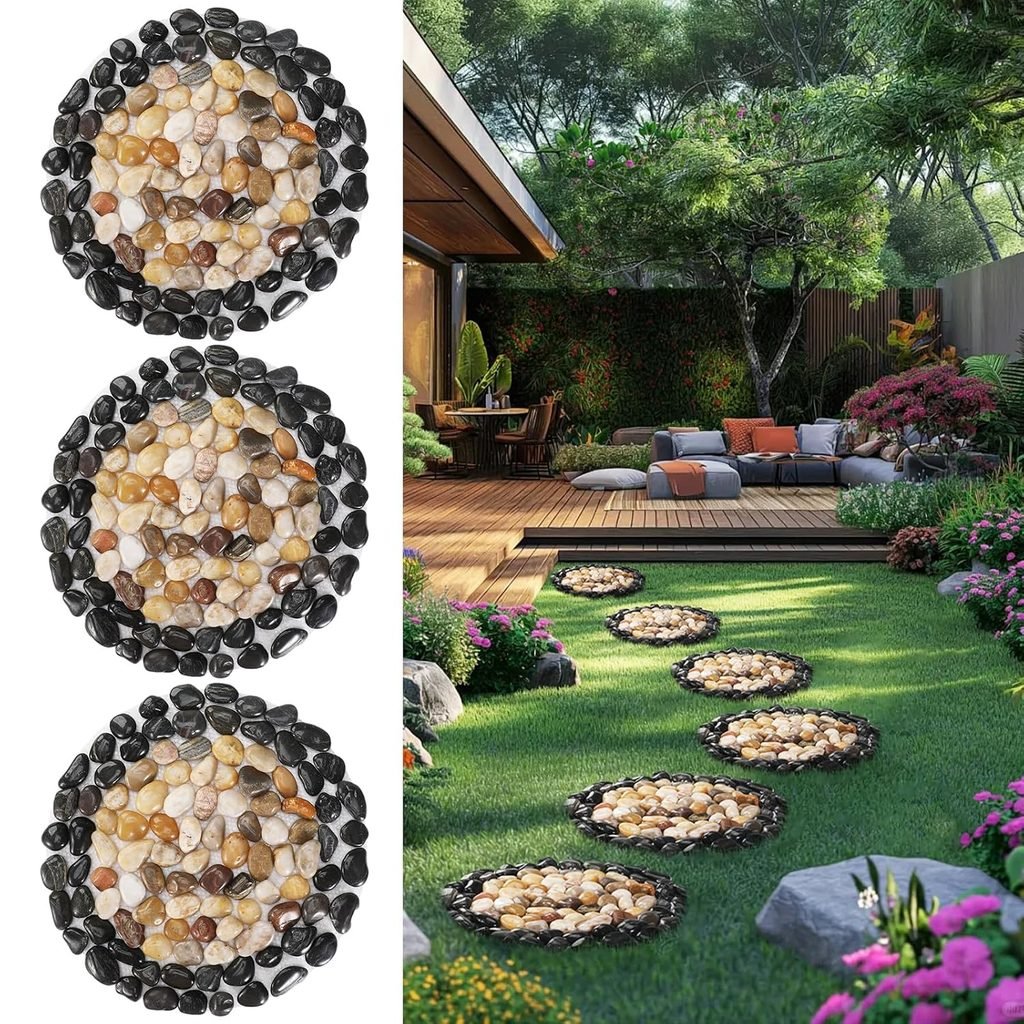
A worn track across a lawn is a design problem waiting to be solved. Stepping stones, either purchased or made from a mold kit, give a route and protect grass. Concrete mold kits are a hands-on gift, but they require mixing and curing time, and that is a project for spring or a heated garage rather than a freezing December. For a ready-made option, choose stones thick enough to bear weight and with a textured surface, since smooth stone gets slippery when wet or icy.
Setting the stones properly matters more than the stones. They need to sit level on a compacted base, such as a bed of sand or fine gravel, or they will rock and tilt. Include a note about that, or pair the stones with a tamper or a small bag of paver base.
Best for: yards with worn desire paths or muddy walkways.
19. Garden Decor With a Purpose

Garden decor gifts work when they add something practical or last outdoors. A weather-resistant sundial, a rain gauge, a thermometer, a wind chime, or a sculptural trellis all earn a place. Rain gauges are especially useful for gardeners who want to track how much water their plants actually get. Metal and stone decor holds up through winter better than painted wood or thin plastic, and plain finishes are safer bets than an item that might clash with someone’s taste. Ask what colors and materials the yard already uses.
A gift that is purely decorative works if it matches the recipient’s style. If in doubt, pick something functional with an attractive form.
Best for: gardeners who like their yard to feel finished.
20. Outdoor Seating Accessories
A good outdoor cushion, a weatherproof throw, or a patio umbrella makes the yard more comfortable, so the gardener sits in it and enjoys it. For cushions, look for solution-dyed acrylic or similar outdoor-rated fabrics that resist fading, plus quick-drying fill. Cover sets and furniture covers extend the life of existing chairs through winter. A small side table for drinks and tools is another useful add-on. Measure existing furniture before buying, since cushions and covers are sold in specific sizes.
Best for: someone with a patio set that has seen better days.
Which Gift to Pick If the Budget Is Limited
Not every gift has to be large. For a small budget, storage hooks, a rain gauge, a good digging knife, or a set of quality plant markers are useful and easy to fit into a stocking. Mid-range gifts include a feeder with a squirrel baffle, a kneeler, a set of string lights, or a frost-hardy planter. Larger gifts are raised beds, lighting kits, or a deck box, and a group of family members can go in on those together.
Gifts That Often Disappoint
A few categories cause more returns than they should.
Large decor items chosen without knowing the yard’s style. Cheap solar lights that fade within weeks. Planters without drainage. Tools that look pretty but bend under pressure (a decorative “gift set” of small tools often has thin metal). Anything that needs to fit existing dimensions, such as covers or cushions, purchased without measuring.
When in doubt, ask a household member what the yard is missing, or give a gift receipt.
A Few Questions Worth Asking Before Buying
Does the gardener have power outside? That decides whether heated bird baths, low-voltage lighting, and plug-in string lights are practical.
Is the gift for now or spring? A feeder or lighting gets used immediately. A raised bed kit will wait.
Is there somewhere to put it? Large gifts need space and, sometimes, a helper for assembly.
Wrapping Up
If you can only choose one, pick something that solves a problem the gardener already has. A dark path gets lit. A leaning pile of tools gets a rail. A patio that isn’t used gets cushions and a way to stay warm. The best garden gifts tend to be practical ones that quietly get used every week.

About Syprose Kiche
Syprose Kiche is the creator and writer behind My Besuited Home, a practical home and garden website covering DIY projects, gardening, lawn care, landscaping, home improvement, and outdoor living. She focuses on turning everyday homeowner questions into clear, practical guides backed by careful research and useful real-world considerations.