
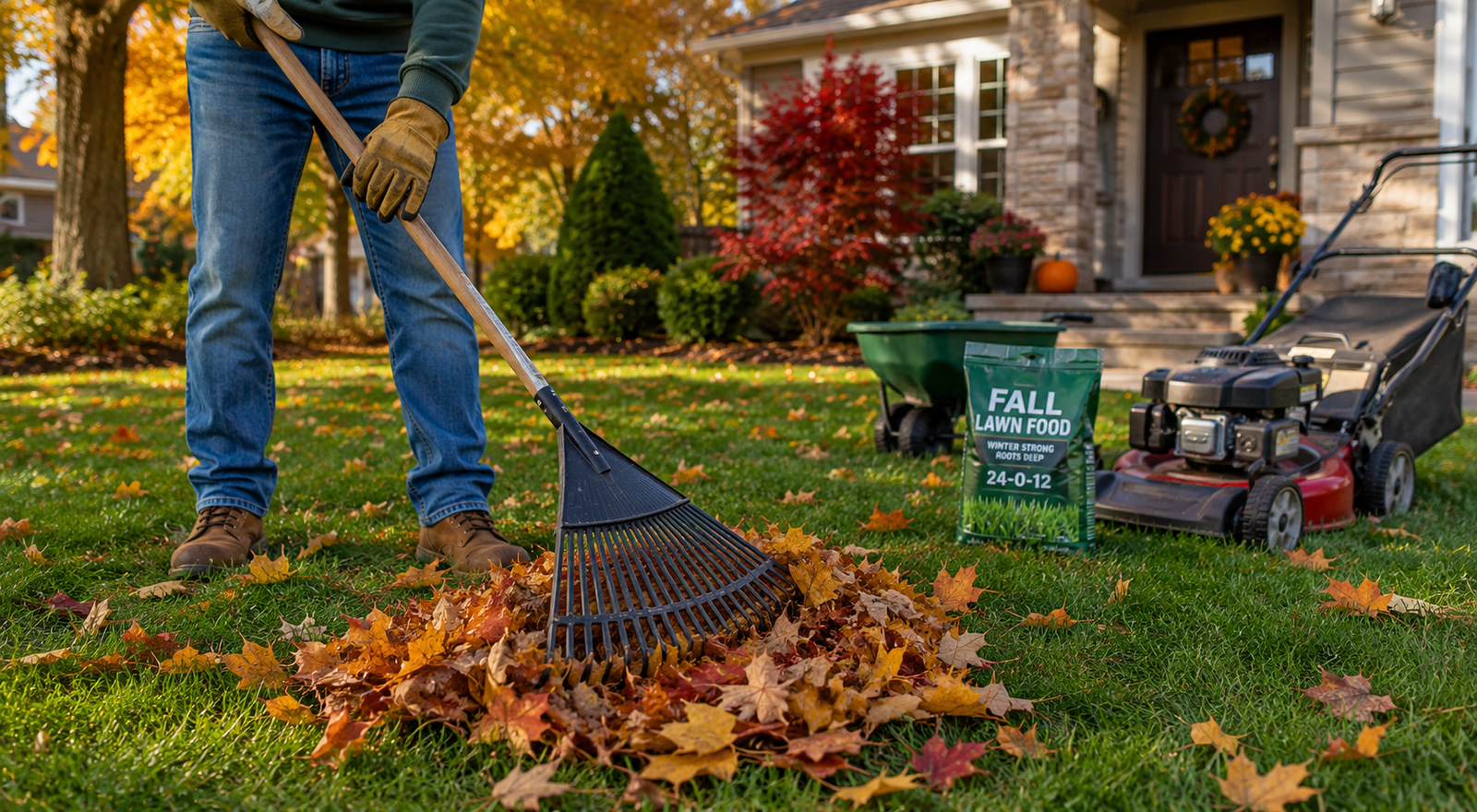
Your lawn looks fine right now. That’s the problem.
October grass is deceptive. It’s green, it’s calm, and it lulls you into thinking you can skip a few chores until spring. Meanwhile, weed seeds are settling into the soil like tiny landmines, just waiting for the first warm week in March to detonate. By the time you notice the dandelions, the crabgrass, and that weird clover patch by the mailbox, it’s too late to do anything but fight a losing battle all summer.
I’ve watched this exact scenario play out in more yards than I can count, including my own front lawn back in 2016, when I got lazy about fall cleanup because I figured “it’s just a few leaves.” Six months later I had a spring lawn that looked like a science experiment gone wrong.
The good news: almost every one of these mistakes is fixable. You don’t need a truckload of chemicals or a landscaping degree. You just need to know what fall lawn care actually does for weed prevention, and where most homeowners quietly mess it up.
Mowing Too Short (Or Not Mowing At All) Before Winter
This is the mistake I see most often, and it goes both ways. Some folks scalp the lawn one last time in October thinking they’re “getting ahead” of spring growth. Others just stop mowing entirely once the weather cools, letting the grass grow shaggy and flop over.
Both approaches backfire. Grass that’s cut too short going into winter has less leaf surface to photosynthesize and store energy for the cold months. A weak, energy-starved lawn can’t compete with opportunistic weeds like chickweed and henbit, which germinate in fall and just sit there quietly building root systems until spring. Your grass, meanwhile, is starting from behind.
On the flip side, grass left too long mats down under snow and ice, creating damp, matted patches that are perfect breeding grounds for fungal issues and, ironically, more bare soil for weed seeds to colonize once things thaw.
The sweet spot is mowing your lawn down gradually to about 2 to 2.5 inches by your last cut of the season, not in one aggressive chop. I usually take it down in two mows spaced a week apart. That height lets light reach the crown of the grass without leaving it exposed and stressed. It’s a small adjustment that makes a genuinely noticeable difference by April.
Quick side note: sharpen your mower blade before this last cut. A dull blade tears grass instead of slicing it, and torn grass tips turn brown and invite disease, which just creates more thin spots for weeds to move into.
Skipping Fall Fertilization Because “The Season Is Over”
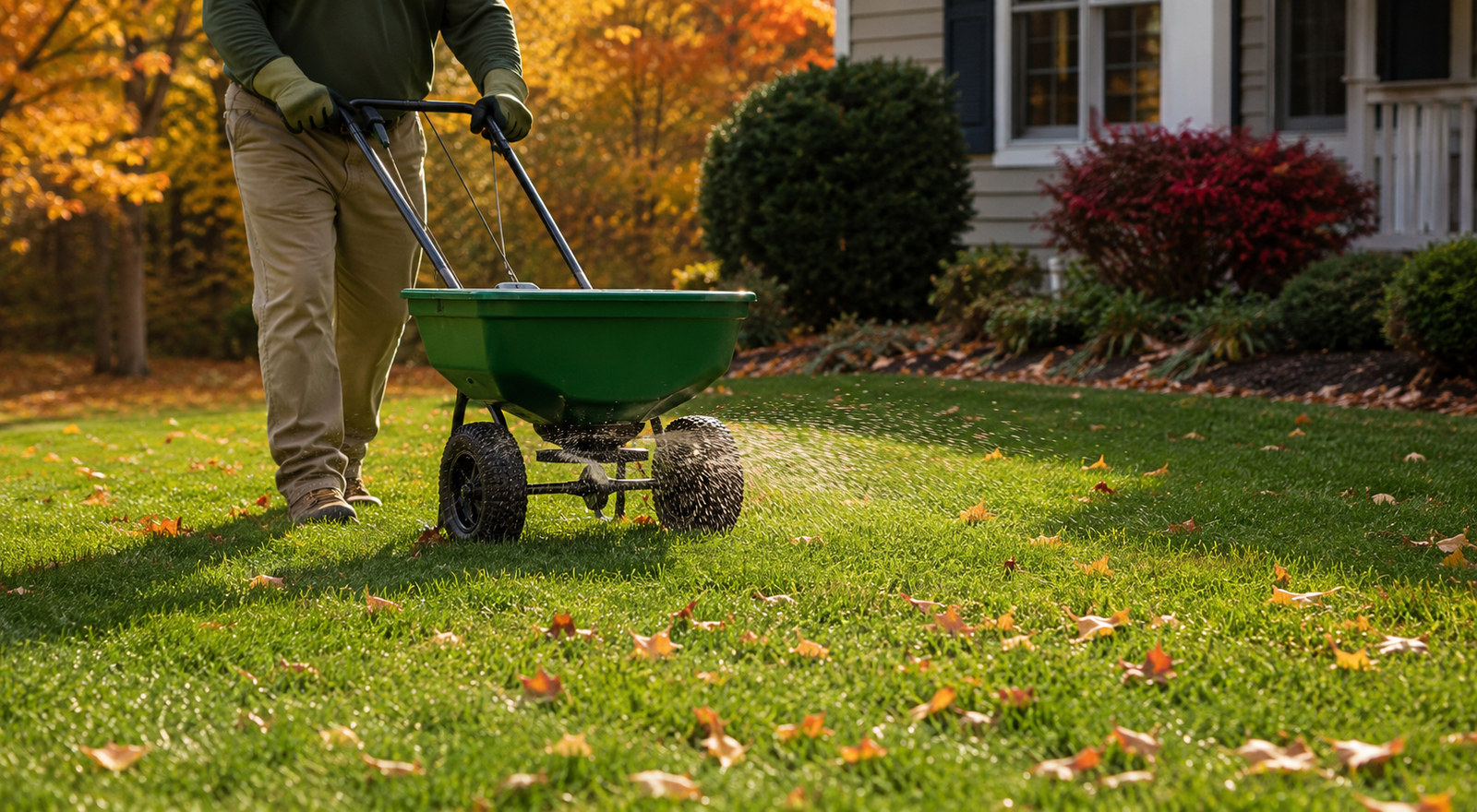
I get why people think this way. Fertilizing in fall feels backwards, like watering a plant right before you put it in storage. But fall is honestly the most important feeding window of the year, more important than anything you’d do in spring.
Grass roots keep growing even after the blades stop, as long as soil temps stay above roughly 40°F. A fall application of fertilizer, especially one higher in potassium and phosphorus, pushes energy into root development instead of leaf growth. That means your lawn wakes up in spring with a dense, established root system that physically crowds out weed seedlings before they get a foothold.
Skip this step and your lawn wakes up thin and patchy. Thin turf equals bare soil, and bare soil is basically a welcome mat for crabgrass, dandelions, and whatever else is drifting around on the wind. Weeds don’t need much of an opening. A few inches of exposed dirt is plenty.
I fertilize my own lawn twice in fall now, once in early September and again about six weeks later, closer to the first frost. That second application is the one most people skip, and it’s the one that matters most for root strength going into winter. If you only have time for one round, do the later one.
Ignoring Fallen Leaves Until They’re Impossible to Rake
A thin scattering of leaves isn’t a big deal. A thick, wet, matted layer sitting on your grass for weeks is a completely different story, and this is where I’ve made my own mistakes.
Leaves left too long block sunlight from reaching the grass underneath. Without light, the grass underneath weakens and thins out, sometimes dying completely in patches. Those bare patches don’t stay bare for long. Weed seeds are opportunists, and a shady, damp, leaf-covered patch of dead grass is exactly the microclimate certain weeds prefer for winter germination.
There’s also a moisture problem. Wet leaf piles trap humidity against the soil surface, which encourages fungal disease and creates soft, disturbed soil that’s easier for weed roots to establish in compared to dense, healthy turf.
You don’t need to rake every single leaf the day it falls. I check my lawn every 7 to 10 days through October and November and clear things off before any one area gets buried. A mulching mower actually works great for light leaf coverage. It shreds the leaves into small pieces that break down and feed the soil instead of smothering it. Save the rake for the days after a big wind or a heavy leaf drop, when the layer gets too thick for mulching to handle.
Forgetting to Overseed Bare and Thin Spots
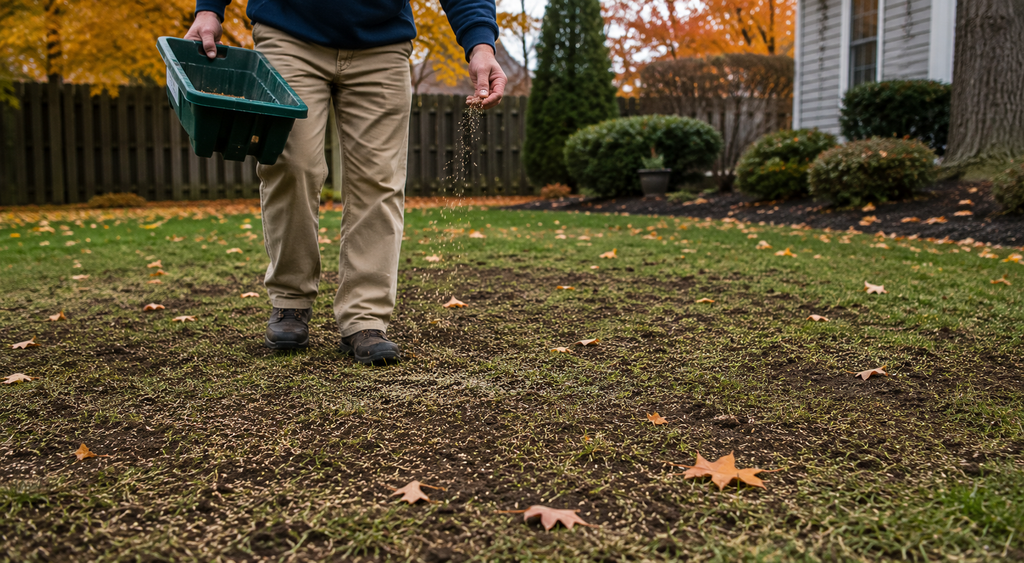
Nature abhors a vacuum, and your lawn is no exception. Every bare patch, whether from summer heat stress, foot traffic, or that one spot where the dog does his business, is an invitation for weeds to move in before your grass gets the chance.
Fall is the best time of year to overseed, hands down. Soil is still warm from summer, air temperatures are cooler and less stressful on new seedlings, and there’s typically more consistent rainfall than in the dry heat of summer. Grass seed planted in September or early October has weeks to germinate and establish some root depth before winter dormancy sets in.
Skip overseeding and those bare patches sit exposed all winter. Come spring, weed seeds that blew in or were already lying dormant in the soil get first dibs on that open real estate, because they often germinate earlier and faster than grass does. By the time your lawn tries to fill in naturally, the weeds already have a head start.
- Rake the bare area to loosen the top layer of soil.
- Spread grass seed at the rate recommended for your specific grass type.
- Lightly rake again to press seed into contact with soil.
- Water daily, just enough to keep the top inch of soil damp, for about two weeks.
- Hold off mowing until the new grass reaches around 3 inches tall.
I overseed every fall now without fail, and it’s cut my spring dandelion population by more than half in the beds where I’ve been consistent about it.
Applying Pre-Emergent Herbicide at the Wrong Time (Or Not at All)
This one trips up a lot of otherwise careful homeowners. Pre-emergent herbicide works by forming a chemical barrier in the soil that stops weed seeds from germinating. The catch is that timing is everything, and most people either apply it too late or skip fall application entirely because they only think about pre-emergent in spring.
Certain weeds, like annual bluegrass and some types of chickweed and henbit, actually germinate in fall, not spring. If your only pre-emergent application happens in March, you’ve already missed the window for these particular weeds. They spent the winter growing quietly beneath the surface and show up looking established the moment the weather warms.
Soil temperature is your trigger here, not the calendar date. You want to apply fall pre-emergent when soil temps consistently drop to around 55 to 60°F, which in most regions lands somewhere between mid-September and mid-October. A cheap soil thermometer from the hardware store takes the guesswork out of it completely.
I’ll be honest, I used to just guess based on when it “felt like fall,” and I got burned more than once by applying too late. Now I actually check soil temp with a $12 thermometer before I touch the spreader. It’s a small habit that’s saved me a lot of spring frustration.
Watering on the Wrong Schedule as Temperatures Drop
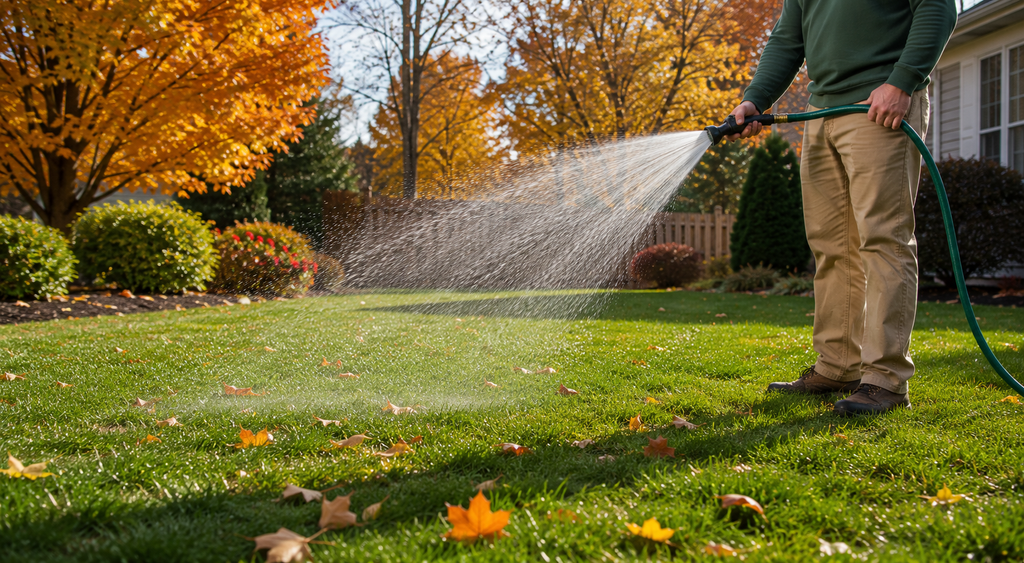
Most people either stop watering completely the moment it gets cool, or they keep watering on the same summer schedule out of habit. Both create problems, just different ones.
Cutting water off too early stresses your lawn right when it needs energy for root growth, weakening it heading into winter. A stressed lawn thins out, and again, thin turf means open soil for weeds. Overwatering into fall, on the other hand, keeps the soil consistently damp, which is exactly the condition many winter annual weeds need to germinate successfully.
The better approach is to taper gradually. Reduce frequency but keep watering deeply, about 1 inch per week including rainfall, until the ground starts to freeze in your area. This keeps roots active without creating the soggy conditions weeds love.
Letting Soil pH Drift Out of Balance
Nobody thinks about soil pH until something goes wrong, and by then it’s usually already shaping which plants thrive in your yard. Grass has a pretty narrow comfort zone, generally between 6.0 and 7.0 on the pH scale. Outside that range, your lawn struggles to absorb nutrients even if you’re fertilizing correctly, which sounds strange but makes sense once you understand how nutrient uptake works at the root level.
Here’s where it gets relevant to weeds specifically. A lot of common lawn weeds are far less picky about soil pH than turfgrass is. Clover, plantain, and moss all tolerate acidic soil that would leave your grass thin and yellow. So when your lawn’s pH drifts too low, which happens naturally over years in a lot of regions due to rainfall and fertilizer runoff, you’re not creating a neutral empty space. You’re creating a space that actively favors weeds over grass.
Fall is a smart time to test your soil, since you’ve got months before spring growth to correct any imbalance. A basic soil test kit from a garden center runs about ten dollars, or you can send a sample to your local extension office for a more detailed breakdown, usually for under twenty-five dollars including nutrient levels.
If your test comes back acidic, which is common in regions with heavy rainfall, applying lime in fall gives it plenty of time to work into the soil before spring. Applying too much at once can shock your lawn, so I split it into two applications about a month apart rather than dumping it all down in one pass. If your soil runs alkaline instead, which is less common but does happen, especially near concrete foundations and walkways, elemental sulfur is the typical fix, though it works more slowly than lime does.
I skipped soil testing for years because it felt like an extra chore on top of everything else. Once I finally tested mine and found it running acidic from years of guessing on fertilizer, the clover problem in my back corner made a lot more sense. Fixed the pH, and the clover thinned out dramatically the following season without me touching a single herbicide.
Neglecting Edges, Beds, and Border Areas
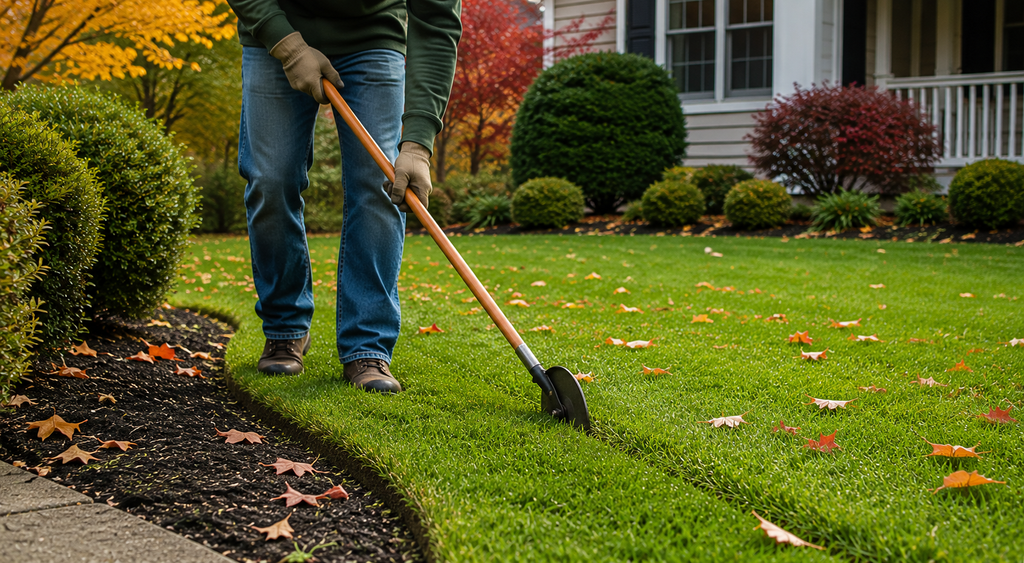
Most fall lawn care advice focuses entirely on the open turf and completely ignores the edges, but that’s exactly where a huge percentage of weed problems actually start. Garden beds, fence lines, sidewalk cracks, and the border where your lawn meets a driveway are all prime real estate for weed seeds to establish themselves before spreading inward.
Weeds along borders get a head start for a few reasons. These areas often get less consistent mowing, less fertilizer coverage from a rotary spreader, and more disturbed soil from digging, edging, or foot traffic. All of that adds up to weaker grass and looser soil right along the perimeter, which is precisely the combination weeds need to move in.
The fix here doesn’t take much extra time if you fold it into your existing routine. When you’re doing your fall cleanup, take an extra ten minutes to hand-pull any visible weeds along borders before they go to seed. A single mature dandelion can drop over ten thousand seeds, and those seeds don’t respect property lines. If it seeded near your fence in October, expect it scattered across your whole lawn by April.
Edging your lawn borders in fall, cutting a clean vertical line between turf and bed with a spade or edging tool, also helps physically block weeds and grass runners from crossing into areas they shouldn’t be. It’s a small cosmetic step that does double duty as a weed barrier.
The “Real Talk” Section: What’s Not Worth Your Time
Not everything you’ll read about fall lawn care is worth the effort, and I want to be straight with you about a few things.
Fall aeration sounds great on paper, and for compacted clay soil it genuinely helps. But if your lawn isn’t compacted (you can test this by seeing how easily a screwdriver pushes into damp soil), you’re spending money and effort on a step your lawn doesn’t actually need. I’ve found that aerating every single year regardless of soil condition is a total waste of money, even if the landscaping companies push it hard every October.
Also, don’t bother with those “weed and feed” combo products in fall if you’re also overseeding. The herbicide component doesn’t know the difference between a weed seed and the grass seed you just paid for. You’ll kill your new lawn before it has a chance to grow. Pick one or the other for that section of yard, not both at the same time.
And I’ll say it plainly: raking every single leaf off your lawn the day it falls is overkill. You’ll burn a weekend for basically no extra benefit over checking every week or so. Save your energy for the tasks that actually move the needle, like overseeding and the second fertilizer application.
One more thing that can go wrong even if you do everything right: weather. A warm, wet fall followed by a mild winter creates near-perfect germination conditions for winter annual weeds no matter how careful you were. You can’t control the weather, so don’t beat yourself up if you did all the right steps and still see a few weeds pop up. Fewer weeds, not zero weeds, is a realistic goal.
Parting Wisdom
Fall lawn care isn’t glamorous. Nobody’s out there admiring your lawn in November the way they will in June. But the boring, unglamorous work you do right now, mowing at the right height, feeding the roots, clearing leaves, overseeding bare spots, and timing that pre-emergent correctly, is what determines whether you spend your spring enjoying your yard or on your knees pulling weeds out of it.
Pick two or three of these fixes if you can’t do them all this year. Even partial effort beats none.
What’s the one fall lawn task you always seem to put off? Drop it in the comments below. I’d genuinely like to know if I’m the only one who used to skip the second fertilizer round.

About Syprose Kiche
Syprose Kiche is the creator and writer behind My Besuited Home, a practical home and garden website covering DIY projects, gardening, lawn care, landscaping, home improvement, and outdoor living. She focuses on turning everyday homeowner questions into clear, practical guides backed by careful research and useful real-world considerations.