
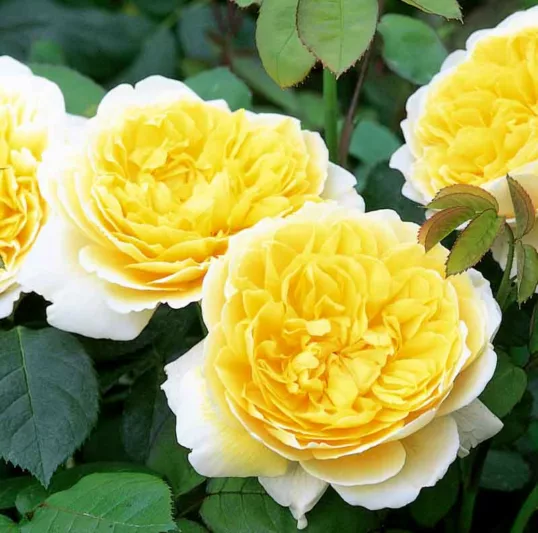
You want yellow roses in your garden, but every nursery tag just says “yellow rose” like that tells you anything useful. I get it. Yellow roses aren’t one flower — they’re dozens of different personalities, from butter-soft antique blooms to yellow so loud it practically hums.
I’ve planted more yellow roses than I can count on both hands, and I’ve killed a fair share of them too. Some varieties sailed through drought and black spot season without a complaint. Others sulked, dropped leaves, and made me question my life choices. This list is the good, the tough, and the genuinely gorgeous — plus what each color and variety actually symbolizes, since yellow roses carry meaning way beyond “happy birthday, Grandma.”
Grab a coffee. Let’s get into the roses actually worth your garden space.
What Do Yellow Roses Symbolize in the First Place?
Before we get to the varieties, here’s the quick backstory. Yellow roses symbolize friendship, joy, and new beginnings. In the Victorian era, though, a yellow rose could mean jealousy or a fading love — so if you’re gifting one to your Victorian pen pal, maybe stick to a card instead.
Modern florists have mostly rewritten that old meaning. Today, a bouquet of yellow roses says “I appreciate you” more than anything romantic. That’s exactly why they work so well planted near a porch, a mailbox, or anywhere friends and neighbors will actually see them.
1. Julia Child (Floribunda)
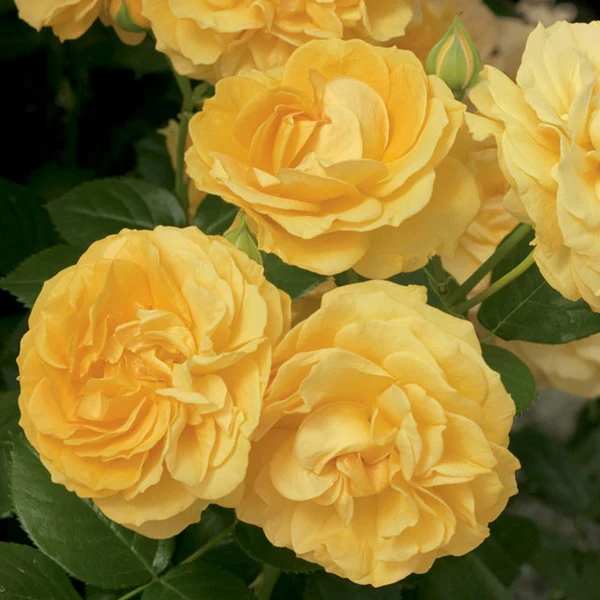
This one’s named after the chef, and it deserves the honor. Julia Child roses are a rich butter-yellow with a licorice-candy fragrance that stops people mid-sidewalk. I planted three of these along my front walk, and by July they were the reason neighbors started slowing their cars down.
The blooms are medium-sized, ruffled, and they come in clusters, so you get a serious pop of color without a lot of empty stem in between. This variety also resists disease better than most floribundas I’ve grown, which matters if you’re not the type to spray fungicide every other weekend.
Symbolically, Julia Child roses lean into pure joy and celebration — fitting, given the name. I like using them for anything that marks an accomplishment: a graduation, a promotion, finally finishing that deck you’ve been “working on” for two summers.
Real quick tip: give this one full sun. In partial shade, the blooms fade to a washed-out cream that loses all that buttery richness. Not the end of the world, but not the show-stopper you paid for either.
2. Golden Celebration (English Shrub Rose)
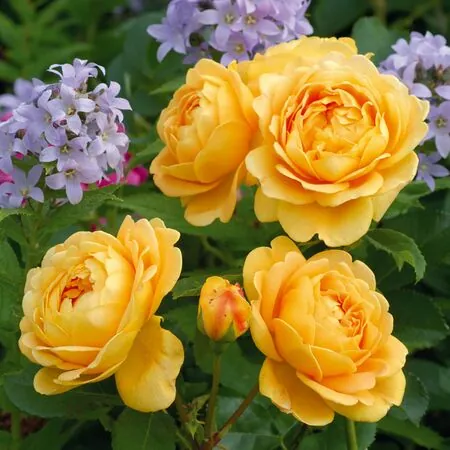
David Austin roses have a reputation for being finicky divas, and honestly, Golden Celebration mostly proves that reputation wrong. The blooms are huge, cupped, and a deep golden-amber that looks almost edible, like a peach crossed with honey.
I’ve grown this one in a spot that gets brutal afternoon sun, and it barely blinked. The fragrance is heavy and fruity, closer to a good sauternes wine than a typical “rose smell.” If you’re growing roses specifically to cut and bring indoors, this is one of the best yellow options out there.
Meaning-wise, Golden Celebration represents gratitude and warmth. It’s the rose I’d plant for a housewarming gift or to mark a milestone anniversary, since the color feels more mature and less “birthday balloon” than some brighter yellows.
One thing worth knowing: the canes on this variety get long and a little floppy under the weight of those big blooms. Plan on staking it or growing it against a low fence, or you’ll end up with roses face-planting into the mulch after a rainstorm.
3. Harison’s Yellow (Old Garden Rose)
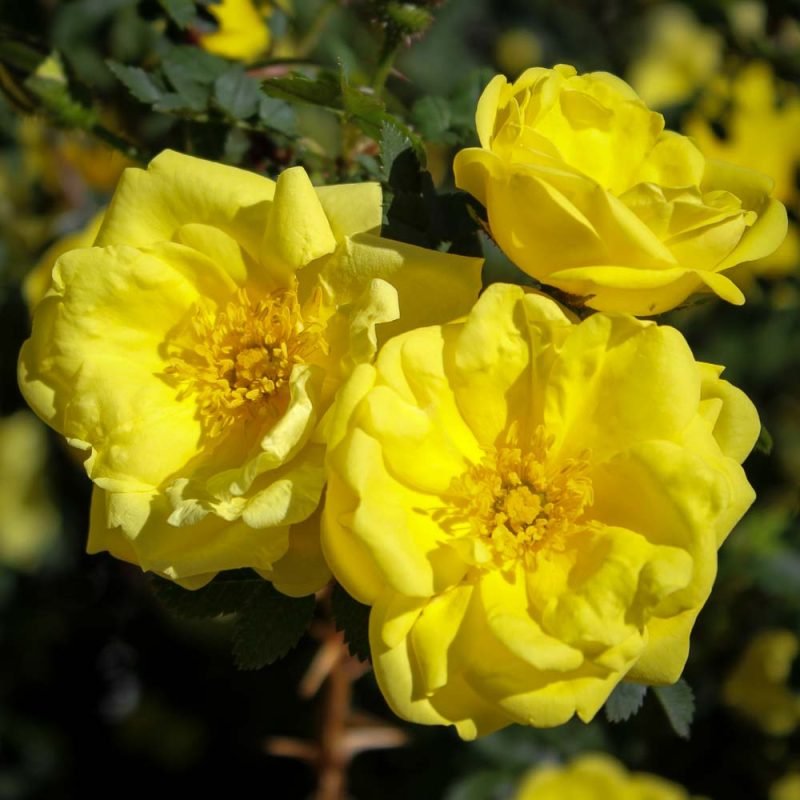
This is the pioneer rose — literally. Settlers carried cuttings of Harison’s Yellow across the country in covered wagons, which tells you everything about how tough this plant is. It’s been growing wild along old homestead fences since the 1800s, and some of those original plants are probably still alive.
The flowers are smaller and simpler than modern hybrids, a bright semi-double yellow that blooms once in a big early-summer flush rather than repeating all season. What you lose in repeat blooming, you gain in sheer hardiness. This rose shrugs off cold, poor soil, and neglect in a way that would make a hybrid tea rose weep.
Because of its history, Harison’s Yellow symbolizes resilience, heritage, and endurance. It’s a meaningful pick if you’re planting something to honor a grandparent, a family homestead, or just your own stubborn refusal to give up on a garden bed that everyone told you was hopeless.
The trade-off is that suckers. This thing spreads by underground runners and will happily take over more territory than you gave it permission to. Give it room, or be ready to dig out volunteer shoots every spring.
4. Sunsprite (Floribunda)
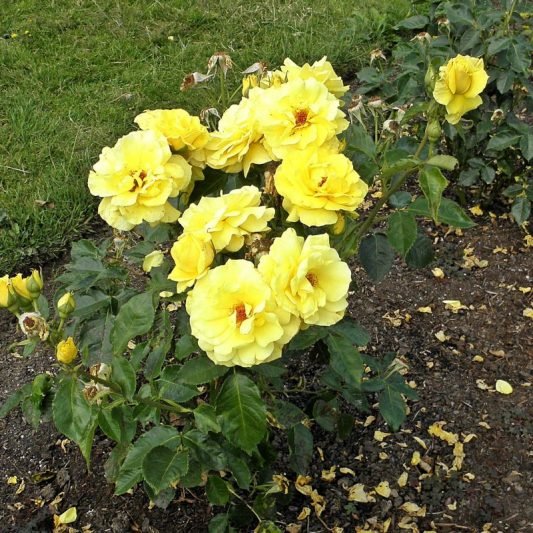
Sunsprite is the rose I recommend to anyone who says they’ve “never had luck with roses.” It’s nearly bulletproof against black spot, which is the disease that ends most beginner rose gardeners’ careers before they even get started.
The color is a saturated, almost neon-adjacent yellow that holds up in heat instead of bleaching out by noon like a lot of pale yellows do. The fragrance is strong and sweet, closer to a fruity candy smell than a classic “old rose” scent. It blooms in generous clusters and repeats reliably all summer.
Because it’s so associated with new gardeners finally succeeding, I think of Sunsprite as representing confidence and encouragement. It’s a great “congrats on your new house” or “you’ve got this” kind of gift rose, even if nobody’s actually written that greeting card yet.
Real talk on this one: it stays fairly compact, usually under three feet, so don’t expect a big dramatic bush. If you want height, pair it with something taller behind it rather than expecting Sunsprite to do the heavy lifting.
5. Graham Thomas (English Shrub Rose)
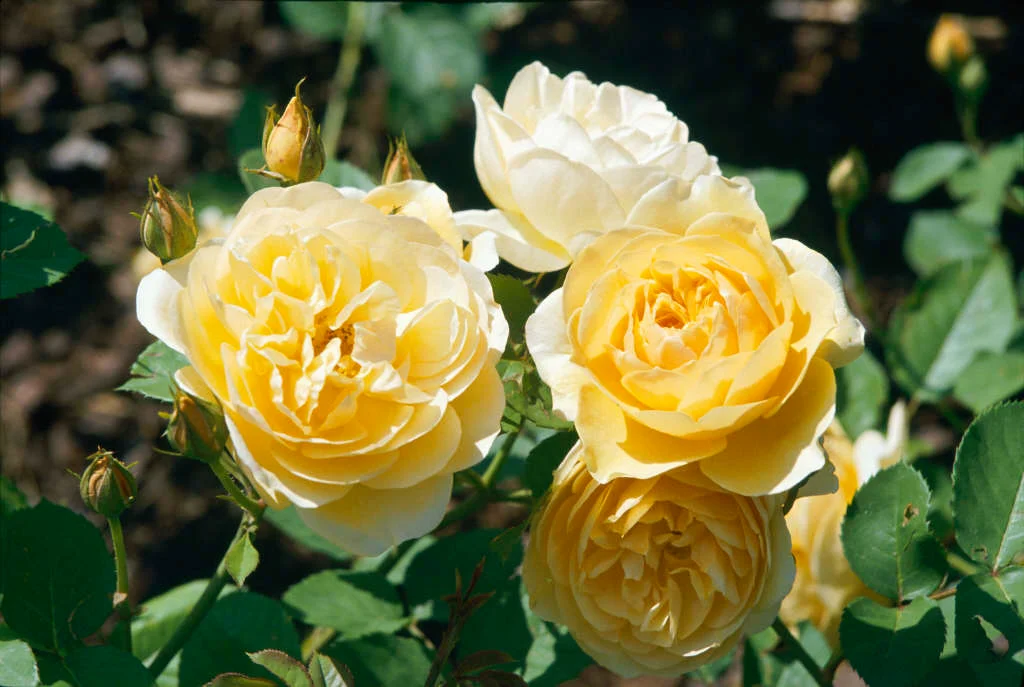
Graham Thomas gets credit for basically inventing the “English yellow rose” look that every breeder has been chasing since. It’s a deep, warm gold with an old-rose fragrance that’s tea-like and a little spicy.
This variety can be grown as a shrub or trained as a short climber, which gives you flexibility depending on your space. I’ve seen it climbing a mailbox post and I’ve seen it as a standalone shrub, and both looked intentional and gorgeous. That’s rare for a rose.
The symbolism here leans toward admiration and respect, partly because of the rose’s namesake — a legendary English rosarian — and partly because the color just reads as classic and dignified rather than flashy. I’d use this one for a mentor’s retirement gift or a “thank you for everything” garden planting.
The catch: it wants regular feeding to keep those big blooms coming. Skimp on fertilizer and you’ll get a decent shrub with mediocre flowers instead of the showstopper everyone photographs.
6. Oregold (Hybrid Tea)
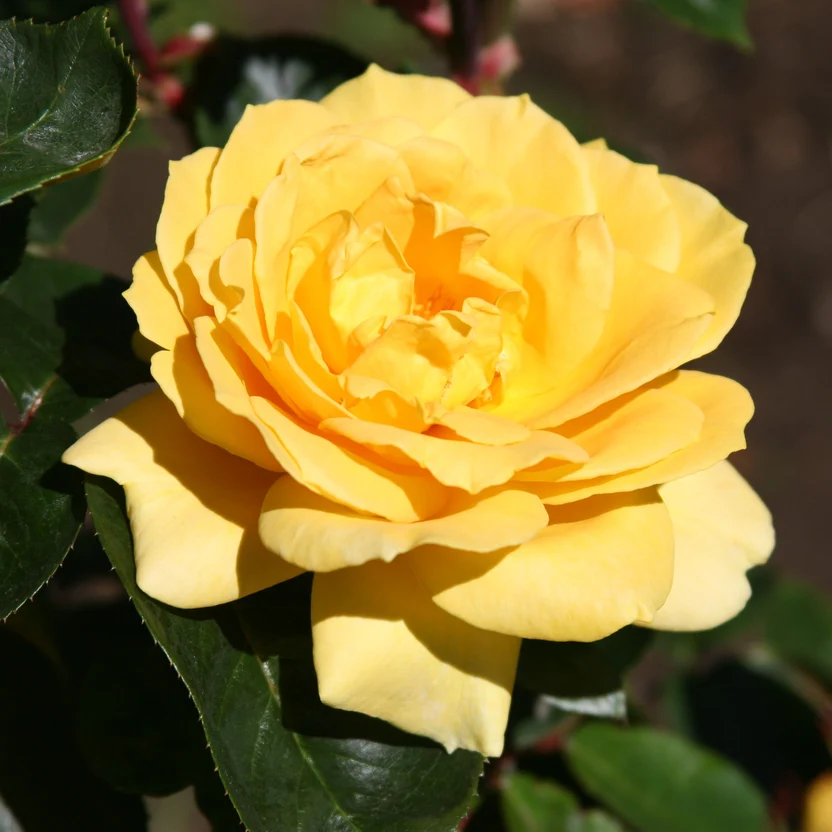
If you want the classic long-stem, pointed-bud yellow rose you picture when someone says “rose,” Oregold is it. The color is a deep, almost orange-tinted gold, and the form is exactly what you’d expect on a florist’s shelf.
This one’s bred for cutting. The stems are long and mostly thornless near the top, and the blooms hold their shape well in a vase for close to a week. I keep a row of these specifically for cutting, separate from my “just for looking at” roses, because Oregold performs so consistently for arrangements.
Symbolically, since it’s such a classic gift-shop rose, Oregold has picked up meanings around admiration and pride in someone’s achievement. It’s the “I’m proud of you” rose, basically, even if nobody officially wrote that rule down anywhere.
It’s a hybrid tea, though, which means it’s pickier than the shrub roses on this list. Expect to deal with black spot in humid climates and to prune it back hard every winter. It rewards effort, but it does demand effort.
7. Lady Banks’ Rose (Climbing Rose)
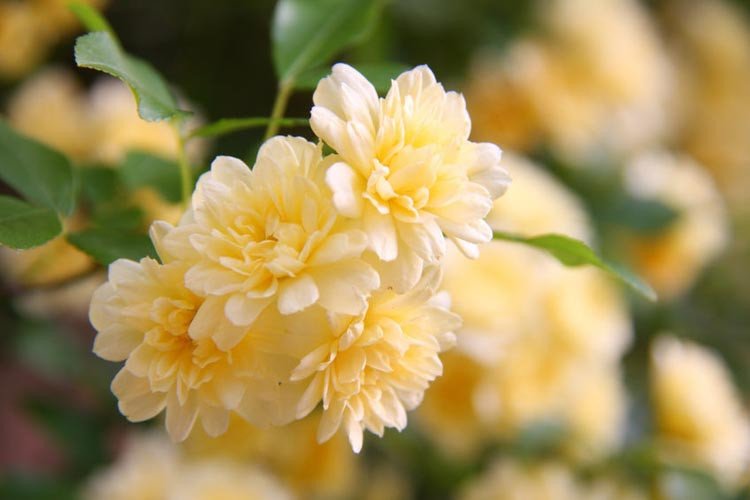
Lady Banks’ is in a category of its own — technically almost thornless, and it produces an absolute avalanche of small, button-like yellow flowers in spring. I’ve seen mature specimens cover entire two-story houses, which sounds like an exaggeration until you’ve actually seen one in Texas or the Deep South.
It blooms once a year, but that one bloom period is genuinely overwhelming in the best way. Thousands of tiny flowers open at once, and the fragrance carries across the whole yard. This isn’t a rose for small spaces; it wants a big trellis, an old shed, or a fence line it can sprawl across for decades.
Because of how generously and abundantly it blooms, Lady Banks’ has come to represent abundance and generosity. I think that’s fitting for a plant that basically gives you everything it’s got in one dramatic spring show.
Quick side note: this variety needs a mild climate. It’s not reliably cold-hardy below about zone 7, so if you’re up north, admire this one from photos rather than planting it and hoping for the best.
8. Molineux (English Shrub Rose)
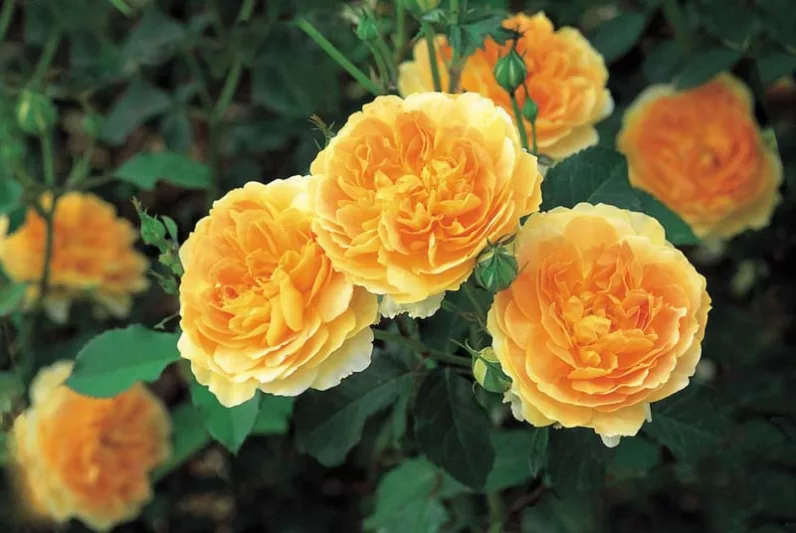
Molineux is smaller and tidier than most David Austin varieties, which makes it a good pick if you love that English-rose look but don’t have room for a sprawling shrub. The color is a rich, deep yellow, and the fragrance is a strong tea-rose scent with a hint of spice.
This one stays compact, usually around three feet, and it repeats blooms reliably through the season rather than giving you one big flush and quitting. I’ve grown it in a mixed border alongside lavender, and the pairing works beautifully — the purple and yellow contrast is doing a lot of visual work for very little effort on my part.
Molineux tends to symbolize steady friendship, the reliable-best-friend kind rather than the dramatic-romance kind. It’s a good choice for a garden dedicated to a longtime friend, or honestly just a rose you plant because you want something dependable in your life for once.
The one drawback: it can get a bit twiggy and congested if you don’t prune it back hard each winter. Left alone, it turns into a dense tangle that blooms less over time.
9. Rio Samba (Hybrid Tea)
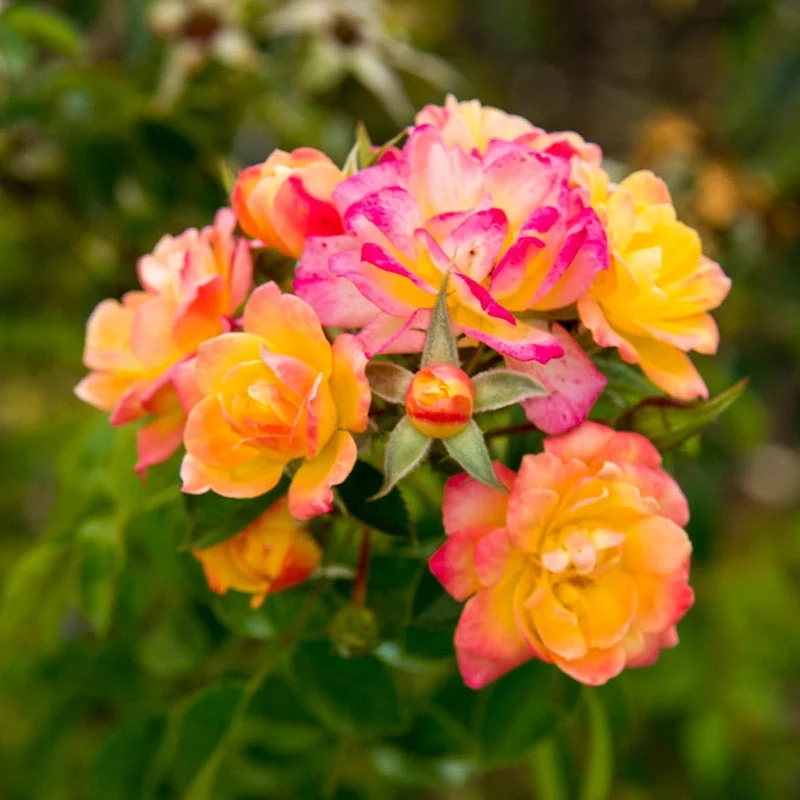
Rio Samba isn’t purely yellow — it opens gold and shifts toward orange-pink as the bloom ages, which gives you a two-tone effect on the same bush at the same time. It’s a little theatrical, honestly, and I mean that as a compliment.
The blooms are large and hold their color-shifting drama for several days, making this a fantastic cut flower if you want an arrangement that looks a little more unusual than a standard yellow bouquet. The fragrance is mild, more of a background note than a showstopper, so don’t plant this one expecting your yard to smell like a perfume counter.
Given the color transformation, Rio Samba has picked up meanings around change and transformation — new chapters, fresh starts, that kind of thing. I’d plant it for someone starting a new job or moving to a new city.
Real talk: like most hybrid teas, it’s more disease-prone than the shrub roses on this list. Budget for a fungicide routine if you’re in a humid climate, or accept that you’ll lose some leaves to black spot by late summer.
10. Buff Beauty (Hybrid Musk)
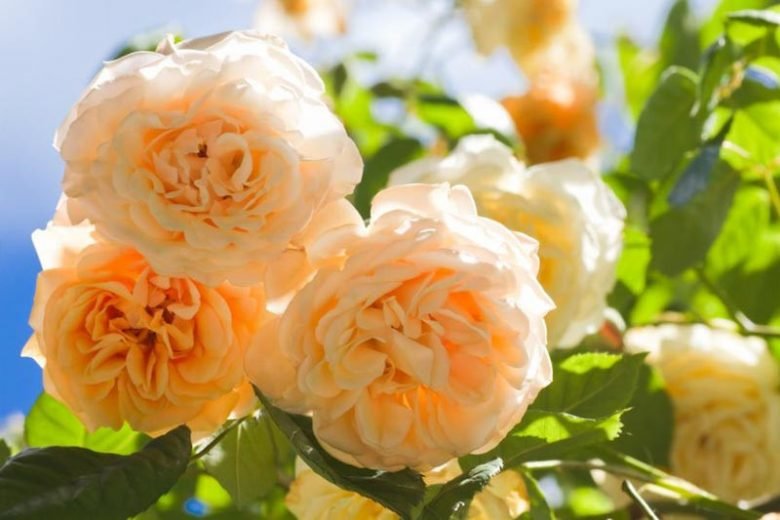
Buff Beauty is a softer, more apricot-leaning yellow than most roses on this list, and it has one of the best fragrances I’ve ever smelled on a shrub rose — musky, sweet, and it actually gets stronger in the evening, which is unusual.
It grows large and a bit lax, arching outward rather than standing stiffly upright, so it works well as an informal hedge or trained against a wall. The blooms come in big clusters, and while it’s technically a repeat bloomer, the first spring flush is by far the most impressive show.
Because of that evening fragrance, Buff Beauty has come to represent romance of the quieter, long-term variety — not fireworks, more like the warmth of an old marriage. I’d plant this near a patio or a bench, somewhere you’ll actually sit outside in the evening and enjoy it.
Bonus note: it does best with some afternoon shade in hot climates. Full blazing sun all day can scorch those soft apricot-yellow petals faster than you’d expect.
11. King’s Ransom (Hybrid Tea)
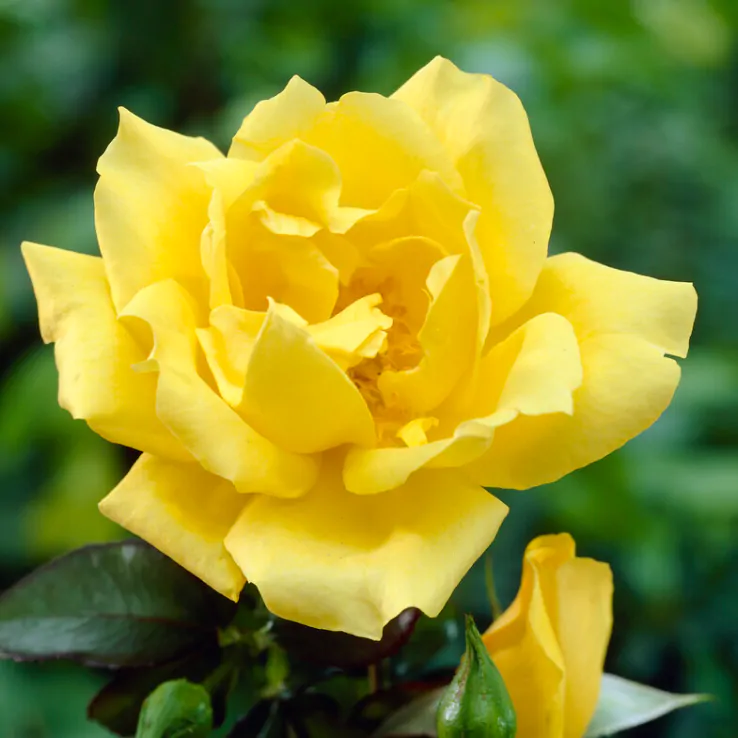
King’s Ransom lives up to the name — it’s a deep, saturated, almost regal gold, one of the truest and most vivid yellows you’ll find in a hybrid tea. The bloom form is classic and elegant, with high-pointed buds that open slowly over several days.
This variety has a moderate, pleasant fragrance and performs reliably as a cut flower, holding its shape and color well in a vase. I’ve had stems last close to ten days indoors, which is honestly better than several “cutting-specific” roses I’ve tried.
The name and color both push this one toward meanings of wealth, achievement, and success. It’s the rose I’d send — or plant — for someone who just landed a big win, whether that’s a business milestone or finally paying off the mortgage.
The downside is fairly standard hybrid tea stuff: it wants regular deadheading to keep producing, and it’s not the most disease-resistant option here. If you’re not up for a maintenance routine, look further down this list.
12. Charlotte (English Shrub Rose)
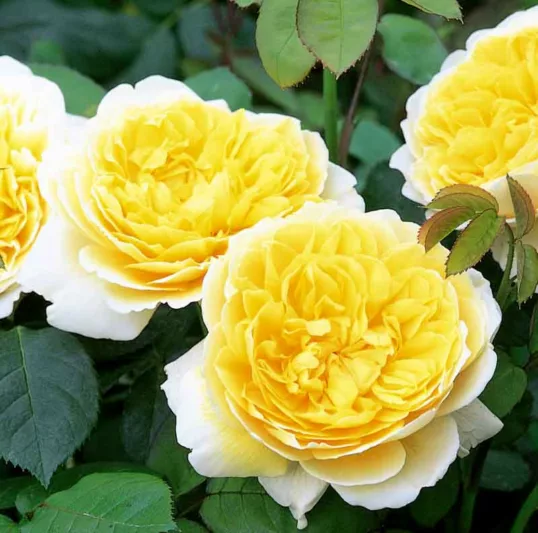
Charlotte is a softer, more classic yellow — think old-fashioned lemon rather than bold gold — with a cupped, old-rose bloom shape that photographs beautifully. The fragrance is a true tea-rose scent, light and clean.
It’s a well-behaved shrub, staying reasonably compact and blooming in flushes throughout the season rather than all at once. I’ve found it more disease-resistant than most English roses I’ve grown, which made it one of the easier “fancy” roses to keep alive in my garden.
Charlotte’s soft, gentle coloring has given it a reputation for symbolizing purity and new beginnings, similar to how white roses are often used but with a touch more warmth. It’s a nice choice for a christening garden, a new baby announcement, or really any “fresh start” occasion.
Quick side note: the pale color does mean it can look a little washed out in very strong midday sun. If you want the richest color, plant it somewhere with morning sun and a bit of afternoon relief.
13. Yellow Submarine (Miniature Rose)
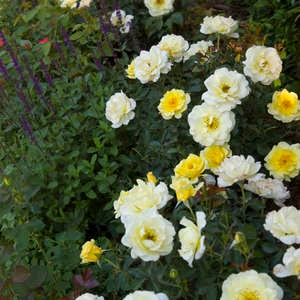
Not every rose on this list needs a big garden bed. Yellow Submarine is a miniature variety, perfect for containers, small yards, or that one awkward strip of dirt between your driveway and the neighbor’s fence that nothing else seems to want to grow in.
The blooms are small but plentiful, a cheerful bright yellow that doesn’t fade much even in full sun. It stays under two feet tall, which makes it one of the easiest roses on this list to manage without a ladder or serious pruning commitment.
Given its small, approachable size, Yellow Submarine tends to symbolize simple joy and playfulness — the rose equivalent of a good mood you can’t quite explain. I like using minis like this in containers by a front door, where you’ll actually see them every single day.
Bonus tip: miniature roses dry out fast in containers, especially terra cotta ones. Check the soil daily during a heat wave, or you’ll come home to a sad, crispy little plant.
14. Elina (Hybrid Tea)
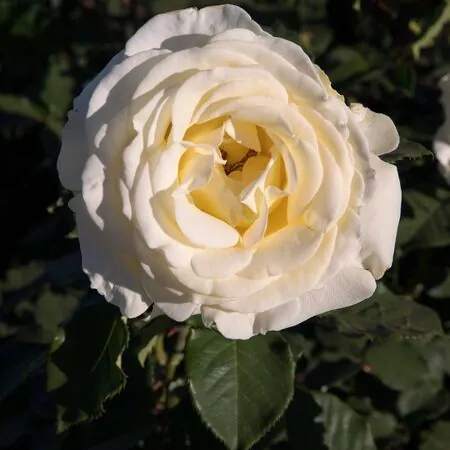
Elina rounds out this list as one of the most reliable pale-yellow hybrid teas around, with large, ivory-gold blooms and genuinely excellent disease resistance for a hybrid tea. If you want that classic long-stem look without babysitting the plant constantly, this is the one I’d point you toward.
The fragrance is light, more of a fresh green note than a heavy rose perfume, and the blooms hold up beautifully as cut flowers, often lasting a full week or more indoors. It’s also a strong repeat bloomer, giving you flowers steadily from late spring through fall.
The pale, elegant coloring has given Elina a reputation tied to grace and quiet confidence — not showy, but unmistakably classy. I’d plant it somewhere you want understated elegance rather than a loud pop of color, like along a front walkway or near a formal entrance.
The only real complaint I have: the blooms can nod slightly on thinner stems in windy spots. Nothing serious, but stake it if you’re in an exposed, breezy location and want those flowers standing tall for photos.
Real Talk: What Can Go Wrong With Yellow Roses
Yellow roses have a reputation, and it’s mostly deserved: they’re more prone to black spot and fungal issues than red or pink varieties. Nobody’s fully sure why, but plenty of rose growers will tell you the same thing. If you’re in a humid climate, budget for a regular fungicide schedule or lean toward the tougher varieties on this list, like Sunsprite or Julia Child.
Pale yellow varieties also bleach out fast in intense afternoon sun. If you’ve ever wondered why your “golden yellow” rose looks more like weak lemonade by August, that’s usually why. Morning sun with some afternoon relief keeps the color richer for longer.
I’ll also say this: don’t buy a yellow rose purely because the tag photo looked stunning at the nursery. I did that with a variety I won’t name, and the actual blooms in my yard never matched the marketing photo’s saturation. Read reviews from actual gardeners in your climate zone before committing your money and garden space.
Last thing — yellow roses are not, generally speaking, low-maintenance plants as a category. If your gardening philosophy is “plant it and ignore it,” stick to the toughest names on this list (Harison’s Yellow, Lady Banks’, Sunsprite) and skip the finicky hybrid teas.
Final Thoughts
Yellow roses do more than brighten up a flower bed — each variety carries its own personality, from the pioneer toughness of Harison’s Yellow to the quiet elegance of Elina. Pick one that matches not just the color you want, but the amount of fuss you’re actually willing to put up with, and you’ll end up a lot happier with the results come July.
Which of these are you planting this season, or do you already have a favorite yellow rose I left off the list? Drop your questions or suggestions in the comment box below — I read every one, and I’m always happy to talk roses.

About Syprose Kiche
Syprose Kiche is the creator and writer behind My Besuited Home, a practical home and garden website covering DIY projects, gardening, lawn care, landscaping, home improvement, and outdoor living. She focuses on turning everyday homeowner questions into clear, practical guides backed by careful research and useful real-world considerations.