
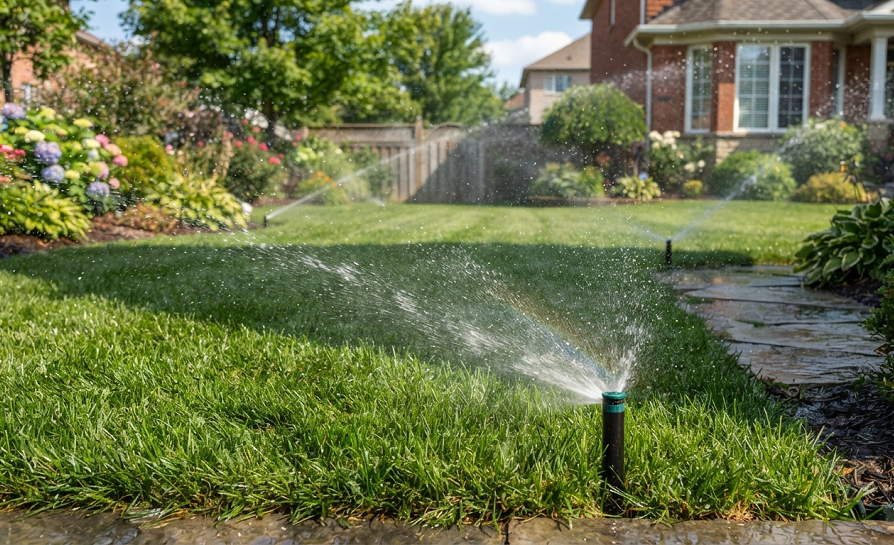
My water bill used to make me wince every single July. One summer it hit $180, and my lawn still had brown patches shaped like Ohio. That’s when I realized I was doing almost everything wrong. I was watering at the worst times, cutting my grass too short, and dumping water on soil that couldn’t even absorb it.
If your sprinklers run every day and your lawn still looks thirsty, you’re not alone. Most people waste 50% or more of their outdoor water because of bad timing, bad equipment, or bad habits nobody ever corrected. The good news? Fixing this doesn’t require a fancy irrigation system or a second job to pay for one.
Here are 11 tips I’ve picked up over a decade of trial, error, and a few embarrassing arguments with my sprinkler timer. These will save you water, save you money, and honestly make your lawn healthier than it’s ever been.
1. Water Deeply But Less Often
This is the single biggest mistake I see, and I made it myself for years. Watering a little bit every day trains grass roots to stay lazy and shallow. Those roots hang out near the surface because that’s where the water always shows up, so the second a heat wave hits, your lawn panics.
Deep, infrequent watering forces roots to grow down 6 to 8 inches searching for moisture. Deeper roots mean a lawn that can survive longer between waterings and shrug off dry spells that would fry a shallow-rooted yard.
I switched from daily 10-minute waterings to twice-weekly 30-minute sessions, and the difference showed up within three weeks. The grass got greener and thicker, and I stopped seeing footprints that stayed pressed into the lawn for hours.
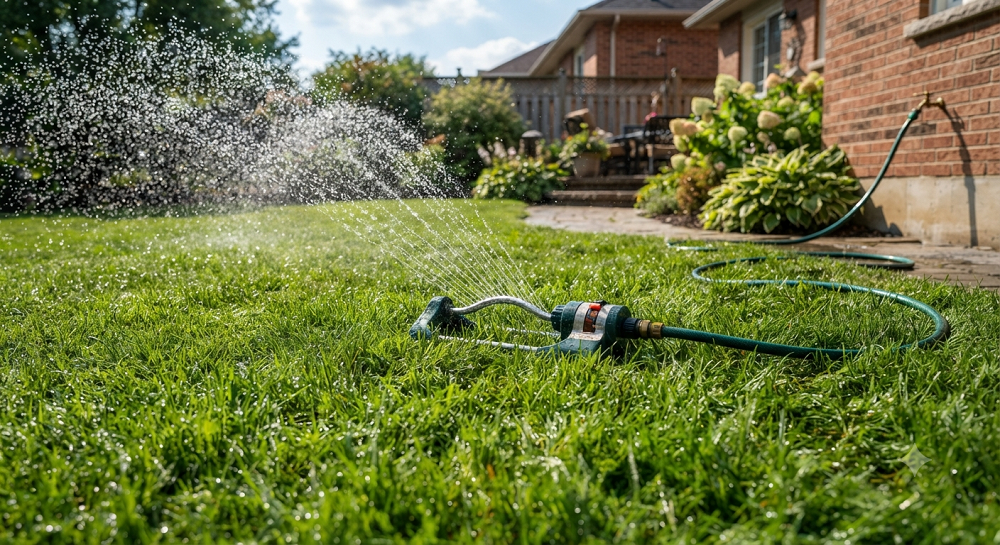
Aim for about 1 to 1.5 inches of water per week total, including rainfall. A cheap tuna can in the yard while your sprinkler runs will tell you exactly when you’ve hit that mark.
Clay soil and sandy soil behave completely differently here too. Clay absorbs water slowly, so you might need to run your sprinklers in two shorter cycles with a 30-minute break in between to avoid runoff. Sandy soil drains fast, so it may need slightly more frequent sessions, just never daily ones. Knowing your soil type before you set a schedule saves you from guessing.
2. Water Early in the Morning, Not at Night
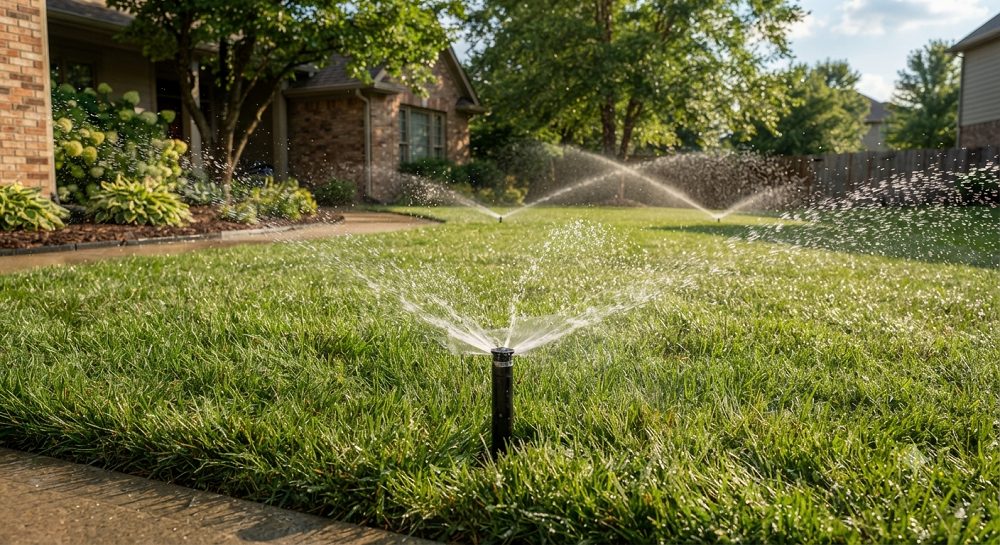
Timing matters more than most people think. Water between 4 a.m. and 8 a.m. when temperatures are cool and wind is usually calm. This gives water time to soak into the soil before the sun evaporates it away.
Evening watering feels convenient, but it’s a mistake I made for two summers straight. Grass that stays wet all night is basically an invitation for fungus and disease. I dealt with a nasty case of brown patch fungus one August, and the culprit was my own 8 p.m. watering schedule.
Midday watering is even worse because you lose a huge chunk of water to evaporation before it ever reaches the roots. On a hot, windy afternoon, you can lose up to 30% of your water output just to the air.
Set your irrigation timer for early morning and leave it there. It’s a five-minute fix that pays off all season long.
3. Choose Grass Types Built for Drought
Not all grass is created equal, and this is where a lot of homeowners set themselves up to fail before they even plant a single seed. Cool-season grasses like Kentucky bluegrass are gorgeous but thirsty. If you live somewhere hot and dry, fighting that grass type is a losing battle every summer.
Warm-season grasses like Bermuda, zoysia, and buffalo grass handle drought far better because they naturally go dormant and bounce back once water returns. I switched a client’s yard from fescue to zoysia, and their water use dropped by almost 40% the following year.
If you’re not ready for a full lawn replacement, overseeding with a drought-tolerant blend during your next reseeding cycle is a smart middle ground. You gradually shift your lawn’s makeup without tearing everything out.
Check with your local extension office for the best drought-tolerant variety in your specific region. What thrives in Arizona won’t necessarily thrive in Georgia, so don’t just copy a neighbor two states away.
4. Raise Your Mowing Height
I used to scalp my lawn low because I liked that fresh-cut golf course look. Big mistake. Short grass has shallow roots, less shade on the soil, and way faster water evaporation.
Letting your grass grow to 3 to 4 inches creates natural shade that keeps soil temperatures down and moisture locked in longer. Taller grass blades also mean more surface area for photosynthesis, which builds a stronger root system underneath.
I raised my mower deck by just one notch and noticed my lawn needed watering a full day later than it used to. That’s a meaningful difference multiplied across an entire summer.
One quick side note: never cut more than one-third of the blade length in a single mow. Scalping stresses the grass and undoes any water savings you were hoping to gain.
Different grass types have their own ideal mowing height too. Bermuda grass likes staying shorter, around 1 to 2 inches, while tall fescue and zoysia prefer the taller 3 to 4 inch range. Check the recommended height for your specific grass type rather than assuming one height fits every lawn.
5. Sharpen Your Mower Blades
This tip sounds too simple to matter, but it genuinely does. Dull mower blades tear grass instead of cutting it cleanly. Torn grass tips turn brown, lose moisture faster, and become an easy target for disease.
I ignored my mower blade for an entire season once, thinking a blade is a blade. My lawn looked ragged and stressed no matter how much I watered it. Once I sharpened the blade, the grass tips healed up and the whole yard looked healthier within two weeks.
Sharp blades make clean cuts that seal faster, which means less water lost through damaged tissue. Plan to sharpen your blade at least twice per mowing season, more if you mow a large area regularly.
This is a five-dollar fix at most hardware stores, and it’s one of those small maintenance habits that quietly saves gallons of water without you lifting a finger differently.
6. Add Compost and Organic Matter to Your Soil
Healthy soil holds water like a sponge. Compacted, nutrient-poor soil sheds water like a raincoat. If your lawn dries out fast no matter how much you water, your soil structure is probably the real problem, not your watering schedule.
Spreading a thin layer of compost, about a quarter inch, over your lawn once or twice a year improves water retention dramatically. Organic matter creates tiny pockets in the soil that hold moisture and slowly release it to roots over time.
I top-dressed a particularly sandy section of my yard with compost, and it went from needing water every other day to needing it every four or five days. That’s not a small improvement, that’s a game changer for anyone tired of dragging hoses around constantly.
Fall is typically the best time to top-dress, right before or after aeration, so the compost can work its way into the soil over the cooler months.
7. Aerate Compacted Soil Every Year
Compacted soil is basically a locked door for water. If your yard gets a lot of foot traffic, has kids or dogs running around, or sits on heavy clay, it’s probably compacted more than you realize.
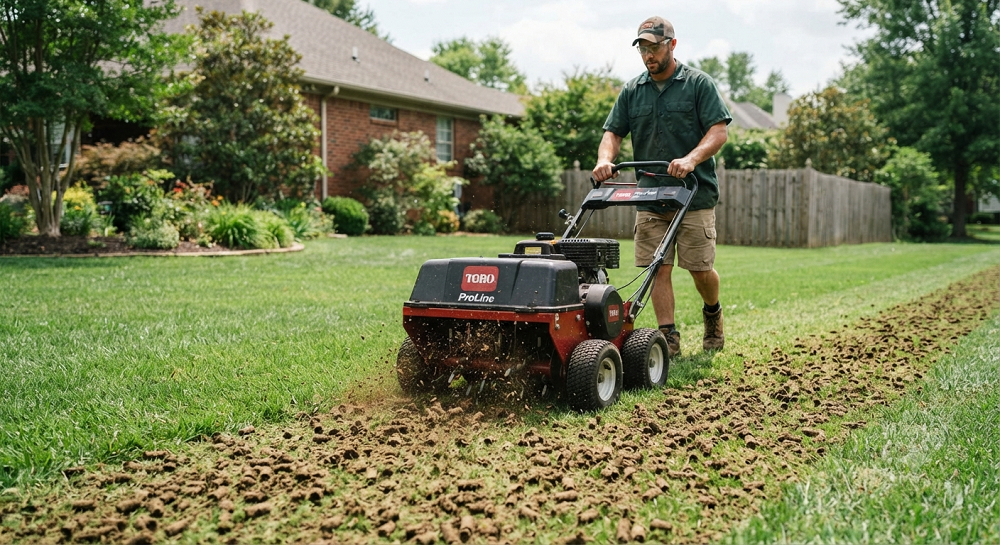
Aerating pulls small plugs of soil out of the ground, creating channels for water, air, and nutrients to reach the root zone instead of pooling on the surface or running off into the street. I core-aerate my own lawn every fall, and the difference in how fast water soaks in afterward is honestly dramatic.
You can rent a core aerator from most hardware stores for around $50 to $90 a day, which is more than enough time to handle an average-sized yard. For particularly stubborn clay soil, aerating twice a year, once in spring and once in fall, makes a noticeable difference.
Skip the spike aerators sold at big box stores. I’ve found that they’re a total waste of money, even if they look convenient on the shelf. They just poke holes and compact the soil around them even further instead of actually relieving compaction.
8. Install a Smart Irrigation Controller
Old-school timers water the same amount whether it rained yesterday or hasn’t rained in three weeks. That’s how so much water gets wasted. Smart controllers use local weather data, soil moisture readings, and evapotranspiration rates to adjust watering automatically.
I installed a smart controller after getting tired of manually adjusting my timer every time the forecast changed. Within the first summer, my water bill dropped by roughly 20%, and I barely had to think about my sprinklers at all.
Most smart controllers connect to your phone, so you get alerts if a zone isn’t working properly or if a leak is wasting water somewhere in the system. Many utility companies even offer rebates for installing one, so check with your local provider before buying.
Prices range from $100 for basic models up to $300 for more advanced systems with soil sensors included. Even the basic version pays for itself within a season or two for most households.
Installation is usually simple enough for a weekend DIY project if you’re already comfortable with basic wiring, though hiring an irrigation tech for an hour is money well spent if you’d rather not mess with your electrical panel. Either way, the setup process typically takes less time than mowing your lawn once.
9. Group Plants by Water Needs (Hydrozoning)
This tip mostly applies to your broader landscape rather than the lawn itself, but it directly affects how efficiently your whole yard uses water. Hydrozoning means grouping plants with similar water requirements together instead of scattering thirsty plants next to drought-tolerant ones.
I used to have a rose bush planted right in the middle of a bed full of succulents, and I was either overwatering the succulents or underwatering the roses constantly. Once I regrouped everything by water need, both sections thrived without me fighting a losing balancing act every week.
Set up separate irrigation zones for lawn areas, flower beds, and drought-tolerant plantings so each one gets exactly what it needs, no more and no less. This alone can cut landscape water waste significantly since you’re no longer forced to overwater one area just to keep another alive.
If you’re redesigning any part of your yard, this is the moment to plan hydrozones from the start rather than trying to retrofit them later.
10. Use Mulch Around Trees, Beds, and Lawn Edges
Bare soil loses moisture fast, especially in full sun. A 2 to 3 inch layer of mulch around trees, garden beds, and lawn borders dramatically slows evaporation and keeps soil temperatures more stable.
I mulched around a young maple tree that was really struggling one summer, and it needed watering half as often once the mulch went down. Mulch also blocks weeds, which is a nice bonus since weeds compete with your grass and plants for the same limited water.
Organic mulch like wood chips or shredded bark breaks down over time and adds nutrients back into the soil, which improves water retention even further down the road. Avoid piling mulch directly against tree trunks or grass stems though, that traps moisture against the bark and invites rot.
Refresh mulch layers once a year as they break down and compact, usually in early spring before the heat kicks in.
11. Fix Leaks and Broken Sprinkler Heads Immediately
This one seems obvious, but I can’t tell you how many yards I’ve walked through with a sprinkler head quietly spraying the sidewalk instead of the lawn. A single broken sprinkler head can waste hundreds of gallons over a season without anyone noticing.
Walk your yard once a month while your system runs and check every zone for broken heads, misaligned spray patterns, or heads buried under overgrown grass. I found a cracked pipe fitting once that had been leaking under my mulch bed for who knows how long, silently driving up my water bill the entire time.
Check your water meter on a day when you’re not using any water at all. If it’s still moving, you’ve got a leak somewhere in the system that needs tracking down before it costs you any more money.
A quick monthly inspection takes maybe 15 minutes and can save you real money over a full growing season.
Real Talk: What’s Not Worth the Effort (And What Can Go Wrong)
Not every water-saving idea out there is worth your time, and I want to be honest about that instead of pretending every trick works miracles.
Artificial turf gets pitched as the ultimate water-saving fix, and sure, it never needs watering. But it gets scorching hot in direct sun, provides zero benefit to soil health, and costs a small fortune to install properly. I’ve walked on turf that was too hot to touch barefoot in July. If you’re mainly trying to save water and money, this isn’t the shortcut it’s marketed to be.
Overcorrecting is another trap. I’ve seen people get so scared of overwatering that they underwater instead, and stressed, drought-shocked grass is just as unhealthy as soggy, waterlogged grass. Balance matters more than extremes in either direction.
Smart controllers are fantastic, but they’re not magic. If your sensor placement is wrong or your zones aren’t set up correctly, you can still waste water even with expensive tech running the show. Take the time to program it correctly, or hire someone who actually knows what they’re doing.
And rain barrels, while genuinely useful for garden beds, rarely hold enough water to make a real dent in lawn irrigation needs. Great for topping off flower pots, not a real solution for a quarter acre of grass.
One more honest warning: don’t expect drought-tolerant grass to look picture-perfect year round. Bermuda and buffalo grass go dormant and turn tan or brown during the coldest months, and that’s completely normal, not a sign of a dying lawn. A lot of homeowners panic and start overwatering during dormancy trying to force green color back, which just wastes water and stresses the grass further. Let it rest. It’ll bounce back on its own schedule.
Final Thoughts
Saving water on your lawn isn’t about one big fix. It’s a handful of small habits stacked together, deep watering, smarter timing, better soil, and staying on top of leaks before they become expensive problems. Start with two or three of these tips this month, and add more as they become second nature.
What’s your biggest lawn-watering headache right now? Drop it in the comments below, I read every one and I’m happy to help troubleshoot your specific situation.

About Syprose Kiche
Syprose Kiche is the creator and writer behind My Besuited Home, a practical home and garden website covering DIY projects, gardening, lawn care, landscaping, home improvement, and outdoor living. She focuses on turning everyday homeowner questions into clear, practical guides backed by careful research and useful real-world considerations.