
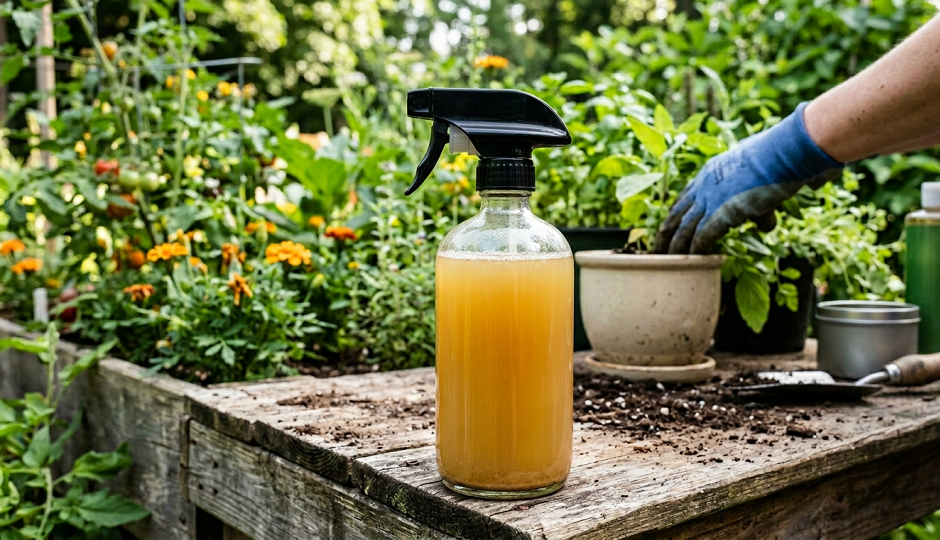
My tomatoes were practically screaming for help. I walked out one July morning to find my prize-winning heirlooms covered in so many aphids they looked like they’d been dusted with gray velvet. I panicked. I ran to the store, spent thirty bucks on some fancy, pre-mixed “organic” spray, and sprayed the whole patch. The next day? The aphids were still there, having a party, and my bank account was noticeably lighter.
That was the summer my zucchini took over the entire ZIP code, but my tomatoes were a total loss. I realized right then that most of the stuff on garden center shelves is mostly water and marketing. Since then, I’ve been mixing my own neem oil spray. It’s cheaper, it’s stronger, and it doesn’t sit around in a plastic bottle for two years losing its potency. If you’re tired of watching bugs eat your hard work, let’s get your hands dirty and make something that actually kills pests.
Why You Need Pure Cold-Pressed Neem Oil
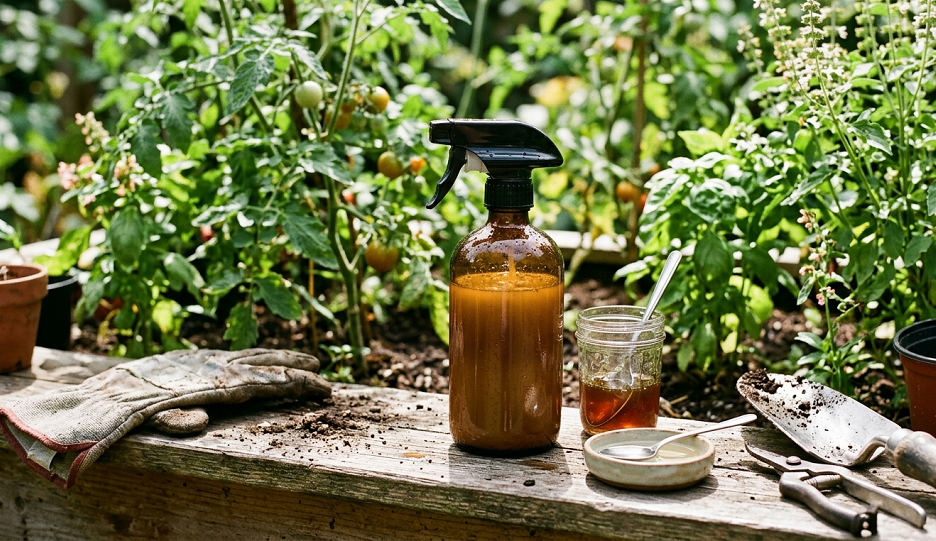
I’ve seen people try to use the “neem-based” sprays you find at big-box stores, and honestly, they are a total waste of money. They’ve been processed to hell and back to make them shelf-stable, which usually means the active ingredient—azadirachtin—is barely hanging on by a thread. If you want results, stop buying the diluted stuff and get a bottle of 100% cold-pressed raw neem oil.
When you buy the raw stuff, it’s thick, smells like a mix of garlic and sulfur, and turns solid if it gets chilly. That’s how you know it’s the real deal. It’s potent, and it works by interrupting the hormones of soft-bodied insects. They stop eating, they stop breeding, and eventually, they vacate the premises.
Think of it as a natural growth regulator. It doesn’t just zap a bug on contact; it makes your garden a place where pests simply don’t want to raise a family. It’s effective against aphids, spider mites, whiteflies, and even those annoying thrips that leave white streaks all over your leaves.
- Pro Tip: Always buy cold-pressed. If the label says “clarified hydrophobic extract of neem oil,” you’re paying for the oil that’s had the good stuff (the azadirachtin) removed. That’s the gardening equivalent of buying decaf coffee and expecting a caffeine buzz.
How to Mix Your Homemade Neem Oil Solution
The biggest mistake I made when I first started mixing my own sprays was thinking neem oil would just magically dissolve in water. It won’t. It’s oil. You need an emulsifier—a fancy word for a little bit of soap—to get the oil and water to play nice together.
Here is the exact ratio I’ve used for years, and it hasn’t failed me yet:
- Start with one gallon of warm water. Don’t use scalding hot water, just comfortably warm. If the water is too cold, your neem oil will instantly turn into a waxy, solid mess inside your sprayer.
- Add one teaspoon of mild liquid soap. I use basic castile soap. Do not use those harsh degreasing dish soaps that have chemicals meant to strip grease off a frying pan; they can burn your plant leaves.
- Pour in two teaspoons of pure neem oil. Add this to the soapy water. The soap acts as a binder, breaking the surface tension so the oil can actually spread out over your leaves instead of just floating on top like an oil slick in a harbor.
- Shake it like you mean it. Put the lid on your sprayer and shake it vigorously for a full minute. The mixture should turn a creamy, milky white color. If you see yellow streaks or oil bubbles on the surface, keep shaking.
Quick Side Note: Since this mixture doesn’t have the chemical stabilizers of commercial sprays, it starts breaking down within 8 hours. Don’t mix up a five-gallon bucket thinking you’ll use it all week. Mix only what you need for the day. If you have leftovers, honestly, just dump them on your compost pile; they’ll help keep the fruit flies down.
Applying Neem Oil for Maximum Effectiveness
Timing is everything. I once sprayed my entire pepper patch at high noon on a sunny Tuesday, and by Wednesday, half my plants looked like they’d been hit by a blowtorch. Never, ever spray when the sun is beating down on your leaves. The oil acts like a magnifying glass, and you will scorch your plants faster than a drought would.
Wait until late afternoon or early evening. The sun is lower, the temperatures are dropping, and the beneficial insects like bees are starting to wrap up their day. Neem oil is relatively safe for bees, but I still try to avoid direct spraying when they’re active, just to be on the safe side.
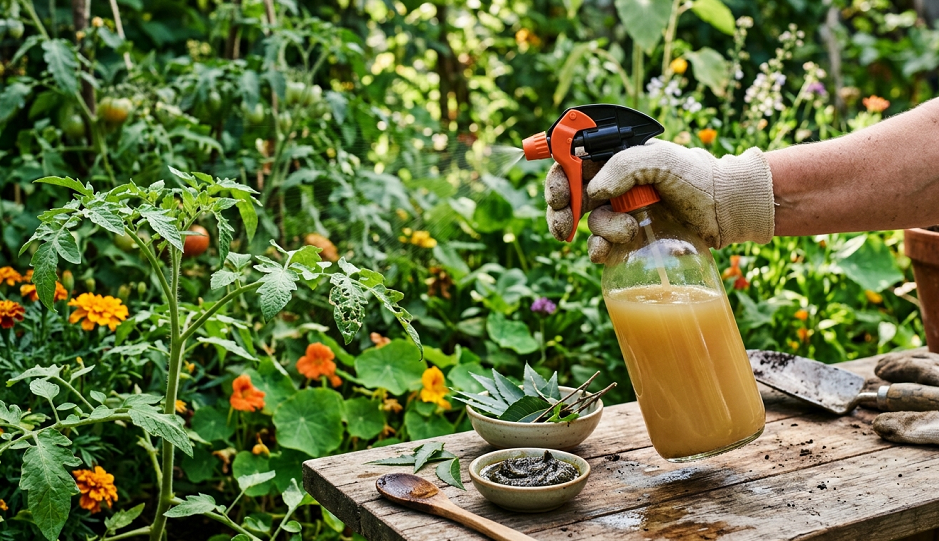
Focus on the undersides of the leaves. That’s where the aphids and spider mites are hiding. They aren’t going to be sitting on top of the leaf, waiting for you to spray them—they’re smart enough to stay sheltered. Use a sprayer that has an adjustable nozzle so you can really get under there and drench the foliage until it’s dripping.
- The Weekly Routine: Pests have lifecycles. Even if you kill the adults, the eggs will hatch in a few days. You need to commit to a schedule. I spray every seven days as a preventative measure during the peak heat of summer. If you have an active infestation, you need to be more aggressive—spray every three to four days for two weeks until the population crashes.
Real Talk: What Isn’t Worth the Effort
I’ve tried using neem oil for everything, and I’ve learned the hard way that it isn’t a magic bullet for every problem. I once tried to use it to get rid of a fungal rust on my beans, and it did nothing. If you have severe fungal issues, neem might slow it down, but it isn’t a cure-all. Stop chasing your tail trying to fix advanced blight with oil sprays.
Also, don’t waste your time spraying neem oil on plants with hairy or fuzzy leaves. The oil can get trapped in the tiny hairs, build up, and suffocate the leaf tissue. I tried this on my squash plants years ago, and they yellowed and dropped leaves like they were auditioning for a winter movie. Stick to smooth-leafed plants like tomatoes, peppers, citrus, and roses.
Finally, if you see a plant that is already 80% dead, don’t bother spraying it. Cut your losses, pull the plant, and toss it in the bin—not the compost. You’re just creating a breeding ground for more pests. Focus your energy on the plants that still have a fighting chance.
Final Thoughts: Gardening is a Marathon, Not a Sprint
The secret to a pest-free garden isn’t a single product; it’s observation. I spend ten minutes every morning just walking through my rows with a cup of coffee, looking under the leaves. If you catch a single aphid colony on day one, you can squish them with your thumb. If you wait until they’ve colonized three rows of kale, you’re going to be spending a lot more time with your sprayer.
The best defense is a healthy plant. I’ve found that plants stressed by lack of water or poor soil are like a dinner bell for every bug in the neighborhood. Keep your soil rich, mulch heavily to keep the roots cool, and don’t over-fertilize with nitrogen, which just creates tender, succulent growth that aphids find delicious.
Neem oil is a fantastic tool to have in your shed, but don’t let it become a crutch. What’s the biggest pest challenge you’re currently facing in your garden, and have you tried any DIY remedies that failed you? Let me know in the comments below—I’m always happy to hear what worked (or didn’t work) for you!

About Syprose Kiche
Syprose Kiche is the creator and writer behind My Besuited Home, a practical home and garden website covering DIY projects, gardening, lawn care, landscaping, home improvement, and outdoor living. She focuses on turning everyday homeowner questions into clear, practical guides backed by careful research and useful real-world considerations.