
A stocking has a size limit, and that limit helps. It rules out the big-ticket tools and the bulky gadgets, so what’s left is the small stuff gardeners reach for constantly and replace often: the pruner that finally loses its edge, the gloves worn through at the fingertips, the plant tags that fade by August. The best stocking stuffers for a gardener are small things that get used up, worn out, or lost, which makes them welcome because the recipient probably hasn’t bought them for themselves.
What follows are fifteen of them, grouped by what they actually do, with notes on what separates a good version from a cheap one. A few cost under $10. A couple reach $25 or $30. Prices vary by brand and retailer, so treat the ranges as rough guides and check current listings before buying.
What Makes a Gardening Gift Fit in a Stocking
A stocking stuffer has to survive being squeezed into a sock. It should be roughly 12 inches long or less, and it shouldn’t be so delicate that a stack of other gifts crushes it. That excludes most full-size tools. A long-handled trowel won’t fit, and neither will a watering can.
Usefulness matters more than novelty. Gardening gift aisles are full of items that look charming and get used once: tiny decorative trowels with ornamental handles, “garden fairy” figurines, novelty seed bombs that scatter seed randomly. The items below were chosen because a working gardener would use them repeatedly, and because most of them are consumables or things that wear out.
It also helps to know whether the person gardens in the ground, in raised beds, in containers, or indoors. A kneeling pad is useless to someone who only grows herbs on a windowsill. Where a gift depends on that, the entry says so.
Cutting and Pruning Gifts
1. Bypass Hand Pruners
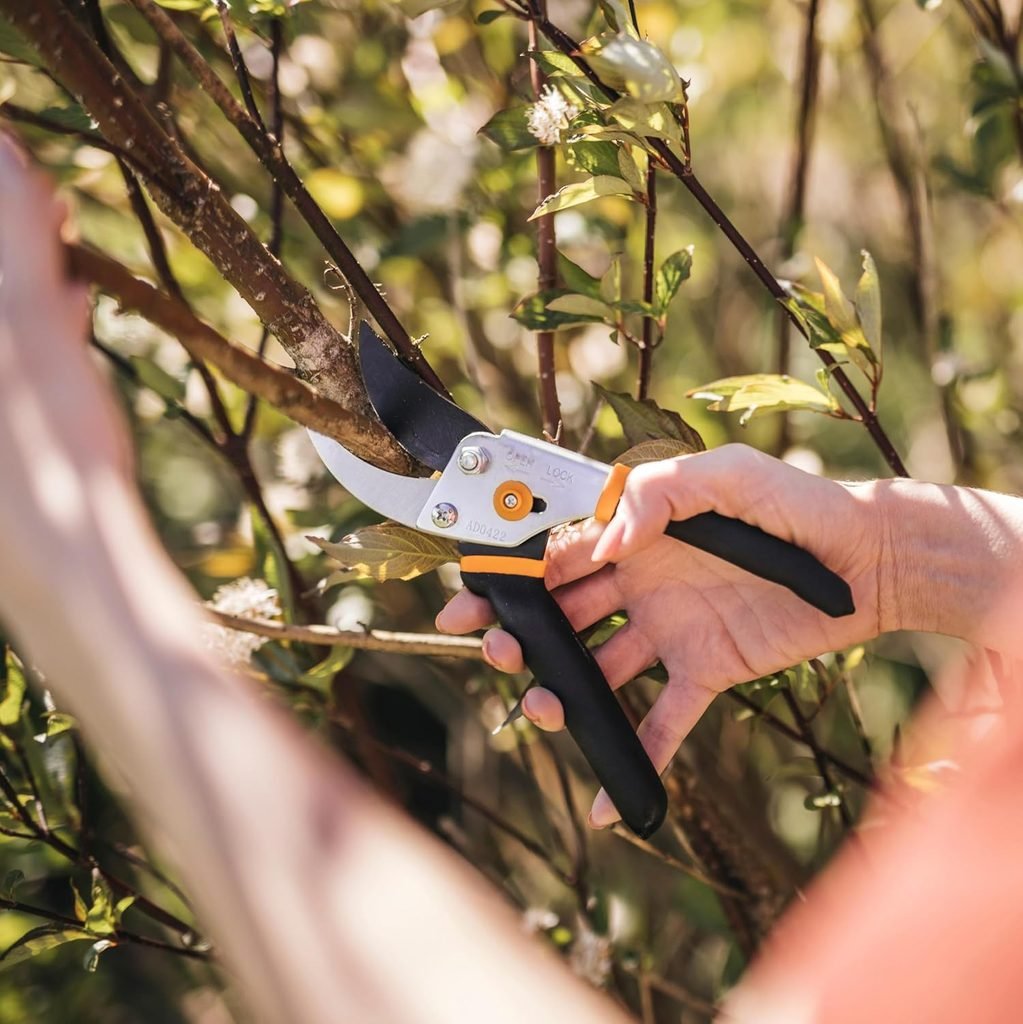
Pruners are the tool gardeners use most, and a quality pair is surprisingly easy to find in a stocking-sized package. Most hand pruners run about 8 inches long, which fits comfortably.
The detail that matters is the blade style. Bypass pruners have two curved blades that pass each other like scissors, which makes a clean cut on living stems. Anvil pruners press a single blade against a flat surface, which tends to crush stems, and they work better on dead wood. For general garden use, bypass is the safer pick. If you’re unsure which a person owns or prefers, bypass is the better default.
Look for a model with replaceable blades and a safety latch that holds the handles closed. Handle size matters too, since a pair designed for large hands can be tiring for someone with smaller ones. Many manufacturers offer a smaller-handled version, sometimes labeled for women or for “small hands.” Expect to pay roughly $15 to $35 for a dependable pair.
One caveat: if the recipient already owns a pair they love, a second pair isn’t a bad idea, but a sharpening tool (see below) may serve them better.
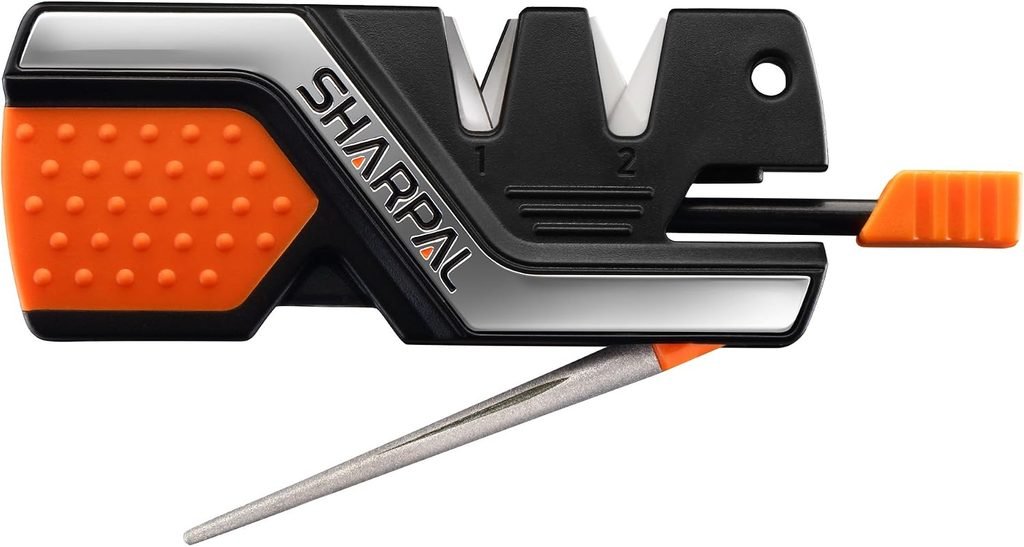
2. A Compact Sharpening Tool
Dull blades are one of the most common and least noticed problems in the garden. A dull pruner tears stems rather than cutting them, and torn tissue heals slowly and gives disease an easier way in. Many gardeners know this and still never sharpen anything.
A small diamond file or a pocket sharpening stone is cheap, fits easily in a stocking, and works on pruners, loppers, hoes, and the edge of a spade. Diamond sharpeners tend to last longer than ordinary stones because they don’t wear into a dip. Choose one with a fine or medium grit, since a coarse grit removes more metal than a routine touch-up requires.
Pair it with a small bottle of light machine oil or a tin of tool-protecting wax, and it becomes a tidy mini maintenance kit. Prices usually fall between $8 and $20.
3. Micro-Tip Snips for Herbs and Deadheading
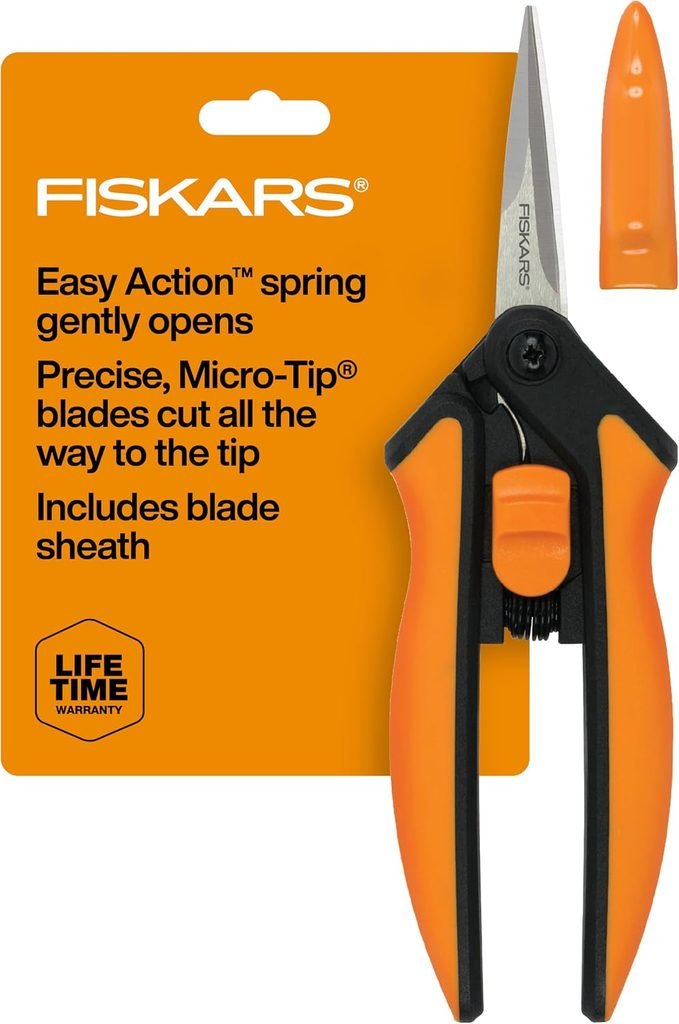
Full-size pruners are clumsy for fine work. Micro-tip snips, sometimes sold as floral snips or herb scissors, have narrow, pointed blades that reach into a dense plant and cut a single stem without disturbing its neighbors.
They suit anyone who grows herbs, houseplants, roses, or cut flowers. Deadheading petunias or snipping basil just above a leaf pair is faster with snips than with anything larger. Spring-loaded versions reduce hand fatigue during long sessions.
They are not meant for woody stems thicker than a pencil. Forcing them is the quickest way to bend the blades or knock them out of alignment. At around $8 to $18, they’re an easy add.
Hands and Knees: Comfort Gifts
4. Quality Gardening Gloves, Properly Sized
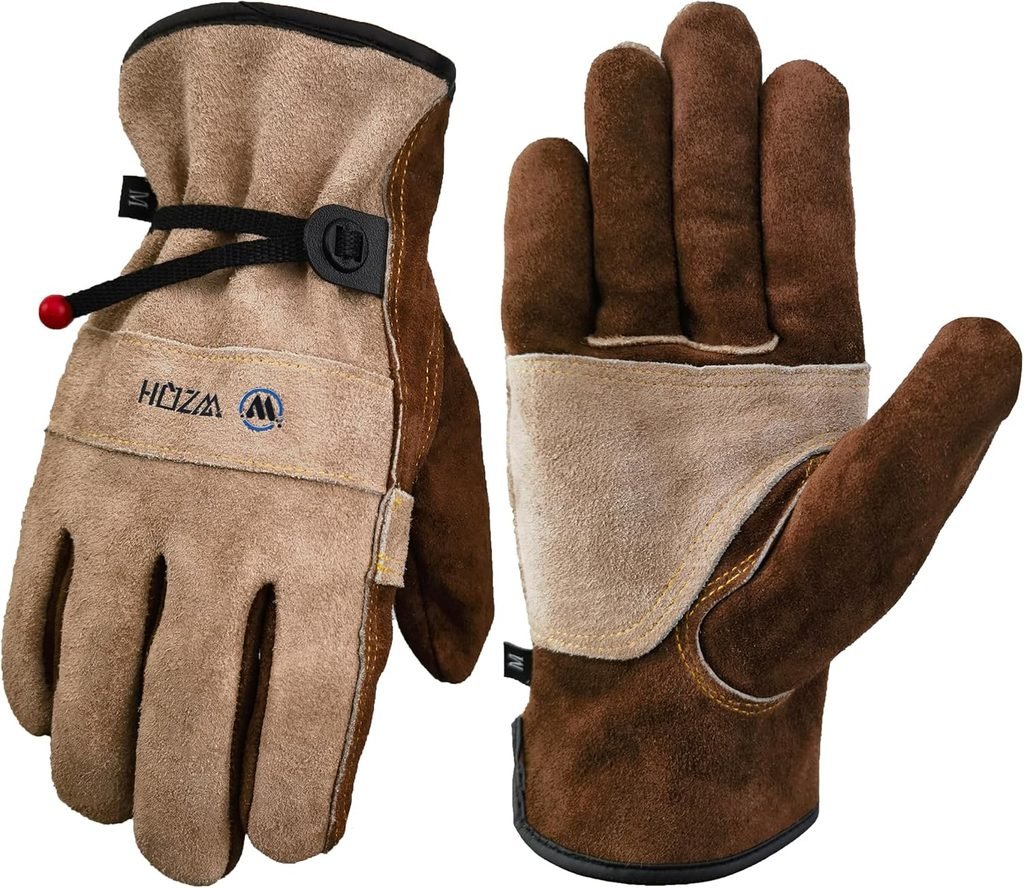
Gloves are on nearly every list of stocking stuffers for gardeners, and they are usually worth including, but they are also the item most often given in the wrong size. A glove that’s too large reduces dexterity, and one that’s too small splits at the seams.
If you don’t know the recipient’s size, ask someone who does, or check the size of a pair they already wear. Sizing is not consistent across brands.
Material makes the difference between a glove that gets worn and one that sits in a drawer. Rough guidance:
- Nitrile-coated gloves with a breathable knit back suit general work such as planting, weeding, and handling soil. They stay flexible and let a little air through.
- Leather gloves hold up better against thorns and rough work but can stiffen after getting wet repeatedly.
- Thornproof or rose gloves extend up the forearm. They are a strong choice for anyone who grows roses, brambles, or citrus, but they are bulkier and less precise.
Expect to pay about $8 to $25 depending on type. A pair that fits well is a better gift than three that don’t.
5. A Foam Kneeling Pad
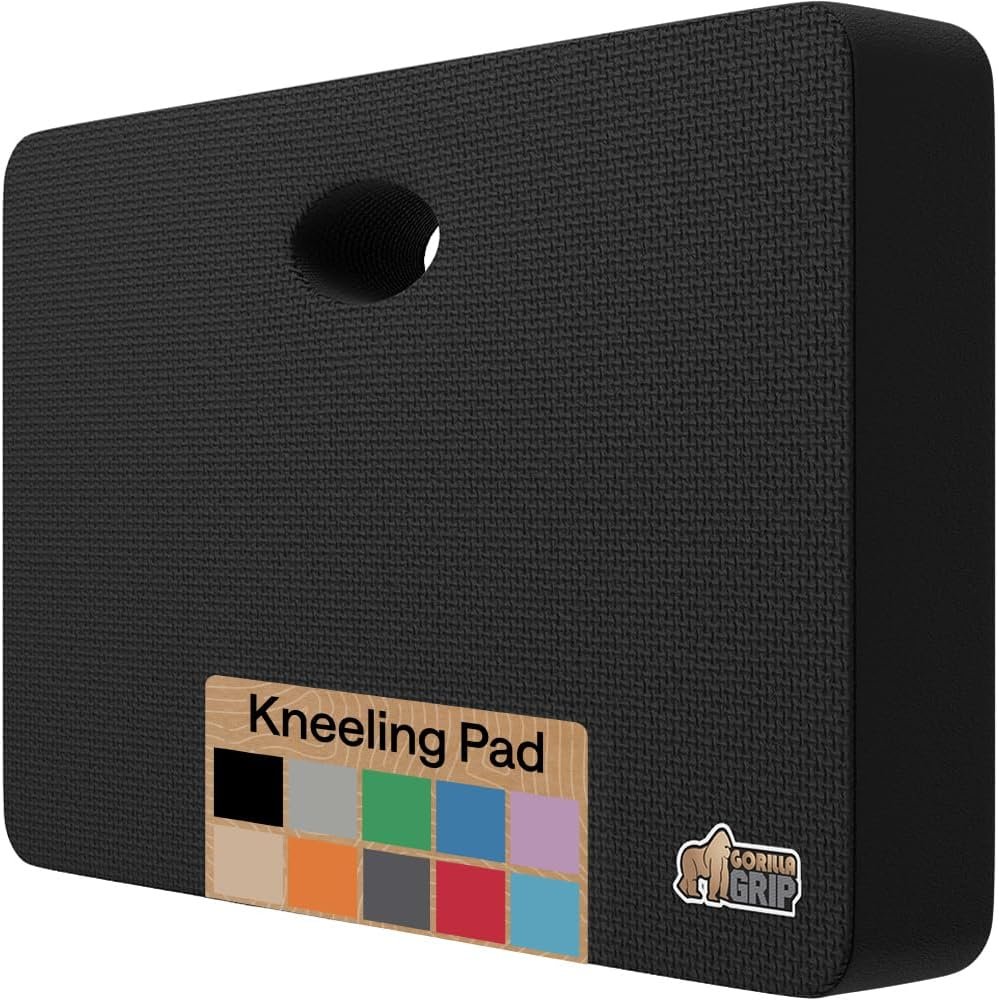
Anyone who weeds, plants bulbs, or tends a low bed spends a lot of time on their knees. A foam kneeling pad is thin enough to roll or fold and tuck into a stocking, and it gets used right away.
Choose closed-cell foam, which doesn’t absorb water. Open-cell foam, like a sponge, soaks up moisture from damp ground and becomes heavy and cold. A pad around an inch thick usually balances cushioning and portability. Some have a handle cut-out for carrying.
A pad will not suit everyone. Gardeners with limited knee mobility often do better with a kneeler-and-seat combination, which is too large for a stocking but could be mentioned as a larger gift. Typical price range: $10 to $20.
6. Hand Care That Can Handle Soil
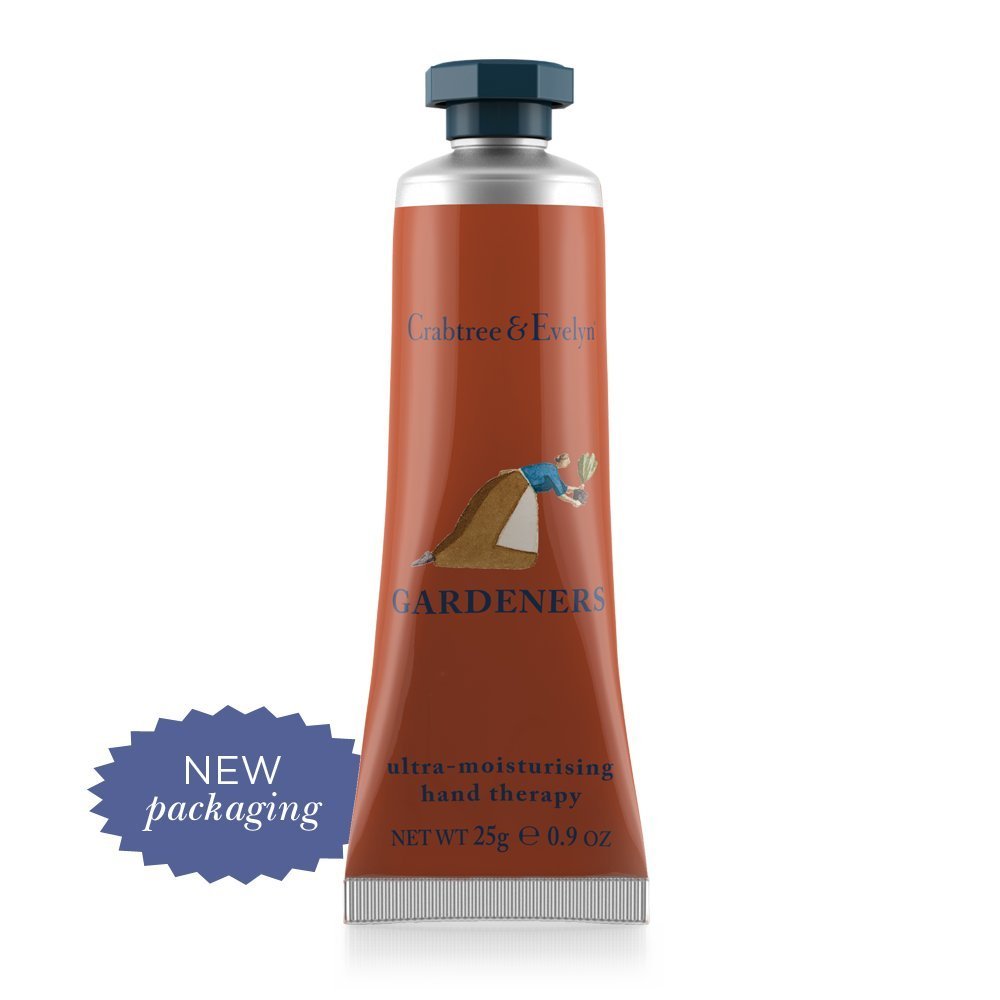
Gardening is hard on skin. Soil, water, sun, and friction dry out hands, split cuticles, and crack fingertips. A good gardener’s hand salve is one of the more welcome small gifts, because many people don’t think to buy one.
A heavy balm or salve, usually based on beeswax and plant oils, works better than a thin lotion for hands exposed to repeated washing. Avoid strongly scented products if the recipient keeps bees or works around flowers where scent could be a distraction, and check ingredients if there’s any allergy to nuts or beeswax.
Pair it with a nail brush, a soap bar designed to cut through soil, or both for a small bundle. Salves commonly cost $6 to $18.
Small Tools That Earn Their Place
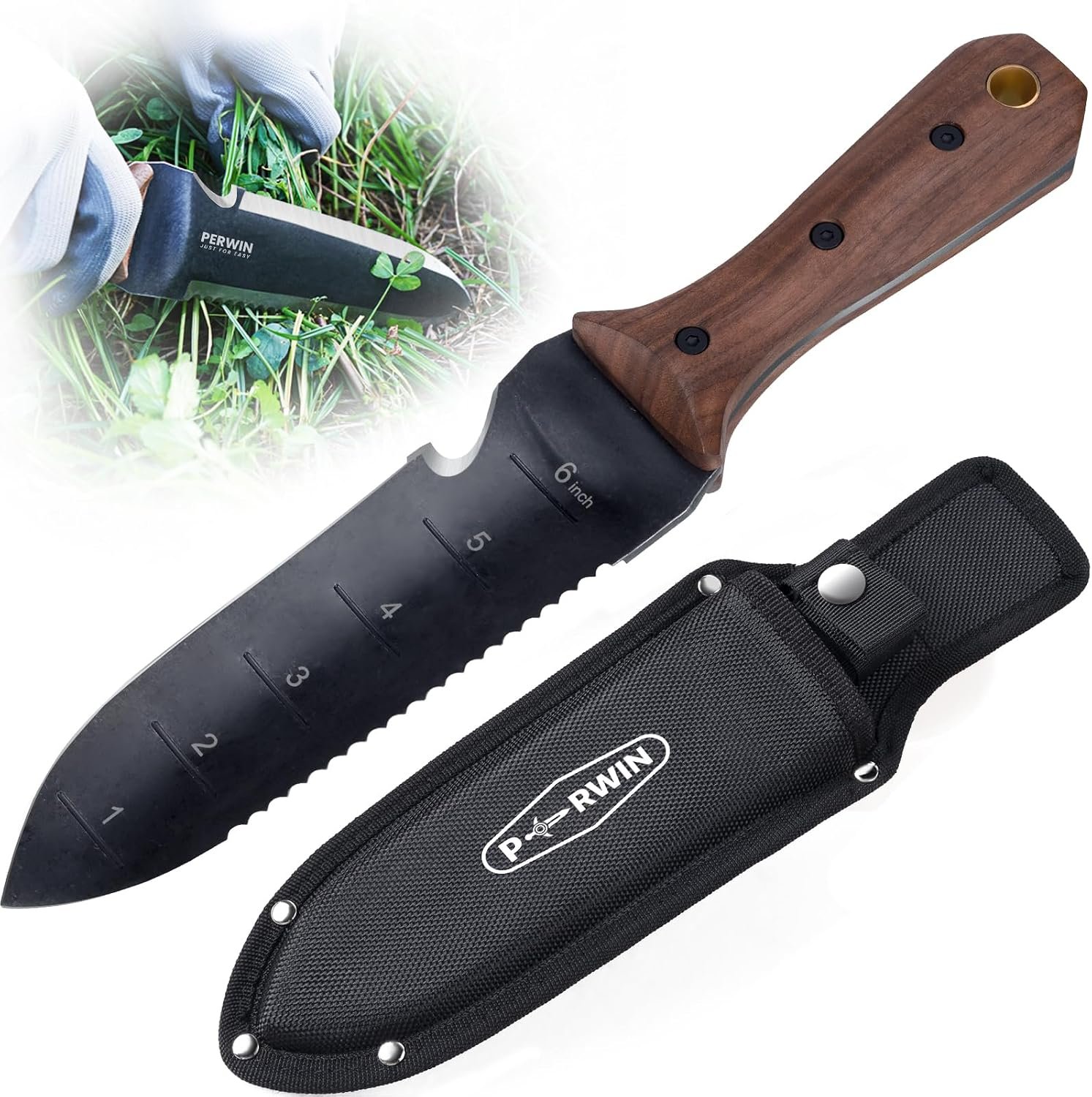
7. A Hori-Hori Knife or Similar Multi-Use Blade
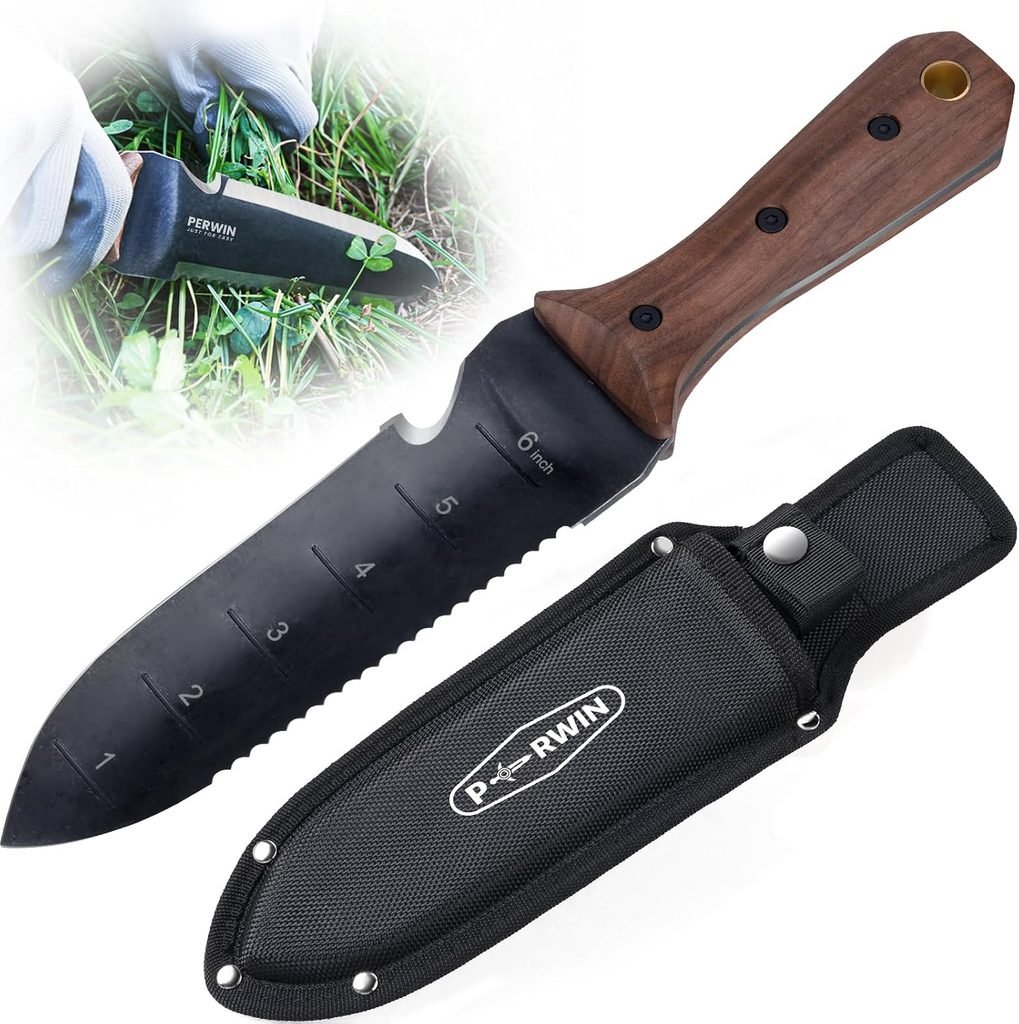
A hori-hori is a Japanese-style digging knife with a concave, serrated blade, and many gardeners who own one consider it the most versatile hand tool they have. It digs, cuts roots, slices bags of soil, divides perennials, plants bulbs, and often has depth markings along the blade.
Most are 11 to 13 inches overall, so they just fit a large stocking. It comes down to sharpness and storage: the blade is sharp enough to injure, so choose a model that includes a sheath, and think twice before giving it where young children might get into the stocking first.
Stainless steel resists rust. Carbon steel holds an edge a bit longer but needs drying and oiling after use. For a gift, stainless is the lower-maintenance choice. Costs often range from $20 to $40.
8. A Weeding Tool for Taproots
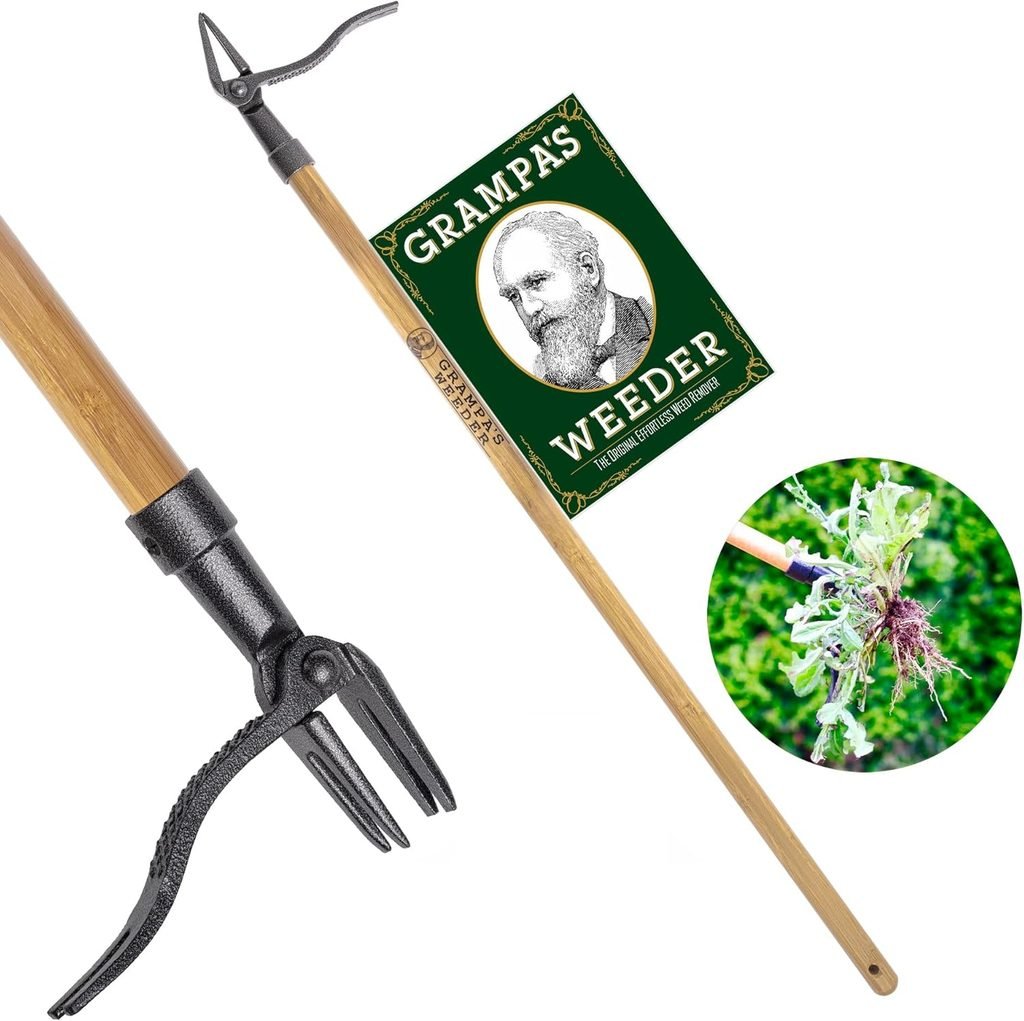
Anyone fighting dandelions, thistles, or plantain knows the problem: pull the top and the root regrows. Dandelions in particular can regenerate from pieces of their taproot left in the ground, which is why a tool that reaches the full length matters.
A stand-up or hand-held weeder with a forked tip slides down alongside the root, and leverage lifts it out whole. For a stocking, the short hand-held version is the practical size. Look for a forked tip made of forged steel rather than thin stamped metal, which can bend in clay soil.
These work best when the soil is moist. In dry, hard ground, even a good tool struggles, and gardeners usually wait for rain or water the area first. Price: $10 to $25.
9. Soil Thermometer or pH Test Kit
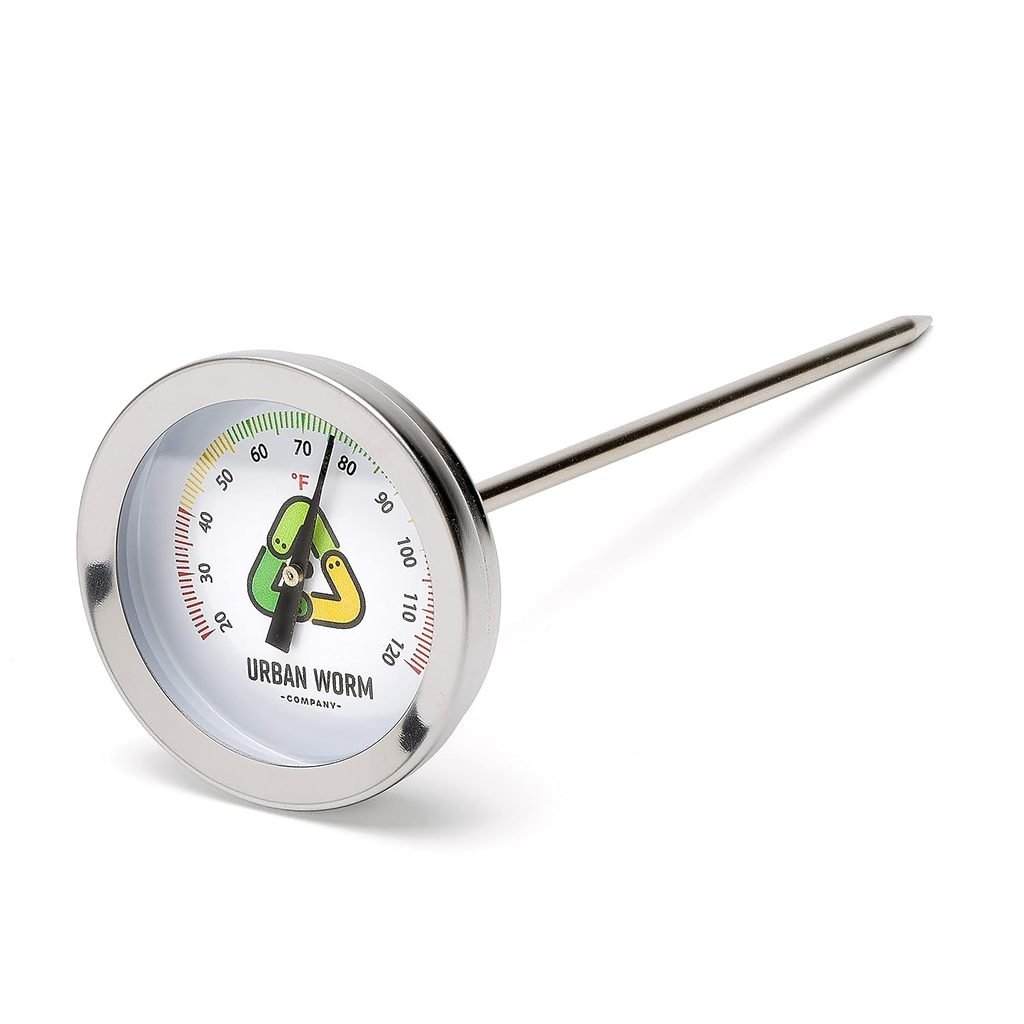
These are less obvious gifts, but they appeal to gardeners who like to work from data. A soil thermometer helps with timing: many seeds germinate best within a particular soil temperature range, and planting too early into cold ground can lead to poor germination or rot. Seed packets and extension service guides list the ideal ranges for specific crops.
A soil pH kit tells the gardener how acidic or alkaline their soil is, which affects how well plants take up nutrients. Home kits and probes are inexpensive, but they are only approximate. For decisions that involve amending a whole garden bed, a laboratory soil test through a local cooperative extension office is more reliable and often costs little. A home kit is good for a general idea, not a precise prescription.
Thermometers usually cost $8 to $20, and basic pH kits from $10 to $25.
Plants, Seeds, and the Start of the Season
10. Seed Packets Chosen for the Person’s Climate
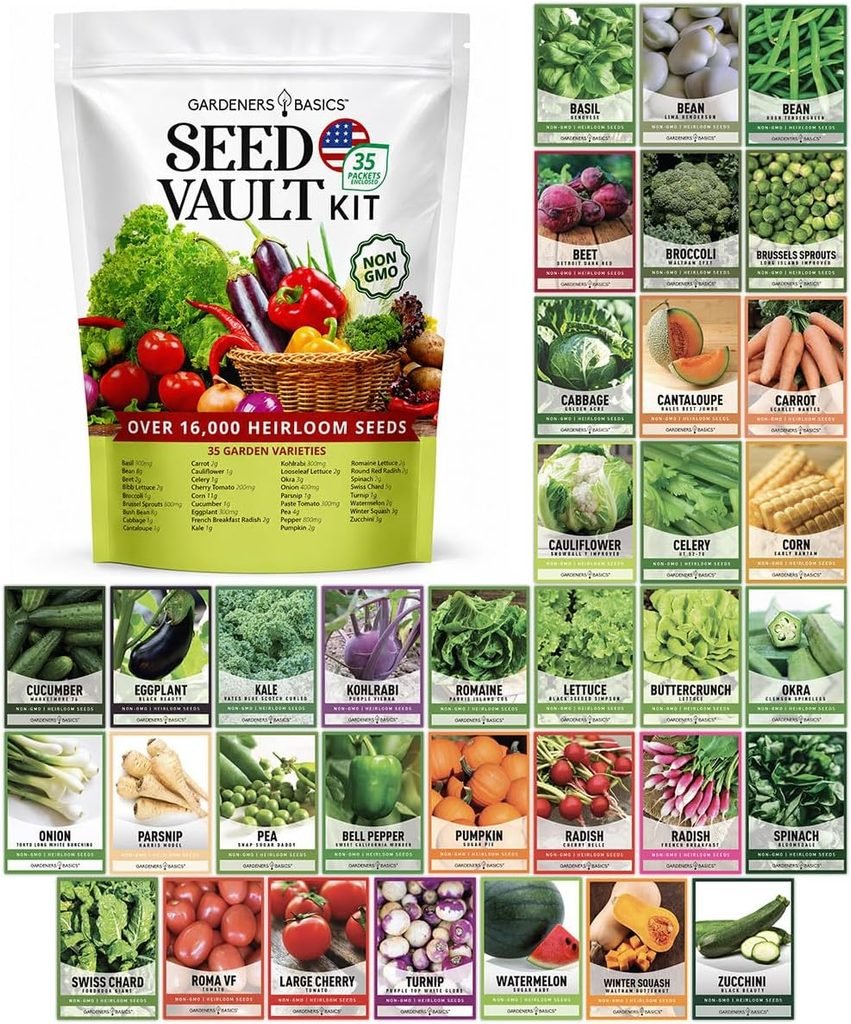
Seeds are the classic stocking stuffer, and they are better when chosen with a little care. A random assortment from a grocery store rack may include varieties that don’t suit the recipient’s growing season.
Think about what the recipient grows and what’s practical. Fast crops like radishes, lettuce, and bush beans reward beginners. Heirloom tomatoes and unusual peppers appeal to people who already grow vegetables and want something they can’t easily find. Wildflower mixes can be a good choice, though regional mixes are better than generic ones, since some national mixes contain species that aren’t native or well suited to a given area.
Check the “packed for” date on the packet. Seed viability declines over time, and some, like parsnips and onions, lose it faster than others. A packet from the current or most recent season is safest. Packs typically cost $2 to $5, so a handful of well-chosen ones makes a thoughtful bundle.
11. Bulbs for Planting Right Now
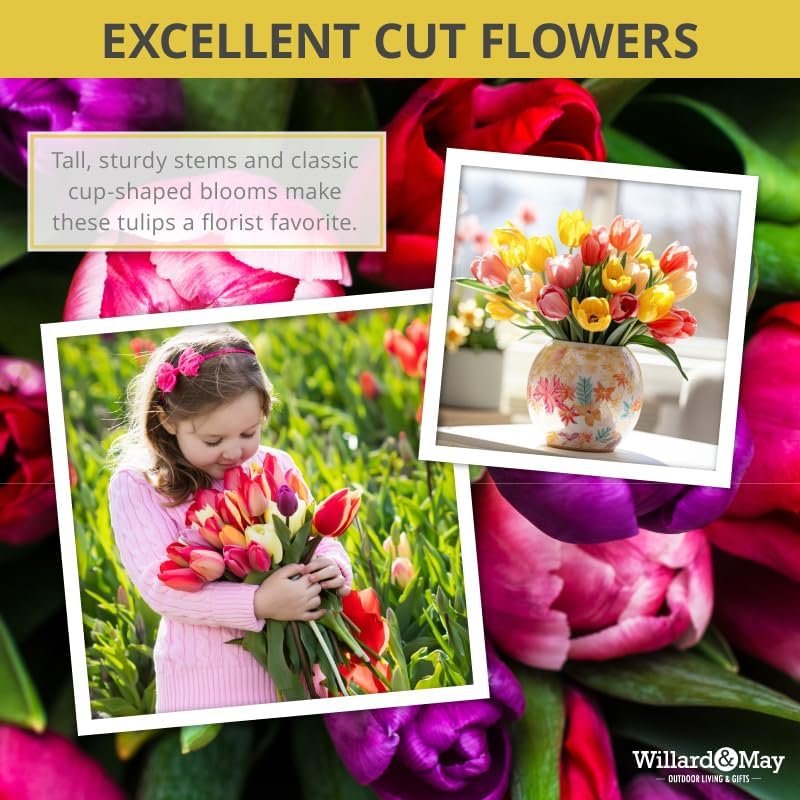
Timing matters here. In many regions, fall is the planting time for spring-blooming bulbs like tulips, daffodils, and crocuses. If the stocking is for a holiday in late fall or winter, ground conditions may already be frozen, so bulbs are only a good gift when the recipient can still plant them. In milder climates, they can go in later.
Bulbs also work as a gift for forcing indoors. Paperwhite narcissus and amaryllis are commonly sold for indoor bloom and need no outdoor planting. Both have a short path from gift to flower. Be aware that some bulbs, including daffodils, tulips, and amaryllis, are toxic to cats and dogs if chewed, so households with pets should keep them out of reach.
Single bulbs or small bags run about $3 to $15.
12. Seed-Starting Supplies in Miniature
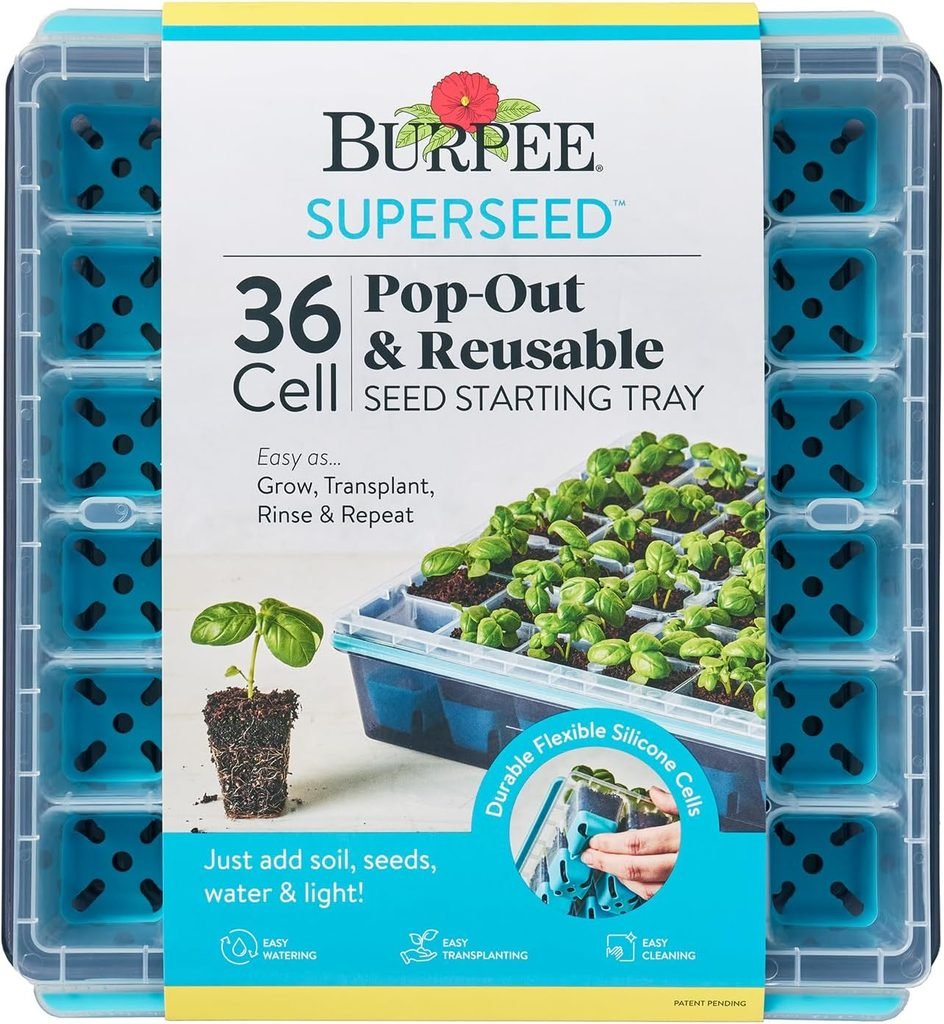
Not everything for seed starting is large. Peat pots, soil blocks, and small biodegradable pots fit easily into a stocking. A small bag of seed-starting mix, which is lighter and finer than potting soil, is another practical add.
Seed-starting mix is worth distinguishing from regular potting soil. Seed-starting mixes are designed to hold moisture while staying loose, and they’re usually sterile, which helps reduce damping-off, a fungal disease that kills seedlings at the soil line. Regular garden soil is too dense for most tiny seedlings.
This is the right gift for someone who starts plants indoors in late winter. It’s less useful for someone who direct-sows everything or buys transplants. Costs are modest: $4 to $12.
Organization and Record-Keeping
13. Weatherproof Plant Markers
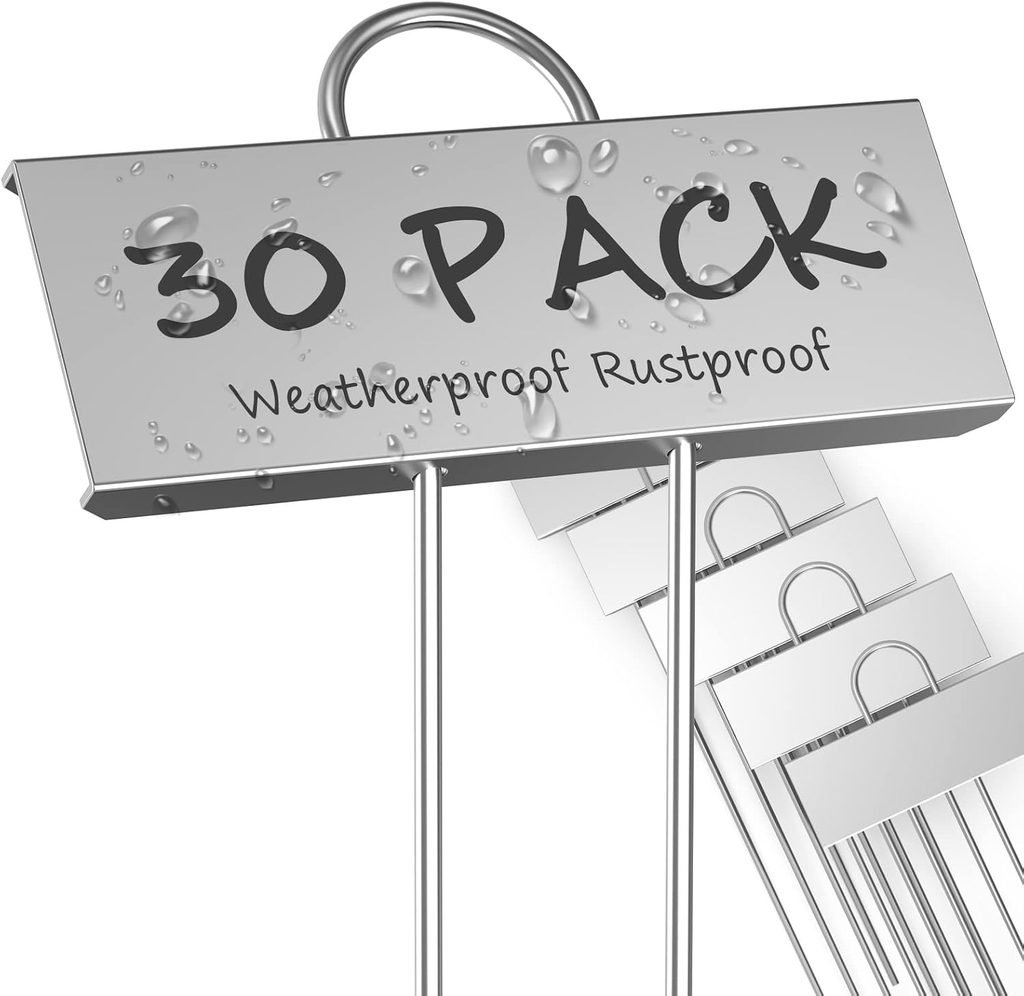
Plant labels fade, snap, or disappear, and gardeners often end up with a bed full of mystery plants. Good markers are among the most useful small gifts there is.
What survives a season outdoors? Wooden stakes can rot at the base, and plastic tags often turn brittle in sun. Metal markers, including copper and zinc, hold up for years and can be written on with a pencil or scratched in. Standard permanent markers often fade in strong sun, and a graphite pencil on a roughened surface is often more durable than ink, though the results vary.
A set of 10 to 25 metal or heavy-duty plastic markers with a pencil is a practical bundle. Typical cost: $8 to $20.
14. A Garden Journal or Planting Planner
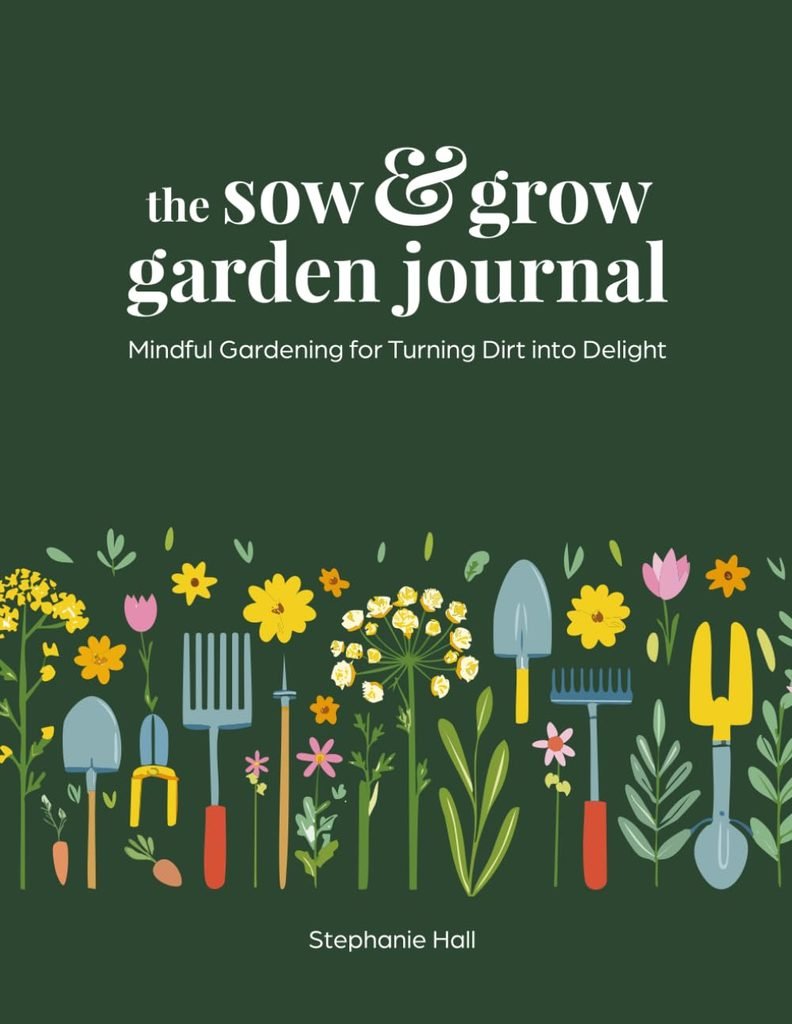
Memory is unreliable in a garden. Which tomato variety did best? When did the last frost actually arrive? A journal answers those questions over time, and it pays off most for gardeners in their second or third season, when patterns start to emerge.
Look for one with practical layouts: space for planting dates, harvest notes, a sketch of the bed, and pest observations. Weather-resistant pages or a spiral binding that lies flat in a bed can be useful. A simple notebook is fine if the recipient prefers to make their own system, and an elaborate pre-printed planner can feel like a chore.
Price runs about $10 to $25.
One Treat Worth Adding
15. A Bundle of Something for the Gardener, Not the Garden
Not every gift has to be a tool. After hours outdoors, a gardener often appreciates something simple: a tin of loose-leaf tea, a bar of good chocolate, a hand-warmer for cold-weather work, or a heavy-duty thermos. Cold hands are a real problem in late fall and early spring, and reusable hand warmers are a quiet favorite of people who garden through the seasons.
This works as the filler that balances out the practical items, and it keeps the stocking from feeling like a hardware aisle. It’s also the safest choice when you’re not sure what someone already owns.
Choosing Well When You Don’t Know What They Have
A few decision rules help when the gardener’s setup is a mystery:
- Buy consumables over durables. Gloves, seeds, labels, and salve get used up. A second set of pruners may gather dust.
- Match the gift to the type of gardening. Container and indoor gardeners need snips, markers, and potting mix more than kneeling pads and hori-hori knives.
- Check the season. Bulbs and seeds have planting windows, and a gift that arrives at the wrong time may have to wait months.
- Mind sizes and safety. Gloves need the right fit, sharp blades need sheaths, and bulbs need to stay away from pets.
- When in doubt, ask a household member. A quick message to a spouse or friend can settle glove size, favorite crops, and whether the person already has a good pair of pruners.
Frequently Asked Questions
What if the recipient has everything?
Replaceable items are the best bet: sharpening tools, new labels, fresh seed, and hand salve. Experienced gardeners tend to own tools but rarely replenish small consumables.
How much should I spend on each item?
Stocking stuffers usually stay under $25, and many of the items above fall well below that. Put the money into things used daily, such as gloves and pruners, rather than novelty items.
Are seeds from a garden center or a specialty supplier better?
Either can work. Specialty suppliers often offer more unusual varieties and sometimes give more detail about growing conditions. Whichever you choose, check the packing date and make sure the variety suits the recipient’s climate zone.
Can I give plants as a stocking stuffer?
Small ones, like a tiny succulent or a rooted cutting, can travel briefly, but most don’t tolerate long periods in a dark, cold sock. Bulbs and seeds are the better choice.
Key Takeaways
The best stocking stuffers for gardeners are the things that wear out: sharp blades, durable gloves, labels that last, and seeds suited to the recipient’s climate. Choose gifts that match how the person gardens rather than gardening in general, and keep an eye on timing for seeds and bulbs. If one item gets spent on quality, make it gloves or pruners. Everything else can stay small and inexpensive.

About Syprose Kiche
Syprose Kiche is the creator and writer behind My Besuited Home, a practical home and garden website covering DIY projects, gardening, lawn care, landscaping, home improvement, and outdoor living. She focuses on turning everyday homeowner questions into clear, practical guides backed by careful research and useful real-world considerations.