
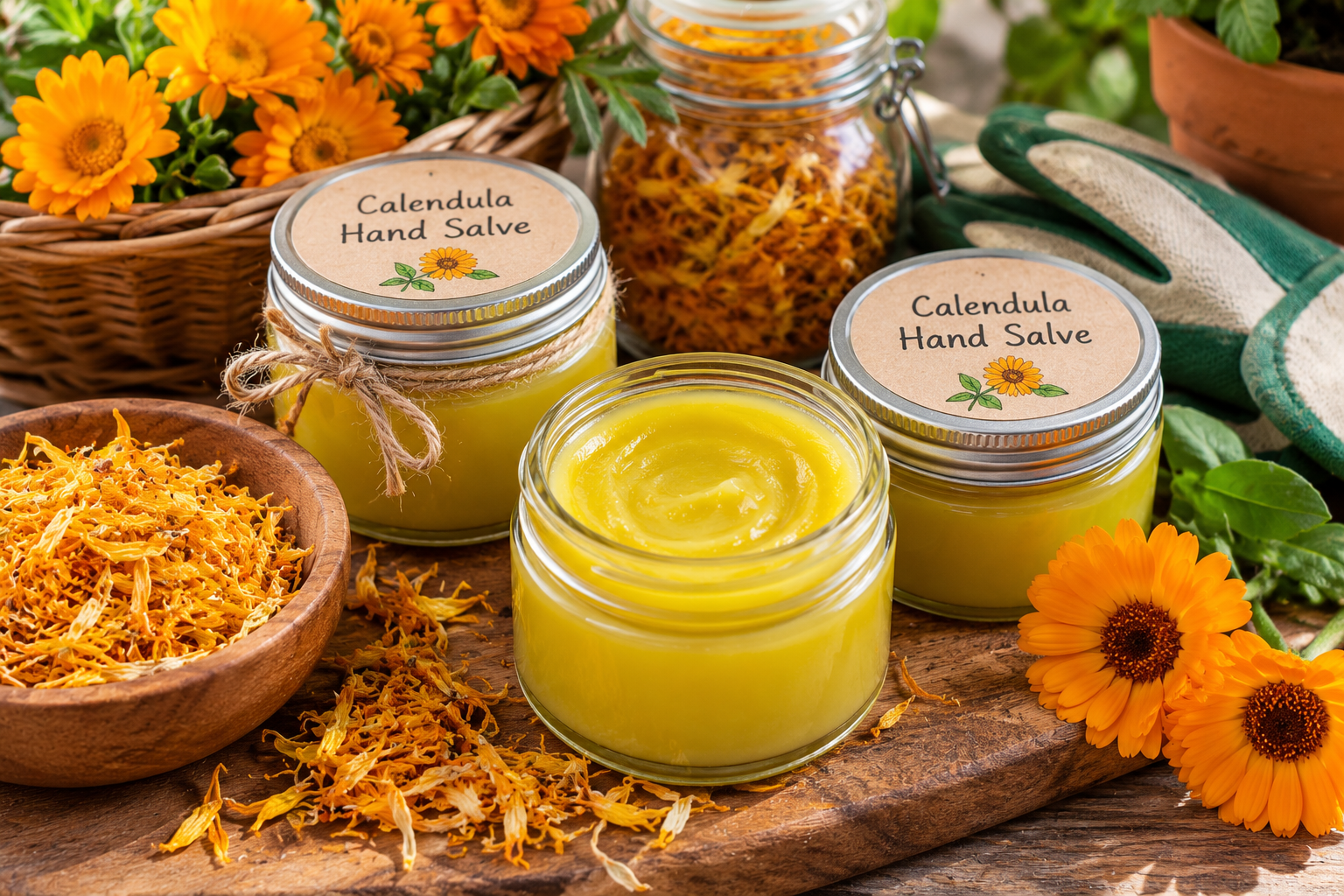
A dedicated gardener usually owns more trowels than they can use. Gloves, kneeling pads and decorative watering cans pile up too, which is why store-bought gardening gifts so often end up on a shelf in the garage. A homemade gift avoids that problem when it is built around what the person actually grows, cooks or fusses over: a pot sized for the basil on her windowsill, a salve for hands that never quite lose the soil, a stepping stone for the spot where the path keeps turning to mud.
The 20 ideas below are sorted by recipient, with notes on materials, timing and the places where a good idea quietly goes wrong, such as paint flaking off terracotta or a sachet that molds in a drawer. Where a recipe or technique has a safety angle, it is spelled out. Where a figure varies by supplier or climate, it is flagged so you can check it before you start.
How to Choose a Homemade Gift a Gardener Will Actually Use
Three questions narrow the field quickly.
Will it live outdoors or indoors? Anything that sits in rain, sun and freezing nights needs materials that tolerate them. Unsealed paper, hot glue and cheap craft paint do not. Indoor gifts, such as sachets, journals and propagation stations, are more forgiving.
Is it something that gets used up, or something that stays? Salves, tea blends and herb salt are consumable, so the recipient never has to find a place for them. Stepping stones, restored tools and plant hangers are permanent, which means they should match the person’s taste and space. If you are unsure, lean consumable.
What does the season allow? A seed-starting gift in December is useful because planting is a few months away. A pressed-flower project is best made when flowers are blooming, so it may need to start months before the birthday. Planning backward from the date saves a lot of last-minute compromise.
The table below gives a rough sense of effort. Times are approximate and depend on drying and curing.
| Gift | Lead time needed | Skill level |
| Painted herb pots | 2 to 3 days (paint and sealer need drying time) | Beginner |
| Lavender sachets | 1 to 2 weeks of drying, then an evening | Beginner |
| Calendula hand salve | 2 to 4 weeks if steeping oil slowly | Intermediate |
| Stepping stone | 2 days to set, plus curing | Intermediate |
| Restored hand tools | A weekend | Beginner to intermediate |
| Gardener’s scrub soap | An hour, plus cooling | Beginner |
| Bucket tool organizer | An afternoon | Beginner (sewing helps) |
| Fairy garden | An afternoon | Beginner |
| Painted plant markers | An evening, plus drying | Beginner |
| Seed paper cards | 2 days (drying) | Beginner |
| Bug hotel | An afternoon | Beginner (a drill helps) |
| Seed bombs | 2 days (drying) | Beginner |
| Pressed-flower frame | 2 to 4 weeks of pressing | Beginner |
| Tea garden kit | An afternoon, plus a dried blend | Beginner |
| Garden journal | An evening | Beginner |
| Macramé plant hanger | A few hours | Intermediate |
| Propagation station | An hour, but cuttings take time to root | Beginner |
| Canvas garden apron | An afternoon | Intermediate |
| Saved-seed collection | Depends on the harvest | Beginner |
| Herb salt | 2 days (drying) | Beginner |
Gardening Gift Ideas for Mom’s Birthday
Mothers who garden tend to have strong opinions about what goes where, so the best gifts here are the ones that serve her existing plans rather than add clutter.
1. A Trio of Painted Herb Pots With Labels
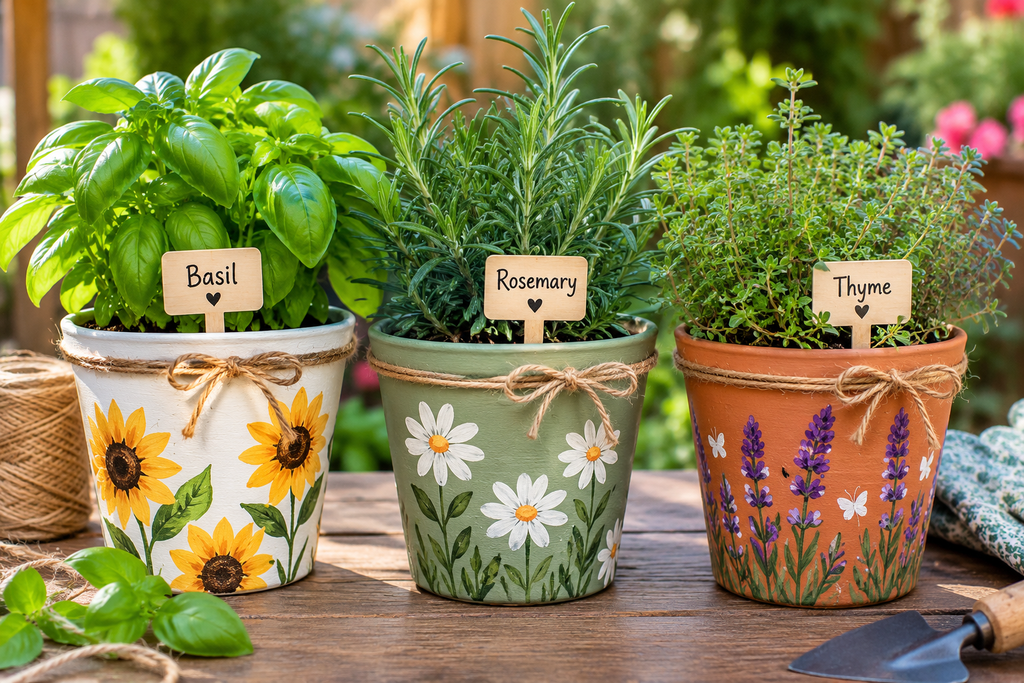
Terracotta is porous and pulls moisture through its walls, which is great for roots and terrible for paint. Latex or acrylic paint applied directly to bare clay often bubbles and peels within a season. Seal the bare terracotta first, paint the outside only with water-based acrylic, and finish with a clear exterior sealer. Keep paint off the rim and away from the inside, especially if she will eat what grows there.
Make sure every pot has a drainage hole. Fill each with fresh potting mix and plant what she cooks with: chives, thyme and parsley are forgiving in pots, while basil needs warm nights and will sulk in a cold spring. Add a small slate or wooden label for each. If the birthday falls outside planting season, give the pots with seed packets tucked in a jar and a note saying which window each herb prefers.
2. Lavender Sachets for Drawers and Closets
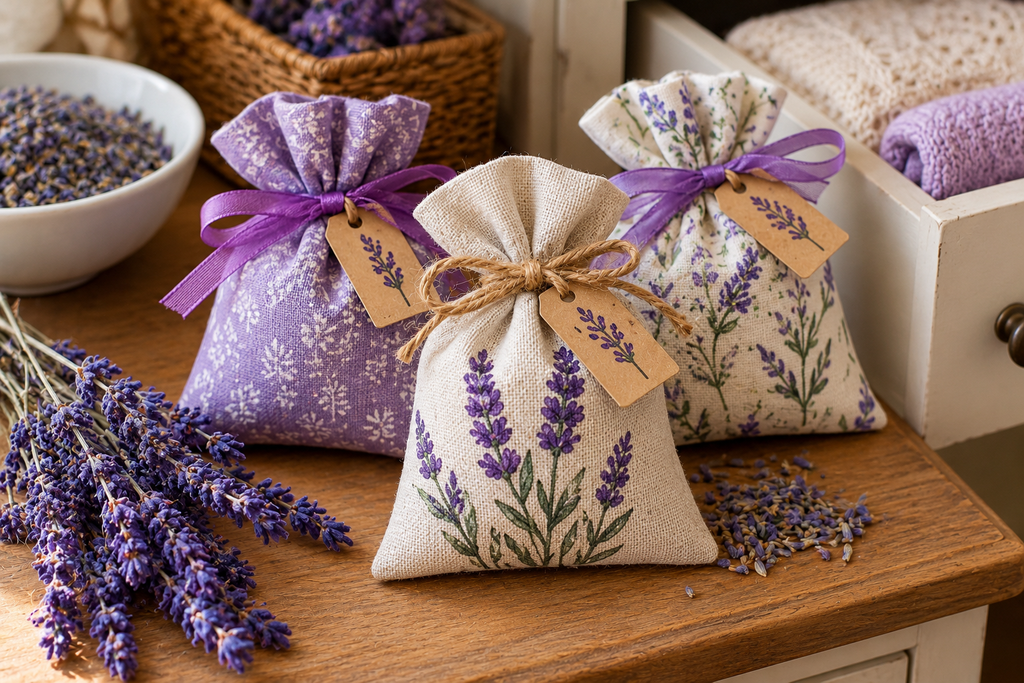
The timing matters more than the sewing. Lavender is usually cut when roughly half the buds on the flower spike have opened, then hung upside down in a dark, airy spot to dry for a week or two. Buds that go into a bag while still damp can mold, so rub a few between your fingers first. They should fall off the stem easily and feel papery.
Fill small cotton or muslin bags about two-thirds full so the contents can shift and release scent when squeezed. Include a card explaining that the fragrance fades and can be refreshed by pressing the bag or adding a few more dried buds. If the recipient has cats, skip added essential oils. Plain dried flowers are the safer choice.
3. Calendula Hand Salve for Gardening Hands
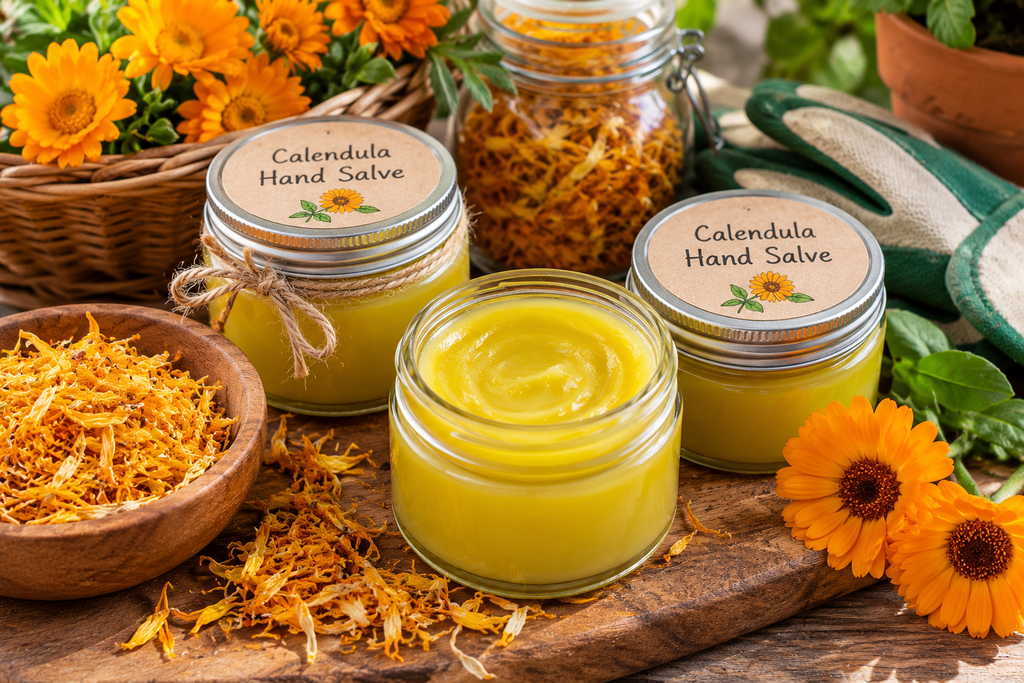
Dirt, thorns and frequent washing are hard on skin, so a simple salve is a gift gardeners tend to appreciate. Start with dried calendula petals, not fresh ones. Fresh plant material adds water to the oil, which invites mold and spoilage. Cover the petals with olive oil in a clean jar and let them steep for two to four weeks in a warm spot, or warm them gently in a water bath for several hours. Strain through fine cloth.
To set the oil, melt it with beeswax. A common starting point is about one part beeswax to four parts oil by weight, which gives a soft balm. More wax makes it firmer. Drop a spoonful on a cold plate to test the texture before pouring into tins.
Two cautions. Calendula belongs to the daisy family, so anyone with ragweed or daisy allergies could react to it. And homemade salves have no preservatives, so label the date, store in a cool place and discard anything that smells off.
4. A Mosaic or Handprint Stepping Stone
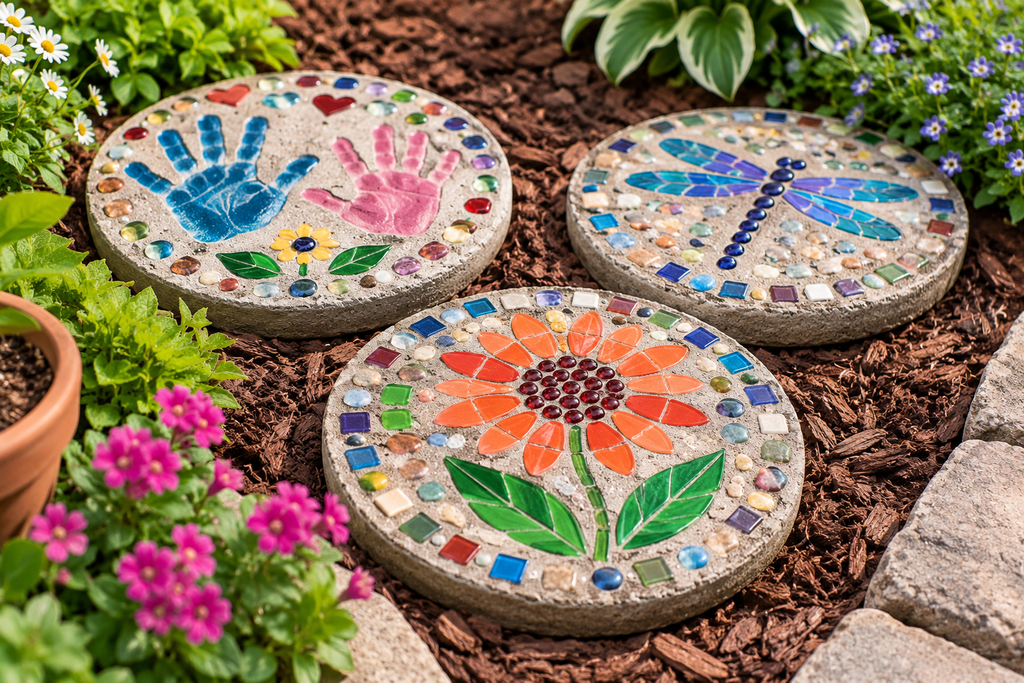
This is one of the few gifts that can stay in a garden for decades. Buy a round or square stepping-stone mold and a bag of quick-setting concrete mix. Mix with water to a thick, oatmeal-like consistency, fill the mold, tap the sides to release air bubbles and press in glass gems, tile pieces or a handprint. Let it set for a day or two before unmolding, then keep it damp for several more days so it cures slowly and reaches full strength.
Wet concrete is caustic. Wear gloves, safety glasses and a dust mask when mixing, and rinse skin that touches it. Do not wash leftover mix down a household drain. Thin stones can crack in hard freezes, so choose a mold at least an inch or two deep if she lives somewhere cold. Finally, plan the handoff: a finished stone is heavy.
Homemade Gifts for Dad That Go Beyond a Mug
5. Restored Hand Tools
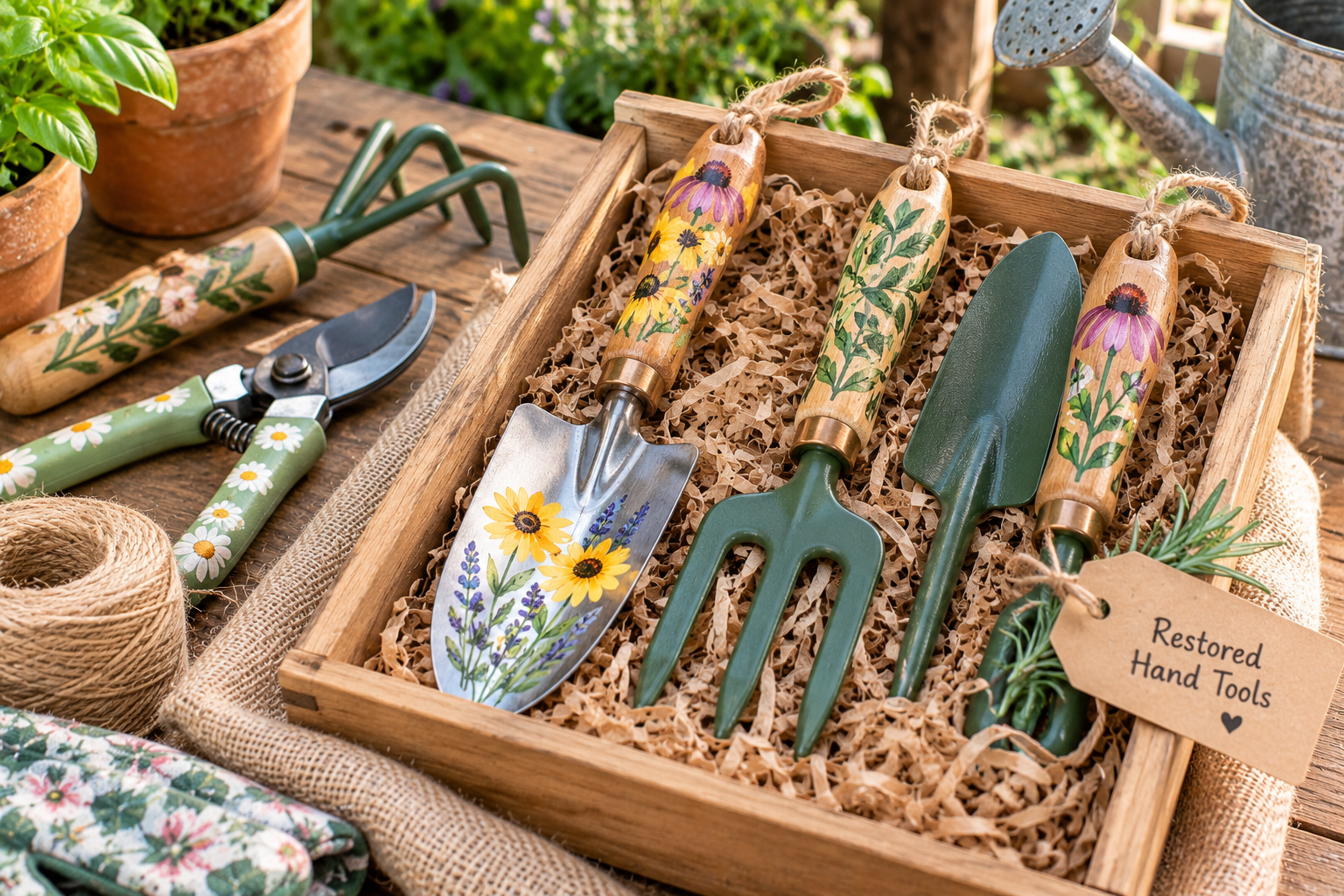
Old shovels, hoes and pruners from a garage sale or a family shed can be brought back to useful life. Soak rusty metal parts in white vinegar for several hours or overnight, scrub with a wire brush, rinse and dry immediately, then wipe the blade with light oil to keep rust from returning. Sharpen cutting edges with a file at the existing bevel angle.
Wooden handles can be sanded smooth, starting with coarse paper and finishing with fine, then rubbed with boiled linseed oil. One safety point deserves attention: rags soaked in linseed oil can heat up and ignite on their own as the oil cures. Lay them flat outdoors to dry, or soak them in water in a sealed metal container before disposal. If a handle is cracked, replacing it with a new hickory or ash handle is more sensible than patching it.
6. Gardener’s Scrub Soap
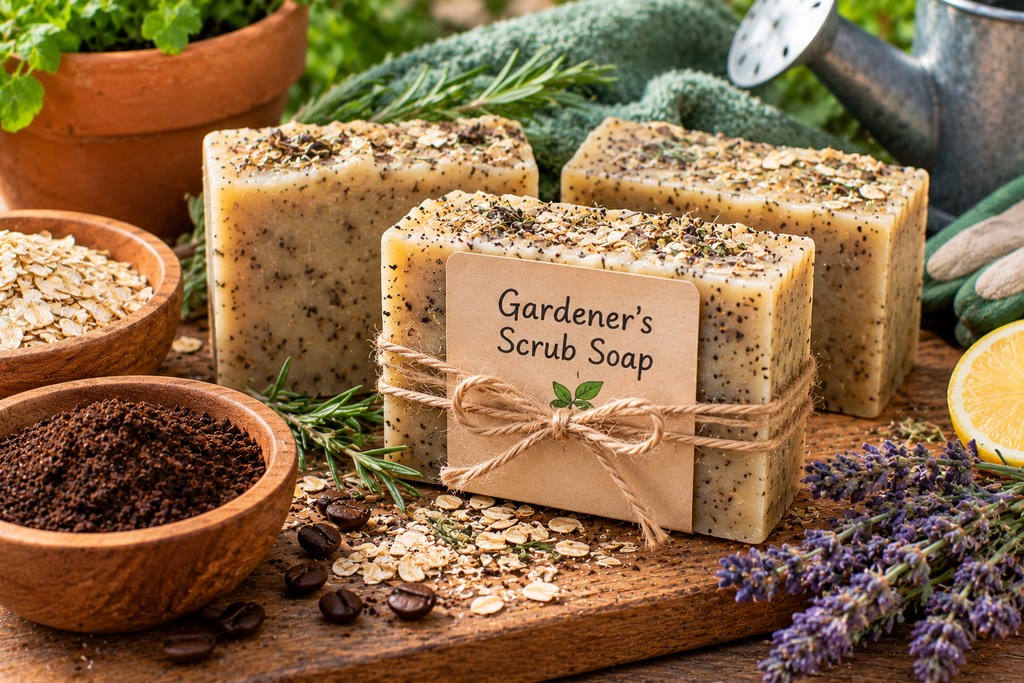
Soap made with lye is not a beginner project, so use a melt-and-pour soap base, which has already gone through that chemistry. Melt it in short bursts in a microwave, stir in an abrasive such as dried coffee grounds, fine pumice or ground oats, and pour into a mold. A couple of tablespoons per pound of base is a reasonable place to start, though the exact amount depends on how gritty you want it. Coffee grounds should be thoroughly dried first.
Spritzing the surface with rubbing alcohol pops surface bubbles. If you add fragrance, use skin-safe oils at the supplier’s recommended rate, not by guesswork. Wrap each bar in paper with a label listing the ingredients. It is a small gift, and a practical one for anyone with stained knuckles.
7. A Bucket Tool Organizer
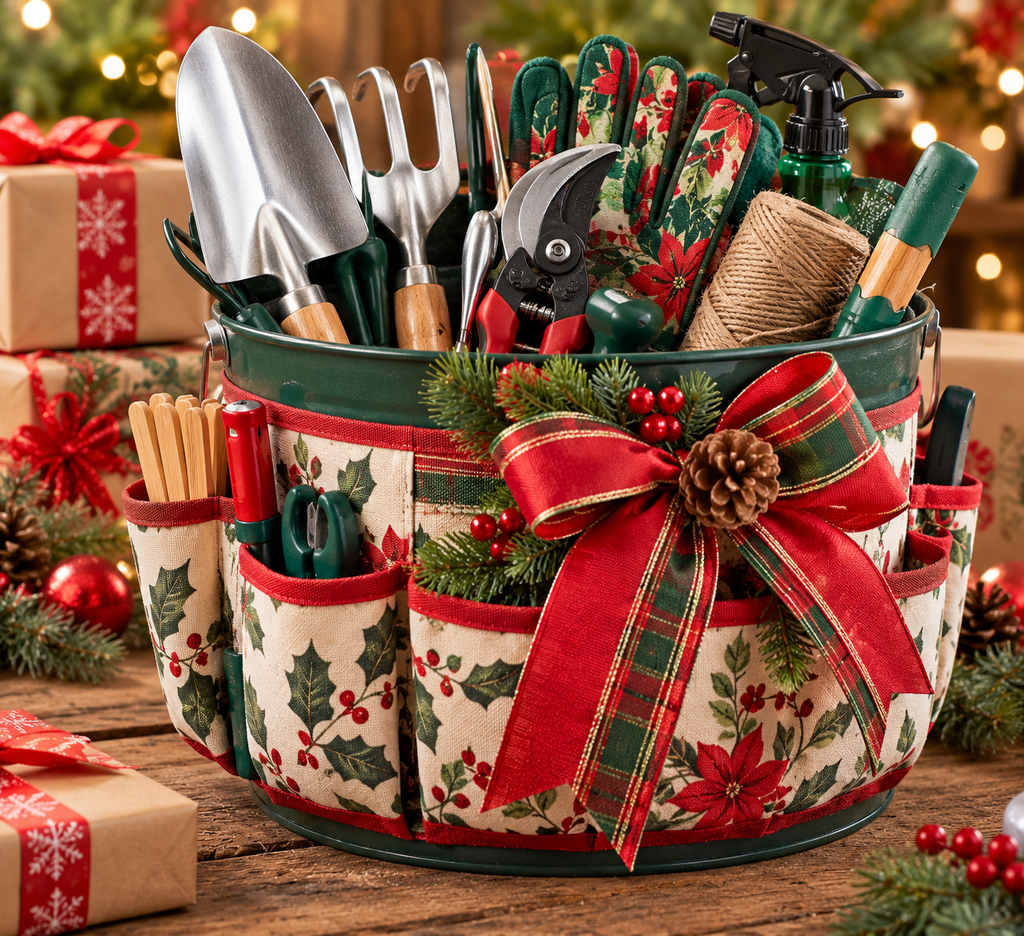
A five-gallon bucket is already one of the most useful objects in a garden. Add a fabric sleeve with pockets and it becomes a portable station for trowels, shears, gloves, twine and a seed packet or two. Measure the tools first so the pockets are the right depth. Heavy canvas or duck cloth holds up best, and sewing the seams will outlast fabric glue. If you do not sew, rivets and heavy-duty fabric adhesive can work for lighter loads.
Pre-wash the fabric, because canvas shrinks. Leave the bottom of the bucket empty, so it can still carry weeds, water or a bag of compost, and so it can still be flipped over as a seat.
Gardening Gift Ideas for Girls’ Birthdays
The next two sections are labeled “girls” and “boys” because that is how many people shop, but kids tend to ignore the labels. Any of these gifts can go either way. Check the child’s age against small parts such as figurines, glass gems and tools.
8. A Fairy Garden in a Pot
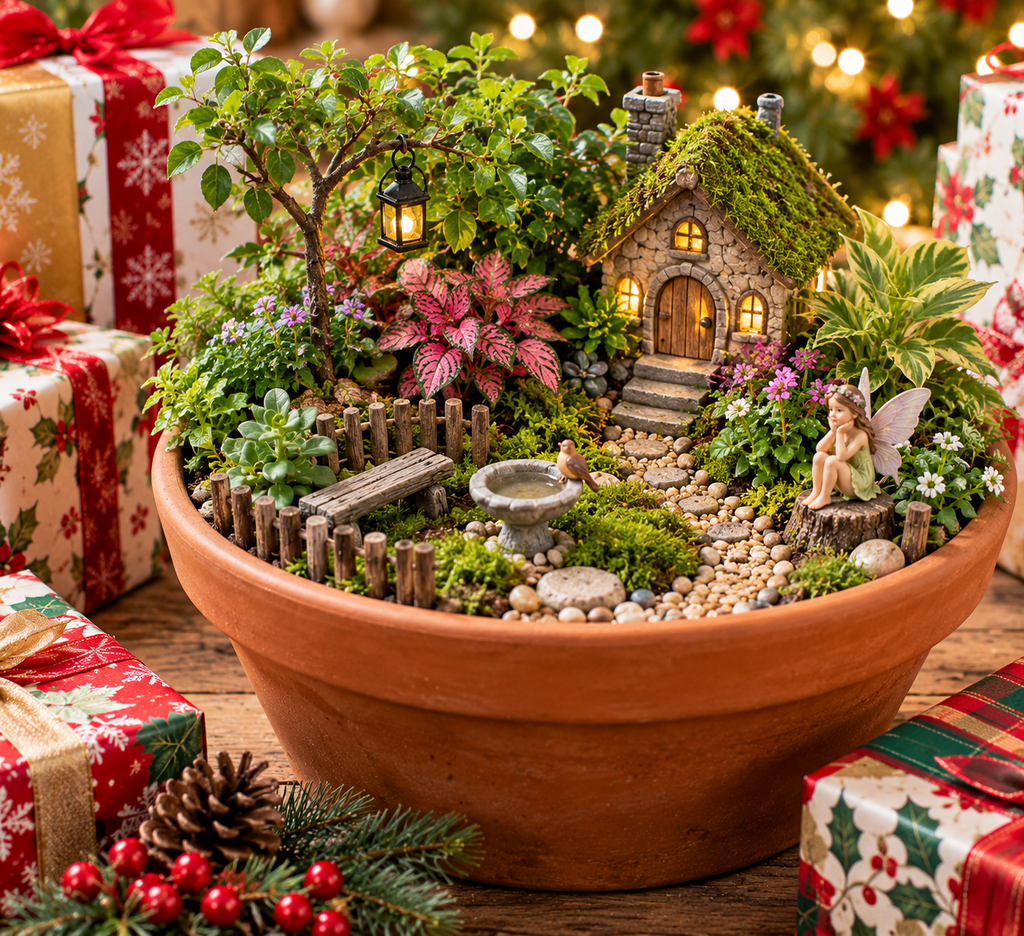
Use a wide, shallow container with drainage, fill it with potting mix and plant small, slow-growing varieties. The important rule is to pair plants with the same light and water needs. Succulents want fast-draining cactus mix and dry spells. Moisture-loving plants such as baby tears do not. Mixing the two means one group will always be unhappy.
Build the details from materials that survive weather if it will live outdoors: baked polymer clay, painted stones, pebble paths and twigs. Hot glue tends to give way in rain and sun. Include a small card with watering instructions that a child can follow, such as “water when the top of the soil feels dry.”
9. Hand-Painted Plant Markers
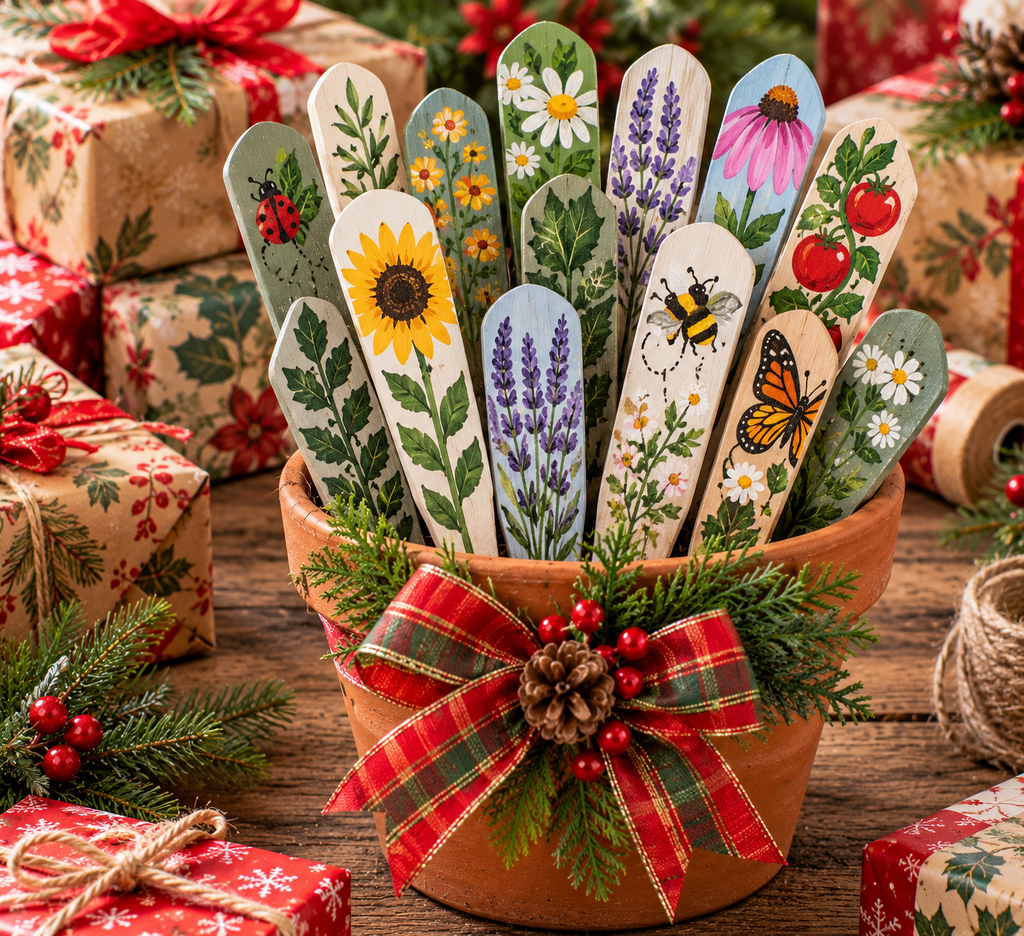
Paint stirrers, wooden spoons and flat stones all work. The problem is longevity. Ordinary marker fades in sunlight within weeks, so use oil-based paint pens or acrylic paint finished with exterior varnish. Let the markers dry fully before wrapping.
If the markers are going into a vegetable bed, stay with untreated wood. Pressure-treated lumber is not recommended around edible plants. Pair the markers with a few seed packets for a complete starter gift.
10. Seed Paper Birthday Cards
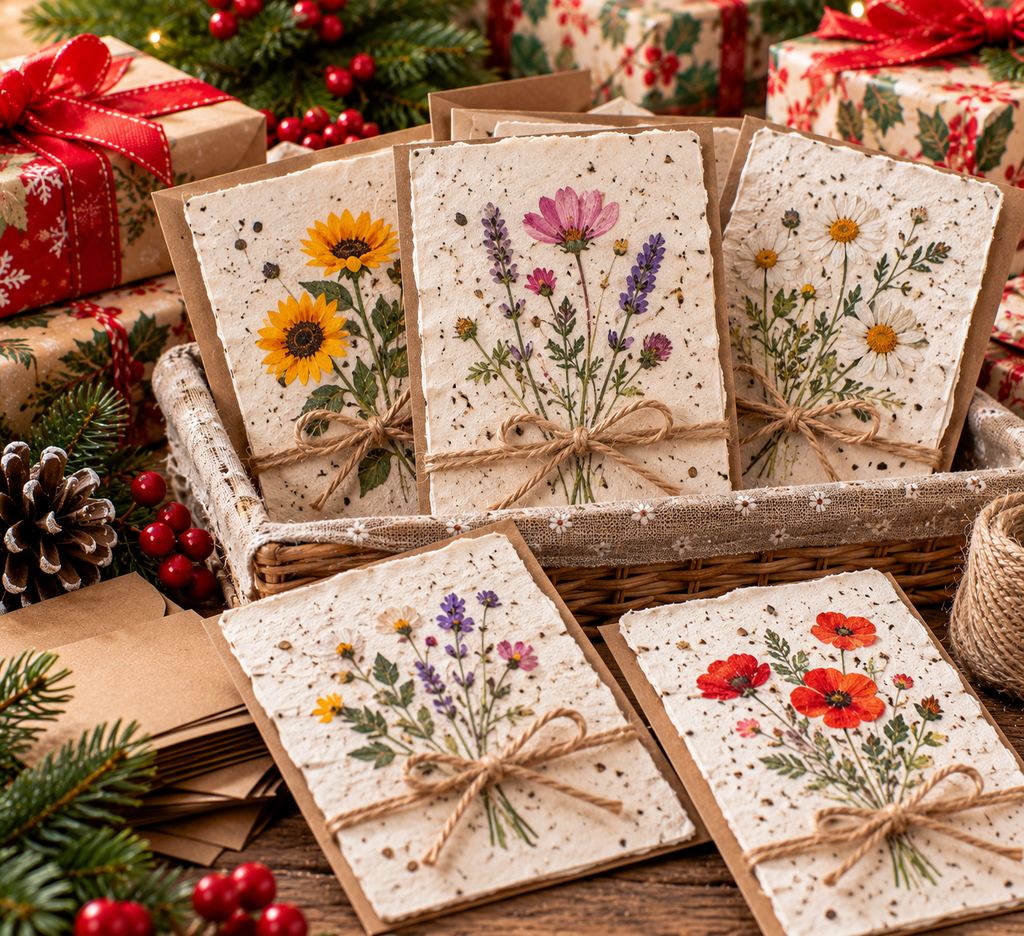
Tear plain scrap paper (not glossy or heavily inked) into small pieces, soak briefly, and blend into a pulp. Stir in small seeds such as wildflowers, basil or marigolds after blending, so the blades do not chop them. Press the mixture flat onto a screen or cloth, squeeze out the water and let it dry completely.
Speed is important here. Seeds that sit wet for too long can start to sprout before the recipient plants them. Dry the sheets quickly in a warm, airy spot. Include planting directions on the back: lay the paper on moist soil, cover it lightly and keep it damp until sprouts appear. Large seeds, such as beans and squash, are a poor fit because they stay too bulky to press flat.
DIY Gifts for Boys Who Like Digging in the Dirt
11. A Bug Hotel
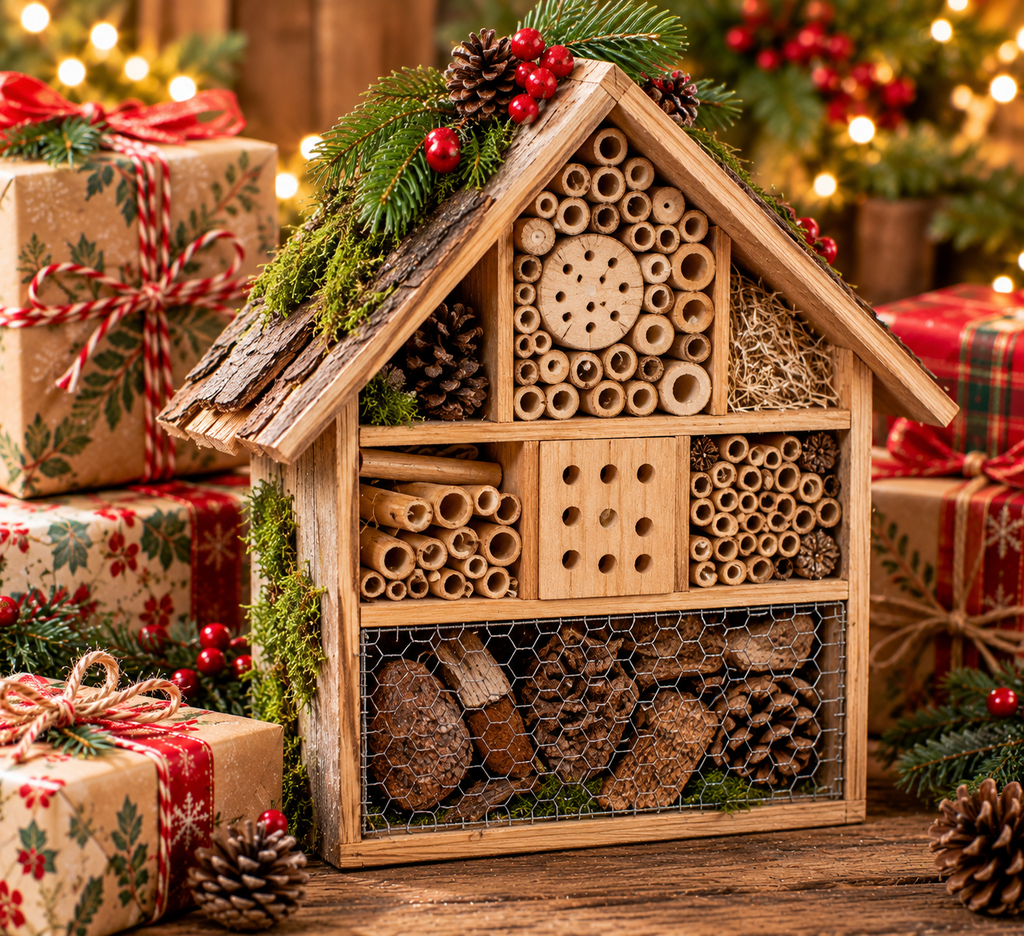
A bug hotel is a block of untreated wood, or a wooden frame packed with hollow stems, pine cones and bark, intended to give solitary bees and other beneficial insects a place to shelter. For the drilled-wood version, make holes in a range of diameters (roughly 1/8 to 3/8 inch), a few inches deep and not all the way through, with smooth edges so wings do not snag.
Hang or mount it on a fence or wall facing the morning sun, a few feet off the ground, with a roof overhang to keep rain out. Here is a realistic expectation to share with the child: how much use these structures get varies, and they mostly attract common solitary bees and wasps. That is still a decent reason to watch a corner of the yard.
12. Seed Bombs
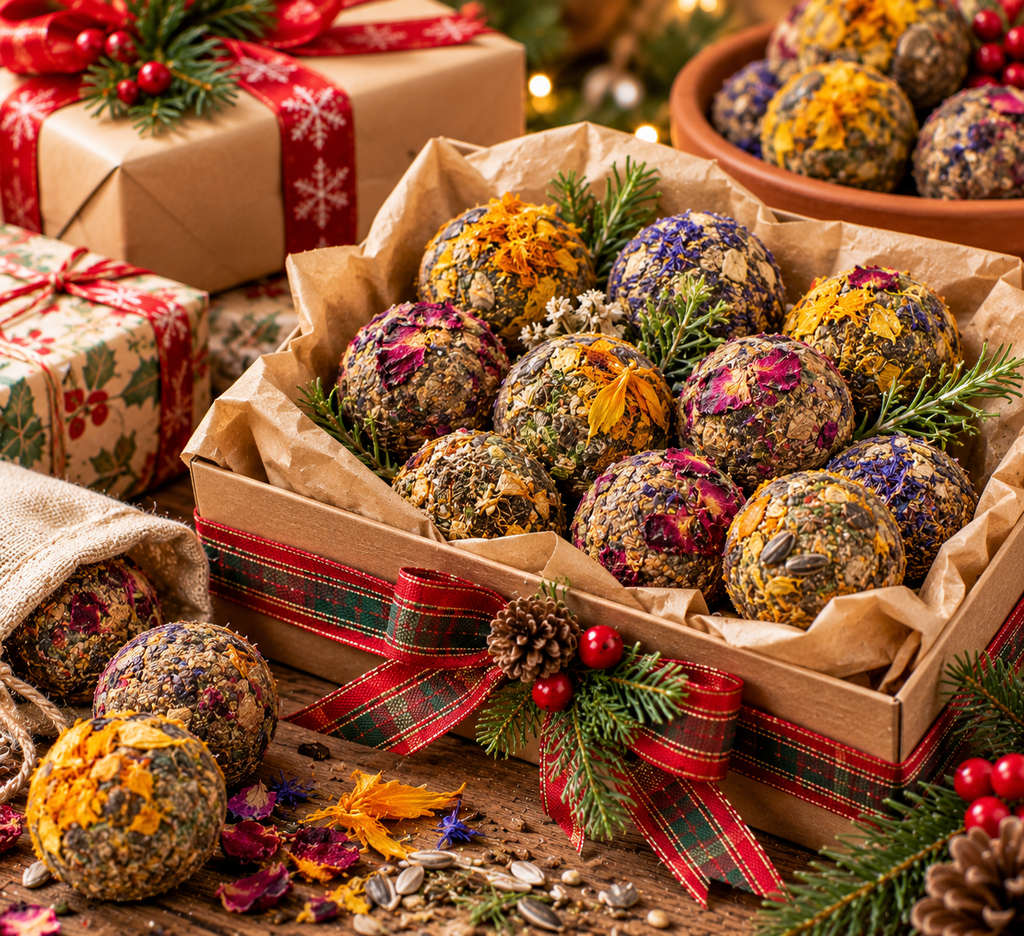
Seed bombs are marble-sized balls of clay, compost and seeds. A rough mix is about five parts powdered clay to three parts compost to one part seed, with just enough water to hold it together. Roll them, let them dry for a day or two, and store in a box.
Two cautions. Choose a seed mix suited to the region, ideally native wildflowers, since some commercial mixes include non-native plants that spread aggressively. And explain the rules: seed bombs belong on land the family owns or has permission to use, not in public parks or someone else’s yard.
Gift Ideas for a Girlfriend Who Loves Gardening
The goal with a partner is usually something personal rather than purely practical, so these lean toward keepsakes and shared rituals.
13. A Pressed-Flower Frame
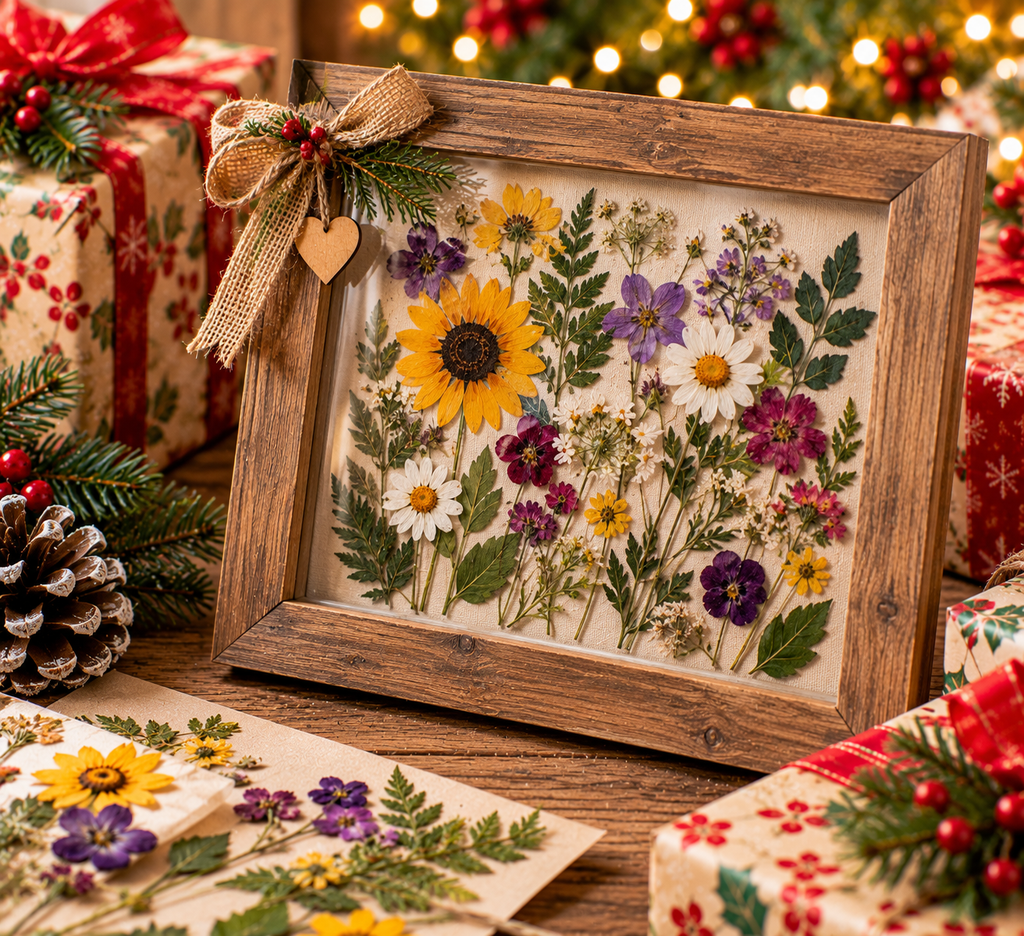
Flat, thin blooms press best: pansies, violas, cosmos, larkspur and ferns. Thick flowers such as roses and peonies should be split or have petals pressed individually. Place the flowers between sheets of parchment inside a heavy book and wait two to four weeks. Do not rush by opening it every few days.
For display, a floating frame with two panes of glass shows both sides of the arrangement. Color fades in direct sun, and reds tend to turn brown, so hang the frame out of strong light. Flowers from a bouquet you gave her, or from a garden bed she planted, give the piece a story.
14. A Tea Garden Kit
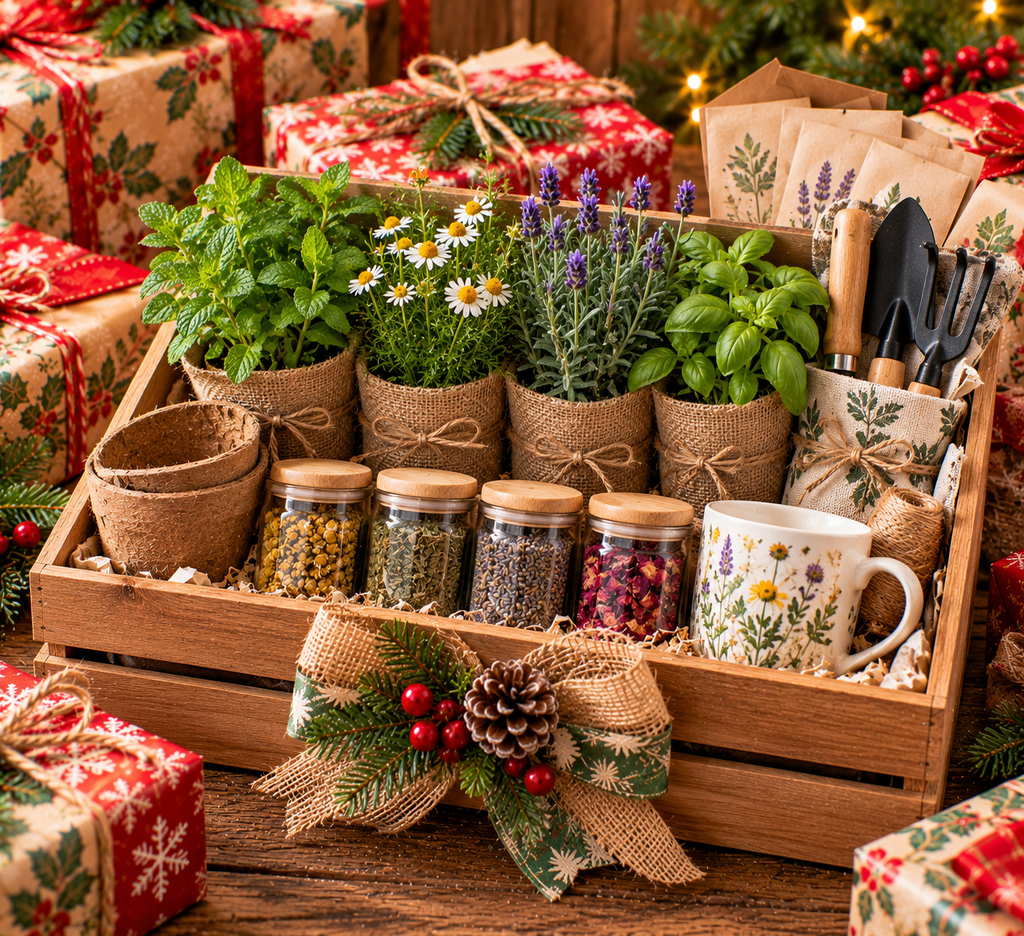
Plant a pot with mint, lemon balm and chamomile, and pair it with a jar of a dried tea blend. Mint spreads aggressively, so give it a pot of its own if you want the other plants to survive. Dry herbs in a warm, airy spot until they crumble, and store in an airtight jar away from light.
Only use herbs you can positively identify, and only those grown without pesticides not labeled for edible crops. Herbal teas are not right for everyone, particularly during pregnancy or alongside certain medications, so keep the card factual and avoid health claims.
15. A Garden Journal Built Around Her Plants
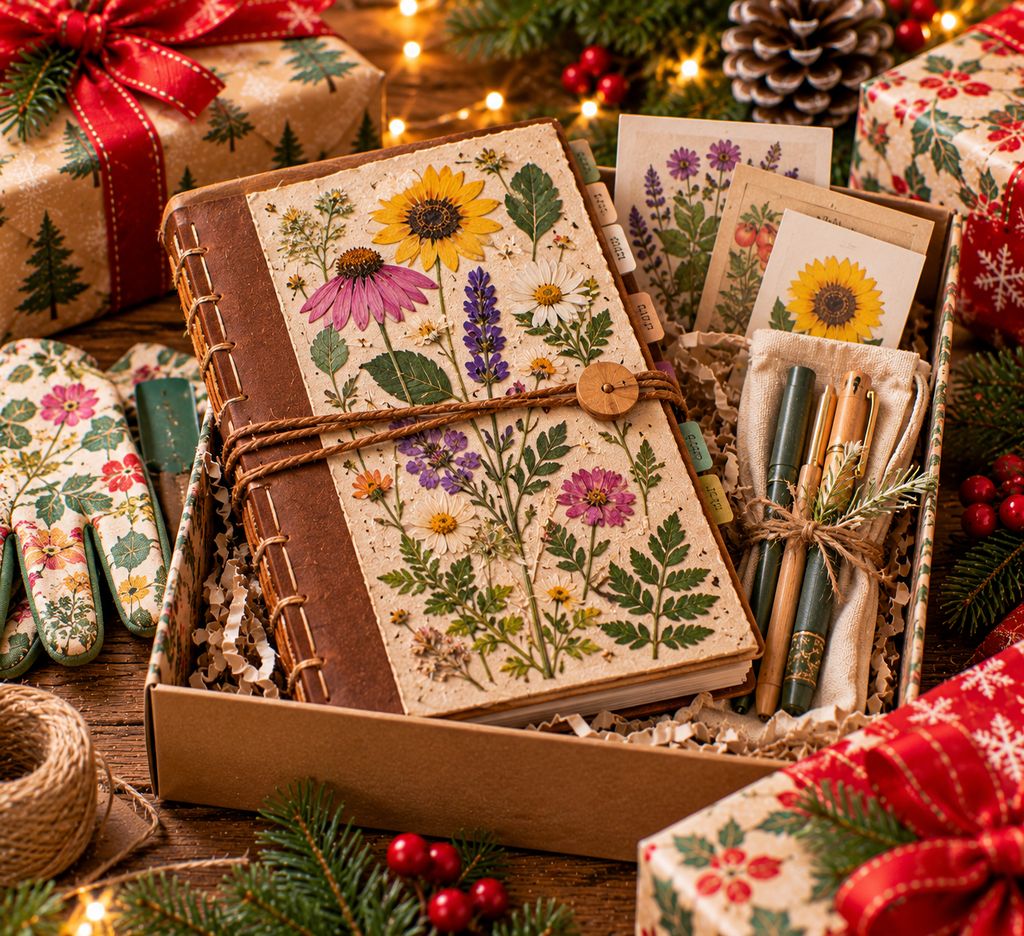
Start with a sturdy notebook or spiral-bound planner. Add sections for last and first frost dates, a grid for sketching beds, a plant list with variety names, a monthly task calendar and a harvest log. Leave the frost dates blank for her, or fill them in if you know her local averages; your local extension office can confirm them.
A pocket inside the back cover for seed packets is a small addition that makes it feel designed for her. Because notes get written with dirty hands, use a pen that does not smear when damp.
Gardening Gifts for a Sister
16. A Macramé Plant Hanger
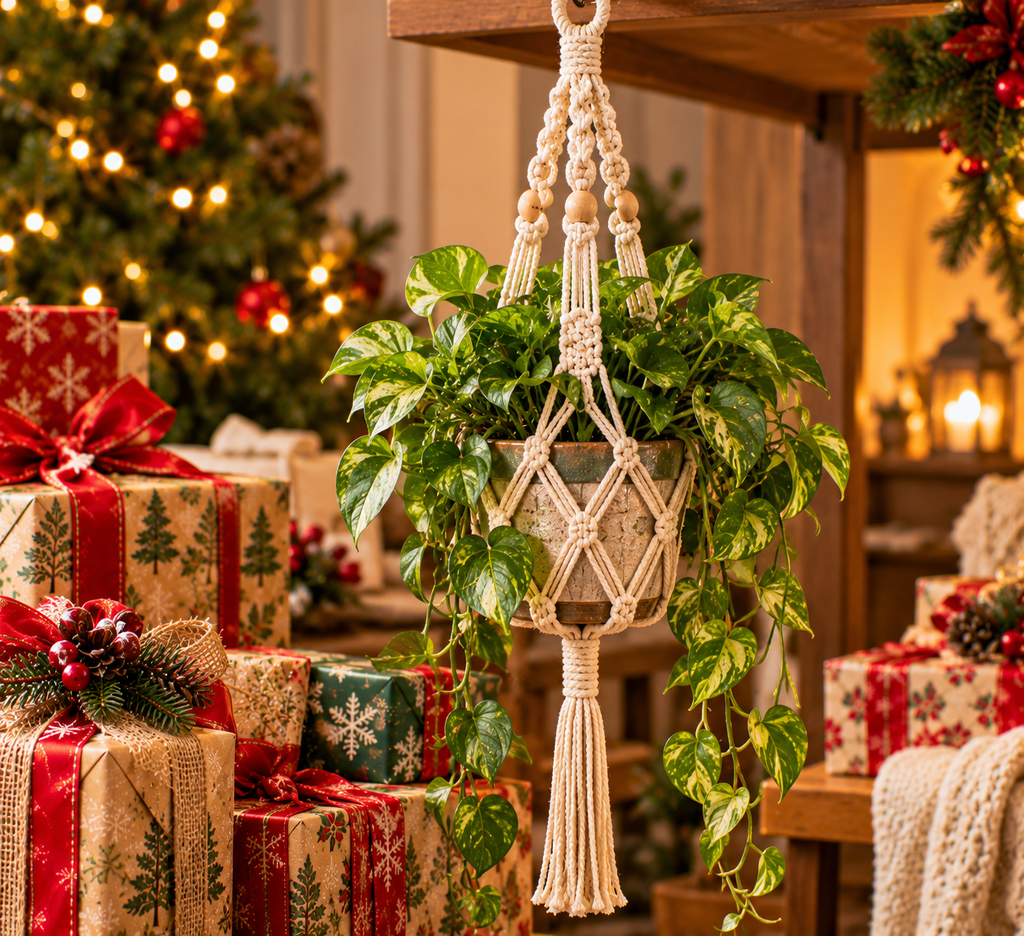
Cotton cord about 4 mm thick is a standard choice. Most simple patterns call for several long lengths folded and knotted, but the exact lengths vary by design, so follow a tutorial for the pattern you choose. The part that is easy to underestimate is weight: a pot of wet soil is much heavier than a dry one, so test the hanger with a loaded pot before gifting, and note the weight limit.
Hanging hardware matters as much as the knots. A hook should go into a ceiling joist or be rated for the load, not simply screwed into drywall.
17. A Propagation Station
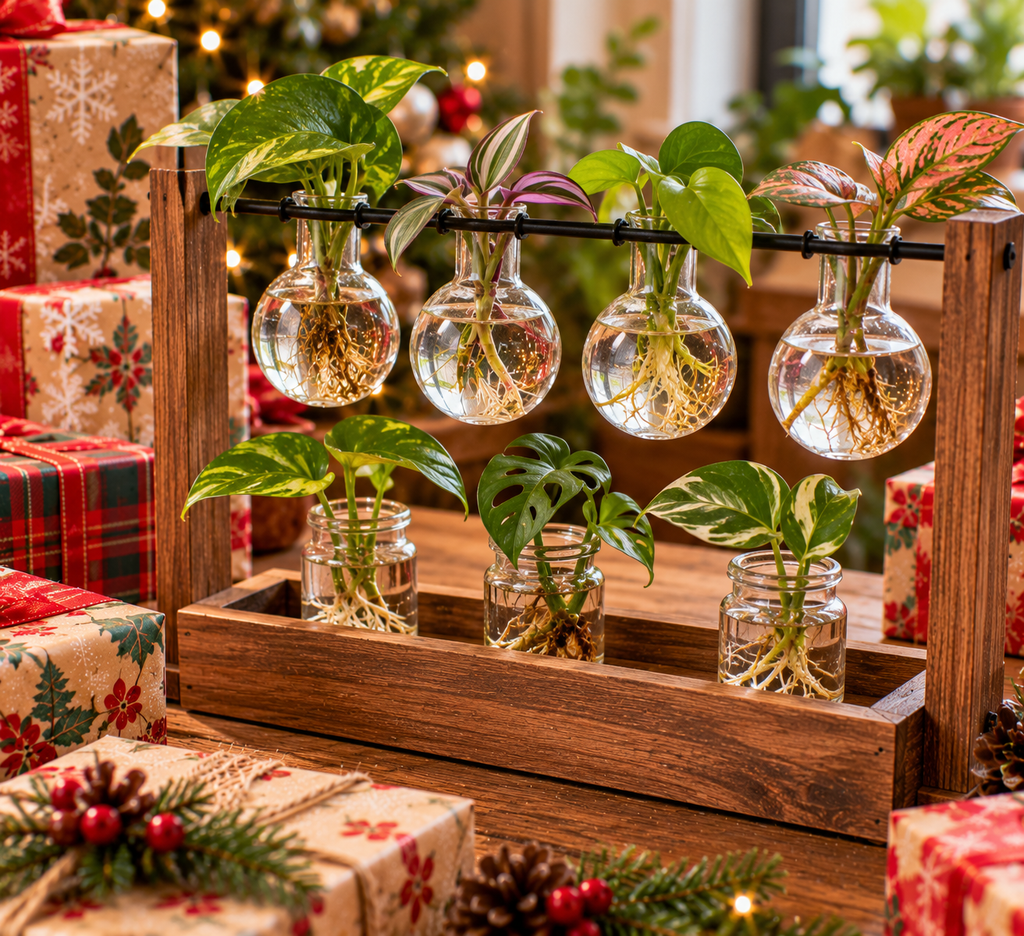
Mount a small wooden board with a few test tubes or narrow vases, and add cuttings of plants that root easily in water, such as pothos, tradescantia or philodendron. Cut just below a leaf node, strip lower leaves and place the stem in water. Water should be changed about once a week to keep it fresh.
Rooting takes weeks, so present it as an ongoing project. Attach a card explaining when to move a cutting to soil: once the roots are a few inches long. This is a good choice for sisters who live in small apartments.
18. A Canvas Garden Apron
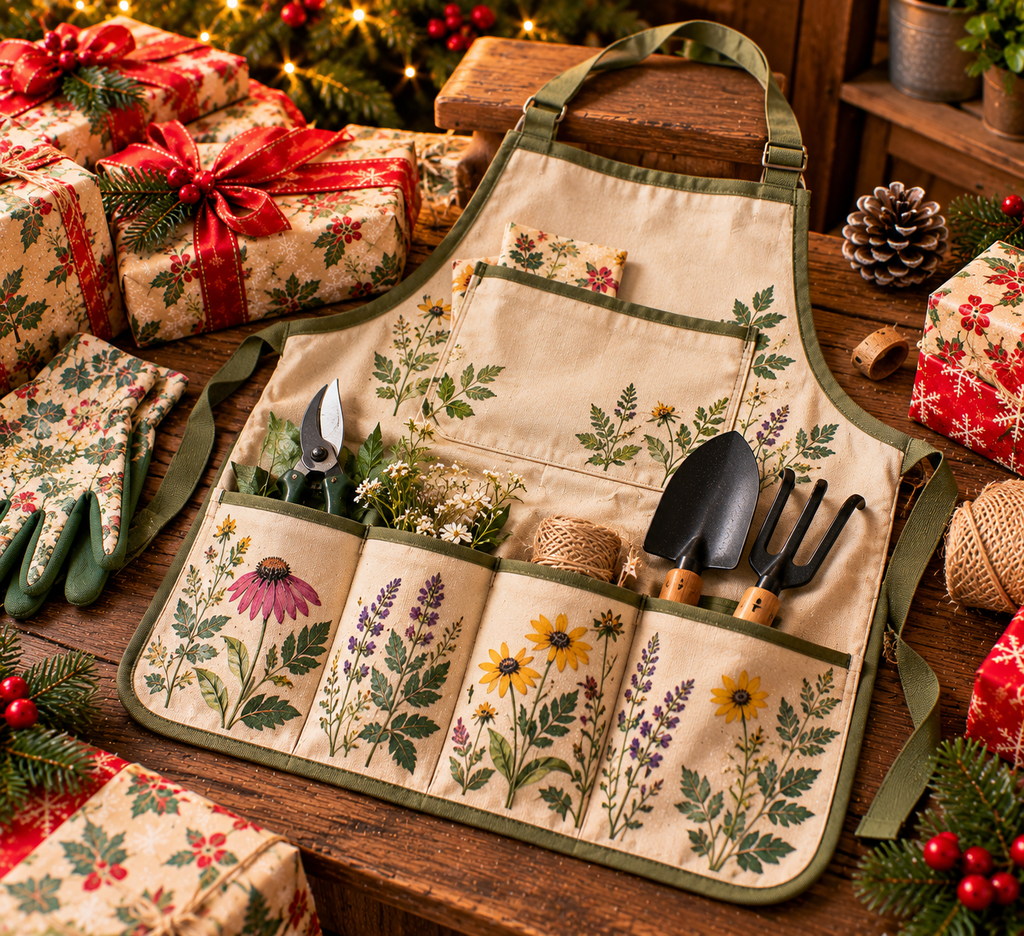
Sturdy canvas, a few deep pockets and adjustable straps make a more useful gift than most store-bought aprons, which tend to be thin. Pre-wash the canvas, measure the pockets against her hand tools and reinforce stress points with extra stitching. A pocket sized for a phone is a small detail that gets noticed.
For a no-sew version, iron-on hem tape and fabric adhesive can handle light use, though they will not hold up like thread when pockets carry weight.
Homemade Gifts for Gardening Friends
19. A Saved-Seed Collection
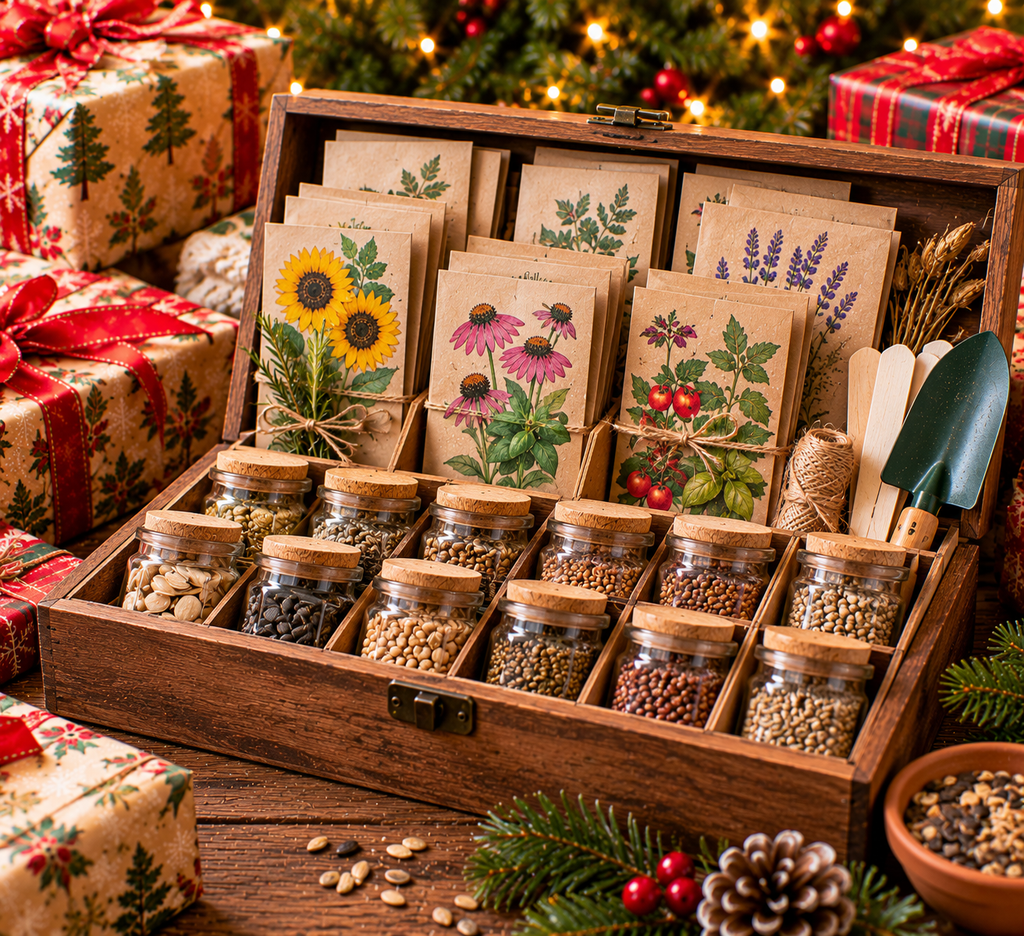
Seed saving is easiest with beans, peas, lettuce, marigolds, zinnias and cosmos. Hybrid plants, usually sold as F1, do not reliably grow true from saved seed, so stick with open-pollinated or heirloom varieties. Let the seed mature on the plant, dry it thoroughly and store it in paper envelopes in a cool, dry place.
Label each envelope with the variety and year. If you do not have a garden of your own, you can still buy bulk open-pollinated seed and repackage it into small, handmade envelopes. Seeds in the mail across borders are another matter, since many countries restrict them. Check the rules before sending any.
20. Garden Herb Salt
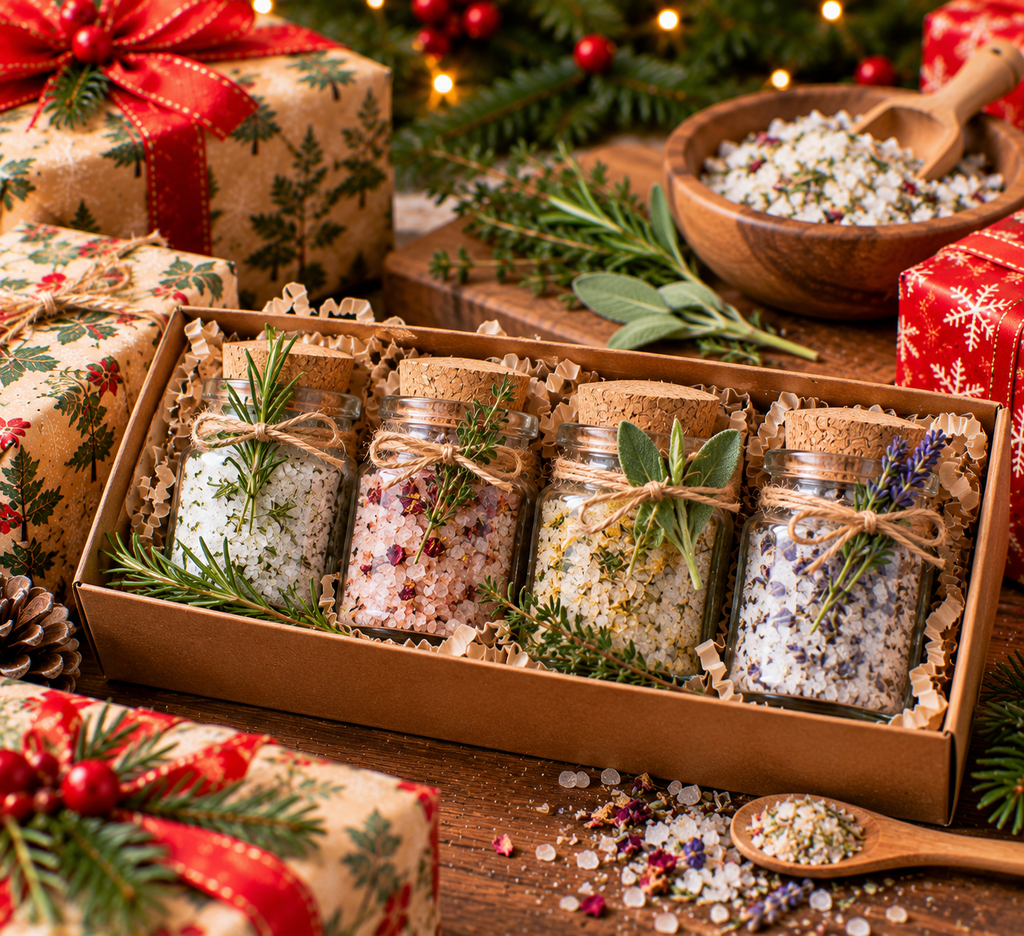
Pulse coarse salt with fresh rosemary, thyme or sage, then spread it in a thin layer and let it dry for a day or two, or dry it in a low oven. Moisture is what causes clumping and spoilage, so the drying step is not optional. Store in an airtight jar. Skip fresh garlic in these gifts, and never infuse fresh herbs or garlic in oil for gifting, since low-acid, low-oxygen mixtures can pose a botulism risk.
What Tends to Go Wrong With Homemade Garden Gifts
A few repeat offenders:
- Paint on edible planters. Keep it on the outside and use water-based products.
- Unsealed paper and wood outdoors. Both break down fast in rain.
- Perishable gifts without labels. Date everything that can spoil.
- Gifts that need care the recipient cannot give. A fairy garden with thirsty plants is a chore for someone away every weekend.
- Overbuilt ideas. A smaller, finished gift beats an ambitious unfinished one.
Questions Readers Often Have
How far ahead should I start?
For anything that needs drying, pressing or curing, allow at least a month. Pressed flowers and calendula-infused oil are the slowest. Painted pots and plant markers can usually be done in a few days.
Can I mail seeds or plants as gifts?
Within the United States, seeds are generally easy to send, but some states restrict particular plants. Sending seeds or live plants across international borders often requires permits or is prohibited. Check with the relevant agricultural authority before shipping.
Are these gifts safe for pets and kids?
Not automatically. Small parts, essential oils and certain plants can be a problem. Check each plant against a pet-safety list from a source such as the ASPCA, and avoid scented products if the household has cats.
Key Takeaways
Pick the gift based on what the person already grows and where it will live. Choose consumables if you are unsure, seal anything that will sit outdoors, and give yourself more lead time than you think you need, especially for pressing, curing and drying. If you only have an evening, painted herb pots, scrub soap or a journal are the fastest ways to give something that feels made for one particular gardener.

About Syprose Kiche
Syprose Kiche is the creator and writer behind My Besuited Home, a practical home and garden website covering DIY projects, gardening, lawn care, landscaping, home improvement, and outdoor living. She focuses on turning everyday homeowner questions into clear, practical guides backed by careful research and useful real-world considerations.