
You planted a maple tree. It looked gorgeous at the nursery. Six months later, half the leaves are scorched brown at the edges, the trunk is leaning like it’s trying to escape your yard, and you’re googling “why is my maple tree dying” at 11 p.m.
I get it. Maples have a reputation for being easy, low-maintenance trees, and honestly, once they’re established, they mostly are. But that first year or two? That’s where most people mess up. I’ve killed two maples myself before I figured out what actually matters versus what’s just nursery marketing fluff.
This guide covers everything from picking the right variety for your climate to keeping the roots happy for the next fifty years. My neighbor still brings up the time I planted a Japanese maple in full blazing afternoon sun because “it looked pretty in the picture.” It did not survive July.
Choosing the Right Maple Tree Variety for Your Yard
Not all maples are created equal, and this is where most people go wrong before they even dig a hole.
- Red maple (Acer rubrum) is the workhorse of North American yards. It tolerates wet soil, poor soil, and general neglect better than almost any other maple. If you want fast growth and don’t want to fuss over drainage, this is your tree. Mine went from a six-foot sapling to shading half my patio in under eight years.
- Sugar maple (Acer saccharum) is the one everyone pictures when they think of blazing orange fall foliage. It’s slower growing and pickier about soil compaction and road salt, so it’s not the best choice if you live near a busy street or have heavy clay soil that never drains.
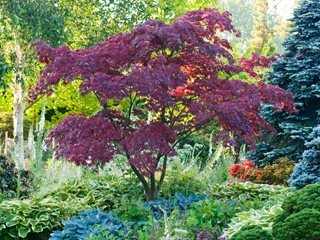
- Japanese maple (Acer palmatum) is the showstopper for smaller yards and container gardening. These are the delicate, lacy-leafed varieties you see in Pinterest photos. They’re gorgeous, but they sunburn easily and hate having wet feet in winter. This is not a “plant it anywhere” tree.
- Silver maple (Acer saccharinum) grows fast, which sounds great until you realize the wood is weak and brittle. I’ve seen more silver maples lose major limbs in storms than any other variety. I’m opinionated on this one: unless you desperately need shade in three years and don’t care about long-term structural integrity, skip it.
Before you buy anything, check your USDA hardiness zone and match it to the species. A sugar maple planted in zone 9 Texas heat is setting itself up to struggle every single summer.
Best Time and Location to Plant a Maple Tree
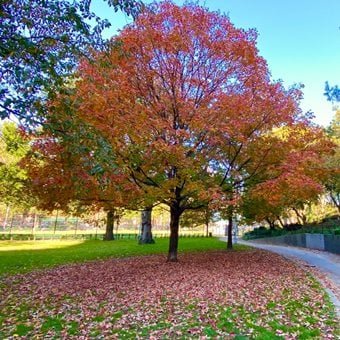
Fall is my favorite planting window, and I’ll die on this hill. The soil is still warm enough for root growth, but the tree isn’t wasting energy pushing out leaves. Early spring, right after the ground thaws, is the second-best option.
For sun exposure, most maples want full sun to partial shade, meaning at least four to six hours of direct light. Japanese maples are the exception here. They actually prefer dappled or afternoon shade, especially in hotter climates, or you’ll end up with crispy, scorched leaf edges by mid-July.
Spacing matters more than people think. A mature red or sugar maple can spread 40 to 50 feet wide. Planting it 10 feet from your house or driveway means you’re setting yourself up for root damage to your foundation and pavement down the road. Give it at least 20 to 30 feet of breathing room from structures.
Check for underground utility lines before you dig. This isn’t just a legal box to check — maple roots are aggressive and shallow, and they will absolutely find and wrap around a buried pipe over time.
How to Plant a Maple Tree Step by Step
- Dig a hole two to three times wider than the root ball, but no deeper than the root ball itself. Planting too deep is one of the most common mistakes I see, and it suffocates the roots slowly over a couple of years.
- Loosen the sides of the hole. If your soil is compacted clay, score the walls with a shovel so roots don’t just hit a wall and start circling.
- Check the root flare. That’s the spot where the trunk starts to widen out into roots. It needs to sit right at or slightly above soil level, never buried.
- Set the tree in the hole and backfill with the same native soil you dug out. Don’t get fancy with a bunch of amended potting mix. Roots need to adapt to your actual yard, not a cushy pocket of imported soil they’ll never grow out of.
- Water deeply right after planting to settle the soil and eliminate air pockets around the roots.
- Add two to three inches of mulch in a wide ring around the base, but keep it a few inches away from the trunk itself. Mulch volcanoes piled against the bark trap moisture and invite rot and pests.
Watering Schedule for Young and Established Maple Trees
For the first two growing seasons, your maple needs consistent moisture while its root system establishes. That means watering deeply once or twice a week, more during a heatwave, less if you’re getting regular rain.
The trick is depth over frequency. A quick surface sprinkle trains roots to stay shallow, which makes the tree less drought-tolerant long term. I aim for a slow soak that reaches at least 12 inches down. A soaker hose left running for an hour does this far better than a garden hose blast for five minutes.
Once a maple is established, usually after year two or three, it needs way less babying. Most varieties can survive on rainfall alone in a temperate climate, with supplemental watering only during extended dry spells. Overwatering an established maple is actually a bigger risk than underwatering — soggy roots invite fungal rot.
Container-grown Japanese maples are the exception. They dry out fast because there’s less soil volume holding moisture, so check the soil daily during summer.
Fertilizing and Soil Requirements for Maple Trees
Maples generally prefer slightly acidic, well-draining soil in the 5.5 to 6.5 pH range. If your soil is heavy clay or very alkaline, a soil test before planting saves you a lot of guessing later.
I’m going to be blunt here: most established maples don’t need aggressive fertilizing. If your tree is planted in reasonably decent soil and getting mulched every year, it’s likely getting what it needs from natural decomposition. Dumping fast-release nitrogen fertilizer on a maple just to “help it grow faster” often does more harm than good, pushing weak, leggy growth that’s more vulnerable to pests and storm damage.
If a soil test shows a genuine deficiency, a slow-release balanced fertilizer applied in early spring is the way to go. Young trees benefit more from consistent light feeding than one heavy application.
Quick side note: compost is honestly the most underrated soil amendment for maples. A thin layer worked into the mulch ring each fall does more for long-term soil health than most bagged fertilizers, and it’s basically free if you’re already composting kitchen scraps.
Pruning Maple Trees the Right Way
Late fall to winter, when the tree is dormant, is the best time to prune. Maples are notorious “bleeders” — cut them in spring when sap is flowing and you’ll get a sticky mess pouring out of the wound. It won’t kill the tree, but it’s not doing it any favors either.
Focus your pruning on the three D’s: dead, damaged, and diseased branches. Beyond that, remove any crossing branches that rub against each other, since that constant friction creates wounds that invite disease and pests.
Don’t top a maple. I know it’s tempting when a tree is getting big and you want to control the height, but topping destroys the natural canopy shape and forces a flush of weak, poorly attached regrowth that’s actually more dangerous in storms than the original branch structure. If size is a real concern, that’s a conversation for a certified arborist, not a DIY chainsaw session.
For young trees, prune to establish one strong central leader rather than letting multiple competing trunks fight it out. This early shaping saves you from structural problems 15 years down the line.
Common Maple Tree Pests and Diseases to Watch For
- Aphids are probably the most common nuisance. They cluster on new growth and leave behind sticky honeydew that turns into sooty black mold on leaves below. A strong blast from the garden hose or insecticidal soap usually knocks them back without nuking beneficial insects too.
- Verticillium wilt is the scarier one. It’s a soil-borne fungus that causes sudden branch dieback, often on just one side of the tree. There’s no real cure once a tree has it badly, which is why buying from a reputable nursery and avoiding root damage during planting matters so much for prevention.
- Tar spot shows up as black, tar-like blotches on leaves in late summer. It looks alarming but is mostly cosmetic. Raking up and disposing of fallen leaves in autumn, rather than composting them, cuts down on the fungal spores overwintering and reinfecting the tree next year.
- Maple borers target stressed or wounded trees, so keeping your maple healthy with proper watering and avoiding trunk damage from lawnmowers and string trimmers is your best defense. That little ring of mulch I mentioned earlier isn’t just decorative — it keeps equipment away from the bark.
Real Talk: What Can Go Wrong With Maple Trees
Here’s where I get honest with you. Maples are not the “plant it and forget it” trees a lot of garden centers make them sound like, especially in the first few years.
Root damage from planting too deep or too close to hardscaping is probably the number one killer I’ve seen. It’s slow, it’s not obvious until year three or four, and by the time you notice the canopy thinning, the damage is already done.
Japanese maples specifically are not worth the fight if you live somewhere with intense afternoon sun and low humidity. I’ve watched people replace the same scorched Japanese maple three summers in a row instead of just admitting their yard isn’t the right spot for it. Sometimes the “pretty tree” just isn’t going to work with your climate, and that’s fine.
Silver maples growing too close to sewer lines is another headache I’d rather warn you about than have you learn on your own. The roots seek out moisture aggressively, and cracked pipe repairs are not cheap.
And honestly, staking a tree for way too long is something I see constantly. Stakes are meant for the first year, maybe eighteen months max, to help the root system establish. Leaving them on for years prevents the trunk from developing the natural flex and strength it needs, which actually makes the tree weaker, not more stable.
How Fast Do Maple Trees Grow
This is probably the question I get asked most, usually right after someone plants one and starts checking it every week like it’s going to sprout overnight.
Growth rate depends entirely on the species. Red and silver maples are considered fast growers, adding anywhere from two to five feet per year once established. Sugar maples are much slower, averaging closer to one to two feet annually, which is part of why mature sugar maples command such a premium at nurseries. Japanese maples are the slowest of the bunch, often gaining less than a foot a year, but that’s exactly why people are willing to pay so much for an already-established specimen.
Here’s the part nobody tells you: the first year after planting, a maple often looks like it’s barely growing at all, or might even seem to shrink back a little. That’s normal. The tree is spending almost all its energy establishing roots below ground rather than pushing new growth above it. I nearly ripped out my red maple in its first summer because I thought it was dying. It wasn’t. By year two, it had nearly doubled in height and I felt a little silly for panicking.
Things that speed up growth: consistent watering during the establishment period, a healthy mulch ring, and full sun exposure. Things that slow it down: compacted soil, root competition from nearby trees, and repeated stress from drought or over-pruning. If you’re impatient for shade, a red maple is genuinely your best bet for a reasonable payoff within five to seven years.
Growing Maple Trees in Containers
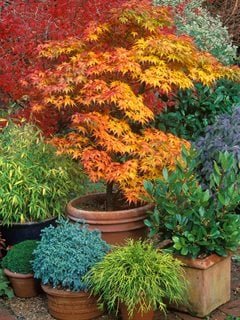
You don’t need a big yard to grow a maple, and this surprises a lot of people. Japanese maples in particular do beautifully in containers, especially the dwarf and weeping cultivars that are bred to stay compact.
The container needs drainage holes, full stop. I don’t care how attractive that ceramic pot is at the garden center — if water can’t escape, you’re basically building a slow-motion drowning chamber for the roots. Go with a container at least 18 to 24 inches wide for a young tree, and plan to size up every couple of years as the root system fills the space.
Use a well-draining potting mix rather than garden soil, which compacts too much in a container and suffocates roots. I like blending in some pine bark fines for extra drainage and a slightly acidic pH boost, which maples appreciate.
Winter is the trickiest part of container growing in colder climates. Roots in a pot are far more exposed to freezing temperatures than roots in the ground, since there’s no surrounding earth to buffer the cold. If you’re in a zone with hard freezes, move the container against a sheltered wall, wrap the pot in burlap, or sink the whole container into a hole in the ground for winter and dig it back out in spring. Skipping this step is how a lot of otherwise healthy container maples get killed by a single bad cold snap.
Feeding needs are also different in containers, since nutrients leach out with every watering. A diluted liquid fertilizer every few weeks during the growing season keeps a potted maple looking its best, something an in-ground tree rarely needs.
Fall Color and Why Some Maples Don’t Turn as Bright
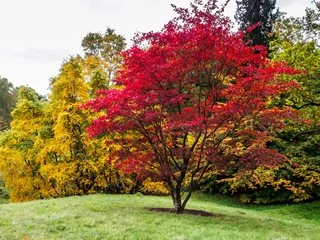
If your maple’s fall color is disappointing, it’s usually one of three things: not enough sun exposure, a stressed root system, or simply the wrong variety for dramatic color in the first place. Sugar maples and Japanese maples are bred for that showstopping red-orange display. Silver and some red maple cultivars are more muted by comparison.
Cooler nights combined with sunny days trigger the best color, which is why the same tree can appear completely different from one autumn to the next depending on the weather that particular year.
Parting Wisdom
A maple tree is one of those investments where the first two years are the hard part, and after that, it mostly takes care of itself while quietly becoming the best thing in your yard. Get the planting depth right, don’t drown it or starve it, and be patient. Fifteen years from now, you’ll be the one with the tree everyone stops to photograph in October.
What variety are you working with, and what’s giving you the most trouble right now? Drop a comment below and let me know — I’ve probably made that exact mistake already.

About Syprose Kiche
Syprose Kiche is the creator and writer behind My Besuited Home, a practical home and garden website covering DIY projects, gardening, lawn care, landscaping, home improvement, and outdoor living. She focuses on turning everyday homeowner questions into clear, practical guides backed by careful research and useful real-world considerations.