
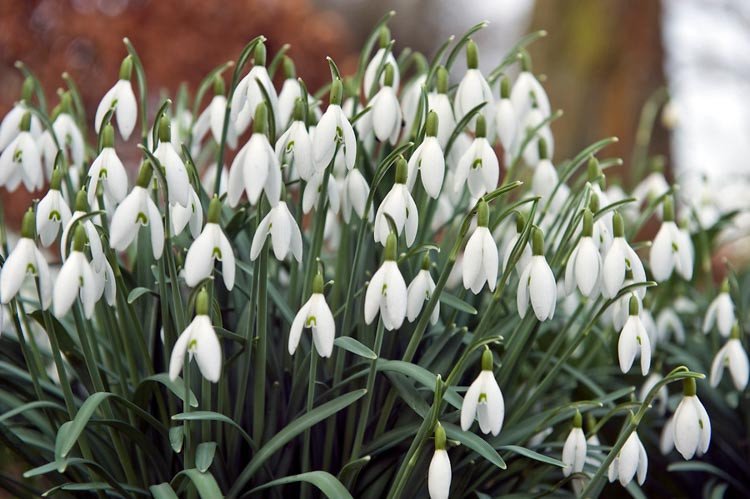
Every November, my neighbors start covering their flower beds with mulch and mentally checking out until spring. I get it. The garden looks tired, the days are short, and color feels like a distant memory. But here’s the thing nobody tells new gardeners: winter doesn’t have to be a colorless wasteland of bare dirt and dead stems.
I’ve spent more Decembers than I’d like to admit convinced my yard was done for the season, only to discover a patch of hellebores blooming right through a light snow like it was no big deal. That moment changed how I plan my beds completely. Now I treat winter color the same way I treat my summer tomatoes — as something worth planning for on purpose, not something I hope happens by accident.
If you’re tired of staring at a gray, empty garden for four months straight, this list is for you. Below are 13 flowers that laugh in the face of frost, plus one bonus pick that isn’t technically a “flower” but earns its spot anyway.
Why Winter Blooming Flowers Are Worth the Effort
Before we get into the list, let’s address the obvious question: is it actually worth planting flowers that bloom when most people aren’t even out in the garden?
Yes. And here’s my honest opinion — skipping winter interest is one of the biggest mistakes home gardeners make. A garden with zero winter color makes the whole yard feel abandoned, which drags down curb appeal at exactly the time of year when everyone’s stuck looking out the window at it.
Winter flowers also feed pollinators that are active on warmer winter days, like certain bees and early-emerging insects. That’s a bigger deal than most people realize. Without a few nectar sources scattered through the cold months, those pollinators have nothing to eat until spring officially kicks in.
1. Pansies (Viola x wittrockiana)
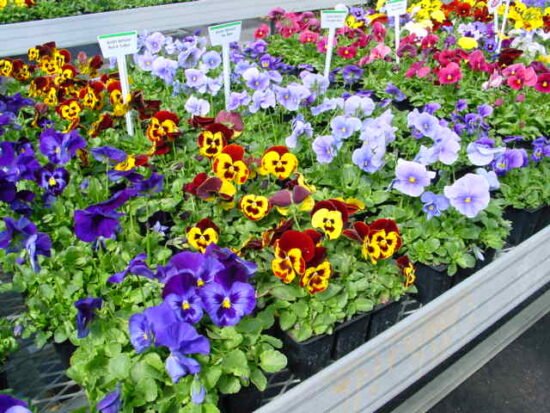
Pansies are the gateway drug of winter gardening. They’re cheap, they’re everywhere at garden centers in fall, and they’ll bloom through temperatures that would make most flowers curl up and quit.
I plant pansies every single October along my front walkway, and I still get a small thrill every January when I see those little faces poking through a dusting of frost. They’re tough down to about 15°F, and in milder climates they’ll bloom nearly nonstop from fall through spring.
The trick with pansies is deadheading. If you let spent blooms sit there, the plant puts energy into seed production instead of new flowers. Snip them off every week or two and you’ll keep the color coming.
One thing people search for constantly is “why are my pansies leggy in winter.” The answer is usually too much shade or too much nitrogen fertilizer. Give them at least four to six hours of sun and a balanced fertilizer, not a nitrogen-heavy one, and they’ll stay compact and full.
2. Hellebores (Helleborus niger and Helleborus orientalis)
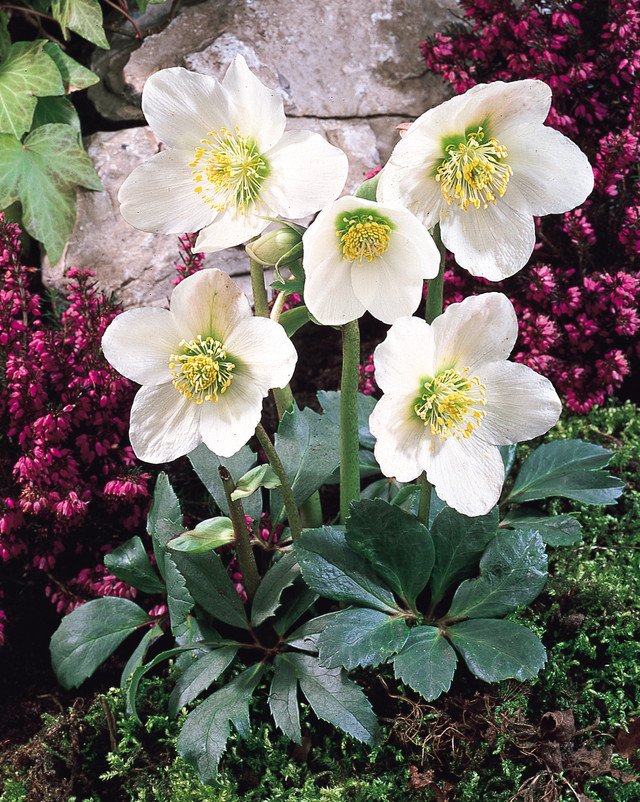
Hellebores, also called Christmas rose or Lenten rose depending on the variety, are the plant that made me a believer in winter gardening. These things bloom through actual snow. I’m not exaggerating.
The flowers come in deep plums, soft pinks, creamy whites, and near-blacks, and they tend to nod downward, which gives them this quiet, elegant look instead of the loud, in-your-face color of something like a tulip. I planted mine under a maple tree where nothing else wanted to grow, and it’s become the best decision I made in that entire bed.
Hellebores are slow to establish. Don’t expect a big show the first year. Mine sulked for two seasons before finally putting on a real display, and I nearly gave up on them more than once. Patience pays off here, though, because a mature hellebore clump can live for decades with almost no maintenance.
They also handle shade better than almost anything else on this list, which makes them perfect for those dead zones under trees where grass refuses to grow and everything else you’ve tried has failed.
3. Winter Jasmine (Jasminum nudiflorum)
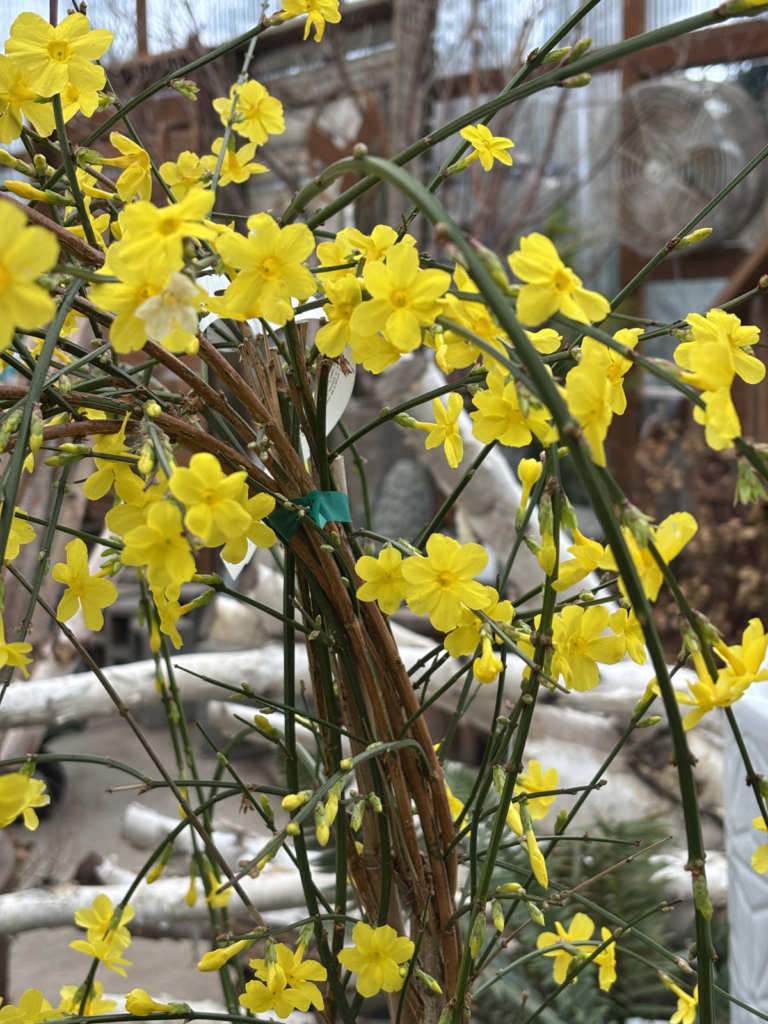
Winter jasmine throws bright yellow, star-shaped flowers along bare green stems in the dead of winter, often as early as January in milder zones. It’s not fragrant like its summer-blooming cousins, which trips people up when they buy it expecting a sweet smell and get nothing.
I use winter jasmine as a cascading plant along a low retaining wall, and the effect of yellow flowers spilling over gray stone in February is honestly one of my favorite things in the whole yard. It also works beautifully trained against a fence or wall if you want more of a vertical display.
This plant grows fast and can get a little unruly if you ignore it. I prune mine hard right after flowering ends in early spring, which keeps it from turning into a tangled mess by summer. Skip that step and you’ll end up with a sprawling thicket instead of the tidy cascade you were hoping for.
Winter jasmine tolerates poor soil, which makes it a solid pick for that one rough patch every yard seems to have where nothing else survives.
4. Camellias (Camellia japonica and Camellia sasanqua)
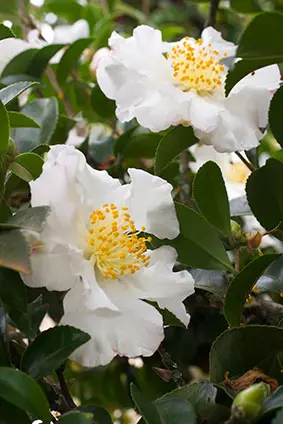
Camellias are the showstoppers of the winter garden. Big, glossy leaves and flowers that look almost too perfect to be real, in shades of white, pink, red, and everything in between.
Sasanqua camellias bloom earlier, usually fall into early winter, while japonica types tend to bloom from late winter into early spring. I’ve got a sasanqua planted near my front porch, and it’s usually the first thing visitors comment on when they walk up in December.
Here’s my opinion, and it’s not a popular one: camellias get a reputation for being finicky, but most of the failures I’ve seen come down to planting depth. Plant the root ball even with the soil surface, not buried, and give it acidic, well-draining soil, and camellias are honestly pretty forgiving.
They do need some protection from harsh winter wind and morning sun after a hard freeze, which can cause flower buds to brown and drop. A spot with afternoon shade and wind protection from a fence or building solves this almost every time.
5. Witch Hazel (Hamamelis)
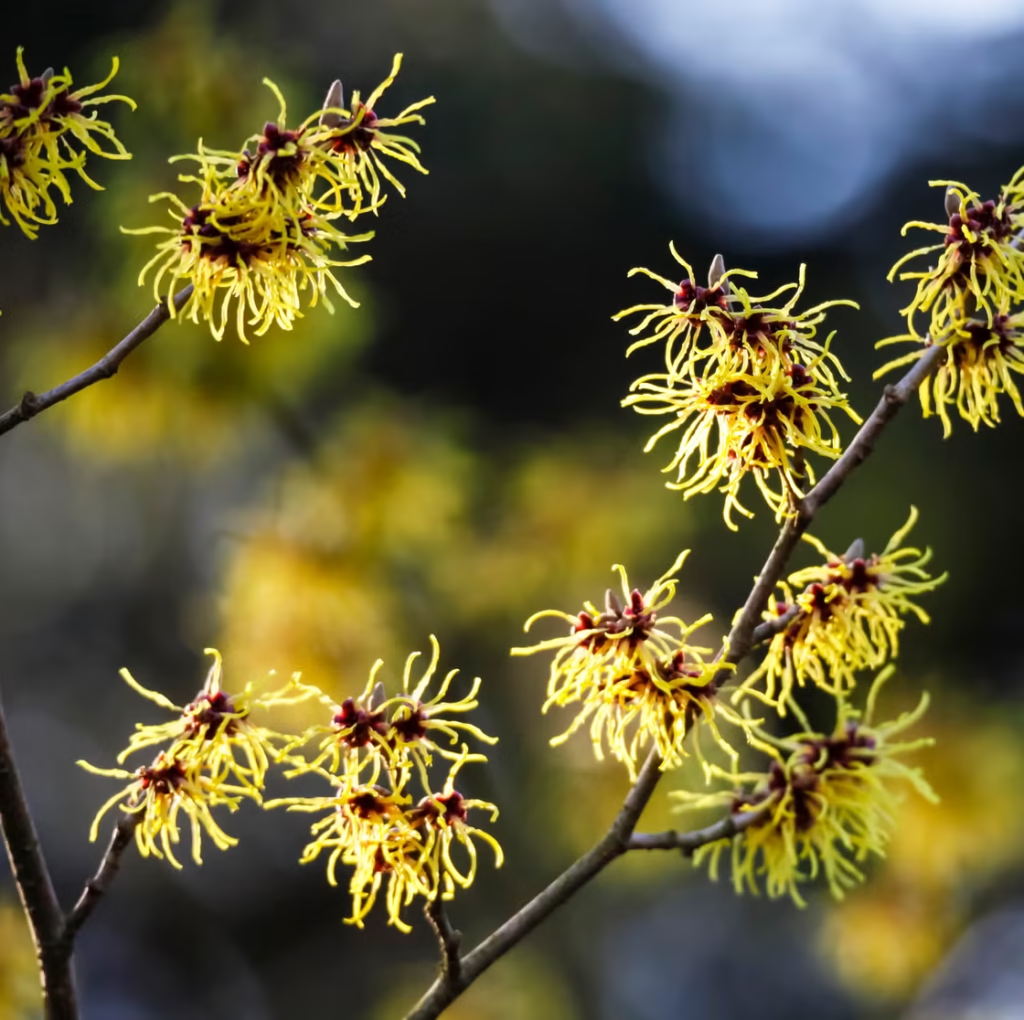
Witch hazel produces these wild, spidery flowers in yellow, orange, or red that look like something out of a fantasy movie. They bloom on bare branches in late winter, often when there’s still snow on the ground, and they carry a light, spicy fragrance that catches you off guard on a walk.
I planted a witch hazel near my mailbox specifically because I wanted something interesting to look at during the coldest stretch of the year, and it delivers every single time. The flowers can handle a hard freeze and just shrug it off, curling up their thin petals to protect themselves and then unfurling again once temperatures rise.
This is a slower-growing shrub, so don’t expect instant impact. Give it a few years and it becomes a genuine focal point, especially planted where you’ll actually see it from a window during winter, since that’s when it earns its keep.
Witch hazel prefers well-draining soil and tolerates part shade, making it a flexible option for spots that don’t get full sun all day.
6. Snowdrops (Galanthus nivalis)
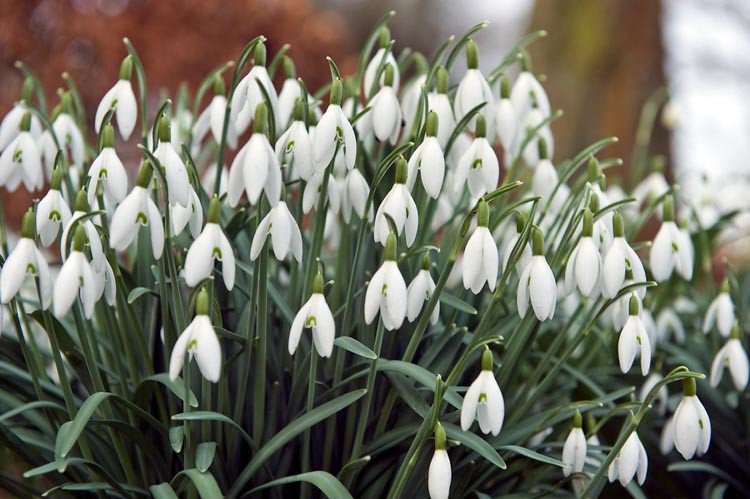
Snowdrops are tiny, delicate, white bell-shaped flowers that push straight up through frozen ground and sometimes actual snow, which is exactly how they got their name. They’re one of the very first signs that winter’s grip is loosening, often blooming in late January or February.
I plant snowdrop bulbs in big clusters under deciduous trees, where they get plenty of sun before the leaves come in and shade later in the year when they’ve gone dormant. Planting them in odd-numbered clumps of 25 or more gives a much more natural look than scattering a few bulbs here and there.
Here’s a quick side note that trips a lot of people up: snowdrop bulbs dry out fast and don’t store well, so buy them “in the green,” meaning while they’re actively growing with leaves attached, rather than as dry bulbs in fall. You’ll get much better establishment rates that way.
Snowdrops naturalize over time, meaning your small starting clump will slowly spread into a much bigger drift over the years without any extra work from you.
7. Winter Aconite (Eranthis hyemalis)
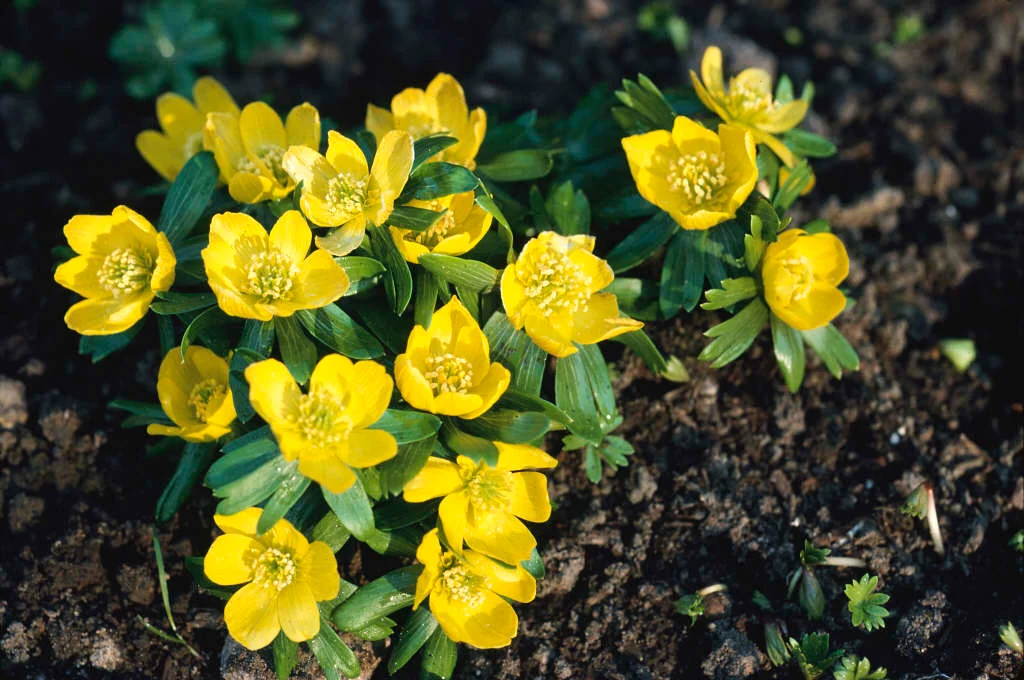
Winter aconite produces cheerful, buttercup-yellow flowers that often bloom right alongside snowdrops, sometimes even earlier. They’re low-growing, only reaching about three to four inches tall, which makes them perfect for the front edge of a bed or tucked around the base of larger shrubs.
I underplant mine beneath my witch hazel, and the combination of yellow aconite at ground level with the spidery witch hazel blooms above is one of those pairings that looks intentional even though I stumbled into it by accident.
Winter aconite tubers can be slow to establish and sometimes fail the first year if the soil dries out before they root properly. Soak the tubers overnight before planting, which softens them up and dramatically improves germination.
Once established, winter aconite spreads readily by self-seeding, and a small planting can turn into a golden carpet within a handful of seasons.
8. Cyclamen (Cyclamen coum and Cyclamen hederifolium)
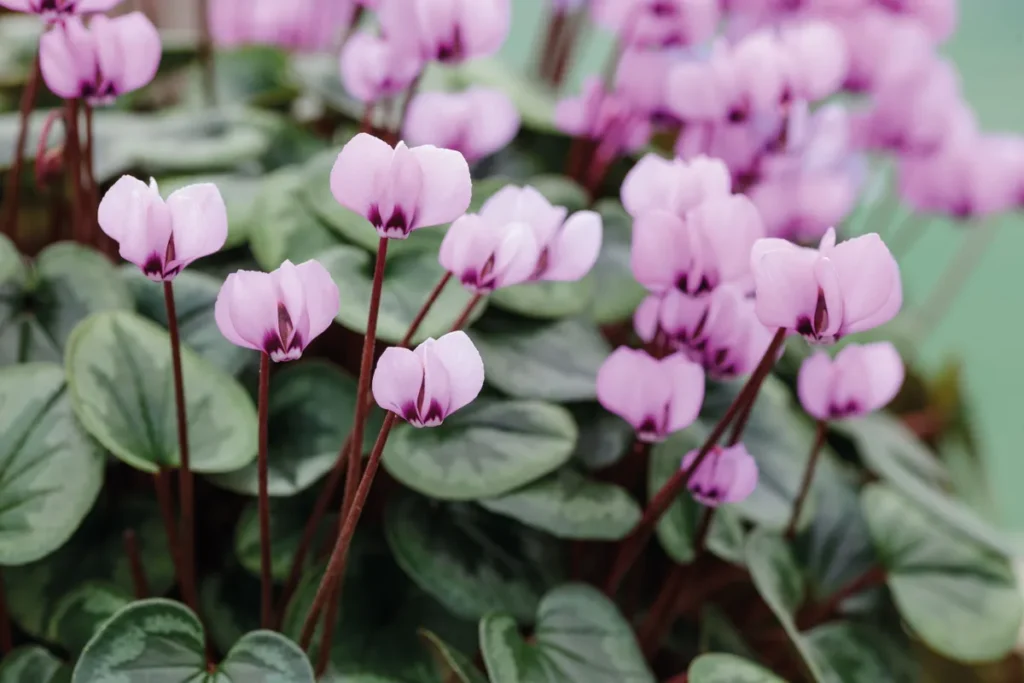
Hardy cyclamen are different from the potted florist cyclamen you see at grocery stores around the holidays. These outdoor varieties are tough, cold-hardy, and bloom with these swept-back petals in pink, magenta, or white that almost look like little butterflies hovering above the ground.
I tuck mine under a Japanese maple where the marbled leaves provide interest even when the flowers aren’t out. Cyclamen coum blooms in late winter, and Cyclamen hederifolium blooms in fall, so pairing both species gives you color across a much longer stretch of the cold season.
The corms prefer well-draining soil and dry shade, which makes them a genuinely useful answer to that classic gardening headache of what to plant under trees where nothing else wants to grow.
One mistake I see constantly is people planting cyclamen too deep. The top of the corm should sit right at or just barely below the soil surface. Bury it too deep and it’ll rot instead of bloom.
9. Heather and Winter Heath (Erica carnea and Calluna vulgaris)
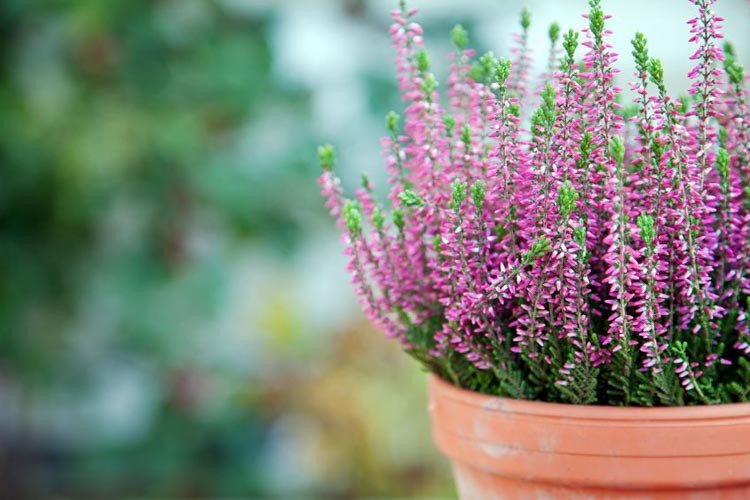
Winter heath blankets the ground in tiny, bell-shaped flowers in shades of pink, purple, and white, right through the coldest months. It’s low-growing and spreads into a dense mat, which makes it excellent as a ground cover or edging plant.
I run a strip of winter heath along my driveway, and it’s genuinely one of the lowest-maintenance plants I own. It tolerates poor soil, doesn’t need much water once established, and blooms reliably every year without any coaxing from me.
Erica carnea, sometimes called spring heath despite blooming in winter, is more tolerant of alkaline soil than most heathers, which typically demand acidic conditions. If your soil test comes back neutral or slightly alkaline, this is the variety to reach for.
A light trim after flowering keeps the plants tidy and encourages denser growth the following year, but skip the deep pruning heathers can’t handle cutting back into old, woody growth.
10. Primrose (Primula vulgaris)
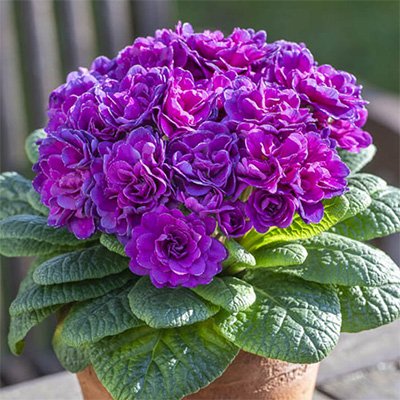
Primroses bring some of the earliest, brightest color of the whole winter season, with flowers in nearly every shade you can think of — yellow, red, purple, white, and every combination in between. In mild climates, they’ll bloom straight through winter into spring.
I use primroses in containers by my front door because they respond so well to being swapped in and out seasonally, and they give an immediate splash of color the moment the pansies start looking tired.
Primroses like consistently moist soil and some protection from harsh afternoon sun, even in winter. Let them dry out completely and the flowers will fade fast, so this isn’t a plant-it-and-forget-it option the way heather or witch hazel are.
I’ll be blunt about something here: primroses sold as houseplants at grocery stores are usually not cold-hardy varieties, and planting those outside in freezing temperatures is a waste of money. Buy from a nursery and confirm you’re getting a hardy garden variety, not the florist type.
11. Bodnant Viburnum (Viburnum x bodnantense)
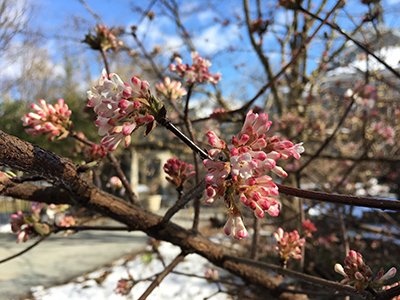
Bodnant viburnum produces clusters of small, intensely fragrant pink flowers on completely bare branches, often starting in November and continuing through winter whenever temperatures allow. The scent alone is worth planting this shrub — it’s sweet and carries surprisingly far on a cold, still day.
I planted mine close to a path I walk daily, specifically so I’d catch that fragrance on my way to the mailbox. It was one of those rare gardening decisions that worked out exactly the way I pictured it.
This is a larger shrub, easily reaching eight to ten feet at maturity, so it needs real space to do its thing. Don’t tuck it into a tight corner expecting it to stay small, because it won’t, and you’ll end up fighting it with pruning shears every year instead of enjoying it.
Bodnant viburnum tolerates a wide range of soil types and isn’t particularly fussy about sun exposure, doing well in both full sun and partial shade.
12. Crocus (Crocus chrysanthus and Crocus tommasinianus)
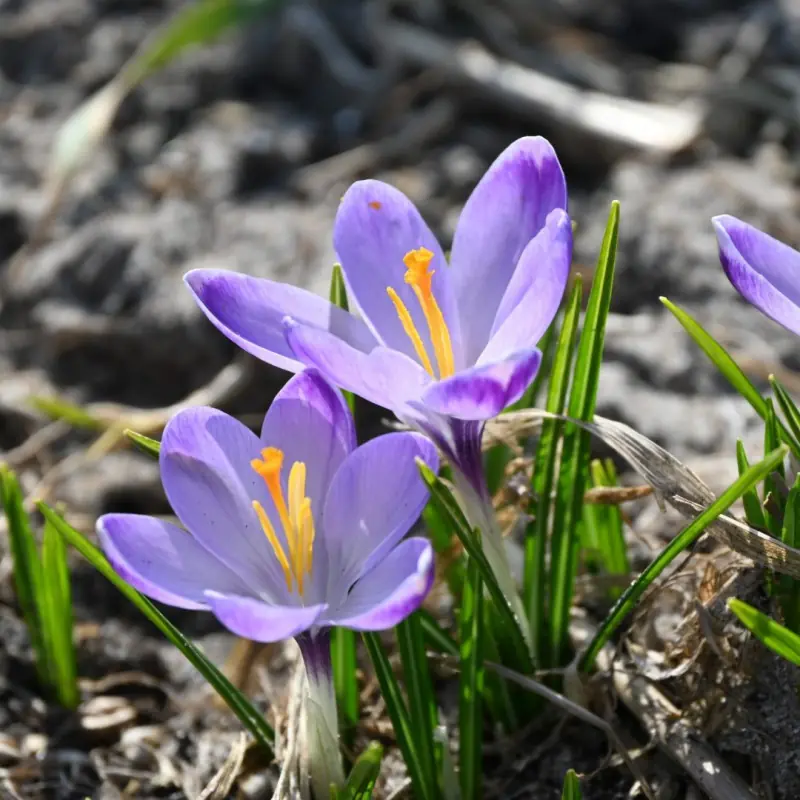
Winter crocus, sometimes called snow crocus, blooms even earlier than the more familiar spring crocus varieties, often pushing up through late-season snow in shades of purple, yellow, and white. They’re one of the most reliable signs that the garden is waking back up.
I scatter crocus bulbs through my lawn, not just in beds, because they’ll bloom and finish their cycle before I ever need to mow. It’s a trick that gives you color in spots you’d normally consider off-limits for flowers.
Squirrels and chipmunks treat crocus bulbs like an all-you-can-eat buffet, which is genuinely frustrating after you’ve spent money and time planting a hundred of them. A layer of chicken wire staked over the planting area until the ground freezes solid cuts down on losses significantly.
Plant crocus bulbs in large drifts rather than neat rows for the most natural look, and choose a sunny spot since the flowers close up on cloudy days and only fully open in direct sunlight.
13. Ornamental Cabbage and Kale
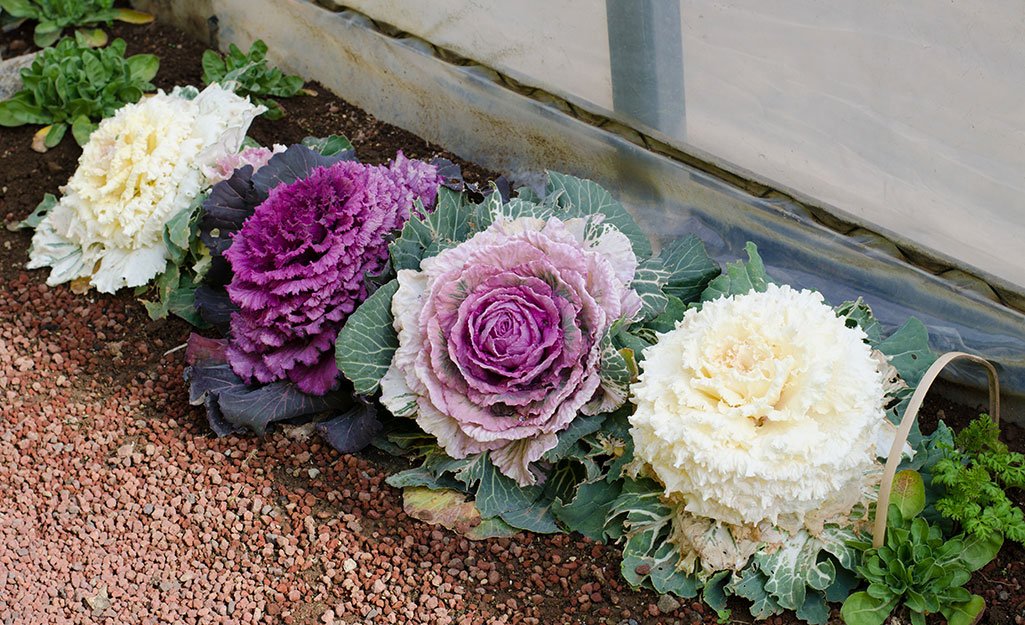
I’m including ornamental cabbage and kale even though they’re technically grown for foliage, not flowers, because the rosette shapes and color combinations do more heavy lifting for winter curb appeal than most actual flowers manage. The centers flush purple, pink, or white as temperatures drop, and the effect looks almost like an oversized rose.
I swap these into my front containers every fall right alongside pansies, and they hold their color and shape through frost, light snow, and everything a normal winter throws at them without missing a beat.
Ornamental kale actually gets more colorful as temperatures drop, which is the opposite of how most plants behave, and it’s part of why I think it’s underused. A hard freeze intensifies the purple and pink tones rather than damaging the plant.
Give it full sun and well-draining soil, and skip the fertilizer once the cold sets in since it can actually cause the color to fade instead of intensify.
Real Talk: What Can Go Wrong With Winter Flowers
Not everything about winter gardening is sunshine and frost-kissed blooms, so let’s get honest for a minute.
- Timing matters more than people think. Plant most of these too late in fall and they won’t establish root systems before the ground freezes, which means a weak or nonexistent bloom that first winter. Late September through October is the sweet spot in most climates, not November.
- Zone matters, a lot. Some of these, like camellias and Bodnant viburnum, struggle or outright die in the coldest zones without serious protection. Always check your USDA hardiness zone before buying, and don’t assume a plant that thrives for your gardening influencer three states south will do the same for you.
- Winter color takes real planning, not luck. I’ve seen plenty of people buy one pansy six-pack, stick it in a pot, and expect a whole winter of color. That’s not how this works. You need a mix of bloom times, from fall-planted pansies through late-winter crocus, to avoid gaps where the yard goes dull again.
- Some of these are genuinely not worth it in harsh climates. I’ll say it plainly: if you’re in zone 4 or colder, camellias are probably a waste of money and effort unless you’re prepared to grow them in a container you can move indoors. Save your energy and your budget for hellebores, winter aconite, and snowdrops instead, since those handle brutal cold without complaint.
- Deer and rodents don’t take winter off. Crocus and primrose are basically candy to local wildlife when food is scarce. If you’ve got a deer problem, skip straight to hellebores and heather, which most animals leave alone.
Final Thoughts on Winter Blooms
A garden that only performs from May to September is a garden that’s only doing half its job. Once I started layering in hellebores, snowdrops, and witch hazel, winter stopped feeling like a season I had to just get through. It became something I actually looked forward to walking outside for.
Start small if you need to. Pick two or three flowers from this list, plant them in the right spot at the right time, and build from there year after year. Your future self, standing in the yard in February wondering why everything looks dead, will thank you.
What’s already blooming in your yard right now, and what are you planning to add this fall? Drop your questions or your own winter garden wins in the comments below — I read every one and I’m always happy to talk dirt.

About Syprose Kiche
Syprose Kiche is the creator and writer behind My Besuited Home, a practical home and garden website covering DIY projects, gardening, lawn care, landscaping, home improvement, and outdoor living. She focuses on turning everyday homeowner questions into clear, practical guides backed by careful research and useful real-world considerations.