
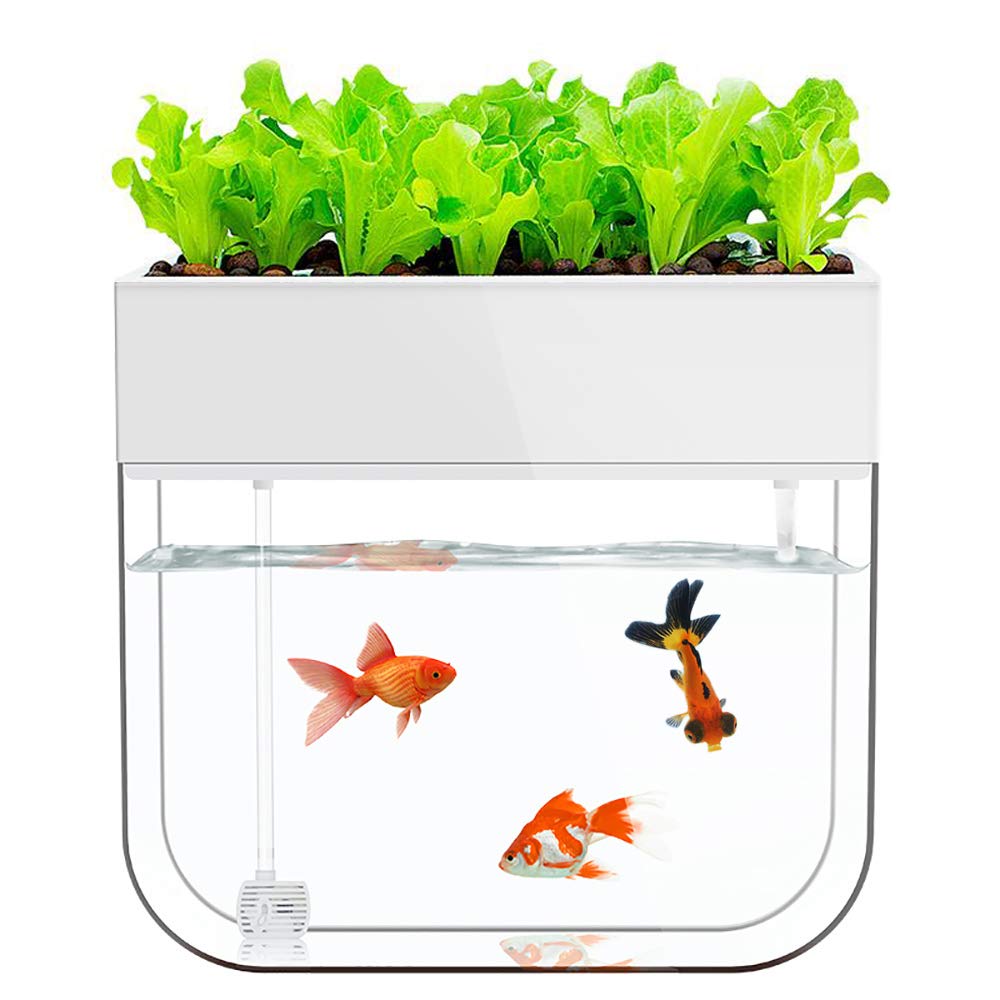
When I first set up my aquaponics system, I was full of excitement—and impatience. I had my fish ready, my grow beds filled, and my seedlings waiting to go. But then I learned something every aquaponics grower eventually discovers: you can’t rush the cycle. The cycling process is the quiet, invisible phase that determines the long-term success of your system. It’s where beneficial bacteria get to work creating a balanced ecosystem for your fish and plants to thrive.
So how long should you wait before planting? The short answer is—usually between four and six weeks. But as with most things in aquaponics, the real answer depends on several factors. Let’s dig into what cycling is, how long it takes, and how you can tell when your system is ready.
What Does “Cycling” Mean in Aquaponics?
Cycling is the process of building up a healthy colony of beneficial bacteria in your system. These bacteria are what make aquaponics work—they convert fish waste (ammonia) into nitrite, and then into nitrate, which plants can use as food. Without these bacteria, ammonia and nitrite levels would skyrocket, poisoning your fish and starving your plants.
There are two key bacterial players: Nitrosomonas, which convert ammonia into nitrite, and Nitrobacter, which convert nitrite into nitrate. These microbes live on every surface in your system—grow bed media, pipes, and tank walls. The cycling process is simply giving them enough time to establish a stable population.
Once this invisible ecosystem is in balance, your system becomes self-sustaining—fish provide waste, bacteria convert it, and plants feed on the result.

How Long Does It Take to Cycle an Aquaponics System?
Most aquaponics systems take between four and six weeks to fully cycle. The timeline depends on factors like temperature, pH, and water conditions. During this time, you’ll see measurable changes in ammonia, nitrite, and nitrate levels as your bacteria populations grow.
There are two main ways to cycle a system:
- Fishless Cycling – This is the safer and often faster method. Instead of using live fish, you add ammonia manually (from a pure ammonia source or natural decomposition). Since no fish are involved, you can maintain higher ammonia levels, which speeds up bacterial growth.
- Fish-In Cycling – In this method, you add fish right away and rely on their waste to produce ammonia. It’s a bit riskier since high ammonia or nitrite levels can harm or kill fish if not carefully monitored. Beginners often find fishless cycling less stressful.
Here’s a quick comparison:
| Method | Duration | Pros | Cons |
| Fishless | 4–6 weeks | Safer, faster, easier to control | Requires ammonia source |
| Fish-In | 6–8 weeks | Natural start, no added chemicals | Risk of fish stress or death |
The Stages of the Cycling Process
Stage 1: Ammonia Spike (Week 1–2)
Cycling starts with ammonia. If you’re using fish, they’ll naturally produce it through waste. If not, you’ll add ammonia manually. During this stage, ammonia levels rise but nitrite and nitrate will still read zero. This is the signal that your Nitrosomonas bacteria are beginning to establish.
Stage 2: Nitrite Spike (Week 2–4)
Once Nitrosomonas bacteria are active, they convert ammonia into nitrite. You’ll notice ammonia levels begin to drop while nitrite levels rise. Nitrite is toxic to fish too, so if you’re cycling with fish, this is when close monitoring is crucial.
Stage 3: Nitrate Formation (Week 4–6)
This is where the magic happens. Nitrobacter bacteria start converting nitrite into nitrate, which is much less harmful and serves as plant food. When you see nitrate levels increase and both ammonia and nitrite fall to zero, congratulations—your system is cycled!
Factors That Affect Cycling Time
Cycling isn’t just about waiting—it’s about creating the right conditions for bacteria to thrive. A few key factors can speed things up or slow them down:
- Water Temperature: Beneficial bacteria love warmth. Keep your system between 75–85°F (24–29°C) for faster cycling. Cooler water will slow everything down.
- pH Levels: Aim for a pH between 6.8 and 7.2. Extreme levels (too high or low) can hinder bacterial growth.
- Ammonia Source: Pure ammonia allows for consistency, while fish waste is less predictable.
- Aeration: Bacteria need oxygen just like fish do. Use an air pump to keep the water well-oxygenated.
- System Size and Design: Larger systems or dense media (like gravel) take longer to colonize compared to smaller setups or porous clay pellets.

Signs Your System Is Fully Cycled
You’ll know your system is ready when:
- Ammonia levels read 0 ppm
- Nitrite levels read 0 ppm
- Nitrate levels show 20–40 ppm
- The water looks clear and stable
- Fish (if present) appear healthy and active
At this point, your ecosystem is balanced and safe for both fish and plants.
How to Speed Up the Cycling Process (Safely)
If you’re eager to start planting sooner, there are a few safe shortcuts:
- Use Seeded Media: Borrow biofilter media, gravel, or water from an established aquarium or aquaponics system to introduce live bacteria.
- Add a Bacteria Starter: Commercial bacterial supplements can jump-start the nitrogen cycle.
- Maintain Warm, Oxygenated Water: A small heater and air pump make a big difference.
- Feed the Bacteria Consistently: Keep ammonia levels between 2–4 ppm during fishless cycling to sustain growth.
- Avoid Overcleaning: Don’t rinse your media or drain your system during this period—bacteria need time to attach and multiply.
When Can You Start Planting?
Once your nitrate levels rise and both ammonia and nitrite reach zero, your plants can safely go in. Some growers even introduce plants a bit earlier to help stabilize the system and absorb excess nitrates.
Early on, stick with hardy, fast-growing plants like lettuce, basil, kale, and mint. They’re more forgiving of fluctuations in water chemistry and help fine-tune nutrient balance as the system matures.
Common Mistakes During Cycling
Cycling might sound simple, but a few common missteps can derail your progress:
- Adding fish too soon and losing them to ammonia spikes.
- Overfeeding fish or adding too much ammonia.
- Neglecting pH and temperature adjustments.
- Cleaning or changing media mid-cycle.
- Losing patience and skipping crucial water tests.
Remember: cycling is a biological process, not a mechanical one. You can’t rush it—but you can support it.
Monitoring & Maintenance Tips
During cycling, test your water daily using an ammonia, nitrite, and nitrate test kit. Record your readings in a simple notebook or app so you can see patterns and track progress. Once your system stabilizes, weekly testing is enough.
As your bacteria colonies mature, you can slowly add more fish and plants, keeping an eye on water parameters to maintain balance.
Final Thoughts
Cycling an aquaponics system might feel like waiting for paint to dry, but it’s one of the most rewarding parts of the process. In those few weeks, you’re not just prepping water—you’re building a living ecosystem that will sustain itself for years.
Be patient, test often, and let the bacteria do their job. The first time you see your ammonia and nitrite hit zero while your plants start to green up, you’ll realize that the waiting was worth it. Aquaponics is about harmony—and the cycle is where it all begins.

About Syprose Kiche
Syprose Kiche is the creator and writer behind My Besuited Home, a practical home and garden website covering DIY projects, gardening, lawn care, landscaping, home improvement, and outdoor living. She focuses on turning everyday homeowner questions into clear, practical guides backed by careful research and useful real-world considerations.