
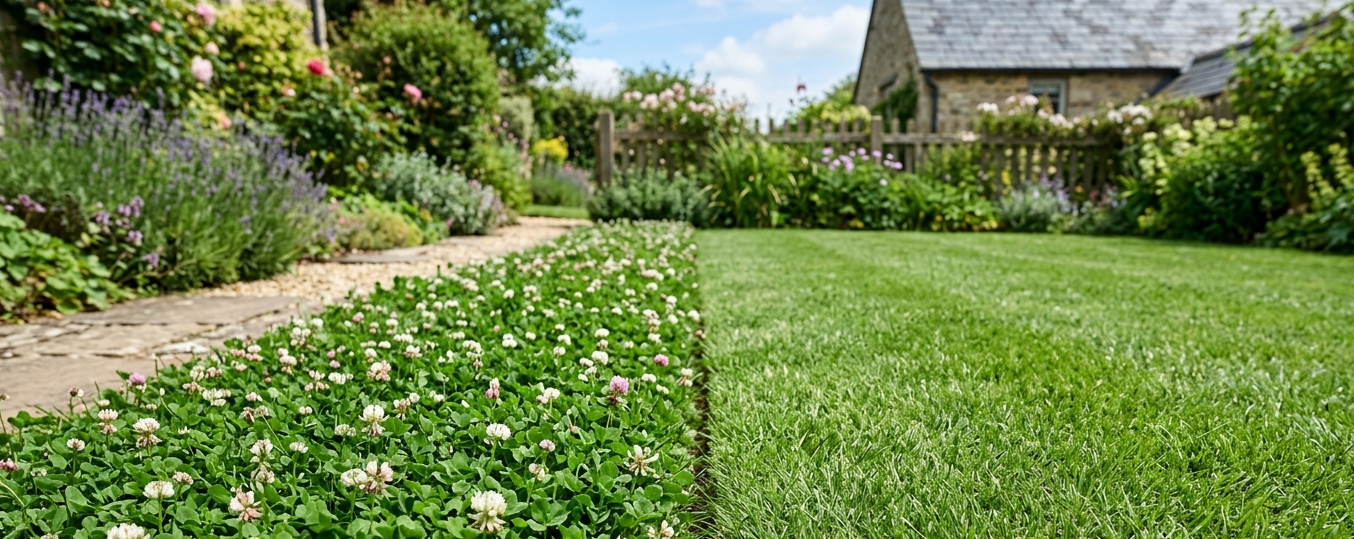
My neighbor called me over one afternoon, visibly panicked, holding a fistful of white-flowered weeds and demanding to know what had invaded his pristine bluegrass. I told him those “weeds” were Dutch white clover — and that half the internet was paying good money to seed their lawns with exactly that. He stared at me like I’d lost my mind.
That conversation is basically the state of the clover lawn vs grass debate right now. What was once considered a weed has become one of the hottest lawn trends in years, and I get it. After 13 years of fighting my fescue through drought, grubs, and fertilizer bills that made my eyes water, I finally tried a clover-grass blend three summers ago. My water bill dropped. My neighbors stopped asking why my lawn looked stressed. And I put my spreader away for an entire season.
So which is better — clover or grass? The honest answer is: it depends on what kind of lawn owner you are. Let me break it down the way I wish someone had done for me before I wasted two summers chasing a perfect monoculture lawn.
What Is a Clover Lawn? (And Why Are People Suddenly Obsessed With It?)
A clover lawn is exactly what it sounds like — a lawn planted primarily or partially with clover instead of traditional turfgrass. The most popular variety is Dutch white clover (Trifolium repens), though microclover (a smaller-leafed cultivar) has been gaining serious ground because it blends more seamlessly with grass and doesn’t get that lumpy, uneven texture some people hate.
Clover was actually a standard ingredient in lawn seed mixes up until the 1950s. It wasn’t considered a weed at all — it was valued for exactly the reasons we’re rediscovering today. When herbicide companies started selling broadleaf weed killers after WWII, clover got caught in the crossfire. Suddenly it was marketed as something to eliminate. Funny how that works, right?
Today, the clover lawn movement is being driven by homeowners who are tired of the treadmill: fertilize, water, mow, repeat. They want something lower-maintenance, more drought-tolerant, and friendlier to pollinators. And in many cases, clover delivers on all three. But it’s not magic, and it’s not right for every yard. More on that in a minute.
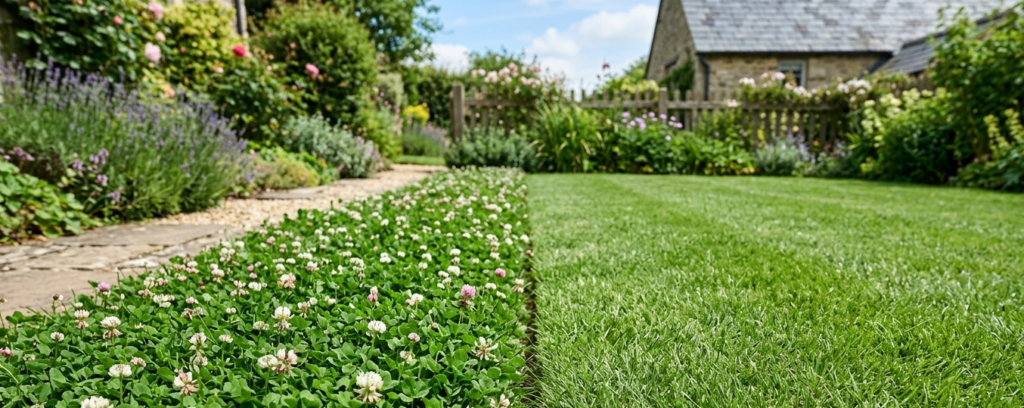
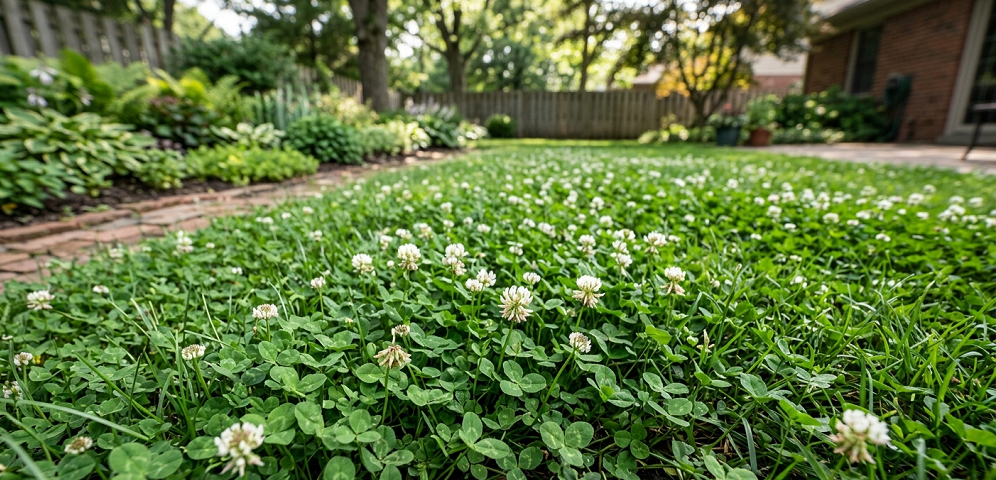
The most common setups I’ve seen are pure clover lawns (100% clover, usually microclover), clover-grass blends (30–50% clover mixed with fescue or ryegrass), and “freedom lawns” that let whatever wants to grow, grow — which almost always includes clover naturally anyway.
Clover Lawn vs Grass: Cost Comparison (Seed, Fertilizer, and Water Bills)
Let’s talk money, because that’s usually what converts people faster than any environmental argument.
Grass seed for a standard cool-season lawn runs anywhere from $3 to $8 per 1,000 square feet for budget options, and easily $15–$30 per 1,000 square feet for premium turf-type tall fescue or Kentucky bluegrass blends. Clover seed — specifically Dutch white clover — typically runs $4 to $10 per 1,000 square feet. Microclover is pricier, around $15–$25 per 1,000 square feet, but you use less of it and it establishes fast.
Here’s where clover starts pulling ahead hard: fertilizer. Clover is a legume, which means it fixes its own nitrogen from the atmosphere through root bacteria called rhizobia. I spent roughly $180 a year on lawn fertilizer before I converted half my back lawn to a clover-grass blend. Last year I spent $0 on fertilizer back there. Zero. And the grass portion of my blend actually looked better than the pure grass sections in the front because the clover was feeding the whole thing through clippings and root activity.
Water is the other big one. My front lawn (pure fescue) needed about three deep waterings per week during the July heat dome we had two summers ago. My clover-blend backyard? I watered it twice that entire month and it stayed green. Clover goes dormant in extreme heat like grass does, but its recovery time is significantly faster once conditions improve. If you’re in a drought-prone area or have water restrictions, this is a major consideration.
The one place grass wins on cost — at least upfront — is establishment. A clover lawn seeds quickly, but during those first 6–8 weeks while it’s establishing, it looks rough. It’s thin, patchy, and a little embarrassing if you care about curb appeal. I’ve found a lot of people abandon clover lawns during this window and then swear they don’t work. Give it the full season.
Clover Lawn Benefits: What It Actually Does Well
1. Clover Fixes Nitrogen and Feeds Your Lawn for Free
I already touched on this, but it deserves its own spotlight because it’s genuinely one of the most remarkable things clover does. The root nodules on clover plants host bacteria that pull nitrogen gas from the soil air and convert it into a form plants can use. When you mow and the clippings break down, that nitrogen gets released to everything around it — including your turfgrass.
This means in a clover-grass blend, you may never need to fertilize at all. That’s not a marketing claim — it’s soil science. I confirmed it with a basic soil test two years into my blend. My nitrogen levels were consistently in the optimal range without any synthetic inputs. My neighbor across the street was applying four rounds of granular fertilizer per year and getting similar results. He’s now annoyed at me on a weekly basis, which I consider a personal victory.
The nitrogen fixation also means clover tends to stay green longer into the fall and greens up earlier in spring. That shoulder-season green is something grass lawns genuinely struggle to match without a big dose of quick-release fertilizer.
2. Drought Tolerance and Heat Resistance in Clover
Clover has a deeper, more fibrous root system than many common turfgrasses, particularly bluegrass and ryegrass varieties. Those deeper roots can access soil moisture that surface-level grass roots simply can’t reach during dry spells. This translates into real, visible results during summer stress periods.
The summer I converted my back section, we had six consecutive weeks without meaningful rain. My front bluegrass went dormant and turned that straw-tan color I hate. My clover-grass blend in the back slowed down and faded a bit but never went fully dormant. When rain came back, it recovered in about four days. The front took three weeks of supplemental watering to fully rebound.
Now, I want to be fair: tall fescue is also reasonably drought tolerant and will outperform bluegrass in dry conditions. If you’re already growing drought-adapted turfgrass, the improvement from adding clover may be less dramatic. But if you’re fighting Kentucky bluegrass through a dry summer, clover is a genuine upgrade.
3. Clover Lawn and Pollinators: The Real Environmental Win
I’ll be honest — when I first started researching clover lawns, the pollinator angle felt a little performative to me. Like, “put a bee on it and millennials will buy anything.” But then I actually watched what happened when my clover bloomed.
The number of bees in my backyard increased visibly within the first flowering season. Bumblebees, honeybees, native mason bees — they were all working the clover blooms from morning until dark. My vegetable garden, which sits directly adjacent to my clover section, had the best fruit set I’d ever seen that year. My tomatoes, squash, and peppers were all noticeably more productive. I have zero doubt that’s connected.
If you have kids or pets who run through the lawn barefoot and you’re worried about bee stings — which is valid — you can mow the clover before it blooms, or choose microclover, which blooms less aggressively. But if you’re interested in supporting pollinators without having to install a dedicated wildflower bed, a clover lawn does it passively, without any extra effort on your part.
4. Weed Suppression (When It Gets Established)
Clover grows dense and low once established. That density is actually a decent weed barrier, because it shades out a lot of the germination points that weeds need. In my clover sections, I get far less crabgrass, dandelion, and plantain than I do in my pure grass sections. Not zero weeds — but noticeably fewer.
The caveat here is that “once established” part. Clover is not weed-resistant during its first season. It comes in thin, and thin ground cover is an open invitation for opportunistic weeds. You need to either overseed densely, use a pre-emergent on the surrounding grass, or be prepared to hand-pull during the first establishment period. I didn’t do any of those things my first year and spent a very tedious August afternoon pulling out thistle from my clover patch. Lesson learned.
Traditional Grass Lawn Benefits: When Turf Is Still the Right Call
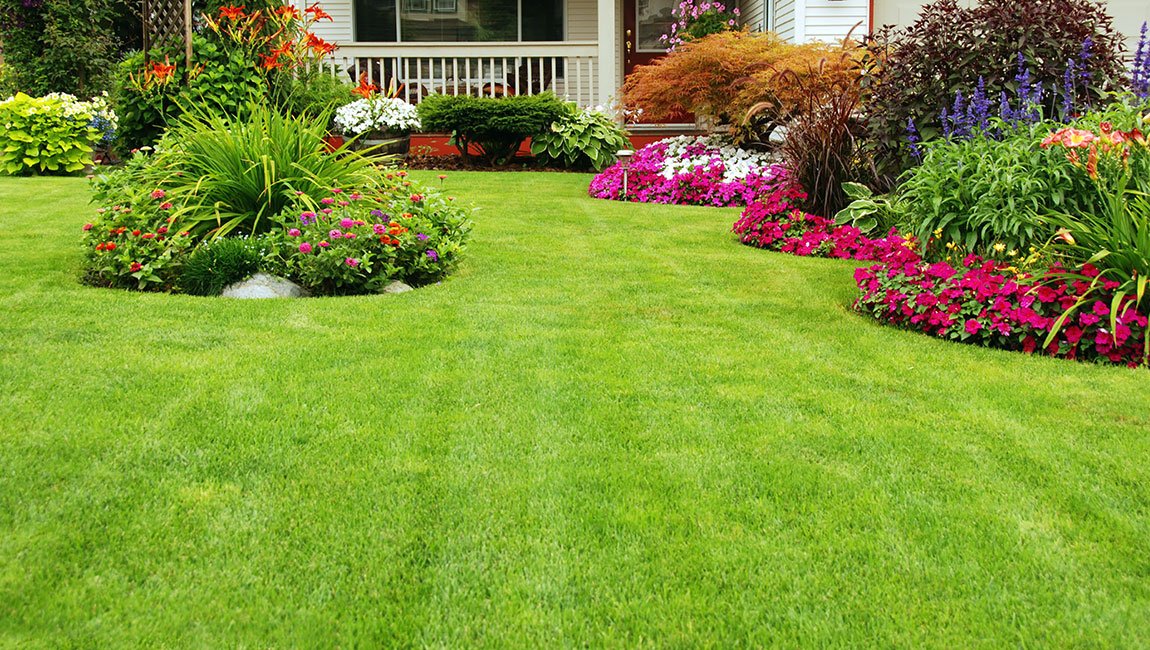
I’m not here to tell you grass lawns are obsolete — that would be dishonest and a little obnoxious. Turfgrass has real advantages in specific situations, and I genuinely believe a well-maintained grass lawn is a beautiful thing. I just think most people are maintaining it badly.
Wear tolerance is where turfgrass, especially turf-type tall fescue and bermuda, genuinely outperforms clover. If you have kids running on the lawn every day, a dog who sprints the same path repeatedly, or you host outdoor events with heavy foot traffic, clover will get beaten up faster and recover more slowly than resilient turfgrasses. Clover thins out under heavy, repeated traffic in a way that fescue and bermuda simply don’t.
Aesthetics is subjective, but I’ll own that a perfectly manicured grass lawn — deep green, uniform texture, sharp edges — is a genuinely beautiful thing that clover can’t perfectly replicate. Microclover comes close in blend, but pure clover has an uneven texture and blooms that some people find messy-looking. If curb appeal and HOA compliance are priorities, grass wins the aesthetic argument.
And sports and recreation lawns — anything you’re using for soccer, badminton, or regular active use — really should be grass. Clover gets slippery when wet in a way that grass doesn’t, and it bruises more easily. I’ve found that on a pure clover lawn, a few hard-running kids can create bare patches within a single afternoon in ways that fescue would shrug off.
The Real Talk: What Can Go Wrong With Clover Lawns
This is the section most clover-enthusiast blogs skip, and it drives me absolutely crazy.
Clover is not compatible with broadleaf herbicides. This sounds obvious, but it bites people constantly. If you have a clover lawn (or clover-grass blend) and you spray for dandelions, you will kill your clover too. You have to choose: clover or herbicide lawn care. They are mutually exclusive. I’ve had people tell me they “tried clover but it kept dying” and then mention, in the same breath, that they spot-spray weeds. That’s the problem.
Clover can overtake your grass if the ratio gets out of balance. This is especially true in consistently moist, shady conditions where clover thrives and fine fescues struggle. My shaded side yard went from a 30/70 clover-grass blend to about 80% clover in two seasons. That wasn’t what I wanted. If you’re doing a blend, you need to overseed your grass occasionally to maintain the ratio.
Staining is real. Clover stains. If your kids play on a clover lawn and come inside with grass-stained knees, multiply that by about three. The pigment in clover leaves is more intense than turfgrass, and it transfers readily onto clothing and skin. Not a dealbreaker for everyone, but worth knowing before you make the switch.
HOA restrictions can be a genuine barrier. Many HOAs have specific language about lawn composition or “weed-free” requirements that effectively prohibit clover. Before you seed, read your HOA documents. I’ve seen people invest in full lawn conversions and then receive violation notices. Fight that battle first, not after.
How to Transition from Grass to Clover (Without Starting Over)
You don’t have to rip everything out. Here’s how I’d do it:
- Mow your existing lawn short — around 1.5 to 2 inches — to reduce competition and let light reach the soil surface.
- Loosen the top layer of soil with a rake or aerator in bare patches. Clover needs seed-to-soil contact to germinate.
- Broadcast clover seed at about 2–8 oz per 1,000 square feet for Dutch white clover, or follow package rates for microclover. Don’t skip inoculant — most packaged clover seed includes rhizobia inoculant, but double-check. Without it, your nitrogen-fixation benefit is reduced.
- Water lightly twice daily until germination, which typically takes 7–15 days depending on soil temperature. Clover germinates best when soil temps are between 50°F and 65°F.
- Don’t mow the clover until it’s at least 3–4 inches tall and visibly established. Mowing too early is the number one establishment mistake.
- Expect it to look rough for 6–8 weeks. Seriously. Resist the urge to give up. The second month is where it starts actually looking like something.
Quick side note on seeding timing: Spring and early fall are both good windows, but early fall is actually my preference. Cooler temperatures reduce moisture stress during establishment, and there’s less competition from crabgrass, which doesn’t germinate in cool soil.
Clover Lawn vs Grass: A Straight-Up Verdict
If I’m being direct — and that’s kind of the whole point of this article — a clover-grass blend is better than a pure grass lawn for the majority of homeowners who aren’t growing a sports field or entering their lawn in a competition.
The water savings are real. The fertilizer savings are real. The pollinator benefits are real. And the lower maintenance burden is genuinely life-improving in the specific way that only someone who has spent a Sunday afternoon staring at a brown patch trying to diagnose a fungal issue can fully appreciate.
Pure clover is a strong option too, but the texture and traffic limitations make it a tougher sell for active families. Microclover blends are the sweet spot: they look close to conventional lawn, behave like clover ecologically, and don’t trigger HOA alarms the way a full white-clover carpet might.
Pure grass? Still the right call for high-traffic areas, aesthetically competitive situations, and anyone who genuinely enjoys lawn care as a hobby. There’s nothing wrong with that. I have friends who find their grass lawn deeply satisfying to maintain. Good for them. I just think a lot of people are maintaining a grass-only lawn out of habit or assumption, not because it’s actually the best choice for their life.
Parting Wisdom From My (Many) Lawn Mistakes
The best lawn is the one that fits your actual life — not the one Pinterest tells you to want. I’ve had showroom-grade grass lawns. I’ve had embarrassing, patchy transitional lawns that my mother-in-law definitely noticed. And now I’ve got a clover-blend lawn that I genuinely like, that costs me less to maintain, and that my kids and my dog use every single day.
Try a small test patch before you commit to a full conversion. Twenty square feet in a corner of the yard will tell you more than a month of reading articles (including this one). Seed it, watch it, mow it alongside your grass for a season, and make your call based on what you actually see.
The dirt under your fingernails is always a better teacher than anyone’s opinion — including mine.
Now I want to hear from you. Have you made the switch to a clover lawn, or are you still on the fence? Did you try a blend and end up with more clover than you bargained for? Drop your experience in the comments below — I read every single one, and your real-world results help other readers way more than anything I can write from my own backyard. Ask questions too. Nothing is too basic.

About Syprose Kiche
Syprose Kiche is the creator and writer behind My Besuited Home, a practical home and garden website covering DIY projects, gardening, lawn care, landscaping, home improvement, and outdoor living. She focuses on turning everyday homeowner questions into clear, practical guides backed by careful research and useful real-world considerations.