
A gardener who builds their own raised beds usually owns more tools than the person shopping for them realizes, and has firm opinions about most of them. That’s what makes this person hard to buy for. A pair of floral gloves or a decorative trowel gets a polite thank-you and ends up in a drawer. Meanwhile the things they would use, like a decent framing square or a way to bend hoops for a low tunnel, never occur to anyone who doesn’t build.
The gifts below are organized around the work itself: measuring, cutting, joining, building, hauling, and storing. Some are small enough to wrap in a minute. A few are materials for a project. Where a choice depends on climate, budget, or the tools someone already owns, the entry says so.
Four Things to Work Out Before You Buy
Most of the buying mistakes with this group come from skipping these.
What do they actually build? Someone who makes cedar raised beds needs different things than someone who bends metal conduit into hoop frames or welds trellises. Look at what’s already in the yard. Wood beds, wire trellises, and a pallet compost bin each point to a different set of tools.
Which battery brand do they use? Cordless tool batteries generally don’t swap between brands, and sometimes not between a brand’s older and newer lines. A bare drill in the wrong brand becomes a tool with no battery. If you can’t confirm the brand, buy things that don’t depend on one: saws, squares, bits, hardware, and storage.
How much space do they have? A gardener with a two-car garage workshop and one with a shed the size of a closet need different gifts. A large potting bench is wasted on someone who works on a patio corner.
Do they follow plans or design their own? Some builders enjoy a kit with every cut already made. Others will find a kit mildly insulting. Materials and good tools suit the second type better than pre-cut projects do.
Layout and Measuring Gifts That Prevent Crooked Beds
Most frustration in garden building comes from layout. A bed that’s a half inch off square rarely matters for the plants, but it matters a great deal when the lid for a cold frame or the hardware cloth liner doesn’t fit.
1. A Wide-Blade Tape Measure and a Speed Square
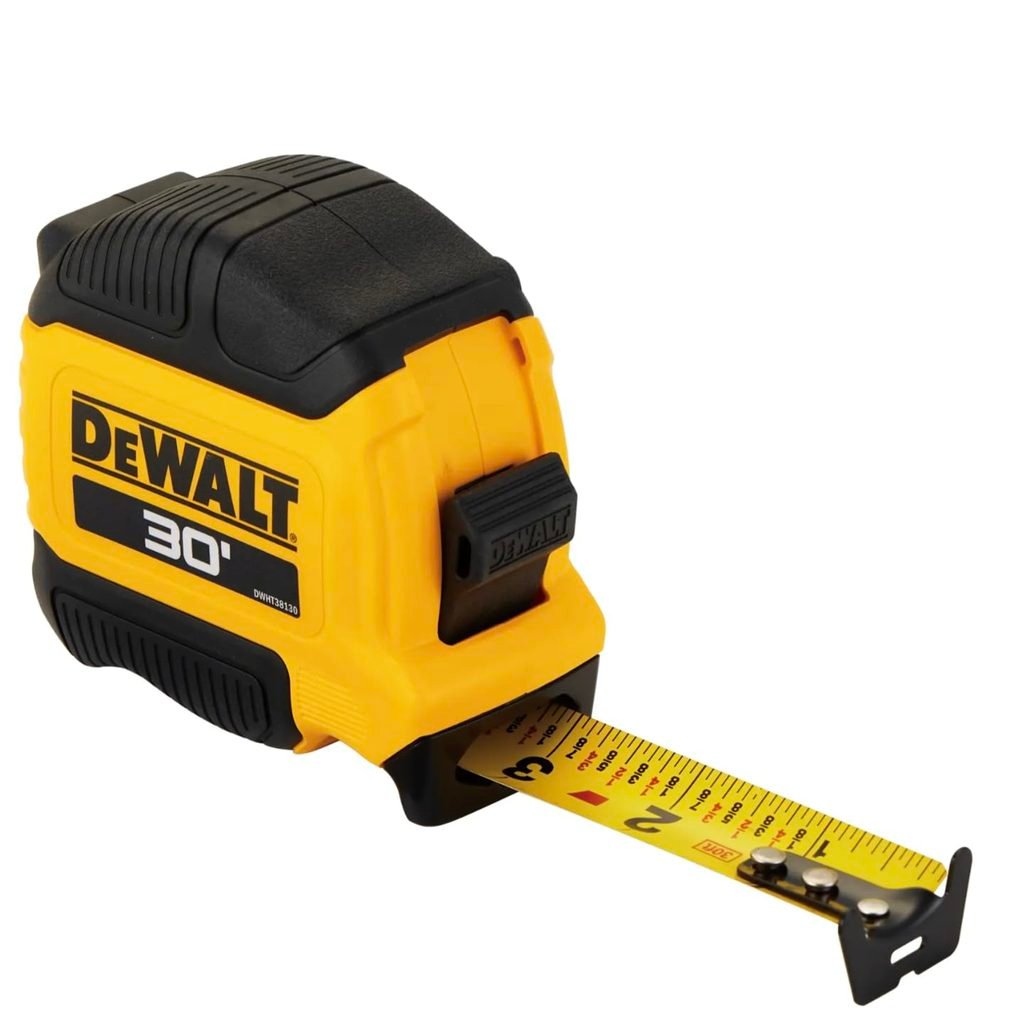
It sounds like the most obvious gift on the list, and it is the one most likely to be worn out. A tape that’s lost its hook rivet play or has a bent tip gives readings that are quietly wrong. A 25-foot tape suits garden work, since most beds, paths, and fence runs fall within that range. Wider blades generally stand out farther without folding, which helps when you’re measuring alone and nobody is holding the other end.
Pair it with a speed square, the triangular layout tool that marks 90-degree and 45-degree cuts across a board. A cheap one works, but the stamped markings should be easy to read and the edge should be straight. Hold it against a board and check along the edge. Daylight showing means it’s warped. Add a few carpenter’s pencils, which are flat so they don’t roll off a bench, and you have a complete, genuinely useful gift.
2. A String-Line and Level Layout Kit
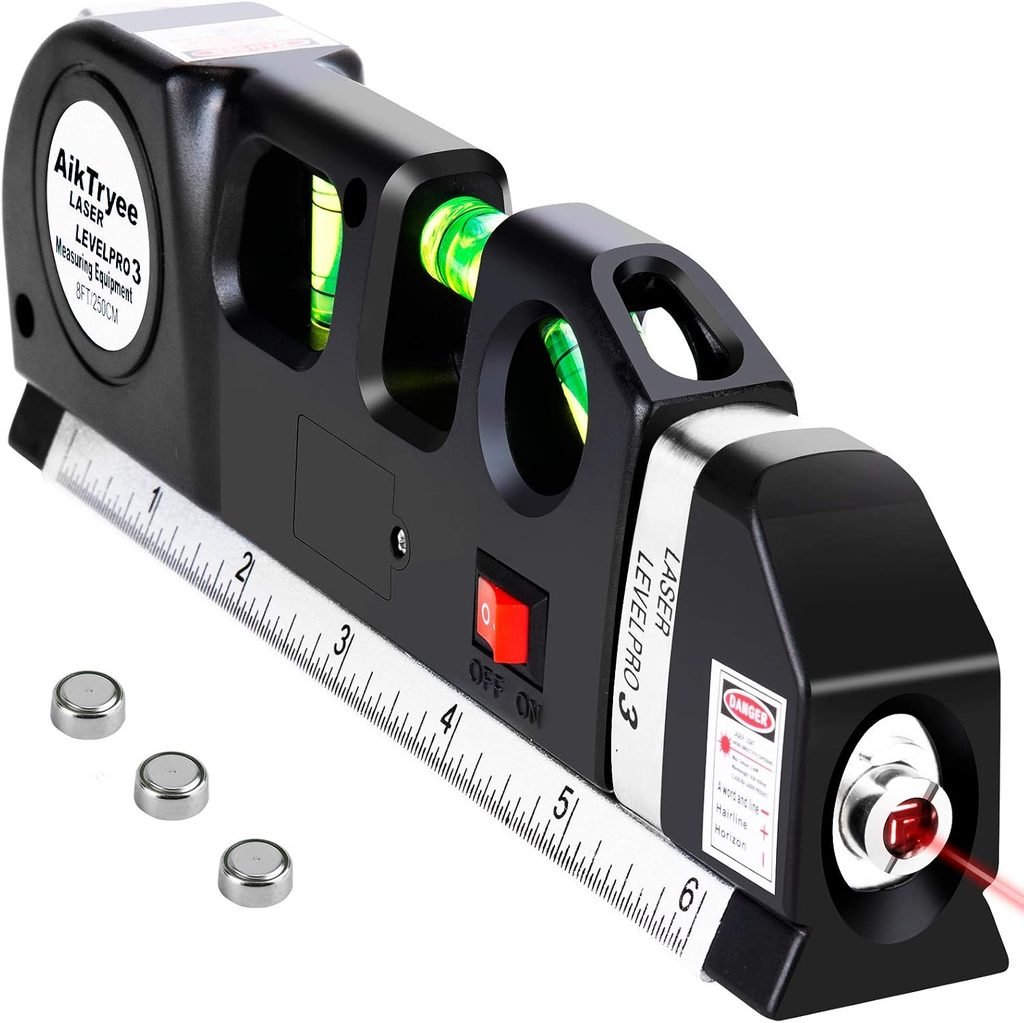
Squaring a rectangular bed is an old problem with an old solution. Measure the two diagonals of the rectangle. If they’re equal, the corners are square. The 3-4-5 method does the same job for a single corner: measure 3 units along one side, 4 along the other, and the diagonal between those marks should be 5.
A layout kit supports that work. It needs a roll of mason’s line (a durable, non-stretching string), a few line levels, which hang on the string and show whether it’s level, and a set of stakes or steel pins to hold it. For a gardener building terraced beds, a patio edge, or a long fence, it’s the difference between guessing at slope and seeing it.
One caution: line levels are only as accurate as the string is taut. A saggy line gives a false reading. If the person works on sloped ground, a 4-foot level is a worthwhile addition for checking individual boards.
Fastening, Cutting, and Joining
3. A Pocket-Hole Jig
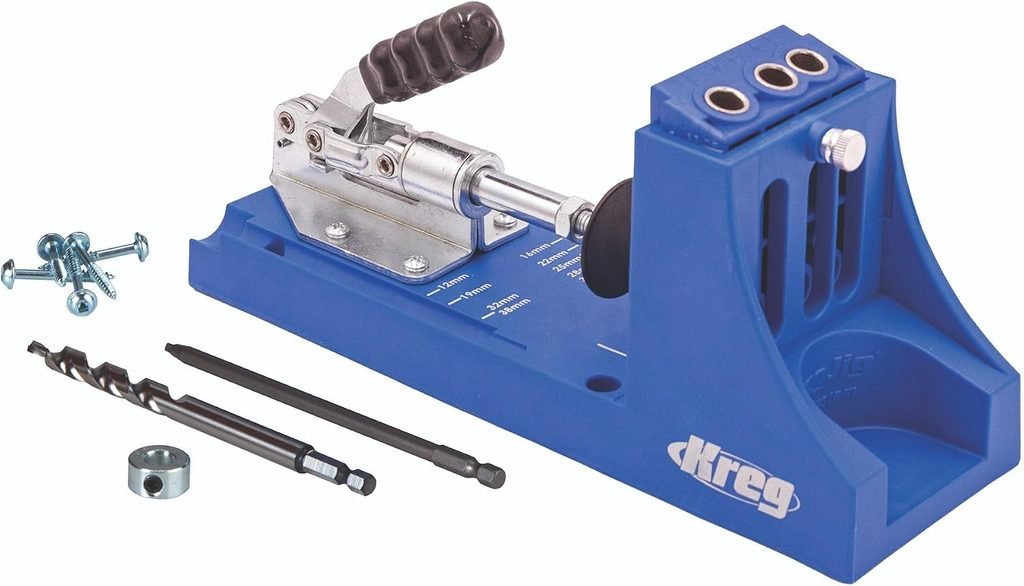
A pocket-hole jig drills an angled hole in one board so that a screw can pull it tight against another. It makes frames, benches, and tables without visible fasteners or complex joinery, which is why it’s popular for potting benches, garden tables, and planter boxes.
There’s one outdoor catch. Standard pocket screws are meant for indoor furniture. For anything left in the weather, the screws need to be rated for exterior use, usually coated or stainless, and a gardener who already owns a jig will know to check. Mention it in the gift note if you’re unsure they will.
Jigs vary from simple single-hole models to multi-hole systems that clamp to the work. A basic one is enough for most garden projects. If you don’t know whether they already own one, ask a partner or friend. It’s the sort of tool people either have and love or have never considered.
4. A Drill Bit and Driver Set with Exterior Screws
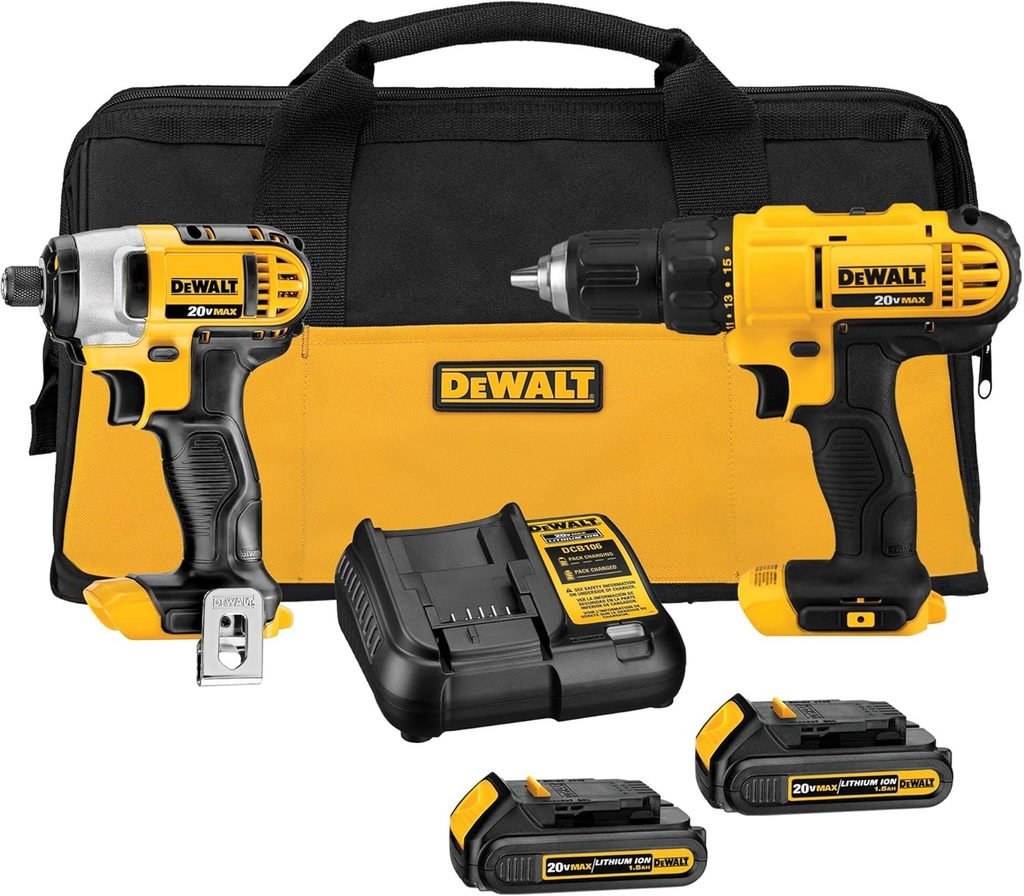
Bits strip, snap, and vanish. A dedicated set of impact-rated driver bits, a countersink bit, and a few assorted boxes of exterior-rated screws is unglamorous and frequently used.
The countersink matters more than it sounds. Cedar, redwood, and other softer woods split near board ends when a screw goes in without a pilot hole. A countersink bit drills the pilot hole and a recess for the screw head in one pass.
On screws: coated or stainless exterior screws are the safer choice for outdoor wood. Standard indoor screws can corrode quickly, and some corrode faster in contact with certain pressure-treated lumber. Check the packaging for rating information. This is a gift that works in any brand ecosystem, which makes it a safe choice when you don’t know their battery platform.
5. A Pull Saw or Folding Pruning Saw
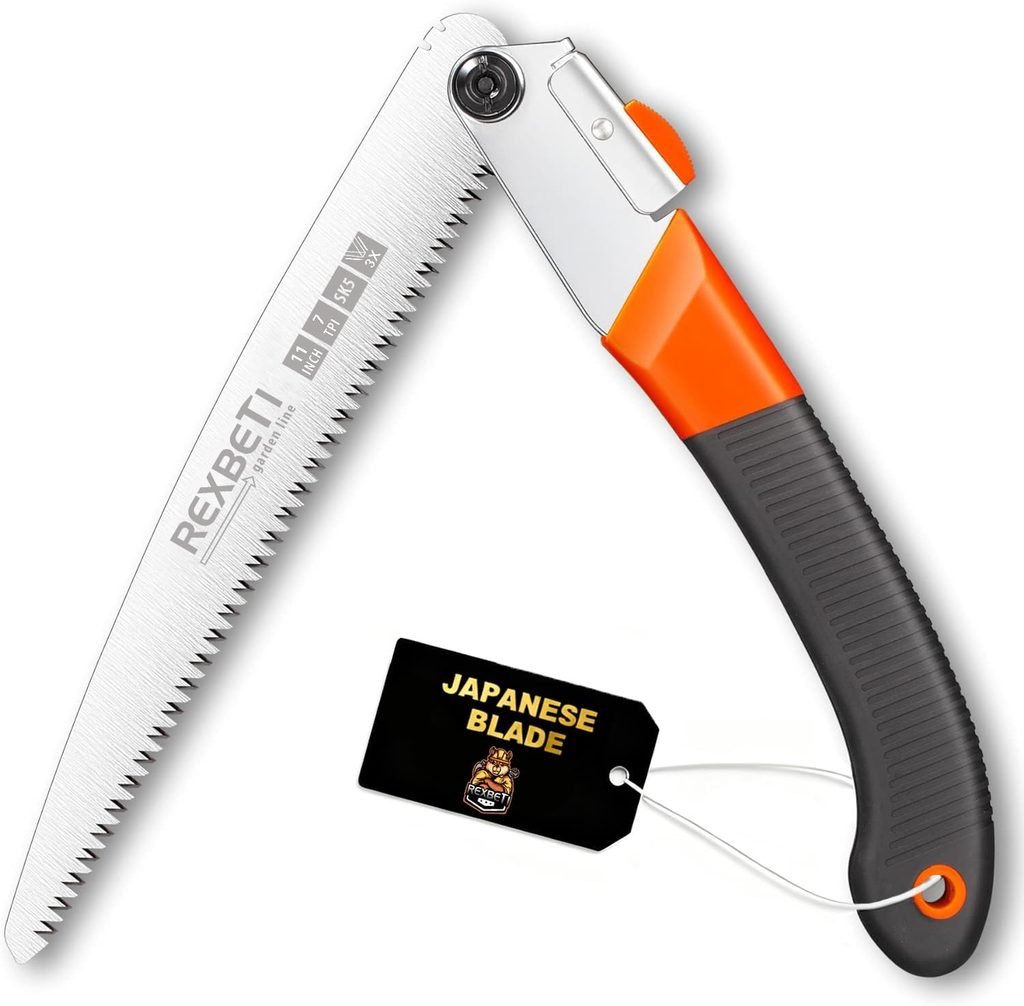
A Japanese-style pull saw cuts on the pull stroke instead of the push, so the thin blade is under tension instead of compression and can be much narrower than a Western saw. The result is a thinner kerf and finer control. It’s useful for trimming trellis posts, cutting dowels, and trimming branches overhanging a build site.
Many have a coarse side for ripping and a fine side for crosscutting. Some have replaceable blades, which is worth looking for because the teeth are hardened and can’t be sharpened in the usual way. A folding pruning saw suits a gardener who spends more time cutting living wood than lumber, and it can be stowed safely in a tool bag.
Wrap it with the blade covered, and mention that the teeth are very sharp.
Projects You Can Give a Head Start
These are gifts that let someone start a build without a shopping trip first.
6. Potting Bench Plans, Materials, or the Bench Itself
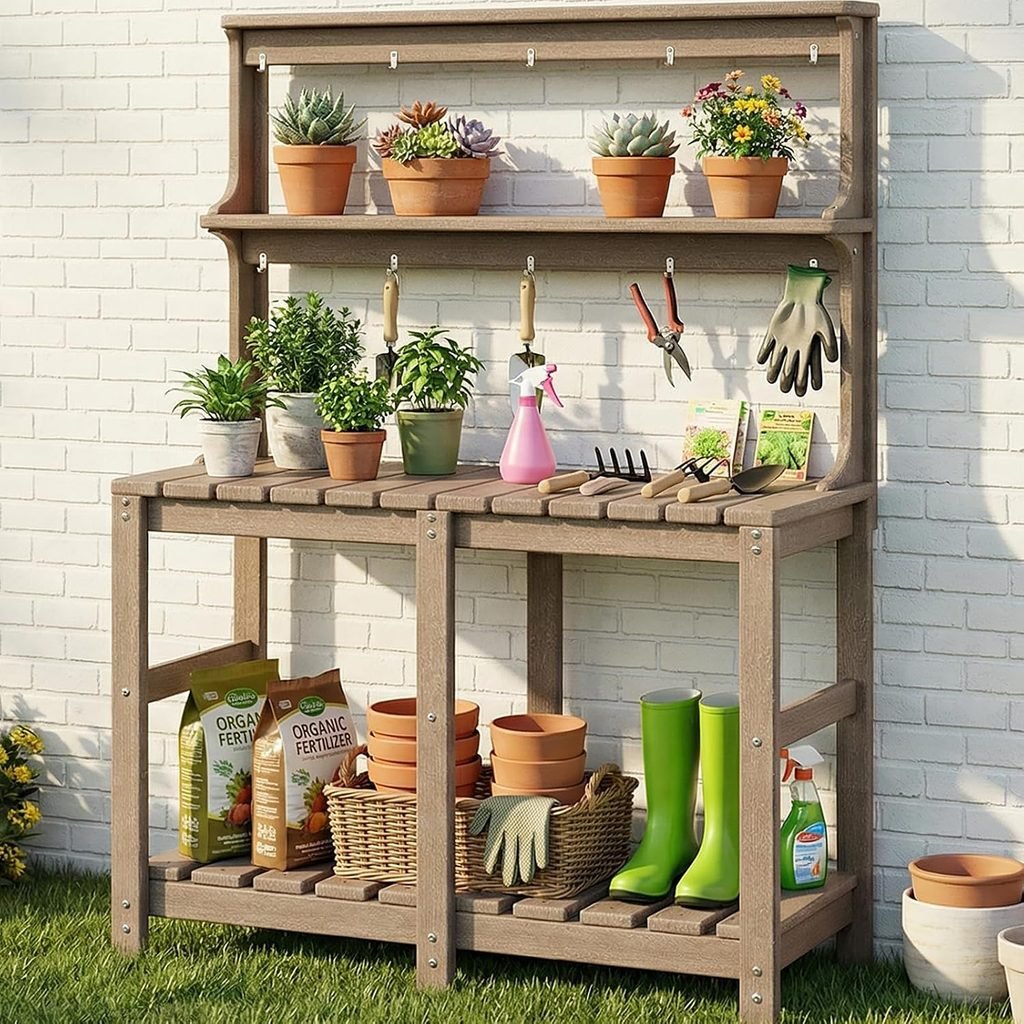
A potting bench is probably the most common first project for a gardener who’s started to enjoy building. The decision for the giver is whether to buy a finished bench, a kit, or the materials.
A finished or kit bench suits someone short on time or building experience. A materials gift suits an experienced builder, who will want to choose the dimensions. A common rule for working height is that the surface should sit at or a little below elbow height, so a tall gardener and a short one need different benches. A bench that’s too low causes back strain during long sessions of repotting.
If you’re buying materials, a lumber yard gift card is more practical than guessing at boards. Cedar and redwood resist rot naturally. Pine and fir are cheaper but need sealing if the bench will be outside. Whatever the wood, the top surface takes the most abuse from water and soil, so a removable or replaceable slat top is a useful feature to suggest.
7. A Raised-Bed Hardware Kit
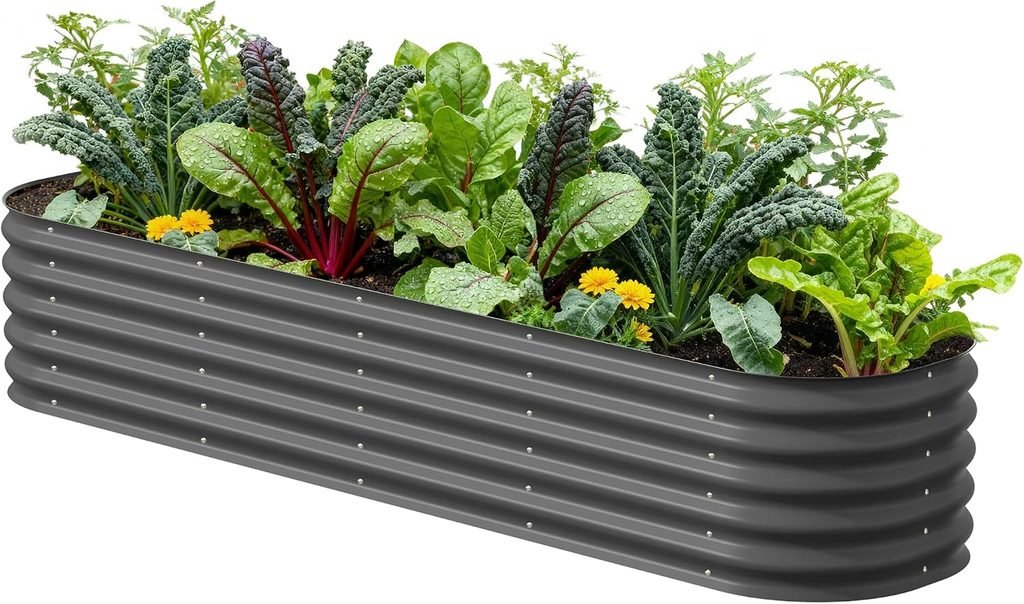
Corner brackets, joining plates, and the right fasteners let someone assemble a bed without cutting joints. The hardware determines how the bed holds up under years of soil pressure, so quality matters. Look for galvanized or powder-coated steel with thick gauge, and avoid thin stamped brackets that bend.
Pair the brackets with a roll of hardware cloth. Lining the bottom of a bed with wire mesh is a common way to keep out burrowing animals such as gophers, though the right mesh size depends on the animal. Smaller openings keep out smaller pests but cost more. If the recipient has a specific problem, a quick check with their local extension office will tell you what mesh to choose.
One note on lumber. Opinions differ on treated wood for vegetable beds. Modern residential pressure-treated lumber is no longer made with the arsenic-based preservative once used, and many extension services consider it acceptable, while others advise caution or recommend untreated rot-resistant wood. This is a decision for the builder, so a gift of hardware avoids making it for them.
8. A Hoop Bender for Low Tunnels
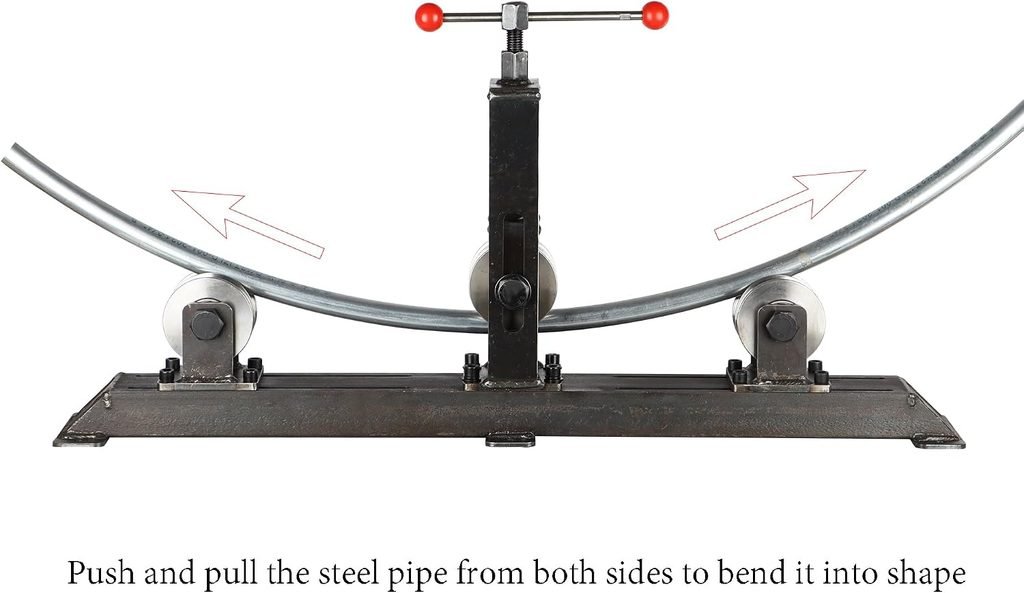
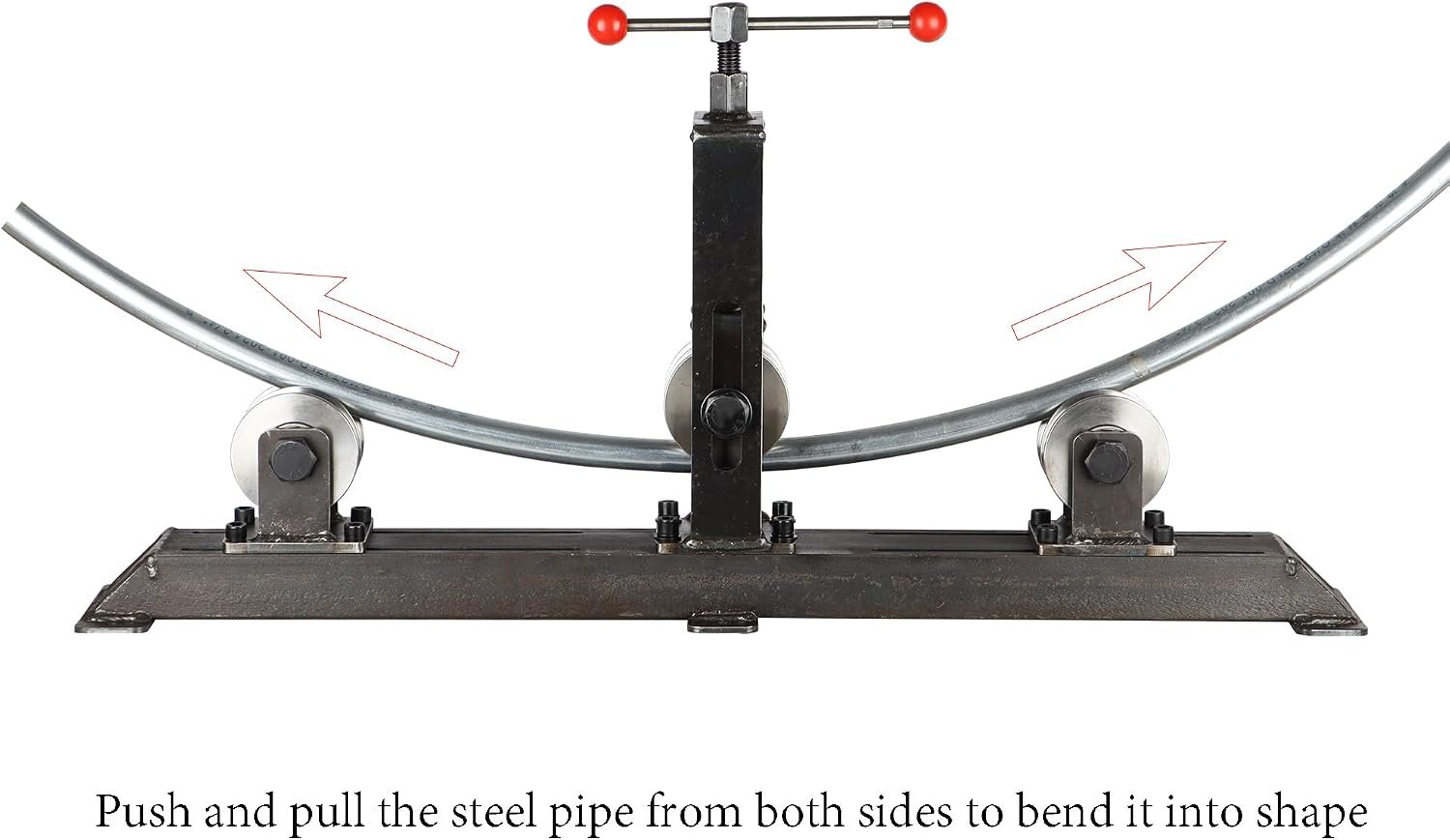
Low tunnels, the hoops covered with row cover or plastic that extend the growing season, are commonly built from metal electrical conduit bent into arches. A hoop bender is a hand tool that makes that curve consistently, and it’s the sort of thing a builder wouldn’t think to buy for themselves until they see the price of premade hoops.
Check the size before you buy. These benders are made for specific conduit diameters, with half-inch EMT a common choice for garden hoops, and the bender needs to match. If you can’t confirm the size they use, a bender is a risky buy. In that case, consider a bundle of row-cover clips and fabric clamps instead, which suit any hoop size.
9. A Trellis-Building Bundle
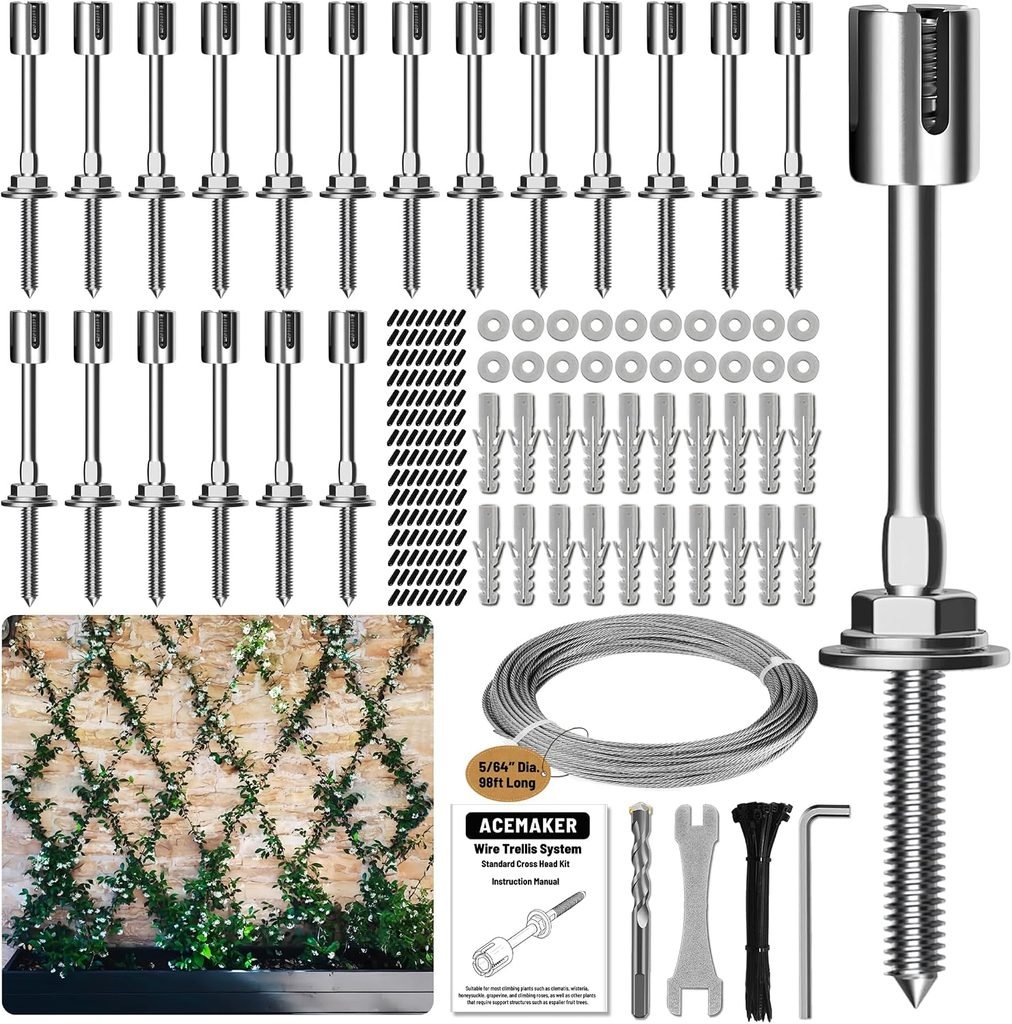
A trellis is one of the easiest garden structures to build and one of the most varied. The materials gift can be assembled from things that cost little: bamboo canes of different lengths, garden twine, galvanized wire, and a pack of cable ties. Tarred twine lasts longer outdoors than natural jute, which breaks down in a season.
What makes a bundle thoughtful is matching it to a plant. Pole beans and peas need something thin to grab. Heavier crops such as squash, melons, or established climbing roses need a sturdy frame, and bamboo alone will bow under the weight. If you know what they grow, pick materials to suit. If you don’t, include a note suggesting they use the bundle for lightweight climbers and save the heavier frames for lumber or metal.
10. Twin-Wall Polycarbonate Panels and an Automatic Vent Opener
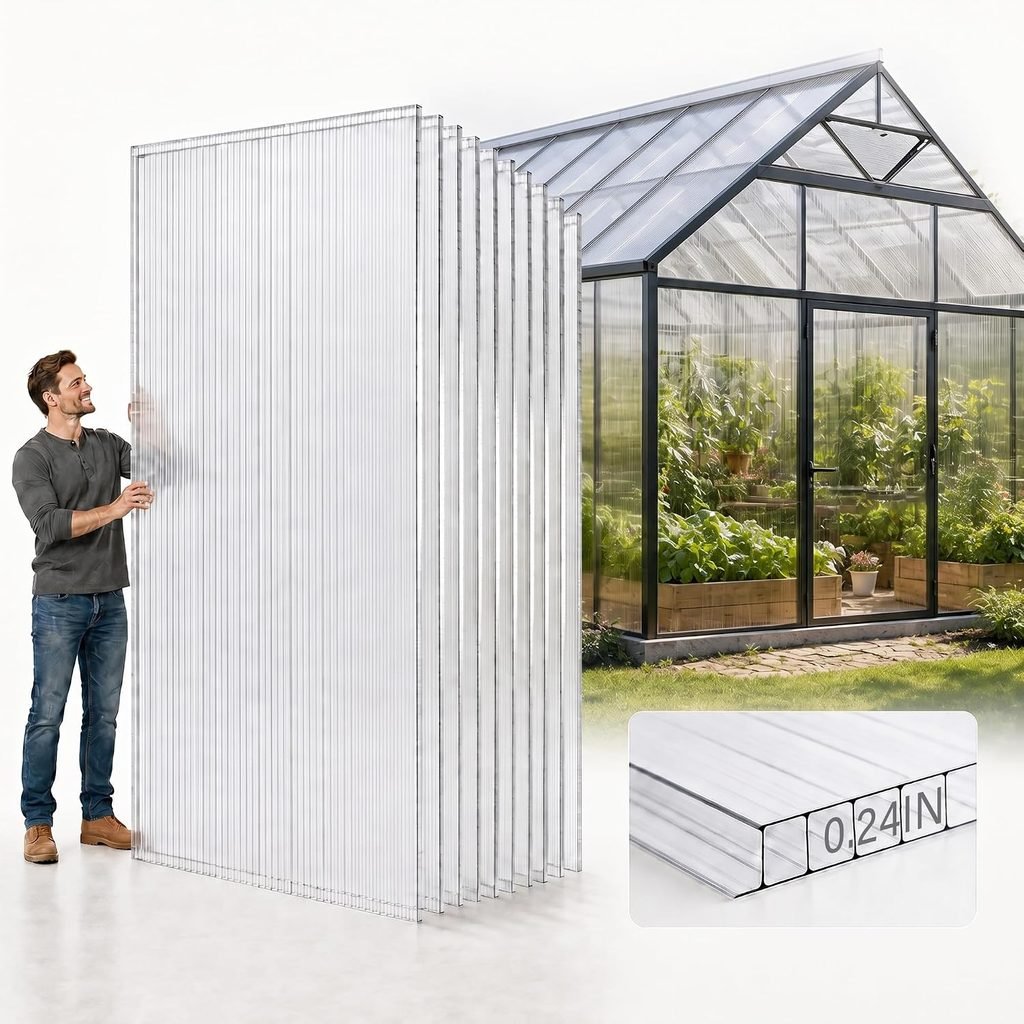
A cold frame is a simple box with a transparent lid that extends the growing season by trapping heat. Twin-wall polycarbonate panels are lightweight, impact-resistant, and insulating, which makes them a practical glazing material compared with glass. They can be cut with a fine-toothed saw.
The overlooked piece is ventilation. A closed cold frame on a sunny day can overheat quickly and cook the plants inside. An automatic vent opener, usually a wax-filled cylinder that expands as it warms and lifts the lid, handles that without electricity. These openers have a lifting capacity, so check it against the weight of the lid before buying. A heavy lid may need a stronger opener or a lighter frame.
This is a good gift for someone who has talked about starting seeds earlier or growing greens into winter.
Gifts That Make the Finished Garden Work
11. A Drip Irrigation Starter Kit with a Hole Punch and Tubing Cutter
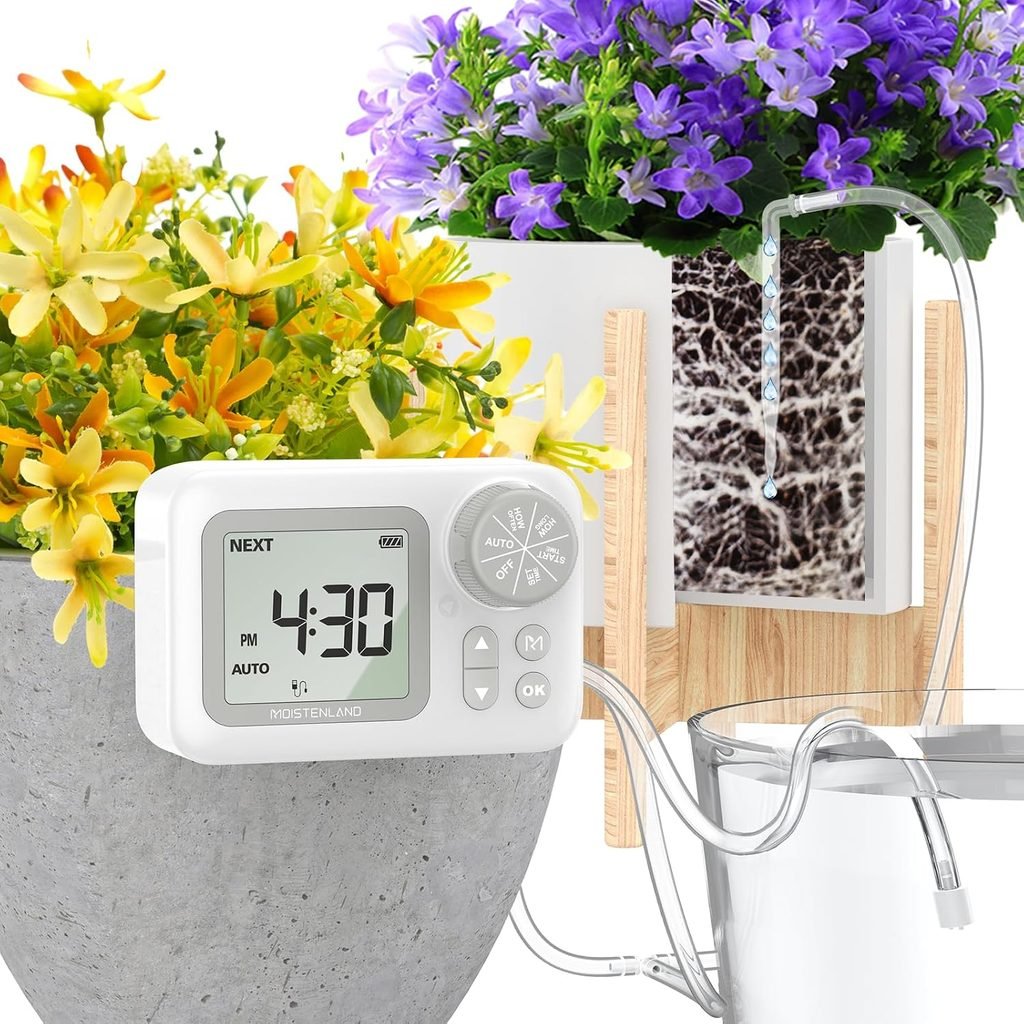
Drip irrigation is a favorite among DIY gardeners because it can be assembled and modified by hand. A starter kit typically includes tubing, connectors, emitters, and stakes. The extras make the difference: a hole punch for adding emitters to the main line and a tubing cutter that makes a clean square cut.
Drip systems run at low pressure, so a pressure regulator and a filter are important parts of a complete setup. Many kits include them, but some do not. Check the contents. A kit missing a regulator can burst fittings when connected directly to a standard spigot.
A battery-powered hose timer rounds out the gift. If the recipient lives somewhere with watering restrictions, they’ll know what applies in their area.
12. A Garden Cart or Wheelbarrow
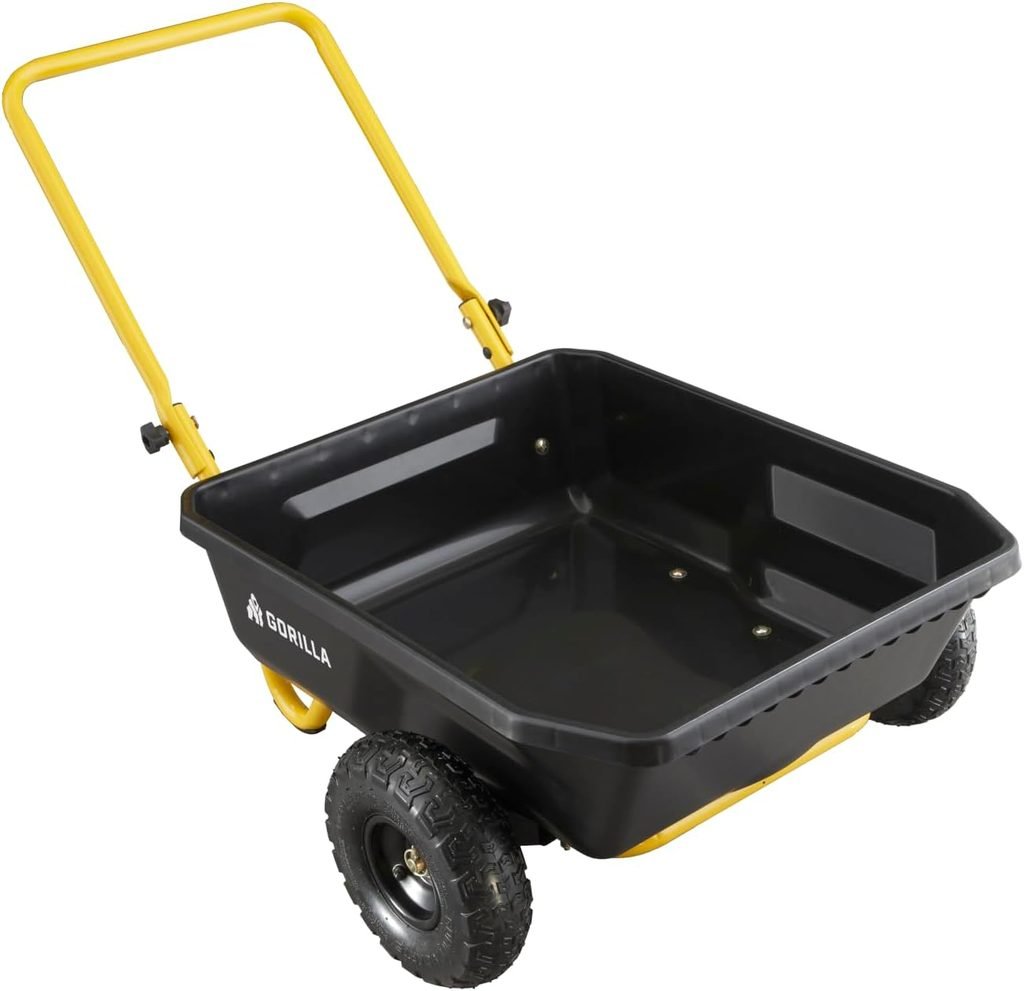
This is a bigger purchase and a personal one, so it helps to understand the tradeoff. A traditional one-wheel wheelbarrow turns tightly and tips easily for dumping, but takes balance to keep upright when loaded. A two-wheel cart is more stable and easier on the wrists with a heavy load, but it’s wider and harder to maneuver around beds and tight corners.
Tires matter more than people expect. Pneumatic (air-filled) tires roll over rough ground more smoothly but go flat. Flat-free tires avoid that problem, though they can ride harder. Check the weight capacity and the size of the tub in relation to what the person hauls. Moving soil, compost, and stone is heavy, and a lightweight cart that flexes under load won’t last.
If a cart seems like a risky guess, a replacement tire or a set of heavy-duty cart accessories may suit someone who already owns one.
Workshop and Shed Gifts
13. A Wall-Mounted Tool Organizer or Rail System
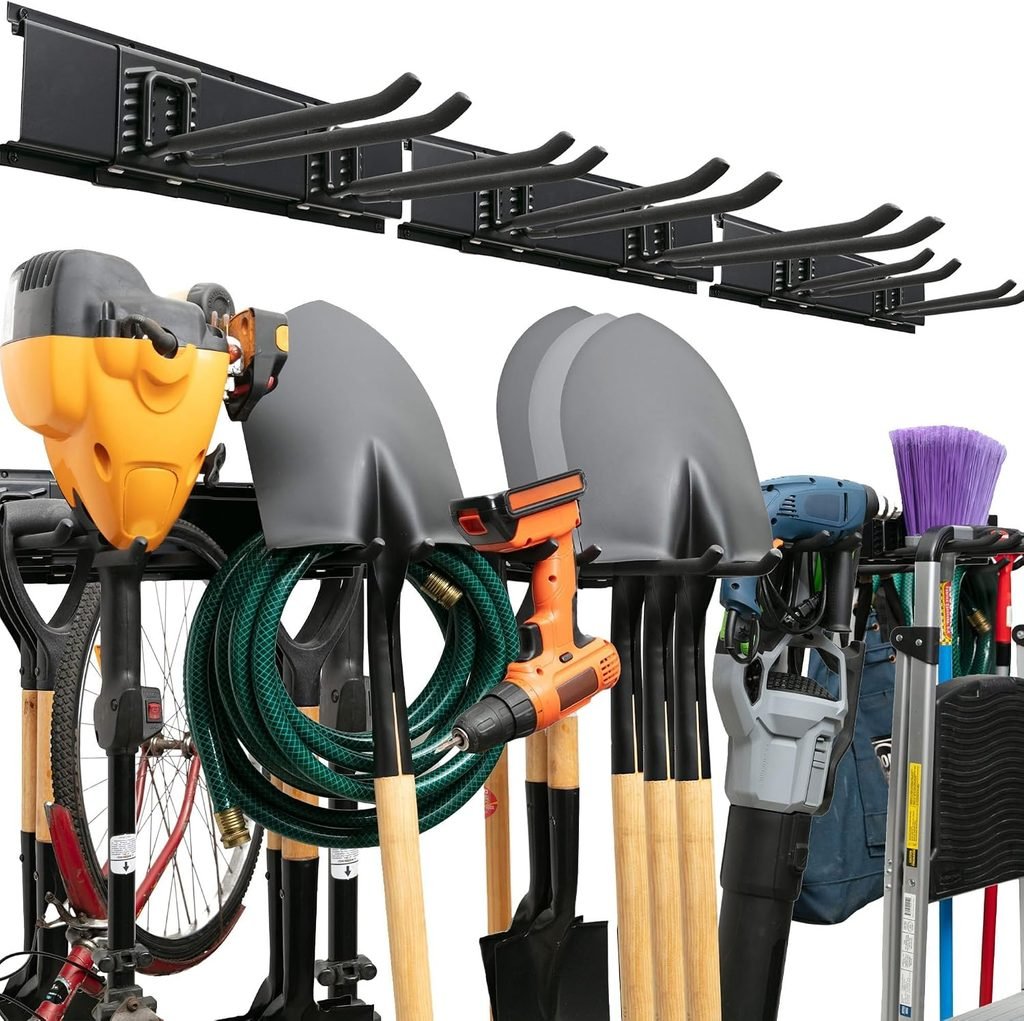
Garden tools tend to pile up in corners and fall over when someone takes one out. A wall-mounted rail system with hooks and holders gets long-handled tools off the floor and makes everything visible at a glance.
Two kinds suit a builder. Track-and-hook systems, usually a rail with sliding holders, adapt as the collection changes. A French cleat system is a more DIY approach, where interlocking angled strips let holders and shelves be hung and rearranged. A builder may well prefer to make their own cleats and would be happy to receive the hardware.
For a gardener without wall space, a freestanding rack or a tool tote with compartments suits a small shed. Whichever you choose, check that the wall behind it can take the weight. Shed walls made of thin sheet material need to be fastened into studs.
14. A Sharpening Kit for Garden Tools
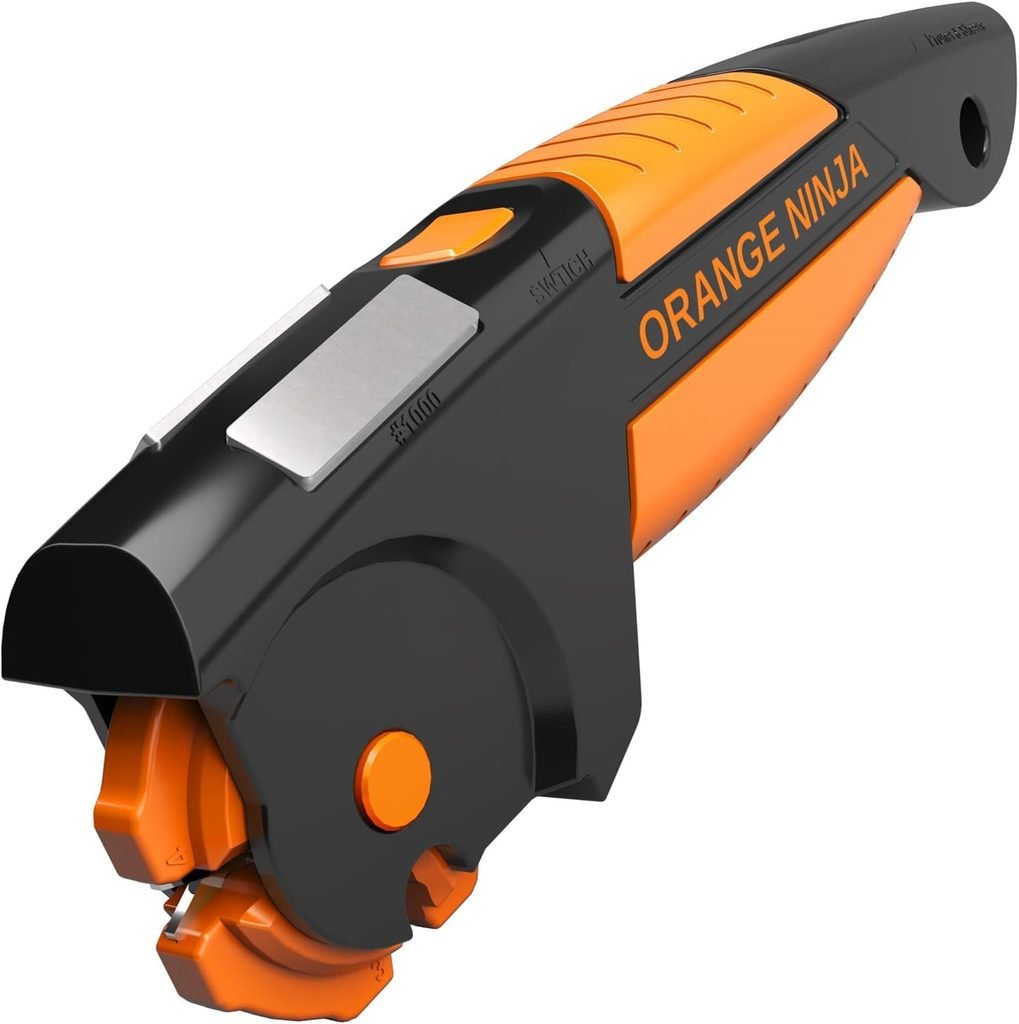
Dull tools make work harder and cuts rougher. Dull pruners crush stems, which leaves ragged wounds that heal slowly. A small kit with a diamond file, a sharpening stone, and a few drops of oil makes maintenance simple.
A useful detail to include in the gift note: on bypass pruners, sharpen only the beveled edge of the cutting blade and leave the flat side flat. On a shovel or hoe, a mill file along the edge restores the bevel. A kit like this works for hand pruners, loppers, hoes, and spades, and it’s a gift that rewards someone who already takes care of their tools.
15. Proper Safety Gear

It’s an unglamorous gift, and it’s probably the one that does the most good. Anyone running saws, drills, or grinders in a shed needs eye protection, hearing protection, and a dust mask or respirator.
Look for safety glasses marked as meeting an impact standard, such as ANSI Z87.1 in the US. Hearing protection has a noise reduction rating, and higher numbers mean more protection, though fit matters as much as the number. For dust, a basic paper mask isn’t the same as a properly rated respirator, so check the labeling. Sawdust from treated lumber is something to avoid breathing, and treated wood should never be burned.
A pair of cut-resistant work gloves and a set of knee pads suit gardeners who spend time kneeling on rough surfaces.
When You Don’t Know What They Already Own
A lumber yard or hardware store gift card is the most reliable fallback. It works because a builder with a project in mind will know exactly what’s missing. A gift card in a card with a note about a specific project (“for the potting bench you keep talking about”) feels more personal than a blank one.
If you want to buy an object, stick to consumables and accessories: bits, blades, screws, twine, sharpening supplies, and safety gear. Those get used up, don’t duplicate anything, and work in any shop.
A Few Questions Gift-Givers Ask
Is a gift card a lazy choice for someone who builds?
Not if it’s tied to a particular project or store. Builders often delay buying materials until a project is committed, and a card removes that cost.
Is a kit an insult to someone who designs their own projects?
It can be. Kits suit builders who enjoy assembly or want a quick result. Someone who draws their own plans will probably want raw materials and good tools instead.
Do these gifts work for someone who rents or has a small space?
Yes, with adjustments. Hand tools, a layout kit, a sharpening set, and safety gear need almost no storage. A large bench, a cart, or a greenhouse frame is harder to justify without room.
Final Thoughts
The best gift for a DIY gardener is one that gets used on a project that’s already underway. Look at what’s half-built in the yard, note what they complain about, and pick a tool or material that would solve it. When you can’t tell, choose things that don’t depend on a battery brand or a size: measuring tools, bits and fasteners, sharpening supplies, safety gear, or a gift card with a project name on it.

About Syprose Kiche
Syprose Kiche is the creator and writer behind My Besuited Home, a practical home and garden website covering DIY projects, gardening, lawn care, landscaping, home improvement, and outdoor living. She focuses on turning everyday homeowner questions into clear, practical guides backed by careful research and useful real-world considerations.