
Someone who loves garden tools usually owns most of the obvious ones already. They have a trowel, a pair of pruners and a rake leaning in the shed. The gift that lands badly is the nearly identical duplicate, the cheap version of something they already own, or a tool that doesn’t fit their hand or their garden.
The gifts below are chosen to avoid those outcomes. Some are upgrades to tools that wear out or get used daily. Some fill gaps most gardeners don’t notice until they own the right tool. A few are about keeping tools in good condition, which tool lovers tend to care about more than other gardeners.
Before You Buy: Four Things That Decide Whether a Tool Gets Used
Check what they already own. A glance in the shed or garage, or a casual question to a partner or family member, saves a lot of guessing. Duplicates are fine for tools that wear out fast, such as pruners and trowels. They are wasted on bulky items like rakes.
Think about hands. Pruners, shears and trowels live in the hand for hours. A tool that is too large, too heavy or awkwardly angled gets abandoned, however good the steel. If you can’t judge hand size, choose tools that come in sizes or can be exchanged, and include a gift receipt.
Know the garden, not just the gardener. Heavy clay soil, a small courtyard, a large lawn and a vegetable plot each call for different tools. A half-moon edger is a great gift for someone with long lawn borders and nearly useless in a container garden.
Look at how the tool is built. On hand tools, the weak point is usually where the blade meets the handle. One-piece forged or stamped steel tends to hold up better than a blade welded onto a socket. On cutting tools, look for replaceable blades and springs, since a tool that can be repaired outlasts one that gets thrown away.
A note on where to spend. Spend more on tools that cut or dig and that touch the hand constantly, such as pruners, trowels and hand forks. Spend less on bulky tools where extra cost often buys little, such as a plain leaf rake.
Hand Tools
1. Bypass Pruning Shears
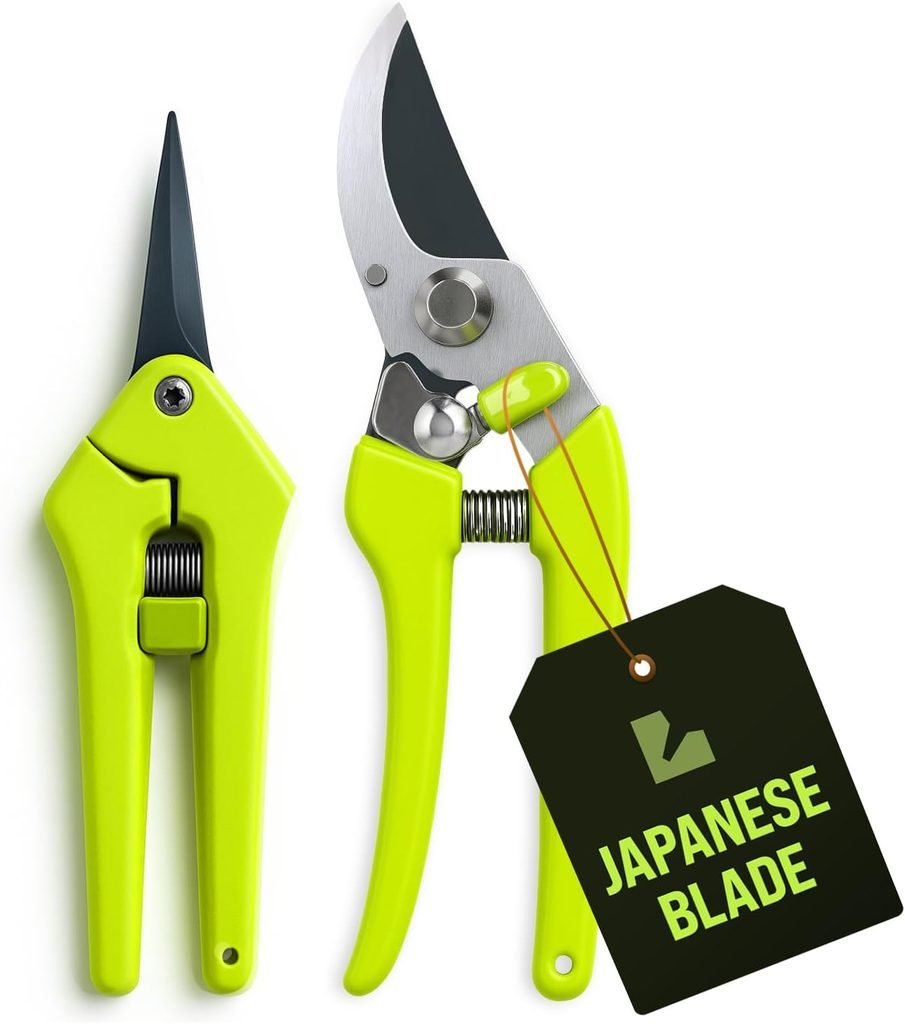
Pruners are the tool most gardeners reach for most often. They are also the one where upgrading makes a real difference.
Bypass pruners work like scissors, with one blade sliding past the other, and they make clean cuts on living stems. Anvil pruners press a blade against a flat surface and suit dead, dry wood but tend to crush green stems. For most gifts, bypass is the safer choice.
Fit varies more than people expect. Some models are designed for smaller hands, and left-handed versions exist. Ratchet pruners cut in stages and suit people with limited grip strength. Rotating-handle designs reduce hand fatigue on long pruning sessions. Check that replacement blades and springs are sold for the model, which is a good sign the maker expects the tool to last.
Hand pruners are generally meant for stems up to roughly three-quarters of an inch thick, though ratings vary by model and the manufacturer’s figure is the one to trust. Pushing a pair beyond its rating is how blades get sprung or chipped.
2. A Forged or Stainless Steel Trowel
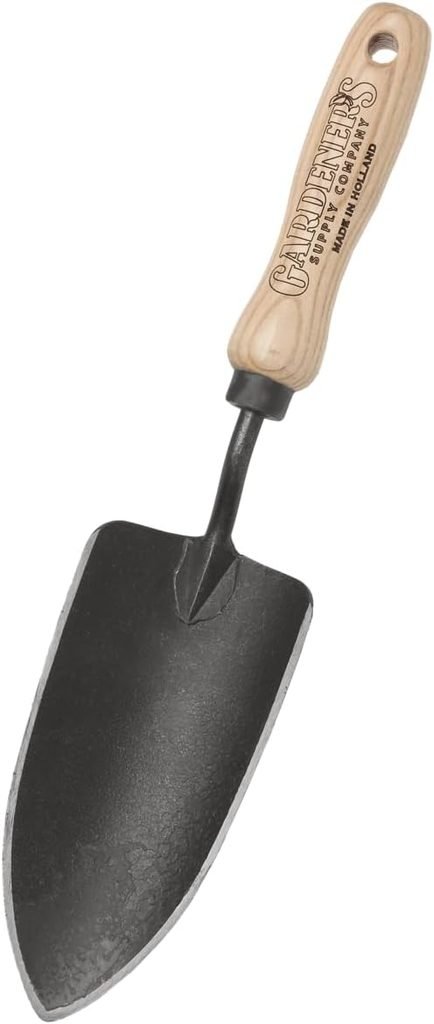
A trowel is the most replaced hand tool in most gardens, because cheap ones bend, snap at the neck or lose their coating. A solid replacement is a gift people notice.
Look for a blade and shank made from a single piece of metal. Stainless steel resists rust and slides through soil easily. Forged carbon steel is stronger but needs oiling. Depth markings etched on the blade are handy for planting bulbs and seedlings at a consistent depth.
Blade width is a real decision. A narrow blade works in tight spaces and stony soil. A wide one moves more soil per scoop, which suits potting and filling containers. A gardener with both raised beds and a rocky border may appreciate one of each.
3. A Hand Fork
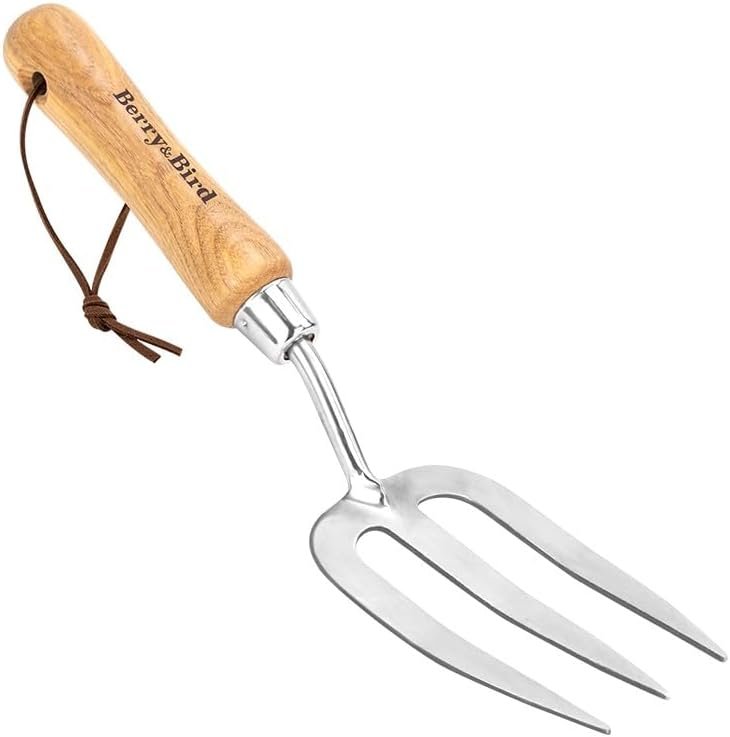
A hand fork is the tool for loosening compacted soil, lifting small clumps of perennials and teasing apart rootbound plants. Many gardeners go without one and make do with a trowel, which is why a good fork can feel like a discovery.
The tines matter. Flat, wide tines are better for lifting and dividing. Round or square tines penetrate hard ground more easily. Four tines are standard. Three-tine versions are lighter but offer less support.
The same build rule applies as with trowels: look for a tool where the tines and the shank are one piece of metal.
4. A Hand Cultivator
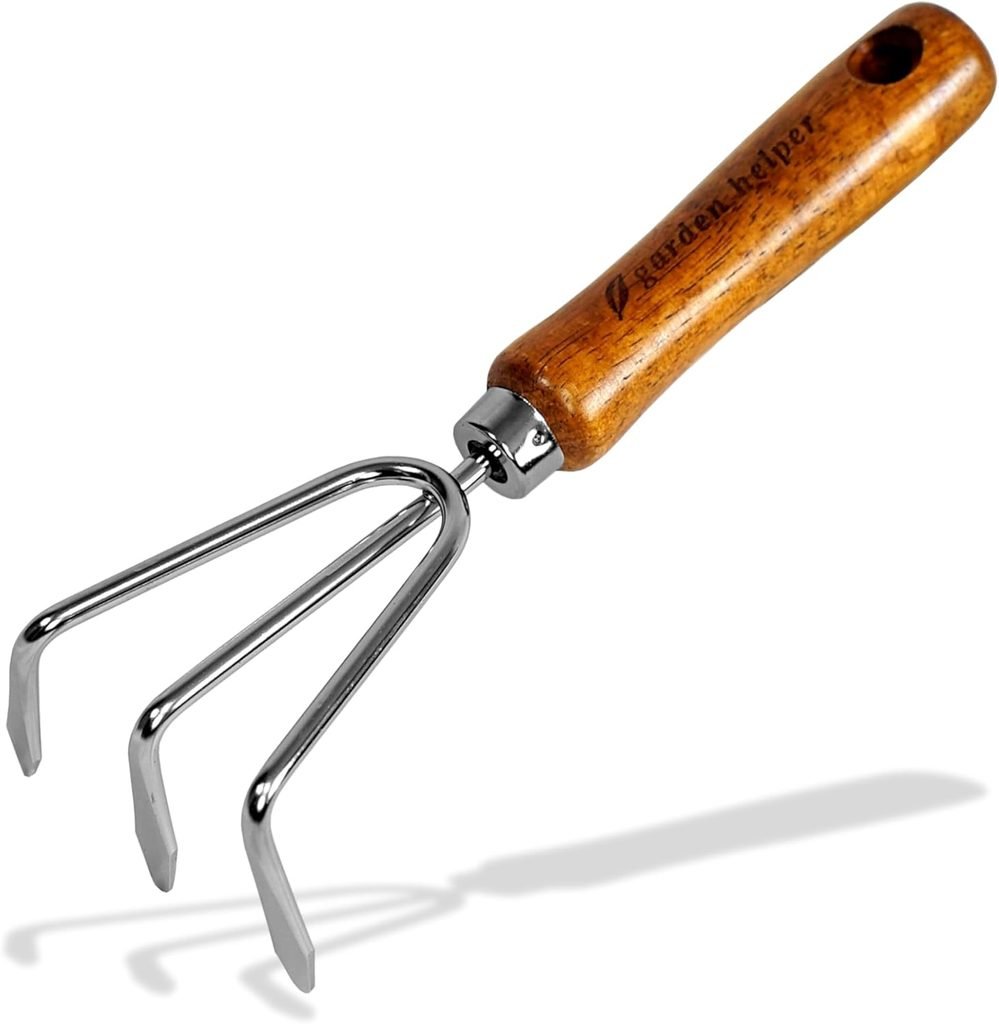
A hand cultivator, often a three-pronged claw or a twist-action tool, scratches the soil surface rather than digging deep. It breaks up crusted soil, mixes in compost and pulls out young weeds before they establish.
It does not do the work of a fork. Compacted or clay soil usually defeats it, and attempts to force it can bend the tines. It is best matched to a garden with fairly loose beds or raised beds filled with a lighter soil mix. Pair it with a fork for a gardener who handles a range of conditions.
5. A Hori-Hori Soil Knife
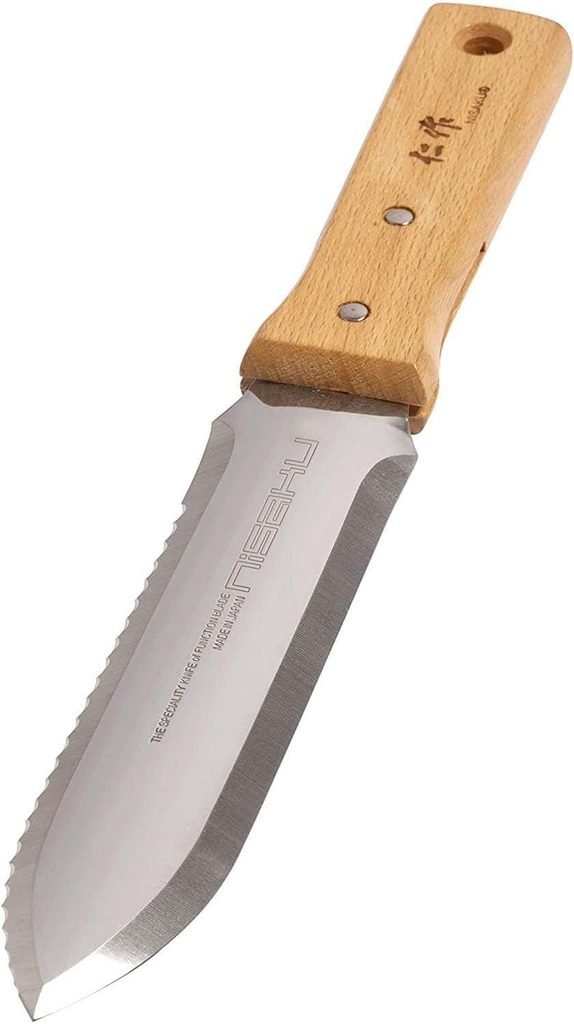
The hori-hori is a Japanese-style digging knife with a concave blade, one serrated edge and one straight edge, often with depth markings along the blade. It plants, weeds, cuts roots, slices through sod and divides plants. For a person who already owns the standard tools, it is often the surprise that becomes a favourite.
It is also sharp, so it needs a sheath and shouldn’t be tossed loose in a bag or drawer. Look for a sheath that attaches to a belt or tool bag. It is an adult tool, and a poor choice for a household with young children who might get into a gardener’s belongings.
Lawn Tools
6. Grass Shears
Where a mower or string trimmer can’t reach, around fence posts, along the base of a stone wall or tucked against a tree, grass shears do the job quietly. They suit people with small lawns or fussy edges, and anyone who dislikes the noise of a trimmer.
There are two main types. One-handed shears resemble large scissors and need to be squeezed. Long-handled versions let the user stand and cut with a pivoting head, which spares the knees and back. Long-handled shears suit people with large edges to trim. One-handed shears suit those who like to kneel and work close to the ground.
Blades that can be sharpened and a handle that doesn’t dig into the palm are the details worth checking.
7. A Half-Moon Edger
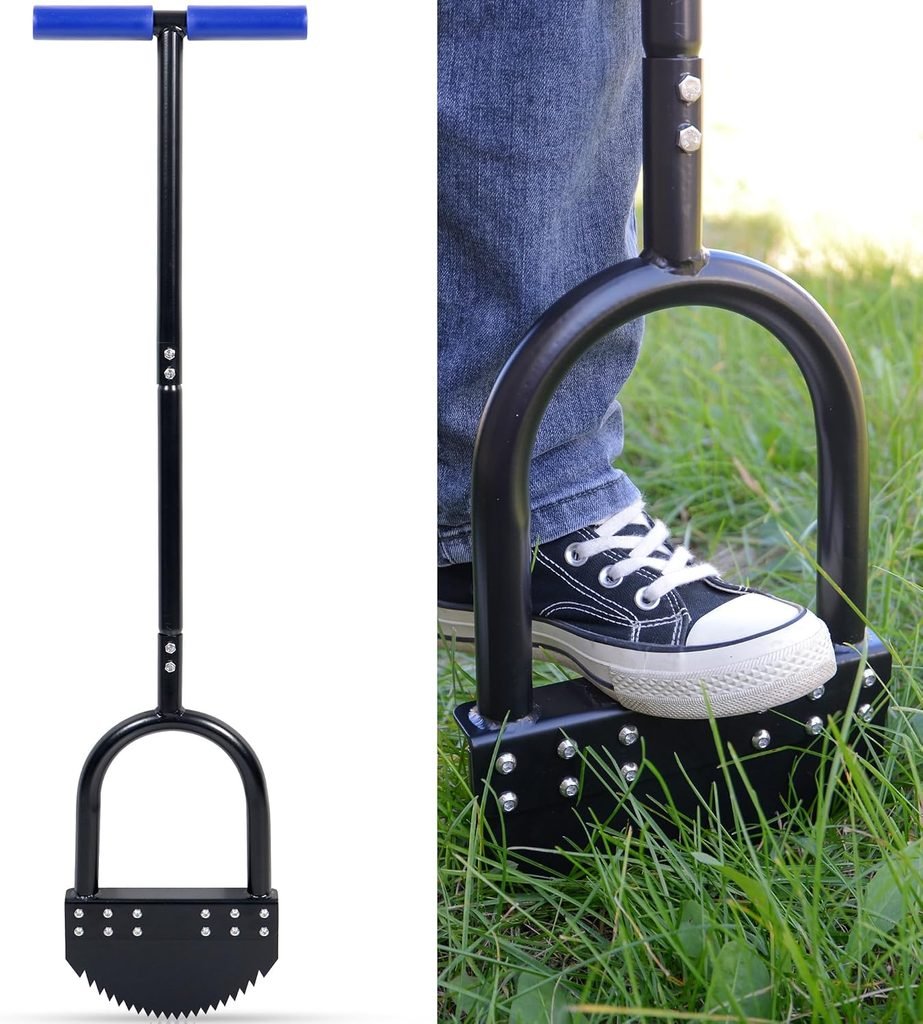
A half-moon edger is a spade-like tool with a flat, curved blade, designed to cut a clean line between lawn and bed or lawn and path. It does one job and does it well. A freshly cut edge is one of the quickest ways to make a garden look kept.
The blade should be sharp and the footplate wide enough to stand on comfortably. Edging is easiest when the soil is slightly moist and awkward when it is dry, stony or frozen. For gardeners with a lot of border, a long-handled edger is more useful. For small plots, a compact version is easier to store.
Consider the timing: in cold climates, an edger given at Christmas will wait several months for use. That is fine for a tool lover who enjoys having the right equipment ready.
8. A Leaf Rake
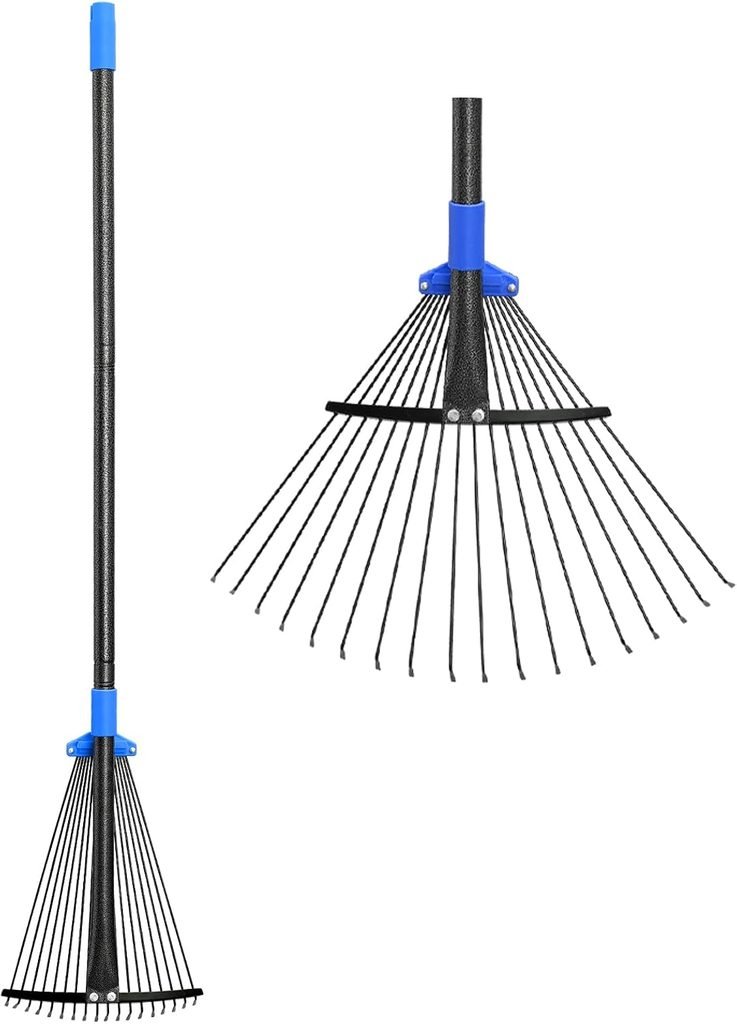
A leaf rake has flexible tines fanned out in a wide head, designed to gather leaves without tearing up the lawn. Gardeners who maintain a lawn under trees usually appreciate a good one more than they expect.
Wider heads clear more leaves per pass but are harder to maneuver around plants. Handle length should suit the user’s height, since a rake that’s too short or too long strains the back. Metal tines are springy and durable. Plastic ones are lighter and often cheaper. Both can work if well made.
9. A Bow Rake
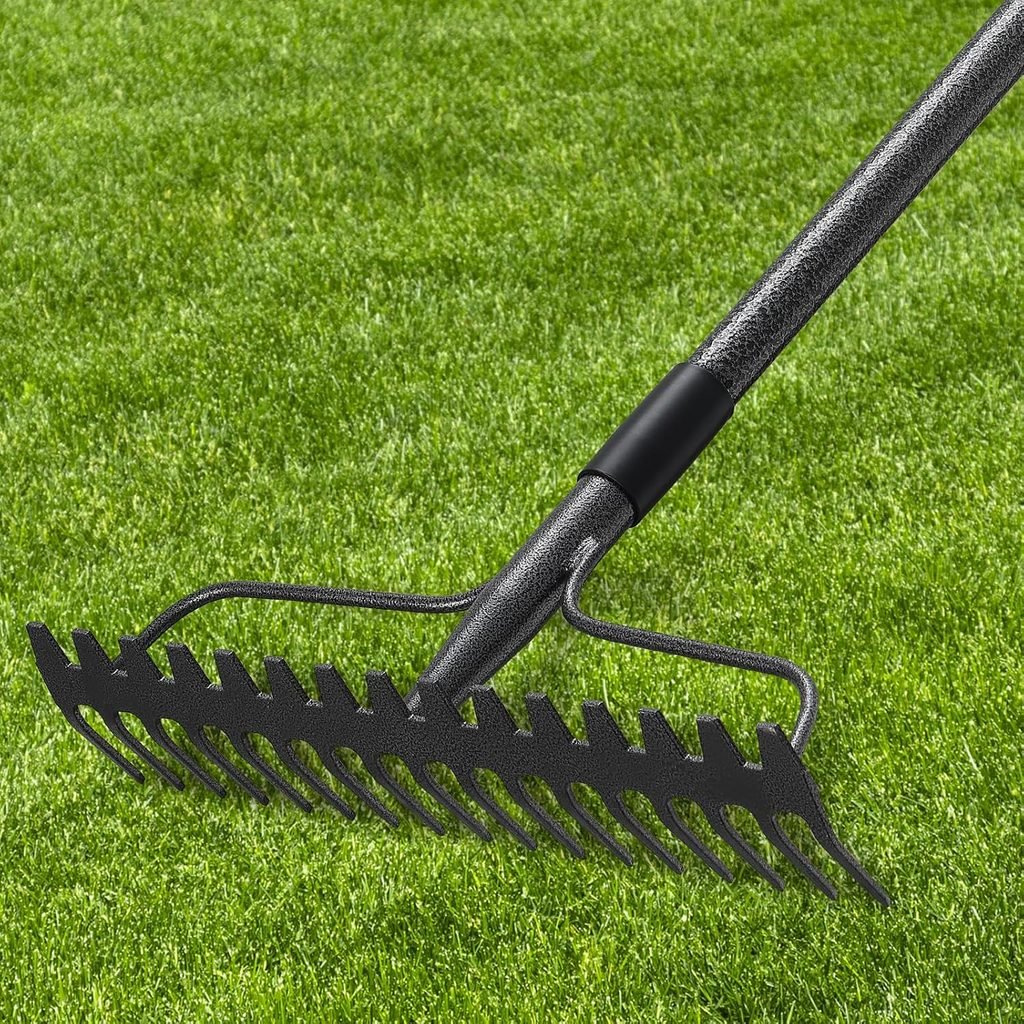
A bow rake looks like a leaf rake, but it is a different tool altogether. It has rigid steel tines and a head attached by a bow-shaped frame. It levels soil, spreads mulch or gravel, breaks up clumps and prepares seedbeds.
Many people confuse the two, and using a leaf rake for soil work bends the tines quickly. If the recipient already owns a leaf rake, a bow rake fills a different role. A sturdy steel head, with a handle of wood or fibreglass, should handle years of use. Heavy-duty bow rakes are a sensible gift for someone building new beds or maintaining gravel paths.
10. A Lawn Spreader
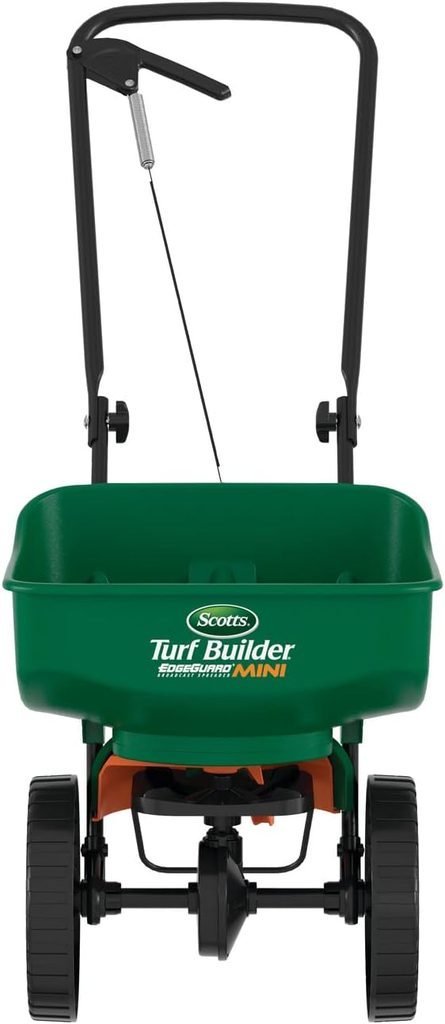
A spreader distributes seed, fertilizer or lawn treatments evenly. It is easy to overlook as a gift and one of the more useful tools for anyone who looks after a lawn seriously.
Broadcast, or rotary, spreaders throw material in a wide arc and cover large areas quickly. Drop spreaders release material directly beneath the hopper and give more precise control along edges, though they take more passes. Handheld spreaders suit small lawns, spot seeding and de-icing paths.
The user must set the spreader according to the product label, since each product has its own recommended setting. After use, the spreader should be rinsed and dried, because fertilizer can corrode metal parts over time. A gift with the right setting guidance is better than one that leaves the recipient guessing.
Garden Organization
11. A Wall-Mounted Tool Rack
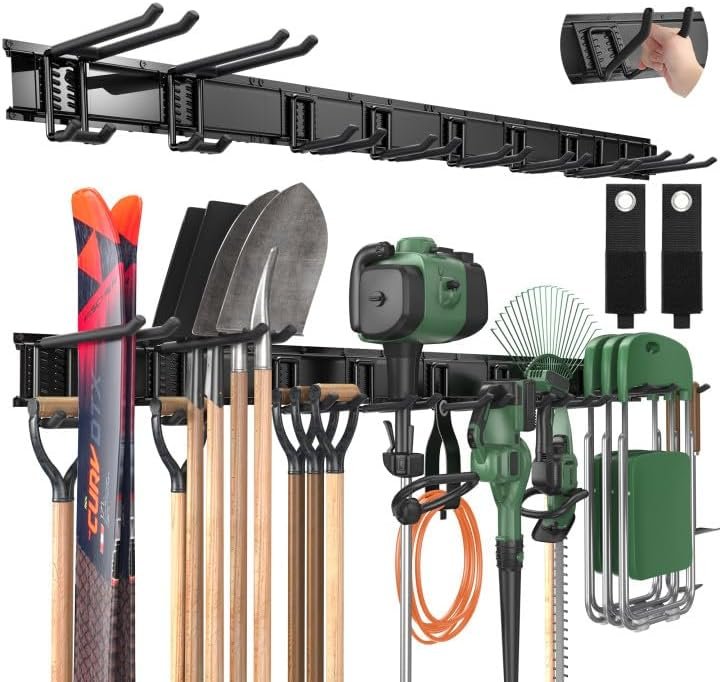
Tool lovers tend to hate seeing good tools tangled in the corner of a shed. A wall rack keeps long-handled tools upright and visible, and keeps blades off damp ground, which slows rust.
Racks come as simple hooks, rail systems with movable holders, or slotted boards. Rail systems adapt as the collection grows. Whatever the design, it must be fixed securely. Long-handled tools are heavy, and a rack that pulls out of a thin wall is a hazard. Mounting into wall studs or solid masonry with suitable fixings is the safer approach.
A rack makes sense for someone with a shed, garage or utility wall. It is less useful for someone with limited storage or no permanent space.
12. A Tool Bag or Tote
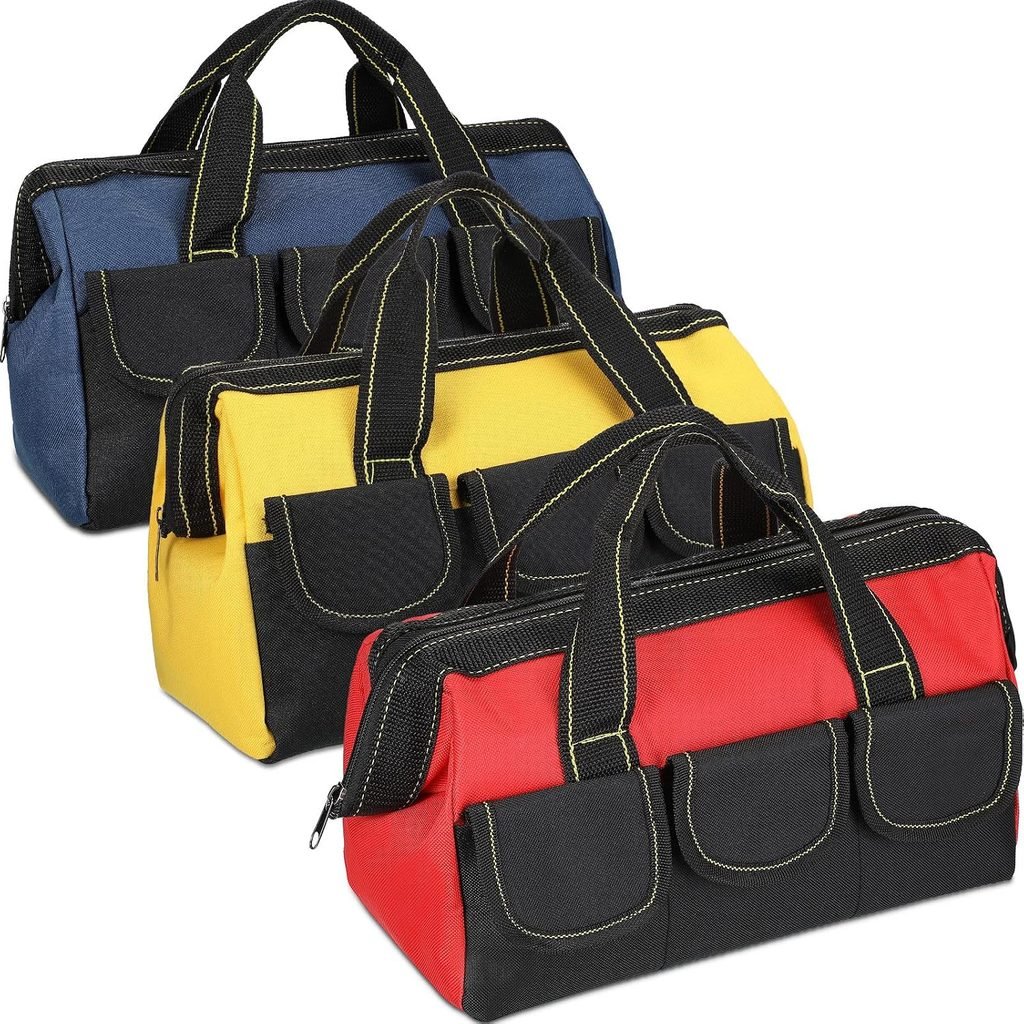
A well-made garden tote keeps hand tools together and makes it easy to carry them from bed to bed. Pockets separate sharp tools from soft items such as gloves and string. Heavy-duty canvas, waxed canvas and sturdy polyester are common materials.
Rigid bases keep the bag upright. Open-topped totes are quick to use. Zippered ones keep tools dry. A good rule is to buy a size that suits the person’s tool collection, since an overstuffed bag soon becomes a nuisance.
One practical point: damp tools stored in a closed bag encourage rust. A bag with ventilation or an easy way to air tools afterward is a better choice.
13. A Rolling Cart or Tool Caddy
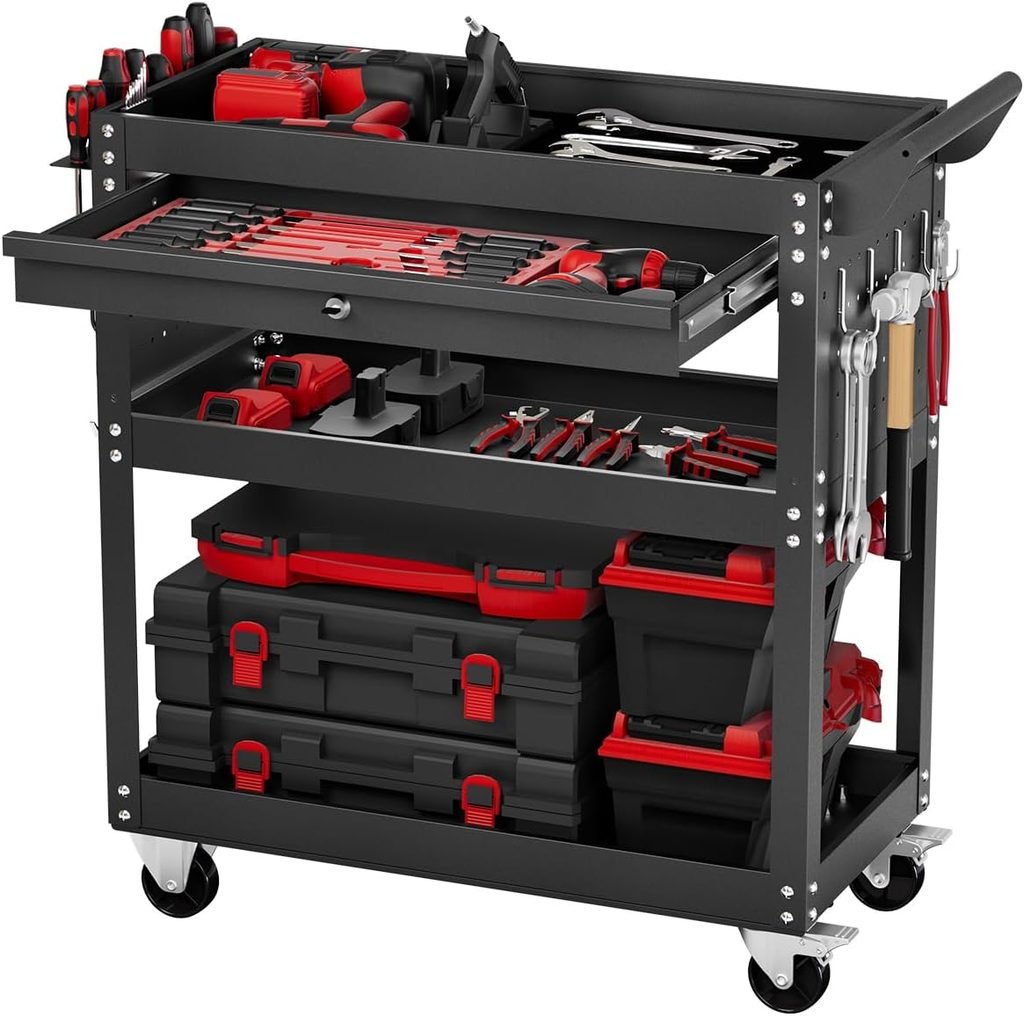
For gardeners with large yards or many tools, a cart saves repeated trips to the shed. Garden carts with removable organizers, or compact tool caddies with wheels, carry tools, soil bags and plants.
The key details are wheel size and load capacity. Larger wheels roll more easily over grass and gravel. A cart that tips when loaded is worse than none, so a wide, stable base is worth looking for. This works best for people with yards big enough to justify it.
14. A Bucket Organizer
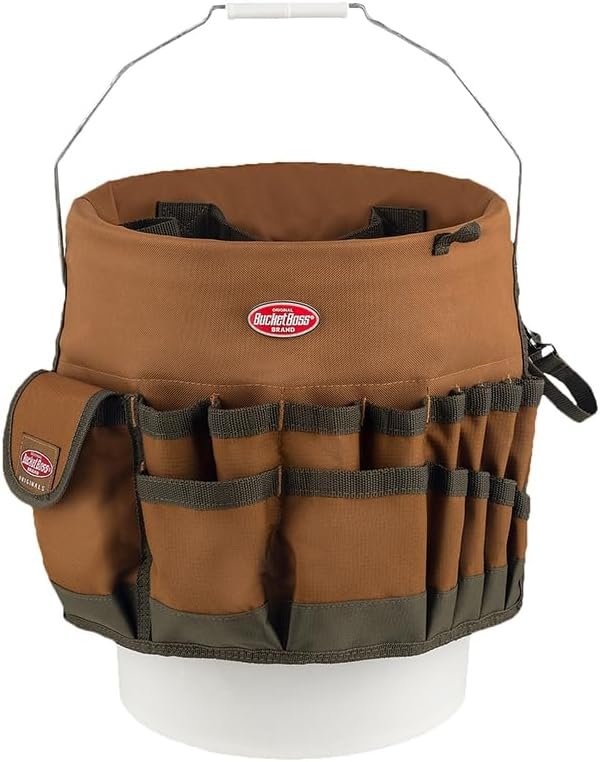
A canvas sleeve with many pockets that fits around a standard five-gallon bucket is a simple, inexpensive gift and a favourite of many gardeners. It keeps hand tools within reach and the bucket itself carries weeds, prunings or soil.
It suits gardeners who work in different beds across a large plot, because it moves easily. It is less suited to those who store everything in one place. If the bucket is not included, check whether it is needed.
15. A Tool Care Kit
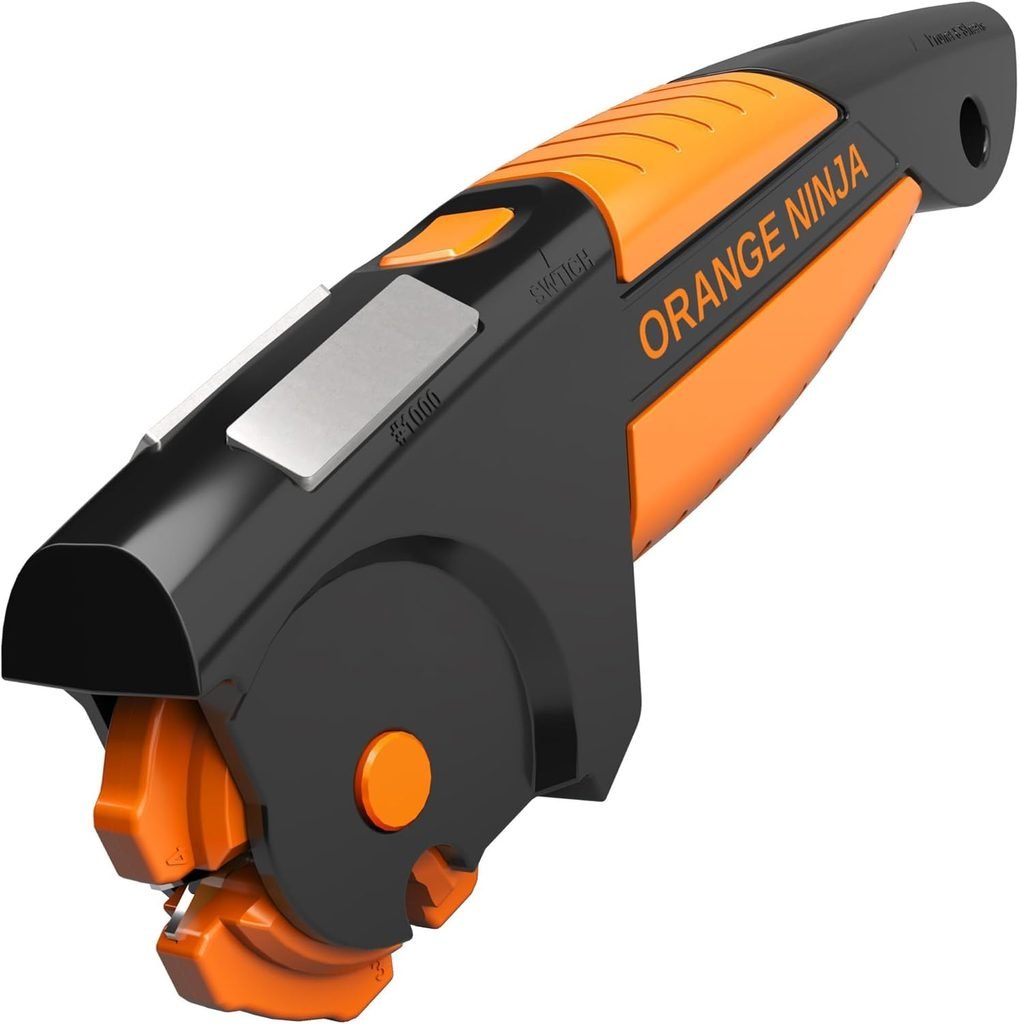
Tool lovers often enjoy maintaining their tools, and a care kit is a gift that shows some understanding of that. A basic kit might include:
- A sharpening stone or a fine file for blades.
- Light machine oil or a plant-based oil for metal surfaces.
- Linseed oil for wooden handles.
- A stiff brush and a cloth for cleaning soil and sap.
- Rubbing alcohol (70% isopropyl) for wiping blades between plants.
Sanitizing is worth doing when pruning diseased plants, so infection doesn’t pass from one plant to another. Alcohol is commonly used for this, but it is flammable, so it needs to be kept away from heat and used in a ventilated space. Always follow the instructions on any product’s label.
Sharpening takes some practice. Pairing a stone with a short guide, or a sharpening tool designed for pruners, avoids wasted effort and ruined edges.
Specialty Tools
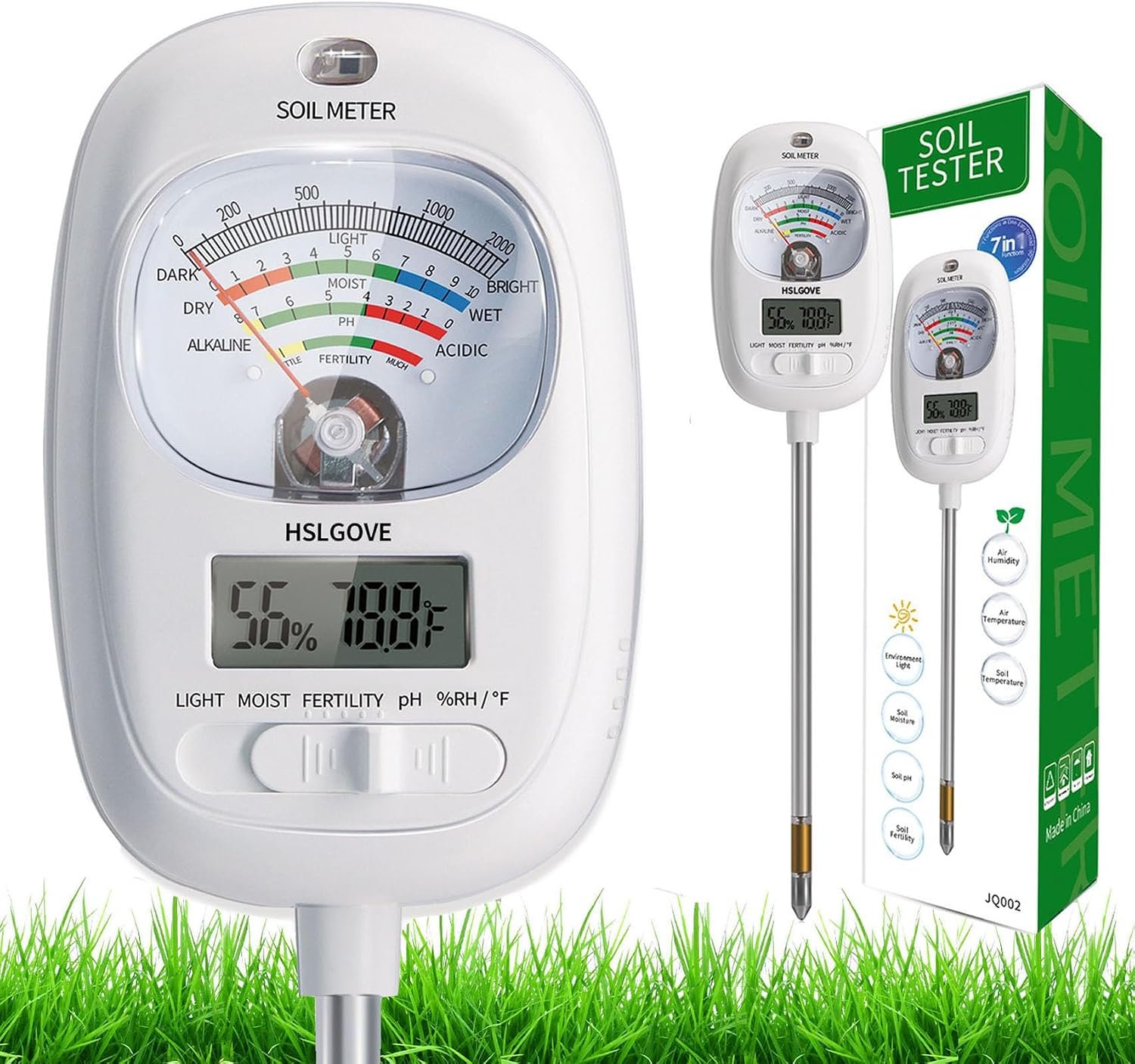
16. A Soil Test Kit
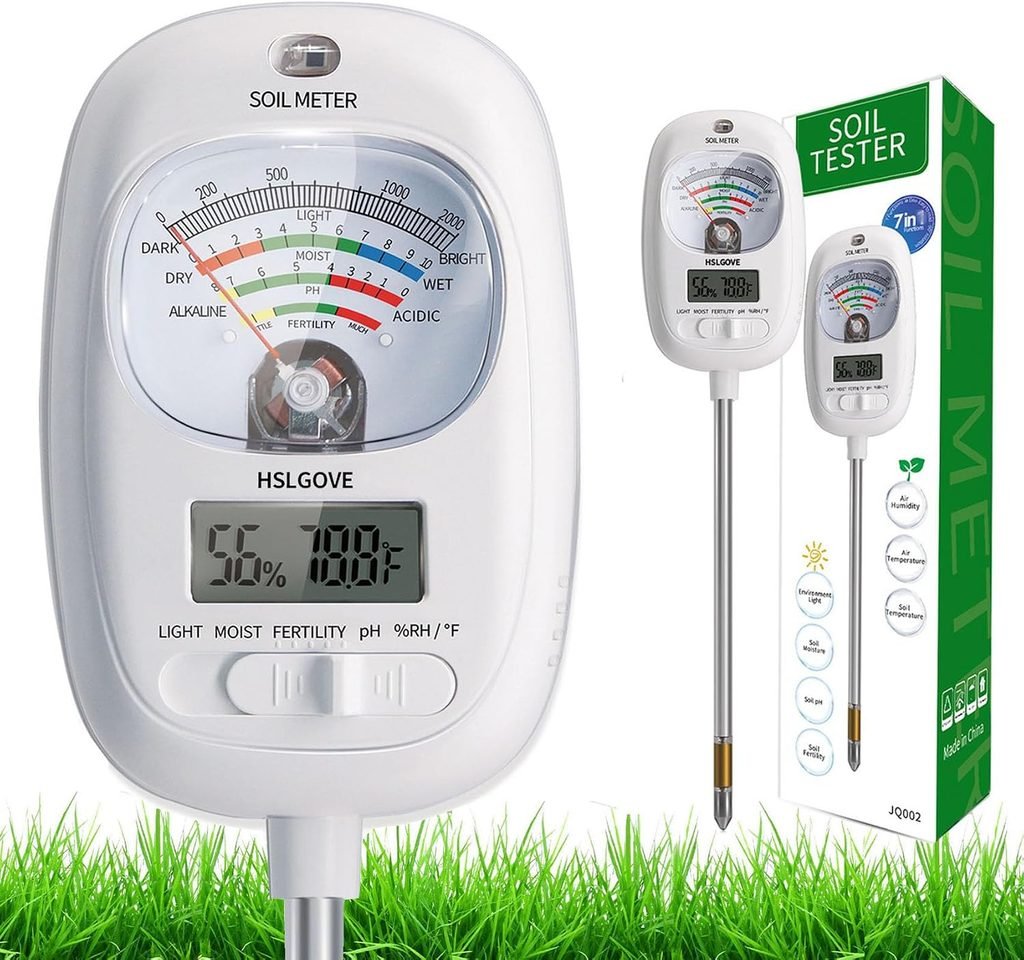
Soil testing answers questions most gardeners guess at: whether the soil is acidic or alkaline, and what nutrients it may be short of. Plants differ in preference. Many garden plants do best in slightly acidic to neutral soil, while some, such as blueberries, prefer more acidic conditions.
Home kits give a rough estimate. They are useful for checking pH and getting a general sense of conditions, but they are not as precise as a laboratory test. Inexpensive probe-style meters are often described by extension services as unreliable, so a kit that uses chemical indicators or test strips is generally a sounder choice.
For more reliable results, many university extension offices and commercial labs analyse soil samples for a fee. A gift card or a note offering to cover the cost of a lab test could be a thoughtful addition. Check local options, since services and fees vary.
17. A Bulb Planter
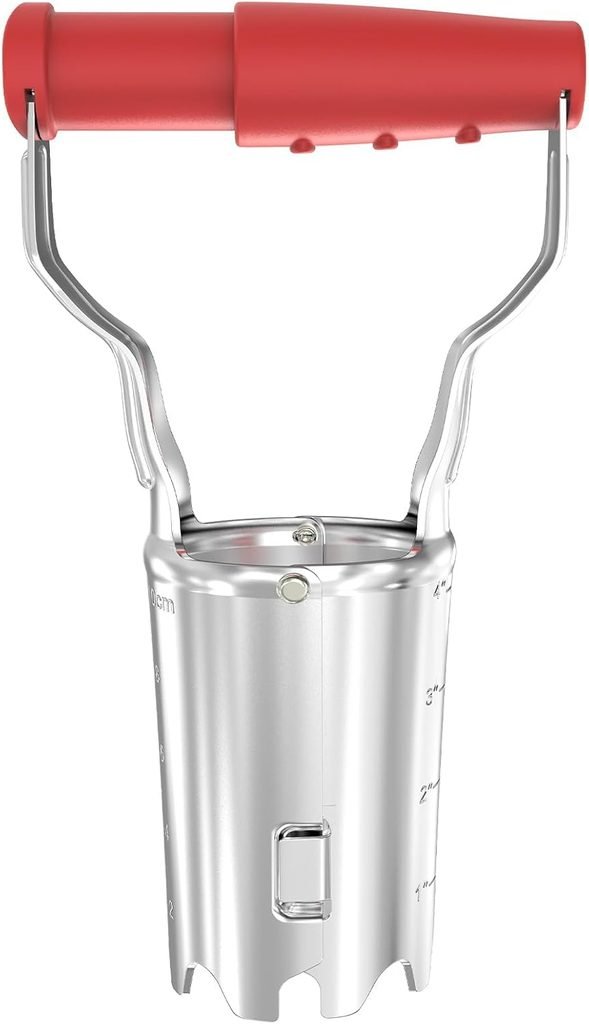
A bulb planter removes a neat plug of soil, so the bulb can be dropped in at the right depth and the plug replaced. It saves effort when planting dozens of bulbs, and handles are available in short and long versions.
Planting depth is a common mistake. A frequently quoted rule is to plant a bulb at roughly three times its height, though recommendations vary by type, and the packaging gives the best guidance. A planter with depth markings helps.
Timing needs thought. Spring-flowering bulbs such as tulips and daffodils are planted in autumn, so a Christmas gift will usually be used the following year. Some bulbs are planted in spring. Bundling the planter with a set of bulbs, to be planted at the right time, makes a more complete gift.
18. A Folding Pruning Saw
A pruning saw handles branches too thick for pruners or loppers. It is a sensible gift for someone with fruit trees, shrubs or hedges that outgrow their tools.
Many designs use a curved blade that cuts on the pull stroke, which is easier to control than a push-cutting saw. A folding blade is safer to carry and store, and a locking mechanism keeps it from closing during a cut. Replaceable blades extend the life of the tool.
The tool needs care. Saw teeth are sharp, and the user should wear gloves and take care with footing, especially on ladders. Large branches or trees near power lines are a job for a qualified arborist.
19. Bypass Loppers
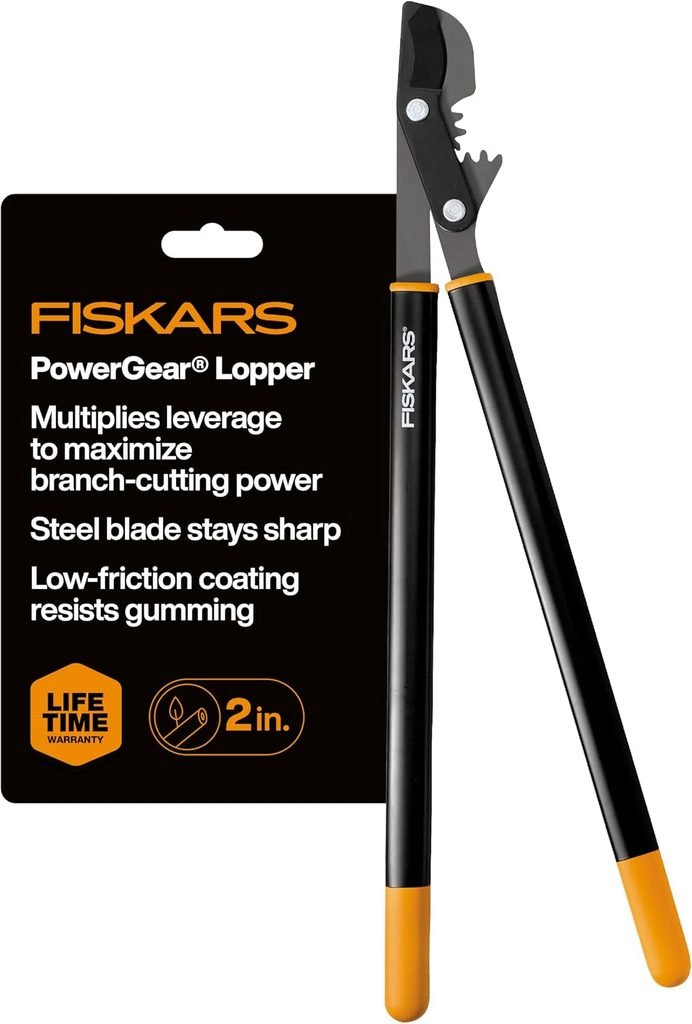
Loppers sit between pruners and saws. Their long handles give leverage for branches thicker than a pair of pruners can handle. They are typically rated for branches around one and a half to two inches in diameter, although ratings differ between models.
Bypass loppers cut cleanly on living wood. Handle length is a balance: longer handles give more power and reach but are heavier and harder to control. Telescoping handles offer flexibility but can flex under load, so fixed handles are sturdier. Look for good shock absorption, comfortable grips and replaceable blades.
Loppers suit gardeners with roses, flowering shrubs and orchard trees. For a small-space gardener, they may rarely come out of the shed.
| Tool | Typical use | Rough cutting limit |
| Hand pruners | Stems, deadheading, shaping | About ¾ inch |
| Loppers | Thicker stems and low branches | About 1½ to 2 inches |
| Pruning saw | Larger branches | Beyond lopper capacity |
Check each tool’s manufacturer rating, since models differ.
20. A Stand-Up Weeder
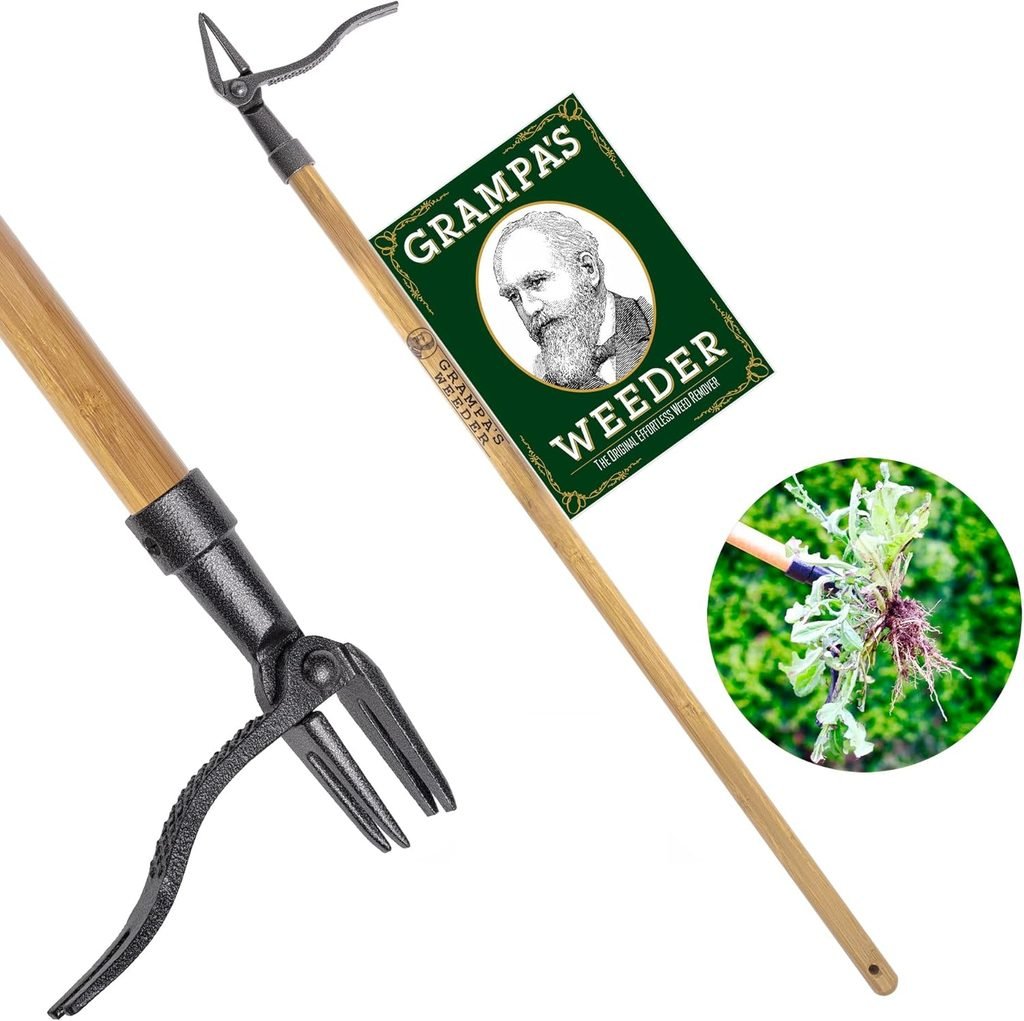
A stand-up weeder, with a long handle, a claw or forked tip and a foot plate, removes weeds with deep taproots, such as dandelions, without kneeling. The user pushes the tip down beside the plant, steps on the plate, levers the weed out and ejects the plug.
It works best in moist soil, where taproots slide out whole. Dry or compacted soil makes it harder, and a broken root may regrow. It leaves a hole in the lawn that needs filling with soil and, if desired, seed. It is less effective on shallow, spreading weeds such as crabgrass.
This is a good gift for someone with knee or back problems, or a lawn with a persistent weed problem.
Choosing Between Gifts When You’re Not Sure
Some quick decision rules help narrow the list:
- If they garden mostly in beds and borders, start with hand tools and pruning tools.
- If they care for a large lawn, consider the edger, spreader and rakes.
- If their tools are scattered or rusty, storage and care gifts will add the most.
- If they are keen on getting the soil right, a soil test kit suits someone who likes data.
- If you can’t tell, choose something that wears out, such as pruners or a trowel, because it is likely to be useful.
Ten-piece sets are best avoided. Sets often contain a few good tools alongside several that are rarely used, and the quality across a set can be uneven. A single well-made tool tends to be the better gift.
Frequently Asked Questions
Is it a mistake to buy a tool they might already own?
It is a risk with durable items such as rakes and edgers. It is much less of a risk with items that wear out, such as pruners, trowels and blades. When in doubt, include a gift receipt, or choose accessories like a tool bag or care kit.
Are sharp tools safe to gift to anyone?
Pruners, saws, hori-hori knives and loppers are sharp. They suit adults who garden regularly. If children share the household, store them safely and out of reach.
Do expensive tools last longer?
Often, but not always. Build quality, replaceable parts and a sensible design matter more than price. Care affects lifespan too. A well-maintained mid-range tool can outlast a neglected premium one.
Key Takeaways
Choose gifts that fit the recipient’s garden and hands, not just the category. Spend most on tools that cut or dig, favour single-piece construction and replaceable parts, and avoid bulk sets. For someone who already seems to have everything, storage, care and specialty tools often fill the gaps. Whatever you choose, keep the receipt with it.

About Syprose Kiche
Syprose Kiche is the creator and writer behind My Besuited Home, a practical home and garden website covering DIY projects, gardening, lawn care, landscaping, home improvement, and outdoor living. She focuses on turning everyday homeowner questions into clear, practical guides backed by careful research and useful real-world considerations.