
Stop waiting for the first frost to start thinking about your backyard. If you’re like me, you’ve spent the last three months battling heatwaves and squash bugs, and the idea of “more work” makes you want to hide under the AC. But here’s the truth: your spring garden is actually won or lost in October.
I learned this the hard way about six years ago. I got lazy, left my dead tomato vines to rot in the beds, and figured the winter snow would “clean things up.” Spoiler alert: it didn’t. Instead, I spent the following May fighting a massive outbreak of blight and searching for my favorite trowel, which had rusted into a permanent orange sculpture under a pile of wet leaves.
A solid fall checklist isn’t about being a perfectionist. It’s about being lazy in the long run. If you do the heavy lifting now, you can spend March drinking coffee and watching your seeds sprout instead of breaking your back. Let’s get your soil, tools, and perennials ready for the big nap.
1. Clean Up Debris to Prevent Garden Pests and Disease
The biggest mistake I see beginners make—and I made it for a decade—is thinking that “natural” means leaving everything where it falls. While “leaving the leaves” is great for some bugs, leaving diseased vegetable plants is like opening a 24-hour buffet for pests. I once left my powdery-mildew-covered zucchini plants in the ground until December, and I’m pretty sure the spores threw a party and invited all their friends for the next season.
First, pull up anything that looks sickly. If your tomatoes had blight or your cucumbers had wilt, do not put them in your compost pile. Unless you have a professional-grade setup that reaches 150°F, those pathogens will just hibernate and come back to haunt you. Bag them and toss them in the trash. It feels wasteful, but losing an entire crop next year is worse.
Next, clear out the “mummy” fruit. You know those shriveled, black strawberries or the tiny, hard peppers still hanging on the vine? Those are hotels for fungi. I spent an entire Saturday once picking up “mummies” because I realized they were the reason my fruit rot was so bad the year before. Get them out of there so they don’t drop spores into your mulch.
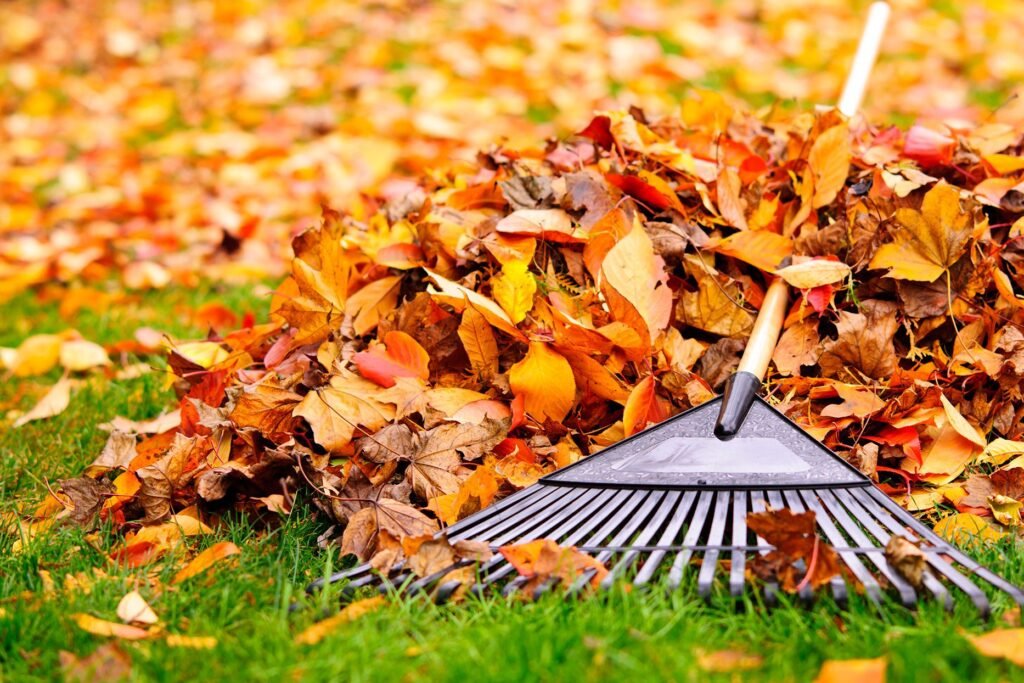
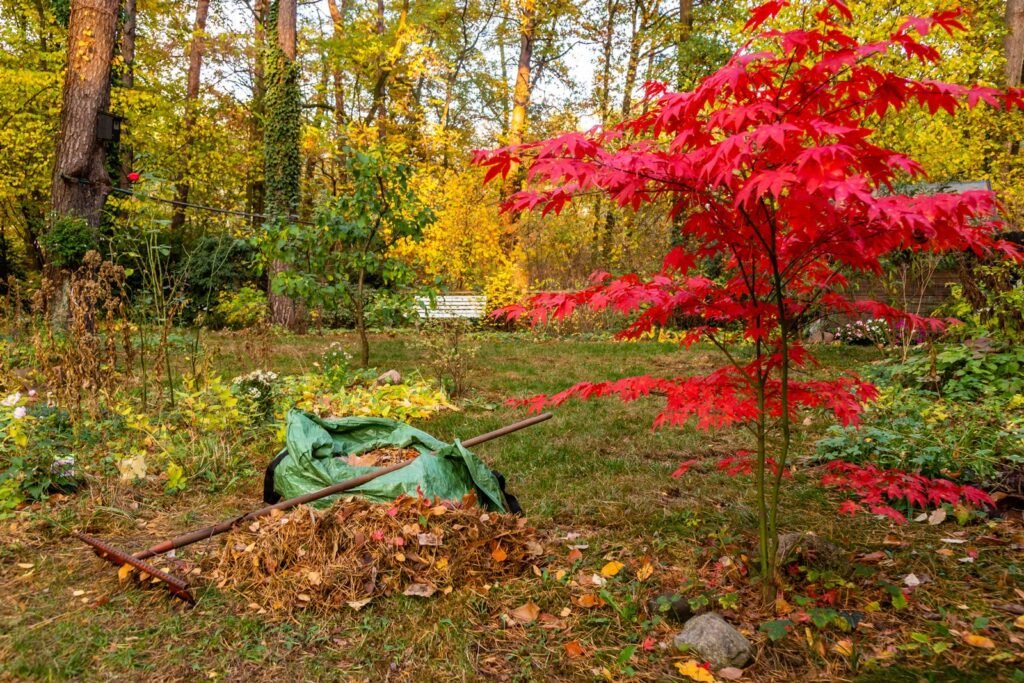
Finally, give your beds a light rake. You don’t need to make them look like a golf course, but removing the heavy mats of wet vegetation prevents slugs from setting up a permanent residence. Slugs love a damp, leafy roof, and if you give them one, they’ll be waiting for your first snapdragon starts in the spring.
2. Testing Your Soil and Adding Organic Amendments
Most people wait until spring to test their soil, but that’s a rookie move. Soil amendments take months to actually break down and become “digestible” for your plants. If you add lime or sulfur in April, your plants won’t even feel the effects until July. I used to wonder why my blueberries stayed yellow and stunted despite my “organic” fixes, until I realized I was just timing it all wrong.
Grab a soil test kit from your local extension office or a reputable online lab. Don’t guess. I once “guessed” that my soil was too acidic and dumped a bunch of wood ash on my garden. I ended up spiking the pH so high that my beets looked like sad, tiny marbles for two years. A $20 test saves you $100 in wasted fertilizer and a lot of ego-bruising.
Once you have your results, top-dress your beds with compost. I’m a big fan of the “no-dig” method here. I just lay two to three inches of finished compost right on top of the soil. The worms will do the digging for me over the winter. Think of it like tucked-in blankets for your dirt. It protects the surface from erosion and feeds the microbes that keep your soil alive.
If you’re dealing with heavy clay like I do, fall is also the time to add “bulk.” I like to use shredded leaves or straw. One year, I used pine needles because they were free, and while they didn’t make the soil “acidic” (that’s a total myth, by the way), they did take forever to break down. Stick to things that crumble easily. Your future self will thank you when you’re planting carrots in soft, loamy soil next year.
3. Planting Garlic and Fall Flower Bulbs for Spring Color
If you aren’t planting garlic in the fall, are you even gardening? Garlic is the most satisfying thing to grow because you plant it, walk away for six months, and come back to gourmet food. I remember my first garlic harvest—I planted “supermarket” cloves and was shocked when they actually grew. (Pro tip: buy “seed garlic” from a grower; the stuff in the grocery store is often treated so it won’t sprout).
When you’re planting your bulbs—tulips, daffodils, garlic—size matters. The general rule is to plant them three times as deep as the bulb is tall. I used to be afraid I was burying them alive, but they’re tougher than they look. If you plant them too shallow, squirrels will treat your garden like a free vending machine. I’ve watched a squirrel dig up a tulip bulb five minutes after I walked inside; now, I bury them deep and throw a bit of chicken wire over the top.
Don’t forget the “oddball” bulbs. Everyone does tulips, but try some Alliums or Camassia. I’ve found that deer usually ignore the onion-scented stuff, which is great if your local deer population views your garden as a salad bar. One year, a deer ate every single one of my “guaranteed” deer-resistant lilies in a single night. Now, I stick to the stinky stuff for the perimeter.
Lastly, label everything. You think you’ll remember where you planted those 50 “Queen of Night” tulips, but by March, that spot will just look like bare dirt. I once accidentally dug up a whole patch of expensive saffron crocus because I forgot they were there and tried to plant kale on top of them. Use permanent markers on wooden stakes, or better yet, take a photo of the bed with your phone before you cover the bulbs with mulch.
4. Protecting Your Perennials and Dividing Overgrown Clumps
Perennials are the backbone of the garden, but they can get greedy. Every three or four years, things like hostas, daylilies, and irises start to die out in the center because they’ve choked themselves out. I used to be terrified of “hurting” the plants by digging them up, but they actually love a good mid-life crisis.
Wait until the foliage starts to yellow, then get in there with a sharp spade. I once tried to divide a massive ornamental grass with a dull shovel and ended up nearly throwing my back out. Now, I use an old serrated bread knife or a dedicated “Hori Hori” knife. Slice those clumps into thirds or quarters and move them to a new spot. It’s basically free plants, which is the only way I can justify my gardening habit to my spouse.
For the plants you aren’t moving, leave the seed heads standing. I know the urge to “tidy up” is strong, but birds need those seeds during the winter. I love watching goldfinches balance on my dried coneflowers in January. Plus, some of those dried stalks look beautiful when they’re covered in hoarfrost. It’s “winter interest,” or at least that’s what I tell my neighbors when they ask why I haven’t mowed down my flower beds yet.
However, do cut back anything that turns into a slimy mess. Peonies and hostas turn into mush after the first hard freeze. That mush is a breeding ground for fungus. Cut them down to about two inches above the ground. I once left my peony foliage up all winter and paid for it with a nasty case of Botrytis the next spring. Cut the slime, leave the stalks.
Bonus Side Note: The “Wait and See” Strategy
Don’t prune your spring-blooming shrubs like lilacs or forsythia right now. If you do, you’re cutting off next year’s flowers. I made that mistake exactly once and spent the following May looking at a very green, very flowerless bush. Save the heavy pruning for right after they bloom in the spring.
5. Winterizing Your Irrigation and Tool Maintenance
This is the least “sexy” part of gardening, but it’s the most important for your wallet. Water expands when it freezes. It’s basic science, yet every year I used to forget one single garden hose. One winter, a frozen brass nozzle literally exploded like a tiny grenade. Now, I have a “Hose Day” where every single one is drained, coiled, and put in the shed.
If you have an irrigation system or a simple timer on your spigot, take it off. Those plastic timers are notorious for cracking if there’s a drop of water left inside. I’ve wasted so much money replacing $40 timers because I thought “it wouldn’t get that cold.” It always gets that cold eventually. Drain your rain barrels, too, and flip them upside down so they don’t collect ice and crack the bottom.
Now, let’s talk about your tools. Your shovels and pruners have worked hard. They’re covered in sap, dirt, and probably some rust. Take a wire brush to them, then wipe them down with a bit of vegetable oil or linseed oil. I used to think this was “old-timer” fluff, but a sharp, oiled pair of bypass pruners makes a world of difference. It’s the difference between a clean cut and a jagged tear that invites disease into your trees.
Lastly, sharpen your mower blades before you put the mower away for the season. Most shops are empty in November but have a three-week wait in April. I like to be the person who pulls the mower out on the first nice day of spring and actually has it start. Change the oil, add some fuel stabilizer, and pat yourself on the back for being an adult.
The Ultimate Seasonal Fall Garden Prep Checklist
| Category | Task | Why It Matters (The “Real Talk”) | Done? |
| Cleanup | Pull diseased annuals | Leaving blighted vines is like inviting a vampire into your house. Trash them, don’t compost. | [ ] |
| Cleanup | Remove “mummy” fruit | Those shriveled berries are fungus hotels. Get them out before they drop spores. | [ ] |
| Cleanup | Clear heavy leaf mats | Keeps the slugs from turning your garden beds into a winter resort. | [ ] |
| Soil Care | Get a Soil Test | Stop guessing. Adding the wrong stuff is a fast way to kill your spring seedlings. | [ ] |
| Soil Care | Top-dress with compost | Feed the microbes now so the dirt is “rich” and ready by March. | [ ] |
| Soil Care | Mulch bare ground | Prevents your good topsoil from washing away in the winter rain. | [ ] |
| Planting | Plant Garlic | The easiest “set it and forget it” crop. Plant 4-6 inches deep. | [ ] |
| Planting | Bury Spring Bulbs | Tulips and Daffodils need that cold sleep to bloom. Watch out for squirrels! | [ ] |
| Perennials | Divide “Bald” Clumps | If your Hostas have a hole in the middle, dig ’em up and split ’em. | [ ] |
| Perennials | Cut back “slimy” plants | Peonies and Hostas turn to mush; cut them to 2 inches above ground. | [ ] |
| Infrastructure | Drain & Store Hoses | One frozen brass nozzle can explode. Don’t ask me how I know. | [ ] |
| Infrastructure | Remove Spigot Timers | Plastic timers crack at the first frost. Bring them inside. | [ ] |
| Maintenance | Oil & Sharpen Tools | A little linseed oil stops the rust. A sharp blade stops plant disease. | [ ] |
| Maintenance | Mower Winterization | Change the oil and add fuel stabilizer. You’ll thank me in April. | [ ] |
Real Talk: What Isn’t Worth the Effort
Look, social media will tell you that you need to “overwinter” every single geranium and pepper plant in your house. I’m here to tell you: it’s okay to let things die. One year, I tried to bring in 15 different potted plants. Within two weeks, my living room was infested with fungus gnats, and my cat had eaten half the foliage. Unless it’s a rare heirloom or has deep sentimental value, just let the frost take it. Compost it and start fresh next year. Your sanity is worth more than a $5 geranium.
Also, stop buying those “fall lawn fertilizers” with high nitrogen. You don’t want your grass putting on a massive growth spurt right before it goes dormant. It’s like drinking an espresso right before bed. It stresses the plant out. If you want to feed the lawn, mulching your fallen leaves into the grass with your mower is better and cheaper. I’ve found that “weed and feed” products are often a waste of money in the fall; the weeds are already hunkering down, and they won’t absorb the poison well anyway.
Lastly, don’t obsess over “winter mulch” for your hardy perennials. If a plant is rated for your zone, it doesn’t need a three-foot pile of wood chips over its head. In fact, piling mulch against the trunk of a tree or the crown of a plant causes rot. I call them “mulch volcanoes,” and they are a slow-motion death sentence for trees. Keep the mulch a few inches away from the stems.
Parting Wisdom
The best thing you can do for your garden this fall is to take a deep breath and realize that nature is designed to handle winter. You’re just the assistant. Do the cleanup, feed the soil, and protect your tools. The rest will happen whether you’re worrying about it or not.
I always tell my neighbors that a garden is a conversation, not a conquest. This fall, listen to what your yard is telling you. Which plants struggled? Which ones thrived? Write it down now, because by February, you’ll have “garden amnesia” and try to plant those same failing petunias all over again.
What’s the one garden chore you absolutely dread doing every fall? Or maybe you’ve got a “miracle” tip for keeping squirrels out of bulbs? Drop a comment below—I’d love to hear your “war stories” from the trenches!