14 Tricks to Grow More Tomatoes

Tricks to Grow More Tomatoes

There’s nothing quite like biting into a juicy, sun-ripened tomato that you nurtured from seed to fruit. But for some gardeners, achieving a bountiful tomato harvest can feel like a challenge. With a few key tricks, you can transform your garden into a haven for thriving tomato plants and an endless supply of delicious tomatoes. This guide unveils 14 essential tricks that will turn you from a tomato-growing novice into a master gardener. Let’s get started! Trick 1: Sun, Glorious Sun – Powering Up Your Tomato Plants Tomatoes aren’t shy when it comes to their love for sunlight. These sunshine-loving plants require a minimum of 7-8 hours of direct sunlight each day for optimal growth and fruit production. The more sunlight your tomatoes receive, the happier and healthier they’ll be, translating into a more abundant harvest. When choosing a location in your garden for your tomato plants, prioritize a sunny spot that receives unobstructed sunlight throughout the day. Avoid areas shaded by buildings, fences, or tall trees during peak sunlight hours. Remember, happy, sun-kissed tomato plants equal a happy, tomato-loving you! Trick 2: Start with Strength – Choosing the Right Seedlings Just like any athlete needs a good foundation for peak performance, your tomato plants need a strong starting point. Selecting healthy seedlings is crucial for a successful growing season. Here’s what to look for when choosing your tomato warriors: Trick 3: Dig Deep – Encouraging Extra Root Growth Here’s a secret weapon in your tomato-growing arsenal: planting your tomato seedlings deeper than you might think! Unlike most plants, tomatoes have the unique ability to grow additional roots along the buried stem. This trick encourages a stronger root system, which benefits your plants in two key ways: Planting deeper is simple. When placing your seedlings in the hole, bury the stem up to the first set of true leaves. This may seem counterintuitive, but trust the process! Your tomato plants will thank you with a bountiful harvest. Trick 4: Prune for Plenty – Encouraging Fruit Production Pruning your tomato plants might seem counterproductive, but it’s a crucial technique for maximizing fruit production. Here’s the why and how of tomato plant pruning: By strategically pruning your tomato plants, you’ll be directing their energy towards producing more and juicier tomatoes, making you a true tomato-growing champion. Trick 5: Support System – Keeping Your Tomato Plants Upright As your tomato plants mature and become laden with fruit, they’ll need some extra support to stay upright and avoid toppling over. Here’s where staking or caging comes in: Here are some popular staking and caging options: Trick 6: Mulch Magic – Retaining Moisture and Suppressing Weeds Mulch is your tomato plants’ best friend when it comes to moisture retention, weed suppression, and soil temperature regulation. Here’s how to utilize mulch effectively: By incorporating mulch into your tomato-growing routine, you’ll be creating a more favorable environment for your plants to thrive, leading to increased fruit production and a thriving tomato haven. Trick 7: Water Wisely – Keeping Your Plants Happy and Healthy Watering your tomato plants correctly is crucial for their growth and fruit production. Here’s how to find the watering sweet spot: Trick 8: Feed the Beasts – Providing Essential Nutrients Tomatoes are hungry little plants, requiring a steady supply of nutrients to produce a bountiful harvest. Here’s how to keep them fueled for success: By providing your tomato plants with a balanced and consistent supply of nutrients, you’ll be setting them up for optimal growth and a heavy harvest of delicious tomatoes. Trick 9: Pollination Power Play – Helping Your Tomatoes Set Fruit Tomato plants are self-pollinating, meaning they don’t require insects or other external factors to produce fruit. However, some gentle encouragement can significantly boost your harvest: By implementing these simple pollination techniques, you’ll be ensuring your tomato plants maximize their fruit-setting potential. Trick 10: Ripening Rhapsody – Picking Tomatoes at Their Peak There’s nothing quite like the taste of a perfectly ripe, homegrown tomato. Here’s how to identify tomatoes ready for picking: By carefully selecting ripe tomatoes for harvest, you’ll be maximizing their flavor and overall enjoyment. Trick 11: Staggered Planting – Extending Your Harvest Season Don’t settle for a single burst of tomato bounty! Here’s how to extend your harvest window: By implementing these techniques, you can enjoy fresh, homegrown tomatoes for a longer period, turning your garden into a tomato paradise throughout the season. Trick 12: Companion Planting – Creating a Thriving Ecosystem Companion planting involves strategically placing different plant varieties near each other for mutual benefit. Here’s how to utilize this technique with your tomatoes: By carefully selecting companion plants, you can create a more balanced and supportive ecosystem in your garden, potentially reducing pest problems and promoting the overall health of your tomato plants. Trick 13: Master the Art of Ripening – Encouraging Tomatoes to Reach Their Full Potential Even if you haven’t picked all your tomatoes before the first frost arrives, there are ways to salvage the situation and enjoy their deliciousness: By implementing these techniques, you can ensure that even late-season tomatoes don’t go to waste and you can still enjoy their delicious flavor. Trick 14: Save Seeds for Next Season – Cultivating Your Tomato Legacy Don’t let your tomato-growing journey end with the current season! Here’s how to save seeds from your favorite varieties for future harvests: A Garden Overflowing with Success Now that you’ve mastered these 14 essential tricks, you’re well on your way to becoming a tomato-growing champion! Remember, consistent care and attention are key to a successful tomato harvest. Always provide your plants with ample sunlight and ensure healthy seedlings, deep planting, strategic pruning, proper support, beneficial mulch, and wise watering to create the perfect environment for your tomato plants to thrive.

17 Fantastic Corner Garden Ideas: Transform Unused Space into a Personal Oasis

Corner Garden Ideas

Does your garden have a neglected corner gathering dust and weeds? Perhaps it’s a tight squeeze between your house and fence, or an awkwardly shaped area leftover from patio design. Don’t underestimate the potential of these unused spaces! With a little creativity, you can transform these corners into vibrant extensions of your garden, adding beauty, functionality, and a touch of personality to your outdoor haven. Benefits of a Corner Garden Creating a corner garden offers a multitude of benefits: Unleashing Your Creativity: 17 Corner Garden Ideas Now, let’s unveil the 17 fantastic corner garden ideas that cater to a variety of tastes and purposes: 1. The Secret Sanctuary Imagine a hidden haven tucked away in your garden, a place to escape the hustle and bustle and find serenity. To create this secret sanctuary, prioritize plants that provide a sense of enclosure. Tall ornamental grasses like Miscanthus sinensis (maiden grass) or strategically placed climbing vines like Clematis can create a natural wall. For corners with more space, consider planting a small privacy hedge with shrubs like Thuja occidentalis (arborvitae) or Ilex crenata (Japanese holly). Enhance the seclusion with decorative fences or trellises for climbing plants. Don’t forget to incorporate a pathway, perhaps made with stepping stones or gravel, leading to your hidden retreat. Add a comfortable bench or hammock for ultimate relaxation in your secret sanctuary. 2. The Vibrant Bloom If you’re a flower enthusiast, a vibrant bloom corner garden is perfect for you. This corner bursts with color and life throughout the year. The key is to choose flowering plants with varying heights, bloom times, and textures. Plant taller flowers like hollyhocks or sunflowers in the back, followed by mid-height options like coneflowers or lavender. Fill in the foreground with colorful low-growing blooms like pansies or creeping phlox. To extend your flower power, incorporate bulbs like tulips or daffodils for vibrant spring displays. When choosing color palettes, consider complementary colors that will create a visually stunning display. For a cohesive look, maintain a consistent color scheme throughout the season, replacing spent flowers with new blooms as needed. Remember, a vibrant bloom corner requires regular maintenance, including deadheading spent flowers and providing adequate watering. 3. The Cascading Oasis Don’t have a lot of ground space to spare? Take advantage of vertical gardening techniques to create your own cascading oasis. This option is perfect for walls, fences, or even bare corners longing for a touch of greenery. Wall pockets, hanging planters, and trellises are your best friends for this project. Choose plants that thrive in vertical spaces, such as cascading succulents like String of Pearls or Burro’s Tail. For a fragrant touch, consider trailing herbs like thyme or oregano. Certain vining vegetables like cherry tomatoes or pole beans can also be incorporated for a functional twist. When creating a vertical garden, ensure proper drainage for your chosen containers. Watering needs will vary depending on the plants, so be mindful of how quickly moisture evaporates from your chosen vertical structures. 4. The Edible Escape Calling all foodies! Turn your corner into a personal haven for growing fresh herbs, vegetables, or even fruits. Depending on the size of your corner and available sunlight, raised garden beds or container gardening can be employed. Raised beds offer better drainage and soil control, making them ideal for growing a variety of vegetables. Container gardening allows for more flexibility in placement and is perfect for smaller corners. When choosing plants, consider the amount of sunlight your corner receives. Leafy greens like lettuce and spinach thrive in shade, while vegetables like tomatoes and peppers require full sun. Herbs are a versatile option, with many varieties enjoying partial shade. Don’t forget to research basic vegetable gardening techniques like planting depths, spacing requirements, and watering schedules to ensure a bountiful harvest from your edible escape. 5. The Tranquil Tea Time Craving a dedicated spot to unwind with a cup of tea or a refreshing beverage? Design a tranquil tea time corner, your own personal oasis for relaxation. Invest in comfortable seating options like a small bistro set, a cozy bench, or even a hammock strung between two sturdy supports. Incorporate a small table to place your drinks and snacks, ensuring it’s the right height for your chosen seating. To further enhance the ambiance, add decorative elements like wind chimes for a gentle melody, a birdbath to attract feathered friends, or small statues that reflect your personality. Consider planting fragrant flowers nearby, such as lavender or roses, to create a multi-sensory experience. 6. The Glowing Gathering Spot Transform your corner into a magical space for evening gatherings with the “Glowing Gathering Spot” concept. Strategic outdoor lighting sets the mood and allows you to enjoy your corner even after sunset. String lights are a popular choice, casting a warm and inviting glow. Solar lanterns placed along pathways or tucked amongst plants offer a sustainable and decorative lighting solution. Path lights can be used to illuminate walkways, ensuring safety and guiding guests to your corner haven. When incorporating lighting, consider the overall ambiance you want to create. Soft, diffused lighting creates a more intimate setting, while brighter lights can be used for entertaining or activities. Remember safety first! Ensure all electrical connections are weatherproof and use appropriate outdoor-rated lighting fixtures. 7. The Playful Paradise If you have little ones, a playful paradise corner provides a dedicated space for them to explore and unleash their imaginations. Install age-appropriate play equipment like a sandbox for digging and building, or a small climbing structure with slides or tunnels. Ensure all equipment is sturdy and meets safety regulations. When choosing plants, prioritize child-safe options that won’t cause harm if ingested. Consider low-growing flowering plants that add pops of color or fragrant herbs that children can explore with their senses. To create a soft landing area, cover the ground with mulch or colorful play mats. Remember, adult supervision is crucial in any play area. Ensure the equipment is age-appropriate and regularly inspect it for safety hazards. 8. The … Read more

13 Clever Tricks to Make Your Small Backyard Live Large

Clever Tricks to Make Your Small Backyard Live Large

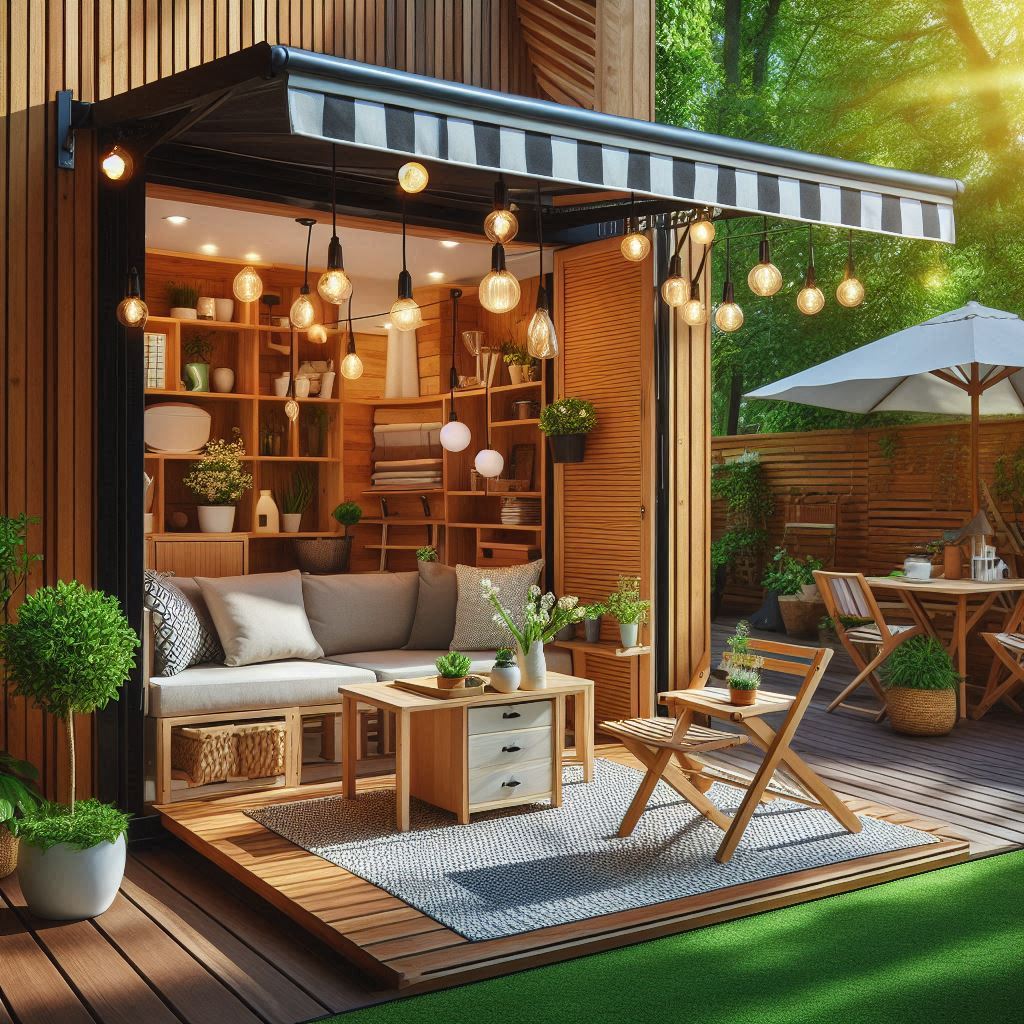
Do you ever look longingly at expansive backyards in magazines and feel resigned to the limitations of your own cozy outdoor space? Don’t despair! Even the tiniest backyard has the potential to be an oasis of relaxation and enjoyment. With a little creativity and some clever design tricks, you can transform your small backyard into a functional and inviting haven that feels far bigger than it actually is. This guide will unveil 13 clever tricks to make your small backyard live large. We’ll explore how to create the illusion of a larger space, maximize functionality with smart furniture choices, and incorporate space-saving solutions to turn your backyard into an extension of your living area. The Big Illusion: Tricks to Make Your Backyard Look Bigger Our perception of space is heavily influenced by visual cues. Here’s how to use clever design elements to create the illusion of a grander backyard: Trick #1: Leverage the Power of Light Natural light is your best friend when it comes to making a small space feel bigger. Strategically placed mirrors can reflect sunlight, bouncing it around the yard and creating a sense of openness. Opt for light-colored paint on fences and walls, as darker colors tend to visually shrink the space. In the evening, use string lights or strategically placed solar lamps to illuminate pathways and seating areas, drawing the eye outward and extending the perceived boundaries of your yard. Trick #2: Strategic Planting Resist the urge to cram your yard with a variety of plants. A minimalist approach with a focus on verticality is key. Utilize wall planters, hanging baskets, and trellises to create vertical gardens that add greenery without sacrificing precious floor space. Container gardens are another great option, allowing you to group plants for a cohesive look and easily rearrange them for different purposes. Stick to a limited color scheme for your plants to create a sense of order and prevent a visually overwhelming space. Low-growing groundcovers and dwarf shrubs can add pops of color and texture while maintaining a spacious feel. Trick #3: Create Defined Zones Dividing your small backyard into designated areas can make it feel more organized and purposeful, ultimately tricking the eye into perceiving it as larger. Consider creating a cozy seating area with comfortable chairs and a small table. You can even add a hammock strung between two trees for a touch of relaxation. If you enjoy dining outdoors, carve out a dedicated dining space with a foldable table and chairs. Define these zones with strategically placed plants, pathways made of contrasting materials like stepping stones, or even low walls or fences. This separation creates a sense of purpose and prevents the space from feeling cluttered. Trick #4: The Magic of Lines Our brains naturally follow lines, so you can use this to your advantage! Opt for horizontal lines in your design to create the illusion of a wider space. This can be achieved through horizontal fencing, decking that runs the length of your yard, or even striped outdoor rugs. Avoid using vertical elements like tall fences or pergolas covered in climbing vines, as these can visually shrink the space and make it feel closed in. Trick #5: Folding Furniture is Your Friend Forget bulky furniture that takes up permanent real estate in your small backyard. Folding chairs, tables, and loungers are your best friends! This allows you to easily adjust the layout based on the activity. When not in use, fold up the furniture and store it away, creating a more spacious feel. Consider furniture with built-in storage compartments to keep cushions, throws, and gardening tools organized and out of sight. Trick #6: Vertical is the New Horizontal Since floor space is limited, think vertically! Wall-mounted planters are a fantastic way to showcase your favorite greenery without sacrificing precious ground space. You can even create a vertical herb garden using recycled materials like wooden pallets or gutters. Hanging shelves can be used to store gardening tools, decorative items, or even small potted plants. By utilizing vertical space creatively, you can free up floor space for essential furniture and activities. Trick #7: Multi-Functional Magic When it comes to small spaces, every inch counts. Invest in furniture that serves multiple purposes. Opt for storage ottomans that can be used for seating and storing outdoor cushions or throws. Benches with built-in planters add greenery and extra seating simultaneously. Consider a bistro set with foldable chairs that can be tucked away when not in use, and a table that doubles as a serving station during gatherings. By choosing multi-functional furniture, you can maximize the functionality of your small backyard without sacrificing style. Trick #8: Embrace the Power of Patterns Strategic use of patterns can add visual interest and create an illusion of space in your small backyard. Opt for horizontal stripes on throw pillows or rugs to draw the eye outwards, mimicking the effect of horizontal lines discussed earlier. Geometric patterns on furniture or outdoor rugs can add a touch of personality without overwhelming the space. Remember, keep the overall color palette limited for a cohesive look. Trick #9: Mirrors Reflect Light and Expand Space Mirrors are a classic trick for creating the illusion of a larger space. Strategically placed mirrors can reflect sunlight, bouncing it around the yard and making it feel brighter and more open. Hang a large mirror on a fence or wall opposite a seating area to create a sense of depth. Consider using smaller, decorative mirrors scattered throughout the yard to create pockets of light and visual interest. Trick #10: Create a Focal Point A well-placed focal point can draw the eye and add visual interest to your small backyard. This could be a beautiful water feature, a stunning piece of outdoor art, or even a hanging lantern. The focal point should be something that complements your overall design and reflects your personal style. Placing the focal point at the end of a pathway or opposite your seating area will naturally draw the eye … Read more

11 Ways to Transform Your Space with DIY Vertical Gardening in Raised Beds

DIY Vertical Gardening in Raised Beds

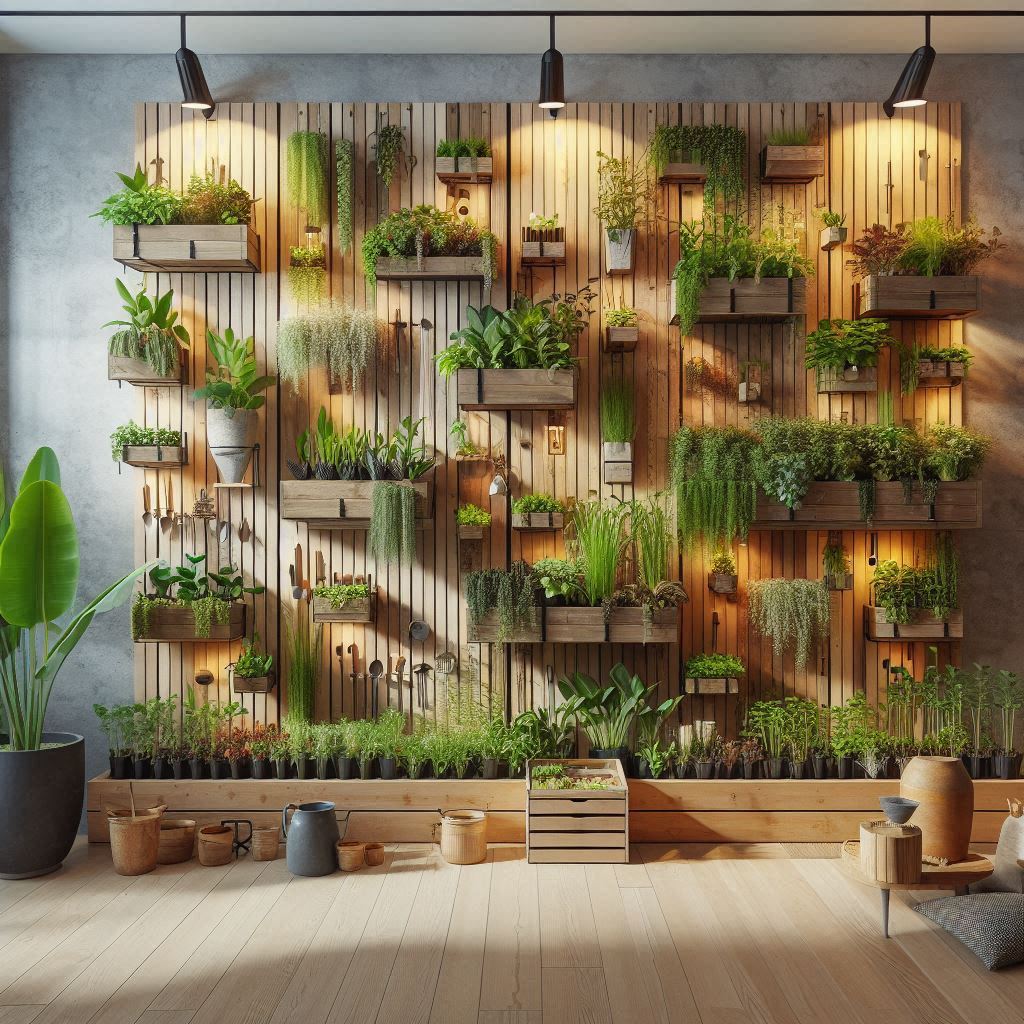
For those of us with limited gardening space, or a yearning for a touch of green on a balcony or patio, vertical gardening offers a creative solution. By utilizing vertical space, you can maximize your harvest and cultivate a lush, living wall. Raised beds add another layer of functionality, improving drainage, soil quality, and accessibility. This article explores 11 exciting DIY methods for vertical gardening in raised beds, allowing you to transform your space into a vibrant and productive oasis. Unleash the Potential: Vertical Gardens in Raised Beds Vertical gardening involves growing plants upwards on walls, fences, or freestanding structures. Combining this technique with raised beds creates a dynamic gardening system with a multitude of benefits: 11 DIY Methods to Get You Growing Vertically: Now, let’s explore the 11 creative methods to get you started: (1) Tiered Planter Boxes: (2) Vertical Fabric Pockets: (3) PVC Pipe Planters: (4) Cinder Block Garden: (5) Repurposed Ladder Garden: (6) Pallet Garden: (7) Hanging Baskets:  (8) Pocket Wall Planter: (9) Repurposed Shoe Organizer: (10) Hanging Tin Can Planter Wall: (11) Living Wall System: Additional Tips for Vertical Gardening Success in Raised Beds: Now that you’re equipped with a variety of DIY methods, here are some additional tips to ensure your vertical raised bed garden thrives: Embrace the Vertical Revolution Vertical gardening in raised beds offers a unique and rewarding way to cultivate a lush and productive garden, even in limited spaces. With a touch of creativity and the methods outlined above, you can transform your balcony, patio, or any underutilized corner into a vibrant vertical oasis. Remember, this is just the beginning! Feel free to customize these methods, experiment with different plant combinations, and explore online resources for further inspiration. Embrace the vertical revolution and watch your garden flourish! We’d love to see your DIY vertical gardening creations! Share your photos and experiences in the comments below and inspire fellow gardening enthusiasts.

15 Places to Find Free Gardening Containers and Cultivate Your Dream Garden

Free Gardening Containers

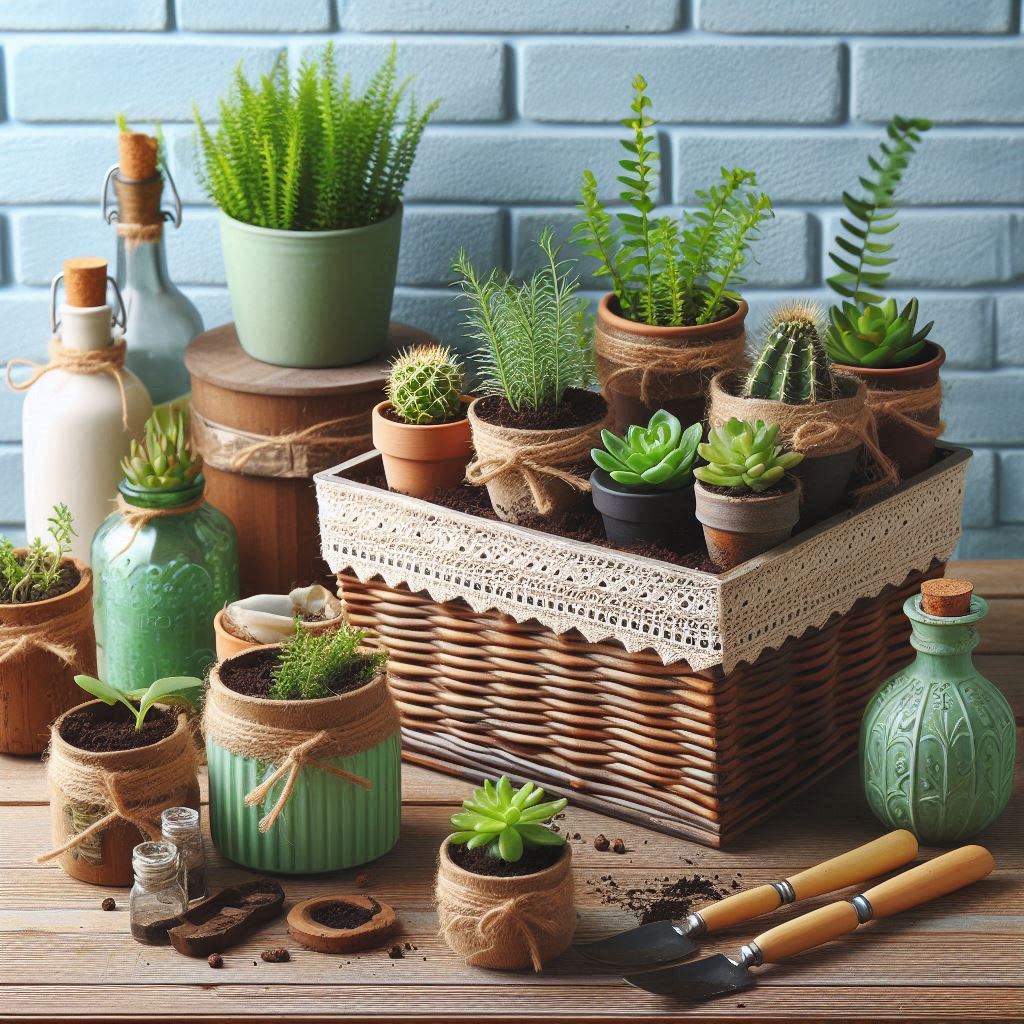
Ever dreamed of having a lush and vibrant garden but felt discouraged by the cost of buying planters? Don’t let that stop you! Container gardening allows you to grow beautiful flowers, herbs, and even vegetables in almost any space, and the best part is, you don’t need to break the bank on pots. With a little creativity and resourcefulness, you can find a plethora of free containers hiding in plain sight, waiting to be transformed into blossoming havens for your plants. This guide will unveil 15 fantastic places to unearth free gardening containers, turning your green thumb aspirations into a thriving reality. Let’s get digging (metaphorically, of course)! 1. Repurposing Plastic Containers in Your Home Pro Tip: When using plastic containers, ensure they are labeled with a recycling number 1 or 2 (HDPE or PET) for safe planting. 2. Repurposing Egg Cartons Egg cartons are perfect for starting seeds. Separate the compartments and poke drainage holes. You can even transplant seedlings directly into the carton when they’re ready. 3. Upcycling Sturdy Buckets Don’t be so quick to toss out those worn-out household items! With a little imagination, they can transform into unique and stylish planters. Sturdy buckets, especially those made of food-grade plastic, are excellent choices for larger plants. Drill drainage holes and consider painting them with fun designs. 4. Upcycling Old Colanders Colanders are perfect for herbs that require good drainage. They already have drainage holes built-in, and their elevated design allows for air circulation. 5. Boot Scootin’ Planters Old rubber boots with a bit of personality can be a quirky and eye-catching addition to your garden. Ensure proper drainage and consider adding a liner to retain moisture. 6. Upcycling Old Baskets Baskets can be beautiful container options, especially for trailing plants. Ensure the basket allows for drainage, or line it with plastic to prevent excess moisture from leaking. Consider adding a saucer underneath for extra protection. 7. Upcycling Old Chairs Old chairs with worn-out seats can be repurposed into stunning planters. Remove the seat cushions, line the bottom with plastic, and fill it with potting mix. This is a great option for creating vertical gardens on patios or balconies. Remember: When upcycling items, ensure they are made of materials that won’t leach harmful chemicals into the soil. 8. Finding Free Containers from Freecycle and Online Classifieds The world outside your home offers a surprising wealth of free container possibilities. Freecycle is a fantastic online platform where people give away unwanted items for free. You might just find a hidden gem – a used planter someone no longer needs. Craigslist’s “free” section can also be a treasure trove. Set up alerts for keywords like “pots,” “planters,” or “containers” to snag the best deals quickly. Safety Tip: When picking up items from online platforms, always meet in a public place and bring a friend with you if possible. 9. Community Gardens and Local Organizations Community gardens often have leftover containers from previous projects or receive donations. Don’t hesitate to ask if they have any spare pots you can use. Local gardening groups or organizations might also have resources or know of places to find free containers. 10. Retail Stores and Restaurants Many stores receive plants in plastic containers that they discard after selling the plants. Politely ask store employees if they have any used plant containers they’d be willing to give away. Bakeries and delis might also have unwanted buckets or food-grade containers that can be repurposed as planters. 11. Finding Free Containers from Construction Sites Construction sites often have discarded materials, including buckets and barrels. While tempting, be wary of using these containers. They might be damaged, leak harmful chemicals, or harbor pests. It’s best to err on the side of caution and avoid them. 12. Asking Neighbors and Friends This can be a great option! Reach out to your neighbors or friends and politely ask if they have any unwanted pots or containers sitting around. Many people are happy to declutter, and your request might be just the nudge they need to get rid of some unused items. Offer to pick them up for their convenience to make your request even more appealing. 13. Schools and Universities Many schools and universities have gardening programs or greenhouses. They might have leftover or discarded containers they’d be happy to give away. Reach out to the gardening department or facilities manager to inquire politely. 14. Recycling Centers While some recycling centers might not accept used pots, others might have a designated area for unwanted garden items. It’s worth checking with your local recycling center to see if they have any free containers you can use. 15. Office Building Break Rooms Office break rooms often accumulate used coffee grounds and tea bags. These can be fantastic for composting, which can then be used to enrich the soil in your container garden. With permission, you might even be able to snag some of the empty coffee cans, tea tins, or old freezers for repurposing as planters. Bringing it All Together: Cultivating Your Dream Garden with Free Containers Now that you’re armed with a treasure map of free container possibilities, it’s time to start planting! Remember, the key is to be creative and resourceful. Don’t be afraid to experiment with different shapes, sizes, and materials. Here are some additional tips to get you started: The Joys of a Free Container Garden Await! With a little resourcefulness and the tips listed above, you can create a thriving and beautiful container garden on a budget. Remember, gardening is a journey of exploration and discovery. Don’t be afraid to experiment, have fun, and let your creativity blossom alongside your plants. So, grab your free containers, get your hands dirty, and get ready to cultivate a piece of green paradise right outside your door!

11 Easy And Cheap Curb Appeal Ideas Anyone Can Do

Curb Appeal Ideas

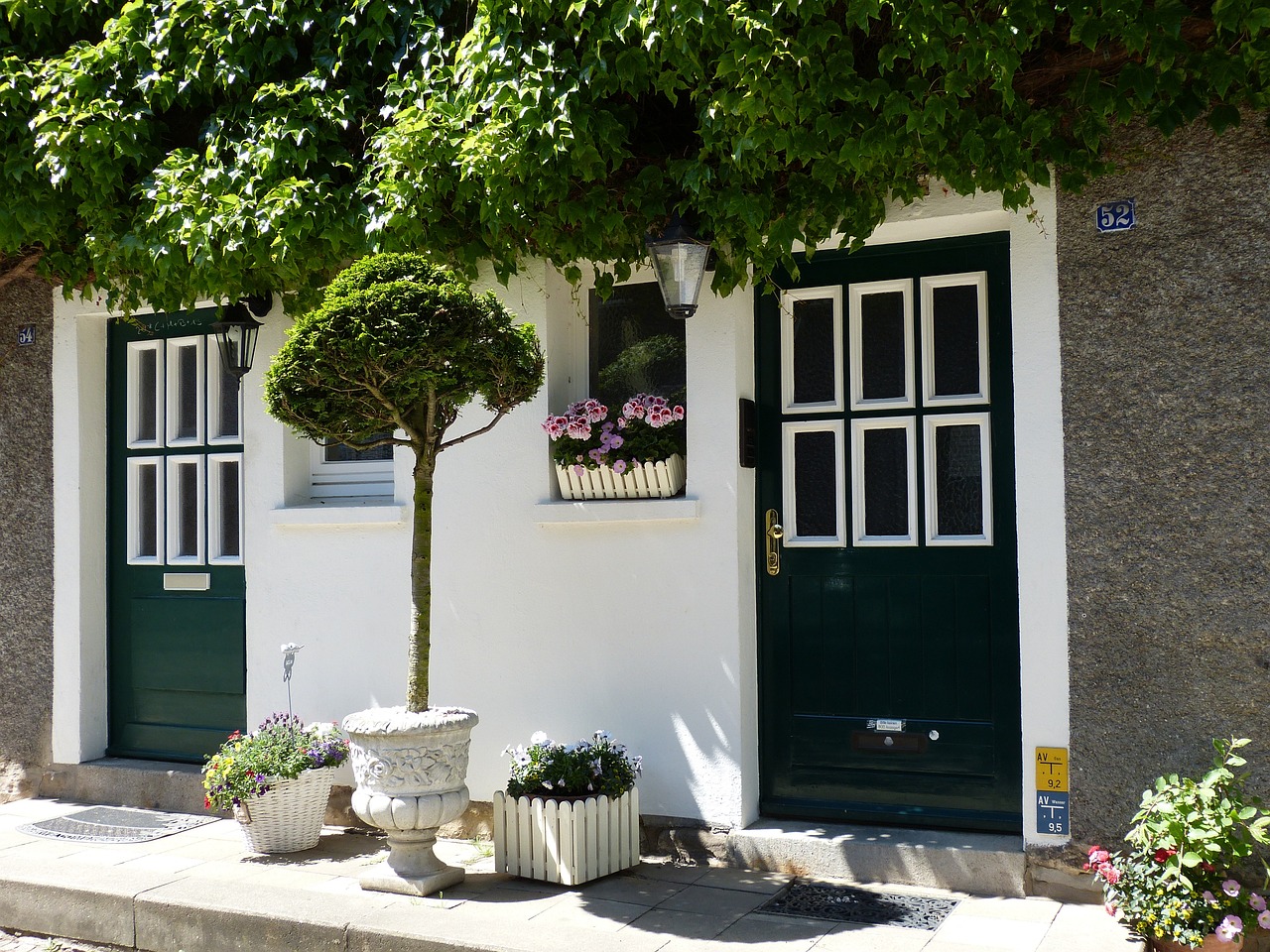
First impressions matter. This is true not just in social interactions, but also when it comes to your home. Curb appeal is all about the visual impression your house makes from the street. It’s that initial glance that captures someone’s attention and creates a lasting memory. Whether you’re hoping to sell your house quickly, impress guests, or simply boost your own sense of pride in your property, enhancing your curb appeal is a worthwhile investment. The good news? You don’t need a hefty budget or professional help to make a significant difference. Here are 11 easy and cheap curb appeal ideas that anyone can do: 1. Spruce Up Your Landscaping Your landscaping is the first thing people see when they approach your house, so it deserves some TLC. Here’s how to make your yard shine without breaking the bank: 2. Dress Up Your Doorway Your front door is the entryway to your home, and it deserves to make a statement. Here’s how to turn it into a focal point that exudes personality and charm: Pro Tip: Don’t have the budget for new furniture? Think outside the box! Upcycle an old bench with a fresh coat of paint or repurpose a vintage chair for your porch. Embrace the unique and create a one-of-a-kind entryway that reflects your style. 3. Add a Touch of Light Strategic lighting can significantly enhance your curb appeal and create a warm and inviting atmosphere. Here’s how to illuminate your property without breaking the bank: 4. Create a Welcoming Pathway A defined walkway not only adds visual appeal to your front yard but also provides a clear path for visitors. Here are some budget-friendly walkway options: 5. The Power of Porch Decor Your porch is an extension of your living space and should be an inviting area for you and your guests. Here’s how to create a welcoming atmosphere without spending a fortune: 6. Give Your Mailbox a Makeover Your mailbox is often the first thing people see when approaching your house, so don’t neglect it! Here’s how to make it a charming addition to your curb appeal: 7. Keep it Clean and Tidy A clean and well-maintained exterior is essential for good curb appeal. Here are some simple ways to keep your property looking its best: 8. Embrace Upcycled Art: 9. Paint Your Shutters: 10. Create a Container Garden Extravaganza: 11. Embrace the Power of Mulch: Beyond the Basics: Personalize Your Curb Appeal These 11 ideas are just a starting point. The beauty of curb appeal is that it allows you to express your unique style and personality. Here are some additional tips to personalize your curb appeal: Remember, consistency is key! Regularly maintaining your curb appeal ensures your home continues to make a lasting positive impression. With a little creativity and effort, you can transform the exterior of your home into a source of pride and enjoyment.

13 Tips To Keep Flowerbeds Weed Free – All Summer Long!

Tips To Keep Flowerbeds Weed Free

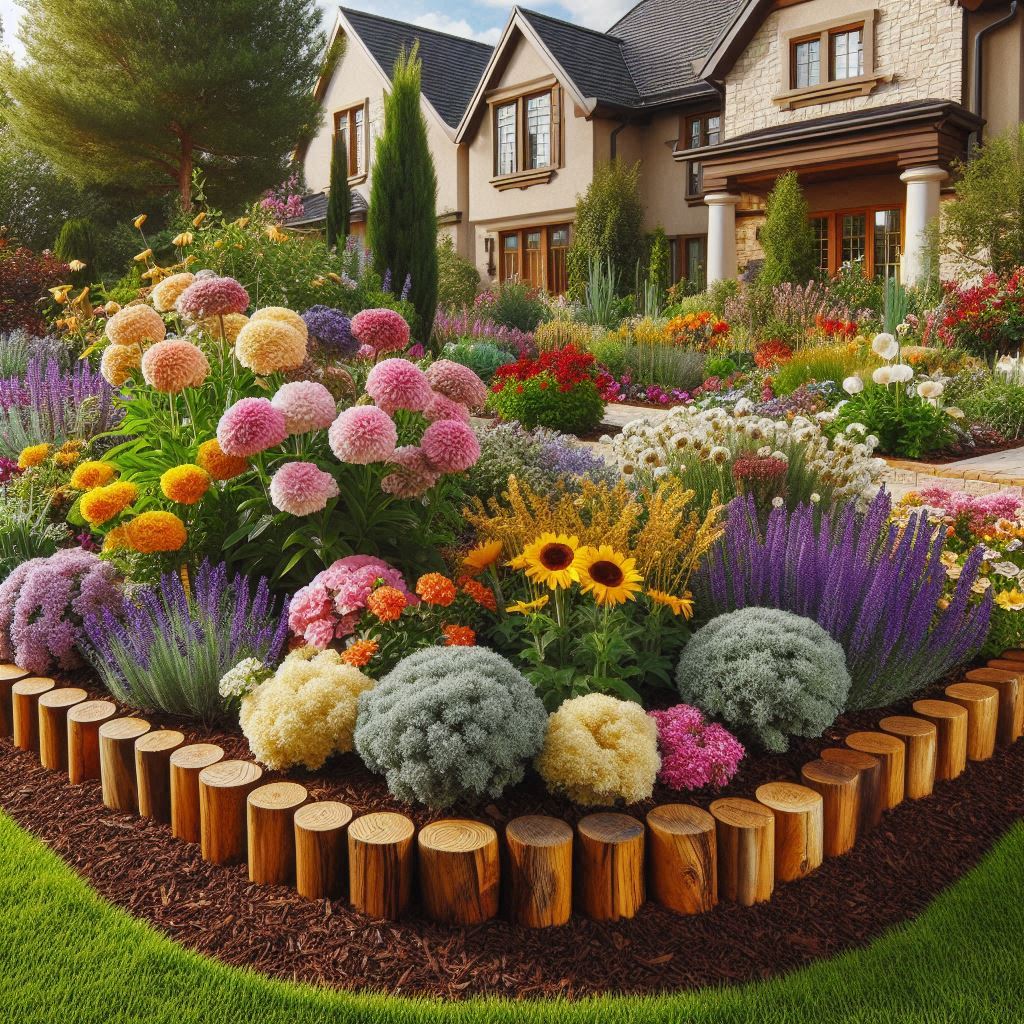
The vibrant blooms and delightful scents of a flourishing flowerbed are always a delight. But lurking beneath that beauty lies a constant battle – the never-ending fight against weeds. Those pesky invaders steal nutrients and water from your precious flowers, hindering their growth and ruining the overall aesthetic. Don’t let weeds steal the joy from your summer garden! Here are 13 powerful tips to keep your flowerbeds weed-free all season long, allowing your flowers to thrive and your garden to shine. Tip #1: Start Strong in Spring Spring is the prime time to set the stage for a weed-free summer. Before the summer heat arrives, it’s crucial to tackle any existing weeds in your flowerbeds. This doesn’t just mean pulling them out – it means getting rid of the entire root system. Think of a weed as an unwelcome guest crashing your flower party. You wouldn’t just shoo them away, would you? You’d want them completely removed, right? The same goes for weeds. A stubborn taproot left behind can easily sprout a new weed later, so ensure thorough removal. Here are some strategies for effective spring weed removal: Tip #2: The Power of Mulch Mulch is your flowerbed’s superhero, acting as a powerful barrier against weed seed germination. It works by creating a physical barrier that prevents sunlight from reaching the soil surface, a crucial factor for weed seed germination. But mulch offers more benefits than just weed suppression: Choosing the Right Mulch: There are various types of mulch available, each with its own advantages: Applying Mulch Effectively: Here are some key things to remember when applying mulch: Tip #3: Plant Density is Your Friend Think of your flowerbed as a competition for space and resources. The more densely planted your flowerbed is with desirable plants, the less space and sunlight there is for unwanted weeds to thrive. Here are some strategies to maximize plant density: Tip #4: Weed Early, Weed Often The key to preventing weeds from taking over your flowerbeds lies in consistent vigilance. Here’s why early and frequent weeding is crucial: Techniques for Effective Weeding: Tip #5: Mid-Summer Maintenance Summer is the peak season for weed growth, so staying on top of your weeding routine is vital. Here are some key mid-summer maintenance practices: Tip #6: Fall Preparations As summer winds down, don’t let your guard down when it comes to weed control. Here’s how to prepare your flowerbeds for fall and winter while minimizing weed problems next spring: Tip #7: Embrace the Inevitable Even with the most diligent efforts, it’s unlikely your flowerbeds will ever be truly 100% weed-free. However, by following these tips, you can significantly reduce the number of weeds and the time spent weeding. Here’s a realistic perspective: Tip #8: Embrace Beneficial Mulches While traditional mulches like wood chips and bark are effective weed suppressors, consider exploring some additional options with added benefits: Tip #9: Water Wisely and Strategically Proper watering practices go a long way in promoting healthy plants and hindering weed growth. Here’s how to water strategically for weed control: Tip #10: Harness the Power of Vinegar For stubborn weeds growing in cracks or gravel pathways, consider a natural weed control method – vinegar. Here’s how to use it effectively: Tip #11: Put Your Tools to Work Investing in the right tools can make weeding a more efficient and enjoyable experience. Here are some handy tools to consider: Tip #12: Encourage Beneficial Insects Nature has a way of balancing itself! Attract beneficial insects like ladybugs, lacewings, and minute pirate bugs to your flowerbed. These natural predators can help control weed seed-eating insects and other garden pests, reducing the need for chemical pesticides and promoting a healthy ecosystem. Tip #13: Celebrate Your Victories! Taking care of your flowerbed requires effort and dedication. Take the time to appreciate your progress and celebrate your victories over weeds. Common Garden Weeds and Identification Knowing your enemy is half the battle! Here’s a list of some common garden weeds and tips for identifying them: Identification Tips: Conclusion Always follow these 13 tips and embrace consistent weed control practices to create a vibrant and flourishing flowerbed that will be the envy of your neighborhood all summer long. Remember, a weed-free flowerbed isn’t about achieving perfection, but about creating a healthy and beautiful space for your flowers to thrive. So, grab your gardening gloves, get out there, and enjoy the satisfaction of a weed-free flowerbed!

17 Easy Table Centerpiece Ideas to Brighten Every Day

Table Centerpiece Ideas

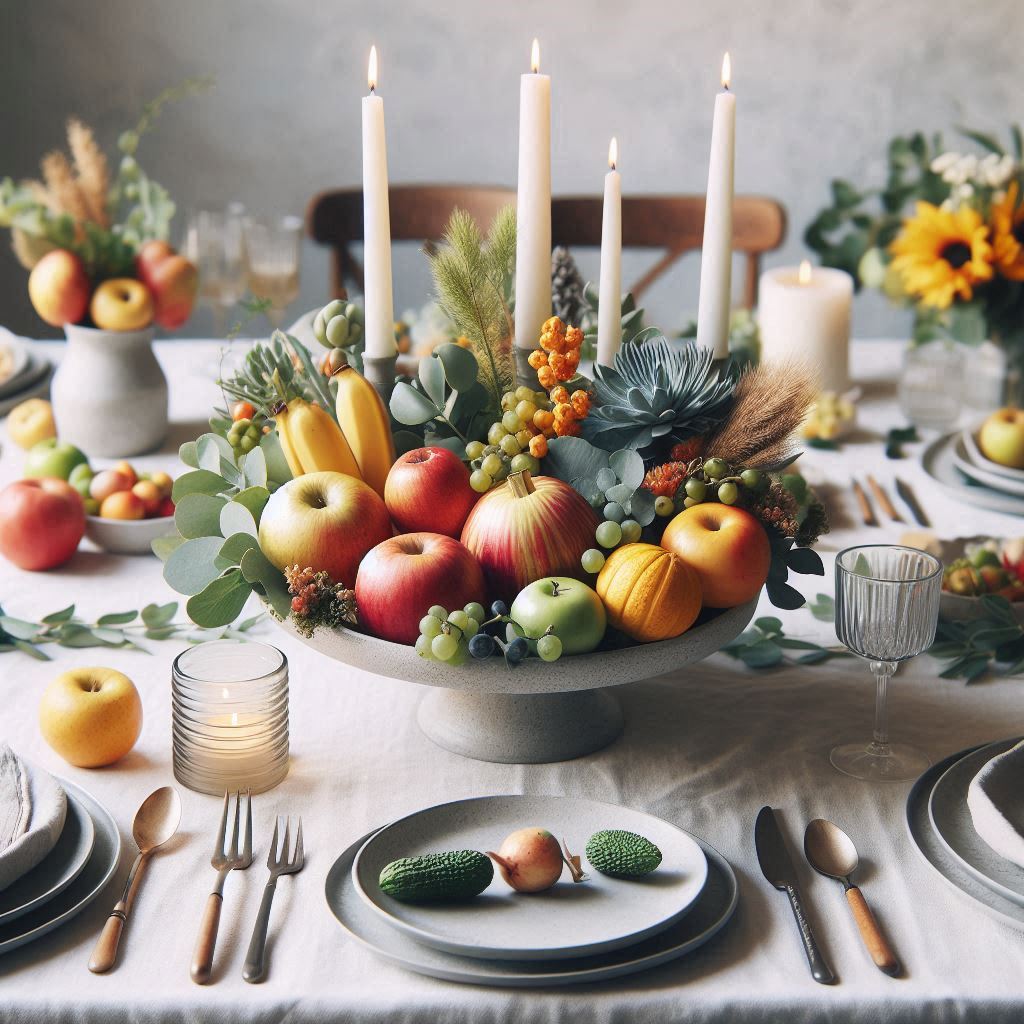
The dining table is often the heart of the home, a place where families gather, meals are shared, and memories are made. But a bare table can feel a bit…well, bare. A well-chosen centerpiece can elevate even the most casual meal, adding a touch of beauty, personality, and conversation starter to your space. The best part? You don’t need to be a professional decorator or spend a fortune to create a stunning centerpiece. With a little creativity and everyday items, you can easily transform your table from ordinary to extraordinary. This guide explores 17 simple yet impactful centerpiece ideas that are perfect for everyday use. Whether you prefer a natural, classic, modern, or rustic touch, there’s something here to inspire you. 1. A Feast for the Eyes (and the Table): Fruits & Vegetables Seasonal fruits and vegetables are not only delicious but also visually stunning. A colorful bowl overflowing with citrus fruits like oranges, grapefruits, and lemons instantly adds a pop of sunshine to your table. Arrange them strategically for visual interest, perhaps with some nestled amongst vibrant red peppers or plump artichokes. Take it a step further by incorporating fresh greenery. Tuck in a few sprigs of rosemary, thyme, or even eucalyptus for a touch of fragrance and a rustic charm. This centerpiece is not only beautiful but also serves a dual purpose – the fruits and vegetables can be enjoyed as a healthy snack or incorporated into your meal. 2. Tranquility on Display: Floating Candles & Florals For a centerpiece that exudes serenity and sophistication, look no further than floating candles and florals. This elegant display is surprisingly simple to create.exclamation All you need are clear glass bowls, water, a few candles, and some flowers or flower petals. Fill the bowls with water and carefully place tea lights or small votive candles on the surface. Arrange your chosen flowers or petals (roses, lilies, or even hydrangeas work beautifully) around the candles, letting them gently float amidst the water. Looking for a little more visual intrigue? Add a layer of decorative marbles or colorful stones to the bottom of the bowl before pouring in the water. This creates a mesmerizing effect as the light filters through.exclamation 3. The Enduring Appeal of The Simple Vase A single, elegant vase filled with beautiful blooms is a timeless centerpiece that works in any setting. The beauty lies in its simplicity. Whether you choose real flowers for their fragrance and vibrant colors or opt for high-quality faux flowers for a long-lasting display, the key is to pick the right flower and vase combination. For a statement piece, choose flowers that contrast with the color of your vase. Bold red roses in a sleek black vase create a dramatic effect, while delicate white lilies in a soft blue vase evoke a sense of calmness. Remember to consider the size and style of your vase in relation to your table. A tall, slender vase on a small table will appear awkward, while a squat vase on a large table will get lost visually. 4. The Warm Glow of Candles & Lanterns Candles and lanterns instantly create a warm and inviting ambiance, making them perfect for setting the mood for an intimate dinner or a cozy family gathering.expand_more The key to this centerpiece is playing with height and style.exclamation Combine tall pillar candles with shorter votives or tea lights for a dynamic look. Cluster them together on a decorative tray or arrange them sporadically across the table for a more relaxed feel. For added visual interest, use lanterns in different sizes and styles. Consider incorporating metallic lanterns for a touch of glamour or rustic wooden ones for a more natural vibe. Safety First: When using candles as part of your centerpiece, prioritize safety. Ensure candles are placed in sturdy holders and kept away from flammable objects like tablecloths or curtains. Never leave burning candles unattended and extinguish them before leaving the room. 5. A Basketful of Treasures: The Basket of Treasures Centerpiece A woven basket overflowing with decorative items creates a cozy and inviting centerpiece. This is a great opportunity to showcase your personality and use seasonal elements.exclamation Fill the basket with pinecones and acorns for a fall tablescape, or incorporate colorful eggs and spring flowers for a touch of Easter cheer. Play with textures by using a mix of woven baskets, smooth ceramics, and natural materials like moss or pinecones. Tuck in some fairy lights for a touch of whimsy in the evening. 6. Tiered Delight: Using a Tiered Tray Tiered trays are incredibly versatile and can be used to create a dimensional centerpiece that packs a punch. The beauty lies in the ability to mix and match elements to create a unique look. Here are some ideas to get you started: Remember to consider the scale and balance of your arrangement. Place heavier items on the bottom tier and lighter ones on top. 7. Unexpected Elegance: Tableware Transformation Who says your tableware can’t be the star of the show? This unique centerpiece idea allows you to showcase beautiful mismatched plates, cups, and cake stands. Opt for vintage teacups with floral patterns or mismatched china plates in a variety of colors and textures. Arrange them on a table runner or a decorative tray for a layered effect. To elevate the look further, add a few stems of fresh flowers in a small bud vase or place a cluster of lit candles strategically amongst the plates. 8. Rustic Elegance: A Garland for All Seasons Garlands are incredibly versatile and can be adapted to suit any season or occasion. Here are a few ideas to get you started: Drape your garland across the center of the table or position it along the length for a more casual look. 9. A Touch of Whimsy: The Book Nook Centerpiece This unique idea repurposes beautiful hardbound books into a charming centerpiece. Stack a few books of varying sizes on a decorative tray or cake stand. Arrange them strategically to … Read more

17 Mesmerizing Ways to Decorate with Artificial Flowers

Decorate with Artificial Flowers

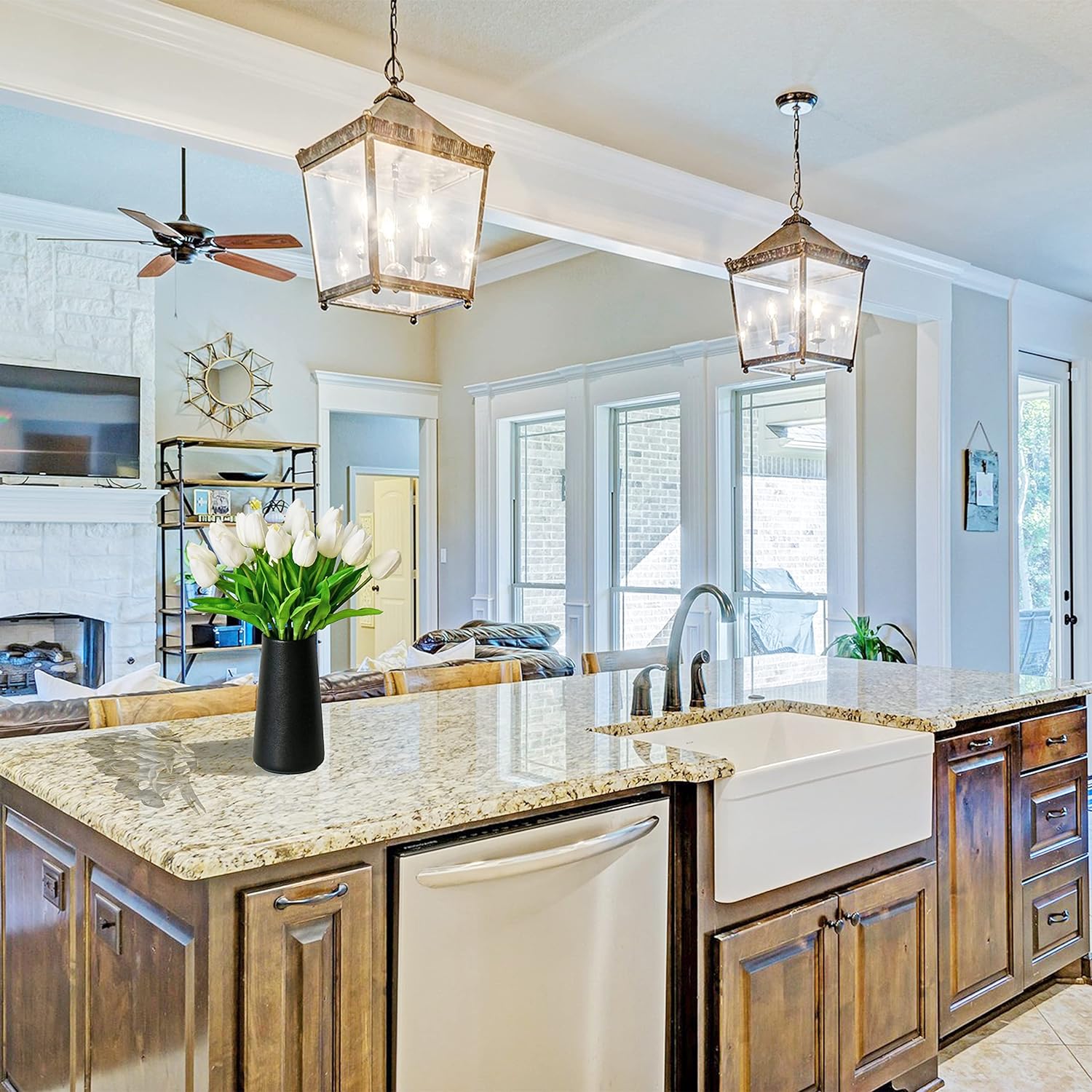
For years, fresh flowers have been the go-to choice for adding a touch of nature’s beauty to our homes. However, artificial flowers have come a long way in recent years, offering a plethora of advantages that make them a compelling alternative. Not only do they boast long-lasting vibrancy, but they also require minimal maintenance, freeing you from the constant worry of wilting petals and drooping stems. Additionally, artificial flowers come in a wider variety of colors, shapes, and sizes than their natural counterparts, allowing you to unleash your creativity and design truly unique arrangements. This blog post showcases 17 mesmerizing ways to transform your living space with artificial flowers. From stunning centerpieces to captivating wall arrangements, we’ll explore the endless possibilities artificial flowers offer to bring life and color into your home. 1. Create Stunning Centerpieces The centerpiece is the heart of any table, setting the tone and creating a focal point. Artificial flowers offer a fantastic opportunity to design centerpieces that are both visually captivating and long-lasting. 2. Craft Breathtaking Wall Arrangements Gone are the days of bare walls. Artificial flowers offer a fantastic way to create unique and captivating wall arrangements that add personality and vibrancy to your space. 3. Breathe Life into Bookshelves and Cabinets Bookshelves and cabinets often become display areas for photos, souvenirs, and decorative items. However, artificial flowers can add a touch of color and life to these spaces, breaking up the monotony and creating a more inviting atmosphere. 4. Design Elegant Bathroom Retreats Bathrooms are often overlooked when it comes to decorating. However, artificial flowers can surprisingly add a touch of spa-like serenity to this space. 5. Spruce Up Entryways and Foyers The entryway is the first impression your home makes on guests, and artificial flowers offer a welcoming and inviting way to set the tone. 6. Craft Charming Outdoor Spaces Outdoor spaces like patios, balconies, and porches are ideal for enjoying the fresh air and sunshine. Artificial flowers can add a touch of color and vibrancy to these areas, creating an inviting and relaxing retreat. 7. DIY Magic: Repurpose and Revamp Artificial flowers are not just for creating centerpieces and wall arrangements; they can also be a fantastic tool for DIY projects that add personality and charm to your home. 8. Craft a Romantic Canopy Transform an ordinary space into a whimsical haven with a canopy of artificial flowers. This is particularly charming for bedrooms, entryways, or even outdoor patios. 9. Design a Floral Chandelier Elevate your lighting with a one-of-a-kind floral chandelier. This is a showstopping statement piece that adds a touch of elegance and whimsy to any room. 10. Create a Floral Staircase Runner Transform your staircase from a functional passage to a breathtaking focal point. Artificial flowers offer a unique way to create a stunning floral staircase runner. 11. Craft a Floral Table Runner Elevate your dining table setting with a beautiful and long-lasting floral table runner. This adds a touch of elegance and can be adapted to suit various occasions. 12. Design a Floral Mirror Surround Mirrors play a crucial role in creating a sense of space and reflecting light. Elevate your mirror’s presence by surrounding it with a frame of artificial flowers. 13. Create a Floral Headboard Transform your bed into a luxurious focal point with a headboard adorned with artificial flowers. This adds a touch of romance and whimsy to your bedroom haven. 14. Craft a Floral Gift Basket Elevate your gift-giving with a beautiful and long-lasting floral gift basket. This adds a personal touch and ensures the recipient enjoys the beauty of the flowers long after the occasion. 15. Design a Floral Mobile Create a whimsical and eye-catching mobile using artificial flowers. This is a unique decorative element that adds a touch of whimsy to a nursery, child’s bedroom, or even a living room. 16. Craft a Blooming Table Lamp Transform an ordinary table lamp into a captivating focal point with the help of artificial flowers. This adds a touch of elegance and whimsy to any room. 17. Design a Floral Wall Sconce Backdrop Elevate your wall sconces and add a touch of floral charm with a beautiful backdrop. This adds a unique decorative element that creates a warm and inviting ambiance. Bonus Tips for Choosing High-Quality Artificial Flowers Here are some tips to help you choose high-quality artificial flowers that look realistic and last for years: Caring for Artificial Flowers Although artificial flowers require minimal maintenance, a little TLC goes a long way in keeping them looking their best. Embrace the Beauty of Artificial Flowers With a little planning and the right approach, artificial flowers can become a valuable tool in your home décor arsenal. They offer a vibrant and low-maintenance way to add a touch of nature’s beauty to any space. So, unleash your creativity, embrace the endless possibilities, and let your home bloom with the magic of artificial flowers!

7 Simple Tips to Keep Your Bed on Wheels From Rolling

Simple Tips to Keep Your Bed on Wheels From Rolling

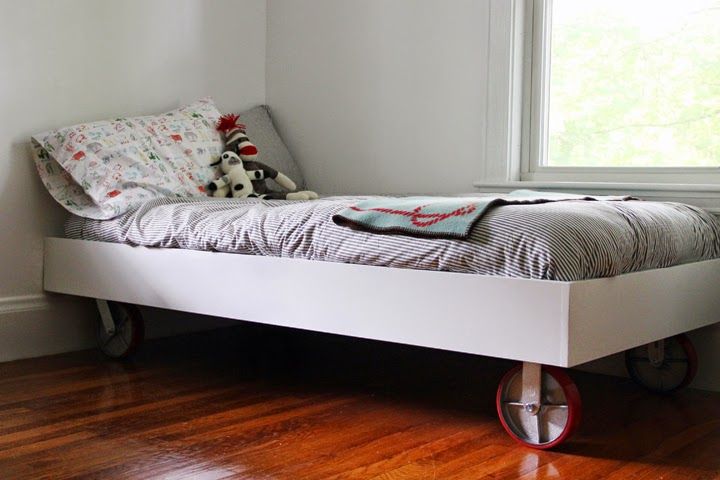
Have you ever dreamt of a magical castle, only to be jolted awake by the unwelcome sensation of your bed rolling across the room? If so, you’re not alone. Beds on wheels, while convenient for rearranging furniture or cleaning, can become a real nightmare when they decide to take a midnight cruise. A good night’s sleep is crucial for our health and well-being. But a constantly rolling bed disrupts that precious sleep, leaving us feeling tired, frustrated, and even injured in some cases. Several factors can contribute to a rolling bed, including: Luckily, there are several simple solutions to keep your bed firmly planted and your sleep undisturbed. This guide will explore 7 effective strategies, from readily available tools to creative DIY solutions, to finally stop your bed from rolling. 1. Wheel Locks: Engage the Brakes on Your Bed The most straightforward solution is to utilize wheel locks. These ingenious little devices essentially act as brakes for your bed’s casters, preventing them from swiveling or rolling. Types of Wheel Locks: Using Wheel Locks: Pros of Wheel Locks: Cons of Wheel Locks: 2. Furniture Grippers: Increase Friction for a Non-Slip Solution If you’re looking for a solution that doesn’t involve modifying your bed’s wheels directly, furniture grippers offer a fantastic alternative. These handy devices are essentially small pads made from a high-friction material that are placed under the feet or wheels of furniture to increase the grip between the furniture and the floor. Types of Furniture Grippers: Applying Furniture Grippers: Most furniture grippers come with an adhesive backing, making application simple. Just ensure the floor and casters are clean and dry before applying. Press the gripper firmly onto the bottom of the caster or furniture leg. Pros of Furniture Grippers: Cons of Furniture Grippers: 3. Strategic Bedding Placement: Pin Your Bed Against the Wall Sometimes, a simple change in bed placement can significantly reduce rolling. If your bedroom layout allows, consider positioning your bed with the headboard or footboard snug against a wall. This creates a physical barrier that helps prevent the bed from rolling away. Pros of Strategic Placement: Cons of Strategic Placement: 4. Non-Slip Rugs Another great way to increase friction and stop your bed from rolling is to place a non-slip rug under the wheels. This provides an additional layer of grip between the bed and the floor. Choosing the Right Rug: Positioning the Rug: Place the rug on the floor where you intend to have the bed positioned. Ensure the non-slip backing is making good contact with the floor surface. Make any necessary adjustments to the rug’s position to ensure the bed’s wheels rest entirely on the rug. Pros of a Non-Slip Rug: Cons of a Non-Slip Rug: 5. DIY Caster Cups For the crafty and budget-conscious, a DIY solution can be a fun and effective way to stop your bed from rolling. Here are two creative ideas for DIY caster cups: This is a simple and cost-effective method. Here’s what you’ll need: Instructions: This method requires slightly more effort but offers a more permanent solution. Materials: Instructions: Pros of DIY Caster Cups: Cons of DIY Caster Cups: 6. Double-Sided Tape (For the Slightly Rolling Bed) For beds that exhibit minimal rolling tendencies, double-sided tape can be a quick and easy solution. This method works best on smooth, hard floors like tile or hardwood. Choosing the Right Tape: Applying Double-Sided Tape: Pros of Double-Sided Tape: Cons of Double-Sided Tape: 7. Replace the Casters (For Persistent Rolling) If none of the above solutions effectively address your rolling bed problem, it might be time to consider replacing the casters themselves. Here’s what you need to know: Choosing Replacement Casters: Replacing the Casters: Replacing the casters might require some basic DIY skills or the help of a handyman. Consult your bed’s manual or manufacturer’s website for specific instructions on removing and replacing the casters. Generally, the process involves unbolting the existing casters and attaching the replacements. Pros of Replacing Casters: Cons of Replacing Casters: Conclusion A good night’s sleep is vital for our health and well-being. Don’t let a rolling bed disrupt your sleep! This guide has provided you with several solutions, from simple fixes like furniture grippers to more involved options like replacing the casters. Evaluate your situation, choose the solution that best suits your needs and comfort level, and finally get a good night’s sleep in a stationary bed! Q&A Q: My bed rolls because the wheels are worn out. Is replacing the casters my only option? A: Not necessarily! Depending on the severity of the wear and tear, some of the other solutions might still be effective. Furniture grippers or a non-slip rug can offer additional grip and prevent rolling with slightly worn casters. However, if the wheels are significantly damaged or no longer swivel smoothly, replacing them is the best course of action for a long-term solution. Q: My floor is uneven, and that’s what’s causing my bed to roll. What can I do? A: Uneven floors can definitely contribute to a rolling bed. Unfortunately, there’s no one-size-fits-all solution for uneven floors. Here are some approaches to consider: Q: My pet likes to jump on the bed, and that makes it roll. What can I be done? A: Pets can definitely add an element of unpredictability to the bed-rolling situation! Here are some suggestions: Q: I’m worried about using some of these solutions damaging my floor. What are some things to keep in mind? A: It’s a valid concern! Here are some tips to minimize the risk of damaging your floor: Remember: When in doubt, it’s always best to prioritize protecting your floor. Choose solutions specifically designed for your floor type or opt for less permanent options like furniture grippers or double-sided tape if you’re concerned about potential damage.