
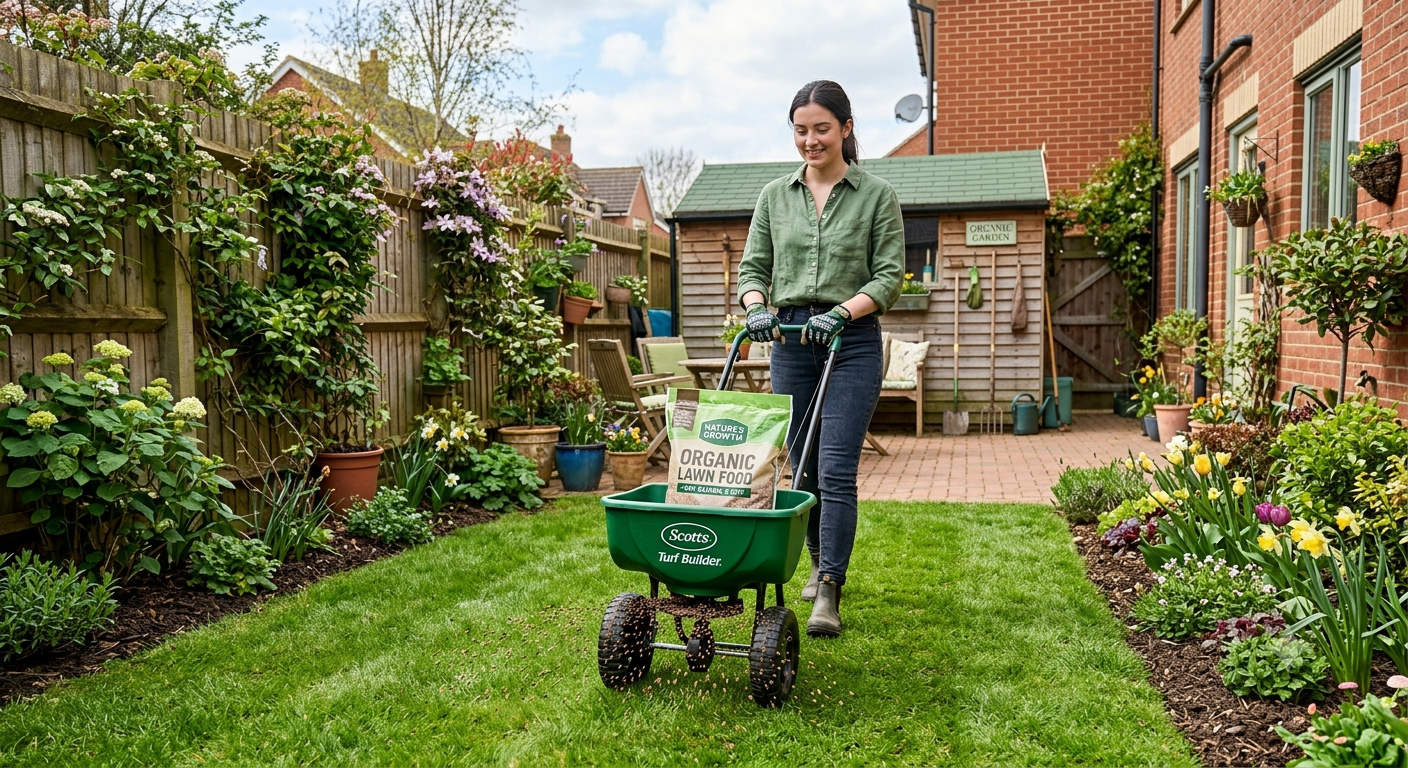
Brown patches showing up in July. A neighbor’s lawn that looks like a golf course while yours looks like a hayfield. A bag of fertilizer burning stripes into your grass because you read the label wrong at 7am with no coffee in your system.
I’ve been there for all of it. My lawn has survived more of my “brilliant ideas” than I’d like to admit, and most of those ideas involved me skipping steps because I was in a hurry.
Here’s the thing about feeding your lawn organically in summer: it’s not hard, but it’s also not the same as just tossing down synthetic fertilizer and walking away. Organic feeding works with your soil instead of forcing it. That means timing matters, patience matters, and the schedule you follow in June is different from the one you should follow in August.
I’m going to walk you through the exact organic lawn feeding schedule I use every summer, what’s worked, what’s flopped, and what I genuinely think is a waste of your money. Grab a glass of iced tea. Let’s get your grass looking the way you want it.
Why Organic Lawn Feeding Works Better in Summer Heat
Synthetic fertilizers are basically a sugar rush for your lawn. They hit fast, the grass goes bright green for a couple weeks, and then it crashes right when summer heat and drought stress show up. I learned this the hard way during a heatwave a few summers back. My lawn looked incredible in May after a synthetic application, then turned crispy and stressed by mid-July because the roots never had to work for anything.
Organic fertilizers feed your soil, not just your grass. Compost, fish emulsion, and other organic amendments build up the microbial life underground. That microbial activity helps your grass develop deeper roots, and deeper roots mean better drought tolerance. This matters a ton in summer when temperatures spike and rain gets unpredictable.
There’s also the burn factor. Synthetic nitrogen can scorch your lawn if you apply too much or skip watering it in right away. I’ve scorched grass before chasing that “instant green” look. Organic fertilizers release nutrients slowly, so the risk of burning your lawn drops way down. You trade speed for safety, and in summer, safety wins.
One more thing people search for constantly: “is organic lawn fertilizer better for pets and kids.” Honestly, yes, in most cases. You’re not dealing with synthetic chemical runoff sitting on the blades right after application. My dog has rolled around on treated grass within hours of an organic feeding and been totally fine. I would never let that happen with a synthetic broadcast spreader application.
When to Start Your Organic Summer Lawn Feeding Schedule
Timing is where most people mess this up. I used to start feeding way too early, thinking more nitrogen earlier meant a better lawn. It doesn’t. It just stresses the grass before the heat even arrives.
The real window for summer organic lawn feeding depends on your grass type:
- Warm-season grasses (Bermuda, Zoysia, St. Augustine) should get their first summer feeding once soil temps consistently hit 65°F and the grass is actively growing, usually late May to early June.
- Cool-season grasses (Kentucky bluegrass, fescue, ryegrass) need a lighter touch in summer. Heavy feeding in peak heat stresses these grasses out. A light organic feeding in early June, then mostly hands-off until early fall, works best.
- Transition zone lawns (mixed grass types, common in the Midwest and mid-Atlantic) should follow whichever grass type dominates your yard. Mine is mostly fescue with some random Bermuda patches my previous owner planted, so I treat it like a cool-season lawn and just spot-feed the Bermuda areas.
A soil thermometer costs about ten dollars and will save you from guessing. I didn’t buy one for years because I thought it was overkill. Turns out eyeballing soil temperature is basically impossible, and I was feeding my lawn two to three weeks too early every single year.
Step-by-Step Organic Lawn Feeding Schedule by Month
This is the part everyone actually wants, so here’s my month-by-month breakdown.
June: The Foundation Feeding
- Apply a balanced organic fertilizer (something like a 10-2-4 or similar ratio with corn gluten meal or alfalfa meal as the base) in the first two weeks of June.
- Water it in lightly right after application, about 15 minutes of sprinkler time.
- Top dress thin or bare patches with a half-inch layer of compost.
- Skip mowing for at least two days after feeding so the grass isn’t stressed twice in one week.
July: The Maintenance Feeding
- Apply a lighter organic feeding, roughly half the nitrogen amount from June, since peak heat makes heavy feeding risky.
- Switch to liquid organic options like fish emulsion or kelp extract if temps are above 90°F. Liquid feeds are gentler than granular in extreme heat.
- Check your soil moisture before feeding. Dry, drought-stressed grass should not get fed at all until it’s watered properly for several days first.
August: The Recovery Feeding
- If your lawn took a beating from heat or drought, apply a light organic application with extra potassium to help with stress recovery.
- Add compost tea as a foliar spray if you want a gentler nutrient boost without a full granular application.
- Start thinking ahead to fall overseeding prep, since late August is when you’ll want to aerate before a heavier fall feeding.
Quick side note: if your area is in a serious drought, skip feeding entirely that month. I know it feels like you’re “falling behind,” but feeding a drought-stressed lawn is like force-feeding someone who’s sick. It does more harm than good.
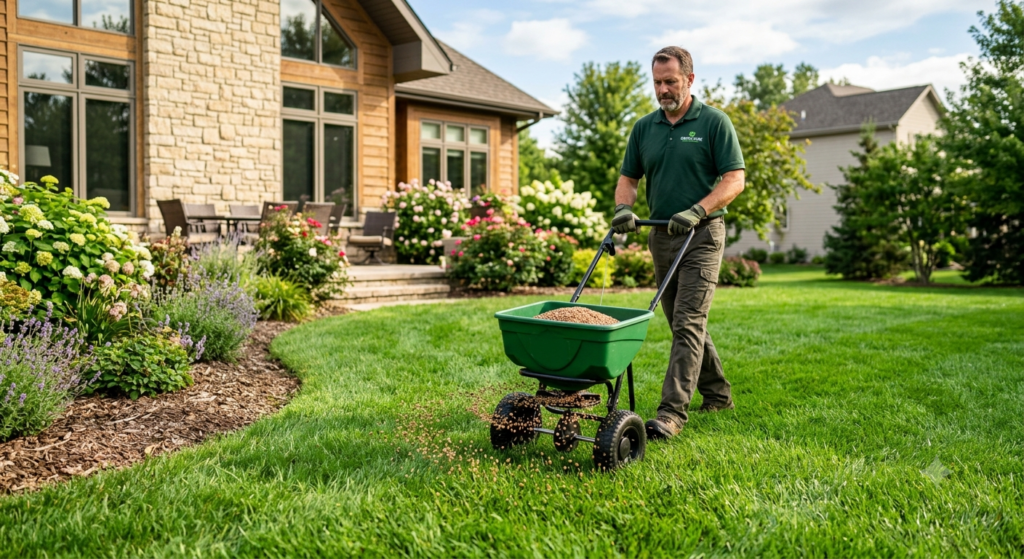
Best Organic Fertilizers for Summer Lawns
People search this exact phrase constantly, so let’s get specific instead of vague.
Compost. This is the single best thing you can do for your lawn, full stop. It’s not flashy, it doesn’t come in a bag with a brand name plastered everywhere, but it builds soil structure better than anything else on this list. I top dress with a thin layer every June and my soil has gone from compacted clay to something that actually holds water and nutrients.
Fish emulsion. Smells like a dumpster behind a seafood restaurant for about 24 hours, but it delivers fast-acting nitrogen without synthetic chemicals. I use this in July when my lawn needs a quick boost but I don’t want the risk of granular fertilizer burn in the heat.
Corn gluten meal. This one does double duty as a natural pre-emergent for crabgrass and a slow-release nitrogen source. I apply it in early spring mostly, but a light summer application can help thin spots recover.
Kelp meal or liquid kelp extract. Great for potassium and micronutrients, which help grass handle heat and drought stress. I think this one is genuinely underrated. Everyone talks about nitrogen, but potassium is the unsung hero of summer lawn survival.
Alfalfa meal. This is my go-to for a balanced, gentle feeding. It breaks down slowly and won’t shock your lawn the way some synthetic blends can.
I’ve found that “organic lawn fertilizer bundles” sold as fancy all-in-one kits are usually overpriced for what’s basically compost and alfalfa meal repackaged with a nicer label. Buy the individual ingredients separately and mix your own. You’ll save money and actually understand what you’re putting down.
Watering Tips That Make Your Organic Feeding Actually Work
Feeding without proper watering is like setting the table and never serving the food. The nutrients just sit there.
- Water deeply and infrequently rather than a little bit every day. Aim for one inch of water per week, split into two sessions.
- Water early morning, ideally before 9am, so the grass isn’t sitting wet overnight, which invites fungal problems.
- After any granular organic application, water lightly within a few hours to start activating the breakdown process.
- Avoid watering right before a heavy rainstorm is expected, since runoff can wash away fertilizer before it has a chance to soak in.
I used to water every single evening for a quick ten minutes because it felt productive. It actually trained my grass roots to stay shallow and lazy, since they never had to dig deep for moisture. Once I switched to deep, infrequent watering, my lawn’s drought tolerance improved dramatically within one season.
Mowing Habits That Support Your Feeding Schedule
Mowing and feeding are connected way more than people realize.
- Raise your mower height in summer. Taller grass blades shade the soil, which keeps roots cooler and reduces water loss.
- Never cut more than one-third of the blade height in a single mow. Scalping your lawn stresses it right when you’ve just fed it.
- Leave the clippings on the lawn instead of bagging them. This is called grasscycling, and it puts nitrogen back into the soil for free. It’s basically a bonus feeding you get without buying anything.
- Sharpen your mower blades at least once mid-summer. Dull blades tear grass instead of cutting it, which creates stress and makes your organic feeding work harder than it needs to.
Real Talk: What Can Go Wrong and What’s Not Worth the Effort
Here’s where I get honest about the parts nobody puts in the glossy lawn care blog posts.
Organic feeding is slower, and that frustrates people. If you’re used to synthetic fertilizer’s quick green-up, organic feeding will feel underwhelming at first. It took me almost two full seasons before I saw the kind of soil improvement that made a real visual difference. If you need instant results for a backyard party next weekend, organic feeding isn’t your answer.
Fish emulsion smell is no joke. I’ve had neighbors ask if something died in my yard. If you’re sensitive to smell or live close to neighbors who will complain, stick with compost and kelp products instead.
Homemade compost tea is a gamble. I tried brewing my own compost tea one summer to save money, and I ended up with a smelly bucket of liquid that probably did nothing useful. Compost tea needs proper aeration and brewing time to actually have beneficial microbial activity. Without the right setup, you’re basically just watering your lawn with murky water.
Over-applying organic fertilizer is still a real risk. People assume “organic” means “can’t mess it up.” Wrong. Too much fish emulsion or compost can still create nutrient imbalances or attract unwanted critters digging around for the smell. Follow application rates even with organic products.
Some organic lawn care kits are genuinely a waste of money. Those premium subscription boxes that mail you a new “miracle organic blend” every month look great on Pinterest, but most of what’s inside is stuff you could buy in bulk for a third of the price at a local garden center. I fell for one of these subscriptions for about four months before I did the math and canceled it.
Patchy or compacted soil won’t improve from feeding alone. If your lawn has serious compaction issues, no amount of organic fertilizer will fix it without aeration first. I spent two summers feeding a lawn that desperately needed aeration before I figured out the real problem wasn’t nutrition at all.
Final Thoughts on Your Summer Organic Lawn Feeding Schedule
Organic lawn feeding rewards patience, not perfection. You’re not chasing an overnight transformation. You’re building soil health that pays off for years, not just for one green July.
Start with a soil test if you’ve never done one. It costs less than a fancy fertilizer bag and tells you exactly what your lawn actually needs instead of guessing. Stick to a light, consistent schedule through summer rather than one big dramatic feeding. And don’t panic if your lawn doesn’t look magazine-worthy in year one. Mine sure didn’t.
What’s been your biggest lawn care headache this summer? Drop your questions or your own horror stories in the comments below. I read every one, and I’ve probably made the same mistake at some point.

About Syprose Kiche
Syprose Kiche is the creator and writer behind My Besuited Home, a practical home and garden website covering DIY projects, gardening, lawn care, landscaping, home improvement, and outdoor living. She focuses on turning everyday homeowner questions into clear, practical guides backed by careful research and useful real-world considerations.