
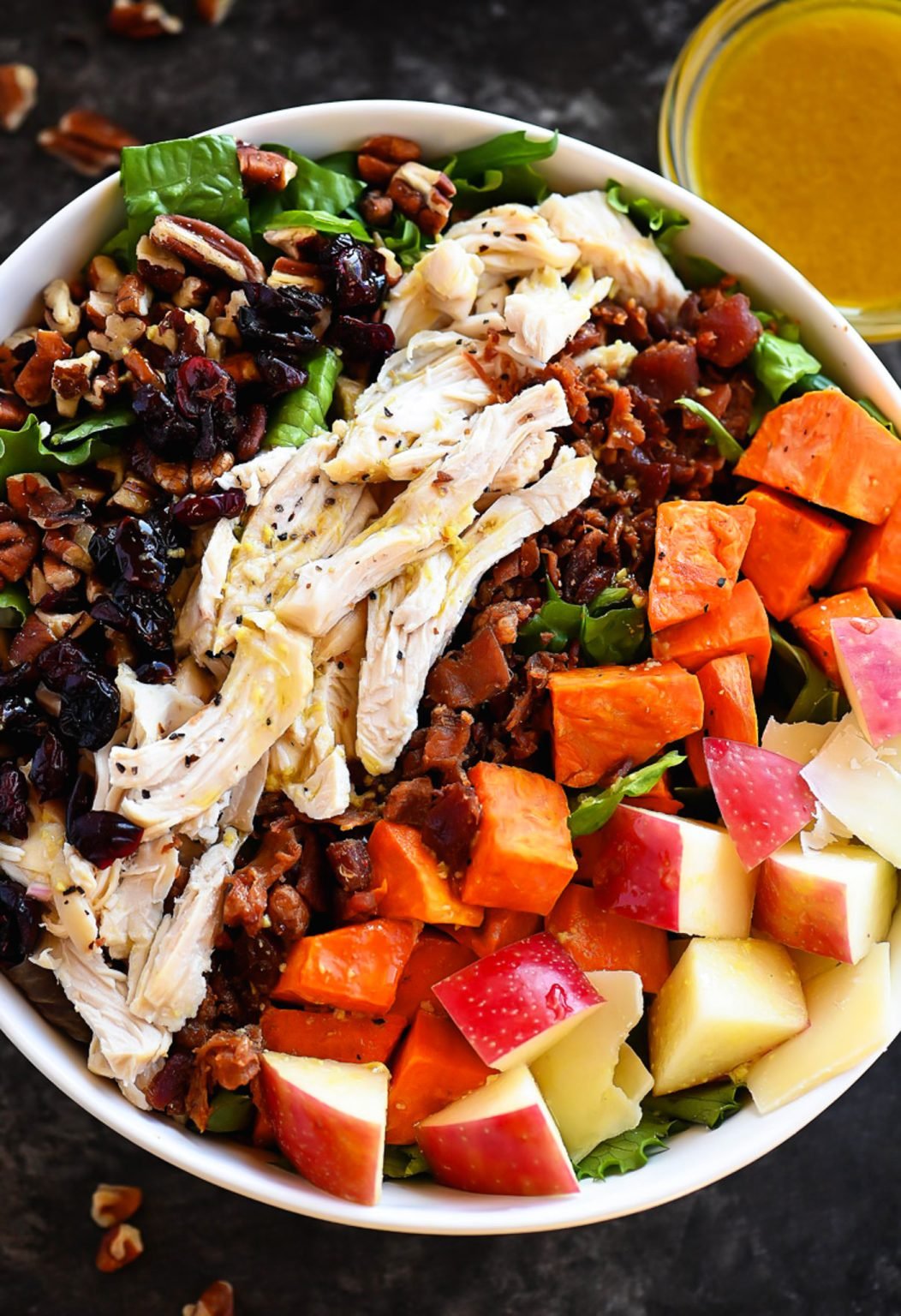
My kitchen counter looks like a produce stand exploded on it right now. Squash in three colors, a mountain of kale I swore I’d “use up eventually,” and enough sweet potatoes to feed a small army. Sound familiar? If your garden (or your farmers market habit) has gotten a little out of control this fall, you don’t need another bland roasted vegetable side dish. You need a bowl. A real one, with layers, crunch, a sauce that actually does something, and enough protein that you’re not hungry again in an hour.
I started building harvest bowls years ago because I got tired of watching half my garden haul go soft in the crisper drawer. A bowl is forgiving. It doesn’t care if your squash is a little lopsided or your greens are a mix of three different varieties because you couldn’t decide what to plant. Below are 11 of my go-to autumn harvest bowl recipes, the ones I actually make on repeat, plus a bonus one I only pull out when I’m feeling fancy.
What Makes a Great Fall Harvest Bowl
Before we get into the recipes, here’s my basic formula, because once this clicks, you can build your own bowls without a recipe at all: a hearty grain base, one or two roasted vegetables, something raw or pickled for crunch, a protein, and a sauce with some acid in it. Miss the acid and every bowl tastes flat, no matter how good your ingredients are.
I season everything separately. That’s the one habit that took my bowls from “fine” to “why does this taste like a restaurant made it.” Toss your roasted squash with its own spices, dress your greens on their own, and never assume the sauce will fix an underseasoned vegetable. It won’t.
1. Maple-Roasted Butternut Squash and Farro Bowl
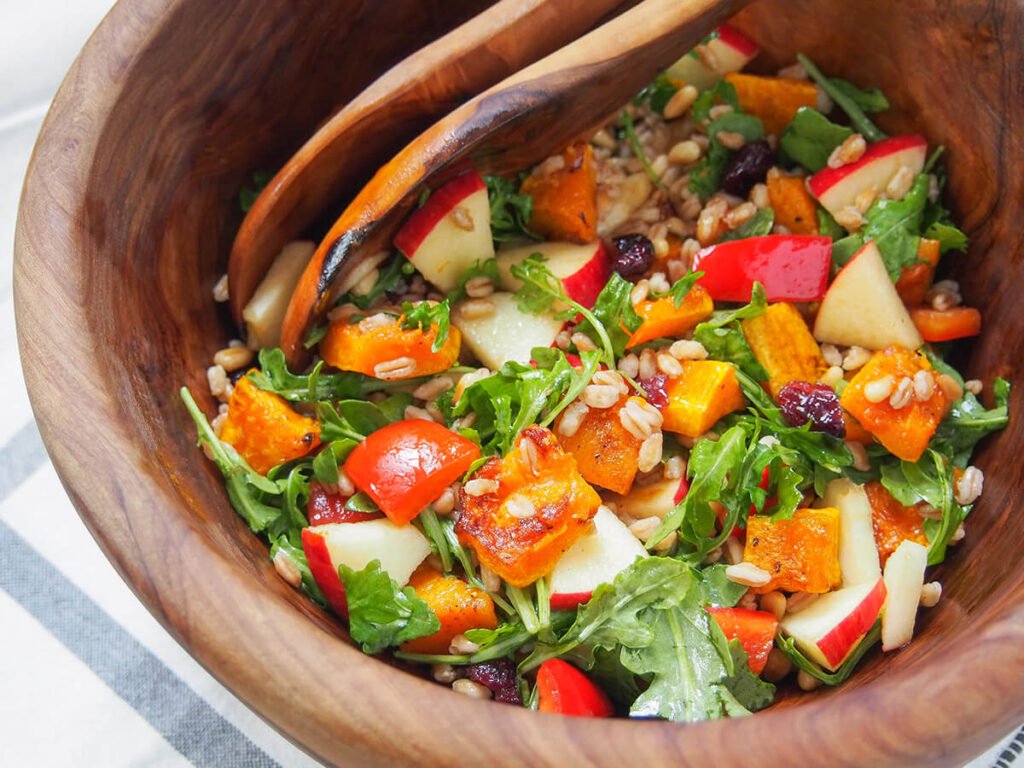
This is the bowl that got me into harvest bowls in the first place. Butternut squash roasted with maple syrup and a pinch of smoked paprika turns almost custardy at the edges, and farro gives you a chewy, nutty base that holds up to a hearty sauce.
I cube the squash small, about half an inch, so it roasts fast and caramelizes instead of steaming in the oven. Toss it with olive oil, maple syrup, smoked paprika, and salt, then roast at 425°F for 25 minutes, flipping once halfway through. Cook your farro separately in salted water or broth; it takes about 20 minutes and should still have a little bite to it.
Layer the farro, squash, a handful of arugula for peppery contrast, toasted pepitas, and crumbled feta. For the sauce, whisk tahini with lemon juice, a splash of maple syrup, and enough water to make it pourable. It sounds like an odd combination until you taste sweet squash against tangy tahini, and then you’ll understand why I make this bowl every single week from October through December.
Quick side note: if you don’t have farro, quinoa or wheat berries work fine here. I’ve even used barley in a pinch, though it needs closer to 30 minutes to cook.
2. Crispy Brussels Sprouts and Sweet Potato Buddha Bowl
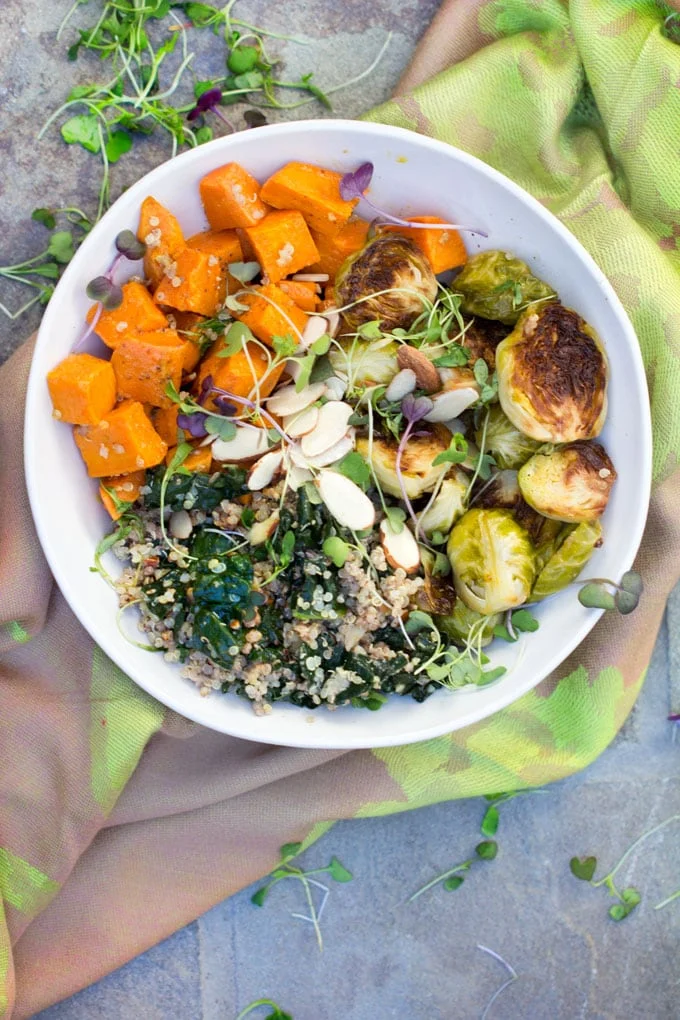
Brussels sprouts get a bad reputation from decades of boiled, mushy versions nobody enjoyed. Roasted hot and fast until the outer leaves char, they’re a completely different vegetable, and pairing them with sweet potato in the same bowl gives you that sweet-and-savory combination people search for constantly this time of year.
Halve your Brussels sprouts and cube your sweet potato roughly the same size so they cook evenly. I roast them on separate trays because sweet potato releases more moisture and I don’t want soggy sprouts. Both go at 400°F, sprouts for about 20 minutes cut-side down, sweet potato for closer to 30.
For the base, I like a simple brown rice or a mix of brown and wild rice for texture. Add the roasted vegetables, a scattering of dried cranberries for tartness, and toasted pecans for crunch. A simple apple cider vinaigrette, just vinegar, olive oil, Dijon mustard, and a touch of honey, ties the whole thing together without competing with the vegetables.
This bowl is one I make when I want something that photographs well but doesn’t take all evening. It’s become a regular request at my house, and honestly, it’s the one dish that converted my Brussels-sprouts-hating neighbor into someone who now grows her own.
3. Harvest Grain Bowl With Roasted Beets and Goat Cheese
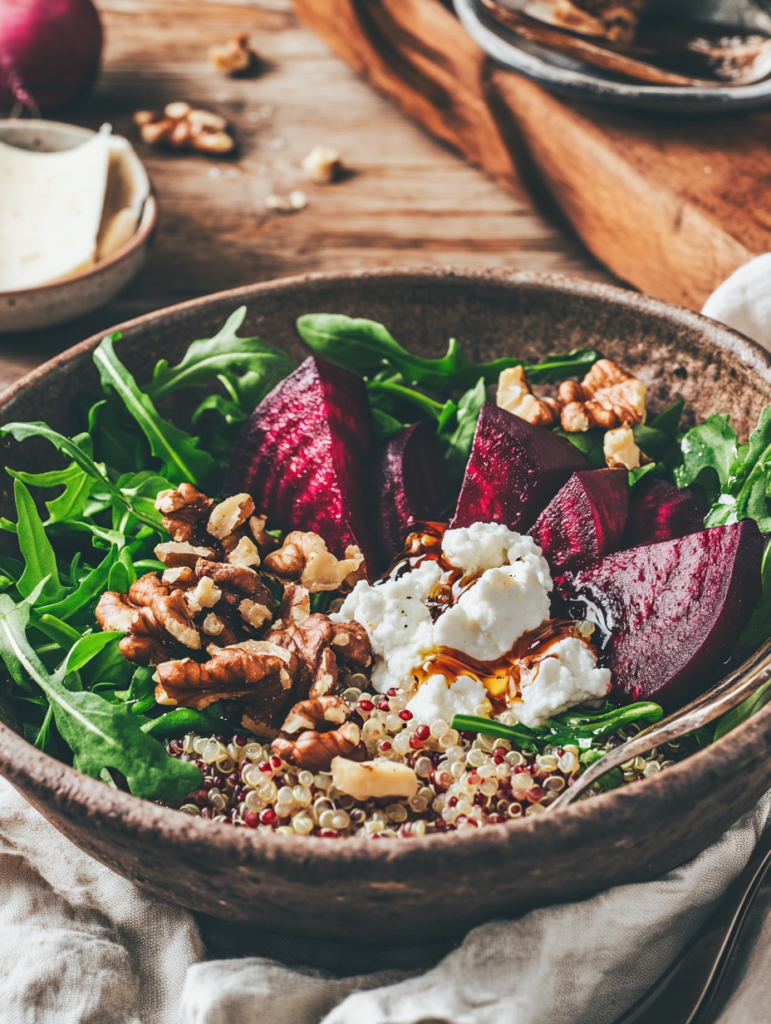
Beets are polarizing. I get it. But roasted beets with a good acidic dressing and creamy goat cheese is one of those combinations that changes people’s minds, and this bowl is my proof.
Wrap whole beets in foil and roast at 400°F for about an hour, or until a knife slides in easily. I know that’s a longer commitment than most bowl ingredients, but the hands-off roasting means you can prep everything else while they cook. Once cool enough to handle, the skins slip right off under running water.
Build your bowl with farro or quinoa, sliced roasted beets, crumbled goat cheese, a handful of toasted walnuts, and thinly sliced red onion that’s been soaking in a little vinegar to mellow its bite. Dress it with a simple orange vinaigrette, orange juice, olive oil, a little Dijon, salt, and pepper.
The colors alone make this one worth the effort, deep red beets against creamy white goat cheese and green herbs scattered on top. I usually make a double batch of roasted beets on a Sunday specifically so this bowl comes together in ten minutes on a weeknight.
4. Spiced Chickpea and Roasted Cauliflower Bowl
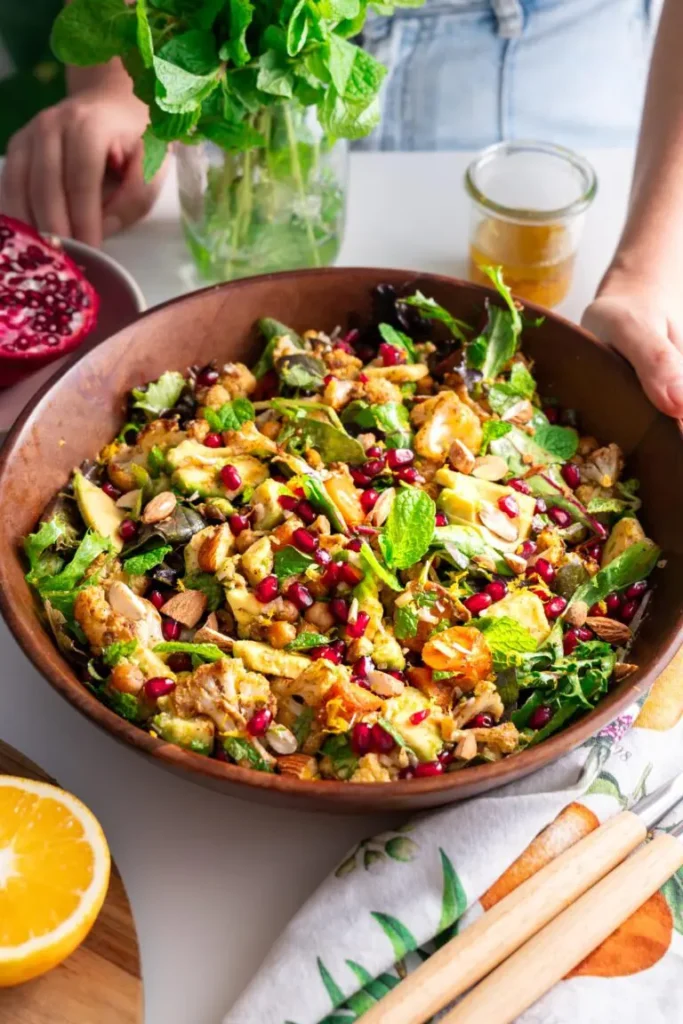
This is my go-to for a meatless dinner that still feels substantial. Roasted cauliflower gets tossed in the same warm spices as the chickpeas, so every bite has that toasty, cumin-forward flavor that makes people ask what’s in it.
Toss cauliflower florets and drained, patted-dry chickpeas together with olive oil, cumin, smoked paprika, coriander, and a pinch of cayenne if you like heat. Roast at 425°F for about 25 minutes, stirring once, until the chickpeas are crispy at the edges and the cauliflower has good color.
I build this bowl over a bed of couscous or rice, add a scoop of hummus right in the bowl instead of a separate sauce, and top it with chopped cucumber, tomato, and a sprinkle of parsley. A drizzle of tahini-lemon sauce finishes it off.
The chickpeas are the real star here, crispy enough that my kids eat them straight off the tray before they even make it into the bowl. I usually roast extra for exactly that reason.
5. Autumn Kale Caesar Bowl With Roasted Pumpkin
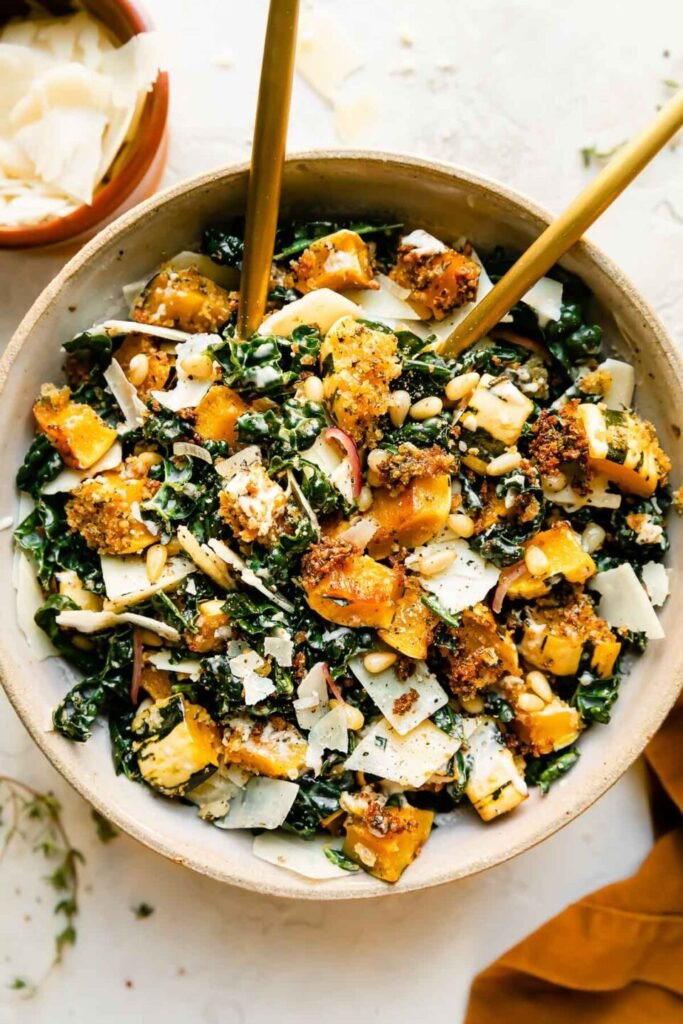
Pumpkin isn’t just for pie, and this bowl is my argument for putting it on the dinner table more often. Roasted pumpkin has a milder, less stringy texture than butternut squash, and it holds a savory caesar dressing beautifully.
Cube pie pumpkin or a small sugar pumpkin, toss with olive oil and salt, and roast at 400°F for about 30 minutes until fork-tender. While that’s happening, massage chopped kale with a little olive oil and lemon juice for a couple of minutes, this softens the leaves so the salad isn’t tough and bitter.
Combine the massaged kale, roasted pumpkin, shaved parmesan, and croutons, homemade if you have stale bread lying around, store-bought if you don’t. For the dressing, a lightened-up caesar with Greek yogurt instead of raw egg keeps it simple and still tastes rich.
I add grilled chicken here most nights, but it’s just as satisfying with white beans if you want to keep it vegetarian. Either way, this bowl proves pumpkin belongs in more than one dessert a year.
6. Wild Rice, Apple, and Roasted Turkey Bowl
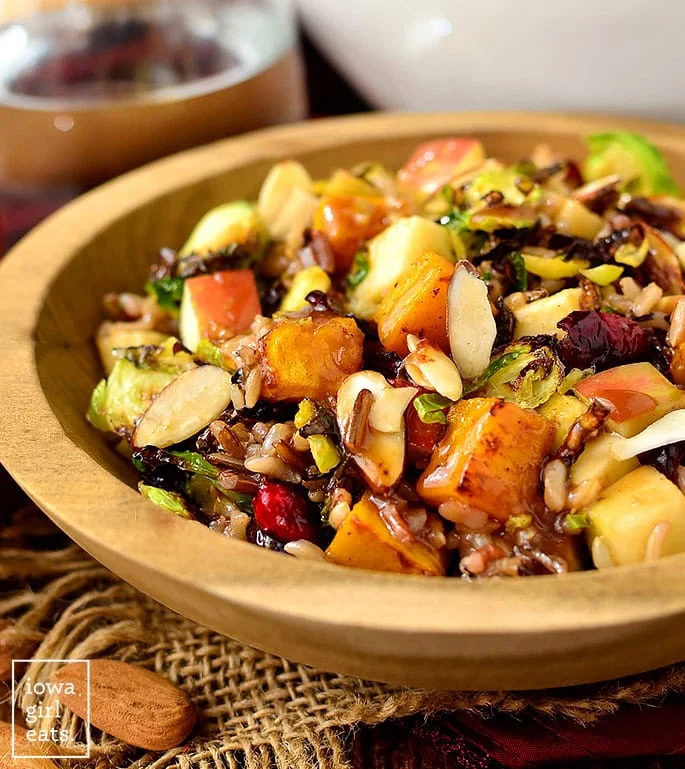
This is my post-Thanksgiving-leftovers bowl, though I make it plenty of times before the holiday too. Wild rice has an earthy, slightly smoky flavor that pairs perfectly with crisp apple and shredded turkey or chicken.
Cook wild rice according to the package, it usually takes 45 minutes to an hour, so I make a big batch and keep extra in the fridge for the week. Dice a tart apple, something like Honeycrisp or Granny Smith, and toss it with a little lemon juice so it doesn’t brown while you assemble everything else.
Layer the wild rice with shredded turkey, diced apple, crumbled blue cheese or sharp cheddar, and toasted walnuts. A maple-dijon vinaigrette pulls the sweet and savory elements together without overpowering the wild rice’s natural nuttiness.
This bowl always reminds me of the fall I planted three apple trees and completely underestimated how much fruit one tree alone would produce. I was giving apples away to neighbors, coworkers, basically anyone who’d take them, and this recipe was born out of pure necessity to use them up.
7. Miso-Glazed Sweet Potato and Edamame Bowl
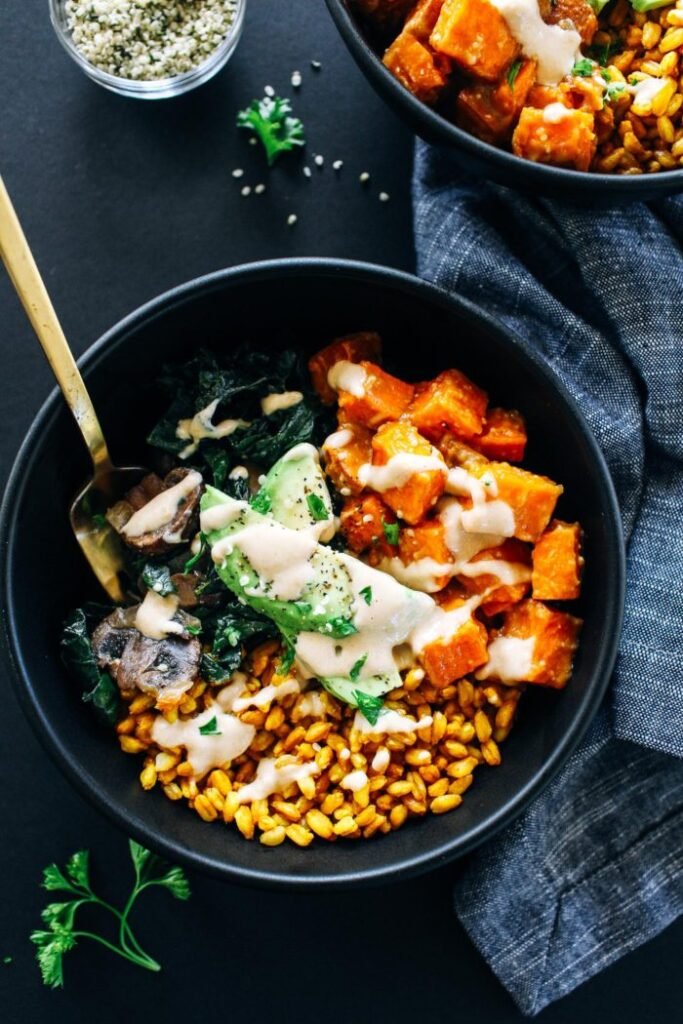
I know sweet potato shows up more than once on this list, but it earns its spot every time, and this Asian-inspired version is different enough to deserve its own entry. The miso glaze caramelizes into something almost candy-like at the edges.
Whisk white miso paste with a little rice vinegar, sesame oil, and honey, then toss with cubed sweet potato. Roast at 425°F for 25 to 30 minutes, flipping once, until sticky and browned. The smell alone will pull people into the kitchen.
Build the bowl over brown rice or soba noodles, add shelled edamame, shredded carrot, sliced scallions, and a sprinkle of sesame seeds. I drizzle a little extra sesame oil and a splash of soy sauce over the top instead of a separate sauce, keeping it simple.
This is the bowl I make when I want something that feels different from the usual fall flavors of cinnamon and sage. It’s proof that harvest vegetables work in more than one culinary direction.
8. Roasted Delicata Squash and Lentil Bowl
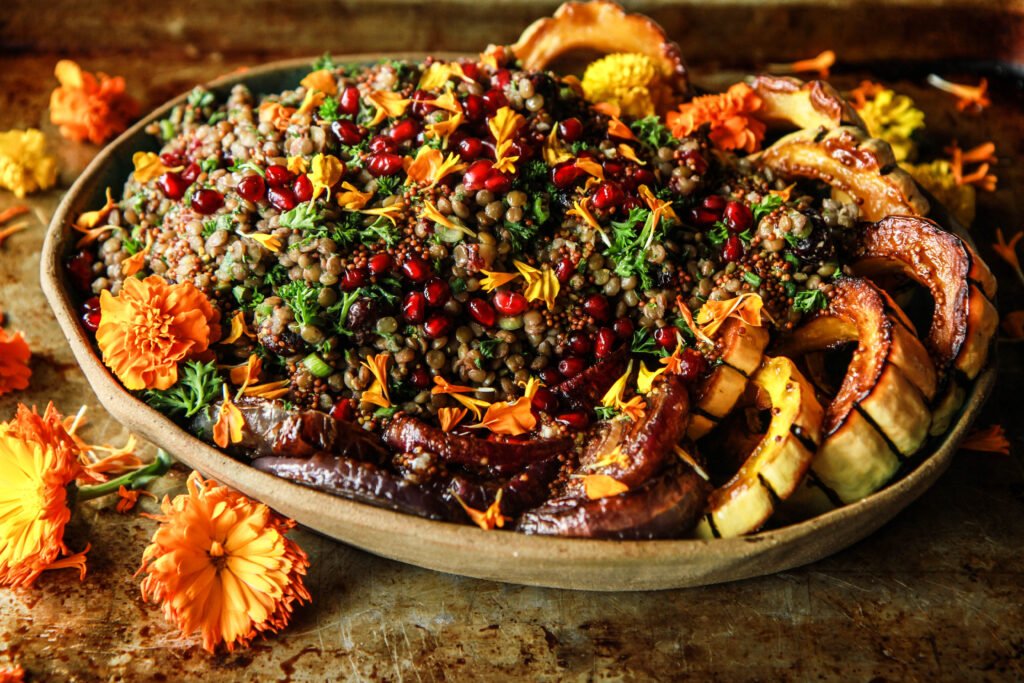
Delicata squash is my favorite squash to work with because you don’t have to peel it. The skin is thin enough to eat once roasted, which cuts my prep time in half and makes this one of my faster weeknight bowls.
Slice delicata into half-moons, toss with olive oil, salt, and a little cinnamon or nutmeg, and roast at 400°F for about 20 minutes until the edges brown. While it roasts, cook green or brown lentils in broth for extra flavor, they take about 25 minutes and don’t need soaking.
Combine the lentils and squash with a handful of baby spinach, which wilts slightly from the residual heat, crumbled feta, and toasted almonds. A simple lemon-tahini drizzle or even just a squeeze of lemon and good olive oil works here.
Lentils make this one of the more filling vegetarian bowls on the list, and it reheats better than most, which makes it my top pick for meal prep on a Sunday afternoon.
9. Harvest Cobb Bowl With Roasted Sweet Corn and Bacon
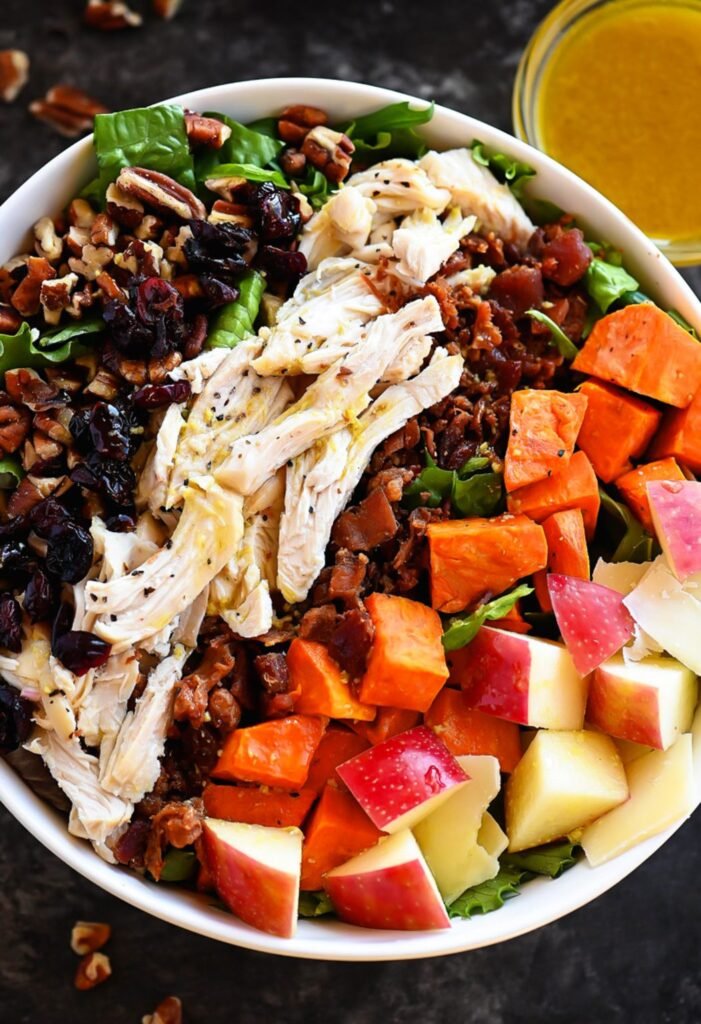
This one leans more indulgent, and I’m not going to apologize for it. Late-season sweet corn, roasted until it picks up some char, brings a smoky sweetness that regular boiled corn just doesn’t have.
Cut corn off the cob and roast it dry in a hot skillet or under the broiler for a few minutes until you see some brown spots. Cook bacon until crisp, then crumble it once it’s cooled enough to handle without burning your fingers.
Arrange the bowl cobb-style, in rows rather than tossed together, with mixed greens, roasted corn, crumbled bacon, hard-boiled egg, avocado, and cherry tomatoes if you can still find decent ones this late in the season. A buttermilk ranch or a simple vinaigrette both work depending on my mood.
I’ve found that arranging the ingredients in rows instead of mixing everything together makes people eat more vegetables without realizing it, mostly because it just looks more appealing on the plate.
10. Curried Cauliflower and Chickpea Bowl With Coconut Rice

Coconut rice might be the sleeper star of this entire list. Cooking your rice in coconut milk instead of water adds richness that plays perfectly against a spiced curry vegetable mix, and it takes zero extra effort beyond swapping the liquid.
Toss cauliflower florets and chickpeas with curry powder, turmeric, and olive oil, then roast at 425°F for 25 minutes. The turmeric turns everything a deep golden color that makes the bowl look far more impressive than the effort required.
Cook your rice with half coconut milk and half water so it doesn’t turn out too heavy, then build the bowl with the rice, roasted vegetables, fresh cilantro, and a squeeze of lime. A drizzle of extra coconut milk mixed with a little lime juice makes a quick sauce if you want one.
This bowl gets requested constantly once people try it, and it’s become my answer whenever someone asks for a dairy-free harvest bowl option, since there’s no cheese or yogurt sauce needed to make it feel complete.
11. Roasted Roots and Wild Mushroom Bowl
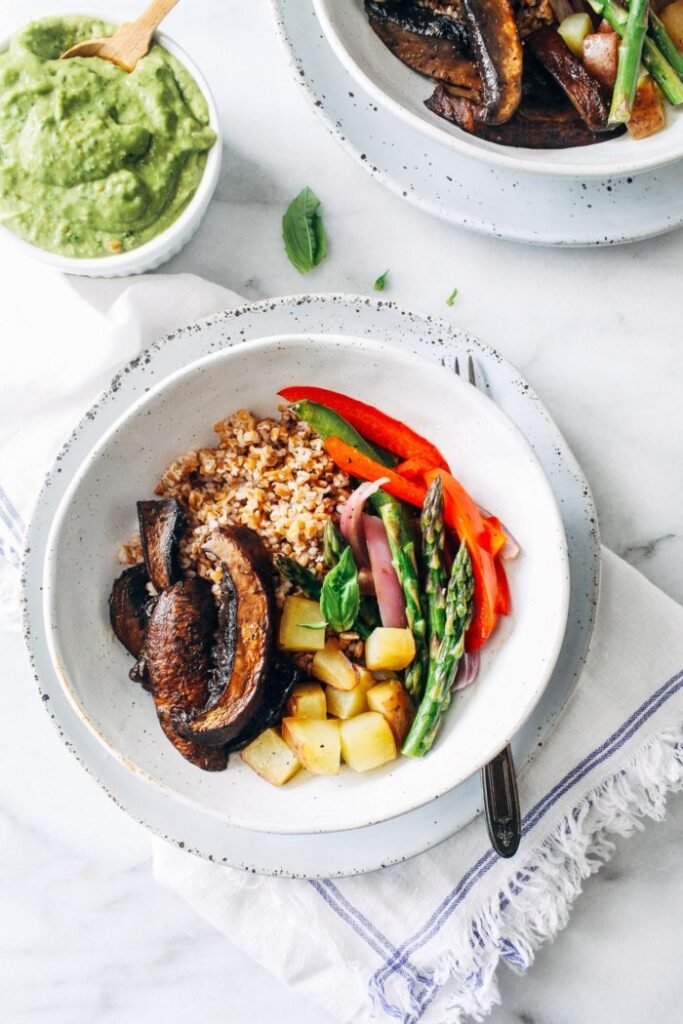
This is the most “fall in a bowl” recipe I make, full of the root vegetables that basically define the season. Carrots, parsnips, and turnips roasted together with sautéed wild mushrooms create an earthy, deeply savory bowl that feels like a warm hug.
Cut carrots, parsnips, and turnips into similar-sized pieces so they cook evenly, toss with olive oil, thyme, and salt, and roast at 400°F for about 35 minutes. Separately, sauté sliced mushrooms, cremini, shiitake, or a wild mix if you can find one, in butter until browned and slightly crisp at the edges.
Build the bowl over a base of creamy polenta instead of grains this time, it’s a nice change of texture and soaks up the flavors from the roasted vegetables. Top with the mushrooms, a few shavings of parmesan, and fresh thyme leaves.
This is the bowl I make on the coldest, greyest days of the season, when I want something that tastes like it took all day even though it really only takes about 40 minutes start to finish.
Bonus: Five-Minute Harvest Bowl for Lazy Nights
Sometimes you don’t have 40 minutes, and that’s fine. Keep a container of pre-roasted squash or sweet potato in the fridge, grab a bag of pre-cooked grains, add a handful of baby spinach, canned chickpeas rinsed and drained, and whatever cheese is in your fridge. Drizzle with olive oil, balsamic vinegar, salt, and pepper. It’s not fancy, but it uses up the same harvest ingredients and gets dinner on the table before you’re too hungry to care.
Real Talk: What Trips People Up With Harvest Bowls
Overcrowding the roasting pan is the number one mistake I see, and I’ve made it plenty of times myself. Vegetables need space between them or they steam instead of caramelize, and steamed squash in a harvest bowl is just sad. Use two trays if you need to.
Skipping the acid is mistake number two. Every bowl on this list has lemon, vinegar, or citrus somewhere in it, and that’s not an accident. Without it, even the best roasted vegetables taste one-note and heavy.
I’ve also found that pre-made bottled dressings are a total waste of money here, even the fancy ones that look nice on Pinterest. Homemade vinaigrettes take two minutes, use ingredients you already have, and taste noticeably better with fresh vegetables. Save the bottled stuff for a quick weekday salad where it doesn’t matter as much.
Last thing: don’t dress a bowl you’re planning to reheat as leftovers. Store the sauce separately and add it after reheating, or you’ll end up with soggy greens and mushy grains by day three. This one took me embarrassingly long to figure out.
Final Harvest Thoughts
Harvest bowls are less about following a recipe exactly and more about using what you’ve got before it goes bad. Once you understand the basic formula, grain, roasted vegetable, something crunchy, protein, sauce with acid, you can build a new bowl every week through the entire fall season without ever getting bored or wasting a single sweet potato.
What’s sitting in your fridge or your garden right now that needs a good harvest bowl built around it? Drop your ingredients in the comments below, and I’ll help you figure out a combination that works.

About Syprose Kiche
Syprose Kiche is the creator and writer behind My Besuited Home, a practical home and garden website covering DIY projects, gardening, lawn care, landscaping, home improvement, and outdoor living. She focuses on turning everyday homeowner questions into clear, practical guides backed by careful research and useful real-world considerations.