
Most garden gifts fail for one of two reasons. Either they’re decorative things a plant person already has too many of, or they’re cheap versions of tools that frustrate the person using them. A gnome with a solar light ends up in the garage. A flimsy trowel bends the first time it meets clay.
A small budget doesn’t have to mean a throwaway gift. Under $25, the best options tend to be the consumable, replaceable, or “I’d never buy this for myself” items: a good pair of snips, a moisture meter, a pack of fresh propagation vessels, a proper kneeling pad. These get used every week and make the hobby a little easier.
The list below is sorted by the kind of plant person you’re shopping for, with notes on what separates a good version from a bad one and when a gift will miss the mark.
A note on prices: The Amazon gift prices shift by season and brand, so treat “under $25” as the typical range for the item described, and check current listings before you buy. As an Amazon affiliate, we may earn a commission from your purchase at no additional cost to you.
Before You Buy: Three Questions That Narrow the List
Do they grow indoors, outdoors, or both? Houseplant people rarely need a long-handled anything. Outdoor gardeners rarely need a propagation station. Buying across that line is the most common mistake.
What do they already own? Almost every gardener has a trowel. Fewer have a soil knife, a pair of micro-tip snips, or a knee pad. Gifts that fill a gap beat gifts that duplicate something sitting in the shed.
Are they a beginner or a collector? A beginner benefits from foundational tools and simple monitoring gear. Someone with forty houseplants wants consumables and gear that makes routine care faster.
If you can’t answer these, lean toward the items marked as safe bets below: gloves in the right size, a kneeling pad, labels, a journal, or plant food.
Hand Tools Worth Giving
1. Bypass Hand Pruners
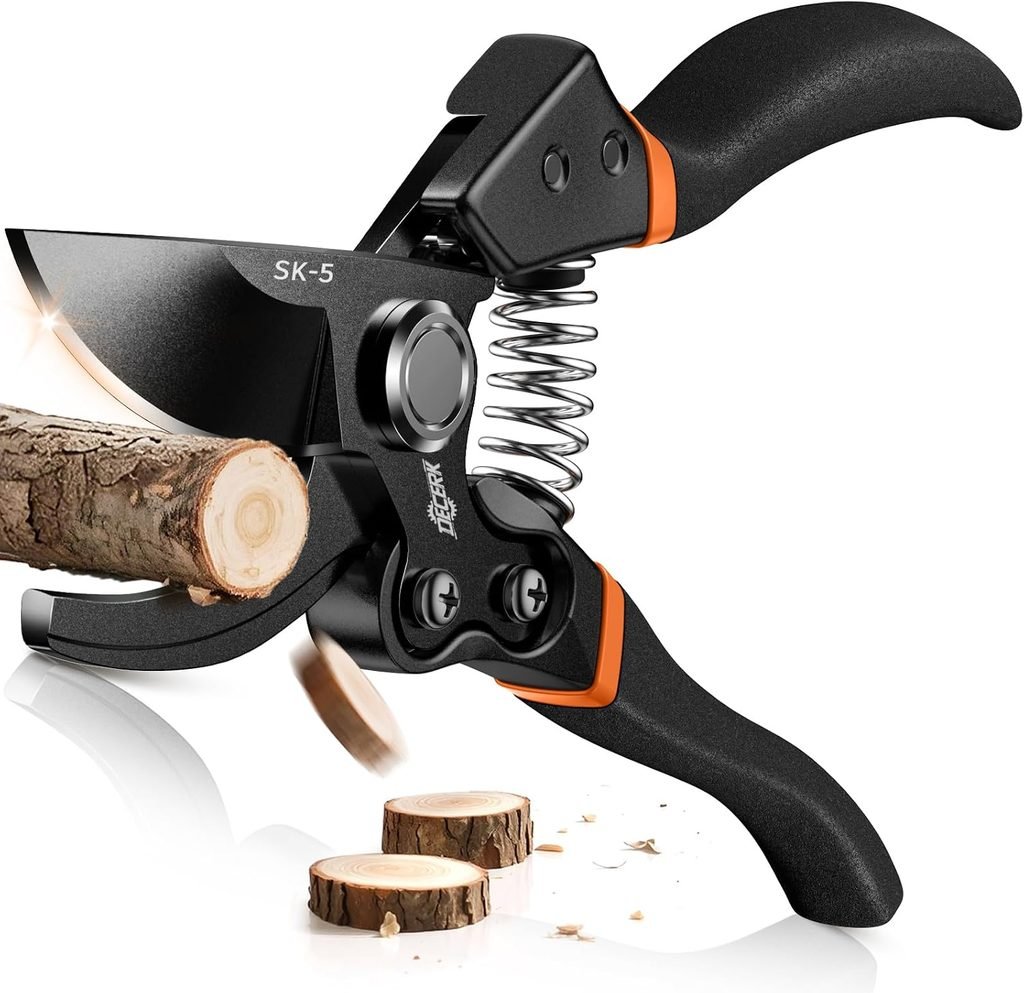
Bypass pruners cut with two curved blades that pass each other like scissors, which makes a cleaner cut on live stems than anvil-style pruners that crush the stem against a flat surface. Clean cuts matter because ragged wounds heal more slowly.
Under $25 you’ll find decent entry-level pairs, though not the premium models that cost several times as much. Look for a comfortable grip, a working safety lock, and blades that can be removed or sharpened. Skip pairs sold as “all-purpose” with tiny handles unless you know the recipient has small hands.
Good for: anyone with roses, shrubs, tomatoes or woody herbs. Not ideal for: someone who already owns a well-regarded pair; a second pair is only useful as a spare.
2. A Soil Knife
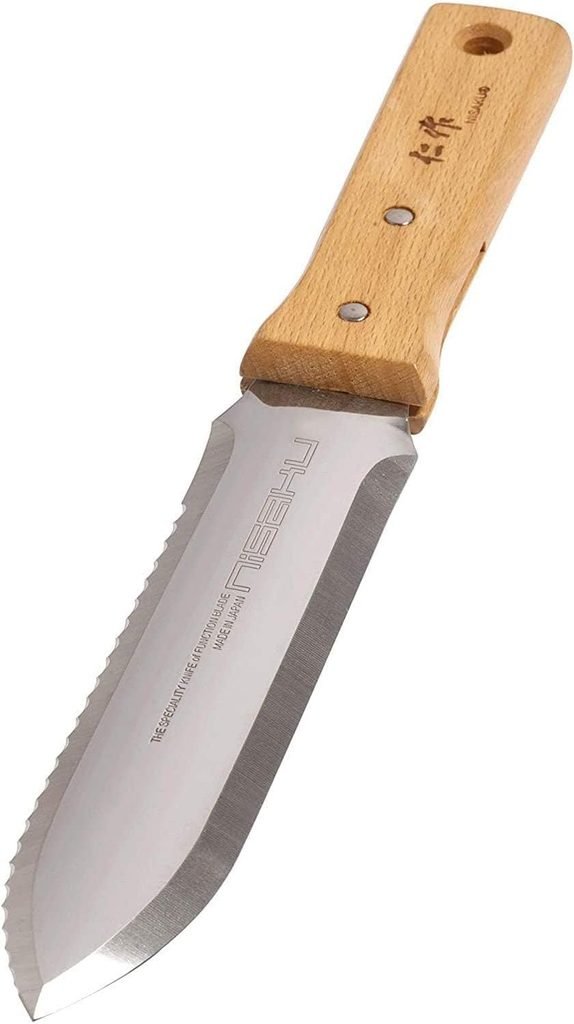
A soil knife is a single sturdy blade, usually with a serrated edge on one side and depth markings along the blade. It slices through sod, cuts roots, opens bags of potting mix, divides perennials and plants bulbs. People who’ve used one tend to reach for it before the trowel.
The cheap ones vary a lot. Check that the blade is thick metal rather than stamped thin sheet, and that the handle is secured, not just glued. A sheath is a bonus because a loose blade in a tool bucket is a hazard.
Good for: vegetable and perennial gardeners. Skip if: the recipient is a purely indoor plant person; it’s overbuilt for repotting a pothos.
3. Micro-Tip Snips
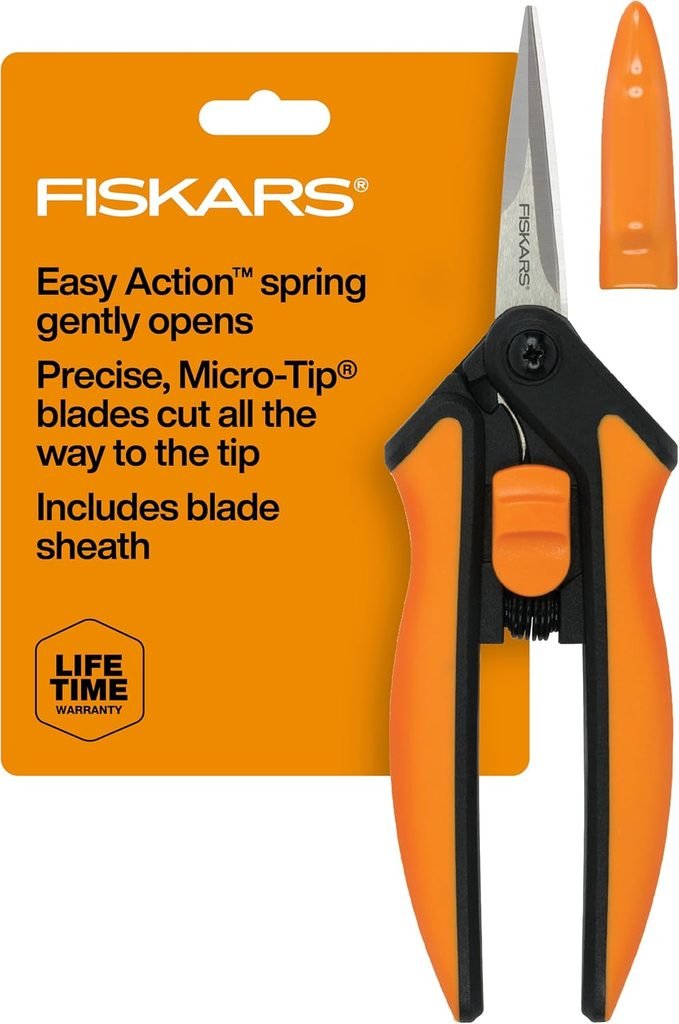
Small, thin-bladed snips are made for deadheading, trimming herbs, cutting flowers, and removing a single yellowing leaf without disturbing the plant. They’re one of the tools plant owners discover late and then use constantly.
Because they’re precise rather than powerful, they won’t cut thick stems. Don’t buy them as a pruner replacement. Spring-loaded versions reduce hand fatigue during long sessions.
Good for: houseplant and herb growers, flower gardeners, anyone who does a lot of fine trimming.
4. Gardening Gloves That Actually Fit
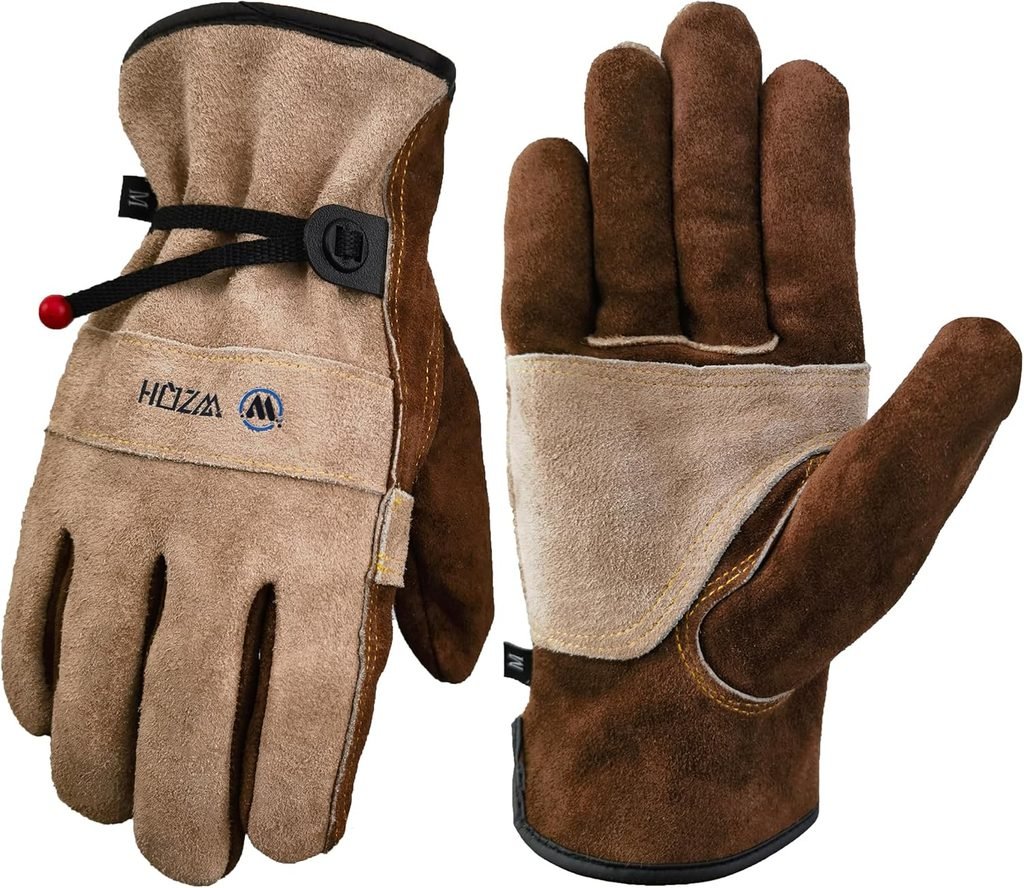
Gloves are a classic safe bet, but only when the sizing is right. Loose gloves slip, bunch up, and make fine tasks like seed sowing awkward. If you don’t know their size, don’t guess; pair a gift receipt with the gloves or choose a stretchy, nitrile-coated style that tolerates a range of hand shapes.
The coating matters more than the cuff. Nitrile or latex-coated palms grip wet stems and tools and keep soil off the skin. Leather suits thorny work like roses and brambles but is stiff and often costs more.
Good for: nearly everyone who gardens outdoors. Skip if: you can’t gauge size and can’t include a return option.
5. A Kneeling Pad
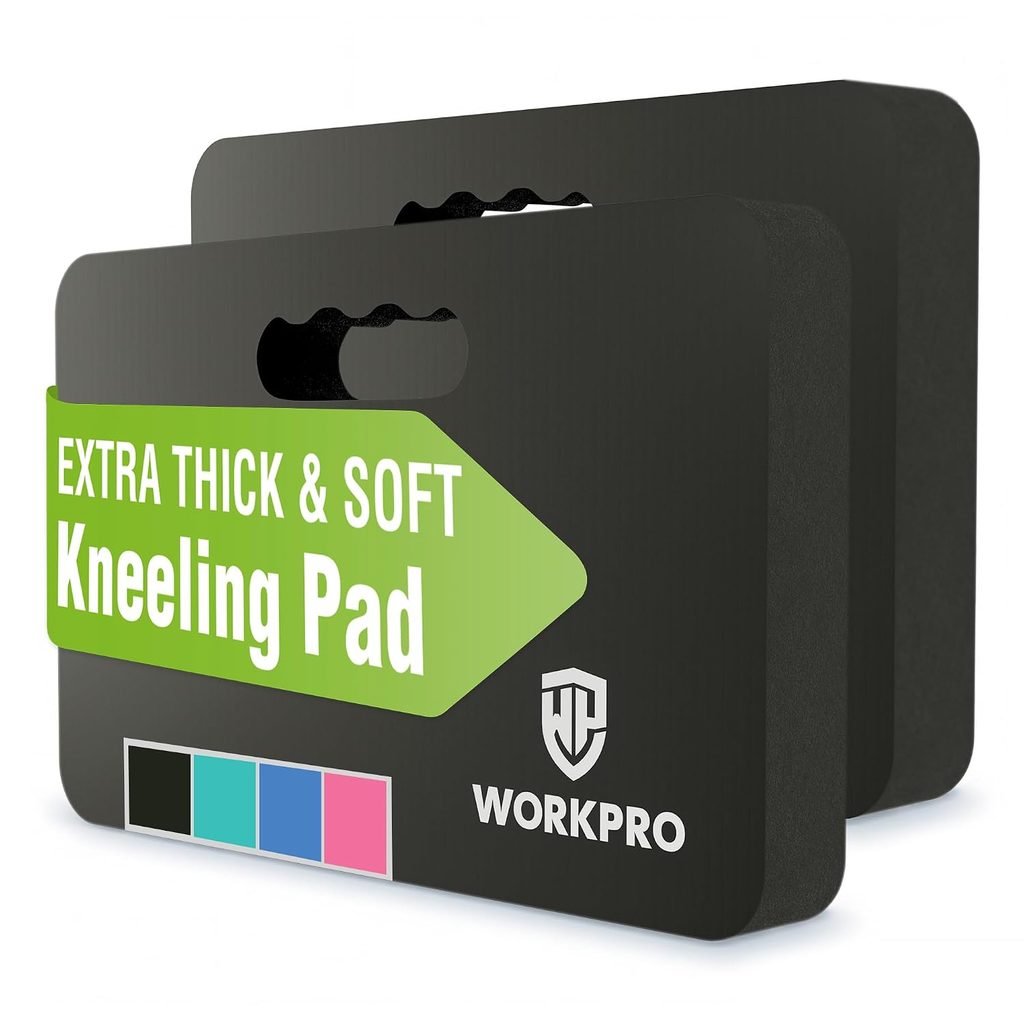
A thick foam pad or kneeler is the kind of gift that sounds boring and then gets used for years. Knees and lower backs are the first thing to complain during long weeding or planting sessions, and a pad is cheaper than almost any alternative.
Choose closed-cell foam, which doesn’t soak up water, and a wipeable surface. A pad with a handle is easier to carry between beds. Folding stool-and-kneeler combos are usually above $25.
Good for: anyone who weeds, plants bulbs, or tends low beds, especially older gardeners.
Watering and Plant Care Gear
6. A Long-Spout Watering Can
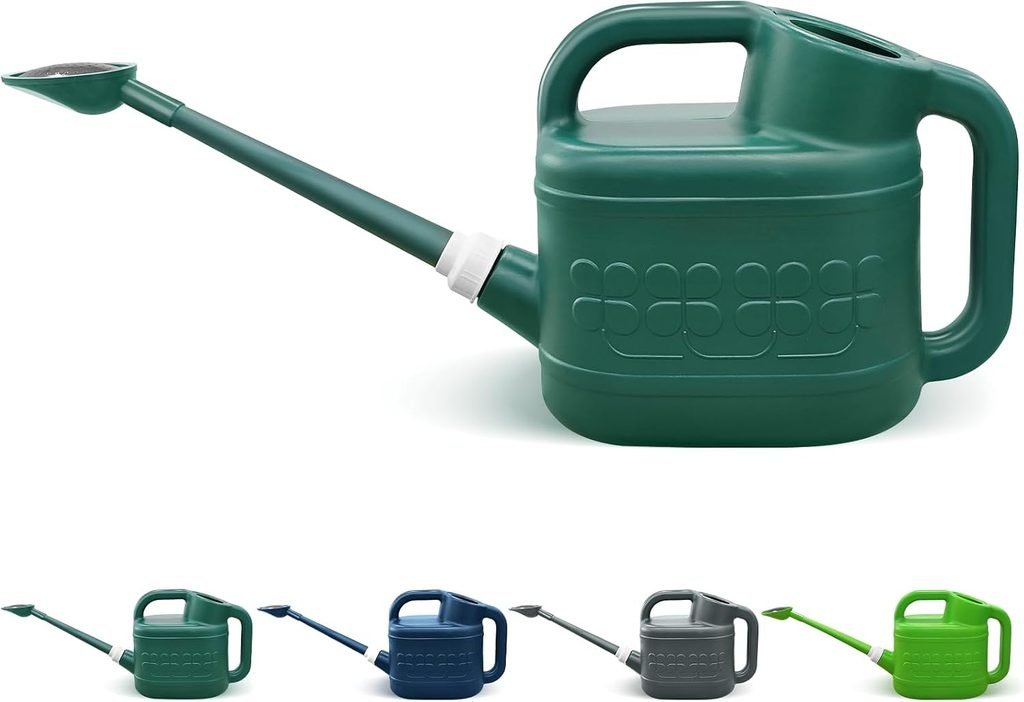
Houseplant watering is mostly about placing water at the soil line, not over the foliage, and that’s difficult with a wide-spouted jug. A narrow, long spout reaches under leaves and into crowded shelves. A small capacity (around a liter or less) is easier to control than a large one.
Metal cans last longer than thin plastic, though good plastic versions exist. Check that the spout is detachable for cleaning and that the handle balances the can when it’s full.
Good for: anyone with more than a handful of indoor plants. Not ideal for: outdoor gardeners who water large beds; they’ll want volume.
7. A Soil Moisture Meter
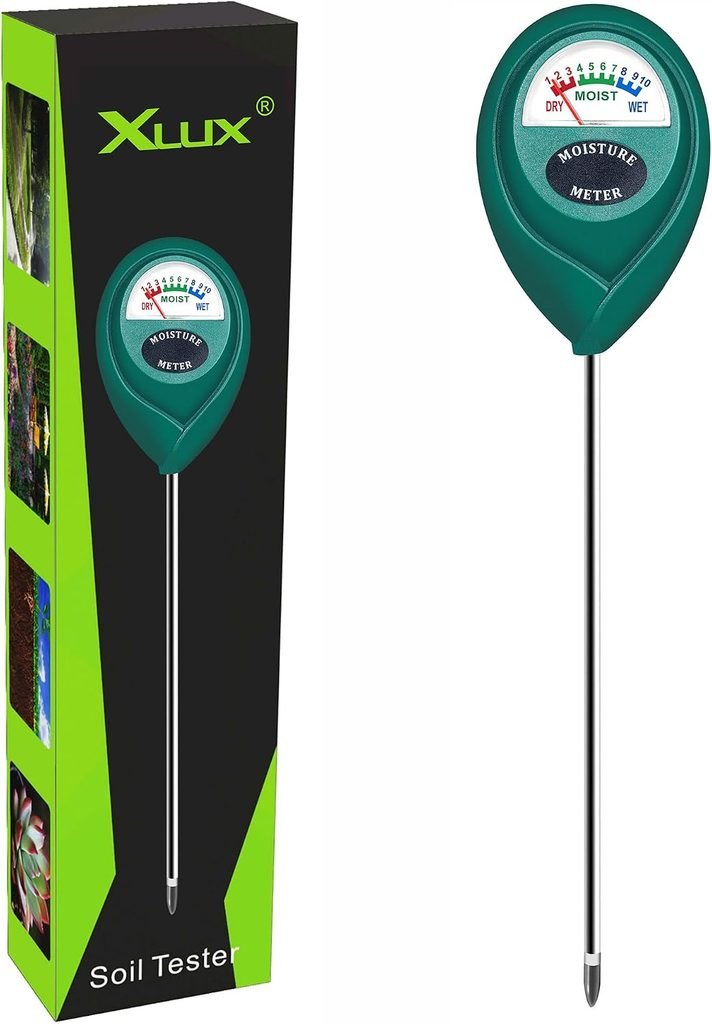
Overwatering is a leading reason houseplants die, and many plants can’t be reliably judged by the surface of the soil. A simple probe-style meter gives a reading deeper down.
Be honest in how you give it, though. Inexpensive analog meters can be inaccurate and respond to fertilizer salts and soil type, so they work best as a rough guide rather than a precise instrument. Pairing the gift with the old trick of pushing a finger two inches into the soil makes the gift more useful, not less.
Good for: new plant owners and anyone with a plant that keeps dying for unknown reasons. Skip if: the recipient is an experienced grower who already trusts the finger test.
8. Liquid Houseplant Fertilizer
A small bottle of balanced liquid fertilizer is an unglamorous but useful consumable. Plants in pots use up the nutrients in potting mix over time, and a diluted feed during the growing season replaces them.
Buy a general-purpose formula unless you know the plant: orchid, cactus and African violet products are specifically balanced and not interchangeable with general feeds. Fertilizer must be diluted to the label directions; overfeeding burns roots. Keep it away from pets and children.
Good for: someone with a mixed collection. Skip if: you don’t know whether they’re already using a slow-release feed.
9. Yellow Sticky Traps
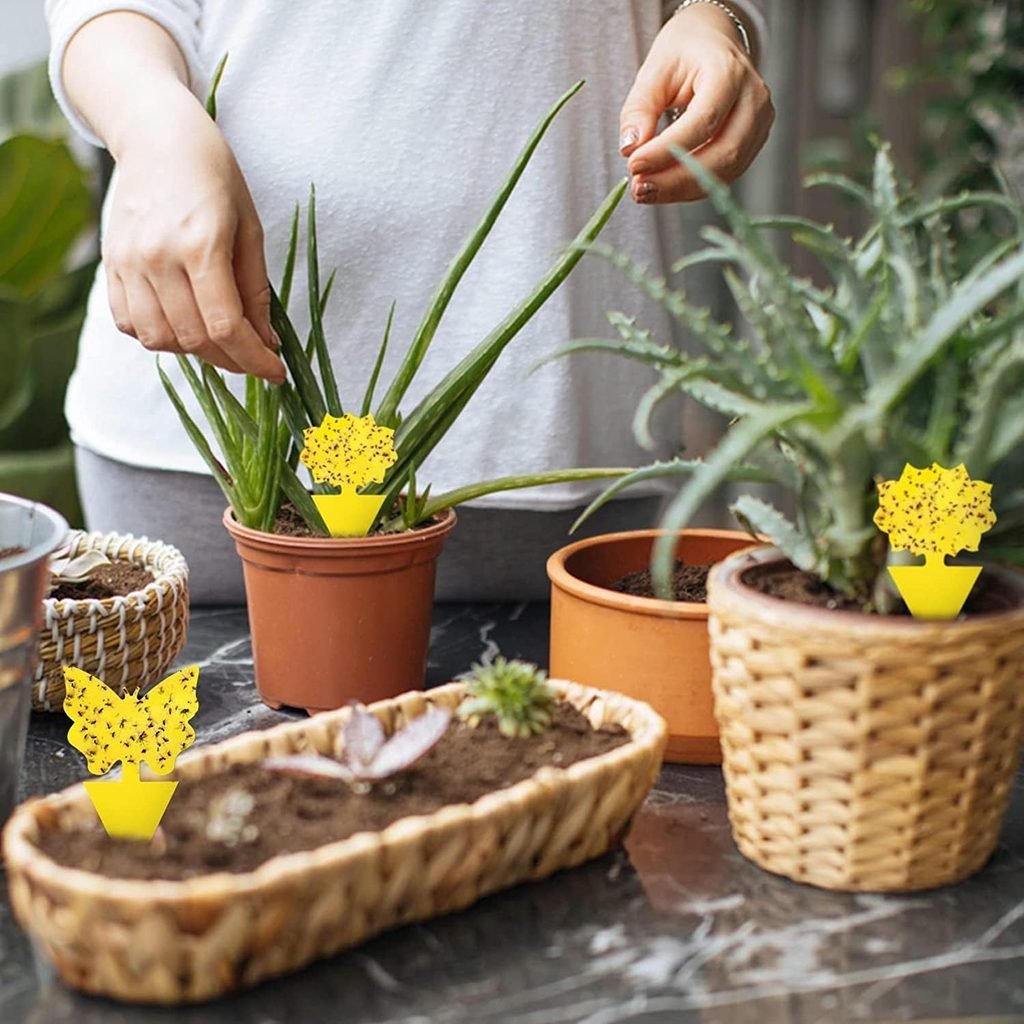
Fungus gnats and other small flying pests are a persistent annoyance in houseplant collections. Yellow sticky traps catch adult insects and help the owner see how bad the problem is. They don’t fix the cause, which is usually soil that stays too wet, so pair them with a moisture meter or a note about letting the top inch or two dry out.
They’re a practical “stocking stuffer” item rather than a showpiece. Keep them away from pets and small children, and wear gloves when peeling them apart.
Good for: indoor growers with recurring gnat problems.
10. A Repotting Mat
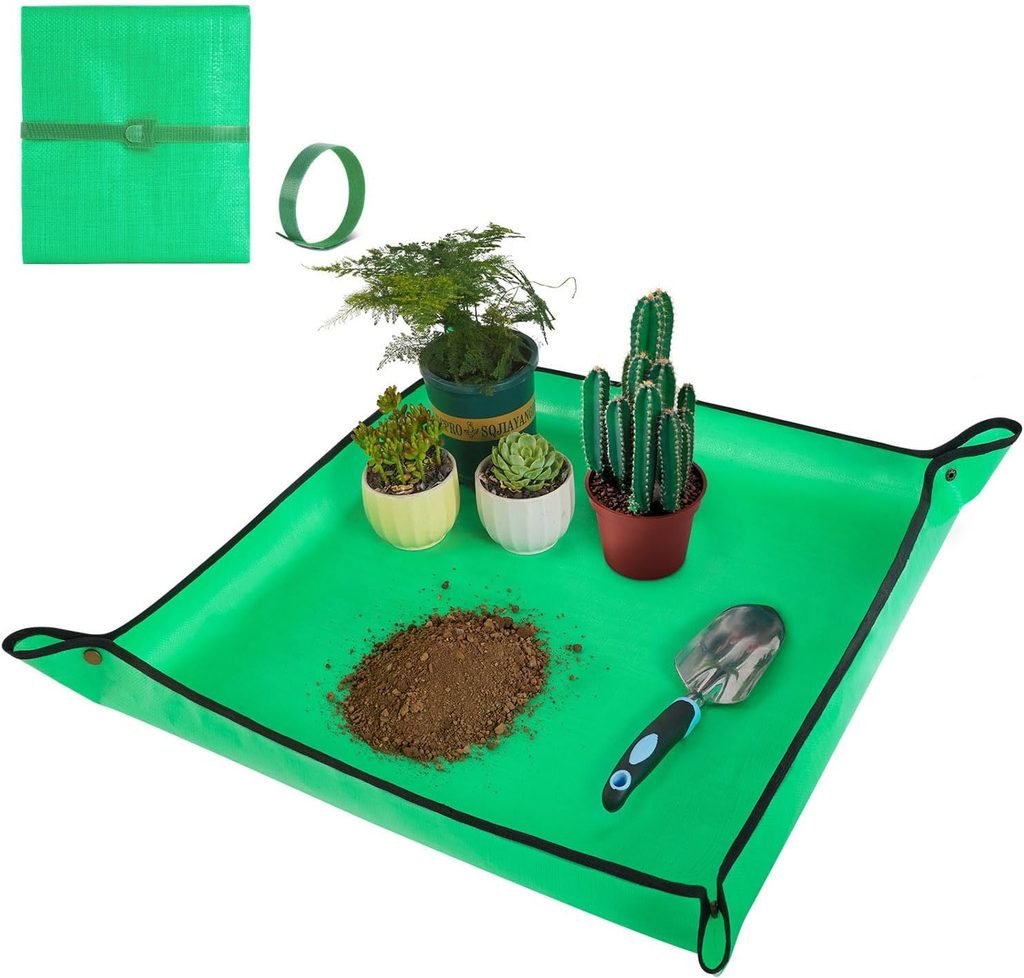
Repotting is messy. A waterproof mat with raised edges, sized to cover a table or floor, keeps soil off surfaces and makes cleanup a matter of tipping the mat into a bin. Fold-up silicone or heavy waterproof fabric versions are common in this price range.
Choose a size generous enough for a medium pot plus a bag of soil. A mat that’s too small is nearly pointless.
Good for: apartment gardeners and anyone who repots indoors.
Containers and Display
11. Small Planters With Drainage and a Saucer
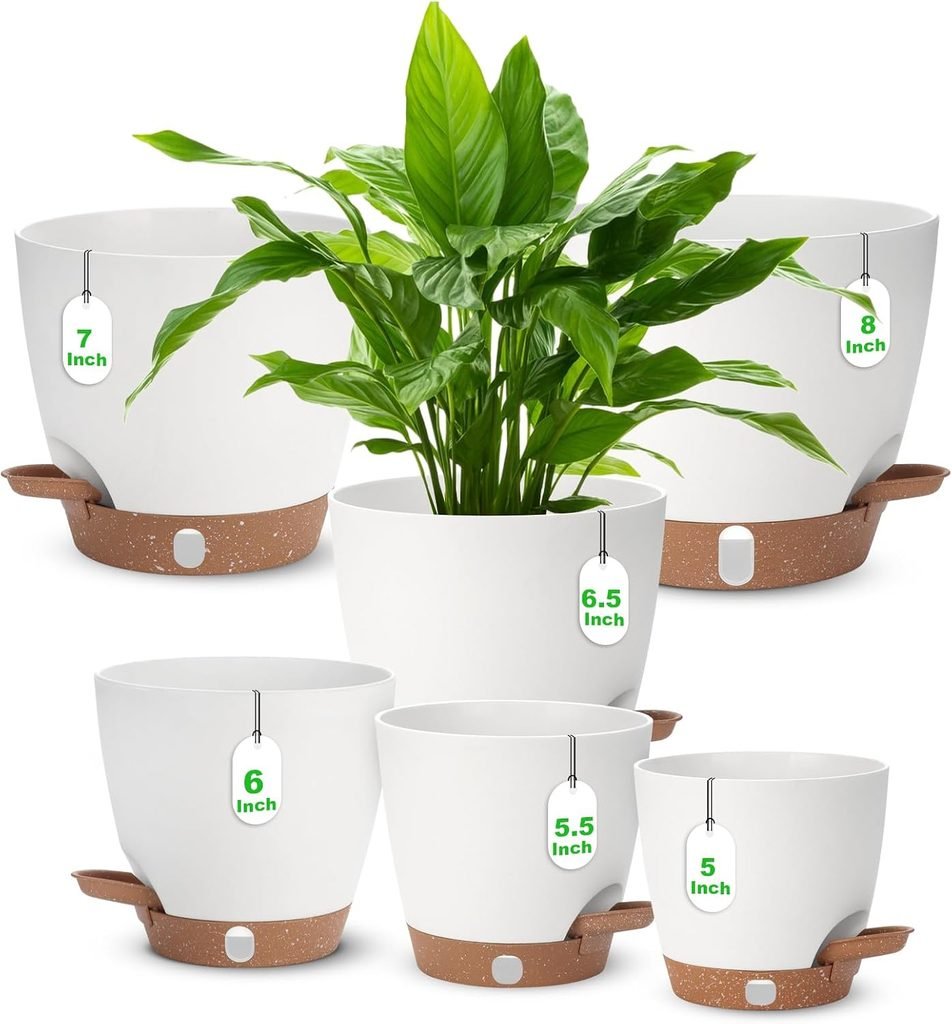
A pot without drainage holes is a gift that can do harm if the recipient doesn’t know how to manage it. Water sits at the bottom, roots rot, and the plant slowly declines. If you give a decorative pot, give one with holes and an attached or separate saucer, or one designed as a cachepot that the plant’s nursery pot can sit inside.
Terracotta breathes and dries faster, which suits succulents and plants prone to rot, but it also needs more frequent watering. Glazed ceramic holds moisture longer. Match the material to the plant, and keep the size modest: a plant in a pot far larger than its root ball stays wet for too long.
Good for: a specific plant you know they own. Not ideal for: guessing at sizes blindly.
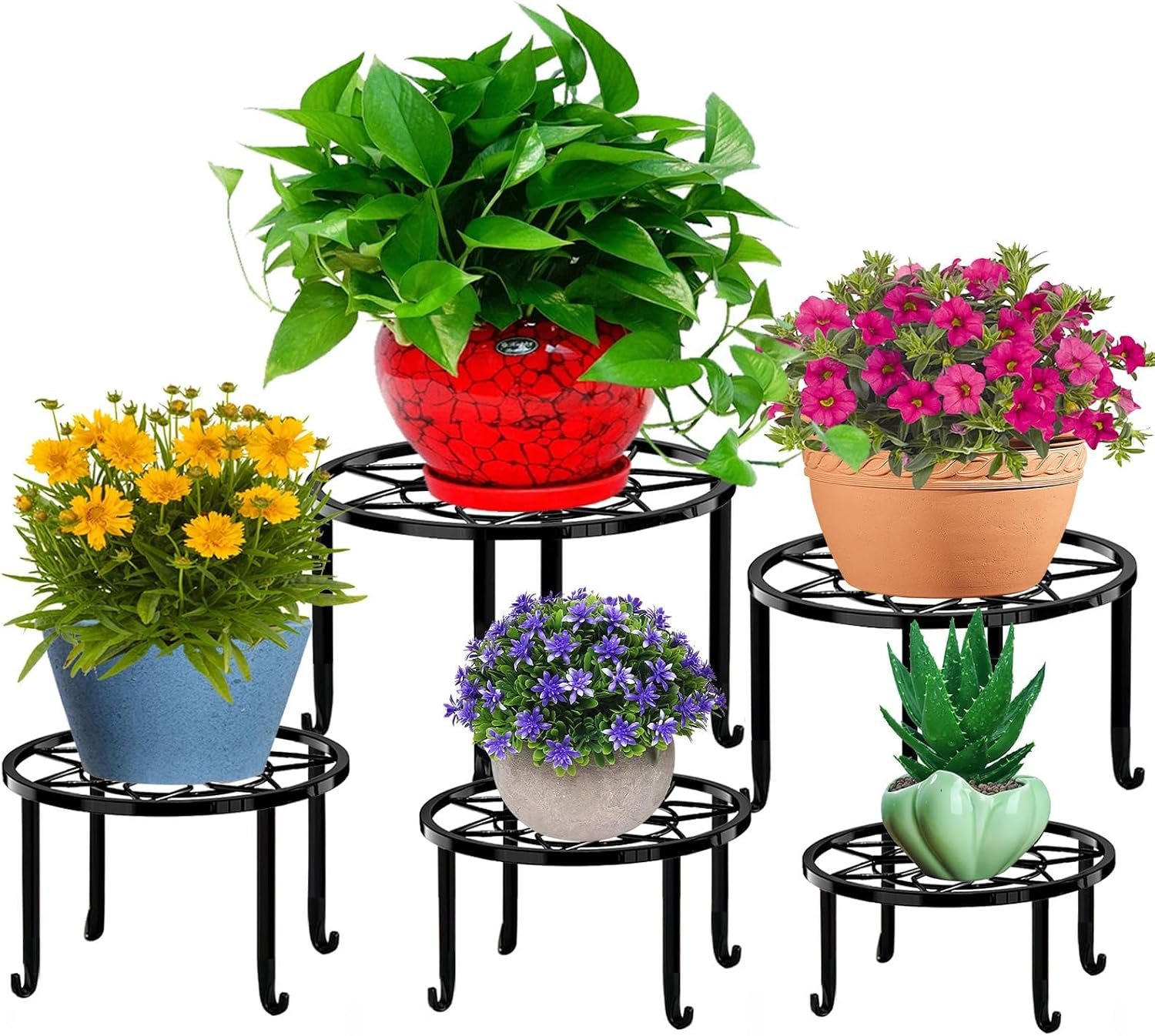
12. A Small Plant Stand
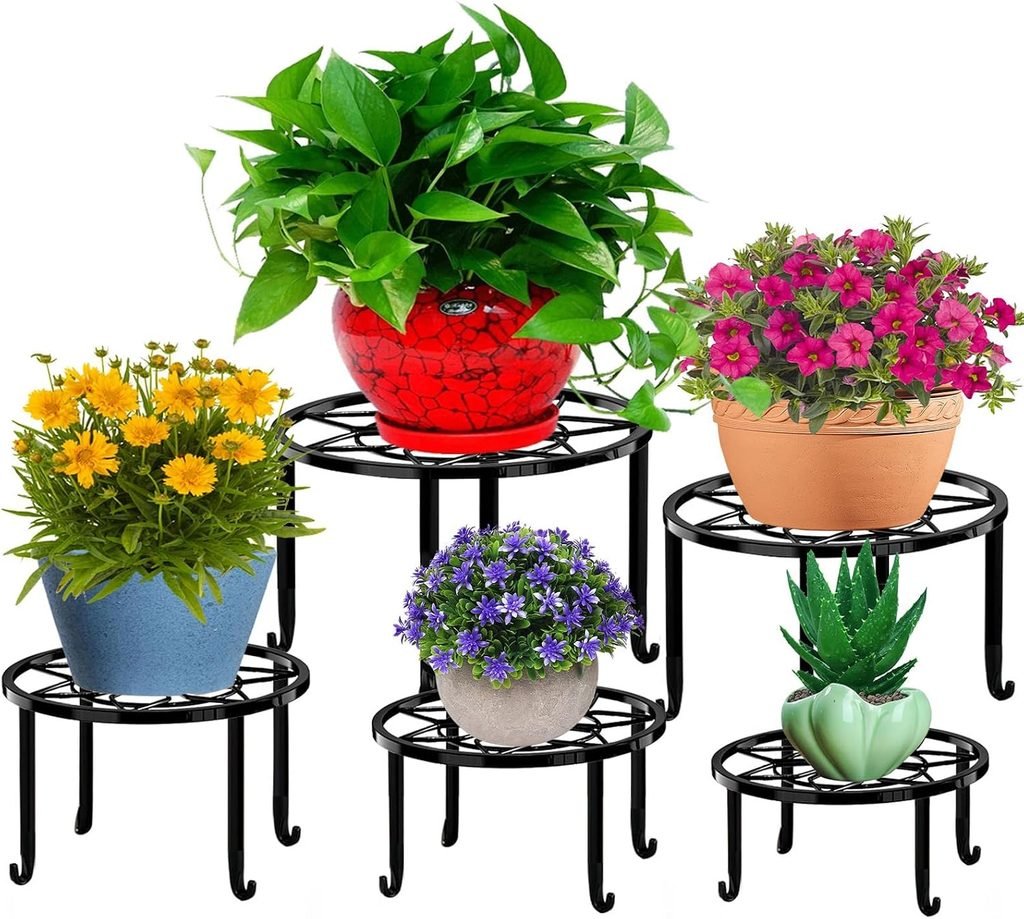
A stand lifts a plant into better light, adds height to a crowded windowsill, and keeps pots from marking furniture. Under $25 you’ll typically find single bamboo, metal or wood stands, often in stackable or tiered designs.
Check weight capacity and stability before buying. A cheap stand holding a large, heavy pot can tip. Bamboo and untreated wood may warp if they get wet regularly, so a saucer underneath is still necessary.
Good for: people short on shelf or windowsill space.
13. Propagation Vessels
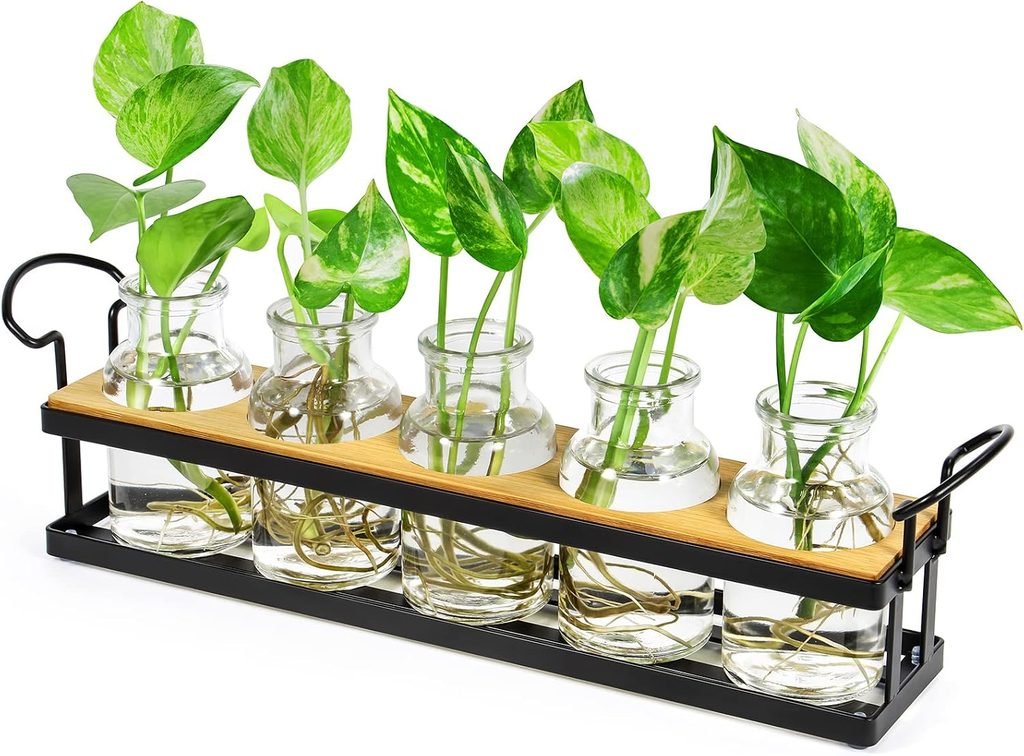
Propagating from cuttings is satisfying and free, and many plants, such as pothos, tradescantia, monstera and philodendron, will root in water. Slim glass tubes, small test-tube style vases, or a wall-mounted rack make cuttings visible and easy to share.
One limitation: not every plant roots well in water, and plants that do can struggle when moved to soil afterward. Succulents, for instance, generally root better in dry mix. A good gift pairs vessels with a short note about which common houseplants root readily.
Good for: people who like sharing cuttings with friends.
Light, Seeds and Growing Kits
14. A Clip-On LED Grow Light
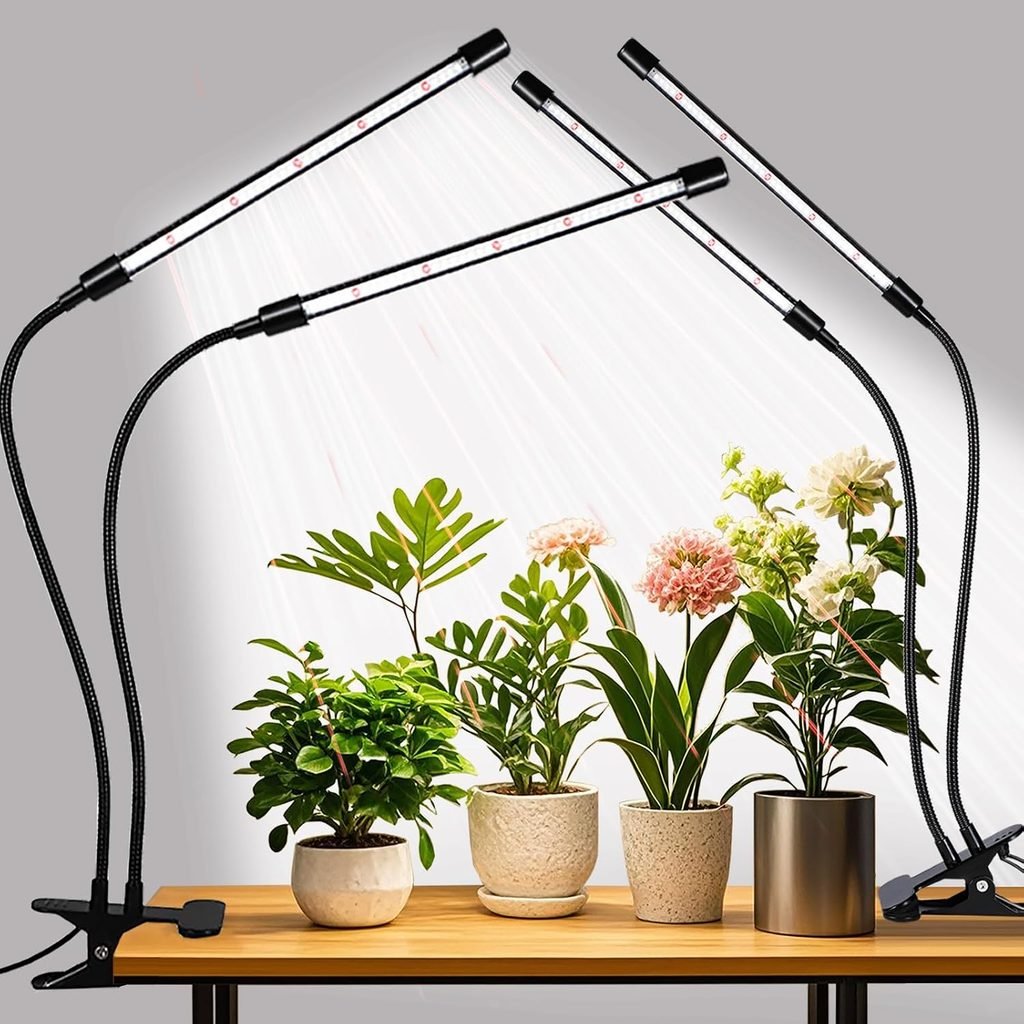
Dim apartments are tough on plants. A clip-on LED lamp aimed at a shelf or windowsill can supplement natural light, especially in winter, and extend the range of plants a person can keep.
Under $25, check the product listing for the type of light (full-spectrum is the useful kind), whether there’s a built-in timer, and whether the stand or clip will hold securely on the furniture the recipient actually uses. Don’t count on a small clip lamp to light a large tropical plant far from a window. It’s best for herbs, seedlings, succulents and small foliage plants.
Good for: people with limited natural light. Skip if: the recipient has bright south-facing windows and a collection that’s already thriving.
15. A Seed-Starting Tray Kit
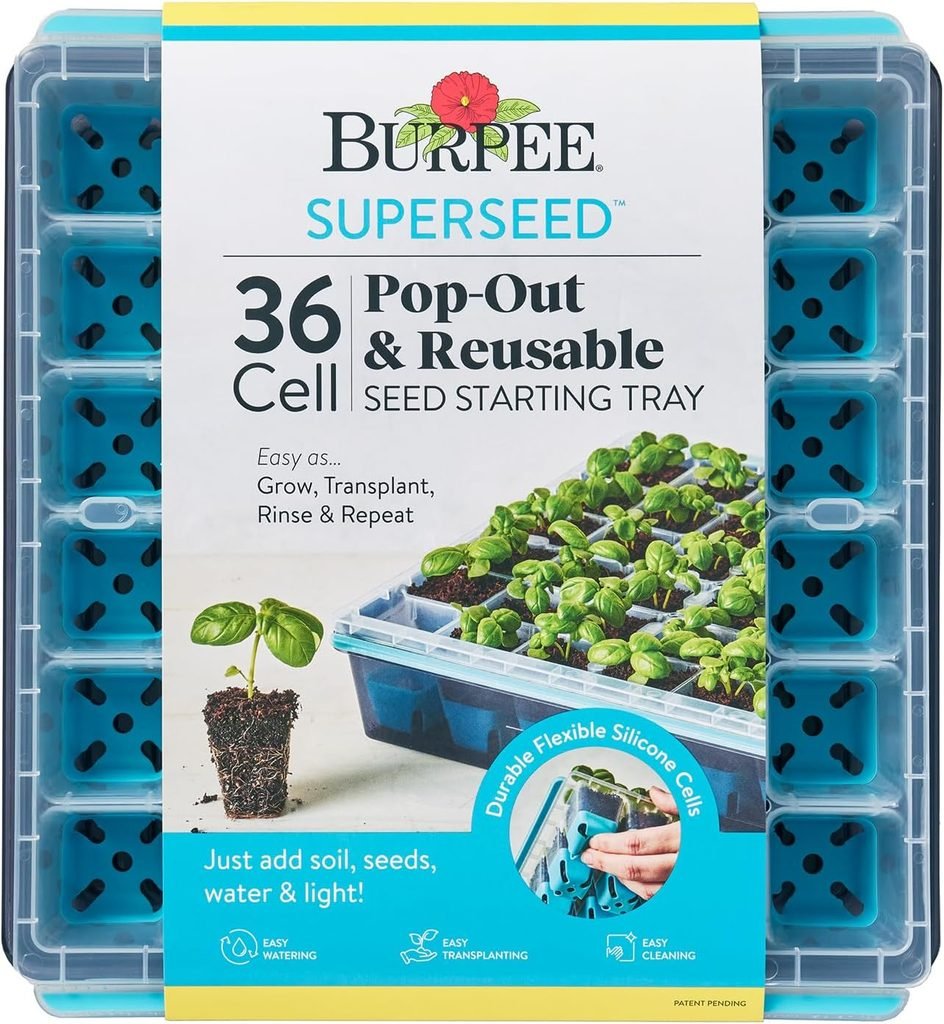
Starting seeds indoors is cheaper than buying transplants and offers far more variety. A tray with cells, a clear humidity dome, and sometimes peat or coir pellets is a good entry point.
This gift suits outdoor gardeners, but the timing matters. Give it a few weeks before the last expected frost in their area, not in the middle of summer. Pair it with a few seed packets suited to what they grow, and note that most seeds need warmth and light rather than just a windowsill.
Good for: vegetable and flower gardeners planning ahead. Not ideal for: someone with no indoor space for trays.
16. A Bulb-Forcing Kit
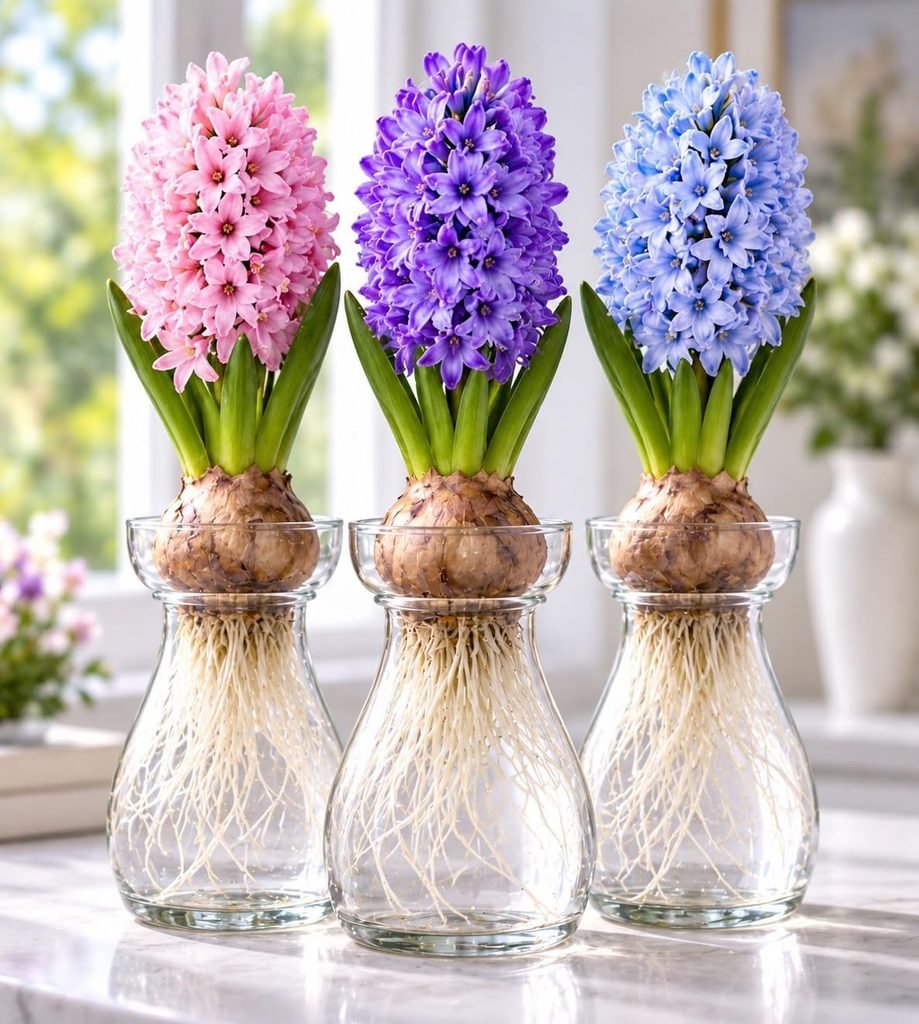
Paperwhite narcissus and amaryllis bulbs can be forced to bloom indoors in winter. A kit with a bulb, a container and growing medium is an easy, seasonal gift that delivers flowers within weeks.
Pets are the catch: narcissus and amaryllis bulbs are toxic if eaten, according to common pet safety references such as the ASPCA’s plant lists, so households with dogs or cats should be careful about where they put the pot. Paperwhites also tend to flop without support; a taller container or some twine helps.
Good for: anyone who wants winter color. Skip if: the recipient has a pet that chews plants.
17. Windowsill Herb Pots
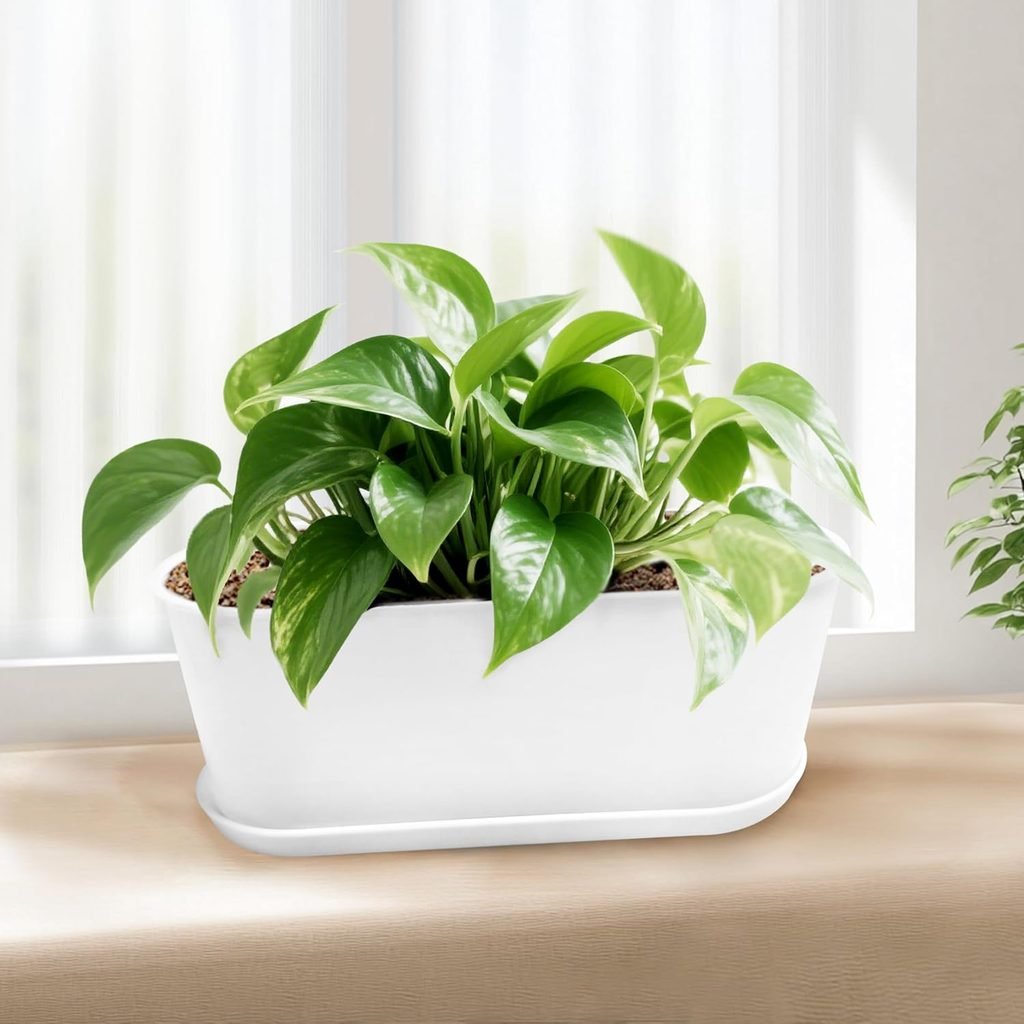
A set of small pots with basil, parsley, chives or mint is useful, though honesty helps: herbs on a windowsill often struggle in low light, and basil in particular prefers warmth and strong sun. Seeds or live plants are a better choice than “just add water” gadgets that rarely produce a lot.
Mint is vigorous and spreads aggressively if planted in a bed, so it’s best left in its own pot. Chives and parsley tolerate indoor conditions better than basil does.
Good for: people who cook and have a bright window.
Organization, Learning and Keepsakes
18. Plant Labels and a Marker
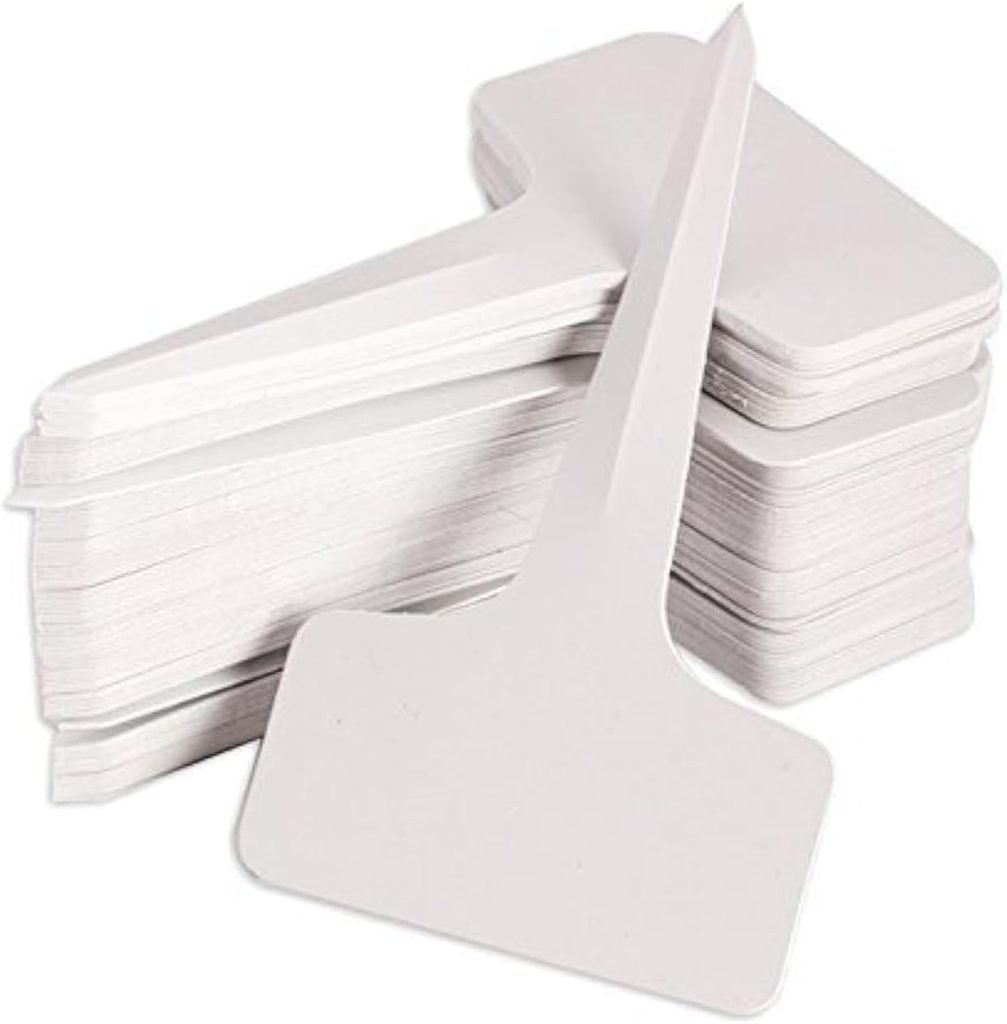
Labels solve a surprisingly common problem: forgetting what is planted where and what a plant needs. Reusable options include slate or stone markers, metal tags and wooden sticks. Cheap plastic stakes are fine for seed trays but fade quickly outdoors.
Pair them with a marker that won’t wash away. Many standard permanent markers fade in sun, so a paint pen or a pencil on wood tends to hold up better outdoors.
Good for: seed starters, collectors, and anyone sharing cuttings.
19. A Garden or Plant-Care Journal
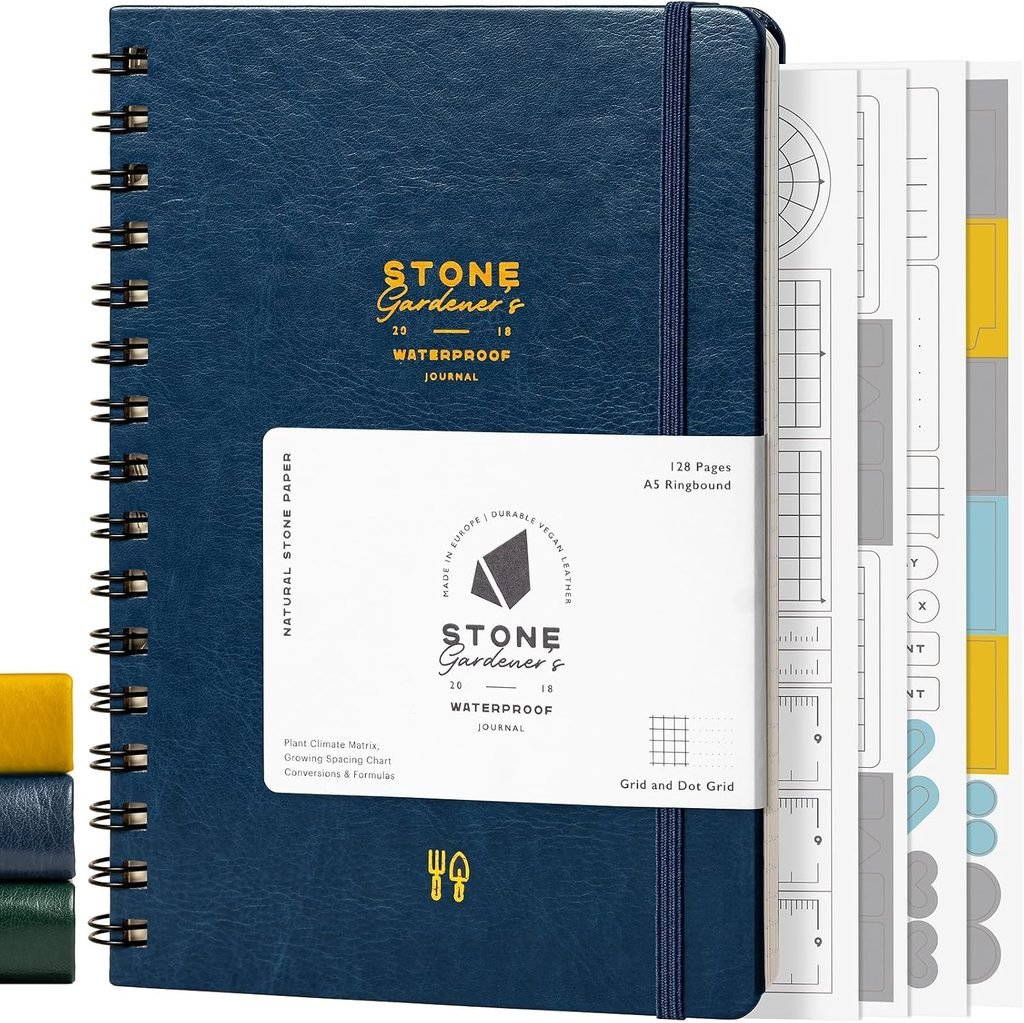
A notebook with space for planting dates, watering routines, pest notes and what worked is something many gardeners know they should keep and don’t. Choose a format that suits them: a simple lined or dotted notebook is more flexible than a heavily pre-printed planner that assumes a specific climate.
If you’re buying for an indoor plant person, a log organized by plant rather than by month makes more sense. For vegetable growers, a layout with room for sketches of bed plans is more useful.
Good for: detail-minded growers and people who want to improve year over year.
20. A Paperback Plant or Gardening Book
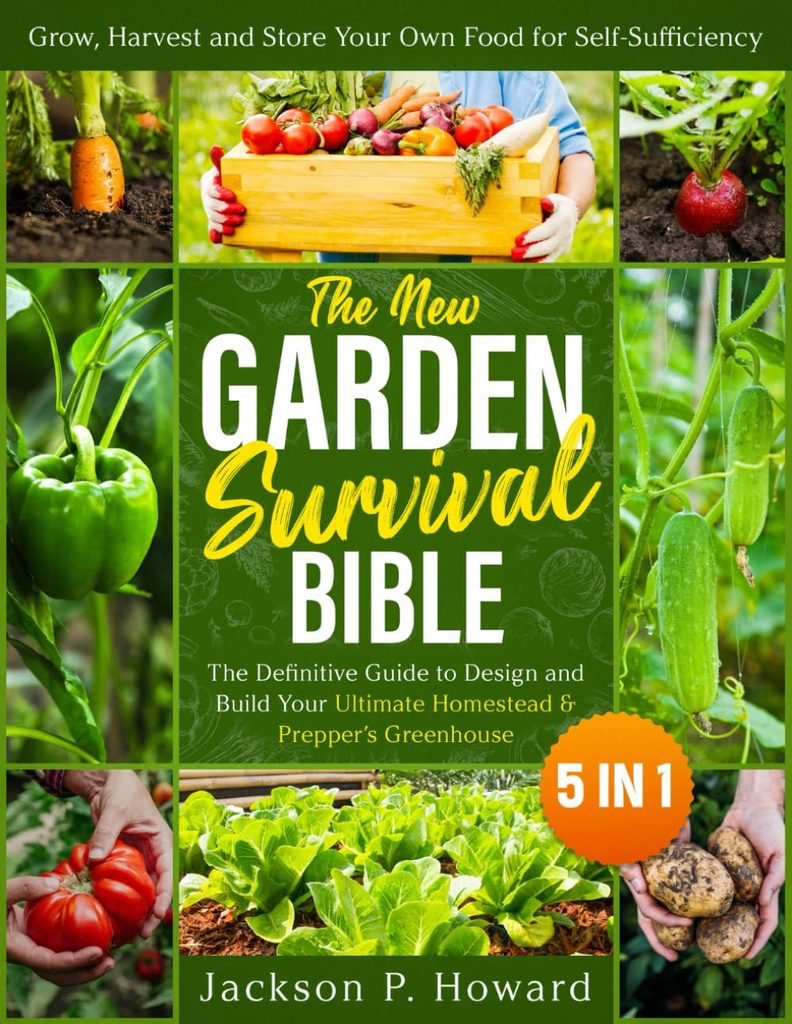
Books fit the budget easily if you choose paperbacks or older editions. A reference on houseplant care, native plants or a particular method such as container gardening can stay useful for years.
The risk is choosing a book that doesn’t match their climate or experience. A regionally specific guide, such as one for their state or growing zone, is far more useful than a general book written for another continent. If you’re unsure, a visual identification guide for houseplants is a safe choice because conditions inside a home are relatively similar everywhere.
Good for: readers and beginners who want a reliable reference.
Quick Picks by Type of Plant Lover
- The beginner with a few houseplants: moisture meter, long-spout watering can, plant labels, a plant-care journal.
- The collector with a crowded shelf: propagation vessels, a plant stand, a repotting mat, liquid fertilizer, sticky traps.
- The outdoor vegetable or flower grower: soil knife, bypass pruners, kneeling pad, seed-starting tray, gloves.
- The cook with a bright kitchen window: windowsill herb pots, micro-tip snips, a small LED grow light.
- Someone you barely know: a kneeling pad, a journal, or plant labels. They’re hard to get wrong.
Mistakes That Make a Cheap Gift Feel Cheaper
Buying sets with many mismatched tools. A 10-piece set often includes thin, bendable pieces nobody uses. One good tool beats five poor ones.
Ignoring the climate and season. A bulb-forcing kit in spring or a seed-starting tray in autumn will sit in a cupboard. Timing counts.
Giving a live plant without checking conditions. If you do add a plant to a gift, choose something tolerant, such as a pothos, snake plant or ZZ plant, and consider whether the recipient has pets. Several popular houseplants are toxic to cats and dogs if chewed.
Skipping the receipt. For sized items like gloves, tuck in a gift receipt so the recipient can swap them.
Choosing decorative over functional. A pretty watering can that pours badly gets retired. Look at how it works before how it looks.
Questions Gift Buyers Often Ask
Is it better to give a plant or a plant-related gift? It depends on how well you know their space. A plant is a commitment: it needs light, water and, for some species, pet-safe placement. Gear is lower risk. If you do choose a plant, a small, tolerant one with a note about its care needs is easier to accept than a fussy one.
Can you really find decent tools under $25? Yes, for some categories. Soil knives, trowels, snips, kneelers and gloves are available in solid versions at this price. Premium pruners, hose reels and larger power tools generally cost more, so don’t expect a bargain version to perform like a high-end one.
What if I don’t know whether they garden indoors or out? Pick something that works in both: plant labels, a journal, liquid plant food, gloves, or a book on plant identification.
How should I present the gift? Group two or three related items in a small pot or basket. A trowel, gloves and a few seed packets look more thoughtful than any one item on its own, and the extra cost is small.
Final Thoughts
The best gifts on this list solve small, repeating annoyances: sore knees, soggy soil, forgotten labels, cuttings with nowhere to root. Choose based on where the person gardens and what they probably lack, check the size, season and pet safety before you order, and confirm current prices at the retailer. When in doubt, a kneeling pad, a good pair of gloves, or a simple journal is hard to get wrong.

About Syprose Kiche
Syprose Kiche is the creator and writer behind My Besuited Home, a practical home and garden website covering DIY projects, gardening, lawn care, landscaping, home improvement, and outdoor living. She focuses on turning everyday homeowner questions into clear, practical guides backed by careful research and useful real-world considerations.