
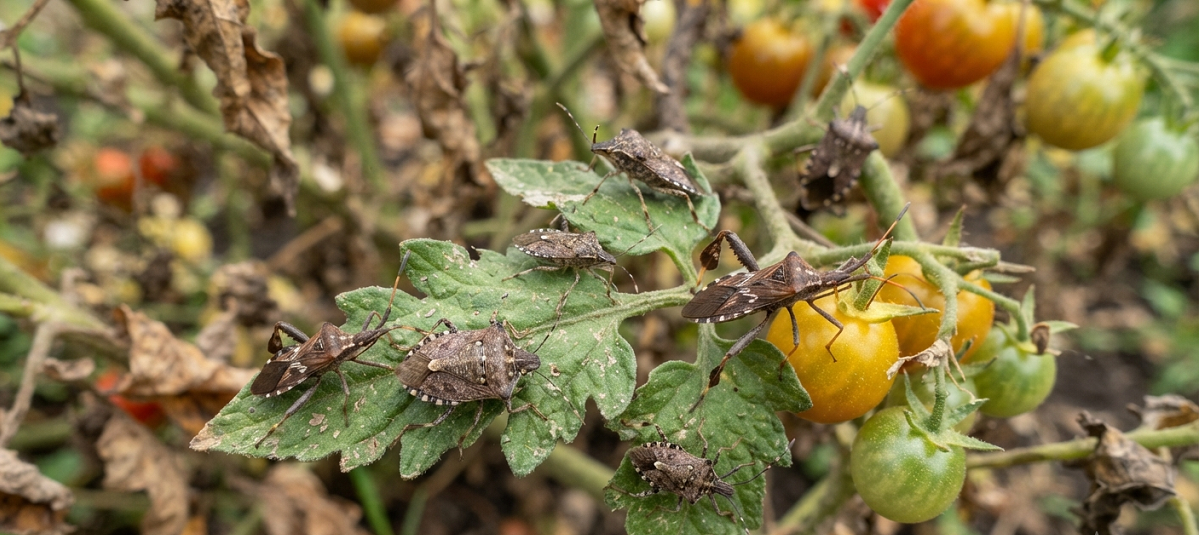
Your tomato leaves have holes in them. Your kale looks like it went through a paper shredder. And you just found a pile of something suspicious near your cabbage that definitely wasn’t there last week.
Sound familiar? You’re not losing your mind, and you’re not a bad gardener. Fall is prime time for pests to make one last desperate push before the cold shuts them down, and most of us are too busy thinking about pumpkin spice to notice until the damage is done.
I’ve been gardening for over a decade, and my October beds have seen everything from cabbage loopers to squash bugs staging what I can only call a final invasion. The good news is that fall pests are actually easier to catch than summer ones, if you know what you’re looking for. They’re slower, they’re hungrier, and they tend to leave obvious calling cards.
This guide walks you through the pests most likely to show up in your garden right now, how to tell them apart, and what actually works to stop them before that first hard frost puts everyone (pests included) out of their misery.
I’m going to be upfront about something most articles gloss over: not every insect crawling across your plants is a threat. Part of good pest identification is learning which bugs to worry about and which ones to just leave alone. Spend five minutes misidentifying a beneficial ground beetle as a pest, and you might end up spraying something that was actually working in your favor.
Why Fall Pest Identification Matters More Than You Think
Here’s something most garden blogs skip: the bugs you see in September and October aren’t just eating your fall harvest. Many of them are laying eggs that overwinter in your soil, mulch, or leaf litter, ready to hatch right back into your garden next spring.
Squash bugs, for example, will tuck their eggs into garden debris and bark mulch, then wait out the winter in complete comfort. Come April, you’ve got a brand-new infestation before you’ve even planted a single seed.
That’s why identifying and dealing with fall pests isn’t just about saving your last few tomatoes. It’s pest control for next year’s garden too. I always tell people that a clean fall garden is the cheapest insurance policy you’ll ever buy.
1. Cabbage Loopers and Imported Cabbageworms
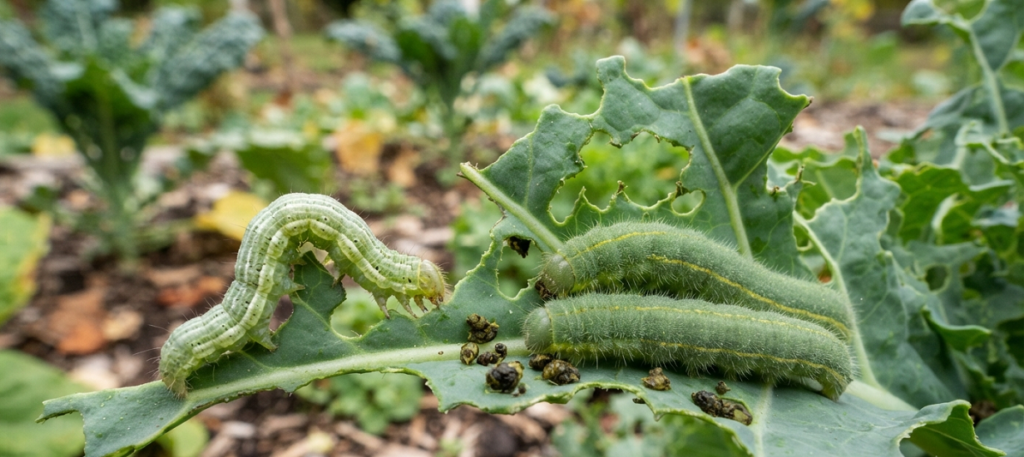
If your kale, broccoli, or cabbage leaves look lacy or full of irregular holes, you’re probably dealing with cabbage loopers or their cousin, the imported cabbageworm.
How to identify them:
Cabbage loopers are pale green caterpillars that move in a distinctive looping motion, arching their middle up like an inchworm. Imported cabbageworms are similar in color but move in a straight line and tend to be slightly fuzzier.
Both leave behind small, dark green droppings on the leaves, which is honestly one of the fastest ways to confirm an infestation. If you see little pellet-shaped specks on your brassicas, flip the leaves over and start looking.
The adult moths and butterflies are active well into fall, especially during warm spells, so don’t assume you’re in the clear just because the calendar says October.
What actually works:
Handpicking is tedious but effective, especially in small beds. I go out every morning with a cup of soapy water and just pluck them off. It takes ten minutes and it’s oddly satisfying.
Row covers work well if you install them early, before the moths lay eggs. Once the caterpillars are already on the plant, covering them just traps them in a buffet.
Bt (Bacillus thuringiensis) is a targeted, low-toxicity option that only affects caterpillars, not beneficial insects. I keep a bottle on hand every fall because it’s specific enough that I’m not nuking my whole pollinator population to save a few kale leaves.
2. Squash Bugs: The Fall Garden’s Sneakiest Squatters
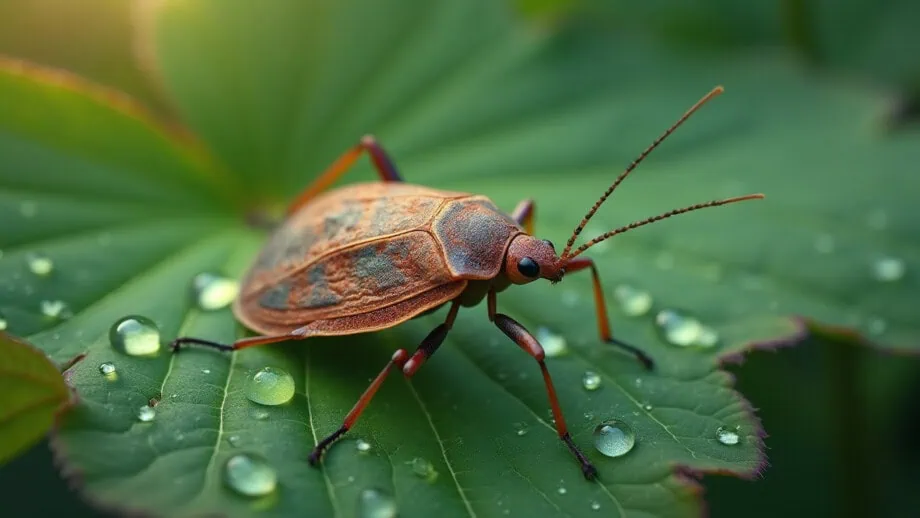
Squash bugs are one of those pests that seem to disappear in late summer, only to show up in force right before frost, feeding heavily to build up reserves for winter.
How to identify them:
Adult squash bugs are grayish-brown, shield-shaped, and about five-eighths of an inch long. They tend to cluster at the base of squash and pumpkin plants, especially where the stem meets the soil.
Check the undersides of leaves for bronze-colored egg clusters, usually arranged in a neat, almost too-tidy grid pattern. If you find these, you’re dealing with squash bugs whether you’ve spotted the adults yet or not.
Damage shows up as wilting leaves that eventually turn brown and crispy, even when the soil is plenty moist. That combination of wilting-despite-watering is a strong tell.
What actually works:
I’ve found that squash bugs are one of the few pests where cleanup matters more than spraying. Pull out spent squash and pumpkin vines completely once the season winds down, and don’t leave the debris sitting in a pile nearby. That’s exactly where the eggs and adults overwinter.
Diatomaceous earth around the base of the plant can help, but only if it stays dry, which is tricky once fall rains pick up.
Honestly, for a bad infestation, I just accept the loss on that plant, remove it, and focus my energy on protecting whatever’s left. Trying to save a heavily infested squash plant in late fall is rarely worth the effort.
3. Aphids: Small, Sneaky, and Surprisingly Active in Cool Weather
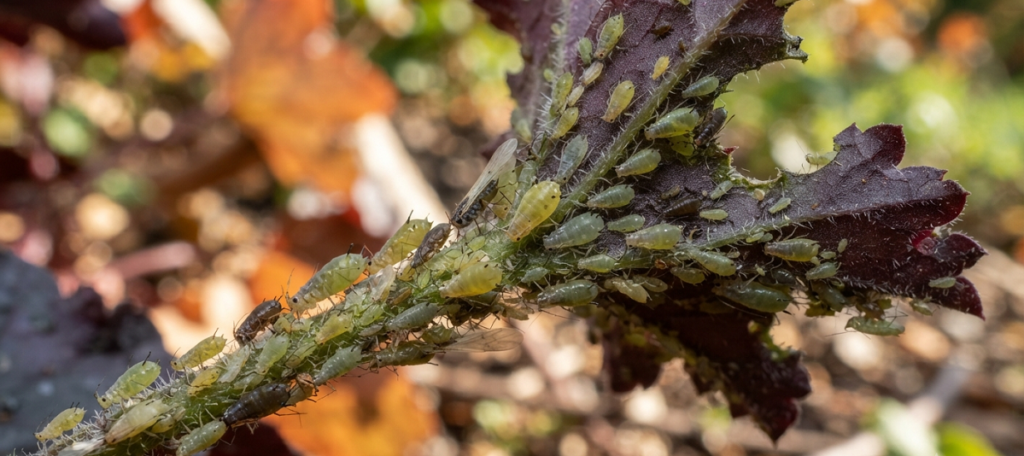
A lot of people assume aphids are strictly a spring and summer problem. I used to think that too, until the fall my kale bed got coated in a sticky film and I realized aphids were throwing one last party before the freeze.
How to identify them:
Aphids are tiny, pear-shaped insects that cluster on new growth, stem joints, and the undersides of leaves. In fall, you’ll commonly see green, black, or gray varieties depending on your region and the plants involved.
The easiest identification trick isn’t spotting the aphids themselves, it’s noticing the “honeydew,” a sticky, clear residue they leave behind. If your leaves feel tacky or you spot ants marching up and down your plant stems, aphids are almost always the culprit, because ants farm aphids for that honeydew.
A black, sooty coating on leaves is another red flag. That’s sooty mold growing on the honeydew, and it’s a dead giveaway that aphids have been active.
What actually works:
A strong blast of water from the hose knocks aphids off plants effectively, and it costs nothing. I do this every couple of days during a bad outbreak.
Insecticidal soap is my go-to for anything more stubborn. It’s cheap, it breaks down fast, and it doesn’t linger in the soil.
Ladybugs and lacewings are natural aphid predators, and fall gardens with a mix of flowering plants tend to attract them naturally. If you’ve got calendula, alyssum, or yarrow still blooming, you’re already doing pest control without lifting a finger.
4. Cutworms: The Nighttime Stem Snippers
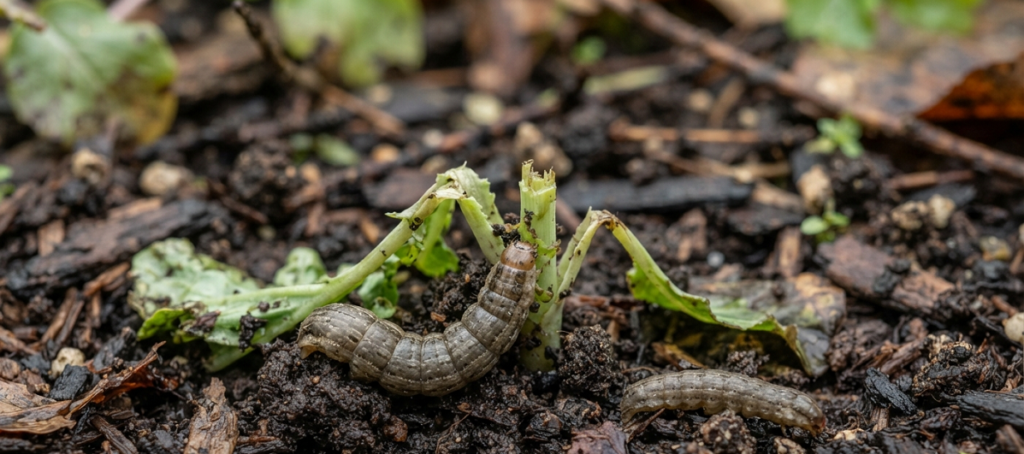
Cutworms are frustrating because the damage looks dramatic, but the culprit is almost never visible during the day.
How to identify them:
If you walk out to find a seedling or young transplant completely severed at the soil line, like something took scissors to it overnight, that’s classic cutworm damage. They feed at night and hide in the soil during the day, curled into a tight C-shape just below the surface.
The caterpillars themselves are dull brown, gray, or black, usually an inch or two long, and smooth-bodied. If you dig around the base of a damaged plant, you’ll often find one within an inch or two of the stem.
Fall cutworm activity tends to spike when gardeners plant fall greens or cover crops into recently disturbed soil, since that fresh dirt is exactly where the moths prefer to lay eggs.
What actually works:
Cardboard collars around the base of transplants are shockingly effective. I cut up old toilet paper rolls, slide them over the seedling stem, and push them an inch into the soil. It’s a five-second fix that’s saved me dozens of plants.
Turning the soil before planting exposes overwintering larvae to birds and cold air, both of which will happily take care of the problem for you.
Diatomaceous earth sprinkled around the base can help too, though it needs reapplying after rain.
5. Stink Bugs and Leaf-Footed Bugs
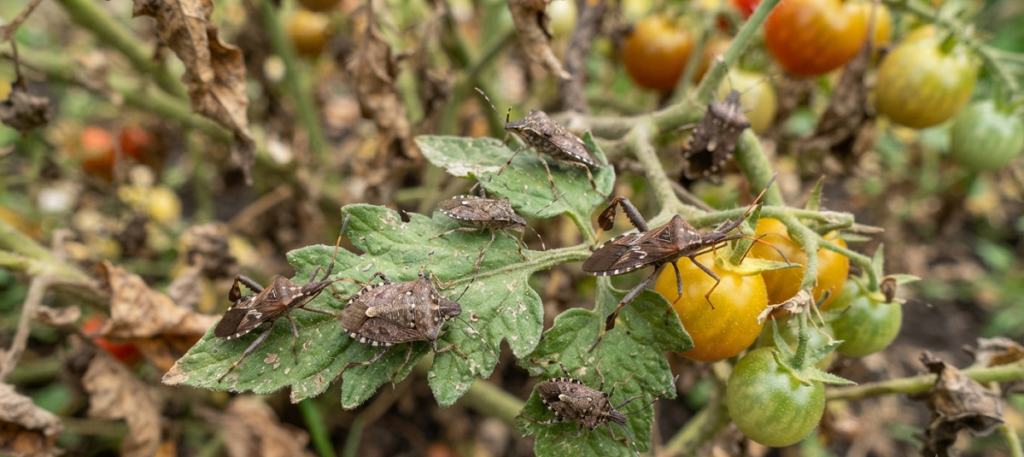
These two get lumped together because they cause similar damage and show up around the same time, but they’re not identical, and telling them apart matters for treatment.
Stink bugs are shield-shaped, usually brown or green, and about half an inch long. Leaf-footed bugs are longer and narrower, with a distinctive flattened, leaf-like widening on their hind legs, which is exactly where the name comes from.
Both pierce fruit and seed pods to feed, leaving behind small discolored or sunken spots. On tomatoes, this often shows up as a cloudy white or yellow blotch just under the skin.
Quick side note: these bugs are notoriously hard to kill with sprays because their tough outer shell resists most contact insecticides. Physical removal, plus row covers on ripening fruit, tends to be far more reliable than reaching for a bottle.
6. Slugs and Snails: Fall’s Wet-Weather Opportunists
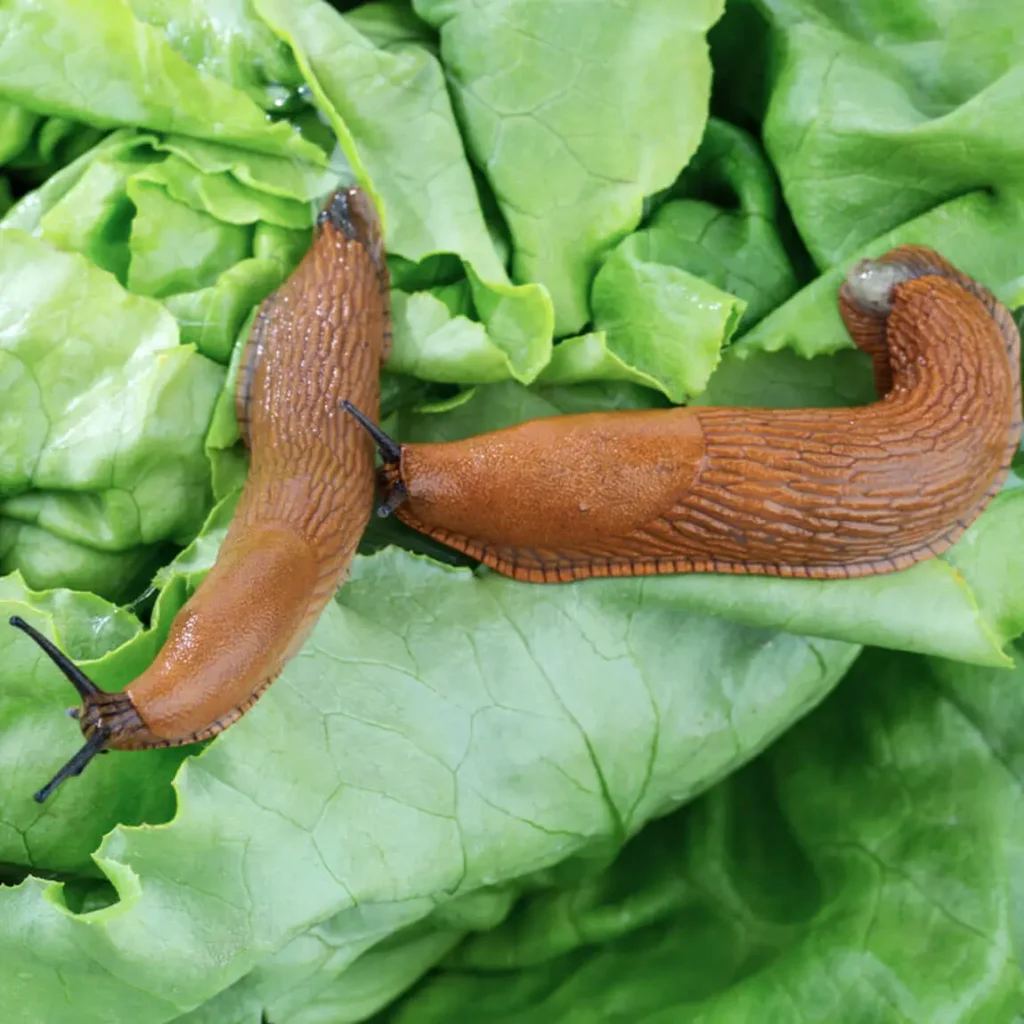
Cooler, wetter fall weather is basically a welcome mat for slugs and snails, especially if you’re growing lettuce, spinach, or other tender greens.
How to identify them:
Ragged holes in leaves, especially low-growing or leafy greens, paired with silvery slime trails, are the unmistakable signature of slug or snail damage. Unlike caterpillar damage, the holes tend to have smoother, rounder edges.
They feed almost exclusively at night or during overcast, damp conditions, so a flashlight check after dark is the most reliable way to actually catch them in the act.
What actually works:
Beer traps are a classic for a reason. A shallow dish of beer sunk into the soil at ground level draws slugs in, and they don’t climb back out.
Crushed eggshells or diatomaceous earth around vulnerable plants creates a barrier they’re reluctant to cross, though it loses effectiveness once it gets wet.
I’ve found that copper tape around raised bed edges is a total waste of money for anyone dealing with a serious infestation. It works in theory, giving slugs a mild electric shock when they touch it, but in practice, one soggy leaf bridging the gap and they’re right back in.
7. Flea Beetles: The Tiny Terrors of Fall Brassicas
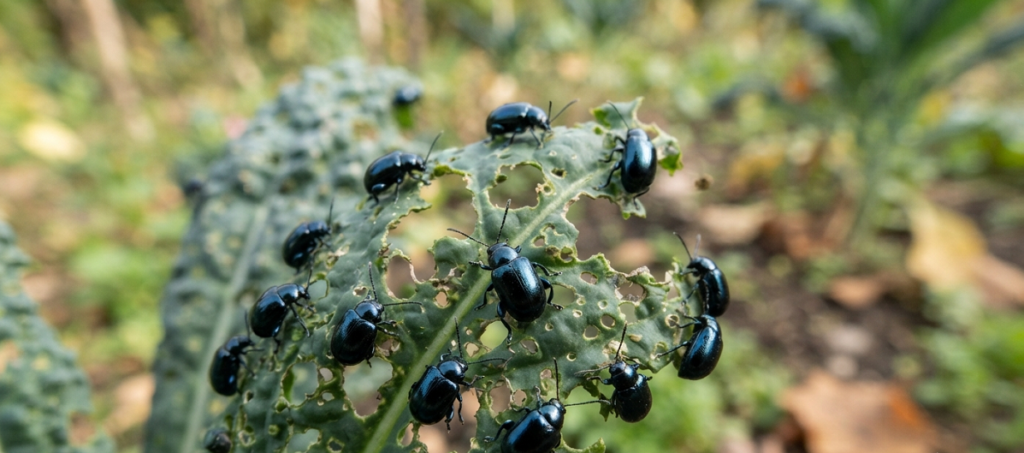
Flea beetles are easy to miss because they’re so small, but the damage they leave behind is impossible to ignore once you know what you’re looking at.
How to identify them:
These are tiny, dark, shiny beetles, usually black or bronze, that jump like fleas when disturbed, which is exactly where the name comes from. If you brush your hand across an infested plant and see a cloud of little bugs hopping away, you’ve found your culprit.
The damage looks like someone took a tiny hole punch to your leaves, dozens of small, round or irregular perforations scattered across the surface. Gardeners often describe it as “shotgun damage,” and honestly, that’s the most accurate description I’ve heard.
Fall brassicas like arugula, radish greens, and young kale seedlings are especially vulnerable, since flea beetles prefer tender new growth over tougher, established leaves.
What actually works:
Row covers installed at planting time are, in my experience, the single best defense against flea beetles. Once the cover goes on before the beetles arrive, they simply can’t get to the plants.
Sticky traps in yellow or blue can help you monitor populations, though they won’t eliminate a serious infestation on their own.
I’ve found that healthy, well-established plants shrug off minor flea beetle damage without much issue. It’s the young seedlings that need real protection, so if you’re direct-sowing fall greens, get that row cover down early rather than waiting to see if you have a problem.
Real Talk: What’s Not Worth Your Time (And What Actually Matters)
Not every pest problem deserves your full attention before frost, and I want to be honest about that instead of pretending every bug is a five-alarm fire.
If you’re seeing minor aphid clusters on a plant that’s already winding down for the season, don’t stress about spraying it. The plant’s going to die back from frost soon anyway, and your effort is better spent protecting things you’re actually planning to harvest.
Broad-spectrum insecticides in fall are, in my opinion, almost always a mistake. You’re not just killing pests, you’re wiping out the ladybugs, lacewings, and parasitic wasps that would otherwise handle next year’s problems for free. I sprayed my entire bed with a general pesticide my second year gardening and spent the following spring wondering why my aphid problem was ten times worse. Turns out I’d killed every single predator that used to keep them in check.
Chasing squash bugs on a plant that’s already 80% dead isn’t worth the frustration. Cut your losses, pull the plant, and put your energy into fall cleanup instead.
On the flip side, don’t skip garden cleanup because “it’s basically dead anyway.” This is the single biggest mistake I see. Leaving spent plants, fallen fruit, and leaf litter in your beds over winter is basically rolling out a red carpet for next year’s pest population. A thorough fall cleanup, pulling debris, turning soil, and clearing mulch where eggs might be hiding, is more effective than any spray you could buy.
I’d also gently push back on the idea that you need a different product for every single pest on this list. My gardening shed used to be stuffed with a dozen half-used bottles of specialty sprays, most of which expired before I used them twice. These days, I rely on maybe three tools for ninety percent of my fall pest problems: a strong hose blast, insecticidal soap, and plain old handpicking. Save the specialty products for genuinely stubborn cases, and you’ll save both money and shelf space.
A Few Extra Signs Worth Knowing
Beyond the pests themselves, there are a few general clues that tell you something’s off before you even identify the specific culprit:
- Wilting that doesn’t match watering. If a plant looks thirsty despite moist soil, something’s likely feeding on the roots or stem below the surface.
- Sudden yellowing on isolated leaves. This often points to sap-sucking insects like aphids rather than a nutrient issue, especially if it’s localized rather than spread across the whole plant.
- Small holes with no visible bug nearby. Nighttime feeders like cutworms and slugs are the most likely suspects here, so a flashlight check after dark will usually solve the mystery.
- Sticky residue on leaves or the ground beneath a plant. This is almost always honeydew from aphids, and it’s worth checking the upper leaves for a cluster.
Wrapping Up Before the Frost Hits
Fall pest patrol doesn’t need to be complicated. Walk your garden every couple of days, check the undersides of leaves, and pay attention to anything that looks different from last week. Most fall pests give themselves away pretty quickly once you know what you’re looking for.
My parting advice: don’t wait for a full-blown infestation to start paying attention. A five-minute walk through your beds with a cup of coffee in hand is honestly the best pest control tool I own, and it costs nothing but a little time.
What’s showing up in your garden this fall? Drop a comment below and tell me what you’re seeing. I’ll do my best to help you figure out exactly what’s munching on your plants before that first frost puts an end to the whole show.

About Syprose Kiche
Syprose Kiche is the creator and writer behind My Besuited Home, a practical home and garden website covering DIY projects, gardening, lawn care, landscaping, home improvement, and outdoor living. She focuses on turning everyday homeowner questions into clear, practical guides backed by careful research and useful real-world considerations.