
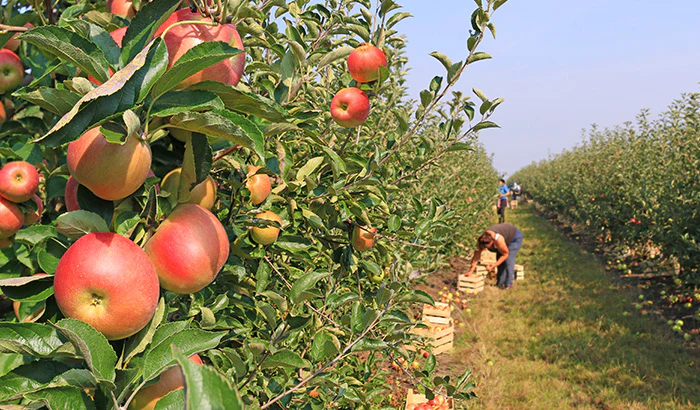
Every October, the same thing happens at orchards across the country. A family pulls in at noon, when the parking lot is already packed and the good trees are picked clean. The kids are hungry, the “you-pick” bags cost more than expected, and half the apples they bring home turn to mush in the crisper drawer within a week.
I’ve been going apple picking with my own kids for over a decade, and I’ve made basically every mistake there is to make. I’ve shown up in white sneakers to a muddy orchard. I’ve filled an entire bag with apples that were nowhere near ripe. I’ve paid for a bushel of Honeycrisp and then let half of it rot because I didn’t know how to store them properly.
This guide fixes all of that. Here’s exactly how to plan your trip, pick the right apples, and actually use what you bring home before it goes bad.
When Is the Best Time to Go Apple Picking?
Timing is everything, and most people get it wrong. They wait for the perfect crisp, sweater-weather Saturday and then wonder why the trees are stripped bare.
- Early season (late August to mid-September) is when varieties like Gala, Ginger Gold, and Paula Red ripen. These are softer, sweeter apples that don’t store well long-term, but they’re fantastic for eating fresh.
- Mid-season (mid-September to mid-October) brings the crowd favorites: Honeycrisp, Jonagold, and McIntosh. This is peak apple picking season in most of the U.S. and Canada, which also means it’s peak crowd season.
- Late season (mid-October through November) is my personal favorite window. Granny Smith, Fuji, and Pink Lady come in, along with the classic pie apple, Rome. Crowds thin out, prices sometimes drop, and the trees still have plenty of fruit.
My rule of thumb: call the orchard directly instead of trusting a generic “apple season” chart online. I once drove 40 minutes based on a blog post that said Honeycrisp season ran through October, only to find out that particular orchard had picked them clean by September 25th. A two-minute phone call would have saved me the gas money and the disappointed kids in the backseat.
Most orchards also post real-time picking updates on their social media pages, which tend to be more accurate than their website’s “seasonal calendar” page. That calendar is often written once in the spring and never touched again, while the Instagram or Facebook page usually gets updated every few days with which rows are open and which varieties are running low. If an orchard has a picking hotline or a text alert system, sign up for it. It’s a small step that saves you from a wasted trip.
Weather also plays a bigger role than most people realize. A late frost in spring or a dry stretch in August can shift the whole timeline by a week or two in either direction, so the same orchard can have a completely different schedule from one year to the next. Don’t assume this year’s picking dates will match what you remember from last fall.
Best Time of Day to Pick Apples
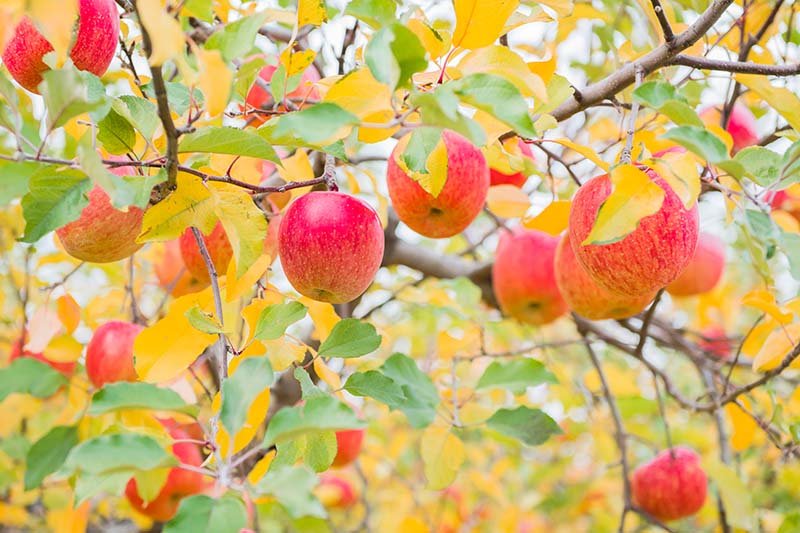
Go early. I know that’s not what anyone wants to hear on a weekend, but there’s a real reason for it.
- Parking fills up fast. Popular orchards within an hour of a major city can have full lots by 10 a.m. on a nice Saturday.
- The best trees get picked first. Rows closest to the entrance get stripped early, leaving you walking further for decent fruit later in the day.
- It’s genuinely more pleasant. Cooler morning temperatures make carrying a heavy bag through an orchard a lot more bearable.
Weekday mornings are the sweet spot if you have any flexibility at all. Fewer people, shorter lines at the register, and trees that are still loaded.
What to Wear Apple Picking
This sounds like a small thing until you’re the person hobbling back to the car with blistered heels and grass-stained white pants.
Closed-toe shoes are non-negotiable. Orchard rows are uneven, often muddy, and littered with fallen apples that turn into a slip hazard once they’ve been stepped on a few times. Sneakers or light hiking boots work best.
Dress in layers. Fall mornings can start near 45 degrees and climb into the 70s by early afternoon. I always bring a light jacket I can tie around my waist once the sun comes out.
Skip anything you’re precious about. Apple juice stains, and so does the dirt on a tree trunk. I’ve ruined more than one pair of jeans reaching for a “perfect” apple on a low branch.
How to Choose the Right Orchard
Not every “pick your own” farm advertised online is actually worth the drive, and picking the right one makes a bigger difference than most first-timers expect.
Start by checking how recently the orchard’s reviews were posted. A four-star rating from three years ago tells you almost nothing about whether the trees are being maintained well today. I look specifically for reviews posted within the last month during picking season, since those tell you what the fields actually look like right now.
Ask about admission fees versus per-pound pricing before you go. Some orchards charge a flat entry fee that includes a certain amount of fruit, while others charge nothing to enter but bill you by the pound at checkout. Neither model is automatically better, but knowing which one you’re walking into helps you budget and avoids that awkward moment at the register when the total is triple what you expected.
Smaller, family-run orchards are often a better bet than the big commercial ones near highway exits. They tend to have fewer visitors, more personal service, and staff who actually know which rows are ripe that day instead of just pointing you toward a general field. I’ve had far better luck at a 40-acre family farm down a gravel road than at the massive orchard with a paved parking lot and a gift shop.
How to Pick Apples the Right Way
Here’s the part almost nobody explains clearly, and it’s the difference between a fun afternoon and an argument with an orchard employee about your bill.
- Cup the apple in your palm and gently twist it upward, rotating it about a quarter turn.
- Don’t yank it straight down. This tears the stem and often damages the fruit spur, which is the little branch that produces next year’s apples on that same spot.
- Check the stem stays attached. An apple with its stem intact lasts noticeably longer in storage than one that’s missing it.
- Leave bruised or wormy apples on the tree or in the designated drop bins. Don’t put damaged fruit in your bag; most orchards charge by weight, and rotten apples aren’t a bargain at any price.
I taught my kids the “twist and lift” method after watching another family yank apples off by the fistful, snapping small branches in the process. The orchard staff aren’t being uptight when they ask you not to do that. Broken spurs mean fewer apples on that tree next year.
How to Tell If an Apple Is Ripe
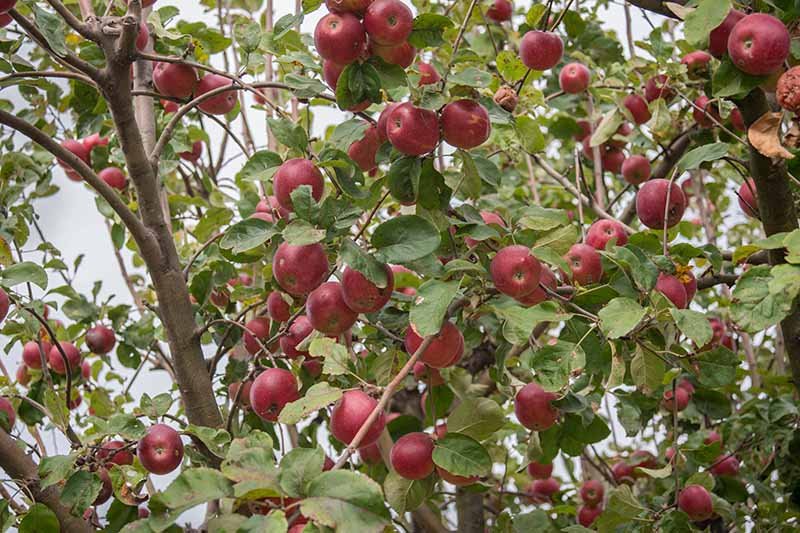
Color isn’t always a reliable signal, since different varieties ripen to different shades. Instead, use these checks:
- The apple should come off the branch easily with a gentle twist. If you have to yank it, it’s probably not ready.
- Bite one from a tree that looks representative of the row. If it’s starchy or sour instead of firm and sweet, that section may need another week.
- Check the ground underneath the tree. A few fallen, ripe apples nearby is a decent sign the tree is ready for picking, though a huge pile can also mean it’s past peak.
Quick side note: don’t judge ripeness by size alone. A smaller apple can be just as ripe, and often more flavorful, than a giant one on the same branch.
Best Apple Varieties for Different Uses
Not every apple is meant for the same job, and grabbing a bag of whatever’s closest is how you end up with mushy pie filling or a snack apple that’s too tart to eat plain.
- For eating fresh: Honeycrisp, Gala, and Fuji. These have the crisp texture and balanced sweetness people usually picture when they think of a “good” apple.
- For baking pies: Granny Smith, Braeburn, and Rome. These hold their shape under heat instead of collapsing into applesauce inside your crust. I’ve made the mistake of using all Honeycrisp in a pie once, thinking sweeter meant better. It turned into a soupy mess that never set properly.
- For applesauce: McIntosh and Cortland. These break down quickly and easily, which is exactly what you want for sauce, but exactly what you don’t want for a pie.
- For storing long-term: Granny Smith, Fuji, and Rome. These varieties keep in the fridge for weeks, sometimes months, if stored properly. Softer varieties like McIntosh should be eaten within a week or two.
If you’re picking apples for multiple purposes, grab a mixed bag rather than filling your whole basket with one variety. I always split mine roughly into thirds: fresh eating, baking, and sauce-making, so nothing goes to waste.
Apple Picking Tips for Families With Young Kids
Bringing kids along changes the whole equation, and a few small adjustments make it way less stressful.
- Bring your own snacks and water. Orchards can be pricey once you factor in admission, hayrides, and food stands. I always pack a small cooler in the trunk.
- Set a “one bite” rule. Kids want to taste everything off every tree. Agree on one test apple per row instead of half-eaten fruit scattered across the orchard.
- Let them carry a small, lightweight bag. A full bushel bag is heavy and awkward for little hands. A small tote or reusable grocery bag keeps them independent without the frustration.
- Ask about extra activities. Many orchards have corn mazes, petting zoos, or hayrides included with admission. These can turn a 20-minute picking trip into a full, memorable morning.
Bonus tip: bring a wagon if the orchard allows it. Once that bag gets heavy, dragging it across a field gets old fast, and your back will thank you by the third row.
I’ve also found it helps to give kids a simple job during the trip, like being the official “stem checker” who confirms each apple has its stem attached before it goes in the bag. It sounds small, but it keeps them engaged instead of racing ahead and grabbing fruit at random. My youngest took that job so seriously one year that she rejected half my own picks for having “wonky” stems.
How Much Does Apple Picking Cost?
Prices vary a lot depending on region and orchard type, but budgeting ahead of time keeps you from a surprise at checkout.
Admission-based orchards typically charge somewhere between $10 and $20 per person, which often includes a set amount of fruit, plus access to extras like a corn maze or hayride. Pay-by-the-pound orchards usually run $1.50 to $3.00 per pound, depending on the variety and region.
A family of four picking a half-bushel of apples, which is roughly 20 pounds, should expect to spend somewhere in the $40 to $70 range once admission and extras are factored in. That’s not cheap for what amounts to a bag of fruit, which is exactly why overpicking is such an easy trap to fall into. You’ve already paid the entry fee, so it feels wasteful not to fill the bag all the way, even if you know you won’t use it all.
What to Bring Apple Picking
A short checklist saves you from the “I wish I’d brought that” feeling halfway through the orchard.
- Cash or a card, since some smaller orchards are still cash-only for admission
- Reusable bags for the drive home
- Sunscreen, even on a cool day; that fall sun is stronger than people expect
- A cooler for the car, especially if you’re buying a large quantity
- Hand sanitizer or wipes, since tree bark and fallen fruit get grimy fast
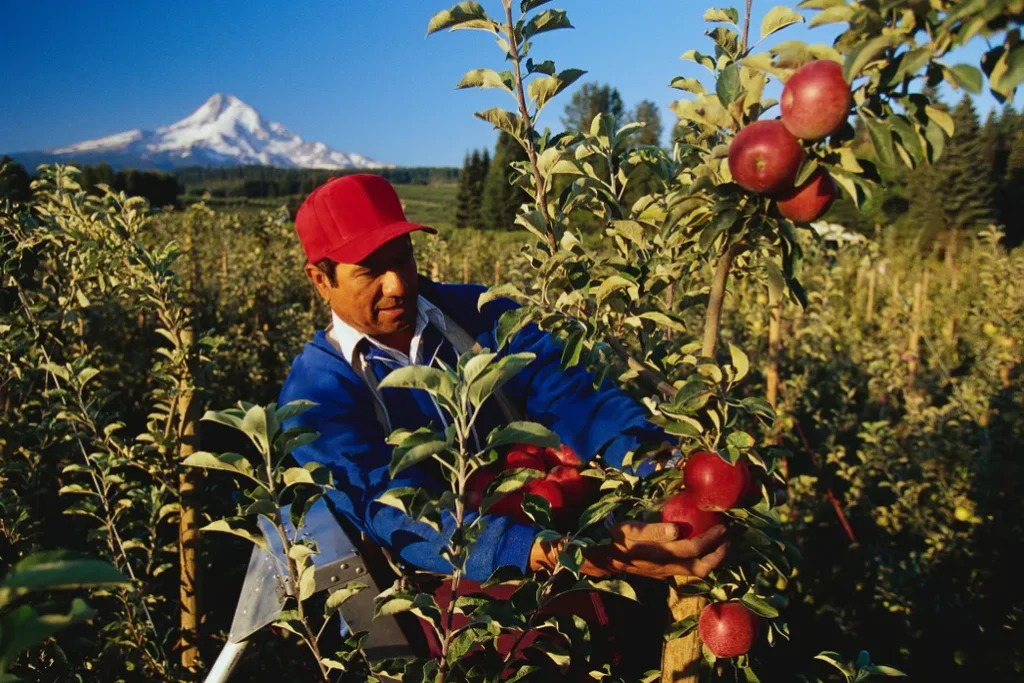
Real Talk: What Can Go Wrong Apple Picking
Here’s where I’ll be straight with you about the parts nobody puts in the brochure.
- Overpicking is a real problem. It’s easy to get caught up in the moment and fill three full bags, only to realize weeks later that half of it went soft before you could use it. Apples don’t freeze well raw, and applesauce takes real time to make in bulk. Buy what you’ll realistically eat or preserve within a month.
- Weekend crowds can ruin the experience. I’ve stood in a 45-minute checkout line holding a heavy bag while a toddler melted down behind me. If your schedule allows any flexibility at all, go on a weekday.
- Not every orchard is worth the drive. Some “pick your own” spots have raised their prices to match grocery stores while offering a picked-over field with mediocre fruit. Read recent reviews before committing to a long drive, not just the orchard’s own website.
- Weather can flip your plans fast. Fall weather is unpredictable. I’ve shown up to a light drizzle that turned into a full downpour within the hour, soaking everyone and turning the dirt paths into mud. Check the hourly forecast, not just the daily one, before you head out.
- Kids get bored faster than you’d think. Picking apples is fun for about 20 minutes for most young children. If the orchard doesn’t have other activities, plan for a shorter visit than you originally imagined.
I’ll be blunt about one more thing: those cute apple-picking outfits people post online are cute for exactly one photo and miserable for the actual work of carrying a 20-pound bag through a muddy field. Function beats fashion here every time.
How to Store Apples So They Actually Last
This is the step everyone skips, and it’s why so many people end up throwing out half their haul.
- Refrigerate, don’t leave them on the counter. Apples left at room temperature ripen up to 10 times faster than refrigerated ones.
- Store them separately from other produce. Apples release ethylene gas, which speeds up ripening in nearby fruits and vegetables. I once left a bag of apples next to my potatoes and came back to find the potatoes sprouting early.
- Keep them in a perforated plastic bag in the crisper drawer. This traps some humidity without letting moisture build up and cause mold.
- Check regularly and remove any that go soft. One bad apple really does speed up spoilage in the ones around it, since the old saying is more literal than people realize.
Final Thoughts on Apple Picking This Fall
Apple picking is one of those simple fall traditions that doesn’t need to be complicated, but a little planning turns a decent afternoon into a genuinely great one. Go early, dress for dirt instead of Instagram, twist instead of yank, and only bring home what you’ll actually eat.
What’s your go-to apple variety, and what do you always make with your haul once you get home? Drop your answer in the comments below. I’m always looking for new pie recipes to try before the season ends.

About Syprose Kiche
Syprose Kiche is the creator and writer behind My Besuited Home, a practical home and garden website covering DIY projects, gardening, lawn care, landscaping, home improvement, and outdoor living. She focuses on turning everyday homeowner questions into clear, practical guides backed by careful research and useful real-world considerations.