
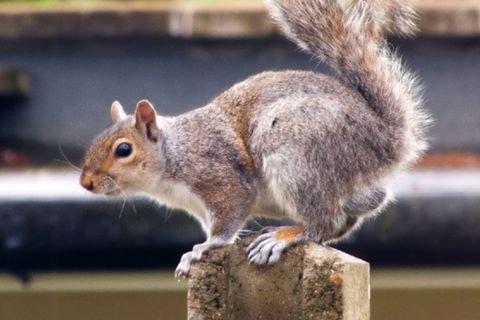
I once spent an entire Saturday morning planting heirloom tomatoes, only to wake up Sunday to what looked like a crime scene. Dirt was everywhere, my seedlings were uprooted, and a single, fat squirrel was sitting on the fence post, staring me down while clutching a half-eaten root. It’s infuriating when you put in the sweat equity and a rodent treats your raised bed like an all-you-can-eat buffet.
If you’re tired of playing security guard to a bunch of fluffy-tailed bandits, you aren’t alone. I’ve tried everything from high-tech gadgets to “old wives’ tales” that just left my garden smelling like a salad dressing factory. After a decade of trial and error, I’ve figured out what actually works and what is a total waste of your time.
Hardware Cloth and Physical Barriers
When it comes to protecting vegetable gardens from squirrels, nothing beats a physical barrier. If they can’t touch the dirt, they can’t dig up your hard work. I learned this the hard way after a family of squirrels decided my snap peas were their personal playground. I used to think bird netting was the answer, but those little monsters just chew right through it or, worse, get tangled up in a way that’s definitely not humane.
My go-to solution now is hardware cloth. This is a metal mesh that’s much sturdier than chicken wire. I build simple wooden frames that fit right over the top of my raised beds. It’s like a little cage for your plants. I prefer the 1/4-inch mesh because even the smallest juvenile squirrels can’t squeeze their heads through it.
The trick is making sure the frames are easy for you to move. I once built a cover so heavy I needed a workout partner just to harvest a radish. Use lightweight cedar or pressure-treated 1x2s. Attach the mesh with a heavy-duty staple gun, and you’ve got a fortress. It isn’t the most “aesthetic” look for your backyard, but I’d rather have a slightly industrial-looking garden than a graveyard of half-eaten cucumbers.
If you don’t want to build full cages, you can lay the hardware cloth directly on the soil surface and cut holes for your plants. This stops the digging cold. Squirrels are lazy; if they can’t get a paw into the dirt within three seconds, they usually move on to your neighbor’s yard.
Motion-Activated Sprinkler Systems
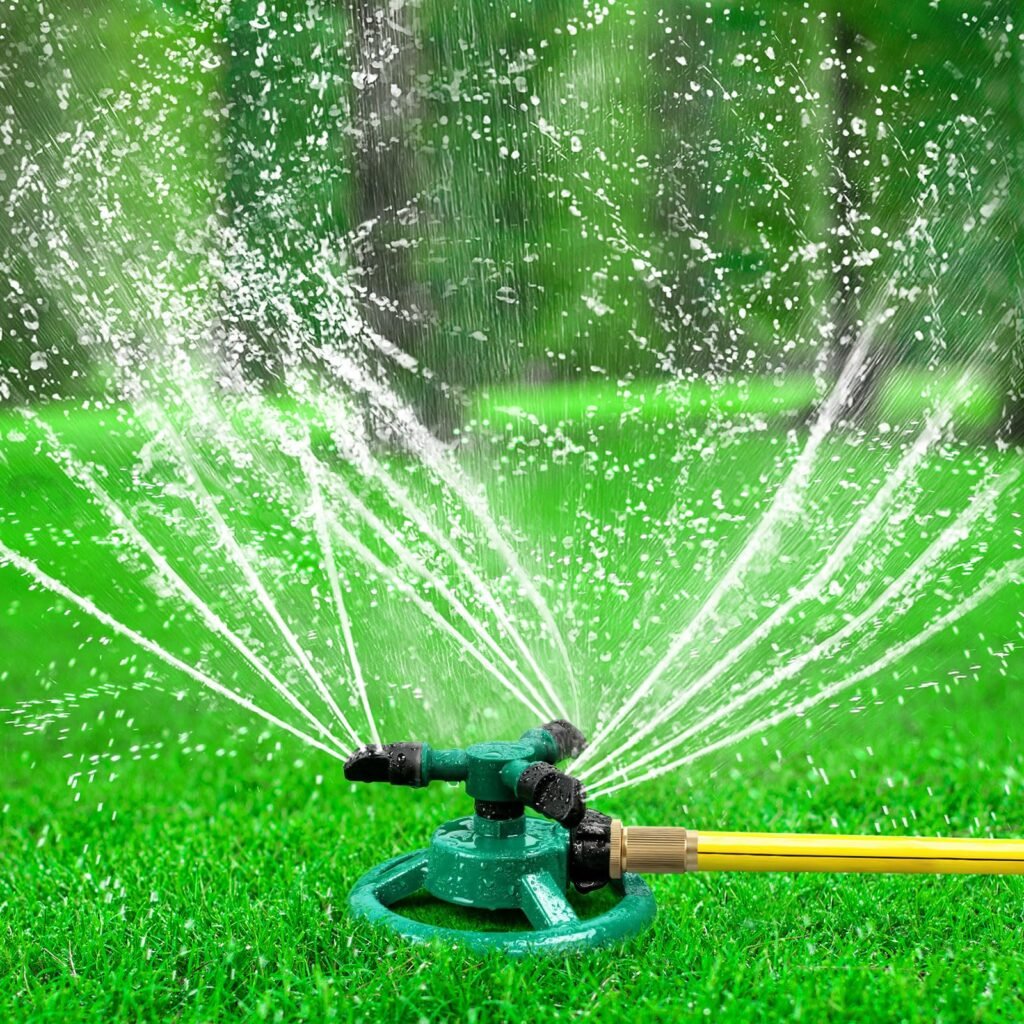
If you want to see a squirrel do a backflip, install a motion-activated animal repeller. These things are pure comedy gold, but they are also incredibly effective. The first time I set one up, I forgot about it and ended up getting blasted in the face while trying to pull a weed. Aside from soaking the gardener, these sprinklers are a fantastic humane deterrent.
The device uses an infrared sensor to detect movement. When a squirrel hops onto the edge of your raised bed, it triggers a three-second burst of water. The sudden noise and the physical splash are usually enough to send any rodent into the next county. It doesn’t hurt them; it just startles the daylights out of them and creates a “danger zone” association with your vegetables.
The key to making this work is the placement. You need a clear line of sight. If your tomato plants are five feet tall, they might block the sensor. I usually mount mine on a stake about two feet off the ground, aiming right at the perimeter of the bed. You also have to be diligent about checking the batteries. There is nothing a squirrel loves more than a motion-sensor sprinkler with a dead 9V battery.
One quick side note: don’t leave these on if you have a dog that loves water. My lab spent four hours triggering the sprinkler on purpose, and I ended up with a $200 water bill and a very muddy house. Use them strategically during the hours you know the squirrels are most active, usually early morning and late afternoon.
Natural Repellents and Scent Barriers
I’ve spent a fortune on those “Critter Ridder” sprays you see at the big-box stores. Some work, some don’t. But if you want a natural squirrel repellent for gardens, you can usually find the ingredients in your kitchen. Squirrels have incredibly sensitive noses. If a garden smells like a five-alarm chili cook-off, they aren’t going to want to hang out there.
I make a “concoction of doom” using cayenne pepper, crushed red pepper flakes, and a little bit of biodegradable dish soap to help it stick to the leaves. I spray this on the perimeter of the raised beds and even on the wooden boards themselves. One sniff of that spicy air and the squirrels usually decide they’d rather be eating birdseed elsewhere.
The downside? You have to reapply this every single time it rains or whenever you use the hose. It’s a high-maintenance strategy. I once forgot to reapply after a summer thunderstorm, and by the time I got home from work, my prize-winning peppers were shredded. It works, but only if you are as obsessed with the schedule as the squirrels are with your seeds.
Another scent-based trick is using peppermint oil. I soak cotton balls in pure peppermint essential oil and tuck them into the corners of the raised beds. It smells great to humans, but rodents hate it. Just make sure you aren’t using the “fragrance oils” from the craft store; you need the real deal, high-potency stuff to actually make an impact.
The Decoy Feeding Station Strategy
This is a controversial one among my gardening buddies. Some people think if you feed them, you’re just inviting more to the party. But in my experience, a hungry squirrel is a destructive squirrel. If you provide a squirrel feeding station on the far side of your property, they might just leave your raised beds alone.
I set up a dedicated “squirrel bar” near a large oak tree about 50 feet away from my garden. I fill it with dried corn, black oil sunflower seeds, and peanuts. My logic is simple: why would they work hard to dig up my buried bulbs when there is a pile of easy-access snacks across the yard? It’s about the path of least resistance.
For this to work, the food at the decoy station has to be better than what’s in your garden. If you’re growing sweet strawberries, a pile of boring old acorns isn’t going to cut it. You have to be consistent, too. If the feeder goes empty, they will head straight back to your raised beds to see what’s for dinner.
I’ve found that this strategy works best when combined with a physical barrier. The barrier makes the garden “hard” to access, and the feeder makes the other side of the yard “easy.” It’s a psychological game. I’m basically gaslighting the local wildlife into thinking my garden is a high-security prison and the oak tree is a 5-star resort.
Ultrasonic Pest Repellers
You’ll see these all over the internet—small stakes that emit a high-frequency sound that humans can’t hear. When I first started out, I thought these were the future. I bought six of them and lined my garden like it was a military installation.
The reality? They are hit or miss. Some squirrels seem genuinely annoyed by the noise and keep their distance. Others? I’ve literally seen a squirrel sitting on top of an ultrasonic pest repeller while eating a stolen strawberry. It’s like they were using the vibration for a foot massage.
If you decide to go this route, don’t buy the cheapest ones you find. Look for the “variable frequency” models. Squirrels are smart; if the noise is a constant, steady beep, they eventually get used to it and tune it out. The variable ones change the pitch and timing, which makes it much harder for the rodents to acclimate.
I wouldn’t rely on these as your only line of defense. Think of them as a “layer” of protection. It’s like having a car alarm; it might scare off a casual thief, but a pro is going to ignore it. Pair the ultrasonic noise with a spicy spray or a physical mesh, and you’ll have much better luck.
Reflective Deterrents and “Scare” Tactics
There is a reason farmers have used scarecrows for centuries, though modern squirrels are a bit more sophisticated than their ancestors. They are very wary of flashing lights and sudden movements. I’ve had decent success using reflective bird tape or even old CDs hung from fishing line around my raised beds.
When the wind blows, the CDs spin and catch the sunlight, creating bright flashes that startle the squirrels. It disrupts their vision and makes them feel exposed. I also use “predator eyes”—those big balloons with holographic eyes on them. They look ridiculous, like something from a 70s sci-fi movie, but they do make the squirrels hesitate.
The big mistake people make here is leaving the deterrents in the same spot for months. If that plastic owl hasn’t moved in three weeks, the squirrels will eventually realize it’s a fake. I move my reflective tape and my “owl” every two or three days. I want the squirrels to walk into the yard and think, “Wait, is that thing closer than it was yesterday?”
A quick side note: if you have neighbors close by, maybe skip the wind chimes or loud rattlers. I once hung up a bunch of aluminum pie tins that banged together in the breeze. It kept the squirrels away, but my neighbor, Bill, almost threw a brick through my window after three nights of clanging metal. Keep it visual, not audible.
Choosing Squirrel-Resistant Plants
If you can’t beat them, stop growing what they like. This is the “surrender” method, but it’s actually very effective. There are certain things squirrels just won’t touch. If you interplant your tasty veggies with squirrel-resistant flowers, you can create a natural buffer zone.
Most squirrels hate Alliums—that includes onions, garlic, and chives. I plant a thick border of garlic around the edges of my raised beds. Not only do I get a great harvest in the summer, but the smell acts as a “keep out” sign for rodents. They also tend to stay away from Marigolds and Daffodils because of the bitter taste and strong scent.
I’ve also found that they rarely mess with fuzzy-leafed plants. They love the smooth skin of a tomato or a cucumber, but they aren’t big fans of the texture of certain herbs like Sage or Borage. By mixing these in throughout the bed, you make the whole area less appealing. It’s like putting kale in the middle of a donut shop; it just ruins the vibe for the customer.
Don’t expect this to work if you’re growing something high-value like corn or sunflowers. A hungry squirrel will walk through a field of onions to get to a ripe ear of corn. This is a supplemental strategy, meant to make your garden “less convenient” than the one down the block.
Using Coffee Grounds as a Soil Additive
Every morning, I take my leftover coffee grounds and sprinkle them on the surface of my raised beds. It’s a win-win. It adds a bit of nitrogen to the soil as it breaks down, and it acts as a mild humane squirrel deterrent.
Squirrels hate the smell of coffee. To them, it’s a harsh, chemical-like odor. It also changes the texture of the soil surface. They like soft, easy-to-dig mulch. When you mix in coarse coffee grounds, it’s less pleasant for their paws.
Make sure you aren’t using decaf. It’s the caffeine and the strong aromatic oils that do the heavy lifting here. I usually hit up the local coffee shop and ask for their “spent” grounds. Most of them are happy to give you a five-gallon bucket for free. Just don’t go overboard; you don’t want to mess up your soil pH by adding massive amounts of acidic grounds all at once. A light dusting once a week is plenty.
The Role of Mulch in Deterring Digging
Most people use wood chips or straw for mulch because it looks nice and keeps the moisture in. The problem is that squirrels love wood chips. It’s the perfect material for hiding nuts. If you want to stop the digging, you need to change your mulch game.
I’ve switched to using large river stones or gravel as a top layer in certain beds. It’s much harder for a squirrel to move a two-inch rock than it is to toss aside a handful of cedar mulch. I also use “prickly” mulch in my flower beds—things like pine cones or holly leaves. If it’s uncomfortable for them to stand on, they aren’t going to spend time digging there.
Another trick I use is “crushed eggshells.” I save all my eggshells, bake them at 200 degrees for 10 minutes to kill any bacteria, and then crush them into sharp shards. I sprinkle these around the base of my plants. It’s a great calcium boost for the soil, and it feels like walking on glass for a squirrel or a slug. It’s a very effective, very cheap way to protect the “danger zone” around your seedlings.
“Real Talk”: What’s Not Worth the Effort
Look, I’m going to be honest with you. Some of the stuff you see on Pinterest is a total waste of time and money. I see people suggesting “Irish Spring soap” shavings all the time. I tried it. All I ended up with was a garden that smelled like a locker room and a squirrel that looked cleaner than usual. They eventually just ignored the smell or buried it.
Also, those plastic “snake” decoys? They work for about twenty minutes. Squirrels are remarkably observant. Once they realize the snake hasn’t moved since breakfast, they will literally use it as a lookout post. Unless you are willing to go out there and move that rubber snake every hour, don’t bother.
The biggest “fail” I ever had was trying to use a radio to scare them. I put a battery-powered radio in the garden and tuned it to a talk-show station, thinking human voices would keep them away. All I did was annoy my wife and provide the squirrels with some light entertainment while they demolished my zucchini.
Gardening is a battle of persistence. There is no “silver bullet.” If you think you can just buy one gadget and never worry about squirrels again, you’re setting yourself up for heartbreak. It’s about layers. A fence, plus a spray, plus a decoy—that’s how you win.
The Power of a Greenhouse or Hoops
If you are truly at your wit’s end, it might be time to move away from open raised beds and look into covered garden hoops. This isn’t just for extending your growing season; it’s the ultimate “keep out” sign for wildlife.
I use PVC pipes to create arches over my beds and cover them with a heavy-duty insect mesh. This is different from bird netting. It’s a fine, durable fabric that squirrels can’t get their teeth into easily. It also keeps out cabbage moths and other pests. It creates a closed ecosystem for your plants.
The downside is the heat. In the middle of July, a covered bed can turn into an oven. You have to make sure you’re using a breathable mesh, not solid plastic. I also make sure the bottom is secured tightly to the frame of the raised bed. If there is even a two-inch gap, a squirrel will find it. They are like water; they find the smallest leak in your defenses and pour through.
This was the only way I could finally grow strawberries. Before the hoops, I was lucky if I got a single berry for every ten the squirrels took. Now, I’m actually making jam. It’s an investment in time and materials, but the peace of mind is worth every penny.
Final Parting Wisdom
At the end of the day, remember that squirrels are just trying to make a living, even if they are doing it by ruining yours. Don’t let the frustration take the joy out of gardening. Sometimes, you just have to plant an extra couple of rows and accept the “squirrel tax.”
My best advice? Start with the physical barriers. Everything else—the sprays, the noises, the smells—is just backup. If you build a solid lid for your raised bed, you’ve already won 90% of the battle. Save your energy for the things that matter, like obsessing over your soil pH or wondering why your kale is bolting.
What about you? Have you found a “magic” trick that actually keeps these furry thieves at bay, or are you currently losing the war? Drop a comment below and let me know what’s working in your neck of the woods!

About Syprose Kiche
Syprose Kiche is the creator and writer behind My Besuited Home, a practical home and garden website covering DIY projects, gardening, lawn care, landscaping, home improvement, and outdoor living. She focuses on turning everyday homeowner questions into clear, practical guides backed by careful research and useful real-world considerations.