How to Build a Simple Inexpensive DIY Closet Organizer

How to Build a Simple Inexpensive DIY Closet Organizer
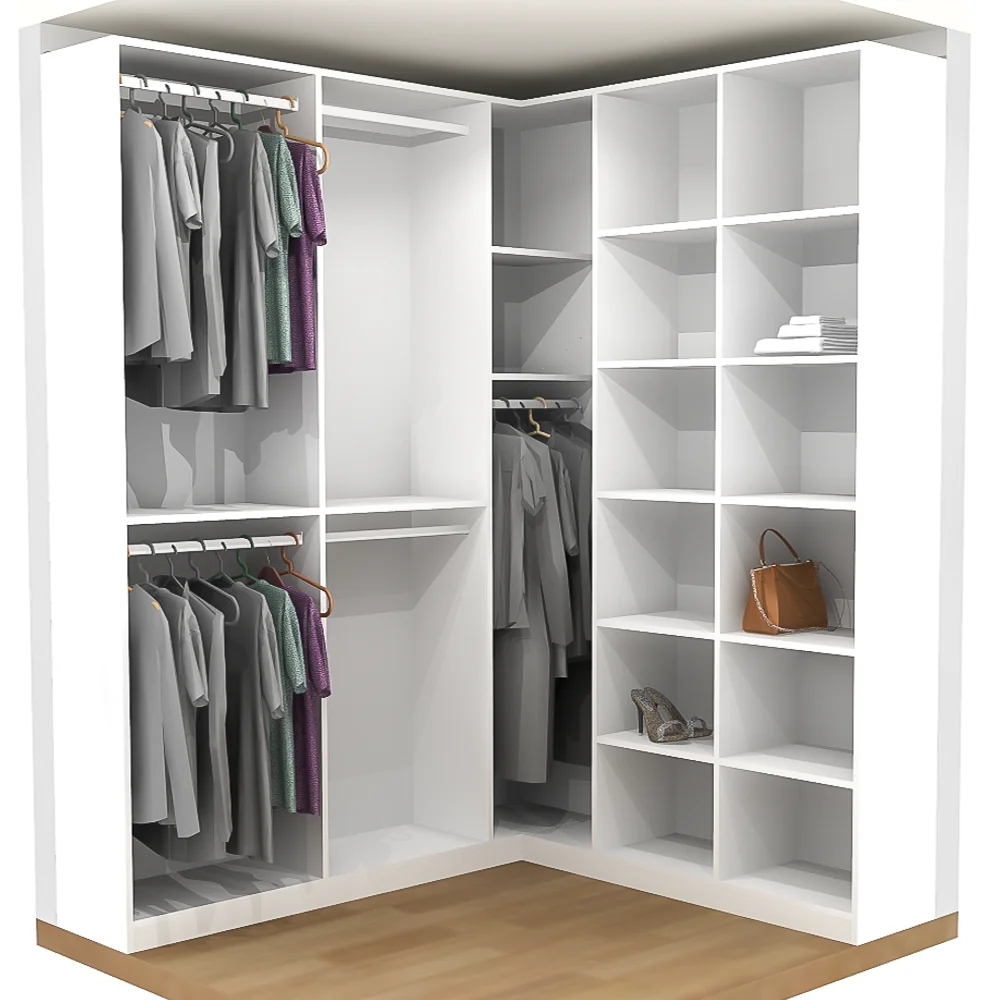
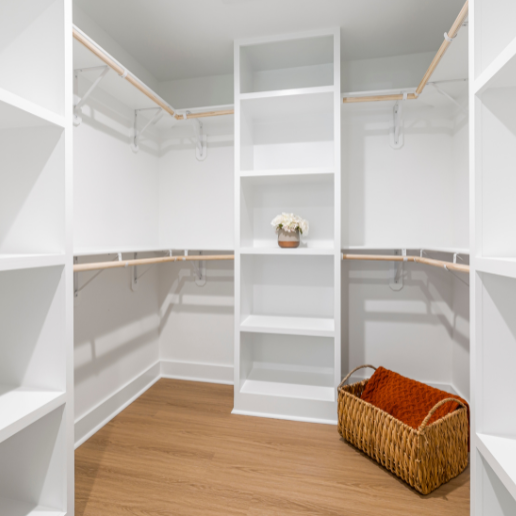
Does the mere thought of your closet send shivers down your spine? Does the looming mountain of clothes threaten to topple over every time you open the door? We’ve all been there. A cluttered closet can be a constant source of frustration, making it hard to find what you need and get dressed efficiently. But fear not, there’s a solution within your grasp – a DIY closet organizer! Building your own organizer offers a multitude of benefits. First and foremost, it allows you to customize the design to perfectly fit your closet’s dimensions and your storage needs. No more trying to squeeze your belongings into pre-fabricated units that don’t quite work. Second, a DIY project is significantly more cost-effective than buying a pre-made organizer. Finally, there’s the immense satisfaction of creating something yourself and transforming your chaotic closet into a haven of organization. So, grab your toolbox and get ready to conquer the clutter! This detailed guide will walk you through every step of the process, from planning your organizer to the final installation. Planning Your Masterpiece: Taking Measurements and Choosing a Design Before diving headfirst into building, a little planning goes a long way. Here’s what you need to do: Once you have a basic idea in mind, sketch out a simple design on paper. This will help you visualize the layout and ensure everything fits within the available space. Gathering the Essentials: Materials and Tools Now that you have a plan in mind, it’s time to gather the supplies. Here’s a list of the materials you’ll likely need: Building Your Dream Organizer: Step-by-Step Guide With your plan and materials in hand, let’s get down to the fun part – building your organizer! Installation Day: Mounting Your Organizer and Adding the Finishing Touches Now that your beautiful organizer is complete, it’s time to give it a permanent home in your closet! Behold, Your Organized Oasis! You’ve done it! Step back and admire your handiwork. Your once-cluttered closet is now a haven of organization, making it easy to find exactly what you need. Here are some additional tips to get the most out of your creation: Common Hiccups and How to Fix Them: Cost Breakdown (approximate): Total: $80 – $160 (This is a rough estimate and can vary depending on the materials you choose and the size of your organizer.) Overall, building your own closet organizer is a rewarding and cost-effective way to transform your space. With a little planning and effort, you can create a customized solution that perfectly meets your storage needs. So, grab your tools, unleash your creativity, and get ready to conquer the clutter. Bonus Tips and Tricks Here are some advanced techniques and considerations for the truly DIY enthusiast: Remember: Safety first! Always wear safety glasses while cutting wood and use appropriate drill bits for the materials you’re working with. If you’re unsure about any aspect of the building process, don’t hesitate to consult a professional or watch instructional videos online. Final Thoughts Building your own closet organizer is more than just a DIY project; it’s an investment in your sanity and well-being. A well-organized closet can save you time and frustration in the mornings, allowing you to focus on more important things. With the knowledge and resources provided in this guide, you’re well on your way to creating a customized and functional closet organizer that reflects your style and storage needs. So, unleash your inner builder, embrace the challenge, and get ready to enjoy the satisfaction of a job well done and a clutter-free closet!

17 Farmhouse Shutter Ideas to Add Charm and Character to Your Home

Farmhouse Shutter Ideas

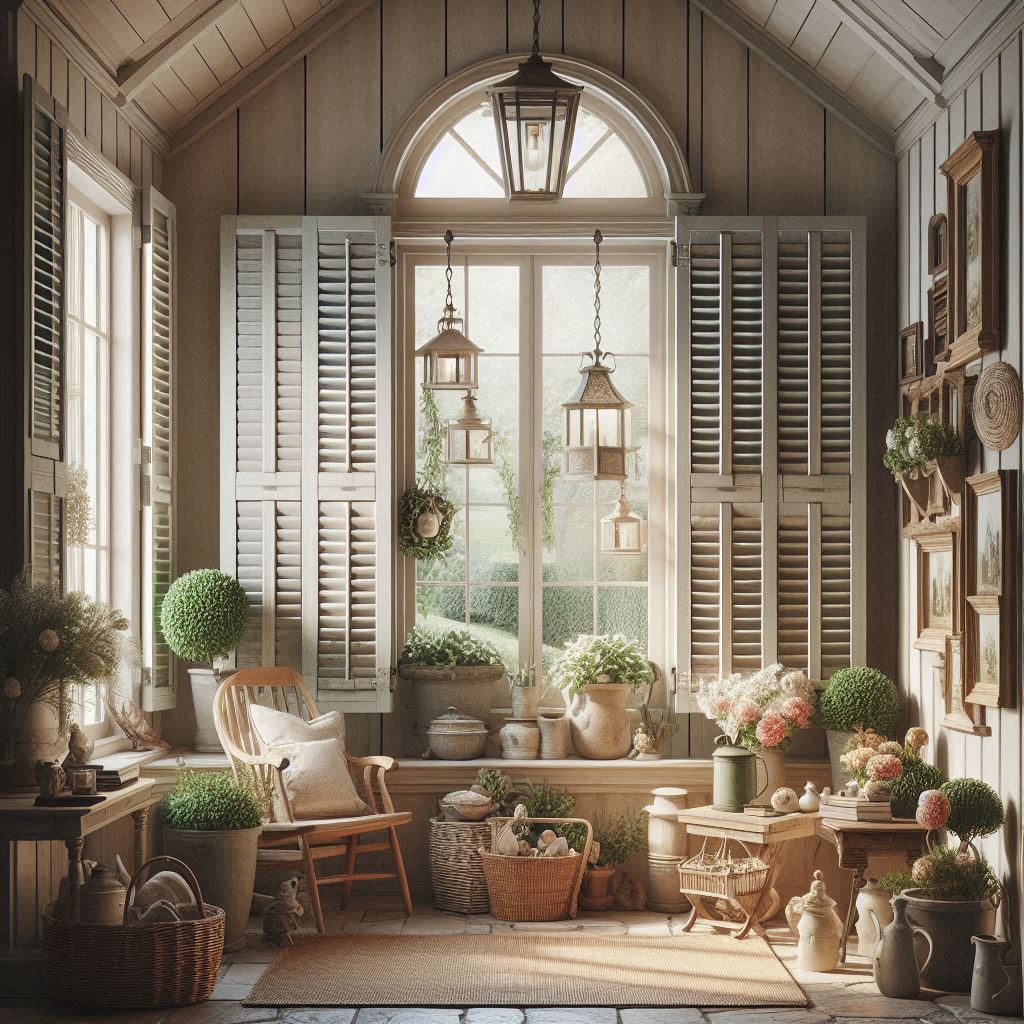
The farmhouse design aesthetic continues to reign supreme, capturing hearts with its warmth, rustic charm, and focus on functionality. Every detail in a farmhouse design contributes to this inviting atmosphere, and shutters are no exception. Beyond offering potential sun control, shutters add a touch of architectural interest and complete the quintessential farmhouse look. If you’re building a new farmhouse or revamping your existing one, this guide will explore 17 unique farmhouse shutter ideas to inspire you. 1. Classic Louvered Shutters: Timeless Beauty and Functionality Louvered shutters are a timeless choice for farmhouse exteriors. These shutters feature horizontal slats that can be angled open or closed, allowing for airflow and light control. They come in various materials, with wood being the traditional favorite for its natural beauty and durability. Vinyl louvered shutters offer a more affordable and low-maintenance option. For a classic farmhouse look, consider painting your louvered shutters a crisp white. This brightens the exterior and complements other farmhouse elements like board and batten siding or a welcoming porch swing. Distressed black is another popular choice, adding a touch of vintage charm. 2. Board and Batten Shutters: Simple Elegance with Versatility Board and batten shutters offer a simpler yet equally charming option for your farmhouse. These shutters consist of vertical boards with a horizontal batten (strip) across the center, creating a clean and elegant look. Their simple construction makes them a great DIY project, or you can find them pre-made in various sizes. Board and batten shutters are versatile and can work well with various window sizes. They add a touch of architectural detail without overwhelming the window. Painting them the same color as your siding creates a cohesive look, while a contrasting color like black can add a touch of drama. 3. X-Brace Shutters: Adding Visual Interest with a Unique Design For those seeking shutters with a bit more visual intrigue, X-brace shutters offer a unique option. These shutters feature two diagonal boards that intersect in an “X” shape across the center. The X-brace adds a touch of visual interest and a subtle nod to traditional barn doors. X-brace shutters work particularly well with farmhouse exteriors that incorporate other geometric elements, like board and batten siding or a modern farmhouse design. Consider painting them white or a soft gray to complement the farmhouse aesthetic. 4. Distressed and Weathered Shutters: A Touch of Vintage Charm Distressed shutters add a touch of vintage charm and character to your farmhouse. This creates the illusion that your home has a rich history, even if it’s newly built. Achieving a distressed finish can be a DIY project for the adventurous. Techniques include sanding, using a wire brush, or applying a special distressing product. Alternatively, many manufacturers offer pre-distressed shutters for a more convenient option. When choosing paint colors for distressed shutters, consider muted tones or colors with a hint of wear. Soft greens, blues, or even a warm gray can evoke a sense of age and history. White with subtle distressing can also create a charming farmhouse look. 5. Colorful Farmhouse Shutters: A Pop of Personality Farmhouse design doesn’t have to be strictly neutral. While classic white and black shutters are popular choices, a pop of color on your shutters can add a touch of personality and unexpected charm. This approach works particularly well if you have a neutral-colored exterior or a vibrant front door. Consider colors that complement your home’s overall color scheme or the surrounding landscape. For a classic farmhouse feel, try a soft blue, green, or yellow. If you’re feeling bold, a deeper red or teal can make a real statement. 6. Shutter Wreaths and Decorations: Seasonal Touches and Curb Appeal Shutters aren’t just functional; they can also be a platform for seasonal decorations and add a touch of personality to your farmhouse exterior. Wreaths are a classic choice, whether you opt for a simple evergreen wreath for winter or a vibrant floral wreath for spring and summer. For a more rustic touch, consider hanging metal stars, lanterns, or decorative signs on your shutters. You can even get creative and use old shutters themselves as a base for DIY decorations. 7. Repurposed Shutters as Decor: Bringing Farmhouse Flair Indoors            The farmhouse love for shutters extends beyond the exterior. Old shutters can be repurposed into charming and functional pieces of decor for your home’s interior. Here are some creative ideas: 8. Board and Batten Shutters with Corbels: A Touch of Architectural Refinement Elevate your board and batten shutters with the addition of corbels. These decorative brackets mounted beneath the shutters add a touch of architectural refinement and a nod to traditional craftsmanship. Choose corbels with simple curves or more elaborate designs depending on the level of detail you desire. 9. Half Shutters for a Casual Farmhouse Look Half shutters, reaching only halfway down the window, offer a more casual take on the farmhouse style. They provide a touch of visual interest without overwhelming smaller windows. This option works well for basements, laundry rooms, or garden sheds that complement your main farmhouse structure. 10. Board and Batten Shutters with Cupola Cutouts: A Whimsical Touch For a playful and whimsical touch, consider incorporating cutout designs within the panels of your board and batten shutters. Popular choices include stars, hearts, or even silhouettes of farm animals. This adds a unique detail that reflects your personality and complements a more whimsical farmhouse aesthetic. 11. Stacked Shutters for Grand Entrances For grand entryways or larger windows, consider using stacked shutters. This creates a sense of balance and adds a touch of grandeur to your farmhouse exterior. Opt for symmetrical pairs of shutters on either side of the window or door for a classic look. 12. Functional Shutters with Window Boxes Combine beauty with practicality by incorporating window boxes with your shutters. Window boxes overflowing with seasonal flowers or greenery add a pop of color and life to your farmhouse exterior. Choose shutters with a simple design to allow the window boxes to take center stage. 13. … Read more

14 Sleek Summer Phone Wallpapers to Elevate Your Look

Summer Phone Wallpapers

Our phones are our constant companions, little windows into our digital worlds. The wallpaper we choose reflects a bit of our personality, setting the tone for every swipe and unlock. As summer unfolds, many of us crave a sleek and modern aesthetic that complements the vibrant energy of the season. So, say good bye to the busy florals and cartoon characters. We’ve curated a collection of 14 phone wallpapers that embody a sophisticated summer vibe, perfect for those who appreciate a touch of minimalism with a seasonal twist. 1. Minimalist Palm Trees: A Breath of Fresh Air Imagine this: clean lines, a calming palette of sky blue and sandy beige, and a silhouette of swaying palm trees. This wallpaper embodies the essence of a tropical paradise, stripped down to its most elegant form. It evokes a sense of effortless summer cool, perfect for those who appreciate a touch of nature without the clutter. 2. Sunsets Over Marble: A Luxurious Escape For a touch of summer luxury, this wallpaper blends the fiery hues of a sunset with the cool elegance of marble. Imagine streaks of orange, pink, and purple bleeding into a backdrop of smooth grey veins. This design creates a sense of opulence and relaxation, like gazing out at a breathtaking sunset from the comfort of a luxurious hotel balcony. 3. Geometric Oasis: A Modern Energy Boost Summer doesn’t have to be all soft florals and pastel hues. This wallpaper injects your phone with a burst of modern energy. Think geometric shapes like triangles and squares in refreshing summer colors – think turquoise, coral, and lime green. This design keeps things interesting without being overwhelming, perfect for those who crave a touch of playfulness on their phone. 4. Tropical Monochrome: Bold and Beautiful Sometimes, simplicity makes the biggest statement. This wallpaper takes a single, bold color – think a vibrant emerald green or a fiery fuchsia – and transforms it into a captivating tropical scene. Imagine a single, oversized monstera leaf or a hibiscus flower dominating the background. This design is perfect for those who appreciate a sleek and impactful look with a summery feel. 5. Two-Tone Gradient: Calm and Composed For those who prefer a minimalist and calming aesthetic, this wallpaper is a dream come true. Imagine a smooth gradient blend of two complementary summer colors, like a soft lavender fading into a cool sky blue. This design creates a visually pleasing background that won’t distract from your apps and notifications. It’s perfect for those who find peace in simplicity. 6. Poolside Paradise: A Summer Dream Close your eyes and picture yourself lounging by the pool on a hot summer day. This wallpaper captures that feeling with a minimalist illustration of a pool. Think clean lines, a refreshing turquoise hue for the water, and perhaps a single pool float basking in the sun. This design evokes a sense of summer relaxation and is guaranteed to put a smile on your face every time you unlock your phone. 7. Starry Summer Night: Elegance After Dark Not all summer moments happen during the day. This wallpaper caters to those who appreciate the beauty of a summer night sky. Imagine a dark background sprinkled with a generous amount of stars in a cool summer color – think soft blue or silver. This design creates a calming and elegant look, perfect for those who crave a touch of sophistication for nighttime phone use. 8. Citrus Slice: A Refreshing Burst of Color Think summer, think citrus fruits! This wallpaper celebrates the season’s refreshing flavors with a close-up image of a sliced lemon, orange, or grapefruit. Imagine a juicy wedge bursting with vibrant color against a clean white background. This design is perfect for those who appreciate a touch of playfulness and a burst of vitamin C on their phone screen. 9. Watercolor Sunset: A Dreamy Summer Escape Sunsets are a quintessential summer experience. This wallpaper captures their magic with a watercolor interpretation. Imagine soft washes of orange, pink, and purple bleeding into a backdrop of muted blues and greens. This design creates a calming and dreamy atmosphere, perfect for those who appreciate a touch of artistic flair on their phone. 10. Summer in the City: A Neon Nightlife Adventure** Summer isn’t just about beaches and sunsets. This wallpaper caters to the urban adventurer. Imagine a city skyline bathed in the cool glow of neon lights. Think blues, purples, and pinks illuminating skyscrapers against a dark background. This design is perfect for those who crave a touch of energy and excitement on their phone, reflecting the vibrant nightlife scene. 11. Metallic Palm Leaves: A Touch of Summer Luxe Who says summer can’t be glamorous? This wallpaper takes the classic palm tree motif and gives it a luxurious upgrade. Imagine palm leaves rendered in metallic gold or silver against a backdrop of deep navy blue. This design adds a touch of sophistication and elegance to your phone, perfect for those who appreciate a modern take on a timeless theme. 12. Under the Sea: A Cool and Calming Dive Escape the summer heat and dive into a world of tranquility with this underwater scene wallpaper. Imagine a school of fish swimming gracefully in a clear blue ocean, with vibrant coral reefs peeking through in the background. This design creates a calming and refreshing atmosphere, perfect for those who find peace in the beauty of the underwater world. 13. Sunrise on a Mountain Peak: A Breathtaking Summer Adventure Summer isn’t just about beaches; it’s also about exploration. This wallpaper captures the majesty of the mountains with a stunning view of a sunrise from a peak. Imagine a sea of fluffy clouds painted in hues of orange and pink, with a silhouette of rugged mountains in the foreground. This design is perfect for those who crave adventure and a touch of awe-inspiring scenery on their phone. 14. Festival Fireworks: A Celebration of Summer Spirit Summer is a time for celebration! This wallpaper captures the excitement of a summer … Read more

17 Vintage Inspired Nursery Décor Ideas: Create a Timeless Haven for Your Little One

Vintage Inspired Nursery Décor Ideas

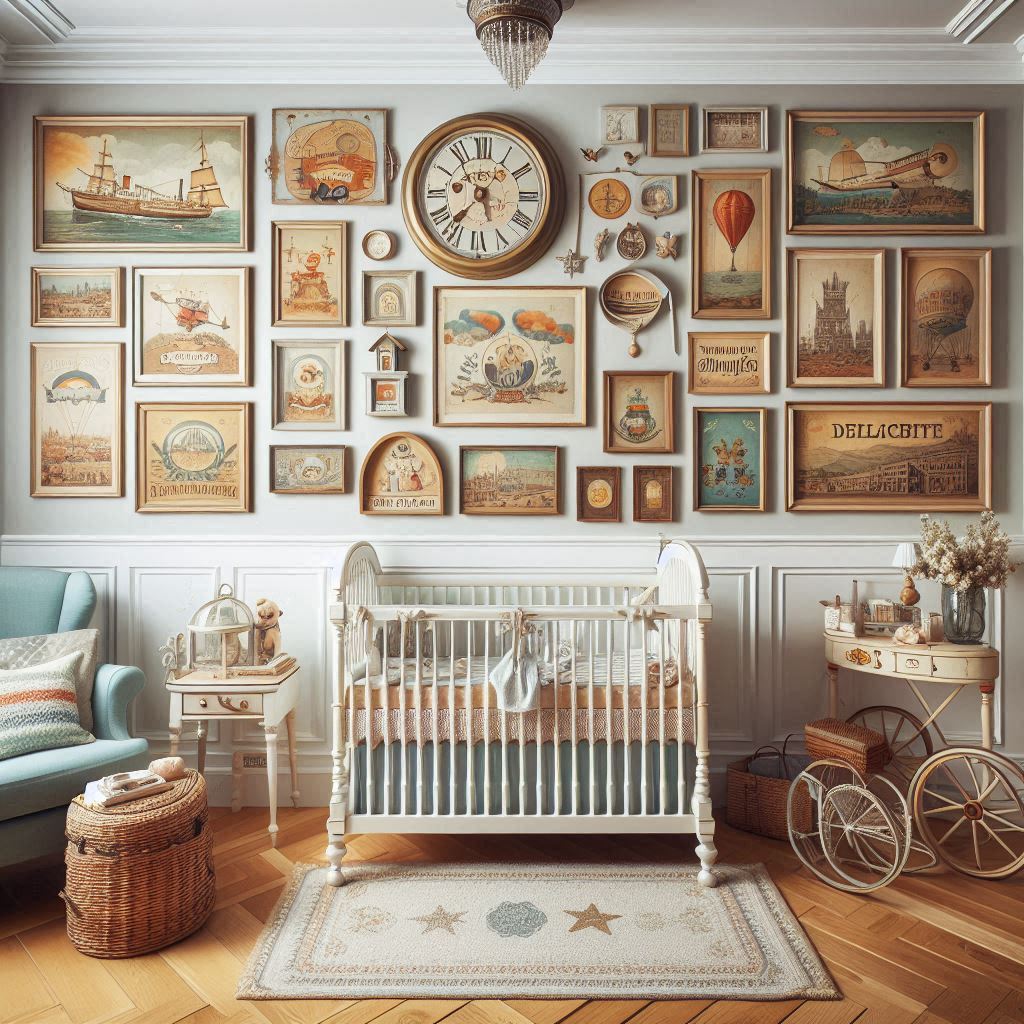
There’s a certain magic to vintage style. It evokes a sense of nostalgia, craftsmanship, and a connection to the past. This charm is increasingly finding its way into nurseries, creating spaces that are not only beautiful but also brimming with character. Whether you’re drawn to the clean lines of Mid-Century Modern or the whimsicality of fairytales, incorporating vintage touches can transform your nursery into a truly special haven for your little one. In this guide, we’ll explore 17 inspiring vintage nursery decor ideas to help you create a space that’s both stylish and timeless. 1. Embrace a Specific Era: Travel Through Time with Design The beauty of vintage decor lies in its vastness. You can draw inspiration from a specific era that resonates with you, creating a nursery with a unique character. Here’s a glimpse into some popular eras and their design elements: 2. Repurposed and Heirloom Treasures: Breathe New Life into Old Pieces Vintage decor isn’t just about aesthetics; it’s about stories and memories. Give your nursery a touch of sentimental value by incorporating vintage furniture and decor, especially family heirlooms. A hand-me-down rocking chair becomes more than just a piece of furniture; it becomes a symbol of shared history and love. Look for unique pieces at thrift stores, estate sales, or antique shops. You might find a charming vintage crib, a rocking horse with a timeless design, or a beautiful armoire for storing baby clothes. Here are some tips for restoring vintage furniture: Remember, safety is paramount. Ensure all vintage furniture is sturdy and meets current safety standards. 3. Classic Color Palettes: A Soothing and Timeless Canvas A vintage-inspired nursery doesn’t have to be loud. Soft, calming color palettes are a hallmark of many vintage styles. Popular choices include: You can also consider incorporating classic patterns like stripes, polka dots, or florals in subtle hues. Using wallpaper or paint: For a more impactful look, consider wallpaper with vintage patterns like florals, damask, or geometric shapes. Alternatively, paint the walls in a calming color and use stencils to create stripes or other classic patterns. 4. Themed Whimsy: Spark Imagination with Vintage Charm Vintage themes can add a touch of whimsy and storytelling to your nursery. Here are some popular ideas: Incorporating the theme: Remember: Safety is always a priority. Ensure any vintage toys or mobiles are age-appropriate and don’t have small parts that could pose a choking hazard. 5. Soft Touches of Lace and Ruffles: A Hint of Femininity For a touch of vintage charm and femininity, consider incorporating vintage textiles like lace curtains, ruffled bedding, or crocheted blankets. These elements add a sense of softness and romance to the nursery. Look for vintage fabrics in pastel colors or classic white for a timeless elegance. Balancing the Look: 6. Wondrous Wall Decor: A Gallery of Vintage Finds The walls of your nursery are a perfect canvas to showcase your vintage finds. Vintage illustrations and artwork: Displaying vintage finds: 7. The Perfect Finishing Touches: Small Details Make a Big Impact The little details can truly elevate your vintage nursery decor. Here are some finishing touches to consider: Remember: When incorporating vintage lighting or electrical appliances, ensure they are in good working condition and meet current safety standards. 8. Embrace the Handmade Touch: A Celebration of Craftsmanship Vintage pieces often showcase the beauty of handcrafted items. Incorporate this charm into your nursery by: 9. A World of Wonder: Vintage Maps and Globes Spark your child’s sense of adventure with vintage maps and globes. 10. Storytelling Through Books: A Literary Haven Nurture a love for reading from a young age by creating a space filled with vintage books. 11. A Touch of Whimsy: Vintage Circus or Fairytale Theme Embrace the playful spirit of childhood with a vintage circus or fairytale theme. 12. Let Nature In: A Vintage Botanical Garden Embrace the beauty of nature with a vintage botanical theme. 13. Repurposed Suitcases: A Touch of Travel Turn vintage suitcases into charming and functional pieces for your nursery. 14. A Touch of Whimsy: Vintage Stuffed Animals and Toys      Incorporate the charm of vintage toys into your nursery decor. 15. The Music of Childhood: A Vintage Music Box Incorporate a vintage music box into your nursery routine. Remember: Ensure the music box is in good working condition and doesn’t have any small parts that could pose a choking hazard. 16. A Touch of Whimsy: Vintage Trains and Transportation Spark your child’s imagination with a vintage transportation theme, perfect for little adventurers. 17. The Charm of Vintage Signage: Metal Letters and Numbers Incorporate vintage signage into your nursery decor for a unique and personalized touch. Remember: When incorporating vintage signage, ensure they are securely mounted to the wall and pose no safety hazards to your child. Wrapping Up Creating a vintage-inspired nursery is more than just decorating a space; it’s about weaving a story. By incorporating pieces from different eras or using family heirlooms, you create a nursery that’s not only beautiful but also holds sentimental value. Embrace your personal style, let your imagination run wild, and don’t be afraid to mix and match different vintage elements. The most important thing is to create a space that feels warm, inviting, and filled with love for your little one. Feel free to share your vintage nursery creations with us in the comments section below. We can’t wait to see the unique and beautiful spaces you create for your little ones.

Eradicating the Enemy Within: 7 Ways to Defeat Gnats in Your Kitchen

Ways to Get Rid Of Gnats In the Kitchen

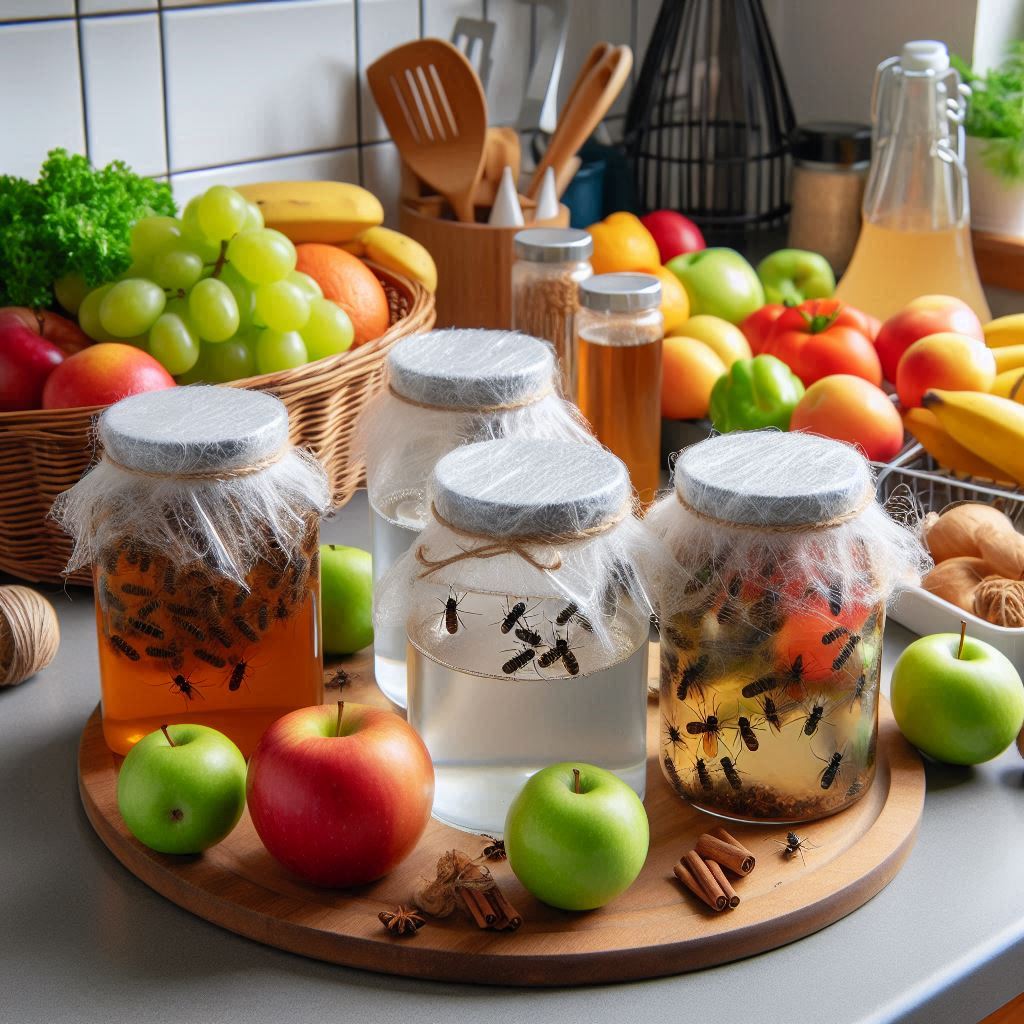
Gnats. Those tiny, buzzing kamikaze pilots who dive-bomb your face while you’re trying to enjoy a peaceful meal. They’re more than just a nuisance; they can also be a sign of underlying issues in your kitchen’s hygiene.This guide will equip you with the knowledge and tools to banish these pesky invaders from your culinary domain. Why Gnats Take Up Kitchen Residence Before we go into the elimination strategies, let’s understand why gnats find your kitchen so darn appealing. Gnats, particularly fruit flies and fungus gnats, are drawn to a few key things: 7 Battle Strategies to Eliminate Kitchen Gnats Now that we know the enemy’s weaknesses, let’s deploy our counteroffensive! Here are 7 effective ways to eliminate gnats from your kitchen: 1. DIY Traps: Lure and Eliminate These homemade traps are a cost-effective and eco-friendly way to target adult gnats. 2. Eliminate Breeding Grounds: Starve the Offspring Gnats reproduce like, well, gnats. To truly win this war, we need to target their breeding grounds. Drains are a prime breeding ground for gnats. Here’s a simple cleaning method: Baking Soda and Vinegar Power: 3. Other Gnat-Slaying Techniques: Expand Your Arsenal While DIY traps and eliminating breeding grounds form the core of your strategy, here are some additional tactics to consider: Fly paper is a readily available and effective option, especially for larger infestations. Simply hang it near gnat activity and watch them get stuck in its sticky embrace. Certain essential oils, like peppermint and lemongrass, have natural gnat-repelling properties. You can use a diffuser to disperse the scent throughout your kitchen or dilute a few drops in water for a homemade spray. Reapply the spray regularly for continued effectiveness. For stubborn infestations, commercially available gnat traps and sprays might be necessary. Look for traps specifically designed for gnats, and follow the manufacturer’s instructions carefully when using sprays. Remember, these products often contain chemicals, so prioritize using natural methods whenever possible. 4. Prevention is Key: Keeping Your Kitchen Gnat-Free Victory over the gnat hordes is sweet, but wouldn’t it be even better to prevent them from taking root in the first place? Here are some preventative measures to keep your kitchen gnat-free: a. Food Storage Fort Knox: Gnats are master opportunists, drawn to the sweet siren song of exposed food. Here’s how to create an impenetrable food fortress: b. Trash Talk: Maintaining a Clean Disposal System Your trash can is a potential gnat breeding ground. Here’s how to manage it effectively: c. Spills and Crumbs: Maintaining a Clean Battlefield Even the tiniest spills and crumbs can attract gnats. Here’s how to maintain a clean kitchen: d. Sink Sanitation: Keeping the Drain Gnat-Free The sink drain is another potential breeding ground. Here’s how to keep it squeaky clean: e. Houseplant Harmony: Watering Wisely Overwatered houseplants can create a damp haven for gnats. Here’s how to maintain healthy, gnat-free plants: Wrapping Up By implementing these strategies, you’ll be well on your way to a gnat-free kitchen. Remember, a combination of eliminating existing gnats and preventing future infestations is key to achieving culinary peace. Also note that the fight against kitchen gnats is a shared struggle. Have you discovered any effective DIY traps or prevention methods? Share your experiences and tips in the comments below! Together, we can create a gnat-free future for our kitchens!

17 Trendy Street Style Home Décor Ideas to Express Your Inner Hypebeast

Street Style Home Décor Ideas

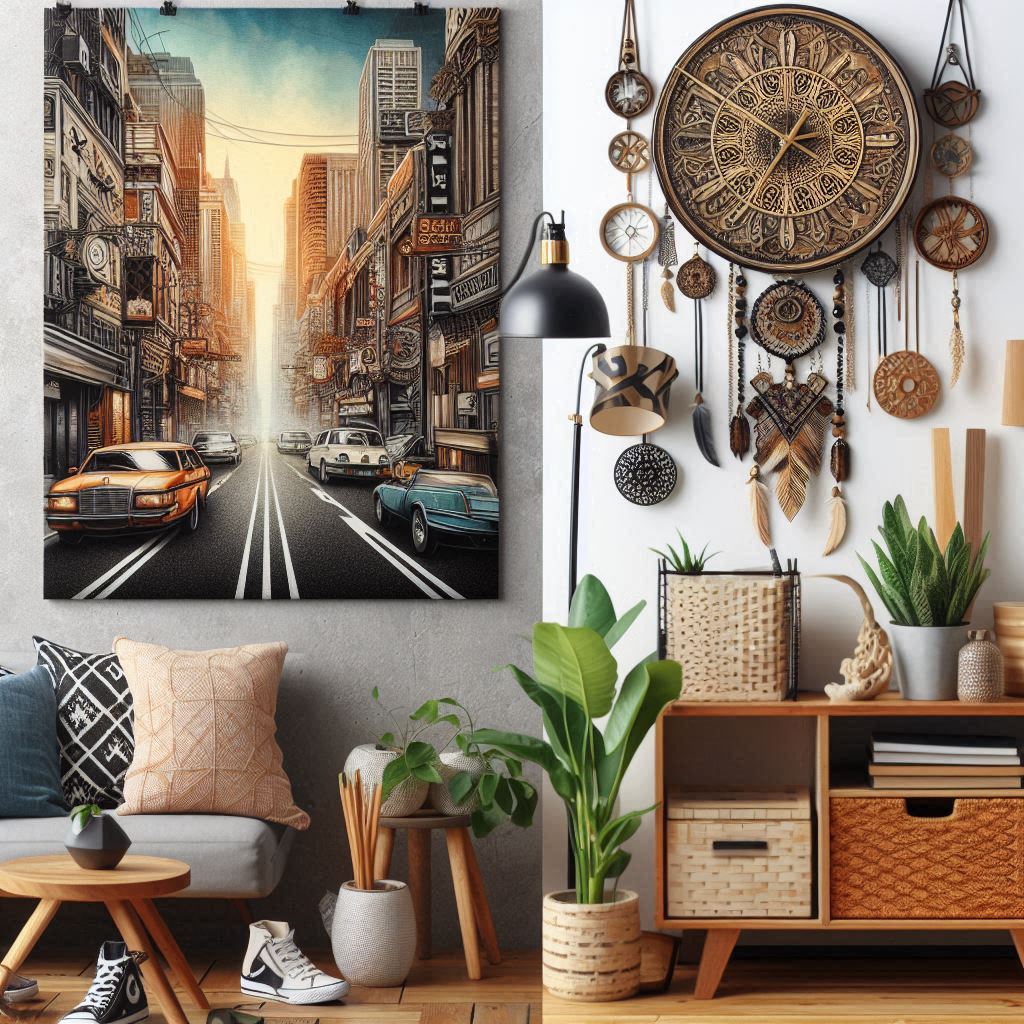
The streets are alive with vibrant self-expression, a constant runway showcasing the latest trends and coolest individual styles. But what if you could bring that same energy and individuality into your own home? Street style home décor is all about injecting your space with a dose of urban flair, creating a unique and personal haven that reflects your passions and personality. Gone are the days of beige walls and cookie-cutter furniture. Street style décor is bold, unexpected, and a whole lot of fun. It’s about breaking the rules and creating a space that feels truly you. Here are 17 trendy street style home décor ideas to get your creative juices flowing: 1. Unleash the Power of Prints: Graphic Textiles Take Center Stage Streetwear is all about statement pieces, and your home décor can follow suit. Ditch the florals and embrace bold graphic textiles. Throw pillows featuring graffiti art, pop culture references, or geometric patterns instantly add a conversation starter to your living space. Love vintage band tees or iconic comic book characters? Get them screen-printed onto throw pillows or reupholster an old armchair for a one-of-a-kind statement piece. 2. Repurpose and Upcycle: Give Your Streetwear a Second Life Don’t let those vintage denim jackets or graphic t-shirts languish in your closet. Give them a new lease on life as unique home décor elements. Hang a favorite denim jacket on the wall as a statement piece, or frame a graphic t-shirt with a special meaning. Got a collection of cool hats or bags? Display them on open shelving or use them as quirky storage solutions. Repurpose old skateboards as wall art, or get crafty and transform a vintage suitcase into a one-of-a-kind coffee table. 3. Light Up Your Life with Neon Accents Street style thrives on energy and vibrancy. Neon signs aren’t just for shop windows anymore. Inject a playful energy into your space with a neon sign featuring your favorite quote, a video game character, or a pop culture icon. Neon light fixtures or artwork can add a touch of the unexpected and create a seriously Instagram-worthy corner. 4. Unleash Your Inner Artist: DIY Street Art Inspired Projects Channel your inner Banksy and create your own street art inspired décor. Stencil a vibrant mural on an accent wall, or get creative by painting furniture with graffiti motifs. Feeling less adventurous? Even simple things like spray-painting planters in bold colors can add a dose of street style. 5. Industrial Chic Meets Cozy Comfort: A Perfect Juxtaposition Street style often blends the edgy with the comfortable. Achieve this balance in your home décor by incorporating elements of industrial chic with cozy textures. Exposed brick walls or raw wood furniture add a touch of urban grit, while plush throw blankets and soft furnishings create a sense of warmth and comfort. Don’t be afraid to mix metals like industrial pipes or lamp stands with vintage rugs and plush armchairs. 6. Sneakerhead Paradise: Showcase Your Kicks in Style Calling all sneaker enthusiasts! Your prized collection deserves to be displayed, not stashed away in boxes. Floating shelves and shadowboxes are perfect for showcasing your favorite kicks. Feeling extra creative? Repurpose old sneaker boxes into unique storage solutions for magazines, remote controls, or even plants (just be sure the pots have proper drainage!). 7. Embrace the Unexpected: Let Your Creativity Run Wild Street style is all about pushing boundaries and expressing yourself. Don’t be afraid to embrace the unexpected when it comes to your home décor. Hang a vintage skateboard on the wall as a conversation starter, stack old suitcases to create a unique side table, or repurpose a traffic sign into a quirky wall hanging. The possibilities are endless! 8. Embrace the Thrill of the Hype: Limited Edition Memorabilia Streetwear thrives on limited edition drops and exclusive collaborations. Showcase your love for these coveted pieces by incorporating them into your décor. Display a limited edition sneaker box on a floating shelf, frame a concert poster from your favorite artist, or hang a signed photograph of a streetwear icon. These unique items will spark conversation and add a touch of exclusivity to your space. 9. Let There Be Light: Neon Canvas Art Take your neon obsession a step further with custom canvas art. Commission a local artist to create a neon-drenched piece featuring your favorite streetwear brand logo, a pop culture icon, or a motivational quote. This statement piece will instantly become the focal point of your room, adding a bold dose of urban energy. 10. Repurposed Street Signs: A Conversation Starter Hit the thrift stores or online marketplaces to find vintage street signs. These weathered beauties can be transformed into unique wall hangings or even coffee table bases. Imagine using a “No Parking” sign as a whimsical doormat or a “One Way” sign as a conversation starter in your entryway. 11. The Art of Upcycling: Transform Everyday Objects Street style is all about resourcefulness. Take a page from this book and upcycle everyday objects into statement pieces. Spray paint old paint cans in vibrant colors and use them as planters. Repurpose a vintage clothing rack as a towel rack in your bathroom, or transform a traffic cone into a quirky side table. 12. Let Your Floors Speak Volumes: Bold Rugs and Floor Stencils Don’t let your floors be an afterthought. Bold graphic rugs featuring geometric patterns, graffiti art, or pop culture references can add a major dose of personality to your space. Feeling crafty? Stencil your own design onto a plain rug using fabric paint for a truly unique piece. 13. Embrace the Raw and Industrial: Exposed Pipes and Concrete Accents Streetwear often draws inspiration from industrial landscapes. Consider incorporating these elements into your home décor for a raw and edgy vibe. Exposed brick walls and metal pipes (check local building codes first!) add a touch of urban grit. Concrete planters or a concrete side table create a unique industrial-chic aesthetic. 14. The Art of the Mashup: Unexpected Material Combinations Street style thrives on unexpected … Read more

17 Small Walk In Closet Ideas to Maximize Your Storage Space

Small Walk In Closet Ideas

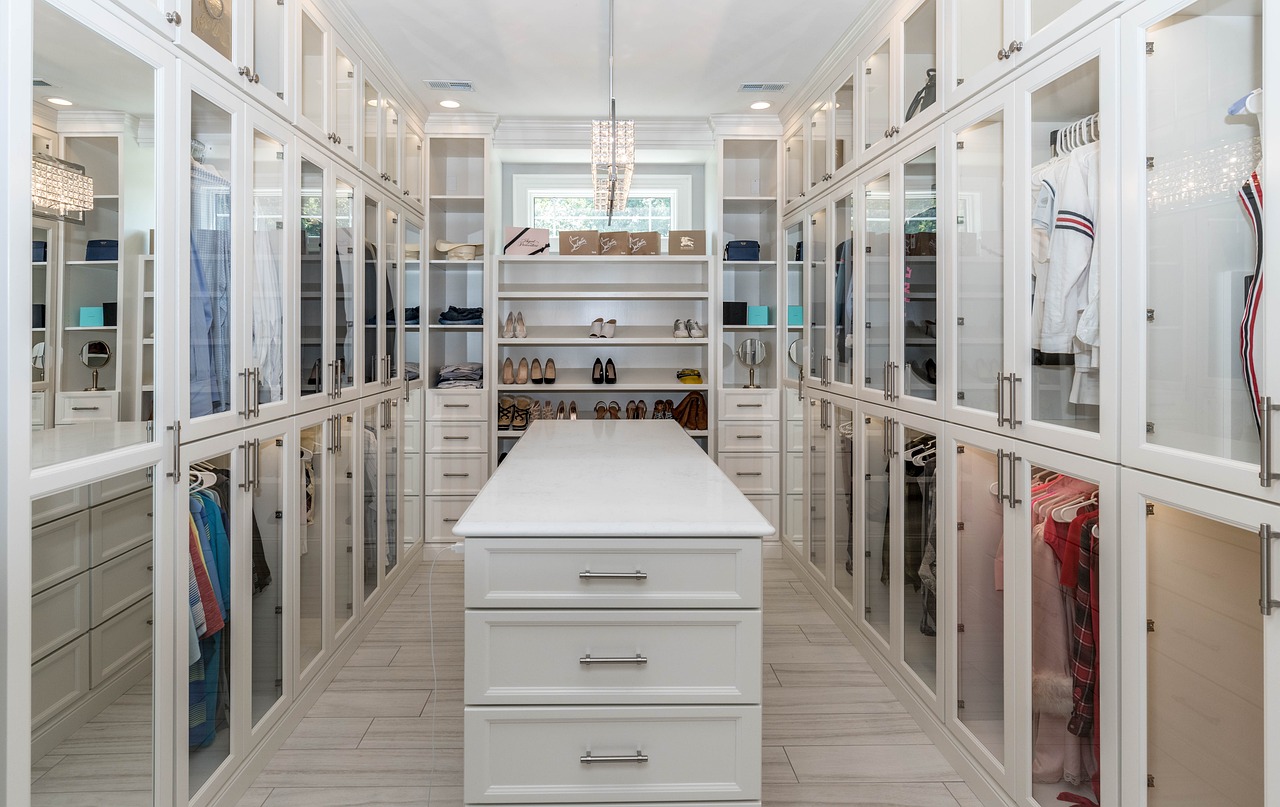
If you’re anything like me, you’ve probably stood in your “walk-in” closet—which, let’s be honest, feels more like a step-in-and-pivot closet—and felt a wave of frustration. We see these dreamy, magazine-worthy closets online, all perfectly lit with color-coordinated clothes and open shelving. Then we look back at our reality: a tiny, cluttered space where finding a matching pair of socks is an archaeological dig and that one sweater is perpetually falling off the hanger. Sigh. For years, I just accepted that my small walk-in was destined to be a black hole of unused space and wrinkled laundry. But here’s the truth I discovered: size isn’t the problem; the system is. You don’t need a renovation or a bigger house; you just need to get clever about how you use the existing real estate. I took the plunge, started experimenting with smart storage hacks, and completely transformed my own cramped corner into an organized, functional space that genuinely sparks joy every time I open the door. I promise you, if I can do it, you absolutely can too. I’m going to walk you through the absolute best, most game-changing ideas I’ve found to take your small walk-in closet from cluttered chaos to a storage superstar! 1. Declutter and Edit: Make Space for What Matters Before diving into storage solutions, a crucial first step is decluttering. Be honest –– how many clothes haven’t seen the light of day in years? Donate unworn items, sell gently used pieces, and pack away out-of-season clothing. This ruthless editing frees up valuable real estate for the clothes you love and wear regularly. 2. Think Vertical: Reach for the Ceiling Small closets demand taking advantage of every inch, and that includes the vertical space. Here’s where maximizing your wall real estate comes in: 3. Conquer the Corners: No Space Wasted Here Corners in small closets are often neglected, but they hold untapped potential! Here’s how to turn those awkward nooks into storage havens: 4. Compartmentalization is Key: Drawers and Cubbies to the Rescue Drawers and cubbies are champions of organization, keeping your belongings neatly contained and easily identifiable. Here’s how to put them to work in your small closet: 5. Space-Saving Hangers: Maximize Every Inch on the Rod Regular hangers can eat up valuable closet space. Consider investing in space-saving alternatives: 6. Hanging Organizers: Additional Storage without Sacrificing Floor Space Hanging organizers are a fantastic way to add extra storage without sacrificing precious floor space. Here are some options to consider: 7. Bins and Baskets: Stylish Storage Solutions Bins and baskets are not just for looks –– they can be incredibly functional storage solutions in a small walk-in closet: 8. Utilize the Back of the Door: A Hidden Storage Gem The back of your closet door is prime real estate waiting to be utilized. Here are some clever storage solutions: 9. Under-Shelf Storage: Don’t Waste Precious Space The space beneath hanging rods often goes neglected. Here’s how to turn it into valuable storage: 10. Vacuum Bags for Out-of-Season Bulky Items Bulky out-of-season items like winter coats or comforters can eat up valuable closet space. Here’s a clever solution: 11. Double Duty Furniture: Maximize Function Small spaces require furniture that works double-time. Here are some ideas: 12. Color Coordination and Labeling: Create a Calming Effect Organization doesn’t just mean maximizing space; it’s also about creating a visually pleasing environment. Here are some tips: 13. Embrace Multifunctional Hangers: While we discussed space-saving hangers earlier, there are even more options to maximize functionality: 14. Utilize Wall Space Behind the Door: Don’t let the wall behind your closet door go to waste! Here are some creative storage solutions: 15. Think Outside the Box (or Bin): Maximize Unused Corners While corner shelves are a great option, here are some alternative solutions for maximizing those awkward corners: 16. Make Use of Ceiling Height: Expand Your Storage Vertically If your closet boasts high ceilings, don’t let that valuable space go unused: 17. Embrace Foldable Furniture: Maximize Space and Maintain Flexibility Folding furniture offers a space-saving solution for small closets: Conclusion: Your Small Closet Oasis Awaits Try implementing these creative ideas to transform your small walk-in closet into a well-organized haven. Remember, the key is to maximize space and prioritize the items you use most frequently. Don’t be afraid to experiment with different storage solutions and find a system that works best for your wardrobe and lifestyle. With a little effort, your small closet can become a source of joy, not frustration, allowing you to get dressed with ease and express your unique style. Here are some bonus tips for creating a small closet oasis: With these tips and the storage solutions outlined above, you can create a small walk-in closet that is both functional and stylish. So go forth, unleash your inner organizer, and transform your tiny closet into a space you’ll love!

20+ Dreamy Closet Ideas to Elevate Your Bedroom Style

Dreamy Closet Ideas

Your bedroom closet should be more than just a place to stash your clothes—it should be a beautiful, functional space that inspires you daily. Whether you’re working with a compact nook or a spacious walk-in, the right closet design can completely transform the feel of your room. In this collection of over 20 dreamy bedroom closet ideas, we’ll show you how to blend storage with style to create a space that’s as stunning as it is practical. Throughout the blog, you will be inspired by creative layouts, luxe finishes, smart organization tips, and cozy design touches that turn everyday storage into a personal retreat. 1. Maximize Functionality: The Customizable System Gone are the days of ill-fitting store-bought shelves and wasted closet space. A customizable closet system is your best friend when it comes to maximizing functionality in your 7-bedroom haven. These systems offer a variety of adjustable shelves, drawers, and hanging rods that can be configured to perfectly suit your wardrobe needs. Imagine dedicating ample hanging space for long dresses, while utilizing pull-out drawers for delicate lingerie or folded sweaters. When choosing materials, consider the overall look you’re going for. Wood offers a classic and timeless feel, while metal exudes a modern and sleek vibe. Laminate is a budget-friendly option that comes in a wide range of colors and textures to match your existing decor. 2. Double Duty: Combining Storage and Style Let’s be honest, a closet overflowing with practical storage solutions can feel a little bland. Here’s where style comes in! Embrace the concept of open shelving and cabinets for a visually appealing space that makes outfit selection a breeze. Play with different heights and depths of shelves to create a dynamic look. Open shelving doesn’t have to mean constant dust-busting. Incorporate beautiful baskets or decorative boxes to conceal clutter while adding a touch of personality. Don’t be afraid to mix materials and textures – wicker baskets soften a modern space, while sleek metal boxes add an industrial edge. 3. Compartmentalization: A Place for Everything The key to a truly organized closet is compartmentalization. Dedicate specific areas for different types of clothing and accessories. This prevents the dreaded wardrobe avalanche and makes getting dressed a streamlined process. Drawer dividers are your allies for organizing socks, scarves, and undergarments. Utilize shoe racks to keep footwear neatly stored and easily accessible. Pull-out shelves are a lifesaver for storing out-of-season clothes or bulky items like sweaters. Hanging organizers with multiple compartments are perfect for scarves, belts, or ties, keeping them tangle-free and easy to find. 4. Lighting Up Your Look: Bright Ideas for Illumination Ever spent ages rifling through clothes in a dimly lit closet, only to realize you’ve overlooked the perfect outfit? Proper lighting is crucial for selecting outfits efficiently. Ditch the single, flickering bulb and explore brighter options. Recessed lighting provides an overall even glow, while LED strip lights can be strategically placed under shelves or inside drawers to illuminate specific areas. Don’t underestimate the power of strategically placed lamps. A well-positioned floor lamp can cast a warm light, creating a more inviting atmosphere in your closet haven. 5. Multi-Level Marvel: Utilizing Vertical Space In a 7-bedroom space, maximizing vertical space is key to creating a truly functional closet. Floor-to-ceiling storage solutions are your best friend here. Double hanging rods allow you to double the hanging space for shirts, pants, or dresses. Upper shelves are perfect for storing out-of-season clothes or bulky items like winter gear. Consider installing pull-down clothing racks for items you don’t use frequently, but still want to keep accessible. This clever storage solution utilizes often-wasted ceiling space and keeps your most-used items within easy reach. 6. A Touch of Luxury: Creating a Dressing Room Vibe Who wouldn’t love the feeling of stepping into a luxurious boutique every time they get dressed? Elevate your 7-bedroom closet to a whole new level by incorporating elements of a dressing room. Add a vanity with a well-lit mirror for applying makeup or checking your outfit. A comfortable seating area, perhaps a chaise longue or a plush ottoman, allows you to relax while putting on shoes or trying on different outfits. Consider investing in a garment steamer to keep your clothes wrinkle-free and instantly ready to wear. 7. DIY Delight: Budget-Friendly Closet Organization Creating a dream closet doesn’t have to break the bank. With a little creativity and resourcefulness, you can achieve a functional and stylish space on a budget. Here are some DIY delights to get you started: 8. Color Coordination Calm: Visual harmony can significantly impact a space’s feel. Implement a color coordination system for a calming and aesthetically pleasing closet. This can be as simple as choosing a neutral color palette for shelves and cabinets, or as bold as using color-coded hangers for different garment types. Group clothes by color within hanging sections or folded shelves for a visually organized and instantly uplifting effect. 9. Season Switcher: Streamlined Seasonal Storage Combat wardrobe chaos by dedicating specific areas for seasonal clothing. Utilize vacuum storage bags for bulky out-of-season items like winter coats or comforters. Label clear storage bins or boxes for seasonal accessories like scarves or hats. Consider installing a hanging clothing rack that can be easily rolled out or pushed back to create dedicated space for seasonal wear without sacrificing permanent storage. 10. Shoe Sanctuary: Dedicated Footwear Haven Shoes deserve their own special place! Opt for a dedicated shoe rack system that maximizes space and keeps footwear organized and easily accessible. Explore options like stackable shoe shelves, over-the-door shoe organizers, or pull-out shoe drawers. If space allows, consider incorporating a built-in shoe cabinet with tilting shelves for displaying your favorite footwear. 11. The Power of Pull-Outs: Maximize Hidden Storage Pull-out drawers and shelves are a lifesaver in any closet. They provide valuable hidden storage for items you don’t need daily but want to keep close at hand. Utilize pull-out drawers for storing undergarments, socks, or delicate accessories. Install pull-out shelves for handbags, out-of-season shoes, or folded clothes … Read more

How Long Do Peat Pots Take to Decompose? A Gardener’s Guide

How Long Do Peat Pots Take to Decompose

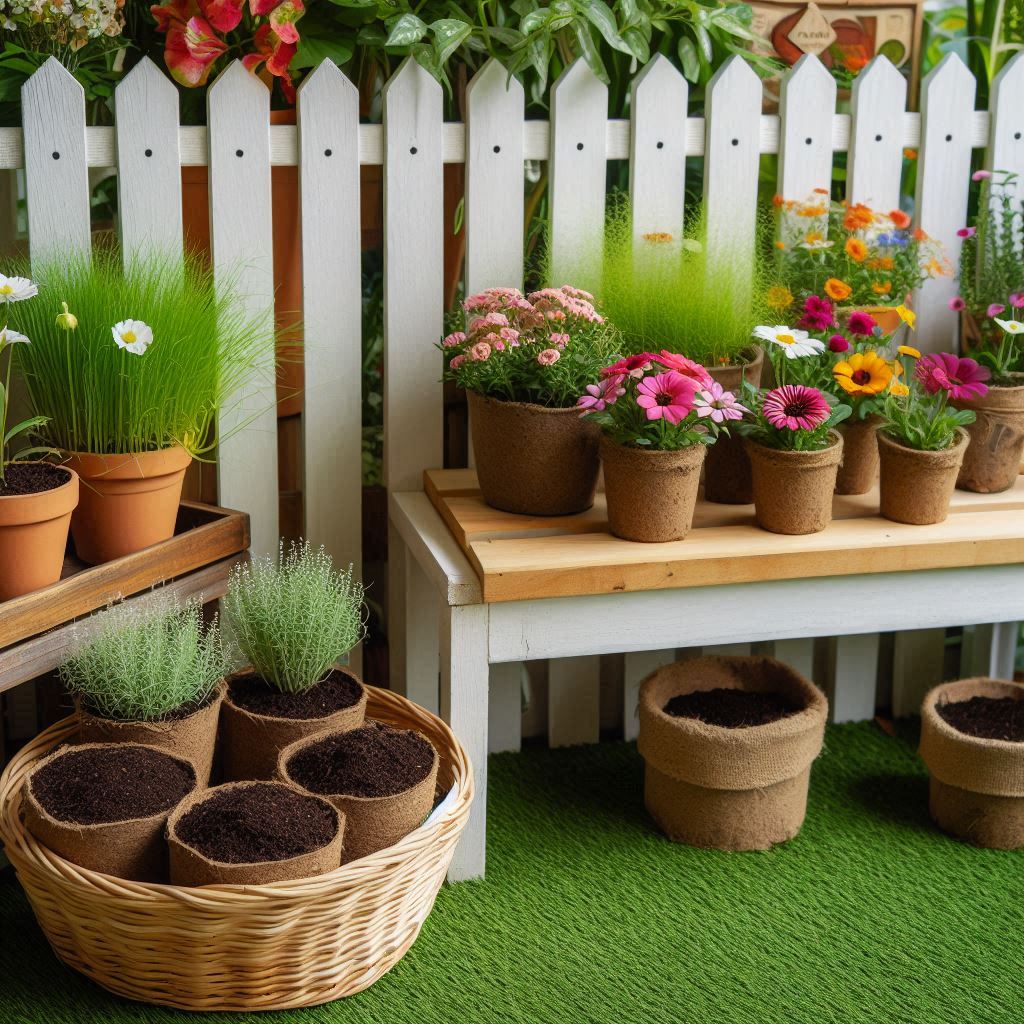
Peat pots are a familiar sight for gardeners, offering a convenient way to start seedlings indoors before transplanting them outdoors. But beyond their practicality, peat pots hold a significant advantage: they’re biodegradable! Unlike plastic pots, peat pots break down over time, eliminating the need for disposal and minimizing environmental impact. But how long exactly does this decomposition process take? How Long Do Peat Pots Take to Decompose? The answer, like most things in nature, isn’t a simple one. The decomposition timeline for peat pots depends on several factors. In ideal conditions, with consistent moisture, warm soil temperatures, and a healthy population of soil microbes, a peat pot can decompose in as little as a few weeks. However, the real world throws a few curveballs. Here’s how some key factors influence decomposition time: Considering these factors, a more realistic timeframe for peat pot decomposition in most gardens falls between several months to a year. Optimizing the Decomposition Process: Tips for Speedy Breakdown Here are some handy tips to help your peat pots decompose faster and contribute valuable organic matter to your soil: Alternatives to Peat Pots: Exploring Eco-Friendly Options While peat pots offer a biodegradable option, peat moss extraction can raise environmental concerns. Here are some eco-friendly alternatives to consider: The Final Word: Weighing the Benefits While the decomposition timeframe for peat pots may vary, their biodegradability remains a significant advantage. Considering the convenience they offer for starting seedlings and the eventual addition of organic matter to your soil, peat pots can be a valuable tool for eco-conscious gardeners.

11 Strategic Spots to Plant Marigolds in Your Thriving Vegetable Garden

Strategic Spots to Plant Marigolds in Your Thriving Vegetable Garden

Marigolds, those cheerful bursts of sunshine in shades of yellow, orange, and red, aren’t just beautiful additions to your garden. They’re hardworking companions that benefit your vegetable patch in surprising ways. Not only do they deter pesky insects with their strong scent, but they also attract beneficial pollinators like bees and butterflies that are crucial for healthy fruit and vegetable production. Plus, marigolds add a layer of beauty that brightens your garden and makes it an even more inviting space. But where exactly should you plant these versatile flowers for maximum impact? Here are 11 strategic locations to integrate marigolds into your vegetable garden, transforming them from simple ornamentals into powerful allies: 1. A Colorful, Protective Border: Plant marigolds around the perimeter of your raised beds or vegetable plots. This creates a visually stunning border while acting as a first line of defense against unwanted visitors. Choose marigold varieties that complement the height and aesthetic of your garden. Taller African marigolds work well for larger gardens, while French marigolds with their bushy, compact growth are perfect for raised beds or smaller spaces. 2. Disrupting the Pest Parade: Between Vegetable Rows Don’t leave empty spaces between your vegetable rows! Plant marigolds in these gaps to disrupt the movement of pests like aphids, whiteflies, and beetles. Marigolds also act as a living mulch, helping to suppress weeds and retain moisture in the soil. Here, select low-growing marigold varieties like signet or gem marigolds to avoid shading your vegetables. Ensure proper spacing to allow for good airflow and prevent competition for resources. 3. Luring Away the Enemy: Strategic Trap Crops Did you know marigolds can be used as trap crops? Certain pests, like thrips and some types of caterpillars, are particularly attracted to marigolds. Plant marigolds strategically near vulnerable crops like peppers or eggplants. The pests will be drawn to the marigolds first, giving your vegetables a fighting chance. Once the marigolds become heavily infested, simply remove and destroy them to eliminate the pest population. 4. Maximizing Space and Benefits: Interplanting Within Rows Marigolds are space-saving superstars! Interplant them directly within your vegetable rows, particularly where you have taller vegetables like tomatoes or corn. This maximizes your garden’s real estate while providing continuous pest control and attracting beneficial pollinators. Choose marigold varieties that grow well with your specific vegetables. Avoid smothering smaller plants with large, bushy marigolds. Opt for smaller varieties like signet marigolds or single French marigolds. 5. Protecting Against Microscopic Threats: Near Nematode-Prone Plants French marigolds are particularly effective against nematodes, microscopic worms that damage plant roots. If you’re planting vegetables susceptible to nematodes like tomatoes, peppers, beans, or squash, consider incorporating French marigolds into your planting scheme. Plant them alongside or even slightly before your vegetables to give them a head start in deterring these destructive pests. 6. Masking the Irresistible Scent: Near Strong-Scented Vegetables Some vegetables, like onions or cabbage, have strong scents that can attract unwanted pests. Marigolds, with their own distinct fragrance, can help mask these scents and make your vegetable patch less inviting to these insects. Plant marigolds downwind of strong-smelling vegetables to take maximum advantage of their masking ability. 7. Adding Beauty and Benefits to Fruit Trees Marigolds aren’t just for vegetable gardens! They can be beneficial companions for fruit trees as well. The vibrant blooms add a touch of color and cheer, while deterring some pests and attracting pollinators that also benefit your fruit trees. Choose marigold varieties that won’t compete with your trees for resources. Opt for smaller, bushier varieties and plant them at a distance to avoid shading the base of the tree. 8. Keeping the Compost Pile Company (and the Flies Away) Compost piles are essential for creating nutrient-rich soil for your garden, but they can also attract unwanted flies and other pests. Planting marigolds downwind of your compost pile can help deter these pests with their strong scent. This keeps your composting process running smoothly while adding a touch of beauty to your garden. 9. Taking Vertical Gardening to New Heights (and with Fewer Pests) Don’t limit marigolds to traditional garden beds! They’re perfect for adding color and pest control to vertical gardens and container plantings. Choose compact marigold varieties like signet marigolds or dwarf African marigolds that are well-suited to the size and sun exposure of your containers. 10. Repelling Pests While the Soil Rests: Planting After Harvest Even after you’ve harvested your delicious vegetables, your garden beds can benefit from marigolds. Planting marigolds in areas where you’ll be planting susceptible vegetables next season is a smart strategy. They’ll help deter pests and suppress soil-borne diseases while the soil rests and replenishes nutrients. This is particularly beneficial for deterring root knot nematodes and other soil-borne pathogens that can damage your next crop. Consider planting marigolds after harvesting vegetables like potatoes, tomatoes, or peppers, which are especially vulnerable to these pests. 11. Companion Planting with Specific Vegetables: Marigolds aren’t just beautiful; they’re also beneficial companions for many vegetables. Here’s a quick reference table to help you choose the right marigold pairings for your garden: Vegetable Recommended Marigold Variety Benefits Tomatoes, Peppers, Eggplant French Marigolds Deters aphids, whiteflies, nematodes Beans, Peas Bushy French Marigolds Deters beetles, improves pollination Squash, Pumpkins, Cucumbers Tall African Marigolds Deters squash bugs, attracts beneficial pollinators Lettuce, Greens Signet Marigolds Deters aphids, improves air circulation Onions, Garlic French Marigolds Masks strong scents, deters some pests Wrapping Up Try incorporating marigolds into your vegetable garden in these strategic ways and you’ll create a thriving ecosystem that benefits both your plants and your harvest. They’ll deter pests, attract pollinators, and add a touch of beauty, all while helping to maintain healthy soil. Remember, experimentation is key! Observe what works best in your garden and adjust your marigold planting strategy accordingly. Do you have any favorite ways to use marigolds in your vegetable garden? Share your tips and experiences in the comments below! Let’s create a community of gardeners who are growing healthy and vibrant food while keeping pests … Read more