
There’s always that one spot in the yard where grass refuses to grow — maybe under a large tree or along the north side of the house that never sees the sun. I used to struggle with these gloomy corners, trying different plants only to end up with patchy soil and frustration. Then I discovered the magic of low-maintenance ground cover plants for shade. These little workhorses often thrive where others don’t and create lush carpets of color and texture with minimal effort.
In this post, I’ve gathered fifteen of my favorite shade-loving ground covers that practically take care of themselves. Some add vibrant color, others bring soft greenery, and a few even help keep weeds in check. If your shaded spaces feel dull or lifeless, these plants might just be the perfect touch to bring them back to life.
Why Choose Ground Cover Plants for Shady Areas
Shaded spots can be tricky to work with, but that doesn’t mean they have to stay bare. Ground cover plants are a smart solution because they spread naturally, cover soil beautifully, and often require less upkeep than grass or high-maintenance flowers. They also help lock in moisture, meaning you’ll spend less time watering.
Low-maintenance ground covers are ideal for busy homeowners or anyone who wants to enjoy their garden without constant pruning and fussing. They typically thrive with minimal watering, occasional trimming, and very little fertilizing. Many are drought-tolerant once established and provide year-round interest.
It’s also important to match your plants to the type of shade you have. Full shade means little or no direct sunlight, while partial or dappled shade allows some filtered light through. Once you know how much light your space gets, it becomes much easier to choose plants that will actually flourish instead of fade.
15 Low Maintenance Ground Cover Plants For Shade
1. Hostas (Hosta spp.)
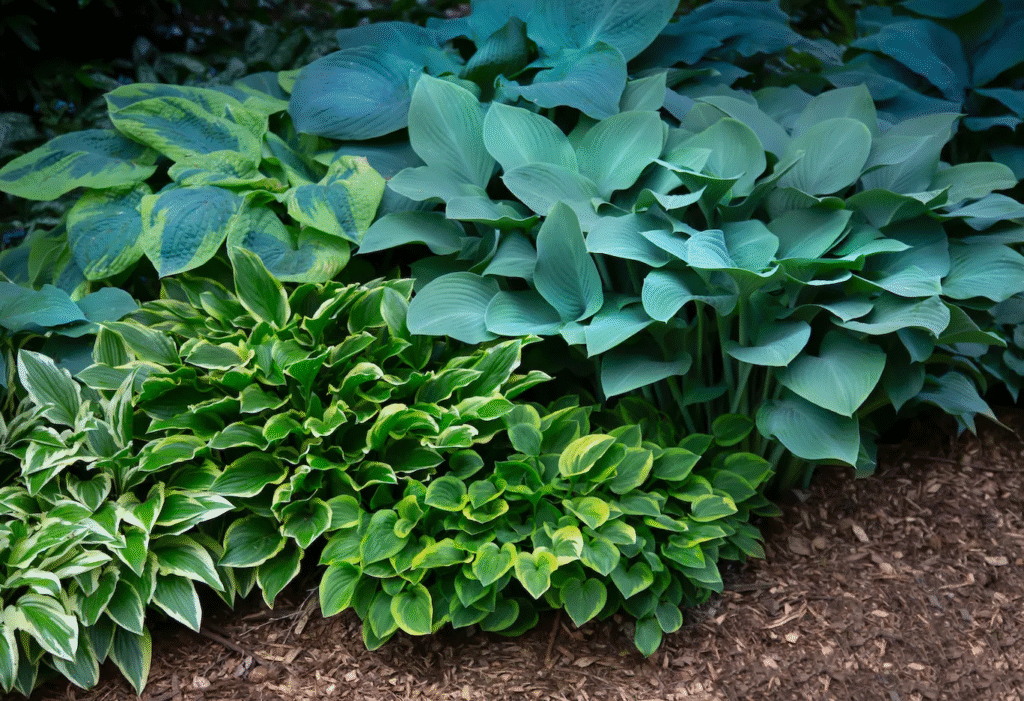
Hostas are probably one of the most reliable plants for shady gardens. Their lush, layered leaves come in countless shapes, sizes, and colors—from deep emerald greens to creamy variegated edges. They bring such texture and calmness to a shaded area, creating an instant feeling of fullness and balance.
They prefer partial to full shade and do best in moist, well-drained soil. Once planted, hostas don’t need much more than an occasional watering during dry spells. Their wide leaves naturally suppress weeds, which means less maintenance for you.
I love planting them under trees or alongside paths where their broad leaves can frame the space. Just watch out for slugs — they adore hostas as much as we do, so a little care goes a long way.
2. Japanese Spurge (Pachysandra terminalis)
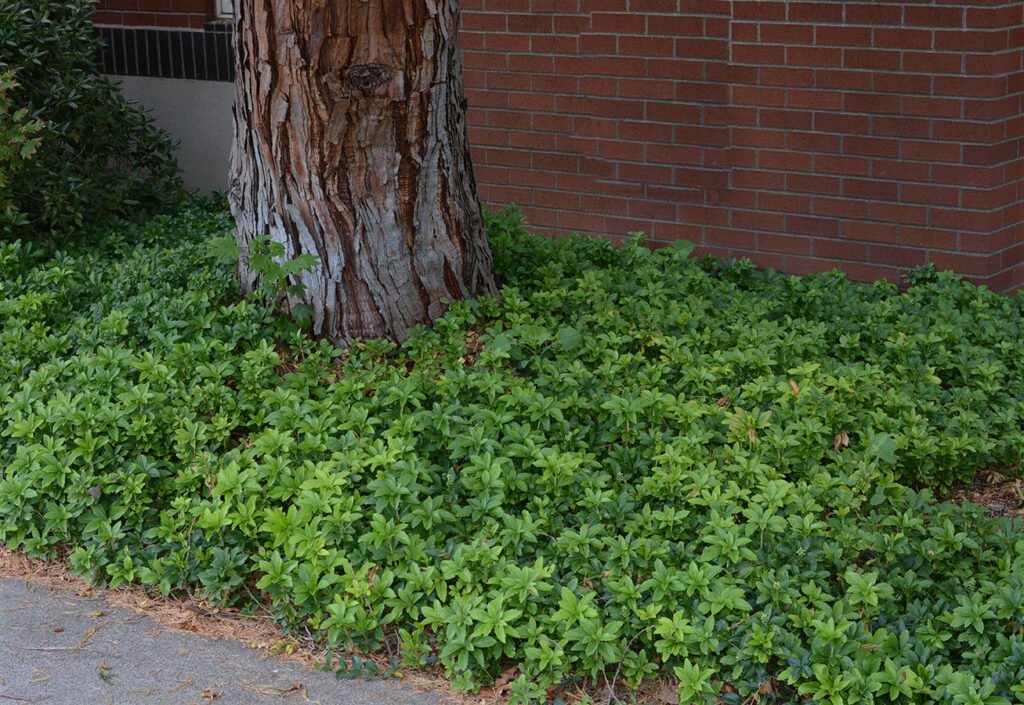
Japanese Spurge is one of those “plant it and forget it” ground covers. With glossy evergreen leaves that spread in a dense mat, it’s perfect for spots where nothing else seems to thrive. It stays green all year long, bringing a touch of life even in the dead of winter.
This plant loves full to partial shade and thrives in rich, slightly acidic soil. Once established, it’s practically maintenance-free. You might want to trim it back once a year to keep it tidy, but otherwise, it happily spreads on its own.
I’ve used Japanese Spurge under pine trees where grass wouldn’t grow, and it transformed the space into a soft, green carpet. It’s also great on slopes since its roots help prevent soil erosion.
3. Sweet Woodruff (Galium odoratum)
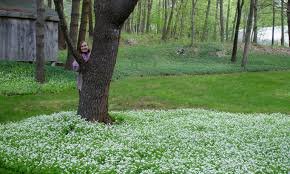
Sweet Woodruff is a delicate-looking ground cover that’s tougher than it seems. It produces tiny white star-shaped flowers in spring, and the foliage gives off a light, sweet scent when crushed — almost like freshly cut hay.
It thrives in moist, shady spots, making it perfect for woodland-style gardens or areas near shaded fences. Once established, it spreads quickly but politely, covering bare soil beautifully. You can cut it back after flowering to encourage fresh growth and keep it neat.
It’s a charming plant to tuck between stepping stones or under shrubs. I especially love how it creates that storybook-garden look with its airy foliage and gentle fragrance.
4. Creeping Jenny (Lysimachia nummularia)
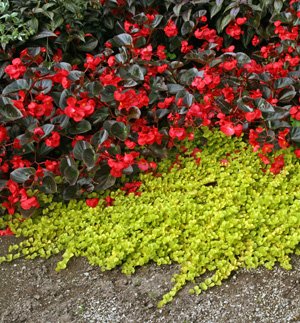
If you want to brighten up a dark corner, Creeping Jenny is a cheerful choice. Its round, golden-green leaves form a cascading mat that glows in the shade. It brings warmth and light where other plants can appear flat or dull.
Creeping Jenny prefers partial shade and consistently moist soil. It does spread quickly, so I like to keep it in check with garden edging or plant it in containers where it can spill gracefully over the sides.
I’ve planted it near water features, and its trailing vines add such a lovely, natural flow to the scene. It also pairs beautifully with hostas or ferns for contrast in both color and texture.
5. Ajuga (Ajuga reptans / Bugleweed)
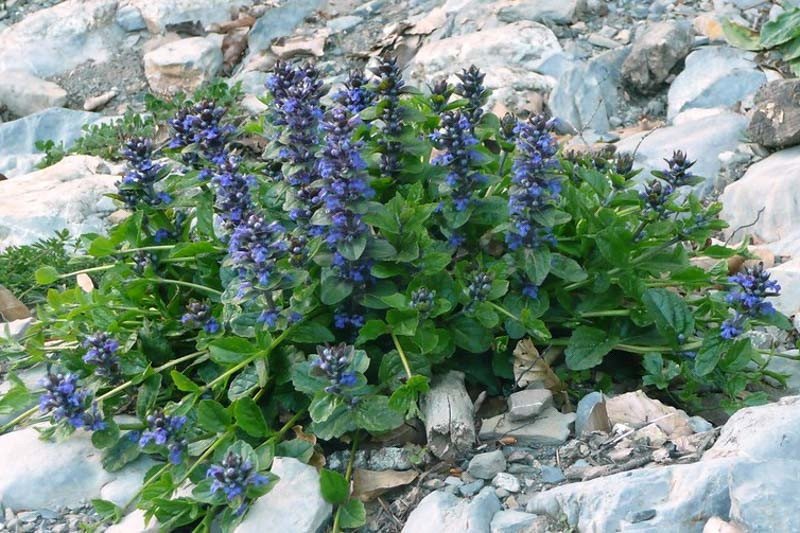
Ajuga is a superstar for filling in shaded spots fast. Its deep purple foliage and short spikes of blue flowers bring both color and texture to shady gardens. It stays low to the ground, forming dense mats that suppress weeds effectively.
This plant prefers partial shade and well-drained, moist soil. Once established, Ajuga needs very little care besides dividing the clumps every few years to keep them from overcrowding.
Ajuga looks amazing between stepping stones, along shaded borders, or even around tree bases. Its rich tones make other green plants pop, giving your garden more visual depth.
6. Fern Moss (Thuidium delicatulum)
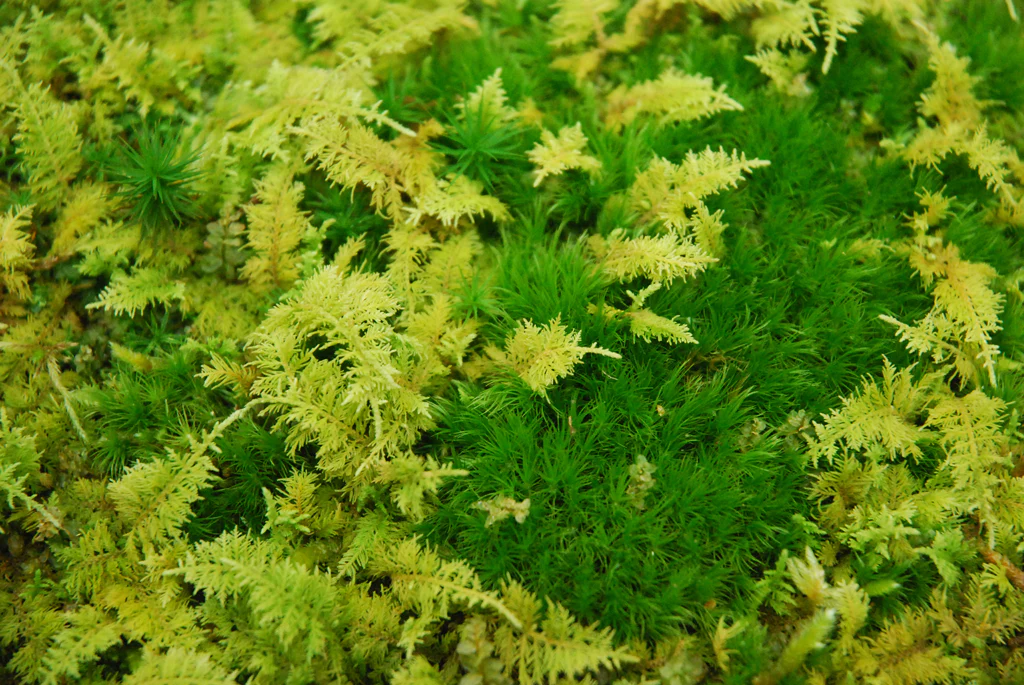
There’s something peaceful about a carpet of moss, and Fern Moss brings that woodland serenity right into your garden. It looks like tiny ferns, adding a soft, velvety texture to shady areas that stay consistently moist.
Fern Moss thrives in full to deep shade and loves damp soil. It doesn’t need mowing or trimming — just a bit of misting during dry spells. Once established, it practically takes care of itself.
I love using Fern Moss between stepping stones or under trees where it feels like a little slice of forest floor. It’s perfect if you’re going for a natural, Zen-like garden feel.
7. Vinca Minor (Periwinkle)
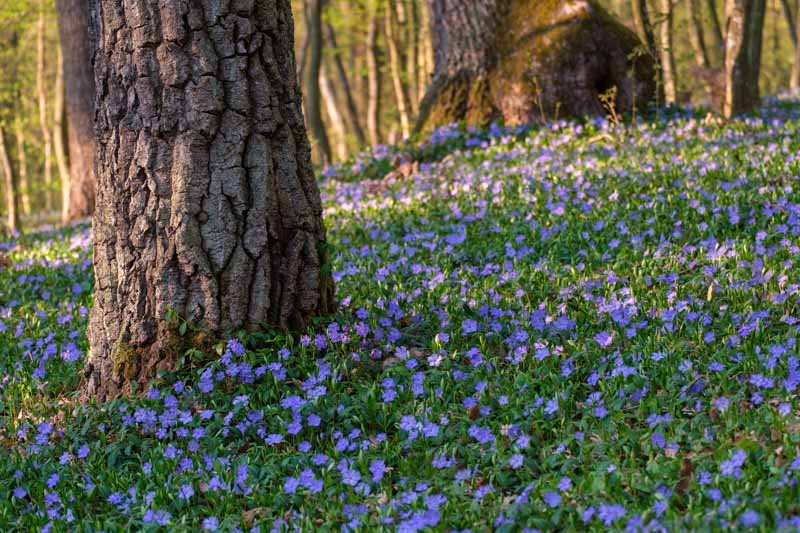
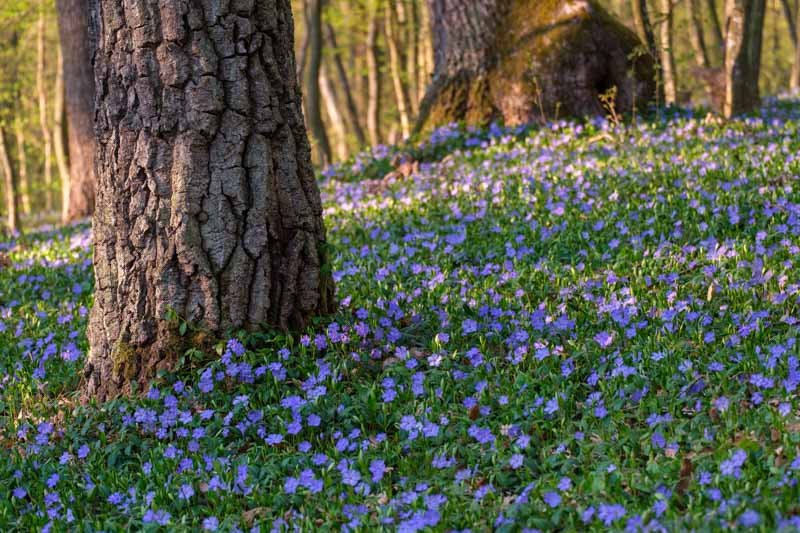
Periwinkle is an old-fashioned favorite that’s earned its reputation. Its shiny evergreen leaves stay attractive year-round, and its soft violet-blue flowers appear in spring, adding a pop of color to shaded areas.
It grows well in partial to full shade and adapts to a variety of soil types. Once it takes root, it spreads quickly, so you might need to trim it occasionally. In some regions, it can be invasive, so always check before planting.
Periwinkle is perfect for large shaded areas or slopes, where it can prevent erosion and create a lush, continuous ground cover. It’s one of those plants that gives instant satisfaction.
8. Lamium (Dead Nettle)
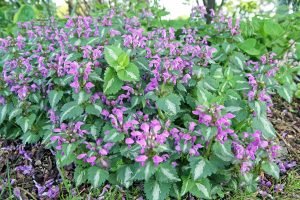
Lamium brings both color and personality to shady gardens. Its silver-green leaves shimmer in low light, and it blooms with clusters of pink, white, or purple flowers throughout spring and early summer.
It loves partial to full shade and does best in well-drained soil. After flowering, give it a quick trim to encourage fresh growth. It’s hardy, adaptable, and keeps its color even in cooler weather.
I like pairing Lamium with ferns or dark-leaved hostas to make its silvery tones stand out. It’s one of those underappreciated plants that always surprises guests when they see it up close.
9. Wild Ginger (Asarum canadense)
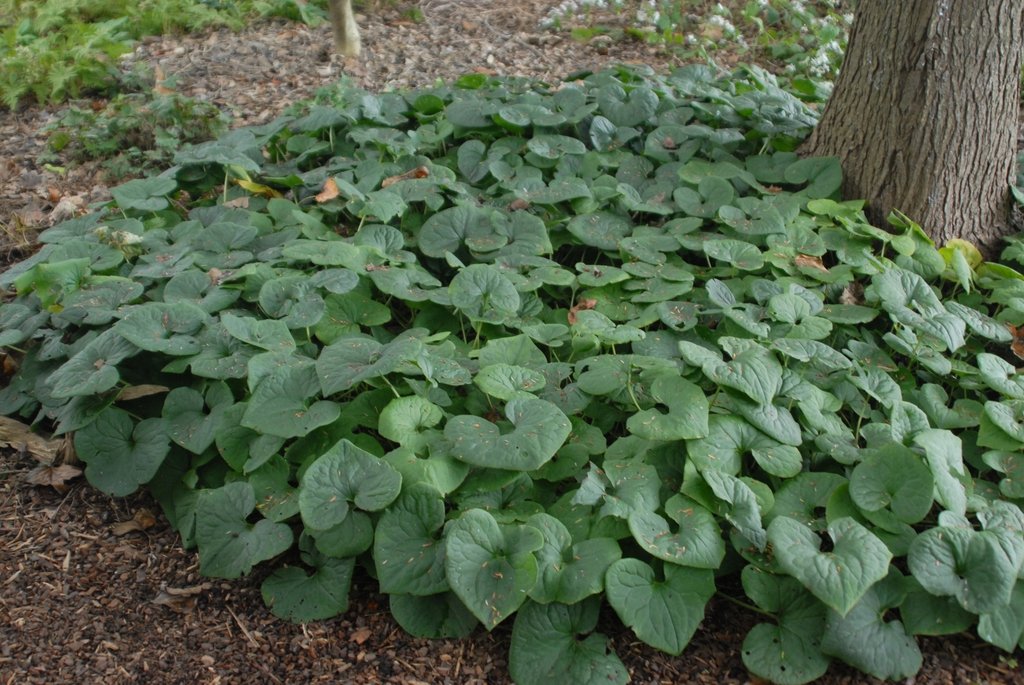
Wild Ginger is a native ground cover that’s both charming and resilient. Its glossy, heart-shaped leaves form a thick mat, creating an elegant forest-floor effect. Beneath those leaves, tiny, hidden flowers bloom close to the soil — a fun surprise if you look closely.
It thrives in full shade and rich, moist soil. Once established, it’s almost maintenance-free. It’s also deer-resistant, which is a big plus for many gardeners.
Wild Ginger is ideal for naturalistic or woodland gardens. It’s subtle, sophisticated, and works beautifully as a living mulch under trees or taller shade plants.
10. Creeping Thyme (Thymus serpyllum)
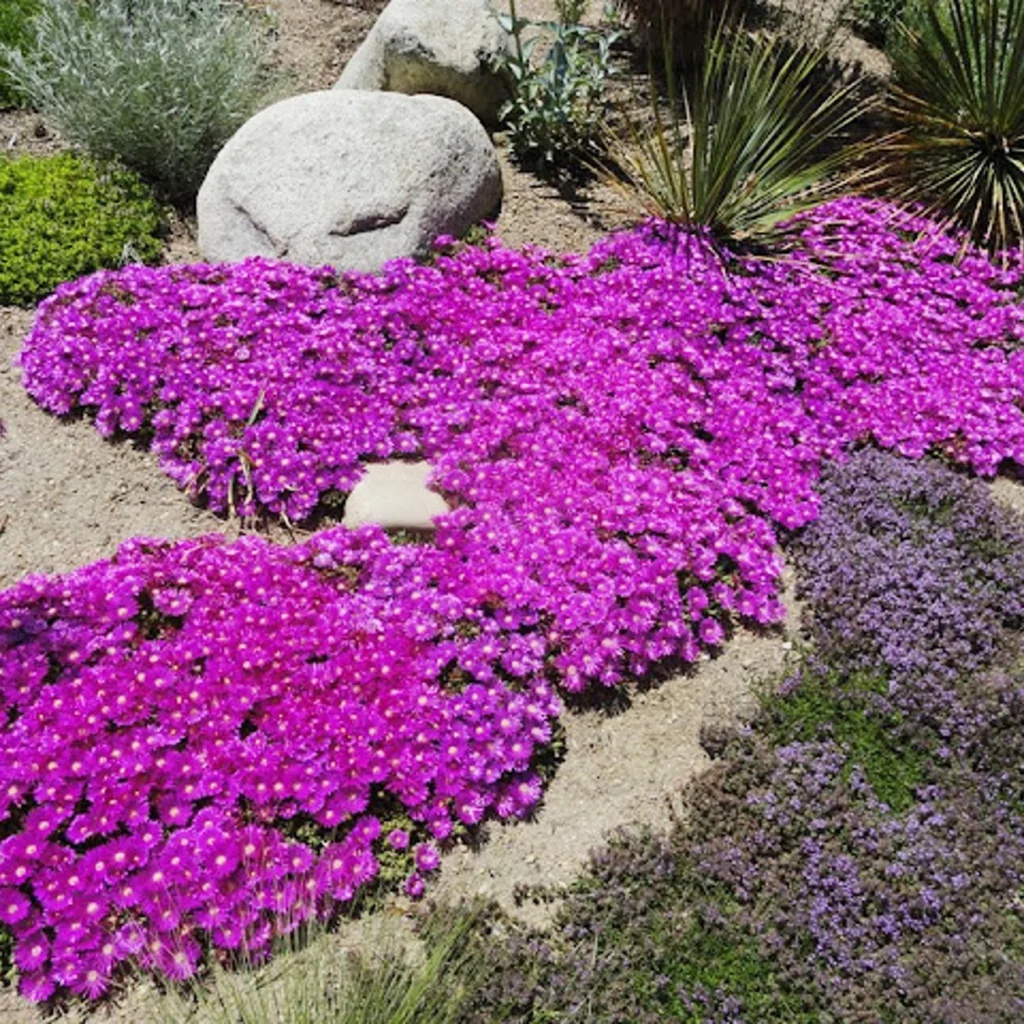
Creeping Thyme isn’t just for sunny gardens — some varieties tolerate light shade beautifully. It has tiny, aromatic leaves and bursts into small pink or purple flowers that attract pollinators like bees and butterflies.
It prefers well-drained soil and doesn’t like to stay soggy, so use it in areas that get a little filtered sunlight. Once established, it’s drought-tolerant and requires almost no care.
I love using Creeping Thyme between stepping stones or along the edges of paths where brushing against it releases its lovely scent. It’s simple, fragrant, and endlessly charming.
11. Liriope (Lilyturf)
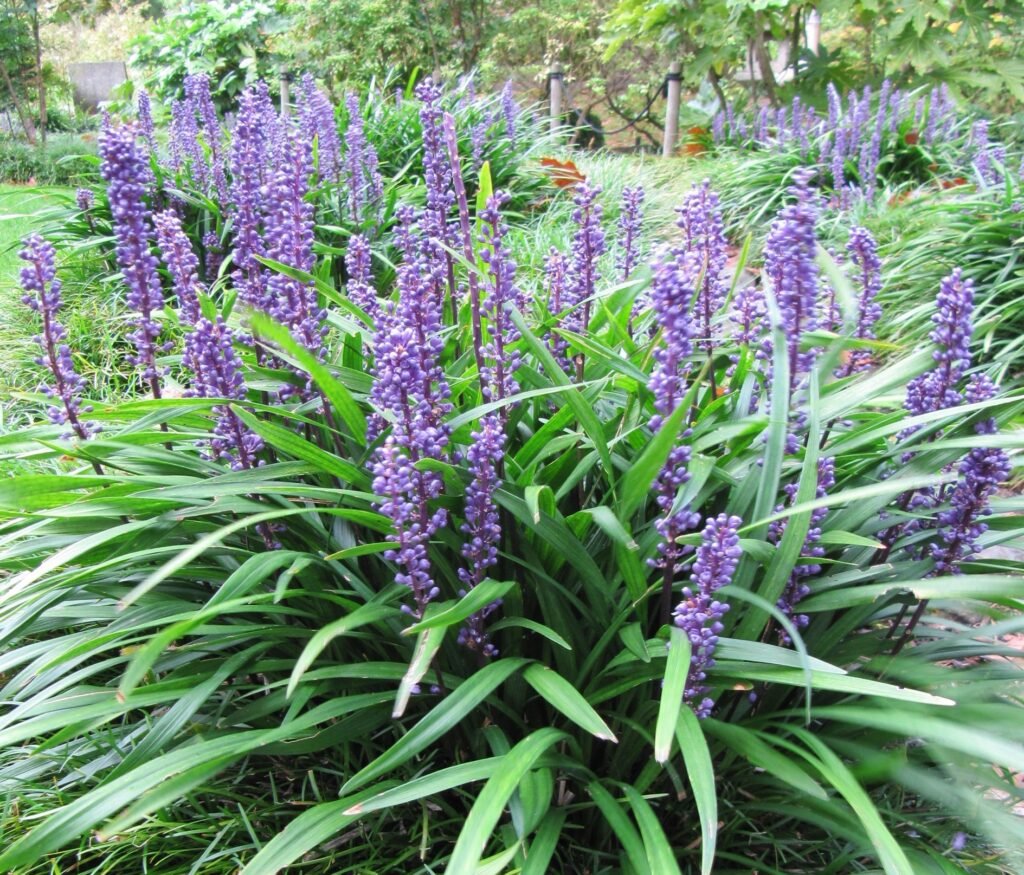
Liriope looks like ornamental grass but offers much more than greenery. It sends up spikes of purple flowers in summer, followed by small berries that last into fall. The strappy leaves stay upright and tidy, giving a clean look to shady spaces.
This plant is very forgiving — it tolerates partial to full shade and a range of soil conditions. Just cut it back in late winter before new growth appears to keep it looking fresh.
I like to use Liriope along walkways or garden borders where its texture contrasts beautifully with broad-leafed plants. It’s practically indestructible once established.
12. Heuchera (Coral Bells)
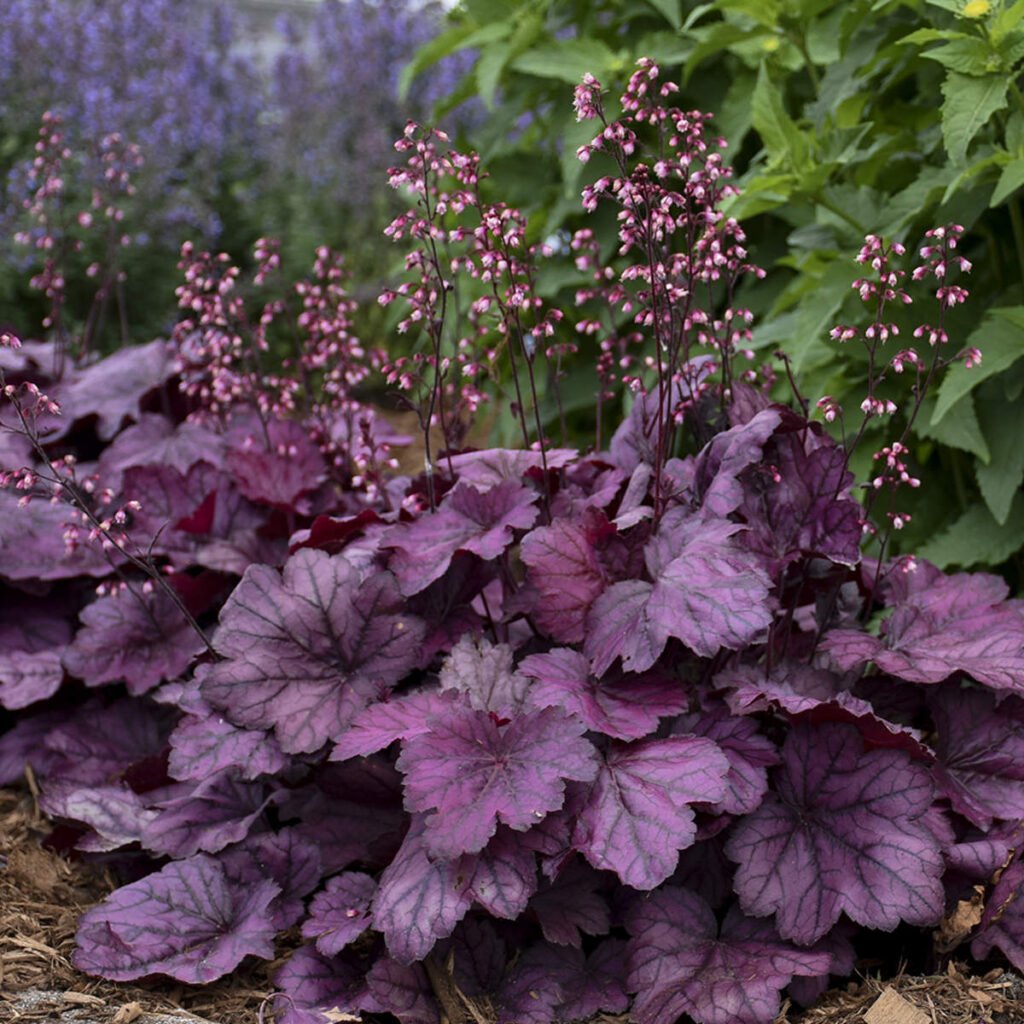
Heuchera is one of my favorite foliage plants because of its color range — from deep burgundy to lime green and silver tones. It brings a burst of vibrancy to shaded gardens without needing constant attention.
It grows best in partial shade and well-drained soil. A layer of mulch helps protect its roots through winter, and dividing the plant every few years keeps it healthy and full.
Coral Bells pair beautifully with ferns or hostas, creating rich, layered plantings that look stunning in every season. It’s a plant that quietly elevates any shady space.
13. Tiarella (Foamflower)
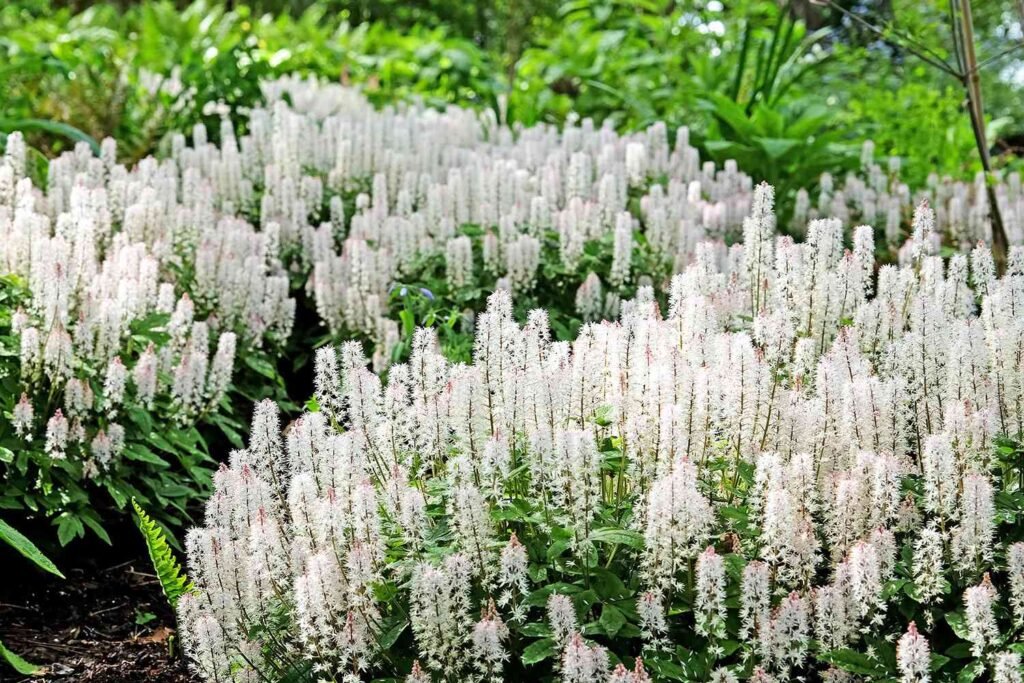
Tiarella, or Foamflower, is as soft and pretty as its name suggests. Its foliage is deeply lobed and often patterned, while its delicate white blooms look like tiny foam sprays. It’s a gentle plant that brings a whimsical charm to shaded areas.
It thrives in partial to full shade and moist soil. Once established, it requires minimal care beyond keeping the soil consistently damp. It’s also deer-resistant, which makes it even more appealing.
Foamflower is perfect for woodland or cottage-style gardens. I love pairing it with hostas or ferns to create layers of texture and movement in shaded beds.
14. Barrenwort (Epimedium)
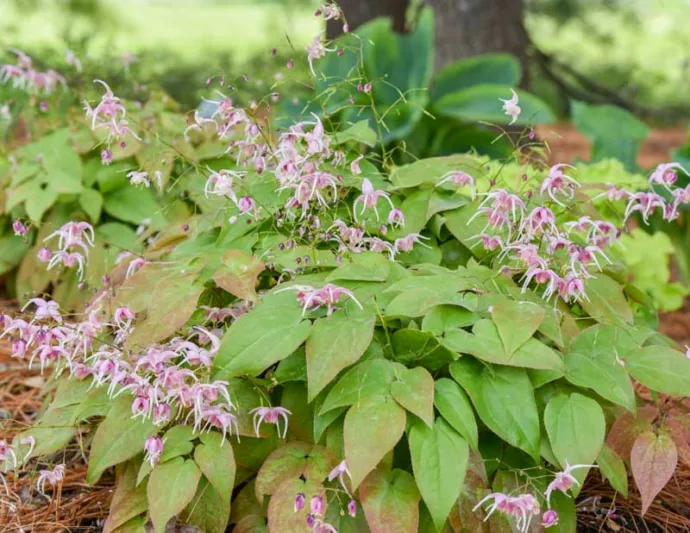
Barrenwort is an unsung hero for dry shade — one of the toughest conditions in gardening. It has delicate, heart-shaped leaves and small, fairy-like flowers that appear in spring. Despite its delicate looks, it’s incredibly hardy.
It thrives in full shade and tolerates dry or average soil conditions. Simply trim the old leaves in early spring to let the new growth shine through.
Barrenwort is a go-to for planting under large trees where little else grows. It’s graceful, low-maintenance, and adds a soft touch to tough spots.
15. Hellebores (Lenten Rose)
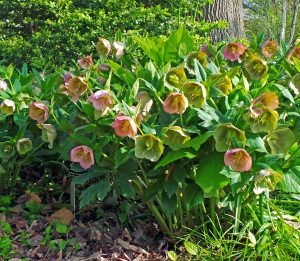
Hellebores are a true winter treasure. Their glossy evergreen leaves look beautiful year-round, and their elegant flowers bloom in late winter or early spring when most other plants are still sleeping.
They prefer partial to full shade and moist, well-drained soil. All they need is the occasional removal of old leaves to keep them neat. Once established, they’re long-lived and drought-tolerant.
I planted a few near my back fence, and they’ve become one of the first signs of life each year — their blooms peek through the last bits of frost, reminding me that spring is on the way.
Tips for Planting and Maintaining Shade Ground Covers
Before planting, take the time to enrich your soil with compost or organic matter. It helps retain moisture and gives your new plants a strong start. Space them properly so they have room to spread without competing for nutrients.
Water consistently until they’re well established — after that, most of these plants are quite self-sufficient. Mulching between them can help prevent weeds and keep the soil cool.
Occasional trimming or light fertilizing once a year is usually enough. These plants thrive on neglect — which, let’s be honest, makes them perfect for anyone with a busy schedule.
Design Inspiration for Shady Spots
Shady gardens don’t have to be dull. Mix textures and colors to create depth — for example, pair glossy Wild Ginger with silvery Lamium or burgundy Heuchera. Adding a few stepping stones among your ground covers gives them structure and makes your garden easier to navigate.
If space allows, add a small focal point like a birdbath or stone bench surrounded by lush green foliage. Even the darkest corner can become an inviting retreat with a bit of thoughtful layering.
Think of shade as an opportunity to create calm and cool spaces in your yard — somewhere that feels like a peaceful escape from the sun.
Final Thoughts
Transforming shady areas doesn’t require endless effort or exotic plants — just the right choices. These fifteen low-maintenance ground covers prove that even the darkest corners of your garden can be full of life, color, and texture. Over time, they weave together into a living tapestry that softens the space and keeps weeds at bay.
When I replaced bare soil under my oak tree with a mix of hostas, lamium, and wild ginger, it completely changed the look of my yard. It’s now one of my favorite spots to sit and unwind.
So if your shaded areas have been neglected, consider giving them some love with these resilient ground covers. Once they settle in, you’ll spend less time tending and more time simply enjoying your garden — and that’s the kind of gardening we all deserve.