
I live for those early morning moments in the garden—the dew still clinging to the cabbage leaves, the tomatoes just starting to blush red. It’s a peaceful, rewarding routine, which is why it’s so frustrating when that calm is shattered by the tell-tale sign of rabbit damage: clean, angled cuts on your young plants, or worse, half-eaten carrots pulled straight from the soil.
If you’ve ever paced your yard wondering how to handle these persistent pests without harming them (or the rest of your family), you’re not alone. The rabbits are relentless, but we don’t have to resort to harsh, commercial poisons to protect our hard work. I want to show you my go-to recipe for a natural rabbit repellent spray—a simple, kitchen-sourced solution that works by appealing to a rabbit’s least favorite senses: taste and smell. This guide gives you the recipe, the exact ingredients you need, and the application schedule to finally reclaim your flower beds and vegetable patch.
Why I Switched to Natural Repellents
When I first started gardening, I tried a few chemical sprays, but I quickly realized they introduced more problems than they solved. For me, gardening is about sustainability, and that means keeping my space clean and safe for everyone.
Opting for a DIY, natural repellent gives you four major advantages:
- Safety First: The ingredients we use are non-toxic, meaning they won’t harm your kids, your pets (like dogs or cats), or the beneficial visitors like bees and ladybugs that keep your garden healthy.
- It’s Humane: This is not a kill-trap or a poison; it’s a deterrence. The spray simply makes the plants taste and smell awful to rabbits, encouraging them to dine elsewhere.
- Cost-Effective: You can mix up a large batch for pennies using common items you probably already have in your pantry, saving you serious money compared to specialty garden store products.
- Garden Health: By skipping the synthetic chemicals, you avoid the residues that can negatively impact your soil biome over time.
Understanding What Rabbits Hate (The Science)
Rabbits operate primarily on scent and taste when foraging. If a plant doesn’t smell like food or, worse, if the first nibble is overwhelmingly pungent or spicy, they move on immediately. We’re exploiting these two sensory weaknesses:
1. Taste Deterrents (The Spice)
Rabbits have highly sensitive tongues and strongly dislike spicy, bitter, and sharp flavors.
- Key Ingredients: Cayenne pepper, chili powder, or pre-made hot sauce introduce capsaicin, which creates an immediate aversion when the rabbit samples the foliage.
2. Odor Deterrents (The Pungency)
Strong, sharp odors are effective because they confuse the rabbit’s ability to smell its desired food source. If a carrot smells strongly of garlic instead of, well, carrot, the rabbit assumes something is wrong or dangerous.
- Key Ingredients: Garlic, onions, peppermint, and even egg solids (which smell sulfurous when mixed) are excellent, highly offensive scent blockers.
Step-by-Step Recipe: The Pungent Rabbit Guard Spray
This recipe makes a full gallon of highly effective repellent. Remember to label your final product clearly and keep it away from children and pets!
A. Ingredients and Tools
| Ingredients | Quantity | Notes |
| Water (Warm) | 1 gallon (4 liters) | Helps dissolve powders. |
| Hot Pepper Powder | 2–4 tablespoons | Use Cayenne or generic chili powder. More spice = more deterrent. |
| Garlic Powder | 1–2 tablespoons | OR 2–4 cloves of fresh minced garlic. |
| Liquid Dish Soap | 1–2 tablespoons | CRITICAL: This acts as the “sticker” or emulsifier. |
| Optional: Peppermint Oil | 10–20 drops | Boosts the repellent smell. |
| Tools | Purpose |
| Large mixing bucket or pot | For initial mixing. |
| Stirring utensil | To ensure everything dissolves. |
| Strainer or cheesecloth | MANDATORY to prevent sprayer clogs. |
| Funnel | For easy transfer to the spray bottle. |
| Clean spray bottle | A gallon-capacity bottle or multiple smaller ones. |
B. Mixing and Preparation Instructions
- Steep the Scents (If using Fresh Ingredients): If you decide to use fresh garlic or chili flakes instead of powders, combine them with about 2 cups of hot water and let the mixture steep for a full 24 hours. Then, strain the liquid into your bucket and discard the solids. (Skip this step if using powders).
- Combine Ingredients: Pour the warm water into your bucket. Mix in the pepper powder and garlic powder (or the strained liquid from Step 1). Stir until the powders are fully dissolved.
- Add the Sticker: Slowly stir in the liquid dish soap. You should notice a slight foaming or emulsification. This soap residue is what makes the repellent adhere to the leaves and last through a light dew or mist.
- Filter the Solution: This is the most important step! Pour the entire mixture through a fine strainer, a coffee filter, or a piece of cheesecloth into your clean container. Any tiny undissolved solid can and will clog your sprayer nozzle.
- Bottle and Label: Use the funnel to transfer the filtered liquid into your final spray bottle(s). Label it clearly: “Natural Rabbit Repellent – DO NOT DRINK.”
Application Techniques for Maximum Effectiveness
Making the spray is only half the battle; proper application determines how successful you are at keeping the bunnies away.
Timing and Consistency
- When to Apply: Apply the spray in the early morning or evening when temperatures are cool. You need at least 24 hours of dry weather for the spray to properly dry and stick to the plants.
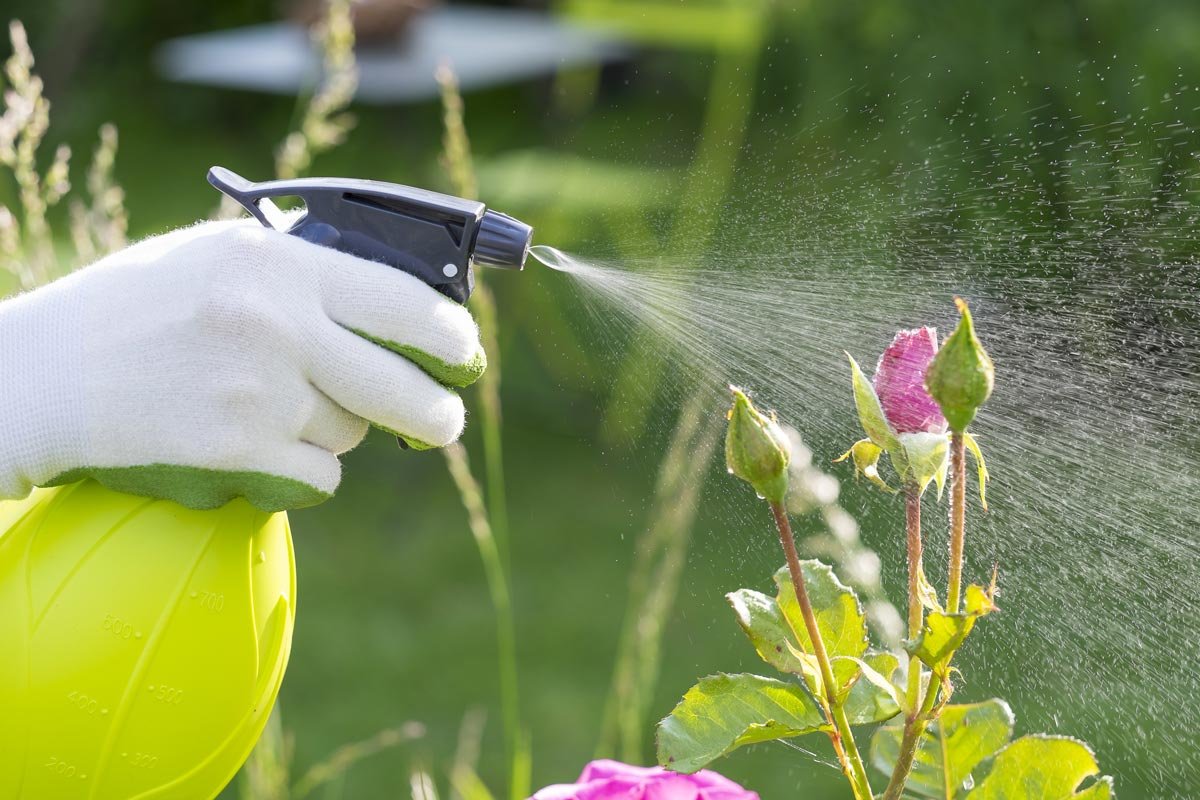
- What to Spray: Focus on the young, vulnerable parts of the plants: the lower leaves, stems, and any tender new growth. Spray until the leaves are visibly coated.
- Initial Shock Treatment: For the first few days, spray heavily and consistently for 3 consecutive days to establish a strong, off-putting presence.
- Maintenance: Reapply every 5–7 days. Crucially, always reapply immediately after heavy rain or if you use overhead watering, as the water will wash the repellent right off.
Important Spot Testing Warning
I always recommend doing a quick spot test. Spray a single leaf on a sensitive or new plant and wait 24 hours. In rare cases, the soap or spice concentration can be too high for certain plants, causing minor scorching. If the leaf looks fine, you’re good to go!
Troubleshooting and Maintenance Tips
Even the best recipe needs a little tweaking now and then, especially if you have particularly bold or desperate rabbits in your area.
- The Clogging Issue: If your sprayer is sputtering, stop immediately and clean it out. Chances are, you missed a step in the filtering process. Re-filter the entire batch—it saves time in the long run!
- Enhance Effectiveness: If your neighborhood rabbits are returning after a week, it means the mix isn’t pungent enough. Increase the concentration of both the pepper and the garlic powder by 50% for the next batch.
- Rotation Strategy: Rabbits are smart and can become accustomed to a consistent scent over time. If they adapt, switch up your primary ingredients. Try replacing the garlic with steeped onions or using only peppermint oil for a few weeks.
- Defense Layers: For areas that are constantly under attack (like raised beds or container gardens), consider combining the spray with physical barriers. A temporary 1-foot high chicken wire fence around the perimeter, in addition to the spray, makes an impregnable barrier against these low-crawling pests.
Final Thoughts
We’ve all been there: admiring our garden one evening and facing disappointment the next morning. But you now have a powerful, safe, and inexpensive tool to fight back! This natural repellent shifts the odds back in your favor, letting the bunnies know that your garden is simply not worth the trouble. Go mix up your first batch, get out there, and protect your plants—I hope you enjoy a full harvest this year!