
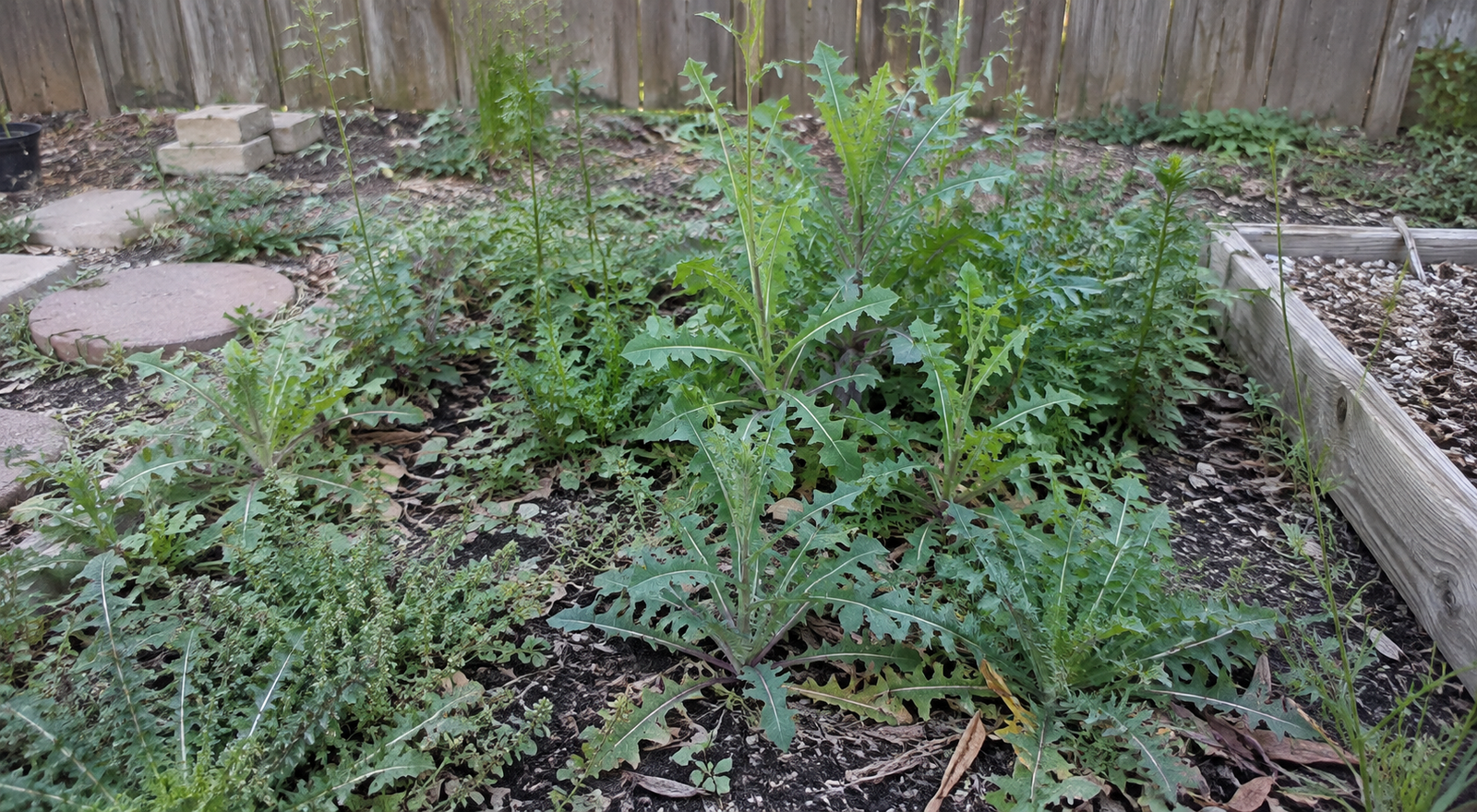
My garden looked like a total disaster area every single spring, and I used to blame the weather, bad luck, or angry garden gnomes. It turns out the real culprit was my own laziness from the previous October.
The summer my zucchini took over the entire ZIP code, I was so burnt out by September that I completely ignored the creeping thistle, dandelion rosettes, and stubborn chickweed setting up camp in my raised beds. I figured they would just freeze to death and disappear when the snow hit.
Spoiler alert: they didn’t. They woke up early, threw a massive party, and choked out half my spring spinach.
If you want to save yourself a massive headache next year, you need to understand what perennial weeds are doing right now. As the air turns crisp and the leaves start dropping, these sneaky plants stop pumping energy into their leaves. Instead, they shift their entire operation downward, packing their root systems with sugars and starches to survive the cold freeze.
That biological shift is your golden window of opportunity. If you attack them now, you hit them right where it hurts. Here is my exact playbook for wiping out perennial fall weeds from the roots before winter locks everything down.
Why Fall Weed Control Matters More Than Spring Spraying
Most people wait until spring to panic about weeds, which is pretty much the worst possible strategy you could choose.
By the time April rolls around, those weeds have already used their stored winter energy reserves to burst out of the ground with a massive head start. Their root systems are thick, established, and practically bulletproof. You can yank on them all you want, but the taproot snaps off 6 inches underground, leaving a tiny piece of stem ready to sprout two more heads like a botanical hydra.
Autumn is totally different because the sap flow reverses direction. When daytime temperatures cool down and nights get chilly, perennial weeds start sucking nutrients down from their foliage to feed their subterranean storage organs.
If you apply a natural herbicide or pull them up during this downward surge, the plant actively pulls those control measures right down into its deepest roots. I figured this out after spending three consecutive spring seasons trying to dig out a patch of field bindweed. Once I switched my focus to autumn blitzes, that patch shrank by ninety percent in a single year.
Timing is everything. You want to start this process just as the summer annuals are dying back, but before the ground freezes solid. Give yourself a few weeks of consistent cool weather, grab a good pair of gloves, and let’s get down to business.
Step 1: Target Dandelions and Taproot Weeds While Reserves Are Low
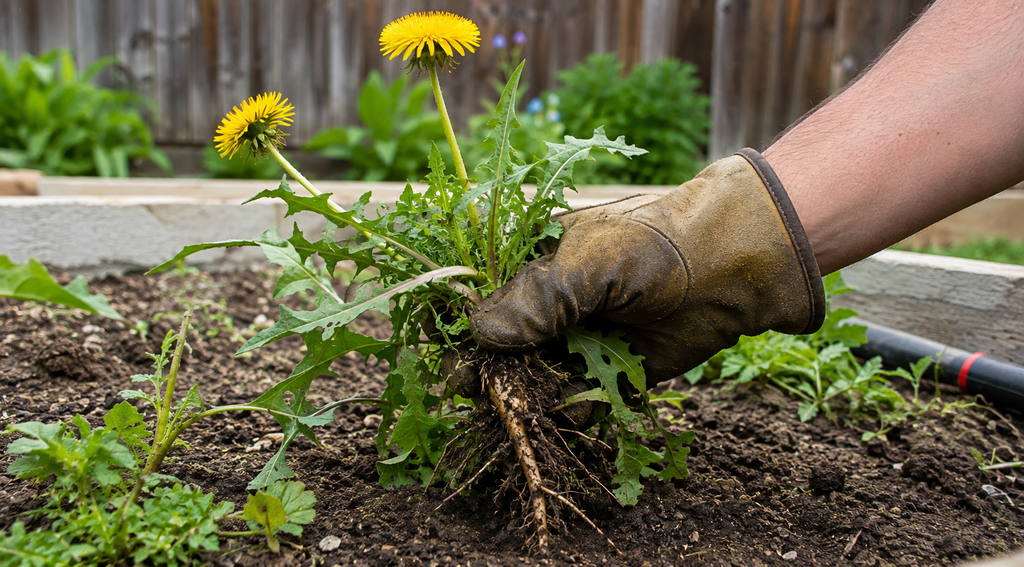
Dandelions are basically the cockroaches of the plant kingdom. You can step on them, burn them, or yell at them, and they still bounce right back.
The biggest mistake I see neighbors make is chopping off the green rosette at the surface and calling it a day. That root can go down a foot or more into your soil, storing enough energy to send up a brand-new set of leaves by next Tuesday.
To beat them in the fall, you need a proper weeding tool. Toss out those flimsy little hand trowels that bend the second they hit dry dirt. Get yourself a sturdy, long-handled dandelion digger or a sharp hori-hori knife.
Push the blade straight down right next to the base of the crown. Rock the handle back to leverage the tool and loosen the surrounding soil, then pull up gently while keeping pressure on the main taproot.
If the root snaps, don’t panic. Just dig down a little deeper with your hori-hori to extract the remaining chunk.
I’ve found that doing this right after a gentle autumn rain makes the soil let go of those stubborn roots like butter. If your soil is rock-hard clay, water the area deeply the day before you plan to clear your beds. You will pull out whole, unbroken roots that look like miniature white carrots, which gives you an oddly satisfying sense of victory.
Step 2: Smothering Creeping Weeds with Heavy Organic Mulch
Some weeds don’t bother with deep taproots; instead, they crawl along the surface, rooting at every single joint like tiny green invaders. Think of ground ivy, creeping buttercup, and certain aggressive grasses.
Trying to pull these out strand by strand is a great way to lose your sanity. You will miss a tiny node, and it will rebuild its empire by morning.
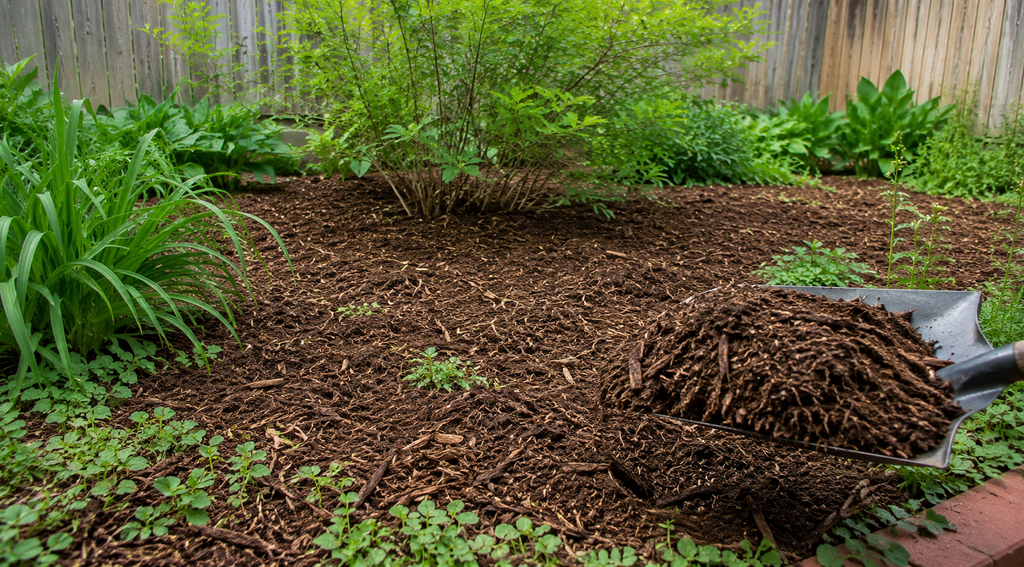
Instead, autumn is the absolute best time to deploy a heavy smothering blanket of organic mulch. Once you have cleared out the big stuff, layer down unprinted corrugated cardboard or thick sheets of newspaper over the infested zone.
Wet the paper thoroughly so it molds to the contours of the soil, and then pile on at least four to six inches of wood chips, shredded leaves, or straw.
I’ve tried the thin, decorative bag mulch from the big-box store, and I’m convinced it’s a total waste of money. It breaks down too fast and actually gives weed seeds a nice cozy bed to germinate in.
Go to a local tree service company and ask for a truckload of free wood chips instead. That thick, chunky mix blocks out every speck of sunlight while trapping the autumn warmth in the soil just long enough for earthworms to chew through the remaining weed roots. By spring, those weeds will be completely composted, and your soil will be rich, dark, and ready for planting.
Step 3: Spot-Treating Stubborn Patches with Organic Vinegar Sprays
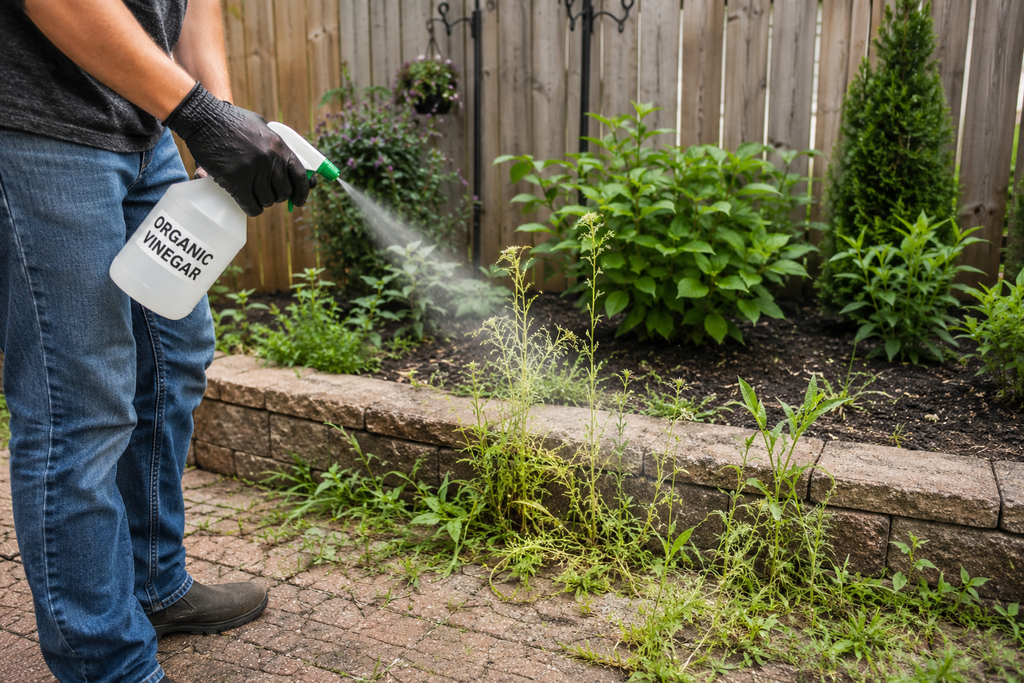
Sometimes a weed infestation is just too big or dense for hand-pulling, especially if you are dealing with massive patches of thistles or aggressive field grass winding through your perennial flowers.
When that happens, you need a quick chemical or organic knockdown before winter sets in. I steer clear of harsh synthetic weed killers because they wreck the beneficial microbes in my soil and make it impossible to grow healthy veggies next year.
Instead, I mix up a batch of strong horticultural vinegar with a few drops of liquid dish soap.
Horticultural vinegar is much stronger than the stuff you put on your salad—usually around 20 to 30 percent acetic acid. It will burn your skin and eyes if you aren’t careful, so wear goggles and gloves like you mean it.
Spray it directly on the weed foliage on a bright, sunny autumn afternoon when the temperature is above 60 degrees. The sun acts as an activator, quickly breaking down the cell walls of the leaves.
Because the plant is pulling nutrients downward in the fall, the acidic burn gets dragged into the upper root structure. It won’t always kill a massive taproot on the first try, but it weakens the plant right as it’s trying to store winter energy, making it much easier to pull out a week later.
Step 4: Clearing Out Spent Veggie Debris and Leaf Litter Hiding Spots
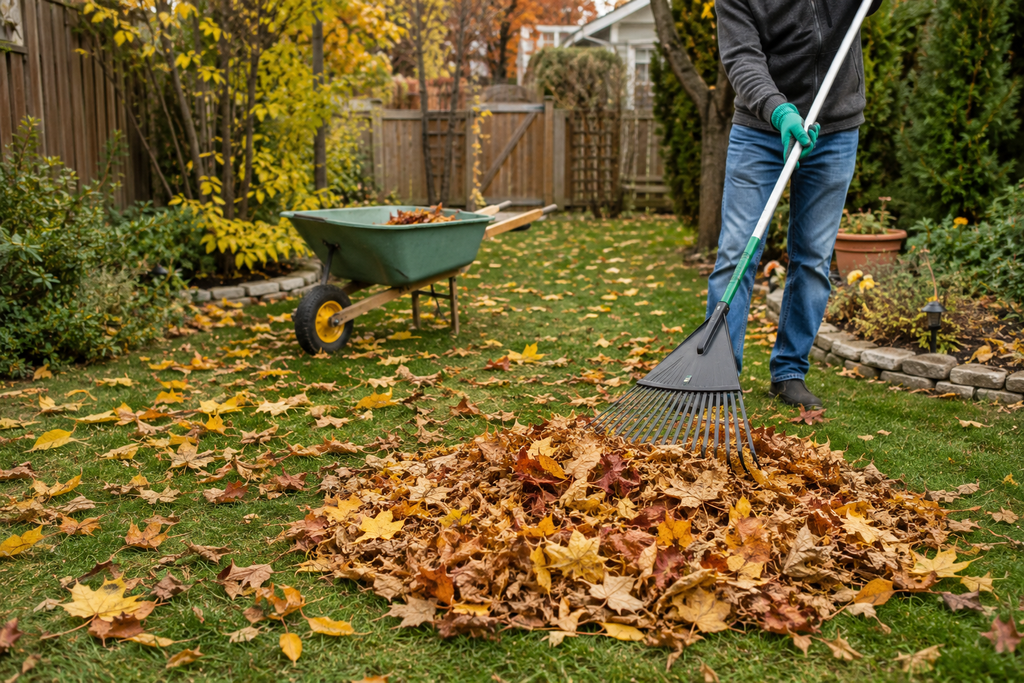
Garden cleanup in late autumn is about way more than just making things look neat for the neighborhood association. Piles of dead tomato vines, rotting squash leaves, and scattered garden debris are basically five-star luxury hotels for weed seeds and overwintering pests.
Many annual and perennial weed seeds drop straight onto the soil beneath dying crops, where they sit protected from frost all winter long.
Grab a rigid garden rake and clear out every scrap of dead plant matter from your beds. Throw any diseased material straight into the municipal green waste bin or the hot compost pile if your heap gets genuinely hot enough to kill weed seeds.
Don’t just toss weeds with mature seed heads into a cold compost pile, or you’ll accidentally bake a batch of botanical evil that you will spread all over your garden next spring.
I learned this lesson the hard way after dumping a bucket of gone-to-seed chickweed into my backyard compost bin. When I used that compost on my tomatoes in May, my beds looked like a thick green carpet of regret.
Bag up anything that has gone to seed, and keep your clean compost pile strictly for healthy plant scraps and leaves that haven’t turned into seed factories.
Quick Side Note: Why Tilling in the Autumn is a Trap
You might be tempted to rent a heavy rototiller and churn up all your garden soil before winter to bury the remaining weed roots deep underground.
Don’t do it.
I know it looks great on gardening shows, but tilling in the fall exposes thousands of dormant weed seeds that were safely buried deep in the dark soil. Bringing them to the surface gives them a final breath of fresh air and sunlight before winter, setting you up for an absolute weed explosion the second the snow melts.
Keep your soil structure intact, rely on surface pulling and heavy mulching, and let nature do the heavy lifting without tearing up your beneficial earthworm networks.
What Can Go Wrong: The Perils of Over-Clearing
It is very easy to get overzealous once you catch the autumn weeding bug. You start ripping out every single bit of green tissue you see, thinking you are doing your garden a massive favor.
Be careful not to accidentally strip away your winter-hardy cover crops or beneficial self-seeding perennials like borage, calendula, or cilantro that actually help protect your soil structure from winter erosion.
Another common trap is leaving bare soil exposed to heavy autumn rains. If you pull out all your weeds and mulch and then just walk away until March, heavy downpours will wash away your precious topsoil and leach out all your nitrogen.
Always cover your freshly weeded earth immediately with mulch, leaves, or a proper cover crop seed mix like crimson clover or winter rye. Bare soil is nature’s enemy, and if you leave it empty, aggressive winter weeds will happily move in to fill the vacancy.
The Wrap-Up: Protecting Your Dirt for Next Season
Getting a handle on perennial weeds in the fall is the ultimate lazy-gardener hack. Spend a few hours on crisp October weekends pulling taproots, smothering crawling invaders with thick mulch, and clearing out spent debris, and your spring self will thank you endlessly. You won’t spend April crawling through the mud with a trowel, swearing at dandelions; instead, you’ll be sipping coffee and watching your early bulbs pop up through clean, rich soil.
What is the single most stubborn weed you are battling in your yard right now, and what trick finally helped you get the upper hand? Drop a comment below with your questions or share your own gardening mishaps so we can all learn from each other!

About Syprose Kiche
Syprose Kiche is the creator and writer behind My Besuited Home, a practical home and garden website covering DIY projects, gardening, lawn care, landscaping, home improvement, and outdoor living. She focuses on turning everyday homeowner questions into clear, practical guides backed by careful research and useful real-world considerations.