
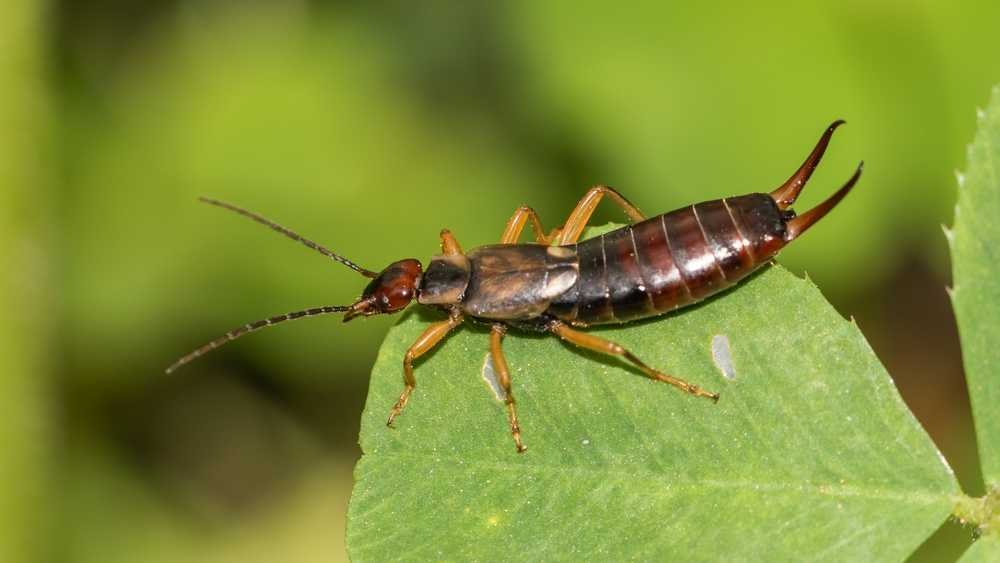
You walk out to check on your dahlias, and every single petal looks like something took a hole punch to it overnight. Ragged edges. Chewed leaves. And when you finally flip over a nearby flower pot to investigate, a small army of shiny brown bugs with pincers scatters in every direction.
That’s earwigs. And I get why your first instinct is to panic and reach for the strongest bug spray you can find at the hardware store.
Don’t do that yet.
I’ve been gardening for over a decade, and earwigs have chewed through more of my seedlings than I care to admit. My first season, I lost an entire tray of basil starts in two nights flat. I thought it was slugs. It wasn’t. It was earwigs, and once I figured out how to actually deal with them, my garden bounced back fast. Here’s everything I’ve picked up along the way, minus the guesswork.
What Are Garden Earwigs, Really?
Earwigs are those reddish-brown insects with the pincer-looking appendages (called cerci) on their rear end. They appear terrifying, but here’s the truth: they almost never pinch humans, and if they do, it barely registers as a pinch.
They’re nocturnal, which is exactly why you rarely catch them in the act. During the day, they hide in dark, damp, tight spaces. Mulch piles. Under flower pots. Inside rolled-up leaves. Between stacked bricks. At night, they come out and go to work on your plants.
Here’s the part that surprises most people: earwigs aren’t all bad. They eat aphids, mites, and other soft-bodied pests. In small numbers, they’re actually doing you a favor. The problem starts when their population explodes, and then they turn to your seedlings, flower petals, and soft fruit because there simply isn’t enough of the “good” food to go around.
So the goal isn’t total earwig genocide. The goal is bringing their numbers back down to a level where they’re pest control instead of pests.
Signs You Have an Earwig Problem (Not Slugs, Not Something Else)
Before you treat for earwigs, make sure earwigs are actually your problem. I wasted a good two weeks one spring dumping beer traps around my hostas for slugs, only to realize the culprit was earwigs the entire time.
Here’s how to tell the difference:
Earwig damage shows up as small, irregular holes in leaves and flower petals, usually concentrated near the edges. The holes appear ragged, almost like lace, especially on soft flowers like dahlias, zinnias, and marigolds.
Slug and snail damage looks similar but usually comes with a telltale slime trail. No slime trail, no slug.
Caterpillar damage tends to be larger, more chunky bites rather than the fine, lacy pattern earwigs leave behind.
If you want total confirmation, go out with a flashlight about an hour after sunset. Earwigs are most active at night, and you’ll likely spot them crawling around on the plants you suspected.
How to Get Rid of Earwigs Naturally: My Go-To Methods
Once you’ve confirmed earwigs are the problem, it’s time to work through some actual solutions. I’m listing these roughly in order of what I reach for first, but your mileage may vary depending on how bad your infestation is.
1. Rolled-Up Newspaper Traps
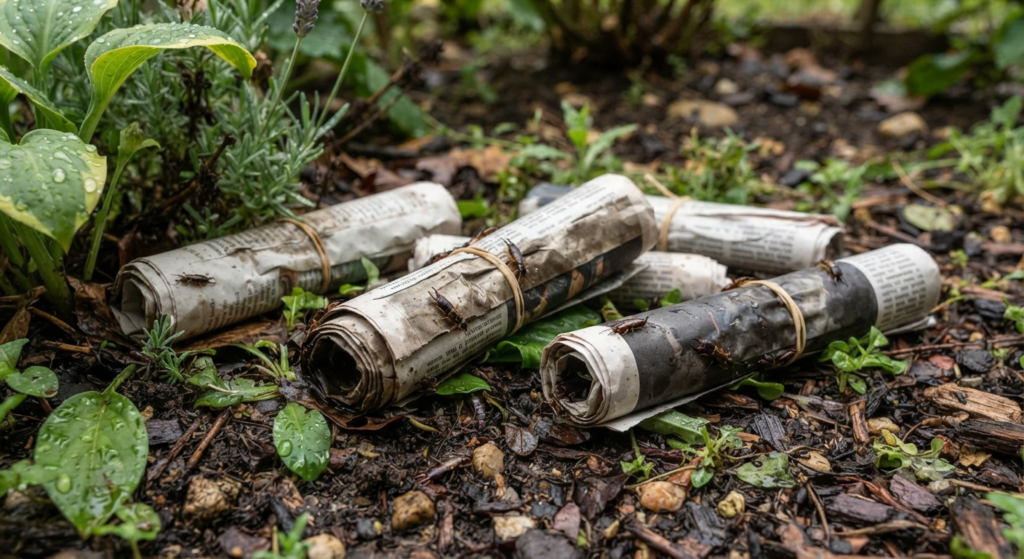
This is the cheapest, lowest-effort method I know, and it genuinely works. Earwigs love hiding in dark, tight, slightly damp spaces during the day. A rolled-up section of newspaper, dampened slightly and left out near affected plants overnight, becomes an irresistible hiding spot.
In the morning, before the sun really warms things up, pick up the newspaper roll and shake it out into a bucket of soapy water. I’ve pulled out 20-plus earwigs from a single roll on a bad night. It’s oddly satisfying once you get into the rhythm of it.
Do this every night for about a week and you’ll see a real dent in the population. It’s tedious, sure, but it doesn’t cost you a cent beyond old newspaper you already have lying around.
2. Tuna Can or Oil Traps
This one sounds gross, but it’s effective. Take a shallow container (a tuna can works great) and fill it about halfway with vegetable oil mixed with a splash of soy sauce or fish oil. The scent draws earwigs in at night, and once they crawl in, the oil traps them.
Bury the can so the rim sits at soil level, place it near your worst-hit plants, and check it every morning. Dump, rinse, and refill as needed.
I’ve found this works especially well in vegetable beds where you don’t want to be handling rolled-up newspaper every day. Set it and forget it, more or less.
3. Diatomaceous Earth (Food-Grade Only)
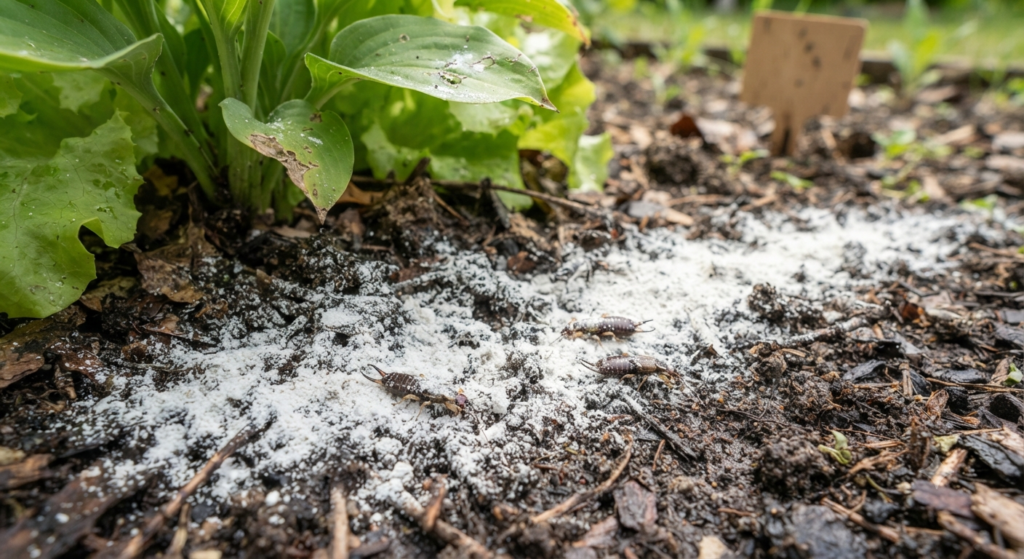
Diatomaceous earth, or DE, is a fine powder made from fossilized algae. Under a microscope, the particles are sharp, and they damage the exoskeleton of soft-bodied insects like earwigs, eventually drying them out.
Sprinkle a thin layer of food-grade DE around the base of affected plants and in any cracks or crevices where earwigs might be hiding. It needs to stay dry to work, so reapply after rain or watering.
One thing I’ll flag here: DE doesn’t discriminate. It’ll harm beneficial insects too if they crawl through it, so use it sparingly and only in the specific problem zones, not as a blanket treatment across your whole garden.
4. Remove Their Daytime Hiding Spots
This is less of a “trick” and more of a habit change, but it makes a bigger difference than most people expect. Earwigs need dark, damp shelter to survive the daytime hours. If you take that shelter away, you’re cutting their population down at the source.
Clear out excess mulch buildup, especially thick layers piled right up against stems. Pick up any boards, stones, or pots sitting directly on soil. Rake up dead leaves and plant debris regularly instead of letting it pile up.
I know this goes against the “leave the leaves” advice you hear for pollinator habitat, and honestly, there’s a balance here. I still leave leaf litter in the back corners of my yard for overwintering insects, but I keep it cleared out of the beds where I’m actively growing flowers and vegetables.
5. Attract Natural Predators
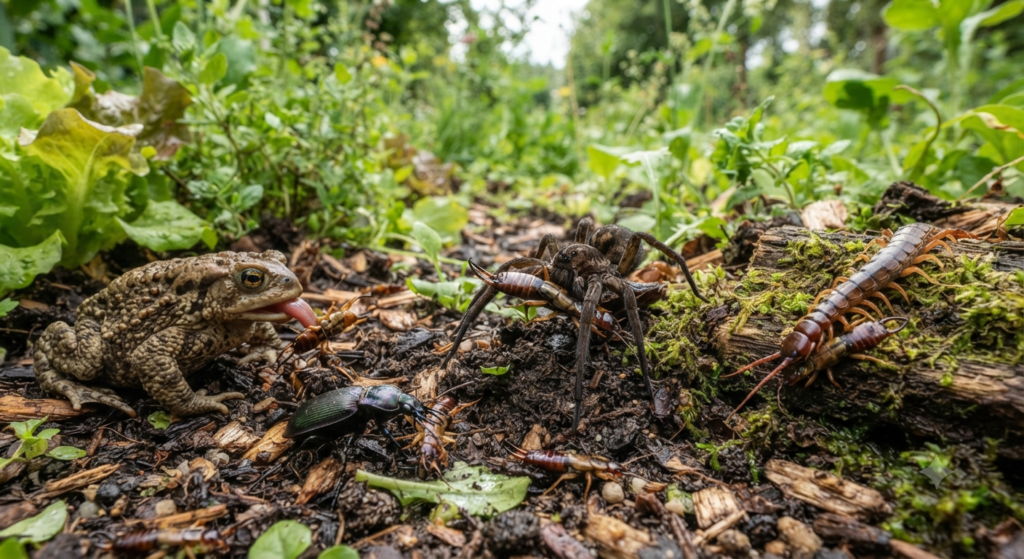
Birds, toads, and certain beetles all eat earwigs. If you’ve got a bird feeder or a small water feature, you’re already doing some of this work passively.
Ground beetles in particular are earwig predators, and you can encourage them by leaving small brush piles or rock piles in less-trafficked corners of the yard. It’s a longer-game solution, not something that fixes a bad infestation overnight, but it helps keep populations balanced year over year.
Quick side note: if you have chickens, let them free-range in the garden beds during the day (not while your seedlings are tender and unprotected). Chickens absolutely love earwigs, and mine cleared out a bad patch near my compost bin in about three days flat.
6. Soapy Water Spray
For a direct, immediate hit, mix a few drops of dish soap into a spray bottle of water and spray it directly onto earwigs when you spot them. The soap breaks down their outer coating and kills them fairly quickly on contact.
This won’t solve a large infestation on its own, but it’s a handy tool to have when you catch a cluster of them out in the open during a nighttime inspection.
7. Neem Oil Spray
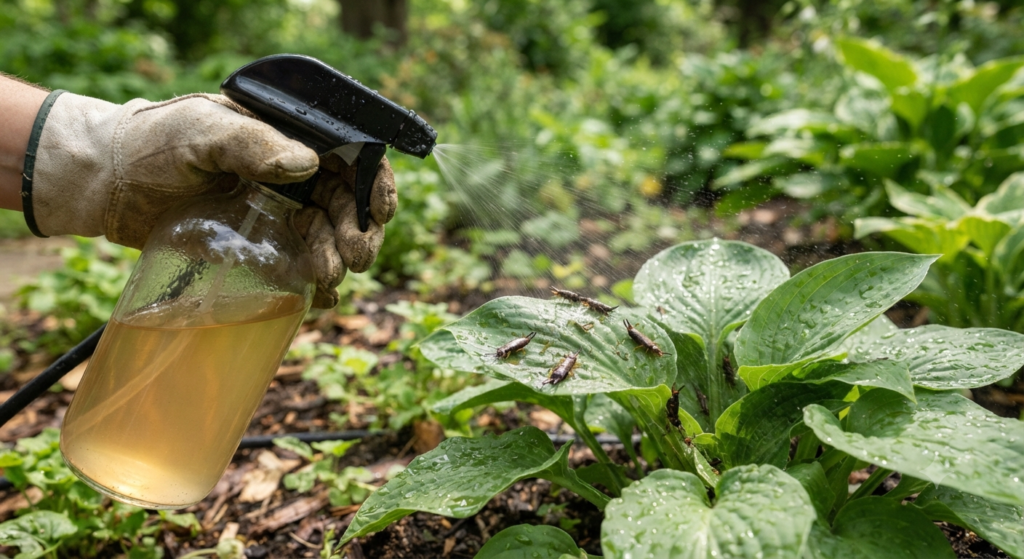
Neem oil is one of those products I keep stocked in the shed year-round because it handles so many different pests at once. For earwigs, a diluted neem oil spray (follow the ratio on your bottle, usually around 2 tablespoons per gallon of water, plus a drop of dish soap to help it bind) works as both a mild repellent and a contact killer for smaller nymphs.
Spray it in the early evening, right before earwigs become active, focusing on the base of stems and the undersides of leaves where they tend to cluster. Avoid spraying during peak sun hours since neem oil can scorch leaves in direct heat.
I use this mainly as a supporting player alongside trapping, not as my first line of defense. It’s more of a maintenance tool than a rescue plan for a full-blown infestation.
8. Essential Oil Barrier Spray
A mix of peppermint or clove essential oil with water, sprayed around the perimeter of a garden bed, can help discourage earwigs from crossing into that zone in the first place. It’s not a kill method, it’s more of a “go bother someone else’s garden” method.
Mix about 10 drops of essential oil into a spray bottle of water, shake well before each use since oil and water separate, and reapply every few days or after rain. I wouldn’t rely on this alone, but paired with trapping and habitat removal, it rounds out a solid natural approach.
Earwig Control Around Specific Plants
Some plants take a harder hit than others, and it’s worth tailoring your approach depending on what you’re protecting.
- Dahlias and zinnias: These soft-petaled flowers are earwig magnets. Trap heavily around the base of these plants and consider a light DE ring during bloom season.
- Vegetable seedlings: Young, tender seedlings are especially vulnerable since earwigs can wipe out a whole tray in one night. If you’re starting seeds directly in the ground, consider covering them with a floating row cover until they’ve got a few true leaves and can handle some nibbling.
- Corn: Earwigs are notorious for getting into corn silks and damaging pollination. Trap aggressively around corn stalks, especially once tassels appear.
- Strawberries: Ripe strawberries sitting close to the soil are an easy target. Elevating strawberries in containers or using straw mulch to keep fruit off bare soil helps reduce access.
When Are Earwigs Worst? Timing Your Control Efforts
Earwig activity ramps up in spring as populations that overwintered in the soil start moving and reproducing. By early summer, you’re often dealing with a full generation of adults plus a fresh batch of nymphs, which is exactly when garden damage tends to spike.
Late spring through midsummer is when I focus the bulk of my trapping efforts. If you catch the population early, before it explodes, you’ll spend a lot less time fighting them later in the season. Waiting until you’ve got serious petal damage means you’re playing catch-up instead of staying ahead of the problem.
Fall is a good time to focus on habitat removal instead of trapping. Clearing out mulch, debris, and dense ground cover before the weather cools down reduces the number of cozy spots available for earwigs to overwinter in your beds, which means a smaller starting population the following spring.
Long-Term Prevention: Keeping Earwigs From Coming Back
Trapping and spraying deal with the earwigs you already have. Prevention is what keeps next season’s population from getting out of hand in the first place.
- Water in the morning, not the evening. Earwigs love damp conditions, and watering at night leaves the soil surface moist right when they’re most active. Morning watering gives everything time to dry out before dusk.
- Keep mulch layers reasonable. A couple of inches of mulch is fine for moisture retention, but thick, soggy piles right up against plant stems create ideal earwig housing. Pull mulch back an inch or two from stems and avoid over-mulching in general.
- Improve airflow and drainage. Dense, overcrowded plantings hold moisture and shade the soil, both of which earwigs love. Thinning out crowded beds and improving drainage in low, soggy spots makes the whole area less appealing to them.
- Do a fall cleanup. As I mentioned above, clearing debris, spent plant material, and excess mulch in autumn cuts down on overwintering shelter. It’s an easy task to fold into your normal end-of-season garden cleanup.
- Check potted plants and containers regularly. Earwigs love hiding underneath pots and saucers. Lift them up every so often and clear out any that have taken up residence.
Real Talk: What Doesn’t Work (And What’s Not Worth Your Time)
I want to be straight with you here instead of just handing you a tidy list of wins.
- Beer traps don’t really work for earwigs. They’re famous for slugs, but earwigs aren’t nearly as drawn to beer. I wasted an entire six-pack testing this theory one summer and caught exactly two earwigs. Save your beer for drinking, not for bug control.
- Cinnamon and coffee grounds are mostly folklore. I’ve seen these floated as “natural earwig repellents” all over the internet, and in my experience, they do close to nothing. If you already compost with coffee grounds, fine, keep doing that, but don’t expect it to solve an earwig problem.
- Broad-spectrum insecticides can backfire. Spraying something strong enough to wipe out earwigs will also wipe out the beneficial insects keeping your aphid and mite populations in check. I did this once early on, and within two weeks my roses had a worse aphid problem than the earwig damage I started with. It genuinely wasn’t worth it.
- Total eradication isn’t realistic, and it isn’t even the goal. Earwigs live in soil practically everywhere. You’re not going to eliminate them from your yard entirely, and honestly, you don’t want to. A small, controlled population is still eating your aphids for you. Aim for balance, not annihilation.
- Traps need consistency. A single night of trapping won’t fix a real infestation. If you’re not willing to check and reset traps for at least a week straight, don’t expect dramatic results. This is a “little bit every day” fix, not a one-and-done spray.
Frequently Asked Questions About Natural Earwig Control
Do earwigs actually bite or sting people? Rarely, and even when they do pinch with those rear pincers, it’s mild, more of a surprise than actual pain. They’re not dangerous to humans or pets.
What attracts earwigs to a garden in the first place? Moisture and shelter, mostly. Overwatering, thick mulch against stems, dense ground cover, and piles of debris all create the damp hiding spots earwigs need during the day.
Will earwigs go away on their own? Populations do naturally rise and fall with the seasons, but if your garden offers ideal shelter and food, they’ll keep coming back year after year unless you actively manage their habitat.
Are earwigs good or bad for the garden? Both, honestly. In small numbers, they help control aphids and mites. In large numbers, they turn to your seedlings and flowers. It’s a numbers game.
How long does it take for natural earwig control to actually work? Give any of these methods at least a week of consistent effort before judging results. Trapping every night for seven to ten days usually produces a noticeable drop in damage. Habitat changes take a bit longer to show results since you’re working against an existing population, not just removing shelter for future generations.
Can earwigs damage houseplants too? Yes, if houseplants sit outside during warmer months or near an entry point where earwigs can wander in. Check the soil surface and drainage saucers if you notice unexplained chew marks on indoor plants that spend part of the year outdoors.
Is it safe to use diatomaceous earth around pets? Food-grade DE is generally considered low-risk for pets, but it can still irritate lungs if inhaled in large amounts, so avoid applying it right before pets are going to be rolling around in that exact spot, and always choose the food-grade version rather than pool-grade DE.
Parting Wisdom
Earwigs seem a lot scarier than they actually are, and once you understand what draws them in, dealing with them stops feeling like an uphill battle. Start with the free stuff, like newspaper traps and clearing out damp hiding spots, before you spend a dime on anything else. Half the time, that’s all it takes.
Have you dealt with an earwig invasion in your own garden? Drop a comment below and let me know what worked (or spectacularly didn’t) for you. I read every single one, and I might just steal your trick for my own backyard next season.

About Syprose Kiche
Syprose Kiche is the creator and writer behind My Besuited Home, a practical home and garden website covering DIY projects, gardening, lawn care, landscaping, home improvement, and outdoor living. She focuses on turning everyday homeowner questions into clear, practical guides backed by careful research and useful real-world considerations.