
A man who gardens seriously usually owns a shed full of tools already, and the ones he uses most are the ones he has put up with longest: pruners with a slack spring, a wheelbarrow wheel that wobbles, gloves that have been patched twice. That is the real difficulty with buying for him. A new trowel joins the pile. A forged replacement for the spade he bent last spring gets used the following weekend.
The gifts below are sorted around that idea. Some replace things that wear out, some take a chore off his list, and a few are small pieces of kit he would never buy himself. Each entry covers what to look for, what to avoid, and who it suits, because the same gift can be ideal for one gardener and dead weight for another.
Five Things Worth Checking Before You Buy
Most bad gift choices come from skipping the same few questions.
What does he actually spend his time on? A man who lives for his lawn needs different things from one with raised vegetable beds, and different again from one who builds walls and paths. “Gardening” covers a lot of ground. Look at what is growing, what he talks about, and where the mud on his boots comes from.
What is already worn out? The best clue to a good gift is a tool that has seen better days: tape around a split handle, rust pitting on a blade, a bent tine on a fork. If you cannot get into the shed, ask someone who can. Replacing a failing tool with a better version of the same thing is almost never wrong.
What size is he? Long-handled tools are sized to height, and gloves and boots to hands and feet. Handle length affects how comfortable a spade is over a long afternoon. If you are unsure, choose gifts where size matters less (sharpening kits, rain gauges, storage) or keep a gift receipt.
Does he already use a cordless tool system? Battery tools are only a bargain if the battery fits the tools he owns. A new trimmer on a different battery platform means another charger and another set of batteries. Many manufacturers sell “bare tool” versions without a battery, which makes a good gift for someone already invested in a system.
Does he have any physical limits? Knees, backs, and wrists wear down in gardeners. Heavy digging tools suit some people and not others. A gift that makes work easier on the body is often worth more than one that adds a new job.
Hand and Digging Tools Built to Take Punishment
1. A forged digging spade or border fork
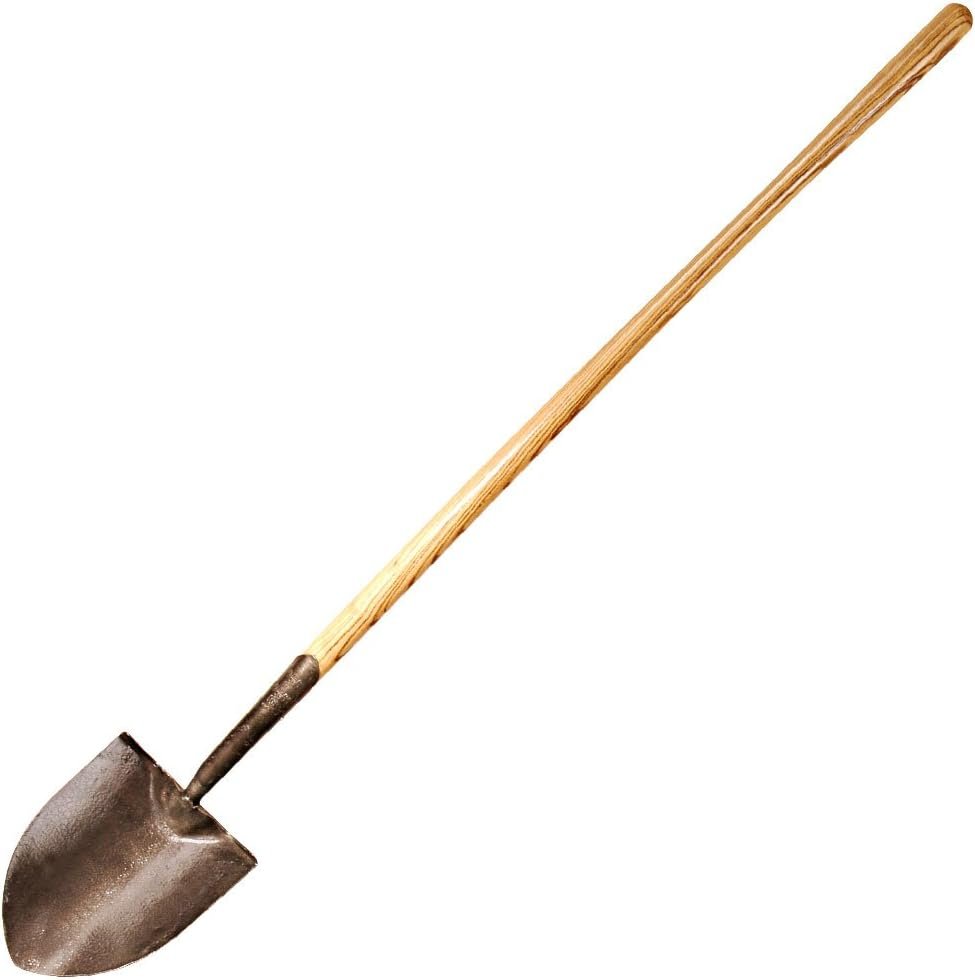
Cheap shovels are made from stamped sheet steel and are fine for loose potting mix. They bend in clay and give up around buried roots. Better spades and forks are forged, with the blade and socket made from a single piece of steel, which is why they cost more and last longer. Look for the term “forged” in the product description, and be a little suspicious of listings that say only “heavy-duty.”
A border fork is a smaller fork, useful for loosening soil, lifting perennials, and working between plants without wrecking their roots. A full-size spade handles edging beds, cutting turf, and digging holes. Handles come in ash or hickory, which have some give and can be replaced when they split, or fiberglass, which does not rot but cannot be repaired in the same way. A D-shaped grip is easier to control in tight beds. A long straight handle gives more leverage and suits taller people.
This is a good gift for anyone working heavy clay or digging out established perennials. It is a poor one for a gardener who only grows in containers.
2. A hori-hori soil knife
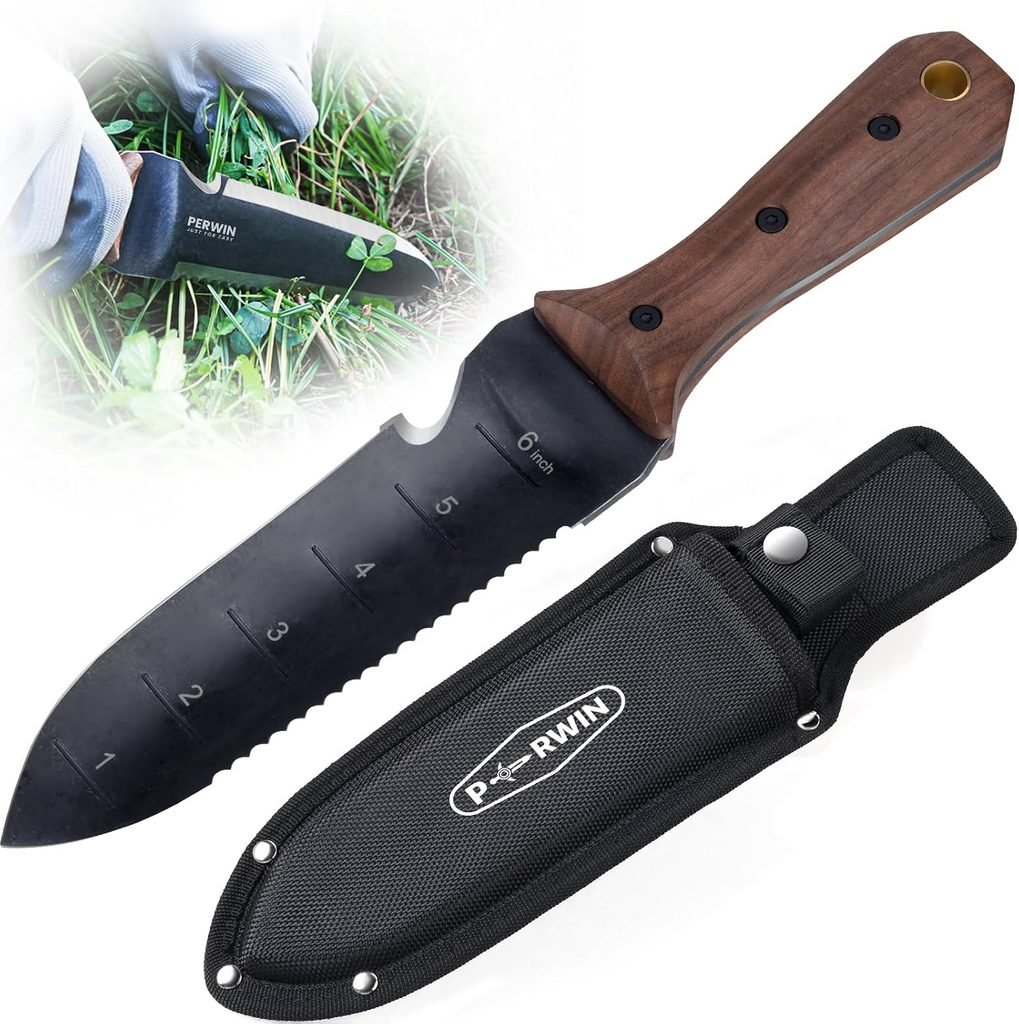
The hori-hori is a Japanese digging knife with a narrow, concave blade, a sharp edge on one side and a serrated edge on the other. Many versions have depth markings etched along the blade. It plants bulbs at the right depth, slices through roots, divides perennials, cuts open bags of soil, and pries out small weeds. One tool replaces several, which is its main appeal.
Pick one with a solid metal blade and a sheath. Treat it as a knife, since the edge is sharp and the tip is pointed. Prying hard against thick roots can bend thinner blades, so avoid the very cheapest. It is a good small gift for a man with a lot of beds and borders, and it fits easily into a tool belt or bucket.
3. A stand-up weeding tool
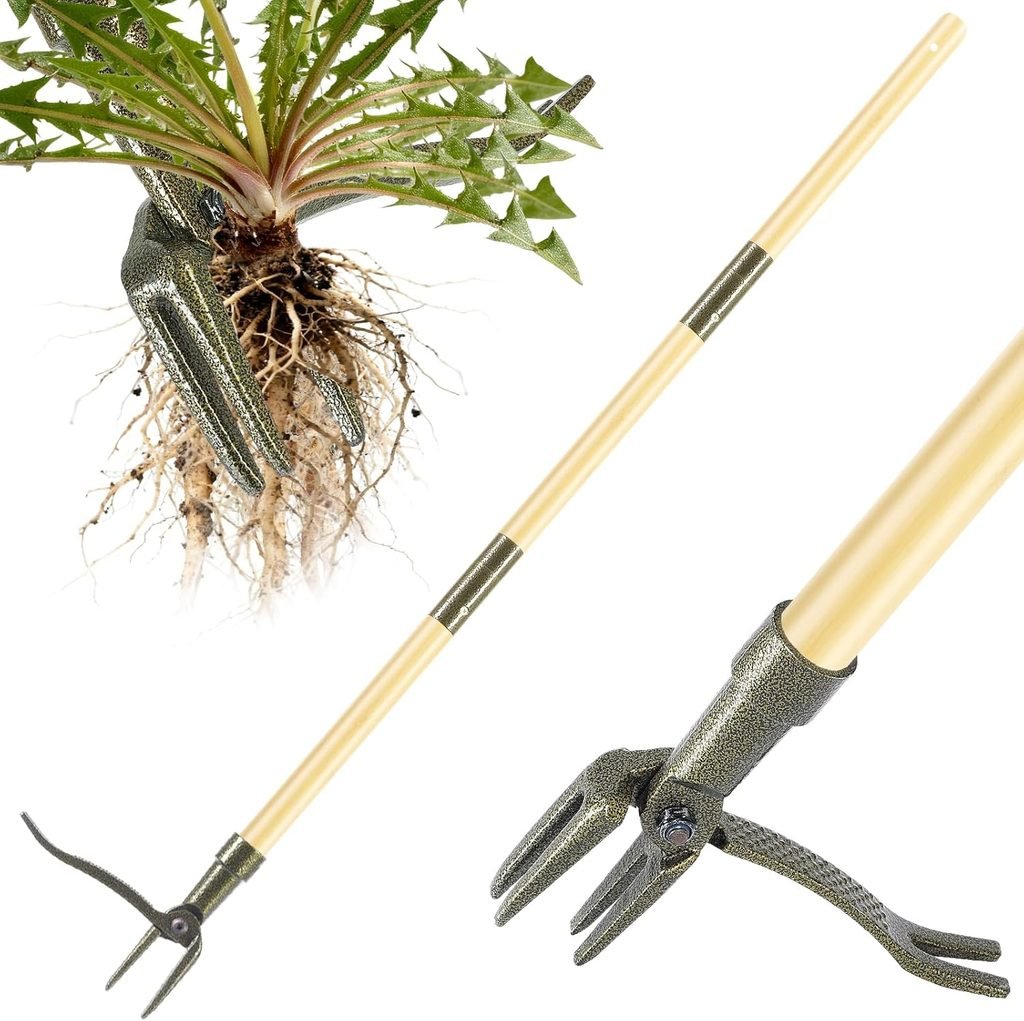
Dandelions and other deep-rooted weeds are hard to remove completely, because the taproot can regrow from any fragment left in the ground. A long-handled weeder with a forked or claw head pushes down beside the crown and levers the whole plant out, usually without bending over.
Soil moisture matters a lot here. In damp soil these tools pull out clean roots. In dry, baked clay they tend to snap the root, which defeats the purpose, so they work best a day or two after rain or watering. They also struggle in very stony ground. This suits a man with a lawn he cares about and a bad back he would rather not aggravate.
4. A cutter mattock
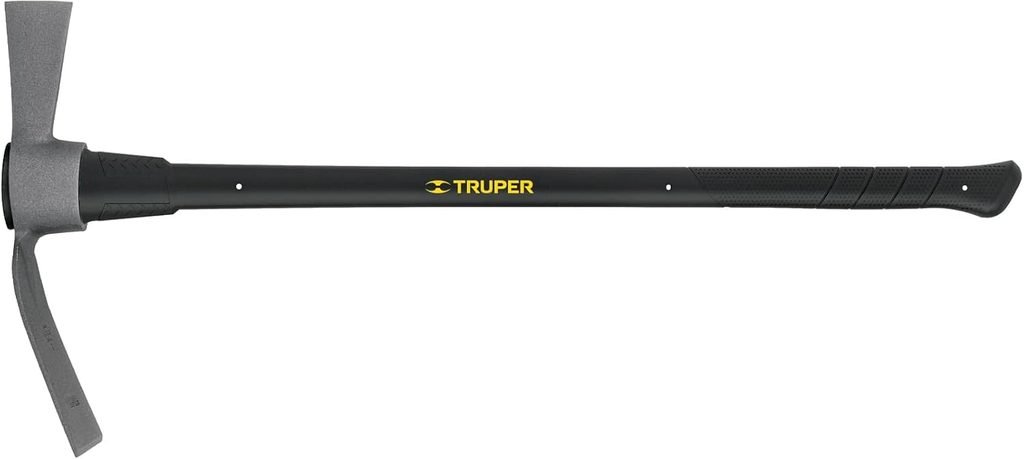
A cutter mattock has a heavy head with an axe-like blade on one side and an adze (a flat, chisel-like blade) on the other. It is built for chopping through roots, breaking up compacted clay, digging trenches, and clearing small shrubs. For someone building paths, planting beds out of lawn, or putting in fence posts, it does work a spade cannot.
It is heavy and swung with force, so it is a gift for a fit, experienced person. Safety glasses and sturdy boots are not optional. Handles are available in several lengths, and a shorter one is easier to control. If he has a bad back or shoulder, skip it.
Pruning Tools
5. Quality bypass pruners
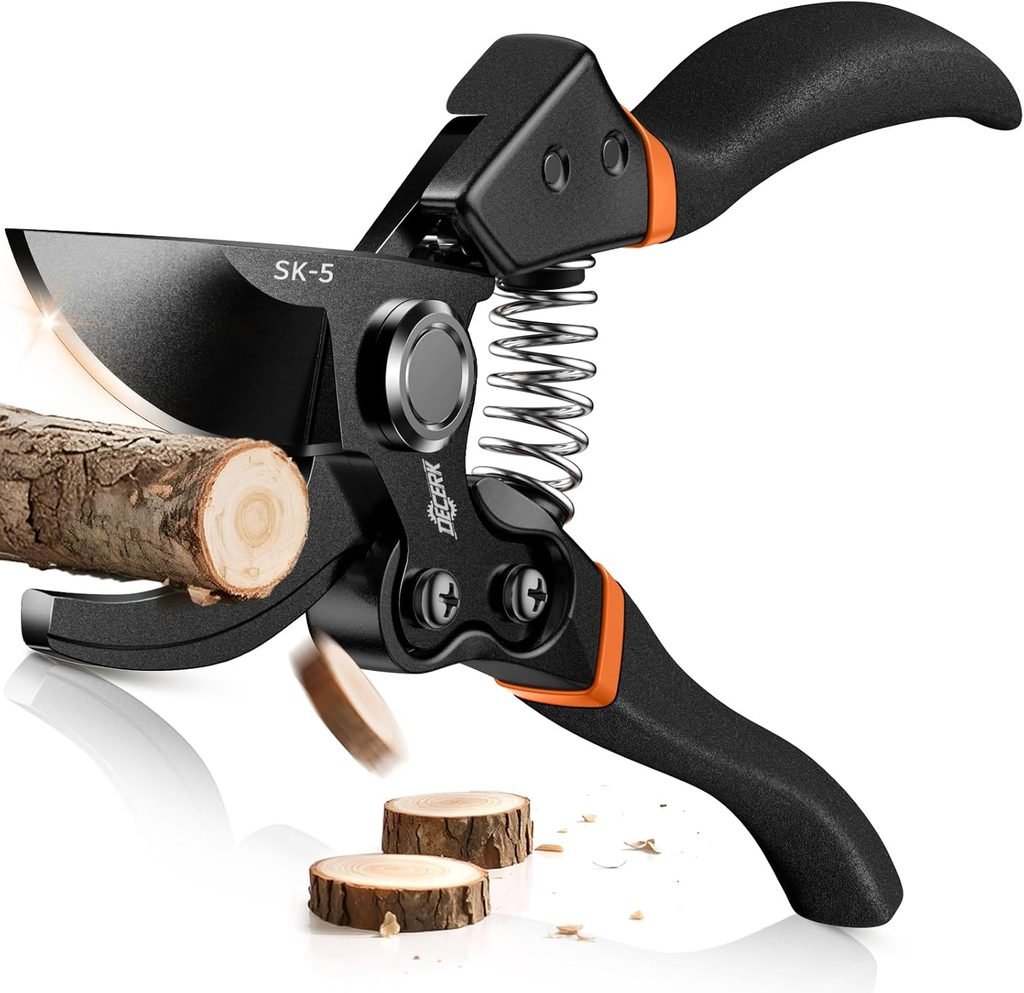
Bypass pruners work like scissors, with two blades passing each other, which gives a clean cut on live stems. Anvil pruners press a single blade onto a flat surface and tend to crush softer growth, though they work reasonably well on dead wood. For most gardeners, bypass is the better choice.
What separates good pruners from disposable ones is mostly serviceability. Look for replaceable blades and springs, which let him keep the same handles for years. Check the maximum cutting capacity listed by the manufacturer and keep it in mind, because forcing pruners through thick wood is how they get damaged. Hand size matters more than people expect. Small-framed pruners are tiring for large hands, and large ones are hard for small hands to squeeze. If you are not sure, a gift receipt is worth including.
6. Loppers for branches pruners cannot handle
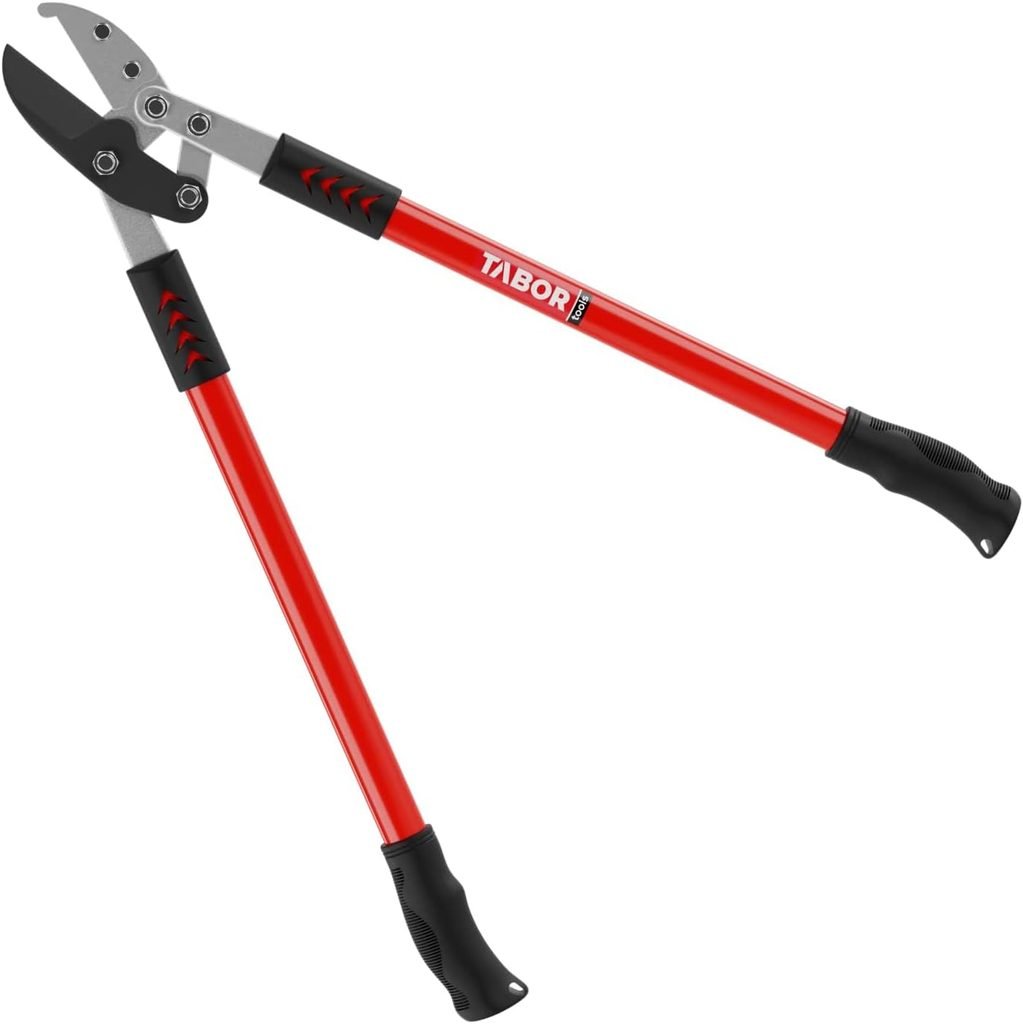
Loppers are essentially long-handled pruners. The extra leverage lets you cut branches that would be too thick for handheld pruners. Manufacturers typically list capacities somewhere in the range of an inch and a half to two inches, but this varies, so check the specification for the model you are considering.
Bypass loppers cut live wood cleanly. Ratchet loppers make several smaller cutting strokes, which helps if his grip strength is limited or the branch is at the top of the capacity range. Handle material is a trade-off: aluminum is light, fiberglass is stiffer, and telescoping handles give more reach but flex a little under load. Loppers are a good gift for a man with established shrubs, fruit trees, or hedges.
7. A folding pruning saw
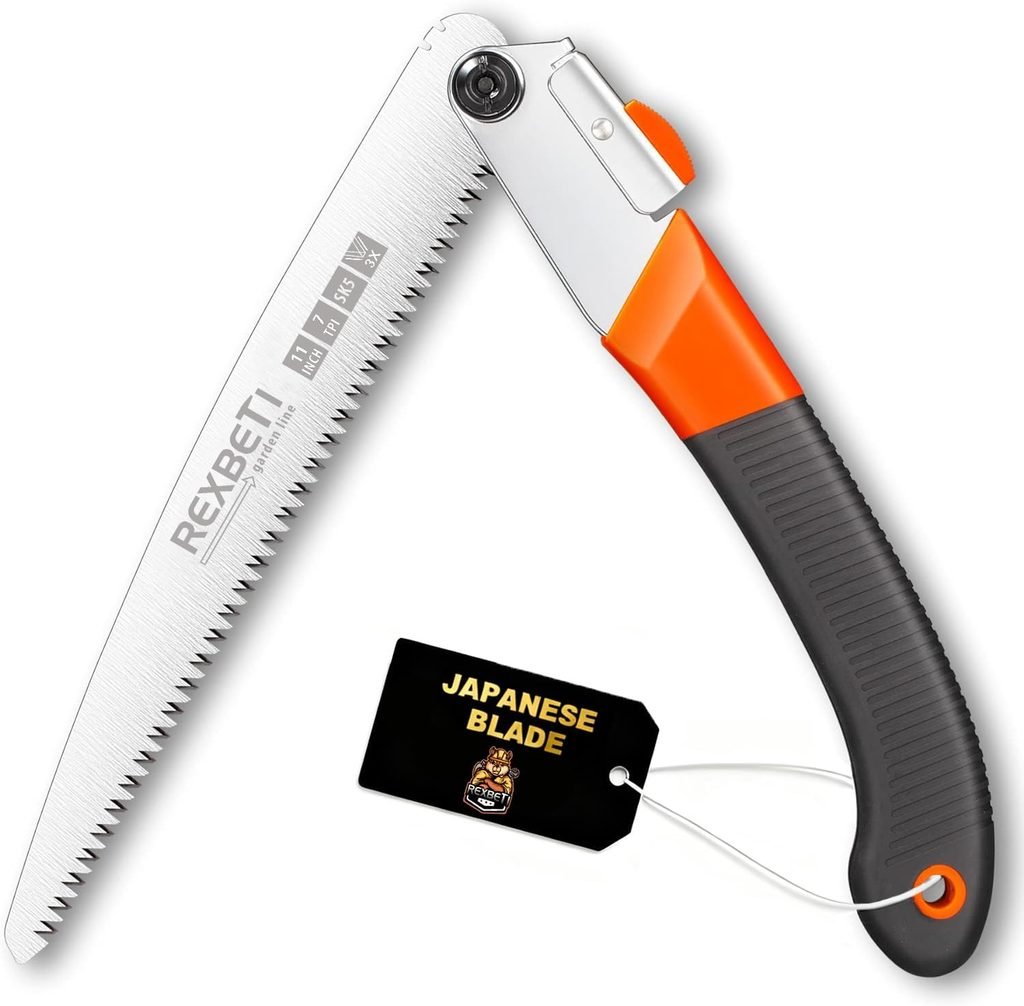
Many pruning saws cut on the pull stroke rather than the push. That keeps the blade in tension, so it can be thin and sharp, and it cuts through green wood faster than a bow saw. A folding version closes into its handle and slides into a pocket or belt sheath.
Look for a locking blade that does not fold on you mid-cut, and check whether replacement blades are available. A coarser tooth pattern suits green wood and a finer one suits dry or hard wood. This is the right gift for limbs too thick for loppers but too small for a chainsaw, which covers most of the pruning a home gardener does.
8. A manual pole pruner
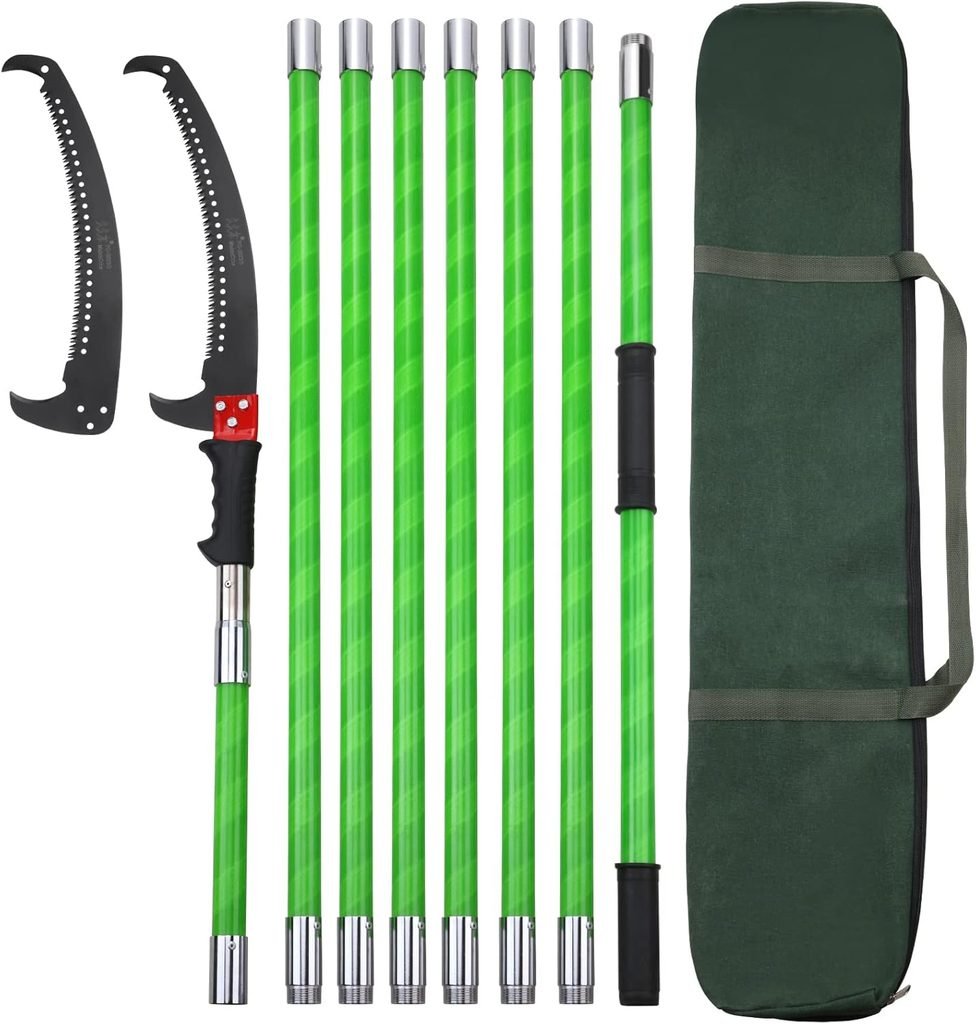
A pole pruner or pole saw reaches branches overhead without a ladder, which is a real safety gain. Manual versions have a cutting head on a telescoping pole, and the cutting action is either a lever or a pull cord.
There is one hard rule: stay well away from power lines. Metal and wet poles conduct electricity, so never work near overhead wires, and when you are cutting, stand outside the area where the branch will fall. Wear safety glasses and a hard hat. Work above a modest size is better left to a professional arborist, and it is fair to say so in the gift note.
Lawn-Care Tools
9. A manual edging tool
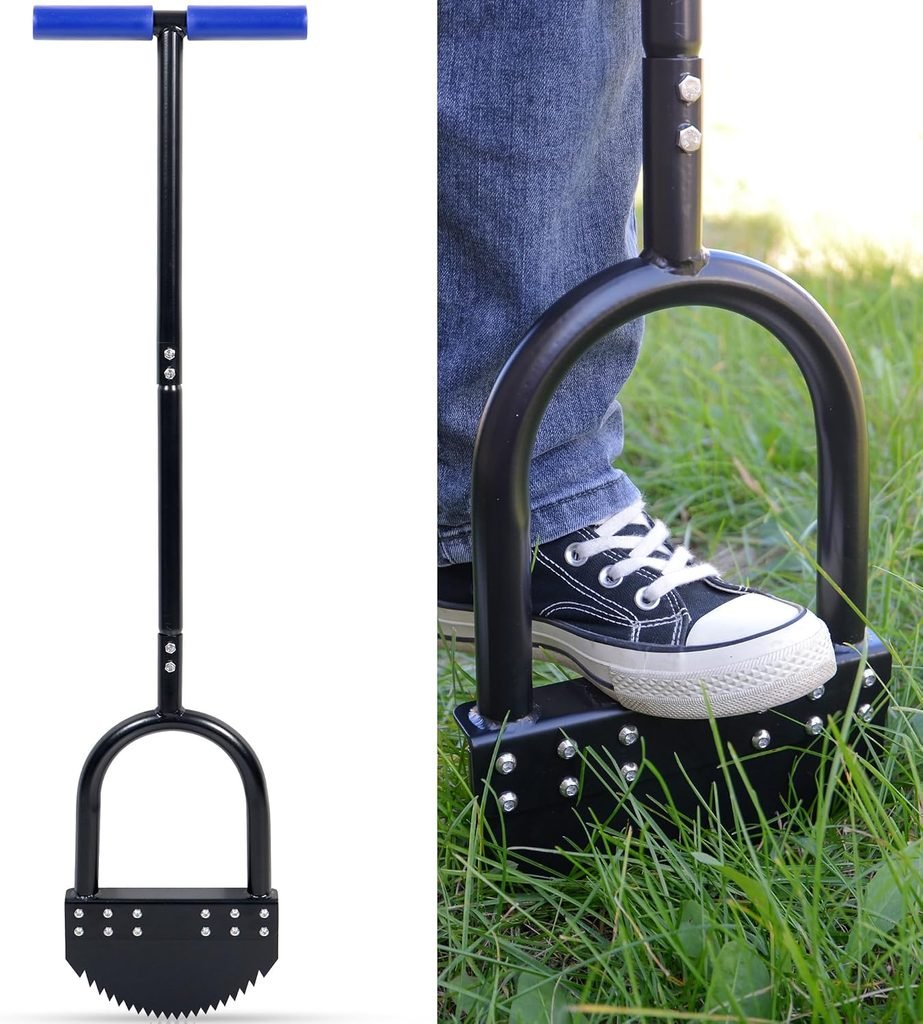
A crisp border between lawn and bed does more for the look of a yard than almost anything else. A half-moon edger is a flat, curved blade on a long handle, driven in with the foot. Some versions use a rotating blade instead. Both cut a clean vertical line along turf, paths, and bed borders.
They work best in moist soil. In dry clay or in areas full of roots they are a struggle, and for long runs a powered edger may be a better gift. For a man with beds to maintain and a lawn he trims by hand, a good manual edger is a satisfying tool.
10. A broadcast spreader
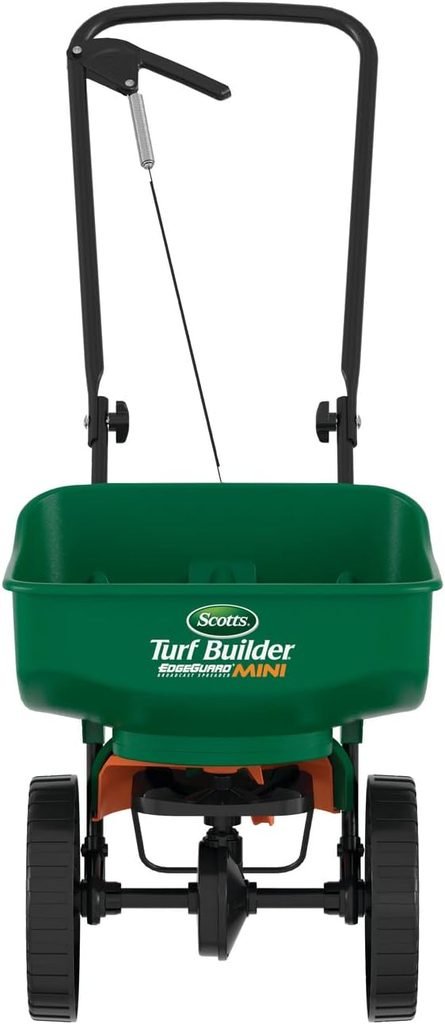
A spreader distributes grass seed, fertilizer, or lime evenly. Handheld models suit small lawns and spot jobs, and walk-behind models suit larger yards. Even coverage matters. Uneven fertilizer produces stripes, and heavy doses in one spot can burn the grass.
Settings differ from one spreader and product to another, so the number on the fertilizer bag may not match the dial. Rinse the spreader after use, since fertilizer corrodes metal parts. This is a good gift for a lawn lover who overseeds in fall. Choose the size to match his actual lawn.
11. A core aerator
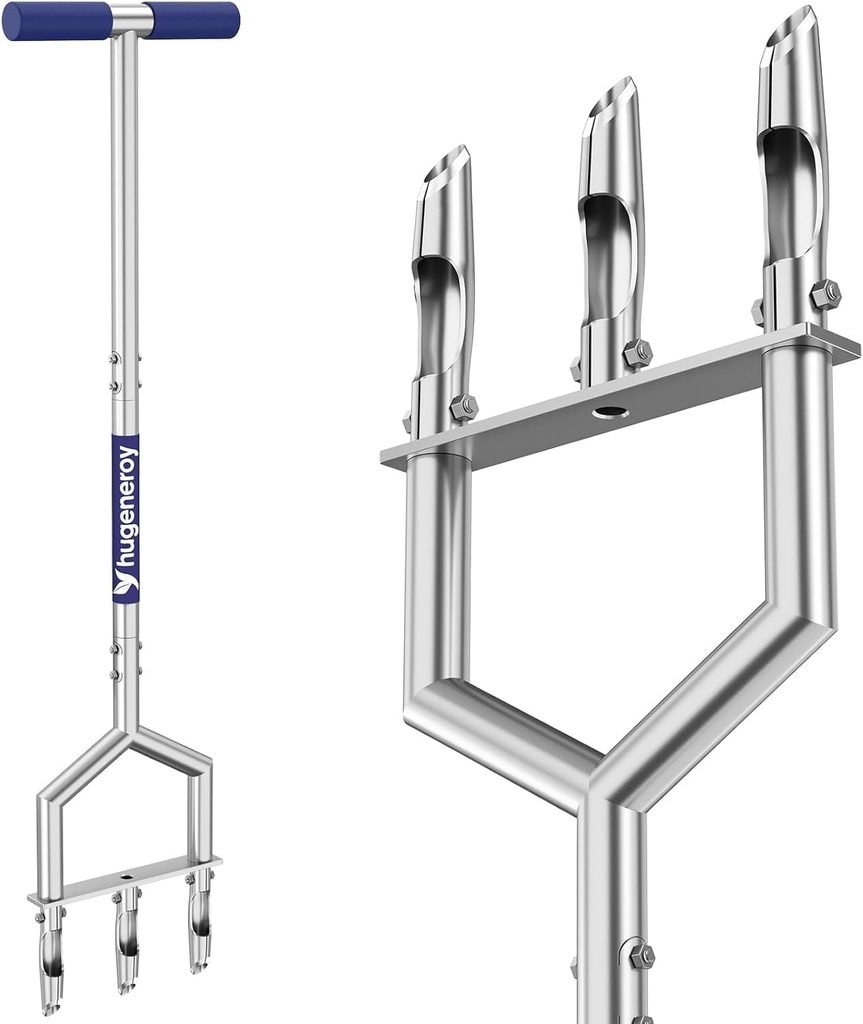
Compacted soil is a common reason lawns thin out. Core aerators pull out small plugs of soil, which opens channels for air, water, and roots. Spike aerators punch holes without removing soil, and some extension guidance notes they can compress soil around the holes, which limits the benefit on compacted ground.
A step-on manual core aerator is fine for small lawns and trouble spots, though it is hard work across a whole yard. Tow-behind versions attach to a lawn tractor and suit larger areas. Timing depends on the grass: the commonly recommended window is early fall for cool-season grasses and late spring to early summer for warm-season grasses. Confirm for his grass type. If buying a machine seems like too much, a note promising to rent one with him is a reasonable alternative.
12. A battery-powered trimmer or hedge trimmer
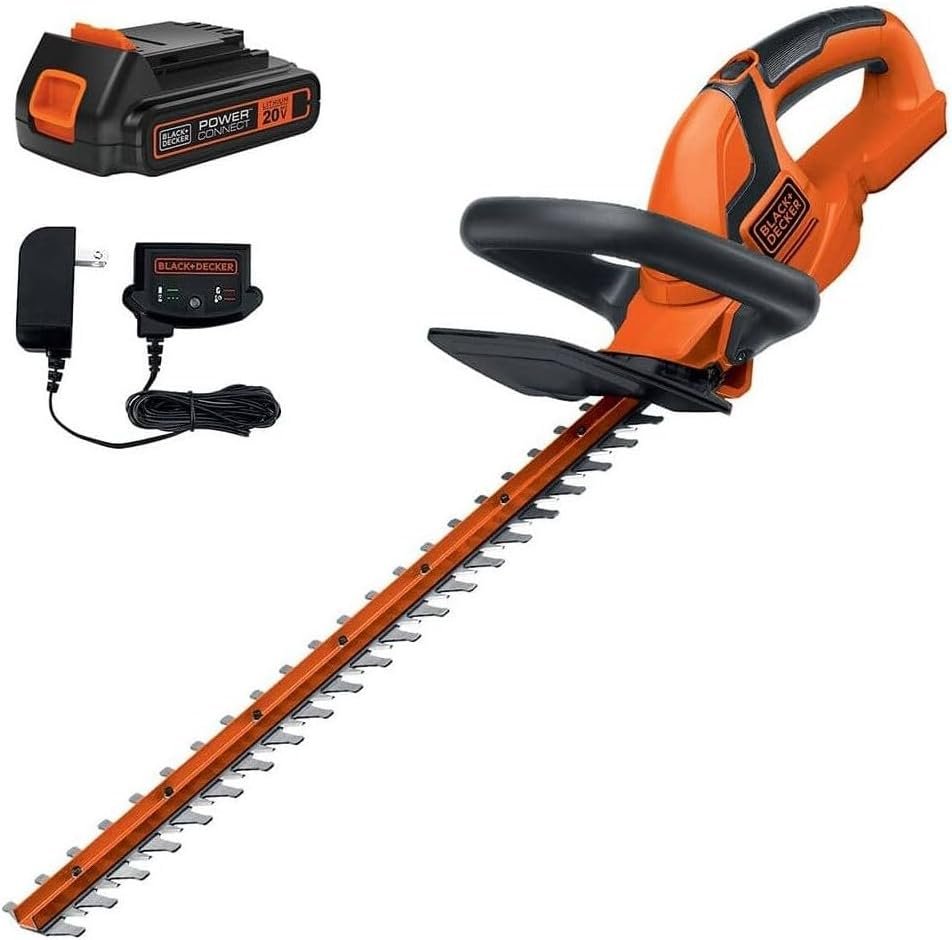
Battery trimmers are quieter than gas ones and start without pulling a cord. Compare the weight, the blade or line type, and the runtime listed for the battery size.
Before buying, find out which battery platform he already uses, because mixing systems leads to extra chargers and batteries. If he is already invested in one brand, a bare-tool gift saves money and fits what he owns. If he has no cordless tools yet, a trimmer plus battery is a reasonable starting point. Eye and ear protection are still sensible.
Gloves and Work Gear
13. Work gloves matched to the job
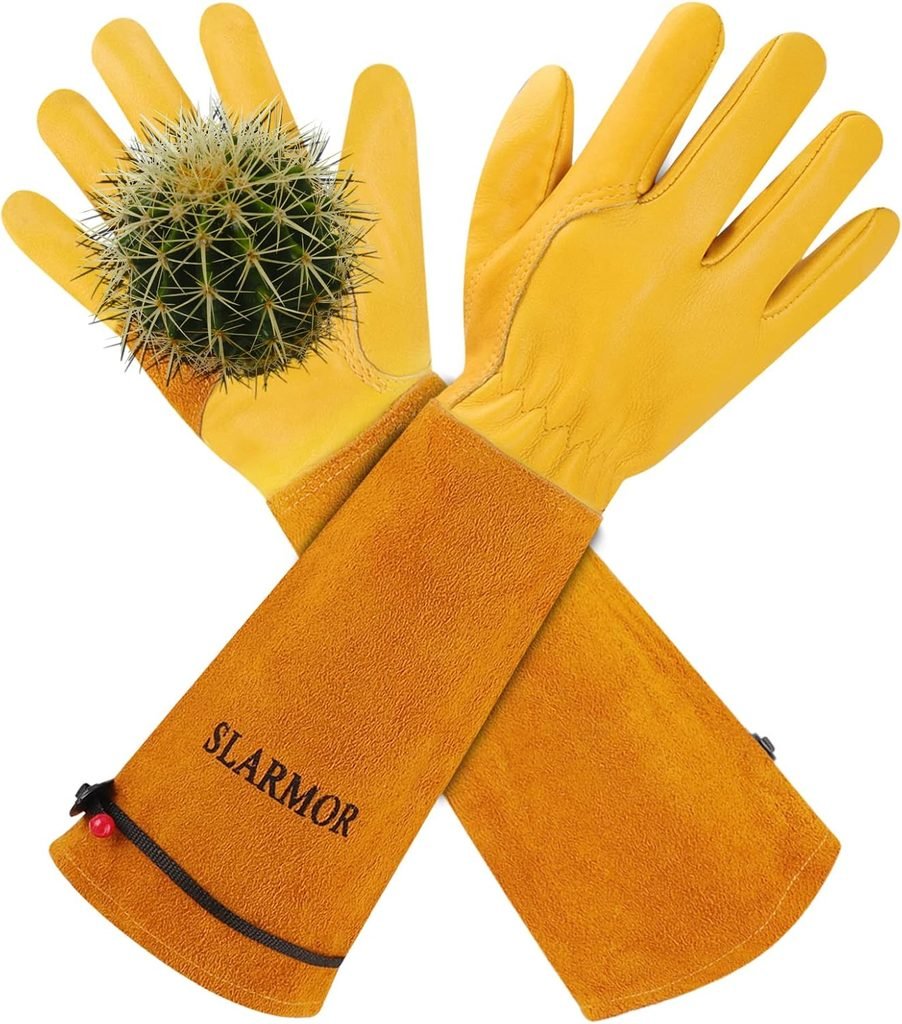
Gloves are one of the most-used and fastest-wearing items in the shed, so a good pair is welcome, but “gloves” covers several different products.
- Leather is durable and handles abrasion, and some types offer thorn resistance.
- Coated nylon or nitrile gives better dexterity and handles wet soil well, but wears faster on rough work.
- Thorn-resistant gloves with long cuffs suit roses and brambles.
- Cut-resistant gloves protect against blades and are useful when sharpening or handling saws.
Fit matters. Gloves that are too loose catch on things, and gloves that are too tight limit dexterity and tire the hand. Sizing varies between brands, so a gift receipt is wise. None of these replaces the chemical-resistant gloves a pesticide label may call for, so follow the label if he uses sprays.
14. Waterproof boots or garden shoes
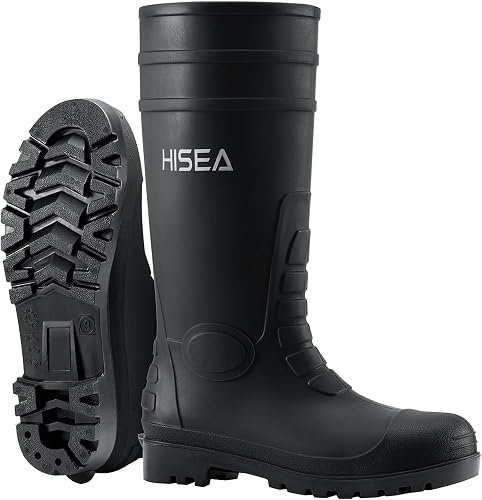
Wet feet make gardening miserable. Rubber or neoprene boots keep mud and water out and are easy to hose off. Garden clogs suit quick trips to the beds. If he uses heavy equipment or a mattock, work boots with reinforced toes are a reasonable upgrade.
Sizing is the main risk. Boots are usually worn with thick socks, so many people size up. Ask someone who knows his size, or choose another gift if you cannot.
15. A garden kneeler and seat
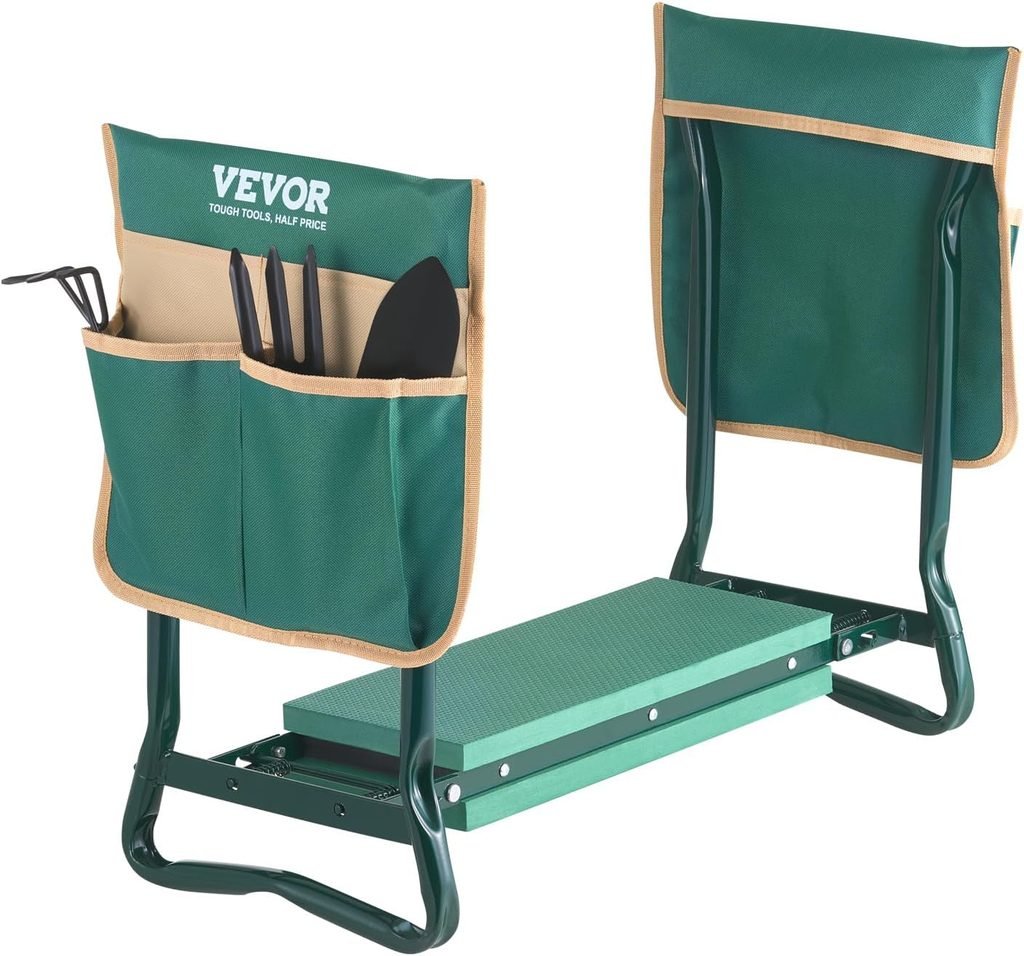
Kneeling on bare ground for an hour is hard on knees. A padded kneeler with handles gives a cushioned surface and something to push up from, and many flip over to become a low seat. Manufacturers list weight capacities, so check that against the person.
Knee pads are an alternative that stays attached to the legs, which is more convenient for moving along a row. A kneeler works better in open beds than in tight spaces. This is one of the more thoughtful gifts on the list, particularly for a man who has been gardening for decades.
Hauling, Storage, and Organization
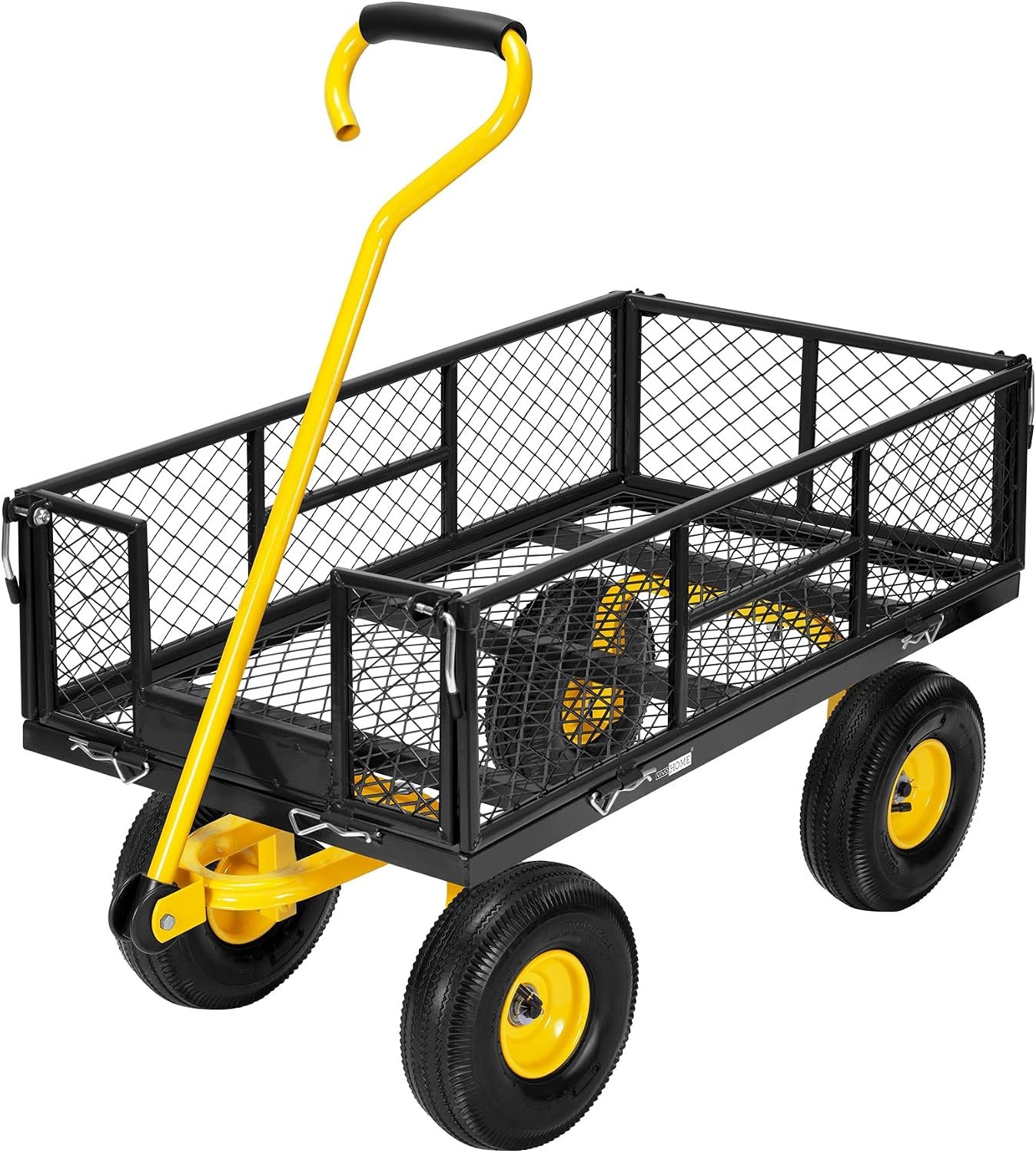
16. A garden cart or wheelbarrow
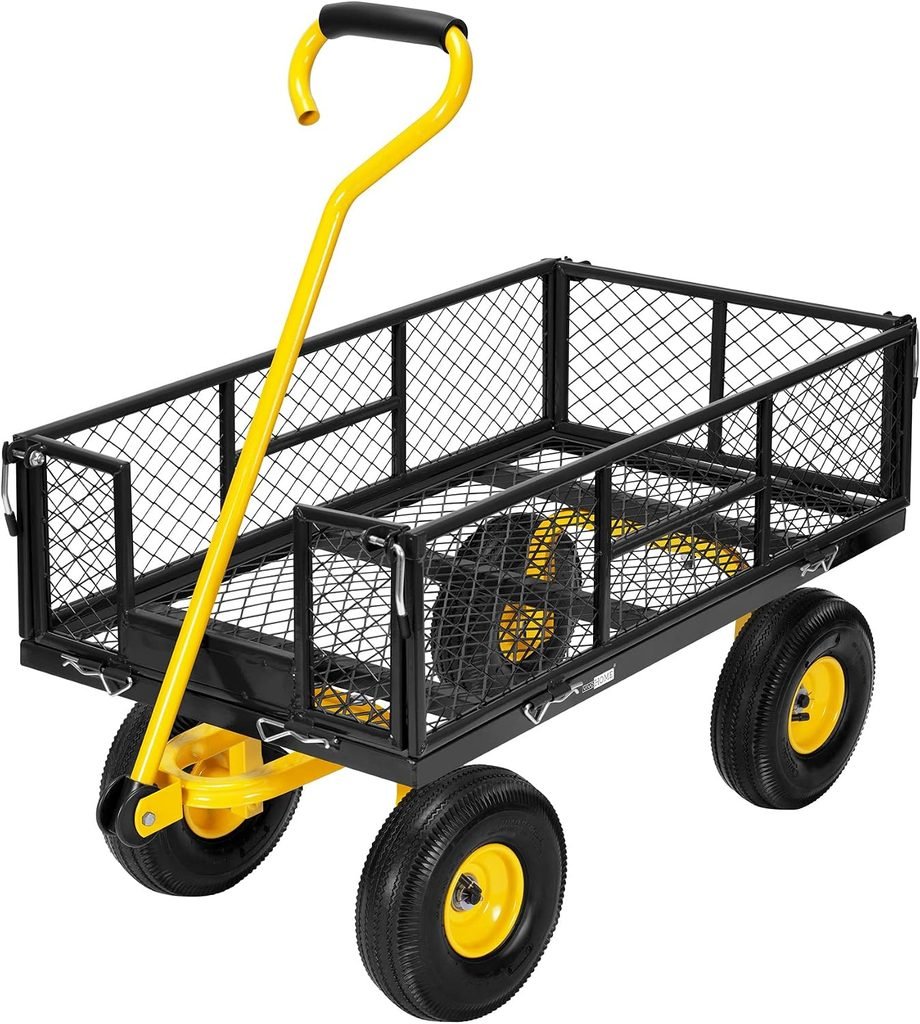
Moving mulch, soil, stone, and clippings by hand takes a lot of trips. A wheelbarrow with a single wheel turns easily and works well on narrow paths, but it can tip when loaded unevenly. A two-wheeled version is more stable under heavy loads. Four-wheeled garden carts, many with tilting trays, suit bulk materials and are easier on the back.
Before buying, measure the narrowest gate and path he uses. A cart that will not fit through the gate is useless. Tires are a trade-off too: air-filled tires ride more smoothly and can go flat, while flat-free tires never puncture but give a harder ride. Poly trays do not rust, and steel trays are stronger but need care. Allow time for assembly, because most arrive in a box.
17. A wall-mounted tool rack or rolling tool tote
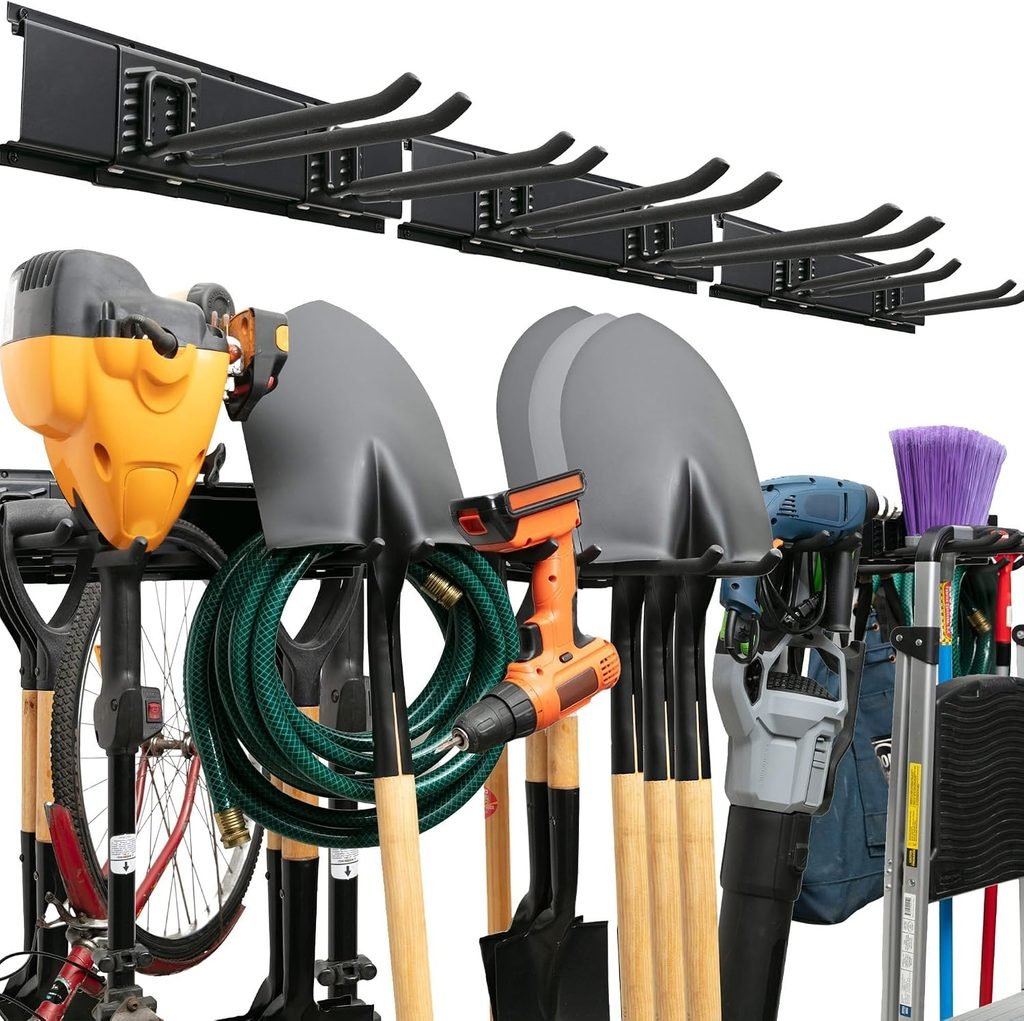
Long-handled tools stacked in a corner fall over, tangle, and get damaged. A wall rack with hooks gets them off the floor and makes each one easy to grab. For hand tools, a canvas bucket organizer or a rolling tote with pockets keeps everything together and portable.
Measure the available wall or floor space before buying, and keep the storage dry, since moisture leads to rust. This is a practical gift for a man whose shed is chaotic, though it needs a bit of tact in presentation.
18. A sharpening and tool-care kit
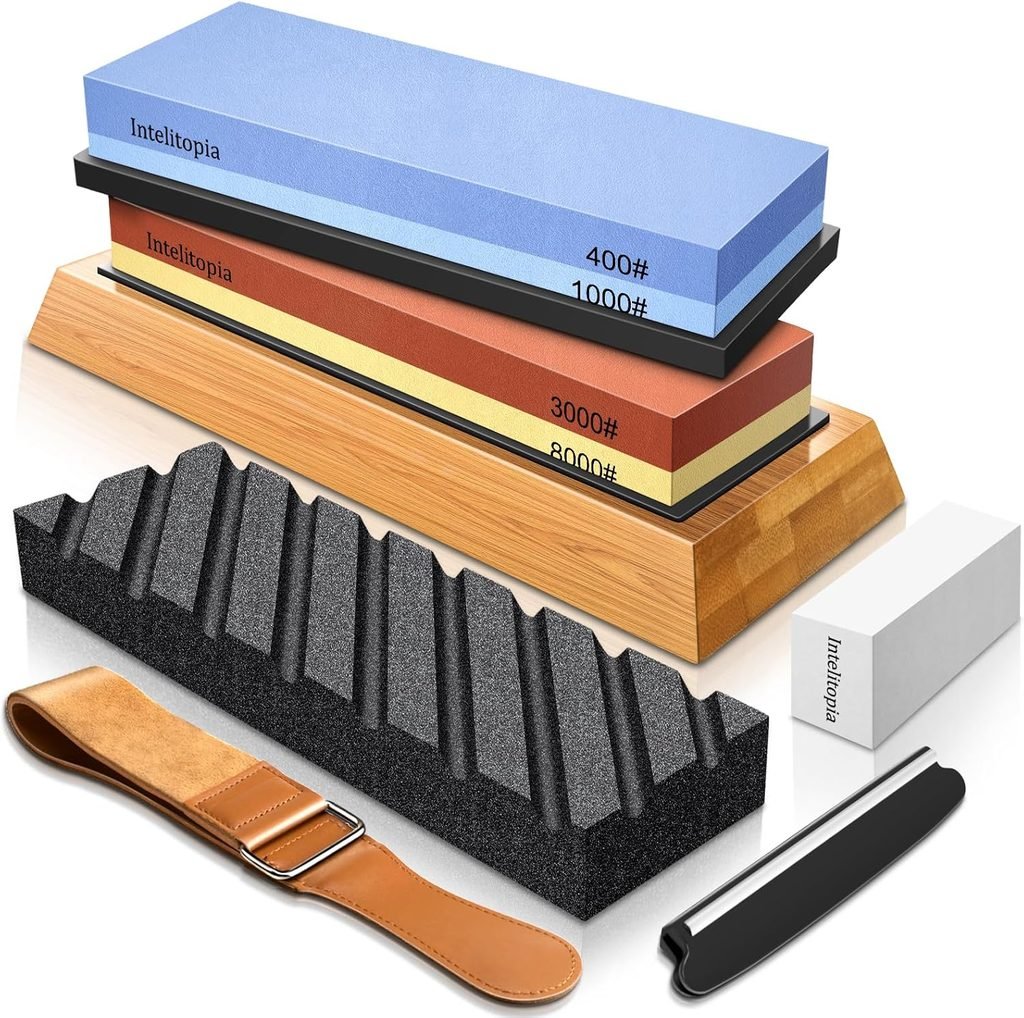
Dull blades tear stems rather than cutting them, which makes ragged wounds that are slower to heal and easier for disease to enter. A basic kit includes a diamond file or whetstone, a wire brush, a rag, and light machine oil.
Bypass pruner blades are generally sharpened on the beveled side only, keeping the original angle. Clamp the tool when possible and wear cut-resistant gloves. If his pruners have replaceable blades, he may not need a sharpening stone, but a wire brush and oil still help every tool in the shed. It is a modest gift, but a good one for a man with decent tools and no maintenance routine.
Personal Touches and Small Finds
19. A personalized garden sign

A custom sign adds something personal to a gift that is otherwise all hardware. Engraved wood, powder-coated metal, and laser-cut signs hold up outdoors much better than vinyl decals or printed boards, which tend to fade and peel in sun and rain.
Check the stake length, the mounting method, and the dimensions, and read the spelling twice before ordering. A sign suits a man with a defined garden spot, a greenhouse door, or a shed to hang it on. It is less useful if he has no obvious place for it.
20. A rain gauge and soil thermometer
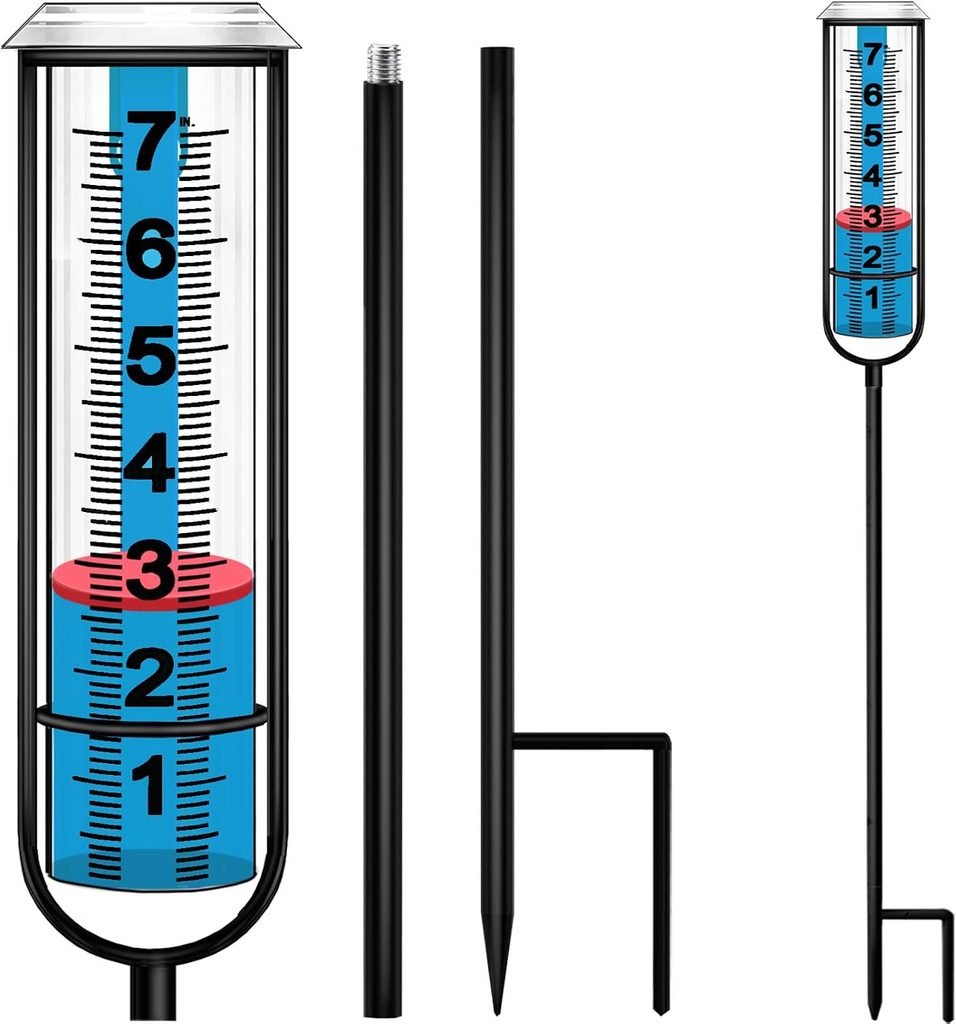
These cost very little and give a gardener actual data. A rain gauge shows how much water fell, which guides watering. A commonly cited rule of thumb is about an inch of water per week during the growing season, but this varies with soil, climate, and plant type, so treat it as a starting point. A soil thermometer shows when the ground is warm enough for seeds to germinate, which is more reliable than the calendar.
Paired with a simple notebook, this makes a good stocking stuffer for a man who likes to track what works.
Gifts That Look Better in the Catalog Than in the Yard
Some products sell well and disappoint in use. Multi-piece tool sets made from thin aluminum often bend or break on first contact with real soil. Tools with plastic joints between the handle and head tend to fail at the joint. Novelty items, such as joke aprons or gag trowels, are fine for a laugh but rarely get used.
Grass seed and fertilizer are risky unless you know the grass type and the lawn’s condition. The wrong seed mix or the wrong product can do harm. Large machinery is also a poor surprise: it needs storage, maintenance, and a decision about whether he even wants it.
Matching the Gift to the Budget
Without quoting prices, which change often, the list falls into rough tiers.
Small gifts and stocking stuffers: a hori-hori knife, work gloves, a sharpening kit, a rain gauge and soil thermometer, a personalized sign, and a stand-up weeder.
Mid-range gifts: quality bypass pruners, loppers, a folding saw, a manual edger, a broadcast spreader, boots, a kneeler, a wall rack or tool tote, and a forged spade or border fork.
Larger gifts: a garden cart, a core aerator, a battery trimmer or hedge trimmer, and a mattock. A pole pruner sits between the mid-range and larger tiers, depending on the model.
Questions Gift Buyers Ask
What do I buy a gardener who already has everything?
Look for things that wear out or get overlooked: gloves, replacement blades, sharpening supplies, and storage. These suit a man with good tools and no maintenance habit.
Which gifts work for a small yard or balcony?
A hori-hori, pruners, gloves, a kneeler, a rain gauge, and a sign all fit small spaces. Skip carts, aerators, and mattocks.
Should I include a gift receipt?
For anything where size or handle length matters, such as gloves, boots, pruners, and long-handled tools, yes. It lets him swap without awkwardness.
Key Takeaways
The best gifts for a man who gardens tend to be upgrades to what he already uses, or fixes for a chore he has tolerated. Check his shed for worn tools, confirm the battery system and sizes, and match the gift to his space. Spend more on things he uses constantly, such as pruners, a spade, and boots, and less on novelties. If you remain unsure, a small, well-chosen item from the stocking-stuffer tier beats a large gift that does not fit his yard.

About Syprose Kiche
Syprose Kiche is the creator and writer behind My Besuited Home, a practical home and garden website covering DIY projects, gardening, lawn care, landscaping, home improvement, and outdoor living. She focuses on turning everyday homeowner questions into clear, practical guides backed by careful research and useful real-world considerations.