
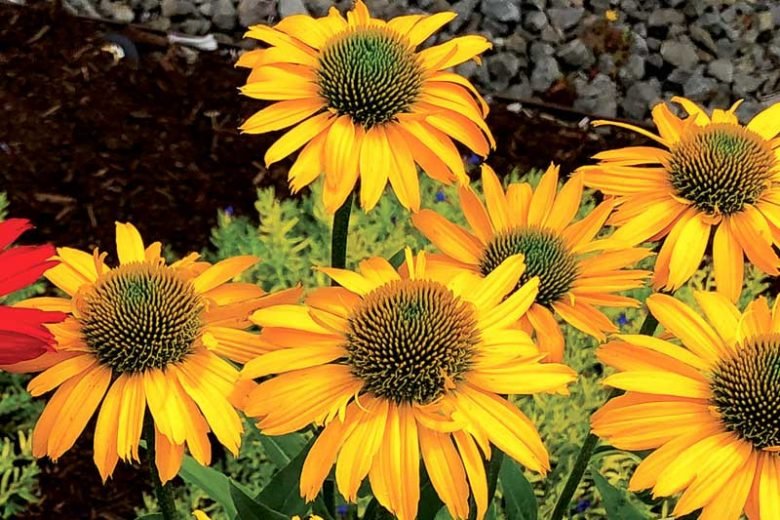
My neighbor Carol used to tease me about my “sad brown yard” every April. Winter would finally let go, everyone else’s tulips would be putting on a show, and my garden beds sat there looking like a burlap sack. That was before I figured out the secret: yellow perennials. Once I started tucking them into every bare patch, my yard went from “sad brown yard” to the one people slow down their cars to look at.
Yellow does something other colors can’t. It grabs your eye from across the yard, it photographs well for those garden Instagram posts, and honestly, it just makes a gray Tuesday feel less gray. Perennials are the smart way to get that color without replanting every single spring. You put in the work once, and they keep showing up, year after year, like a reliable friend who never cancels plans.
Below are 11 yellow perennial flower garden ideas I’ve either planted myself or ripped out of a client’s yard because they were doing something wrong. I’ll tell you which is which.
1. Black-Eyed Susans for a Classic Cottage Garden Look
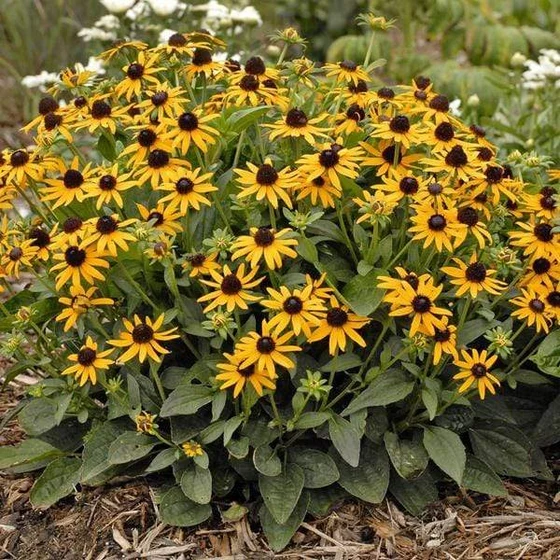
If you type “easy yellow perennial flowers” into Google, black-eyed Susans (Rudbeckia) are going to show up on every single list, and there’s a reason for that. They’re nearly impossible to kill. I’ve seen them grow in compacted clay soil that I wouldn’t plant a weed in, and they still bloom their heads off from June through the first frost.
The classic look is that golden-yellow petal with the dark brown center cone, which is where the “black-eyed” part comes from. They grow in clumps 2 to 3 feet tall, so they work great in the middle of a border, not the very front. I planted a row of them along my back fence the summer I was trying to hide an ugly chain-link fence, and within two years they’d filled in so well you couldn’t even tell the fence was there.
Here’s my honest opinion: skip the fancy hybrid varieties at first. The straight species Rudbeckia hirta or Rudbeckia fulgida will spread and naturalize on their own, which means free plants for you in year two and three. The hybrids with the fancy names cost three times as much and often don’t come back as reliably in colder zones.
One thing people search for constantly is whether black-eyed Susans are deer resistant, and mostly, yes. Deer will nibble on young shoots in a rough spring, but they generally leave mature plants alone. If you’ve got a deer problem in your yard, this is one of your safest bets for guaranteed yellow color.
2. Coreopsis (Tickseed) for Nonstop Summer Blooms
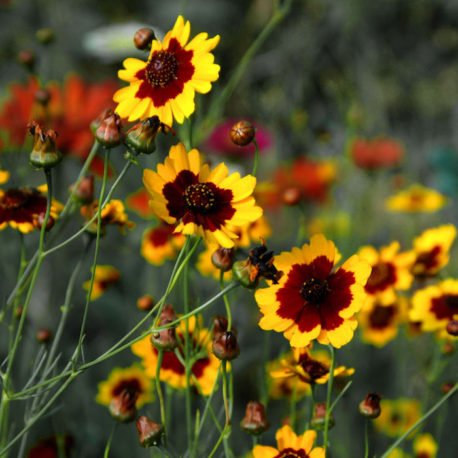
Coreopsis, also called tickseed, is the plant I recommend to anyone who tells me they “kill everything.” It’s drought tolerant once established, it doesn’t need rich soil, and it blooms nonstop from late spring into fall if you deadhead it every couple of weeks.
The flowers are smaller and daintier than black-eyed Susans, usually just an inch or two across, but the plant produces so many of them that it creates this cloud of yellow that moves in the breeze. Threadleaf varieties like ‘Moonbeam’ have this fine, almost fern-like foliage that adds texture even when it’s not in bloom.
My mistake with coreopsis, and I’ll admit this one freely, was planting it in a spot with rich, well-watered soil thinking it would grow bigger and better. It actually got floppy and leggy and fell over after every rainstorm. This plant wants lean, average soil and doesn’t need you babying it with fertilizer. Less really is more here.
If you’re searching for low maintenance perennial ground cover with yellow flowers, coreopsis is worth a serious look. It spreads by rhizomes and self-seeds, so a small patch this year can turn into a full drift within three seasons. Just know it can get a little aggressive in ideal conditions, so give it room or plan to divide it every couple of years.
3. Daylilies for Nearly Zero-Effort Color
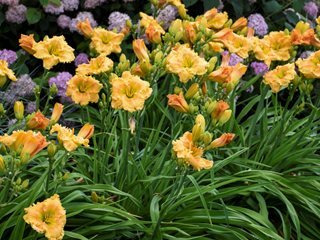
I’ll be honest, daylilies are the plant equivalent of a comfortable pair of jeans. They’re not flashy, but they work every single time, and there are yellow varieties for basically every taste. ‘Stella de Oro’ is the one everybody knows, with its compact size and reblooming habit that gives you flowers from early summer all the way to frost in a lot of climates.
Each individual bloom only lasts one day, which is where the name comes from, but a mature clump produces so many buds that you barely notice. I have a client whose entire front walkway is lined with ‘Stella de Oro,’ and it looks like a golden ribbon from June through September with almost no work on her part.
Daylilies handle poor soil, drought, part shade, and general neglect better than almost anything else on this list. That’s the good news. The slightly annoying news is that the classic tall varieties can spread aggressively and need dividing every three to four years or the center of the clump starts to die out and look thin.
A quick side note here: if you’re dealing with clay soil that turns into a brick in summer, daylilies are one of the few perennials that genuinely don’t mind. I wouldn’t plant most things on this list straight into unamended clay, but daylilies shrug it off.
4. Yarrow for Xeriscaping and Pollinator Gardens
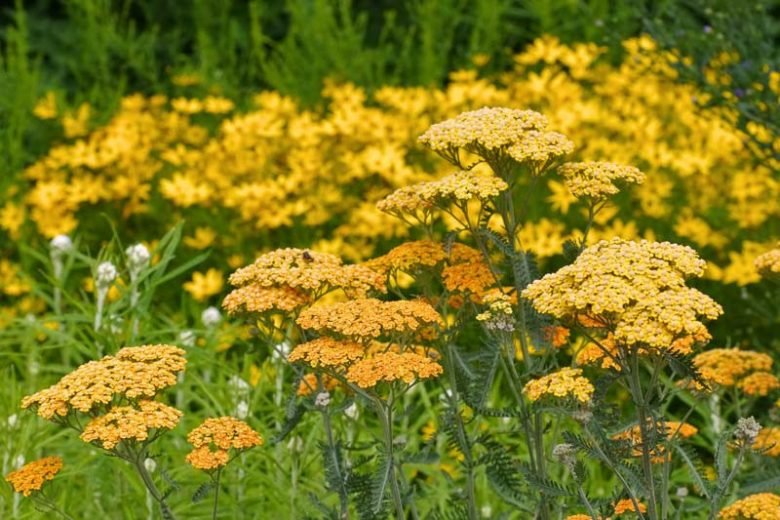
Yellow yarrow (Achillea) doesn’t get talked about enough, and I think it deserves way more credit. The flat-topped clusters of tiny yellow flowers sit on top of feathery, almost fern-like foliage, and they’re a magnet for butterflies and beneficial insects.
This is my go-to recommendation for anyone building a xeriscape or trying to cut down on watering. Yarrow laughs at drought. It actually performs worse in rich, wet soil, where it tends to flop over and get floppy stems. If your yard has sandy or rocky soil that nothing else wants to grow in, yarrow will probably thrive there.
The flowers hold their color well when dried too, which is a nice bonus if you’re into making dried flower arrangements or wreaths. I cut mine right before the blooms fully open and hang them upside down in my garage for a couple of weeks.
One thing to watch for: yarrow spreads through underground rhizomes and can become a bit of a thug in loose, fertile soil. I planted some in a raised bed with good compost once, thinking it would look tidy, and within two seasons it had crowded out my coneflowers. Plant it in poorer soil where it’ll behave itself, or be ready to divide and pull it back regularly.
5. Goldenrod (Solidago) for Late-Season Color and Pollinators
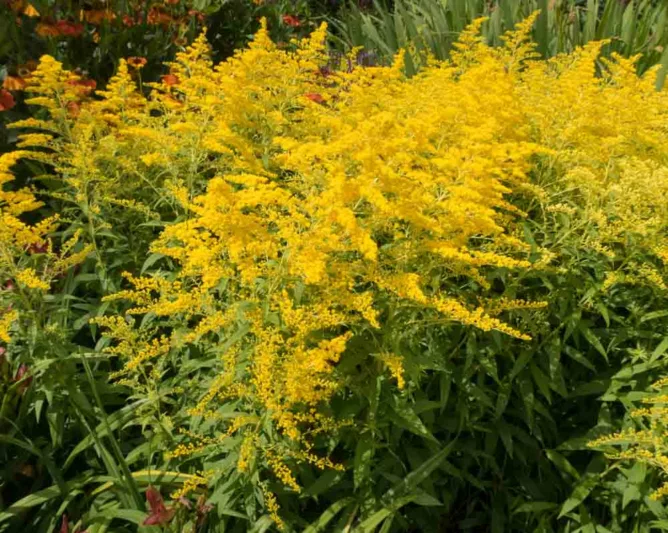
Goldenrod gets a bad reputation it doesn’t deserve. Everyone blames it for their fall allergies, but that’s actually ragweed, which blooms at the same time and has pollen that travels on the wind. Goldenrod pollen is heavy and sticky, meant to hitch a ride on bees, not float up your nose.
Once you clear that up, goldenrod becomes one of the best late-season perennials you can plant. It blooms in August and September, right when a lot of other flowers are winding down, and it’s an absolutely critical food source for migrating monarch butterflies and native bees stocking up before winter.
The plumes of tiny golden flowers look great massed together in a naturalistic or meadow-style garden. I wouldn’t recommend it for a formal front-yard bed because it does spread and can look a little wild if you’re going for a manicured look. But in a back corner, a pollinator garden, or along a fence line, it’s spectacular.
Newer cultivars like ‘Fireworks’ and ‘Golden Fleece’ stay more compact and behave better in smaller garden spaces than the wild roadside version most people picture. If you’ve got room to let it roam a little, though, the straight species does more for local wildlife.
6. Yellow Yarrow’s Cousin: Lady’s Mantle for Chartreuse Groundcover
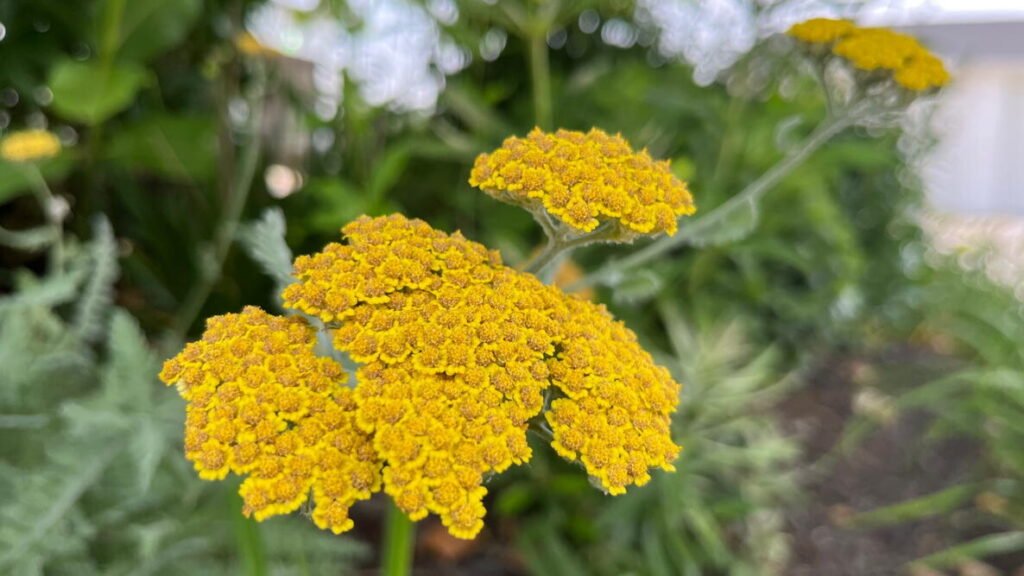
Lady’s mantle (Alchemilla mollis) isn’t a bold yellow, more of a soft chartreuse-green, but I’m including it because it’s one of the most useful shade-tolerant yellow-toned perennials out there. The frothy sprays of tiny flowers sit above these gorgeous scalloped leaves that hold raindrops like little beads of mercury after a storm.
It works beautifully as edging along a shady path or under trees where full-yellow bloomers won’t perform well. I use it to soften the hard line where my patio meets the garden bed, and it fills in nicely within a year or two.
This plant tolerates a wide range of soil types and doesn’t ask for much. It’ll self-seed a bit, which some gardeners find annoying and others, myself included, find charming since it fills gaps without any effort on my part.
If you want a tidier look, cut the plant back hard after its first bloom flush. It’ll send up fresh foliage and sometimes a second, lighter round of flowers later in the season.
7. Yellow Iris for Wet, Boggy Spots
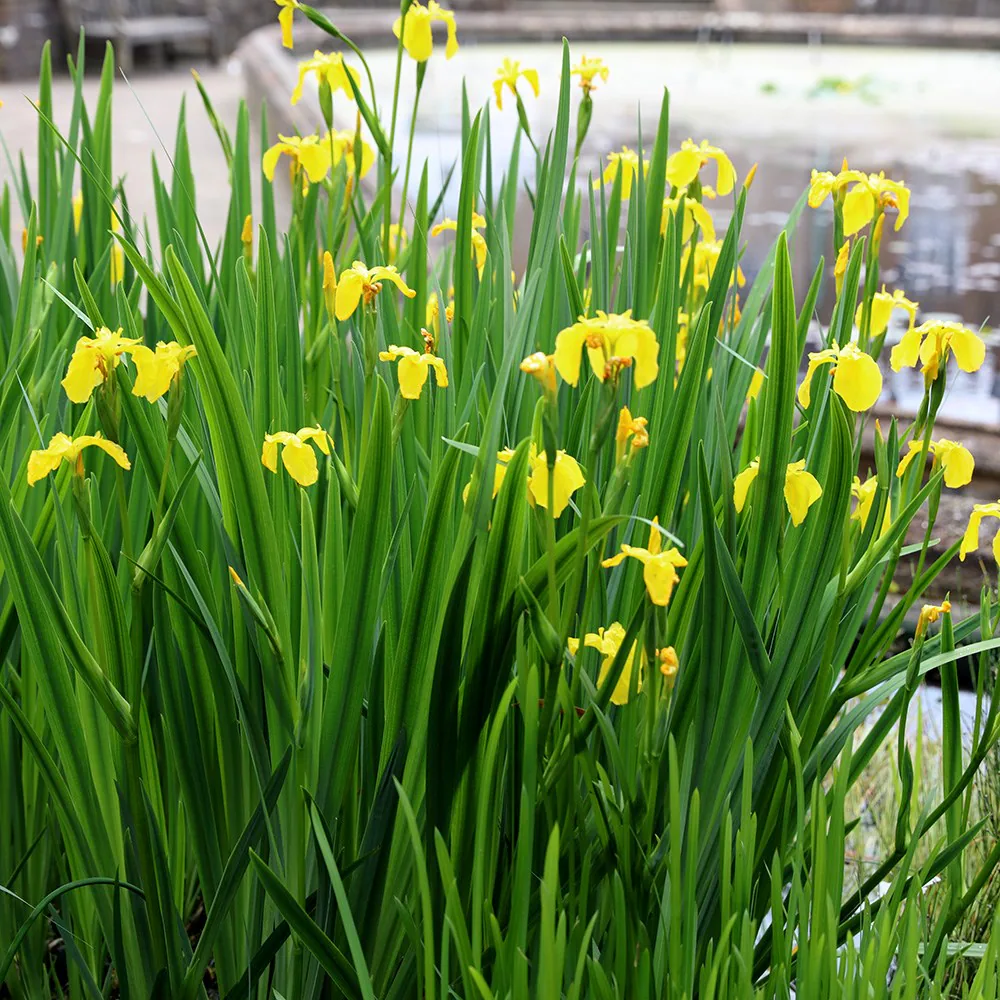
If you’ve got a low spot in your yard that stays soggy after every rain, a spot where nothing else seems to want to grow, yellow flag iris (Iris pseudacorus) might be your answer. It’s a true water-loving perennial that thrives right at the edge of ponds, in rain gardens, or in naturally boggy soil.
The tall, sword-like foliage adds vertical structure, and the classic iris-shaped yellow blooms show up in late spring. It’s a striking plant, and it solves a real problem, since most gardeners struggle to find anything attractive that’ll grow in constantly wet ground.
I need to give you a warning here though. Yellow flag iris is considered invasive in a lot of regions, especially near natural waterways, because it spreads aggressively through rhizomes and seed. Check your local extension office or invasive species list before planting it. If it’s restricted where you live, look for native alternatives like blue flag iris or swamp milkweed instead, which handle wet soil just as well without the invasive baggage.
8. Yellow Coneflower (Echinacea paradoxa) for a Prairie Look
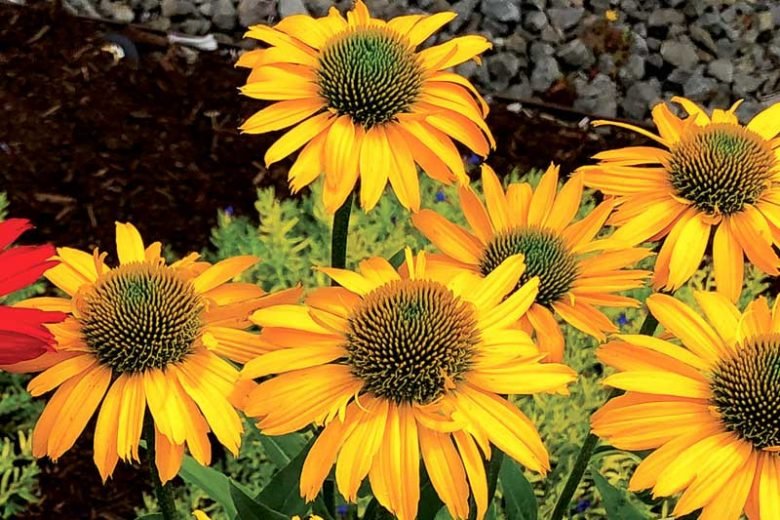
Most people picture purple when they think of coneflowers, but Echinacea paradoxa is the yellow oddball of the family, and it’s a fantastic drought-tolerant option for a prairie-style garden. The petals droop down and away from that dark central cone in a way that gives it a slightly wild, windblown look even on a calm day.
It handles heat, poor soil, and dry conditions better than most flashy garden perennials. I’ve planted it in full-sun beds that get almost no supplemental water once established, and it kept blooming through a brutal July.
Bees and butterflies love it just as much as they love the purple varieties, and once the blooms fade, the seed heads stick around and feed goldfinches through fall and into winter if you leave them standing instead of cutting everything back in October.
My honest take: this plant is a total scene-stealer in a naturalistic border, but it looks a little out of place in a tidy, formal garden. Pair it with ornamental grasses and other prairie plants rather than trying to force it into a neat row with your roses.
9. Perennial Sunflowers for Big, Bold Drama
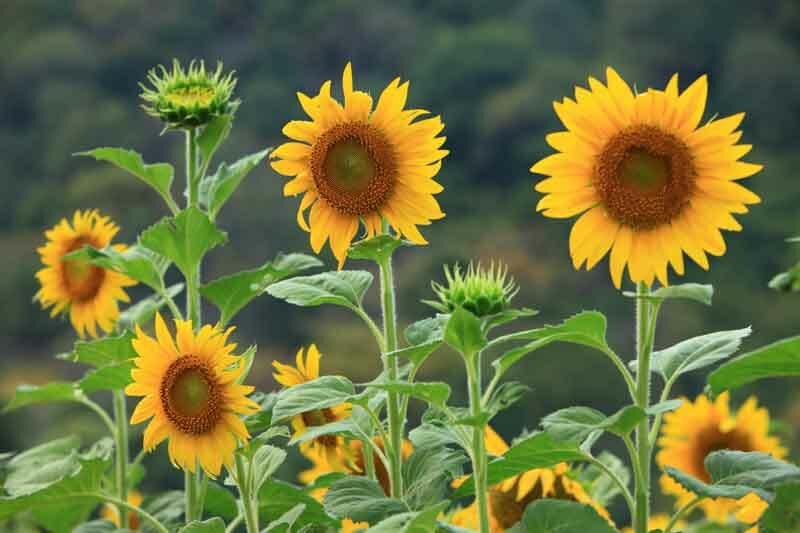
When people think sunflowers, they think of the giant annual kind you grow from seed every spring. But there’s a whole category of perennial sunflowers, like Helianthus ‘Lemon Queen,’ that come back reliably and put on a serious late-summer show without you having to replant a thing.
These plants get big, often 5 to 7 feet tall, so they need room and probably a spot toward the back of the border. I planted ‘Lemon Queen’ along my garage wall a few years back, thinking it would just be a nice backdrop. By August it was taller than the garage door and covered in hundreds of soft lemon-yellow blooms that pollinators absolutely mobbed.
They spread through underground rhizomes, which means a small clump can double or triple in a couple of seasons. That’s great if you want to fill space fast. It’s not so great if you’re working with a small garden bed, since they’ll happily take over.
If you love the look but don’t have the room, look for more compact perennial sunflower cultivars bred to stay under 3 or 4 feet. You lose some of the drama but gain a lot of control over your space.
10. Yellow Evening Primrose for Fragrant Nighttime Blooms
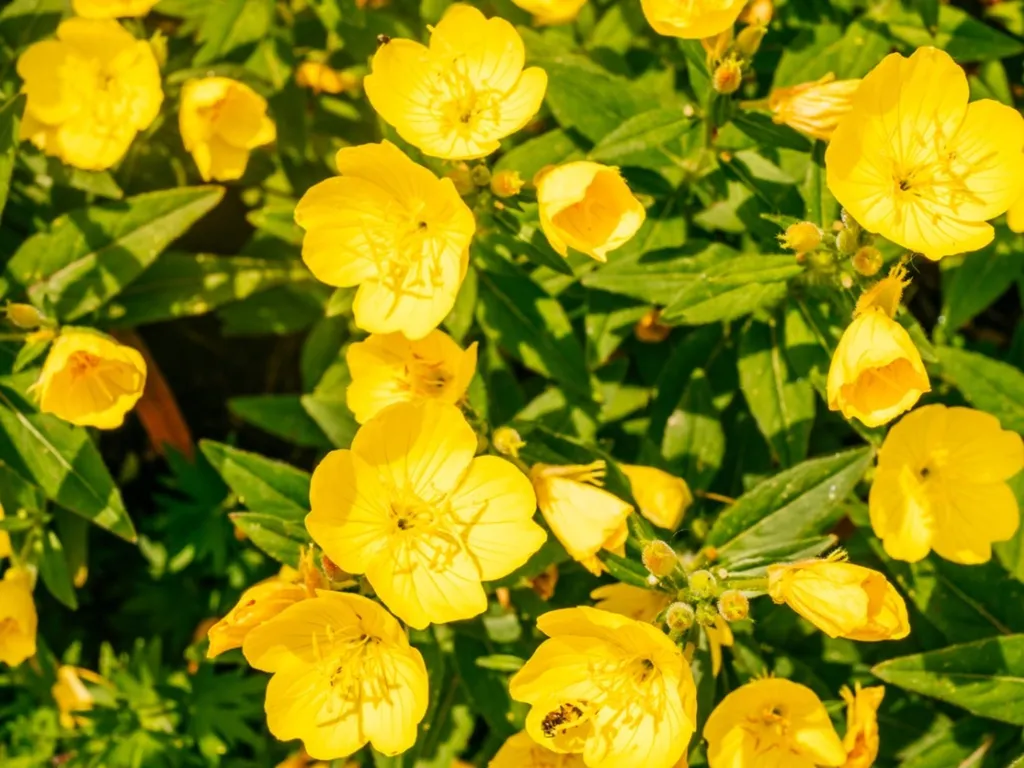
Evening primrose (Oenothera) is a plant I think gets overlooked because it doesn’t perform for you during the day the way you’d expect. The cup-shaped yellow flowers open in the late afternoon or evening and stay open through the night, filling the air with a soft, lemony fragrance that’s especially noticeable if you like sitting outside after dinner.
It’s a fantastic choice if you use your patio or backyard mostly in the evenings, which honestly describes most people’s actual schedule during the busy summer months. I planted a patch near my back porch specifically so I could enjoy the fragrance while unwinding after work, and it’s become one of my favorite parts of the garden.
This plant tolerates poor, dry soil and doesn’t need much fuss. Some species are technically biennial or short-lived perennials, but they self-seed so reliably that you’ll rarely notice the difference, since new plants keep popping up to replace the older ones.
Fair warning, some evening primrose varieties can seed around more than you’d like, especially in loose garden soil. If you want to keep it contained, deadhead spent blooms before they set seed, or plant it somewhere it has room to wander a bit.
11. Bonus Idea: Yellow Foxglove for Height and Shade Tolerance
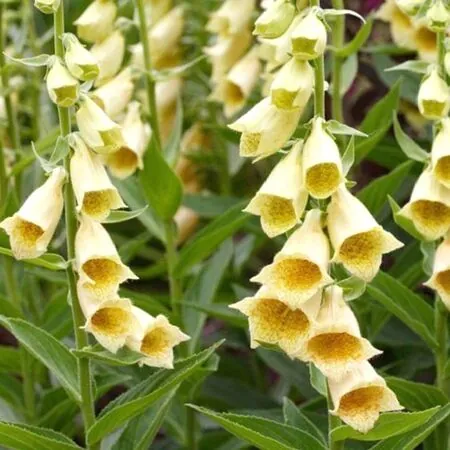
I’m calling this one a bonus because it’s a little different from the rest of the list. Yellow foxglove (Digitalis grandiflora) isn’t as commonly grown as the others here, but it fills a gap that most of these sun-loving perennials can’t touch: part shade with tall, dramatic vertical interest.
The soft, pale yellow, bell-shaped flowers climb up a central spike that can reach 2 to 3 feet, giving you height and structure in a shady bed without needing to plant something that demands full sun. It works beautifully tucked among hostas and ferns, where the yellow spikes provide a nice contrast against all that green foliage.
Unlike common purple foxglove, which is usually biennial and dies after its second year, Digitalis grandiflora is a true perennial and will come back reliably for years if it’s happy where you’ve planted it.
One important note, and I say this every single time foxglove comes up: this plant is toxic if ingested, so think carefully before planting it if you’ve got small kids or pets who like to chew on things in the yard. I love this plant, but I plant it toward the back of beds where curious hands and paws aren’t likely to reach it.
Real Talk: What Can Go Wrong With Yellow Perennials
I want to be straight with you about the stuff nobody mentions in the glossy garden magazines. Not everything on this list is a guaranteed win, and some of it can turn into a genuine headache if you plant it in the wrong spot.
Spreading is the number one complaint I hear from readers and clients. Yarrow, goldenrod, and perennial sunflowers all spread through underground rhizomes, and in the right conditions, “spread” turns into “took over the entire bed.” If you’re not up for dividing plants every couple of years, stick to the clump-forming types like daylilies and black-eyed Susans, which stay more contained.
Floppy stems are the second big issue, and it usually comes down to too much fertilizer or too much shade. Coreopsis and yarrow especially will get leggy and fall over if they’re grown in soil that’s too rich or if they don’t get enough direct sun. I know it feels wrong not to feed your plants, but a lot of these yellow perennials genuinely perform better when you leave them alone.
Invasive concerns are worth taking seriously, not just brushing off. Yellow flag iris is banned or restricted in several states because it escapes gardens and chokes out native wetland plants. Always check your local extension office’s invasive plant list before you buy something, especially anything that likes wet soil or spreads aggressively. It’s not worth the hassle of an invasive species taking over a natural area near your home.
And here’s a mistake I made early on: crowding everything together because I was impatient for a “full” look in year one. Perennials need room to mature into their real size, which is usually two to three years out. Plant them at their mature spacing, mulch the gaps, and be patient. You’ll thank yourself in year three when you’re not fighting overcrowded, disease-prone plants.
Wrapping Up: Building Your Own Yellow Perennial Garden
Yellow perennials are one of the easiest ways to bring cheerful, reliable color into a garden without recommitting every spring. Whether you go with the nearly indestructible black-eyed Susan, the pollinator-friendly goldenrod, or the fragrant evening primrose for your evening porch sessions, there’s a yellow perennial suited to almost any spot in your yard, sunny or shady, wet or dry.
My parting advice is simple: match the plant to your actual conditions instead of forcing your favorite plant into the wrong spot. Half the “problem plants” people complain about online are just perennials planted somewhere they were never meant to thrive.
What’s your yard working with right now, full sun, deep shade, or that annoying soggy corner that never seems to drain? Drop a comment below and tell me what you’re working with, and I’ll help you figure out which of these yellow perennials would actually work for your space.

About Syprose Kiche
Syprose Kiche is the creator and writer behind My Besuited Home, a practical home and garden website covering DIY projects, gardening, lawn care, landscaping, home improvement, and outdoor living. She focuses on turning everyday homeowner questions into clear, practical guides backed by careful research and useful real-world considerations.