
I’ve spent the last fifteen years with a permanent crescent of soil under my fingernails and a recurring dream that my tomato plants are staging a coup. I’ve killed more “unkillable” succulents than I’d like to admit, and I once spent an entire July trying to convince a wilted hydrangea that it wasn’t actually dying, it was just being dramatic. It didn’t listen.
Most gardening advice sounds like it was written by a robot in a lab coat. You don’t need a degree in botany; you need to know which plants are tough enough to survive your neglect and which “miracle” products are just overpriced dirt in a fancy bag. Whether you’re dealing with a scorched desert backyard or a soggy plot in the Pacific Northwest, I’m here to help you stop throwing money into the compost bin.
Understanding Your Climate and Growing Zone
Before you spend a dime, you need to know your “Zone.” People skip this step because it sounds like homework, but it’s the difference between a lush garden and a graveyard of brown sticks. Search for a “USDA Plant Hardiness Zone Map” and find your number. If a tag says Zone 5 and you live in Zone 8, put it back. It’s not going to happen.
Climate isn’t just about temperature, though. It’s about your “microclimate.” My front yard is a blistering heat trap, while my backyard stays five degrees cooler and damp. I learned the hard way that putting my delicate lettuces in the front yard results in “instant salad jerky.” Observe where the frost lingers in the morning and where the sun hits at 4 PM. That’s your real map.
Also, ignore those “All-Region” seed mixes. They’re a total waste of money. They usually contain 90% filler and 10% seeds that won’t actually grow in your specific soil. You’re much better off buying three packets of seeds that are native to your area than one “Wildflower Meadow in a Can.” Those cans are basically just expensive bird food.
Simple steps to understand your garden climate:
- Look up your hardiness zone online.
- Track first and last frost dates.
- Notice sun and shade patterns.
- Observe how rainwater drains.
- Identify windy or sheltered areas.
Once you know these basics, everything else becomes much easier.
Main Climate Types and Their Challenges
Different climates create different gardening rules. Understanding these helps you avoid frustration.
Tropical Climate
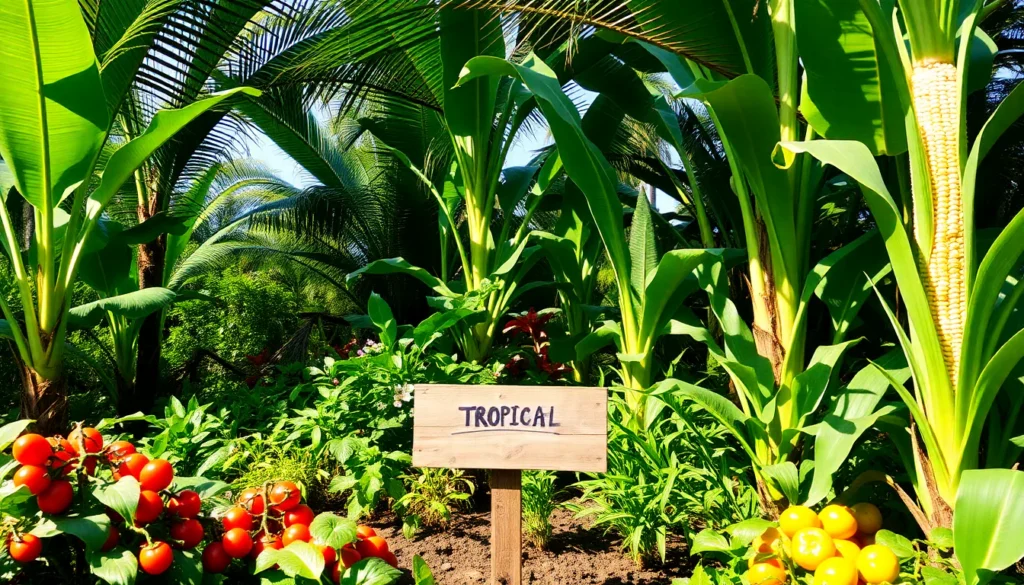
Tropical regions are hot and humid with little frost. Plants grow fast, but pests and fungal diseases are common. Heavy rain can wash away nutrients, so soil care is critical.
Gardens in tropical climates often grow year-round. This means you must rotate crops often and keep soil healthy with compost.
Dry or Arid Climate
Dry climates have little rainfall and strong sun. Water conservation is essential. Soil can be sandy and low in nutrients.
Plants here must tolerate drought and heat. Mulching and drip irrigation make a huge difference.
Temperate Climate
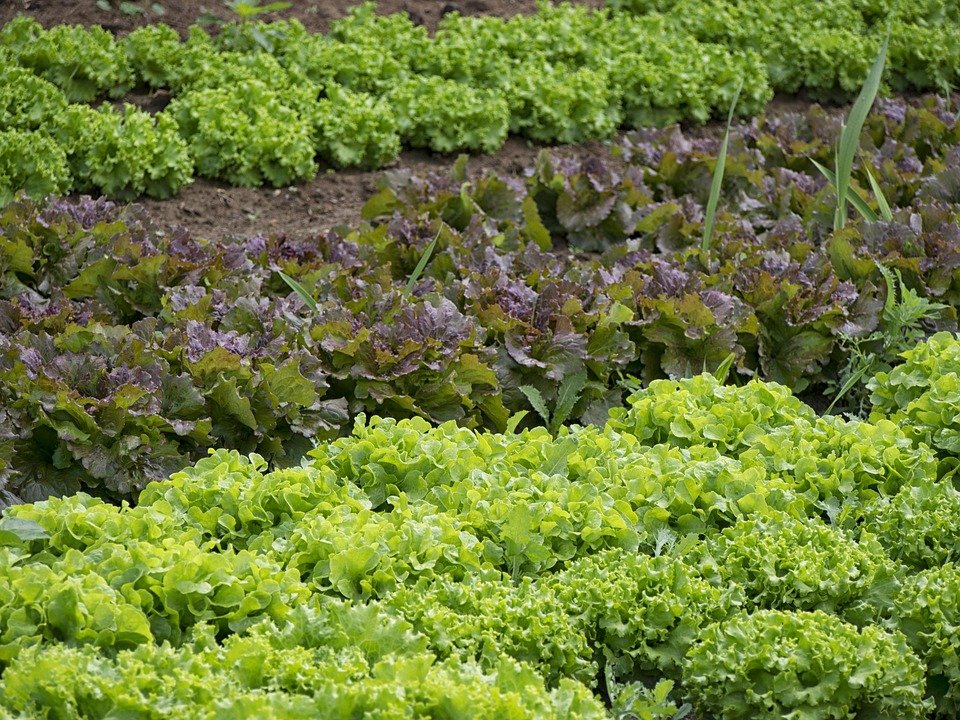
Temperate regions experience four seasons. Spring and fall are ideal for planting. Winter dormancy is normal.
Gardeners must time planting carefully around frost dates. Seasonal planning is the key to success.
Cold Climate
Cold regions have short growing seasons and long winters. Frost protection is essential.
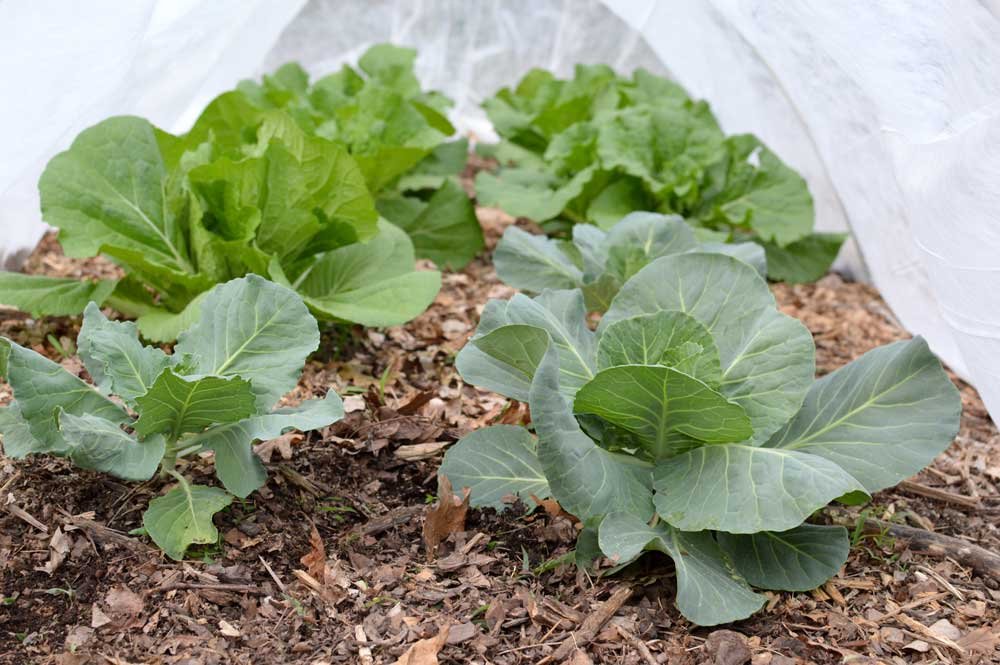
Plants must be hardy and fast-growing. Season extension tools like row covers and greenhouses help a lot.
Mediterranean Climate
Mediterranean climates have hot dry summers and mild wet winters. Drought-tolerant plants thrive here.
Most planting happens in fall and winter rather than summer.
Each climate has strengths and limits. Your job is to choose plants that love your environment.
What to Plant by Climate Type
Choosing the right plants saves time, water, and money.
Best Plants for Tropical Climates
Vegetables: okra, peppers, eggplant, sweet potatoes
Fruits: banana, mango, papaya, pineapple
Herbs: basil, lemongrass, mint
Flowers: hibiscus, bougainvillea, orchids
Tropical plants grow quickly but need good airflow to prevent disease. Regular pruning and spacing help keep plants healthy.
Best Plants for Dry Climates
Vegetables: tomatoes, beans, squash
Fruits: figs, pomegranates
Herbs: rosemary, thyme, sage
Flowers: lavender, succulents
These plants thrive with deep but infrequent watering. Mulch is your best friend here.
Best Plants for Temperate Climates
Vegetables: lettuce, carrots, peas, broccoli
Fruits: apples, strawberries
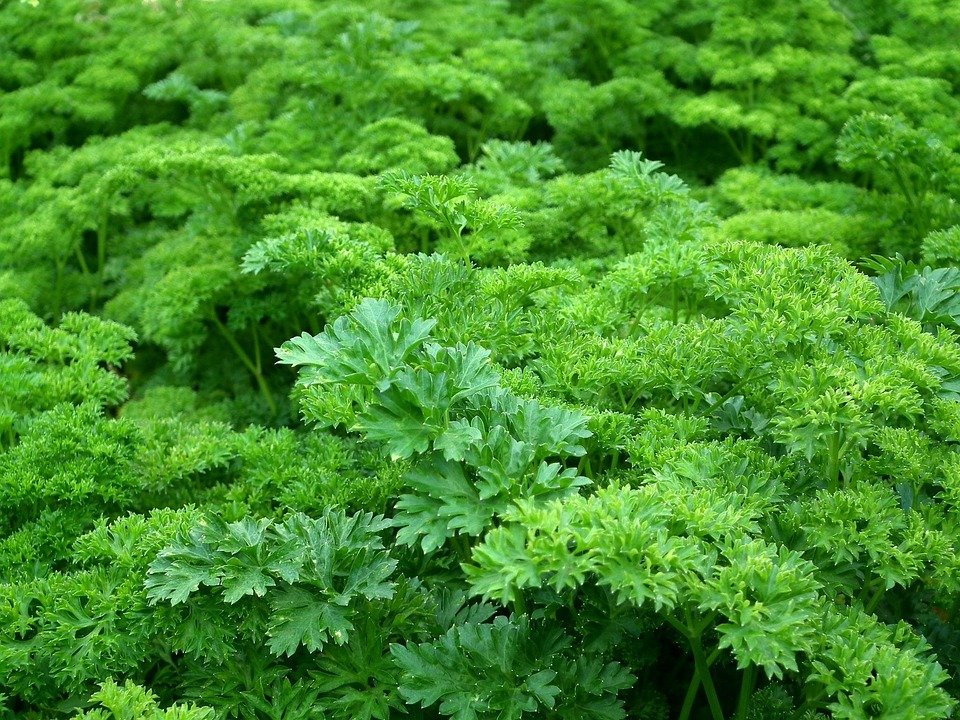
Herbs: parsley, chives, dill
Flowers: tulips, roses, marigolds
You can grow a wide range of crops by planting in spring and fall.
Best Plants for Cold Climates
Vegetables: kale, cabbage, radishes, potatoes
Fruits: currants, hardy apples
Herbs: thyme, chives
Flowers: pansies, lupines
Cold-tolerant plants handle frost better and grow quickly in short seasons.
Best Plants for Mediterranean Climates
Vegetables: tomatoes, zucchini, peppers
Fruits: olives, grapes, citrus
Herbs: oregano, rosemary, thyme
Flowers: lavender, geraniums
These plants love dry summers and mild winters.
When to Plant: Building a Seasonal Planting Calendar
Timing matters just as much as plant choice.
Understanding Frost Dates
Your last frost date tells you when it’s safe to plant warm-season crops. Your first frost date tells you when to harvest or protect plants.
Planting too early risks frost damage. Planting too late shortens your harvest.
Spring Planting
Spring is for cool-season crops like lettuce, peas, and carrots.
Steps for spring planting:
- Prepare soil with compost.
- Plant seeds after soil warms slightly.
- Water gently.
- Protect seedlings from late frost.
- Thin plants for airflow.
Summer Planting
Summer is for heat-loving crops like tomatoes and peppers.
Key tips:
- Water deeply.
- Mulch heavily.
- Shade young plants.
- Watch for pests.
- Harvest often.
Fall Planting
Fall works well for fast crops like radishes and spinach.
Steps:
- Choose short-season plants.
- Improve soil before planting.
- Protect from early frost.
- Reduce watering.
- Mulch heavily.
Winter Planting (Warm Climates)
In warm climates, winter is prime growing season.
Leafy greens, herbs, and root crops grow well with little pest pressure.
How to Care for Your Garden in Any Climate
Watering Strategies
Different climates need different watering schedules.
Hot climates need deep watering early in the morning. Cold climates need less water to avoid rot. Rainy climates need good drainage.
Basic watering rules:
- Water soil, not leaves.
- Water deeply, not daily.
- Adjust for weather.
- Check soil moisture.
- Avoid standing water.
Soil Preparation and Fertilizing
Healthy soil grows healthy plants. Compost improves any soil type.
Soil care steps:
- Test your soil.
- Add compost.
- Use organic fertilizer.
- Rotate crops.
- Avoid compacting soil.
Mulching and Weed Control
Mulch saves water and blocks weeds.
Straw, bark, and leaves all work. Apply mulch 2–3 inches deep and keep it away from plant stems.
Sunlight and Shade Management
Plants need proper light. Full sun means 6–8 hours of light daily.
Shade cloth, trellises, and taller plants can protect sensitive crops.
Pest and Disease Management by Climate
Warm climates attract insects. Humid climates encourage fungi. Cold climates still face pests but less frequently.
Natural pest control:
- Hand-pick insects.
- Use neem oil.
- Encourage ladybugs.
- Rotate crops.
- Remove sick plants early.
Healthy soil and airflow prevent many diseases before they start.
Climate-Specific Gardening Tips
Hot Climate Tips
- Use shade cloth
- Water early morning
- Choose light-colored mulch
- Plant heat-tolerant crops
- Protect roots
Cold Climate Tips
- Use row covers
- Start seeds indoors
- Build raised beds
- Grow fast crops
- Mulch heavily
Rainy Climate Tips
- Improve drainage
- Space plants widely
- Avoid overwatering
- Watch for mold
- Use raised beds
Windy Climate Tips
- Install windbreaks
- Stake plants
- Use low-growing crops
- Protect seedlings
- Secure containers
Container Gardening for Any Climate
Containers give you control over soil, water, and placement.
They work especially well for balconies, patios, and small yards. You can move plants into shade or shelter when weather changes.
Container gardening basics:
- Choose large pots.
- Use quality soil mix.
- Ensure drainage holes.
- Water more often.
- Fertilize regularly.
Containers allow gardeners in extreme climates to grow almost anything with the right care.
Beginner Gardening Mistakes to Avoid
I’ve made every one of these mistakes myself.
- Planting without checking climate
- Overwatering
- Ignoring soil health
- Planting too early
- Forgetting pest prevention
Learning from mistakes is part of gardening. Start small and improve each season.
Sample Garden Plans by Climate
Tropical Garden
Beds with peppers, basil, banana, and hibiscus. Use compost and space plants for airflow.
Dry Climate Garden
Raised beds with tomatoes, rosemary, squash, and lavender. Heavy mulch and drip irrigation.
Temperate Garden
Spring lettuce, summer tomatoes, fall spinach. Rotate beds each season.
Cold Climate Garden
Raised beds with kale, cabbage, potatoes. Use row covers and cold frames.
Planning your garden visually helps prevent overcrowding and improves harvests.
Tools and Resources for Climate-Smart Gardening
Helpful tools include:
- Zone finder maps
- Weather apps
- Garden planners
- Soil testers
- Plant labels
These tools take the guesswork out of gardening.
Best Low-Maintenance Plants for Beginners
If you’re just starting out, don’t buy those finicky tropical ferns that die if you look at them sideways. I wasted three years and a small fortune trying to grow English Roses in a climate that felt like the surface of the sun. It was a heartbreak I could have avoided if I’d just embraced the plants that actually liked my yard.
For your first go-round, look for “indestructibles.” In sunny, dry spots, Sedum and Coneflowers (Echinacea) are your best friends. They are the rugged survivalists of the plant world. I’ve seen Coneflowers thrive in soil that looked like dried-out cracked concrete. They don’t need pampering; they just need you to get out of their way.
If you have a shady yard, forget the grass. Grass in the shade is just a slow-motion tragedy. Go for Hostas or Coral Bells. Hostas come in about a million shades of green and blue, and they are basically the “set it and forget it” slow cooker of the garden world. Just watch out for slugs—those slimy little thieves love a Hosta leaf more than I love a cold beer after weeding.
Side note: If you’re tempted to buy Mint because it “smells nice,” do yourself a favor and keep it in a pot. I planted mint in the ground back in 2012, and it is currently trying to break into my kitchen through the floorboards. It’s invasive, it’s aggressive, and it will outlive us all.
How to Start a Vegetable Garden from Scratch
Every year, I see people go to the big-box store, buy twenty different seed packets, and try to start a farm in a weekend. By June, they’ve given up because the weeds won. My advice? Start small. Like, “embarrassingly small.” One raised bed or four large pots is plenty for your first season.
Tomatoes are the gateway drug of gardening. There is nothing—and I mean nothing—that tastes like a sun-warmed tomato you grew yourself. But here’s the secret: don’t bother with the giant “Beefsteak” varieties your first time. They take forever to ripen and are magnets for pests. Start with Cherry Tomatoes like ‘Sun Gold.’ They produce fruit like crazy, and you’ll feel like a genius gardener within six weeks.
You also want to think about Bush Beans. Unlike pole beans, they don’t need a massive trellis system that you’ll inevitably build crooked (guilty as charged). You just poke them in the dirt, keep them watered, and they hand you dinner. I once had a season where my bush beans produced so much I was sneaking bags of them onto my neighbors’ porches like a vegetable-themed cat burglar.
Lastly, get some Zucchini going. Just one plant. Seriously, do not plant four. I made that mistake during “The Great Zucchini Summer of ’18.” I was putting zucchini in muffins, omelets, and I’m pretty sure I tried to use one as a doorstop. They grow fast, they’re hard to kill, and they give you that instant gratification we all crave.
Best Time to Plant Your Garden
Timing is everything, and the “last frost date” is your North Star. Every year, we get one warm week in March, and everyone rushes to the nursery to buy basil. Then, a week later, a frost hits, and all that money is gone. I call this the “Gardener’s Trap.” Don’t fall for it. Wait two weeks past when you think it’s safe.
For cool-weather crops like peas, spinach, and kale, you can get them in the ground as soon as the soil can be worked (meaning it’s not a frozen block). These guys actually hate the heat. If you wait until May to plant spinach, it will “bolt”—which is just a fancy word for growing a tall, bitter stalk and tasting like disappointment.
For warm-weather crops like peppers and cucumbers, the soil needs to be warm, not just the air. If you put a pepper plant in cold mud, it will just sit there and pout for a month. I’ve found that using a black plastic mulch or even just dark landscape fabric can help warm the soil up faster if you’re impatient like me.
Bonus tip: Fall is the secret “second season.” Everyone gives up in August, but September is actually the best time to plant garlic and perennials. The ground is still warm, the air is cool, and the plants have all winter to get their roots settled. Plus, that’s when the garden centers put everything on clearance because they think gardening is over. It’s not.
How to Improve Soil Quality Naturally
If you have “bad soil,” don’t panic. Most of us are dealing with either heavy clay that feels like play-dough or sand that holds water about as well as a sieve. The answer to both is the same: Compost. And no, you don’t need to buy a $300 tumbling bin. I make mine in a pile behind the shed using kitchen scraps and old leaves.
Stop buying those chemical “Quick-Gro” fertilizers. They’re like giving your plants a double espresso; they get a huge burst of energy and then crash. They also kill off the beneficial worms and microbes that do the hard work for you. I switched to Arborist Wood Chips and compost years ago, and my soil is now so crumbly and rich I’m tempted to eat it. (I won’t, but I could).
One mistake I see constantly is people tilling their soil every year. Don’t do it. You’re just waking up dormant weed seeds and destroying the soil structure you worked so hard to build. Try “No-Dig” gardening. Just layer your compost right on top. The worms will do the tilling for you, and they don’t charge by the hour.
Watering Tips for a Thriving Garden
Most people kill their plants with “kindness”—which is code for “drowning them.” If you water your garden for five minutes every day, you’re training your plants to be weak. Their roots will stay near the surface because they know the water is coming. Then, the first hot day hits, and they shrivel up because they have no deep root system.
Instead, water deeply and less often. Give them a good soaking a couple of times a week. You want that water to get down six inches into the dirt. This forces the roots to grow down deep to find moisture, making them tough enough to survive a heatwave. I use a soaker hose buried under mulch; it keeps the leaves dry (preventing fungus) and puts the water exactly where it needs to go.
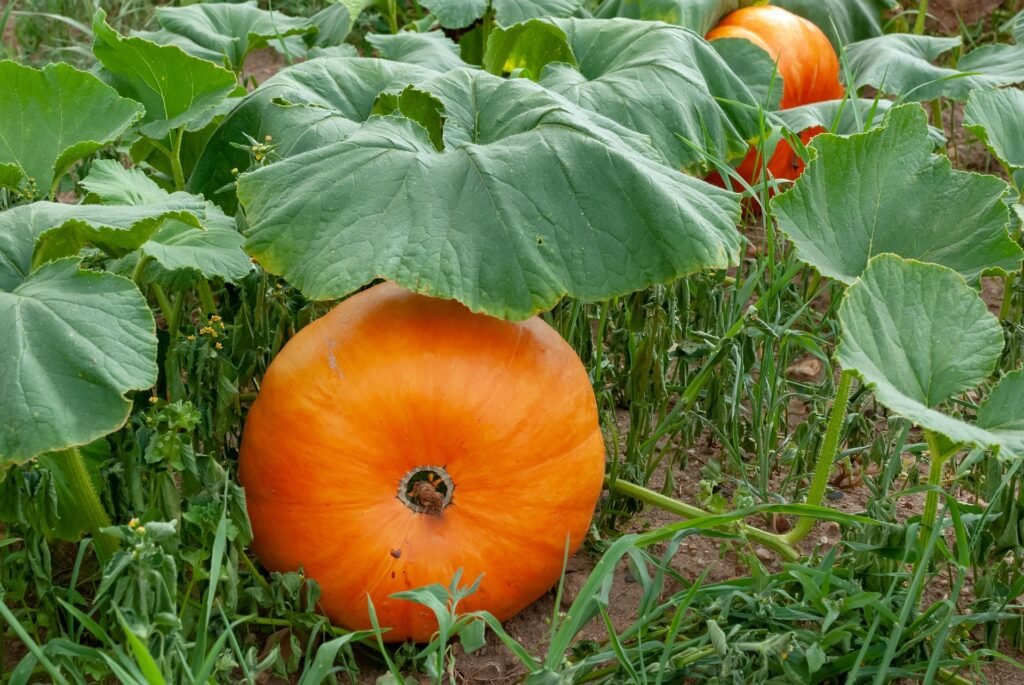
And for the love of all that is green, water in the morning. If you water at night, the moisture just sits on the leaves, which is basically an open invitation for powdery mildew to move in and ruin your life. I learned this the hard way after my entire pumpkin patch turned white and fuzzy in 2016. It looked like a graveyard of giant moldy marshmallows.
Real Talk: What’s Not Worth Your Time
Let’s be honest: some stuff in the gardening world is a total scam. Those “upside-down tomato planters”? Garbage. Tomatoes want to grow up, not down, and those bags dry out in about twenty minutes. Also, don’t bother with “expensive” garden gadgets like battery-powered weed pullers. A good, sharp Hula-Ho (stirrup hoe) will outperform any gadget and give you a better workout.
I also want to warn you about “Bargain Plants” at the grocery store. They’ve usually been sitting in a dark warehouse for a week and are stressed to the point of no return. You’re better off spending three dollars more at a local nursery for a plant that actually has a chance of survival.
Lastly, stop obsessing over a “perfect” lawn. A lawn is a desert for bees and a massive drain on your wallet. If you have a few dandelions, leave them. The bees need the food, and honestly, life is too short to spend your Saturdays fighting nature with chemicals.
Parting Wisdom
Gardening is about 30% planning, 20% luck, and 50% just showing up and pulling a few weeds while you think about your problems. Don’t get discouraged if something dies. I’ve been doing this for fifteen years, and I still managed to kill a flat of marigolds last month because I forgot they were in the trunk of my car. It happens.
The best thing you can do is just get your hands in the dirt and see what happens. Your garden will tell you what it needs if you pay attention.
What’s the one plant you’ve always wanted to grow but were too afraid to try? Let me know in the comments, and maybe I can help you keep it alive this year!
Frequently Asked Questions
Can I grow tropical plants in cold climates?
Yes, but usually in containers or indoors.
What if my climate changes suddenly?
Use covers, shade, or move containers.
How often should I water in heat waves?
Check soil daily and water deeply.
What plants grow year-round?
Herbs, leafy greens, and some root crops.
How do I protect plants from frost?
Use mulch, row covers, or cloth sheets overnight.