Top 17 Indoor Plants for Beginners: Breathe Life into Your Space
Indoor Plants for Beginners

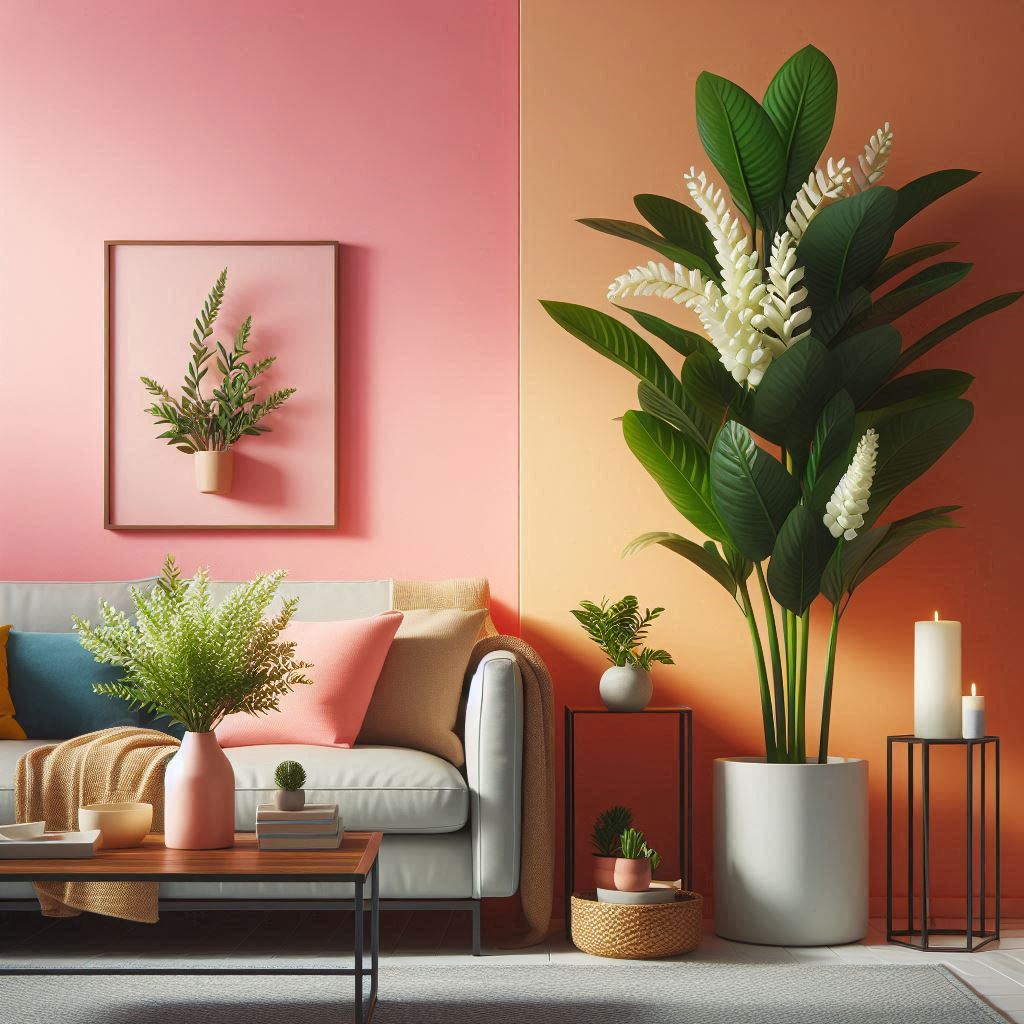
Plants are more than just decorations; they’re living companions that bring a touch of nature indoors. They not only add a pop of color and vibrancy to your space, but they also improve air quality by filtering out toxins and increasing humidity. Studies have even shown that caring for plants can reduce stress and boost feelings of well-being. However, venturing into the world of indoor plants can be intimidating, especially for beginners. With so many varieties available, each with unique light, water, and humidity needs, it’s easy to feel overwhelmed. But fear not! Here, we’ll unveil the top 17 indoor plants for beginners, each known for their resilience and forgiving nature. 1. Snake Plant (Sansevieria): The Ultimate Low-Maintenance Champion The Snake Plant, also known as Mother-in-Law’s Tongue, is the undisputed champion of low-maintenance indoor plants. These architectural wonders boast upright, sword-like leaves in vibrant shades of green with yellow or white variegation depending on the variety. Light: Snake Plants thrive in low-light conditions, making them perfect for north-facing windows or dimly lit corners. They can even tolerate short periods of direct sunlight, but avoid harsh afternoon sun, which can scorch the leaves. Water: This is where the Snake Plant truly shines. It’s nearly impossible to overwater this champion. In fact, it prefers to dry out completely between waterings. A good rule of thumb is to water only when the soil feels bone dry to the touch. Overwatering is the leading cause of problems for Snake Plants, so err on the side of underwatering. Care Tips: Snake Plants prefer well-draining potting mix. A standard cactus mix or a mixture of potting soil with added perlite will suffice. They don’t require frequent repotting and grow happily in the same pot for several years. When repotting becomes necessary due to rootboundness, choose a pot only slightly larger than the previous one. 2. ZZ Plant (Zamioculcas zamiifolia): The Practically Unkillable Plant The ZZ Plant, also nicknamed the Eternity Plant, lives up to its names. This architectural wonder boasts glossy, dark green, almost black, leaves that emerge from sturdy stems. It’s a slow grower but can reach impressive heights over time, making it a great choice for adding a touch of elegance to your space. Light: The ZZ Plant is incredibly adaptable when it comes to light. It can thrive in low light conditions or bright, indirect light. Avoid direct sunlight, which can scorch the leaves. Water: Similar to the Snake Plant, the ZZ Plant is a champion of neglect. It requires very infrequent watering. In fact, underwatering is less harmful than overwatering. Allow the soil to dry out completely between waterings, and never let the plant sit in waterlogged soil. Care Tips: ZZ Plants prefer well-draining potting mix. A standard cactus mix or a mixture of potting soil with added perlite will work well. Due to its slow growth, repotting is rarely necessary. When the plant becomes rootbound, choose a pot only slightly larger than the previous one. ZZ Plants don’t require high humidity and tolerate average household temperatures. 3. Golden Pothos (Epipremnum aureum): The Easygoing Climber The Golden Pothos is a stunning vine with cascading foliage that comes in a variety of shades, including solid green, variegated green and gold, and even marble patterns. It’s a fast grower and readily adapts to various growing conditions, making it a popular choice for beginners. Light: Golden Pothos thrives in a wide range of light conditions, from bright indirect light to low light. However, avoid direct sunlight, which can scorch the leaves. Water: Water your Golden Pothos when the top inch of soil feels dry to the touch. Allow the excess water to drain freely and avoid leaving the plant sitting in waterlogged soil. Overwatering is the most common problem with Pothos. Care Tips: Golden Pothos prefers a well-draining potting mix. A standard potting mix with added perlite will work well. Pothos can be grown in hanging baskets, allowed to climb a moss pole, or trained to trail across shelves or cabinets. It’s also very easy to propagate by taking stem cuttings and placing them in water. 4. Spider Plant (Chlorophytum comosum): The Spidery Wonder The Spider Plant is a cheerful and easy-to-care-for plant known for its arching green leaves that produce cascading plantlets, or “spiderettes,” at the tips. These spiderettes can be easily propagated to create new plants, making the Spider Plant a great choice for those who love to share their plant parenthood journey. Light: Spider Plants prefer bright indirect light but can tolerate some low light conditions. Avoid direct sunlight, which can scorch the leaves. Water: Water your Spider Plant when the top inch of soil feels dry to the touch. Allow excess water to drain freely from the pot and avoid leaving the plant sitting in waterlogged soil. Care Tips: Spider Plants prefer a well-draining potting mix. A standard potting mix with added perlite will work well. They don’t require frequent repotting and can thrive in the same pot for several years. When repotting becomes necessary due to rootboundness, choose a pot only slightly larger than the previous one. Spider Plants benefit from occasional misting, especially in dry climates, but it’s not essential. They are known for their air-purifying properties and are a great addition to bedrooms or bathrooms. 5. Cast Iron Plant (Aspidistra elatior): The Indestructible Warrior The Cast Iron Plant lives up to its name with its incredible tolerance for neglect. These leafy wonders boast large, dark green, glossy leaves that emerge from sturdy, upright stems. They may not be the fastest growers, but their resilience makes them a perfect choice for busy plant parents. Light: Cast Iron Plants thrive in low-light conditions and can tolerate even the shadiest corners of your home. They don’t appreciate direct sunlight, which can scorch the leaves. Water: Water your Cast Iron Plant moderately, allowing the soil to dry slightly between waterings. Overwatering is the leading cause of problems for this plant. It’s better to underwater slightly than to overwater. Care Tips: Cast … Read more

11 Amazing Pallet Fence Ideas to Transform Your Yard

Pallet Fence Ideas

Transforming your backyard into a beautiful and functional oasis doesn’t have to break the bank. In recent years, DIY outdoor projects have surged in popularity, with homeowners embracing creative and cost-effective solutions. One such trend involves utilizing a readily available and versatile material: pallets. Pallets offer a plethora of benefits for building fences. They are incredibly affordable, often free or available for a minimal cost. They are also eco-friendly, giving new life to discarded materials. Additionally, pallets provide a sturdy base for constructing fences, and their natural wood aesthetic adds a touch of rustic charm to any outdoor space. But the true magic of pallet fences lies in their incredible versatility. With a little creativity and some basic DIY skills, you can create a fence that perfectly complements your style and fulfills your backyard needs. This blog showcases 11 amazing pallet fence ideas guaranteed to inspire you and transform your yard. 1. The Classic Vertical Pallet Fence: Simple Elegance The classic vertical pallet fence is a timeless choice for anyone seeking a simple yet stylish addition to their yard. Its straightforward construction makes it a perfect project for beginners. Materials: Steps: Customization Tips: 2. The Horizontal Pallet Privacy Fence: Secluded Sanctuary If you crave a bit more privacy in your backyard oasis, the horizontal pallet fence is a fantastic option. It offers a solid barrier, blocking unwanted views and creating a secluded haven. Materials: Steps: Customization Tips: 3. The Garden Pallet Fence with Planters: Functional Beauty This innovative fence design combines functionality with aesthetics. By incorporating planters directly into the fence structure, you can create a space-saving vertical garden perfect for growing herbs, flowers, or even vegetables. Materials: Steps: Customization Tips: 4. The Pallet Herb Garden Fence: A Fragrant Oasis Small on space but big on flavor? The pallet herb garden fence is a space-saving solution for growing your favorite culinary herbs. Materials: Steps: Customization Tips: 5. The Pallet Seating Fence: Multifunctionality at its Finest This ingenious design combines a sturdy fence with comfortable outdoor seating, maximizing space and functionality in your backyard. Materials: Steps: Customization Tips: 6. The Pallet Playhouse Fence: A Whimsical Escape for Kids Looking to create a magical play area for your children? The pallet playhouse fence is a fun and safe DIY project that encourages imaginative play. Materials: Steps: Customization Tips: 7. The Pallet Pathway Edging: A Defined and Charming Touch Elevate your garden paths and walkways with this simple yet effective pallet pathway edging. Materials: Steps: Customization Tips: 8. The Pallet Privacy Screen with Climbing Plants: A Living Wall Oasis Craving privacy and a touch of nature? This innovative design combines a pallet privacy screen with climbing plants, creating a living wall that’s both beautiful and functional. Materials: Steps: Customization Tips: 9. The Pallet Fire Pit Patio: A Cozy Gathering Spot Transform your backyard into a perfect spot for cozy evenings under the stars with a rustic pallet fire pit patio. Materials: Steps: Customization Tips: 10. The Pallet Sun Shade Sail Structure: Relaxing in the Shade Escape the summer heat and create a cool and relaxing spot in your backyard with a pallet sun shade sail structure. Materials: Steps: Customization Tips: Bonus Tip: For added functionality and visual interest, consider incorporating climbing plants like morning glories or wisteria around the base of the pallet posts. As the plants grow, they’ll twine around the structure, creating a natural and vibrant shade screen. 11. The Pallet Garden Gate: A Welcoming Entryway Add a touch of rustic charm and functionality to your garden entrance with a beautiful pallet garden gate. Materials: Steps: Customization Tips: Finding Free or Affordable Pallets Now that you’re brimming with ideas for your pallet fence project, you might be wondering where to find these versatile materials. Here are a few tips: Safety Considerations When Working with Pallets While pallets offer a fantastic material for DIY projects, it’s important to prioritize safety: Wrapping Up Pallet fences offer a wealth of possibilities for transforming your backyard into a beautiful and functional space. From classic vertical fences to whimsical playhouses and space-saving herb gardens, there’s a pallet fence design to suit any need and style. With a little creativity and these inspiring ideas, you can create a unique and budget-friendly addition to your outdoor oasis. Remember, safety comes first when working with pallets. So, grab your tools, find some free pallets, and get ready to transform your backyard! We’d also love to see your amazing pallet fence creations! Share pictures of your finished projects in the comments below and inspire other DIY enthusiasts.

11 Recycled Rubber DIY Walkway Ideas for an Eco-Friendly and Stylish Yard

Recycled Rubber DIY Walkway Ideas

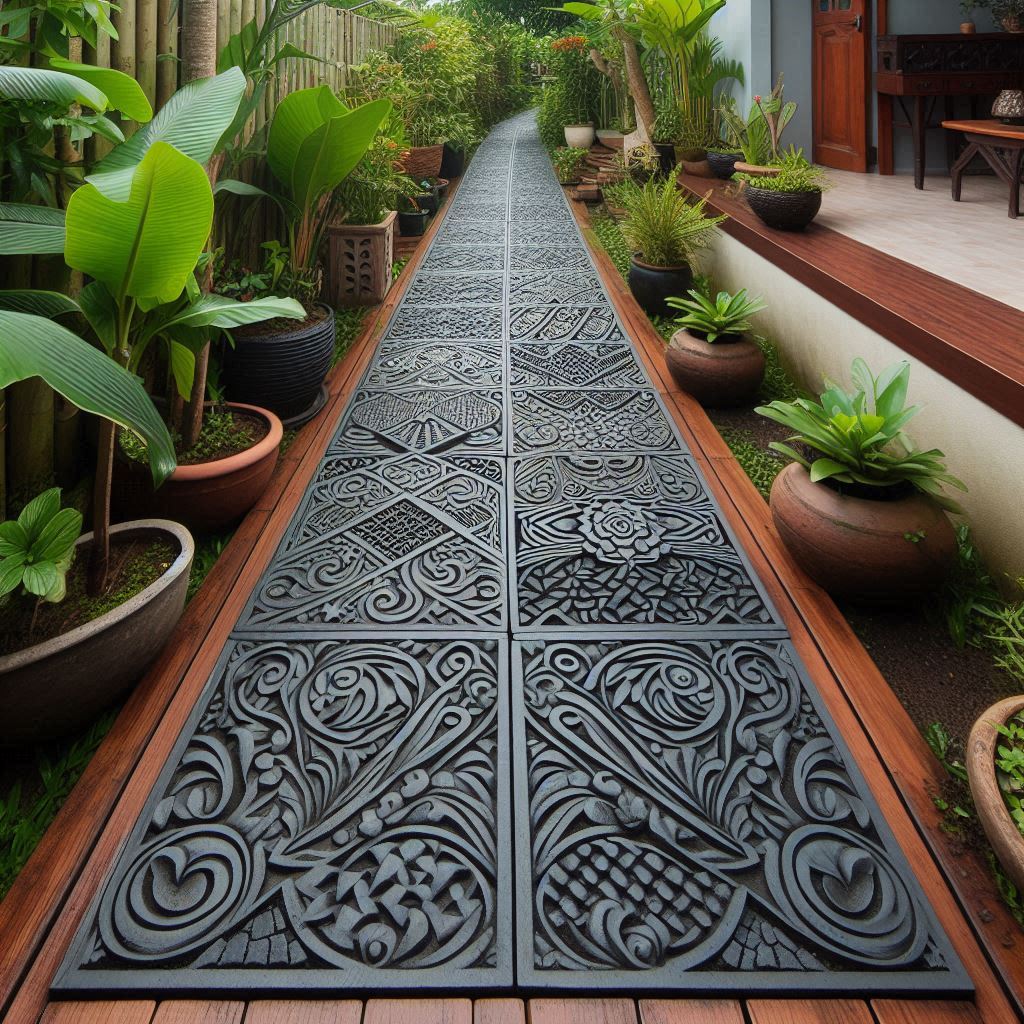
Tired of the same old boring walkway leading to your patio or garden? Do you crave a touch of creativity and sustainability in your outdoor space? Look no further than recycled rubber! This readily available material offers a wealth of possibilities for creating unique, durable, and eco-friendly walkways. Recycled rubber comes in various forms, from interlocking pavers and tiles to stall mats and even used tires. Its inherent durability makes it perfect for withstanding the elements, while its eco-friendly nature allows you to repurpose waste into something beautiful. From classic paver walkways to artistic tire tread paths, this blog explores 11 DIY recycled rubber walkway ideas that are sure to elevate your outdoor space. 1. The Classic Paver Walkway: Easy and Elegant This is a fantastic option for beginners who want a clean and polished look. Recycled rubber pavers come in a variety of colors and shapes, allowing you to create a timeless design that complements your yard. Materials: Instructions: Customization Tips: 2. Playful Tire Stepping Stones: A Whimsical Touch This project is perfect for adding a touch of whimsy to your garden path. Repurpose old tires into colorful stepping stones that are both fun and functional. Materials: Instructions: Tips: 3. Winding Rubber Mulch Path: Low-Maintenance Beauty This is a quick and easy solution for creating a natural-looking pathway. Recycled rubber mulch offers a comfortable walking surface while suppressing weeds and adding a touch of color to your landscape. Materials: Instructions: Tips: 4. Interlocking Rubber Tile Mosaic: Unleash Your Creativity This project is perfect for those who enjoy a bit more challenge and want to create a truly unique walkway. Recycled rubber tiles come in various shapes, sizes, and colors, allowing you to create a stunning mosaic design. Materials: Instructions: Tips: 5. Budget-Friendly Rubber Mat Walkway: Easy and Practical This is a cost-effective option for creating a temporary or permanent walkway. Recycled rubber stall mats, often used in stables and gyms, offer a durable and slip-resistant surface. Materials: Instructions: Tips: 6. Artistic Tire Tread Pathway: A Textured Masterpiece This project is ideal for upcycling used tires with unique tread patterns. By carefully arranging the tire strips, you can create a visually stunning and functional walkway. Materials: Instructions: Tips: 7. Raised Rubber Herb Garden Path: Functional and Beautiful This project combines a functional walkway with a beautiful herb garden. Recycled rubber pavers are used to create a raised path, perfect for planting a variety of herbs right at your fingertips. Materials: Instructions: Tips: 8. Crumb Rubber Pathway with Decorative Borders: Affordable and Appealing This walkway offers a cost-effective solution using recycled rubber crumb, a loose material made from shredded tires. It provides a soft walking surface and can be easily customized with decorative borders. Materials: Instructions: Tips: 9. Textured Rubber Tile Pathway with Stenciled Designs: A Touch of Elegance This project utilizes pre-textured recycled rubber tiles for a sophisticated walkway. Stenciling allows you to add personalized designs for a touch of elegance. Materials: Instructions: Tips: 10. Recycled Rubber Pathway with Integrated Lighting: Illuminate Your Steps This project adds a functional element to your walkway by incorporating recycled rubber pavers with built-in LED lights. This creates a beautiful and safe path for nighttime strolls. Materials: Instructions: Tips: 11. Wavy Rubber Mat Pathway with Decorative Inlay: A Playful Approach This project utilizes recycled rubber stall mats cut into wavy shapes and incorporates colorful inlays for a playful and unique walkway. Materials: Instructions: Tips: Conclusion Recycled rubber offers a wealth of possibilities for creating unique, durable, and eco-friendly walkways in your outdoor space. From classic paver walkways to artistic tire artistic tire tread paths and raised herb gardens, the ideas explored in this blog provide a starting point for your creativity. Remember, the beauty lies in the customization! Don’t be afraid to experiment with colors, textures, and patterns to create a walkway that reflects your personal style and complements your existing landscape. Here are some additional resources to help you on your DIY recycled rubber walkway journey: Simply follow these tips and let your creativity flow to transform your yard with a beautiful and eco-friendly recycled rubber walkway that will last for years to come. Now get out there, grab your recycled rubber materials, and start building your dream walkway!

11 Best Paver Walkway Ideas to Transform Your Garden

Paver Walkway Ideas

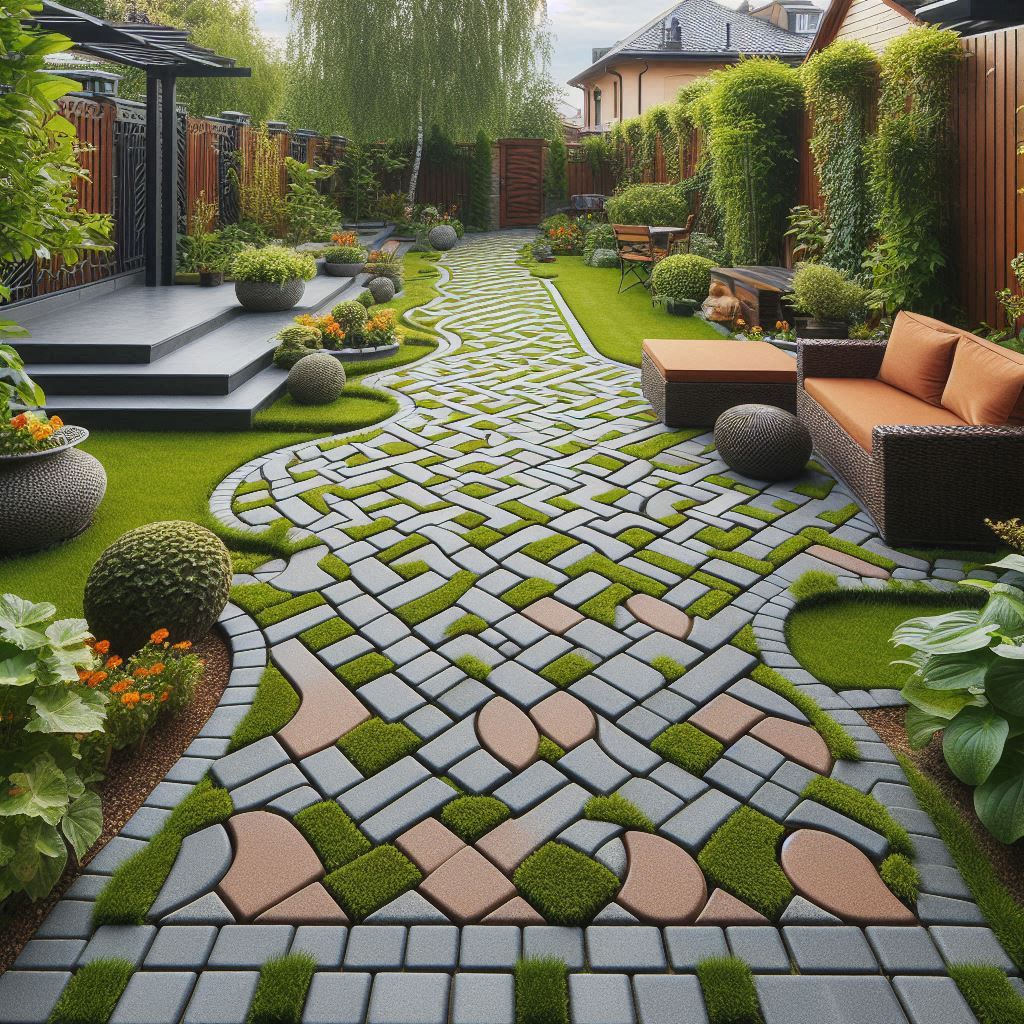
Transform your garden from a collection of plants into an inviting and functional space with a beautiful paver walkway. Pavers offer a vast improvement over traditional poured concrete, adding a touch of elegance, durability, and endless design possibilities. Unlike concrete, pavers come in a wide variety of materials, colors, and textures, allowing you to create a walkway that perfectly complements your garden’s unique style. Before we go into specific walkway ideas, it’s important to consider your garden’s overall design and functionality. Now, let’s explore 11 inspiring paver walkway ideas that will elevate your garden design! 1. The Timeless Appeal of Classic Brick Pavers Brick pavers are a perennial favorite for garden walkways, offering a timeless elegance that complements a variety of garden styles. The rich, reddish hues of traditional bricks create a warm and inviting atmosphere, while other color options like tans and grays allow for a more modern touch. Brick pavers come in various shapes and sizes, allowing for creative patterns like the classic basketweave or the sophisticated herringbone. These intricate patterns add visual interest and can even help to create the illusion of a wider walkway in smaller gardens. One of the biggest advantages of brick pavers is their ease of maintenance. With proper installation, brick walkways require minimal upkeep. Regular sweeping and occasional power washing will keep them looking their best for years to come. 2. Embrace the Elegance of Natural Stone Pavers For a truly unique and luxurious look, consider natural stone pavers. Flagstone, granite, and bluestone are popular choices, each offering a distinctive character and a touch of the natural world. Flagstone pavers, with their irregular shapes and earthy tones, create a charming, old-world feel. Granite pavers, on the other hand, offer a more sophisticated and polished aesthetic. Bluestone, with its subtle variations in color and texture, adds a touch of modern elegance to any garden. While natural stone pavers add undeniable beauty to your walkway, it’s important to consider the potential cost factor. Natural stone tends to be more expensive than other paver materials. However, its durability and timeless appeal can be a worthwhile investment for those seeking a truly special walkway. 3. Affordable Versatility with Textured Concrete Pavers For a budget-friendly option that doesn’t compromise on style, consider textured concrete pavers. Concrete pavers come in a wide range of colors, shapes, and sizes, allowing you to create a walkway that seamlessly blends with your garden’s color palette. The beauty of concrete pavers lies in their versatility. You can choose smooth, contemporary styles for a modern garden or opt for textured pavers that mimic the look of natural stone for a more traditional feel. A significant advantage of textured concrete pavers is their slip-resistant properties. This makes them a perfect choice for walkways that may get wet from rain or sprinklers, especially near patios or seating areas. 4. Unleash Your Creativity with Interlocking Paver Patterns Modern and visually striking, interlocking pavers offer a world of creative possibilities for your garden walkway. These pavers come in various geometric shapes that can be arranged in a multitude of patterns, allowing you to create a unique and personalized design. Interlocking pavers are known for their clean lines and contemporary aesthetic. Popular patterns include herringbone, basketweave, and even more complex geometric designs. For a truly unique touch, consider combining different colored pavers within the same design. Another advantage of interlocking pavers is their relative ease of installation. Their puzzle-like design makes them DIY-friendly, allowing you to create your dream walkway project without necessarily needing professional help. 5. Let Your Walkway Wander with a Meandering Design Ditch the straight lines and embrace a touch of whimsy with a meandering paver walkway. This free-flowing design adds a romantic and inviting feel to your garden, encouraging visitors to explore its hidden corners and delights. Meandering walkways are particularly effective in softening the straight lines often found in formal gardens. They can also be used to create a sense of mystery, leading visitors on a journey through the various sections of your garden. When designing a meandering walkway, incorporate plants and flowers along its edges. Low-growing perennials, ornamental grasses, and colorful flowering shrubs will add bursts of color and texture, creating a truly captivating garden experience. Pro Tip: When laying out a meandering walkway, use a garden hose to create the desired curves. This allows you to easily adjust the shape before laying down any permanent materials. 6. Add Visual Interest with Paver Walkway Borders Elevate your walkway design from ordinary to extraordinary with the addition of accent borders. Borders add a touch of definition and visual interest, framing the walkway and making it stand out from the surrounding garden. There are a variety of materials you can use for borders. Cobblestones, with their smooth, rounded shapes, create a classic and timeless look. Gravel, on the other hand, offers a more natural and informal feel. For a modern touch, consider using sleek metal edging to define the walkway. Borders not only enhance the aesthetics of your walkway but also serve practical purposes. They can help to contain the pavers and prevent them from shifting over time. Additionally, borders can help to control the spread of grass and weeds, making your walkway easier to maintain. 7. Illuminate Your Garden with Glowing Paver Walkways Transform your garden into a magical evening retreat with a lighted paver walkway. Walkway lights add a touch of ambiance and improve safety after dark, allowing you to enjoy your garden well into the nighttime hours. There are various options available for walkway lighting. Solar-powered lights are an eco-friendly and cost-effective choice. They are easy to install and require minimal maintenance. For a more permanent solution, consider installing low-voltage path lights. These lights offer a wider range of styles and can be strategically placed to highlight specific features of your walkway and garden. When choosing walkway lights, consider the overall style of your garden. Classic lanterns offer a timeless elegance, while modern spotlights create a sleek and minimalist look. … Read more

20+ Full Sun Container Plants Ideas to Brighten Your Day

Container Plants Ideas

Container gardening allows you to create vibrant pockets of life on patios, balconies, or even indoors with ample sunlight. But for those scorching afternoons, not all plants are created equal. Choosing the right options for full-sun containers is key to a thriving summer display. Unlike their shade-loving counterparts, full-sun container plants are built to handle the heat. They often require well-draining soil, regular watering, and a container material that won’t overheat the roots (clay pots are a good option). This guide will introduce you to 20+ fantastic full-sun container plants, offering a variety of colors, textures, and purposes to bring your sunny spaces to life. 1. Zinnias Bursting with color and brimming with personality, zinnias are poster children for the full-sun container garden. These annuals come in a dazzling array of single or double blooms, boasting shades of red, orange, yellow, pink, purple, and white. Zinnias are known for their long bloom time, starting in early summer and continuing well into fall with proper deadheading (removing spent flowers). For a vibrant container spectacle, consider creating a zinnia “rainbow” with several plants of different colors. They also pair beautifully with other sun-loving annuals like verbena or cosmos, adding layers of texture and color to your display. 2. Lantana Heat doesn’t faze lantana, making them a perfect choice for full-sun containers. These cheerful perennials (in warmer zones) or annuals (in colder climates) produce clusters of vibrant blooms in shades of red, orange, yellow, pink, purple, and white, often with color variations within a single bloom. Lantana is a low-maintenance bloomer, requiring minimal deadheading thanks to its self-cleaning nature – spent flowers simply fall off, making way for new blooms. Lantana thrives in well-draining soil and benefits from regular watering, especially during hot spells. They can grow quite large, so choose a container with ample space. 3. SunPatiens Impatiens have long been a favorite for shady containers, but they tend to struggle in the full sun. Enter SunPatiens, a hybrid variety specifically bred to tolerate hot and sunny conditions. These low-maintenance annuals boast vibrant blooms in shades of red, pink, purple, white, and bi-colors, offering a similar look and feel to traditional impatiens without the shade requirement. SunPatiens are relatively drought-tolerant, requiring less frequent watering than their shade-loving counterparts. They also have a mounding growth habit, making them ideal for spilling over the edges of containers and adding a touch of softness to your arrangement. For a truly dazzling display, plant multiple SunPatiens of different colors together in a single container. 4. Rosemary Not just for culinary delights, rosemary adds a touch of sophistication to full-sun containers. This woody herb boasts fragrant, needle-like evergreen leaves that can be used to infuse soups, stews, and roasted vegetables. Rosemary thrives in well-draining soil and prefers to be on the drier side. However, don’t let the soil completely dry out, especially during hot weather. Rosemary can grow quite large over time, so choose a container with ample space or plan to prune it regularly to maintain a desired size and shape. In colder climates, rosemary may need winter protection. Consider bringing it indoors to a sunny windowsill or protecting it with burlap or frost cloth outdoors. 5. Ornamental Grasses (Blue Fescue, Maidenhair Grass) Looking for a touch of texture and movement in your full-sun containers? Ornamental grasses are the answer. Two popular choices for sunny spots include Blue Fescue and Maidenhair Grass. Blue Fescue offers clumps of fine, blue-green foliage that adds a cool, calming feel to any container arrangement. Maidenhair Grass, on the other hand, features delicate, green foliage that resembles wispy hair, swaying gracefully in the breeze. Both varieties are low-maintenance and drought-tolerant, making them ideal for busy gardeners. Ornamental grasses are typically clump-forming perennials that require minimal care. They can be divided every few years to maintain their size and vigor. 6. Mandevilla For a touch of the tropics in your full-sun container garden, look no further than the Mandevilla. This stunning vine boasts large, trumpet-shaped flowers in shades of red, pink, white, and yellow, blooming prolifically throughout the summer and into fall. Mandevilla thrives in well-draining soil and requires regular watering, especially during hot weather. Due to its vining nature, Mandevilla is perfect for adding a vertical element to your container display. Train it to climb a trellis, obelisk, or even a shepherd’s crook for a visually stunning effect. Mandevilla can be grown as a perennial in warmer climates (zones 9-11) but will need to be brought indoors over winter in colder zones. 7. Marigolds These cheerful annuals are a classic choice for full-sun containers, offering a burst of sunshine yellow or fiery orange blooms throughout the summer. Marigolds are known for their ease of care and pest-repellent properties, making them a beneficial addition to your garden. They thrive in well-draining soil and appreciate regular watering, especially during hot weather. Marigolds come in various sizes, from dwarf varieties suitable for smaller containers to taller options that can add height and structure to your display. For a unique touch, consider planting single-flowered marigolds alongside their double-flowered counterparts. 8. Celosia (Cockscomb) For a conversation starter in your full-sun container garden, look no further than Celosia, also known as Cockscomb. This unique annual boasts vibrant, brain-like flowerheads in shades of red, orange, yellow, and pink, adding a touch of whimsy to any arrangement. Celosia thrives in hot weather and requires minimal care. Water regularly during dry spells, and deadhead spent blooms to encourage continued flowering. Celosia makes a bold statement on its own or can be paired with other full-sun flowers for a truly eye-catching display. 9. Calibrachoa (Million Bells) This cascading annual is a close relative of the petunia, offering a vibrant display of small, trumpet-shaped flowers in shades of red, pink, purple, yellow, and bi-colors. Calibrachoa thrives in full sun and well-draining soil, spilling beautifully over the edges of containers and adding a touch of softness to your arrangement. Calibrachoa is a relatively low-maintenance plant, requiring regular watering and occasional deadheading to … Read more

Transform Your Living Room: 11 Bay Window Seating Ideas You’ll Love!

Bay Window Seating Ideas

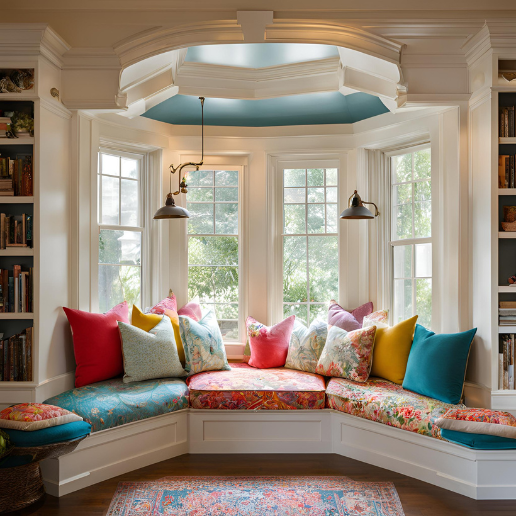
Have you ever gazed longingly at the charming bay windows adorning your favorite cafes or old Victorian homes? These architectural gems bring not only elegance but also a wealth of potential to any living space. They offer a unique opportunity to create a special nook, bathed in natural light and brimming with possibilities. But how do you utilize this prime real estate in your living room? We’re here to unlock the magic of bay window seating with 11 inspiring ideas that cater to a variety of styles and needs. From cozy reading nooks to multifunctional workspaces, get ready to transform your living room into a haven of comfort and functionality. The Power of Bay Window Seating Beyond their undeniable charm, bay window seats boast a multitude of benefits: 11 Bay Window Seating Ideas to Inspire You Now, let’s explore a variety of bay window seating options to inspire your next design project: 1. The Classic Cozy Nook Imagine curling up with a good book, bathed in warm sunlight streaming through the windows. This quintessential image embodies the essence of the classic cozy nook. To achieve this look: Bonus Tip: Elevate functionality by incorporating built-in storage drawers underneath the bench. This concealed storage is perfect for tucking away blankets, magazines, or even board games! 2. Sophisticated Banquette Seating Craving a touch of elegance in your living room? A sophisticated banquette with a backrest offers a luxurious alternative to the classic bench. 3. Modern Minimalist Retreat For those who favor clean lines and uncluttered spaces, a minimalist approach to bay window seating is the perfect choice. 4. Multifunctional Daybed Delight Living in a compact space? Maximize functionality with a daybed that incorporates a pull-out trundle. 5. Workspace with a View Working from home? Transform your bay window into a productive workspace bathed in natural light. 6. Family Fun Corner Create a playful and inviting space for your family with a bay window seat designed for fun and relaxation. 7. The Entertainer’s Dream Love hosting gatherings? Design a bay window seat that becomes a conversation hub and additional seating area for your guests. 8. The Window Seat with a Built-in Reading Nook For the ultimate bookworm, create a dedicated reading haven bathed in natural light. Here’s how: 9. The Sunroom Escape Harness the power of your bay window to create a miniature sunroom, perfect for relaxing and enjoying the outdoors: 10. The Home Theater Haven Transform your living room into a cozy home theater with a bay window seat designed for movie nights: 11. The Pet Paradise Looking to create a dedicated space for your furry friend? Additional Tips for Bay Window Seating Success Maximizing Light: Comfort is Key: Accessorize for Style: Final Thoughts Bay window seating offers a beautiful and functional way to transform your living room. With these ideas as a springboard, let your creativity flow! Whether you seek a cozy reading nook, a sophisticated entertaining space, or a multifunctional workspace, the possibilities are endless. Remember to choose an option that reflects your style and caters to your lifestyle needs.

11 Amazing Bay Window Curtains For Your Home

Bay Window Curtains

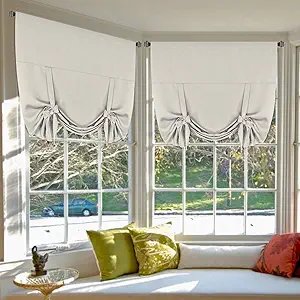
Bay windows are a true architectural gem, gracing homes with their beautiful protrusions and expansive views. They not only flood a room with natural light but also create a charming nook that begs to be accentuated. However, choosing the right curtains for bay windows can be a challenge. Unlike regular windows, bay windows have multiple angles and require special consideration to ensure a cohesive and functional design. The perfect curtains will not only complement the unique structure of the bay but also address your needs for light control, privacy, and overall aesthetics. This guide discloses 11 amazing bay window curtain ideas, helping you transform your space into a haven of style and comfort. We’ll explore different curtain styles, materials, and functionalities, providing you with the inspiration to find the perfect fit for your home. Appreciating the Magic of Bay Windows Bay windows are essentially a combination of three windows – a central picture window flanked by two angled windows that project outwards. This creates a delightful extension of your living space, offering panoramic views and an abundance of natural light. Beyond their practical benefits, bay windows add undeniable charm to a room. They create a natural focal point, perfect for cozy reading nooks, intimate dining areas, or simply a spot to bask in the sunshine. The Importance of Choosing the Right Curtains Now that we’ve established the magic of bay windows, let’s highlight the importance of selecting the right curtains. Here’s why your choice matters: 11 Amazing Bay Window Curtain Ideas: Finding Your Perfect Match Here’s where the fun begins! Let’s explore 11 amazing bay window curtain ideas that cater to various styles and functionalities: 1. Classic White Linen Curtains: Timeless Elegance with a Light Touch White linen curtains are a perennial favorite for bay windows. The beauty of linen lies in its natural texture and gentle drape, adding a touch of understated elegance to any space. These curtains diffuse harsh sunlight beautifully while maintaining an airy and light feel. Why you’ll love them: Things to consider: 2. Cordless Roman Shades Window Blinds These window treatments combine the elegance of Roman shades with the modern convenience of cordless operation and the artistic appeal of a watercolor pattern. The blackout fabric effectively blocks out sunlight, creating a dark and serene atmosphere ideal for bedrooms, media rooms, or areas requiring complete light control. Key Features: Benefits: Ideal for: Overall: These cordless Roman shades with a watercolor pattern offer a perfect blend of style, function, and safety. The blackout fabric provides exceptional light control, while the cordless mechanism ensures a hazard-free environment. The watercolor design adds a touch of artistic beauty, making these shades a versatile and attractive choice for any room in your home. 3. H.VERSAILTEX Solid Blackout Curtain Energy Efficient Tie Up Shades Rod Pocket Panel The H.VERSAILTEX Solid Blackout Curtain is a practical and functional window treatment designed for kitchens. It features a solid color design, blackout fabric, and energy-efficient properties.  The curtain is equipped with a rod pocket for easy hanging and includes tie-up shades for versatile styling options.   Key Features: Benefits: Ideal For: Overall: The H.VERSAILTEX Solid Blackout Curtain is a functional and stylish choice for kitchen windows. It offers a combination of privacy, energy efficiency, and versatility. The blackout fabric effectively controls light and heat, while the tie-up shades provide flexibility in styling. 4. FMFUNCTEX Semi-Sheer Print Curtains The FMFUNCTEX Semi-Sheer Print Curtains are a pair of 84-inch long window panels featuring a delicate yellow and grey tree branch pattern on a white linen-textured background.  These curtains offer a blend of elegance and natural beauty, suitable for both bedrooms and living rooms.   Key Features: Benefits: Ideal For: Overall: The FMFUNCTEX Semi-Sheer Print Curtains offer a stylish and functional window treatment option. Their semi-sheer fabric, combined with the charming tree branch pattern, creates a sophisticated and nature-inspired look. These curtains are perfect for those seeking to enhance their room’s decor with a touch of elegance and natural beauty.   5. MYSKY HOME Floral Curtains 84 Inches Long Living Room Curtains MYSKY HOME Floral Curtains offer a blend of elegance and nature for your living space. These 84-inch long curtains typically feature a floral pattern, adding a touch of freshness and vitality to your room.  Designed to enhance the aesthetic appeal of your living room, they are available in various colors and floral designs to match different interior styles.   Key Features Benefits Ideal For 6. MYSKY HOME Floral Curtains 84 Inches Long Printed Grommet Cotton Curtains The MYSKY HOME Floral Curtains are a pair of 84-inch long window panels designed to add a touch of elegance and nature to your living room or bedroom.  Featuring a printed floral pattern on a linen-style cotton fabric, these curtains offer a light-filtering effect, allowing soft natural light to filter into the room while maintaining privacy.   Key Features: Benefits: Ideal For: Overall: The MYSKY HOME Floral Curtains offer a beautiful and functional window treatment option. Their light-filtering properties, combined with the charming floral pattern and linen-inspired fabric, make them a versatile choice for enhancing the decor of your living room or bedroom. 7. WUBODTI Leaf Patterned White Sheer Curtains 63 Inch Length 2 Panels Set for Living Room The WUBODTI Leaf Patterned White Sheer Curtains are a pair of 63-inch long panels designed to add a delicate and airy touch to your living room.  Featuring a white sheer fabric adorned with an elegant leaf pattern, these curtains offer a soft, ethereal look while allowing ample natural light to filter through.   Key Features: Benefits: Ideal For: Overall: The WUBODTI Leaf Patterned White Sheer Curtains offer a graceful and understated window treatment option. Their sheer fabric and delicate leaf pattern create a serene and inviting atmosphere, making them a versatile choice for enhancing the decor of your living space.   8. Mrs.Naturall Tan Boho Curtains for Bedroom Short Room Darkening The Mrs.Naturall Tan Boho Curtains are a pair of short-length curtains designed to offer a blend of style and … Read more

Succulent Sensations: 18 Container Plants Ideas for Drought-Tolerant Gardens

Container Plants Ideas for Drought-Tolerant Gardens

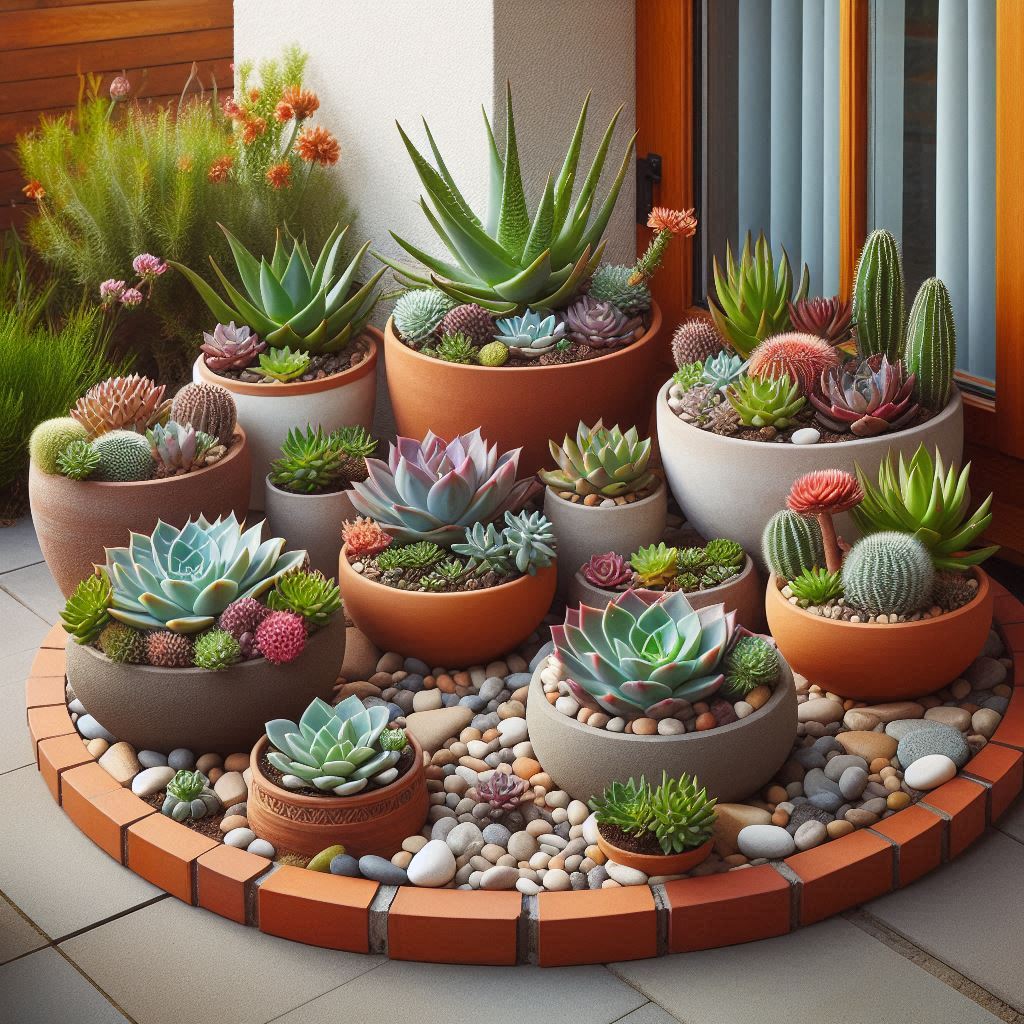
Succulents have taken the gardening world by storm. Their captivating textures, diverse shapes, and stunning range of colors make them a versatile choice for any garden. But their popularity goes beyond aesthetics. Succulents are incredibly low-maintenance plants, thriving on neglect and minimal water. This makes them perfect for busy gardeners or those living in hot, dry climates. Drought-tolerant container gardens offer a multitude of benefits. They require less frequent watering, saving you time and water. They’re ideal for small balconies, patios, or sunny entrances, bringing life to any space. Plus, with the right plant combinations, you can create stunning displays that are both beautiful and resilient. This guide will introduce you to 18 fantastic succulent varieties perfect for container plantings, along with design tips to bring your drought-tolerant dreams to life. 18 Container Plant Ideas for Drought-Tolerant Gardens 1. Aeonium Arboreum (Tree Aeonium): This architectural wonder lives up to its name, boasting a rosette of thick, fleshy leaves that spiral around a central stem, eventually forming a miniature tree-like structure. Aeonium arboreum comes in various shades of green, with some varieties boasting reddish or purple edges. It thrives in full sun and well-draining soil. 2. Aloe Vera: Beyond its medicinal properties, Aloe vera is a stunning succulent with broad, sword-shaped leaves that range from light green to blue-green. The mature plant produces vibrant yellow flowers during the summer months. Aloe vera prefers full sun and well-draining soil. 3. Crassula Ovata (Jade Plant): A symbol of good luck and prosperity in many cultures, the jade plant is a popular choice for container gardens. It features plump, oval-shaped leaves that turn a reddish hue with ample sunlight. Jade plants can grow quite large over time, making them excellent candidates for floor containers. They thrive in full to partial sun and well-draining soil. 4. Echeveria (Hen and Chicks): Echeveria is a vast genus of succulents with an incredible variety of shapes, sizes, and colors. The most common characteristic is the rosette formation, where fleshy leaves spiral outwards from a central stem. Colors range from classic green and blue to vibrant orange, pink, and purple. Echeveria thrives in full sun and well-draining soil. 5. Haworthia: These low-growing succulents are known for their unique, textured leaves with zebra-like stripes or pearl-like bumps. Haworthia thrives in partial shade and well-draining soil, making them a perfect choice for container gardens placed under a covered patio or near shady trees. 6. Sedum (Stonecrop): Sedum is a diverse group of succulents with a wide range of foliage types and growth habits. Some varieties form low-growing mats, while others boast upright, fleshy stems. Sedum comes in various shades of green, blue, and even burgundy. Most varieties thrive in full sun and well-draining soil. 7. Sempervivum (Hens and Chicks): Sempervivum, also known as hens and chicks, are cold-hardy succulents that form tight clusters of fleshy leaves. The “hens” are mature rosettes, while the “chicks” are smaller offshoots that grow around the base. Sempervivum comes in a variety of colors, including green, red, purple, and even black. They thrive in full sun and well-draining soil. Design Ideas: Sempervivum’s compact size and clumping form make them ideal for rock gardens or small container plantings. Plant them in a shallow dish garden or a terracotta pot with drainage holes. Their vibrant colors allow for creative design possibilities. Create a geometric pattern by planting different colored varieties in a grid-like fashion. Alternatively, use sempervivum to add pops of color to a container filled with primarily green succulents. 8. Graptoveria: This captivating hybrid combines the beauty of Graptopetalum and Echeveria, resulting in stunning rosettes with plump, colorful leaves. Graptoveria thrives in full sun and well-draining soil. 9. Living Stones (Lithops): These unique succulents resemble small, smooth pebbles with a slit running down the center. Living stones come in various earthy tones with interesting markings and textures. They thrive in full sun and require very infrequent watering. 10. String of Pearls (Senecio Rowleyanus): This cascading succulent features long, slender stems adorned with pea-sized, pearl-like leaves. String of pearls thrives in bright, indirect sunlight and well-draining soil. 11. String of Bananas (Senecio Herrianus): A close relative of the string of pearls, the string of bananas boasts plump, cylindrical leaves that resemble miniature bananas. This succulent thrives in bright, indirect sunlight and well-draining soil. 12. Zebra Haworthia (Haworthia Fasciata): This captivating haworthia variety features plump, triangular leaves adorned with horizontal stripes resembling zebra markings. Zebra haworthia thrives in partial shade and well-draining soil. 13. Kalanchoe (Flaming Katy): While most succulents are known for their foliage, kalanchoe offers vibrant blooms in addition to attractive leaves. Flowering varieties like Kalanchoe blossfeldiana come in a range of colors, including red, orange, yellow, and pink. Kalanchoe thrives in full sun to partial shade and well-draining soil. 14. Yucca (Spineless Yucca): For a touch of drama and added height in your container garden, consider the spineless yucca. This succulent features sword-like, evergreen leaves with smooth or slightly serrated edges. Spineless yucca thrives in full sun and well-draining soil. 15. Corpuscularia Lehmania (Living Coral): This captivating succulent lives up to its name with its vibrant coral-like appearance. Corpuscularia lehmania features clusters of tiny, fleshy leaves that range from orange to red, depending on the amount of sunlight it receives. This succulent thrives in full sun and well-draining soil. 16. Othonna Capensis (Little Pickles): This whimsical succulent features long, stringy stems adorned with tiny, teardrop-shaped leaves that resemble miniature pickles. Little pickles thrive in full sun to partial shade and well-draining soil. 17. Gasteria (Living Leather): This low-growing succulent boasts thick, fleshy leaves with a bumpy, textured surface. Gasteria comes in various shades of green with white or reddish markings. They thrive in partial shade and well-draining soil. 18. Senecio Mandraliscae (String of Dolphins): This captivating succulent features plump, teardrop-shaped leaves that resemble leaping dolphins. String of dolphins thrives in bright, indirect sunlight and well-draining soil. Additional Tips for Creating Drought-Tolerant Container Gardens Wrapping Up Succulents are a fantastic choice for creating beautiful, low-maintenance container … Read more

17 Stunning Landscaping Ideas & Designs With Mulch And Rocks

Landscaping Ideas & Designs With Mulch And Rocks

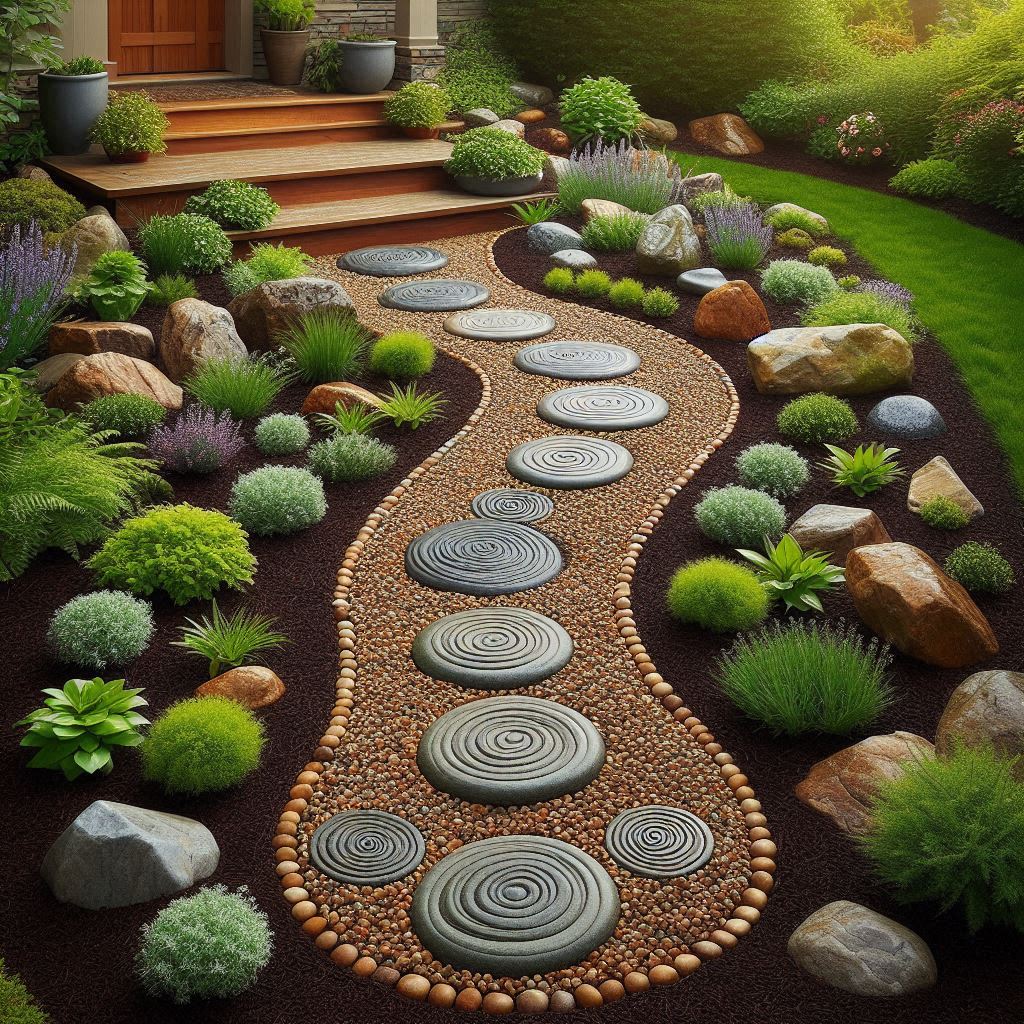
Transforming your outdoor space doesn’t always require a complete overhaul. With a touch of creativity and some readily available materials like mulch and rocks, you can create stunning and functional landscapes that enhance your curb appeal and add personality to your backyard oasis. Mulch and rocks offer a winning combination for landscapers of all levels. They not only provide a beautiful aesthetic but also boast several practical benefits: 17 Top Landscaping Ideas with Mulch and Rocks Now that you’re convinced about the power of mulch and rocks, let’s explore some captivating design ideas to bring your vision to life. 1: Stepping Stone Pathway with Mulch Infill This classic design is perfect for creating a charming and inviting entrance to your home or garden. Here’s what you’ll need: Creating the Pathway: 2: Gravel Pathway with Mulch Edging This option offers a more natural and rustic feel. Gravel provides excellent drainage and can withstand heavy foot traffic. Here’s how to achieve this look: Creating the Pathway: 3: Mulch Bed with Rock Borders This classic design provides a clean and polished look for your flower beds and vegetable gardens. Here’s what you’ll need: Creating the Garden Bed: 4: Rock and Mulch Garden for Specific Plant Types This design is particularly suitable for drought-resistant plants like cacti and succulents. Here’s why it works: Creating the Rock and Mulch Garden: 5: Dry Creek Bed This waterless feature adds a touch of natural beauty and tranquility to your landscape. Here’s how to create a dry creek bed: 6: Rock Mulch Waterfall Feature This unique feature adds a touch of drama and the soothing sound of water to your landscape. Here’s what you’ll need: Creating the Rock Mulch Waterfall Feature: 7. Mulch Mulching Ring Around Trees 8. Rock and Mulch Raised Garden Beds 9. Mulch Play Area with Rock Borders 10. Rock and Mulch Fire Pit Surround 11. Rock and Mulch Patio Accents 12. Rock Waterfall Spillway with Mulch Stream Bed 13. Rock and Mulch French Drain System with Decorative Mulch Basin 14. Cascading Rock Garden with Mulch Pockets 15. Rock and Mulch Stepping Stone Pathway with Herb Spiral 16. Rock and Mulch Border for a Moonlit Garden 17. Rock and Mulch Zen Garden with Stepping Stones Choosing the Right Mulch and Rocks: The Perfect Match for Your Design Now that you’re brimming with creative ideas, let’s discuss some tips to help you choose the perfect mulch and rocks to bring your vision to life. A. Selecting the Right Mulch The type of mulch you choose plays a crucial role in both aesthetics and functionality. Here are some factors to consider: Selecting the Right Rocks The size, type, and color of rocks you choose will significantly impact the overall look and feel of your design. Here are some key considerations: Additional Tips and Considerations Wrapping Up Mulch and rocks offer a versatile and low-maintenance solution for creating beautiful and functional landscapes. With a touch of creativity and the right materials, you can transform your outdoor space into a haven of relaxation and enjoyment. Let us see your creativity in action! Share photos of your mulch and rock landscaping projects in the comments section below. We’d love to see your unique designs and inspire others.

The Invincible Yard: 19 Ideas for Lazy Landscaping

Ideas for Lazy Landscaping

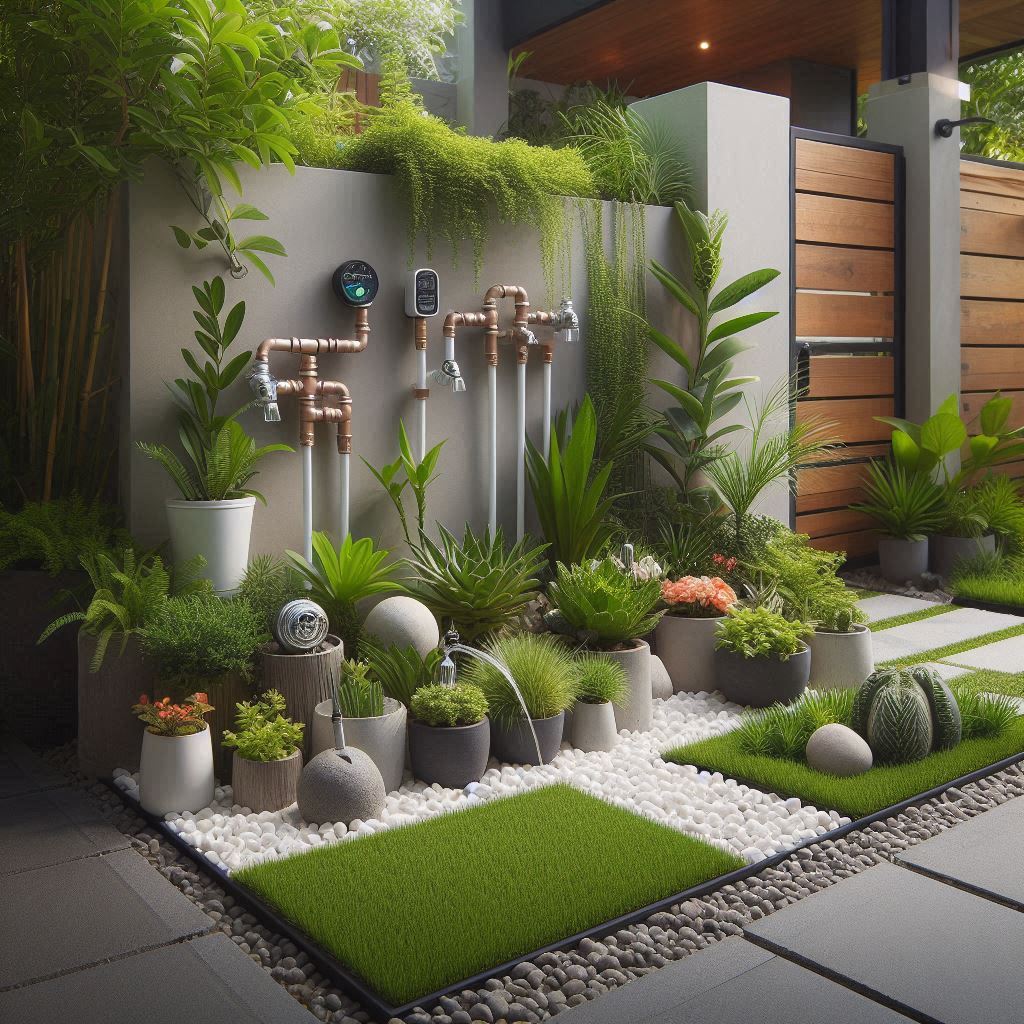
Let’s face it, yard work can be a real chore. Between mowing the lawn, battling weeds, and constantly watering thirsty plants, it can feel like you spend more time maintaining your outdoor space than enjoying it. But what if there was a way to have a beautiful and inviting yard without the backbreaking effort? The concept of lazy landscaping is a landscaping approach designed to minimize maintenance while maximizing beauty. Lazy landscaping isn’t just about being idle; it’s about working smarter, not harder. By implementing a few simple strategies, you can create a yard that thrives with minimal effort, freeing up your time for the things you truly enjoy. So, grab a hammock, fire up the grill, and get ready to transform your yard into a haven of relaxation with these 19 lazy landscaping ideas: 1. Reduce Your Lawn (Say Goodbye to Mowing!) The sprawling, perfectly manicured lawn is a classic image, but it’s also incredibly high-maintenance. The good news? You can achieve a stunning yard with significantly less lawn space. Here’s how: 2. Embrace the Power of Perennials Tired of planting annuals that need replacing every year? Perennials are your low-maintenance heroes. These beauties come back year after بعد (baعد, after) year, requiring minimal effort for a season-long display of color and texture. 3. Go Native with Native Plants Mother Nature knows best! Native plants are those that have evolved to thrive in your specific region. They offer a plethora of advantages for a lazy landscaper: 4. Mulch Mania: Suppress Weeds and Retain Moisture Mulch is your best friend in the lazy landscaping world. This layer of material spread around your plants offers a multitude of benefits: 5. Let it Rock! (Gravel Gardens) Gravel gardens are a fantastic option for lazy landscapers seeking a low-maintenance and visually striking solution. Here’s what you need to know: 6. Evergreens for Year-Round Interest Evergreen plants are the ultimate low-maintenance heroes, providing structure and visual interest throughout the year, even during the winter months. Here’s how to incorporate them into your lazy landscape: 7. Automate Where Possible Technology can be your ally in maintaining a lazy landscape. Consider these options: 8. Embrace Groundcovers: Living Carpets for Minimal Effort Groundcovers are low-growing plants that spread to form a dense carpet, effectively suppressing weeds and minimizing the need for bare soil areas. Here’s why they’re perfect for lazy landscaping: 9. Xeriscaping: Water-Wise Landscaping for the Arid Soul Xeriscaping is a landscaping approach specifically designed for water conservation. It’s perfect for lazy landscapers in arid or drought-prone regions. Here’s how to embrace xeriscaping principles: 10. Let There Be Light: Utilize Solar Power for Effortless Illumination Solar-powered landscape lighting adds a touch of magic and ambiance to your lazy landscape without the hassle of electrical wiring. Here’s how to embrace solar lighting: 11. Create Defined Planting Beds for Easy Maintenance Define your planting beds with edging materials like bricks, stones, or even metal edging. This creates a clean and organized look, while also offering several benefits for lazy landscaping: 12. Embrace Climbing Vines for Vertical Interest Vines are a fantastic way to add vertical interest and soften hard surfaces like walls or fences in your lazy landscape. Here’s how to utilize them effectively: 13. Container Gardening: A Portable Paradise for Plant Enthusiasts Container gardening allows you to create miniaturized gardens on your patio, deck, or even walkways. This is perfect for lazy landscapers who enjoy the beauty of plants but might have limited space or desire for traditional in-ground gardens. 14. Embrace Hardscapes for Low-Maintenance Appeal Hardscaping elements like patios, walkways, and retaining walls add structure, functionality, and visual interest to your lazy landscape. Here’s how to utilize them effectively: 15. Attract Beneficial Wildlife: A Natural Approach to Pest Control Creating a haven for beneficial insects and pollinators like ladybugs, butterflies, and birds can help keep your lazy landscape free of harmful pests naturally. Here’s how to attract these helpful allies: 16. Embrace Natural Materials for an Organic Aesthetic Incorporate natural materials like wood, stone, and even recycled elements into your lazy landscape design for an organic and visually appealing effect. Here’s how to utilize them effectively: 17. Embrace Low-Maintenance Lawns (if you must have some grass) If you’re still attached to having some lawn space, there are ways to make it more low-maintenance. Here are some tips: 18. Let Nature Take Its Course: Embrace Wildflowers for a Low-Maintenance Meadow 19. Embrace Natural Pest Control Methods While attracting beneficial wildlife is a great first step, there are additional natural methods you can employ to keep pests at bay in your lazy landscape: Conclusion Embrace these 19 lazy landscaping ideas to create a beautiful and low-maintenance yard that allows you to spend less time working and more time enjoying the fruits (or should we say flowers?) of your labor. Remember, a lazy landscape doesn’t have to be boring; with a little planning and the right plant choices, you can achieve a stunning outdoor space that requires minimal effort. So, avoid the relentless yard work, grab a refreshing drink, and unwind in your very own lazy landscaping paradise!