Boho Home Decor: 11 Tips That Show You How To Pull It Off
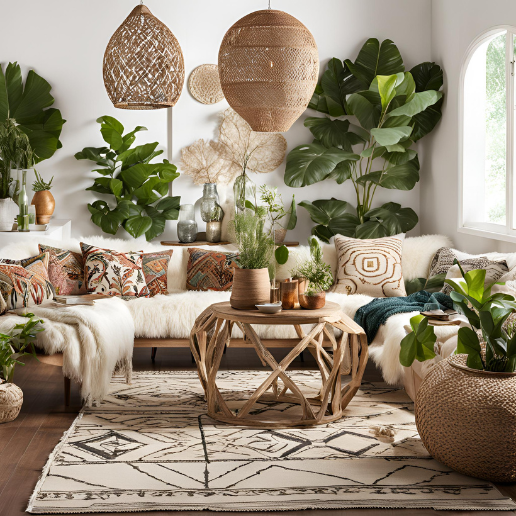
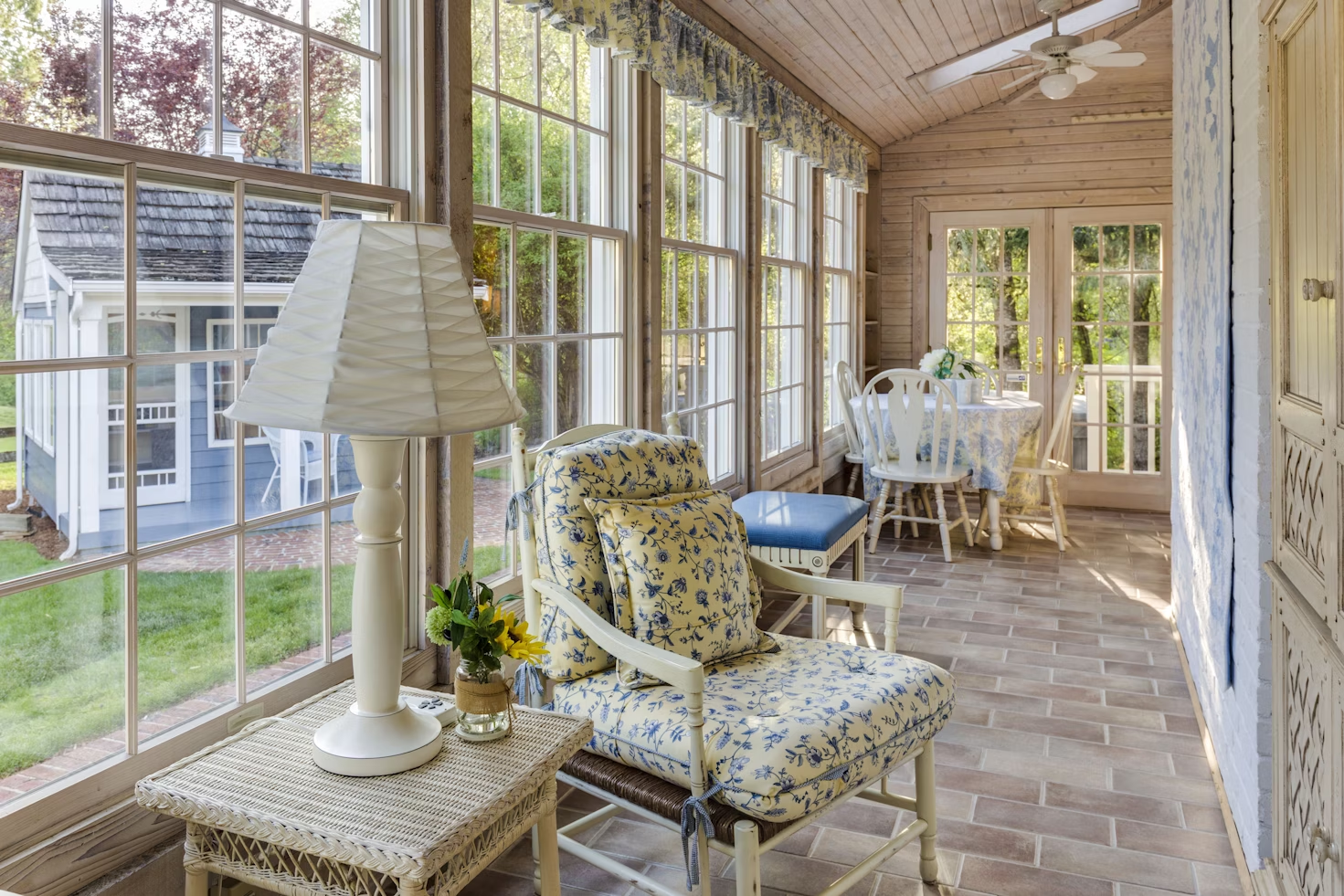
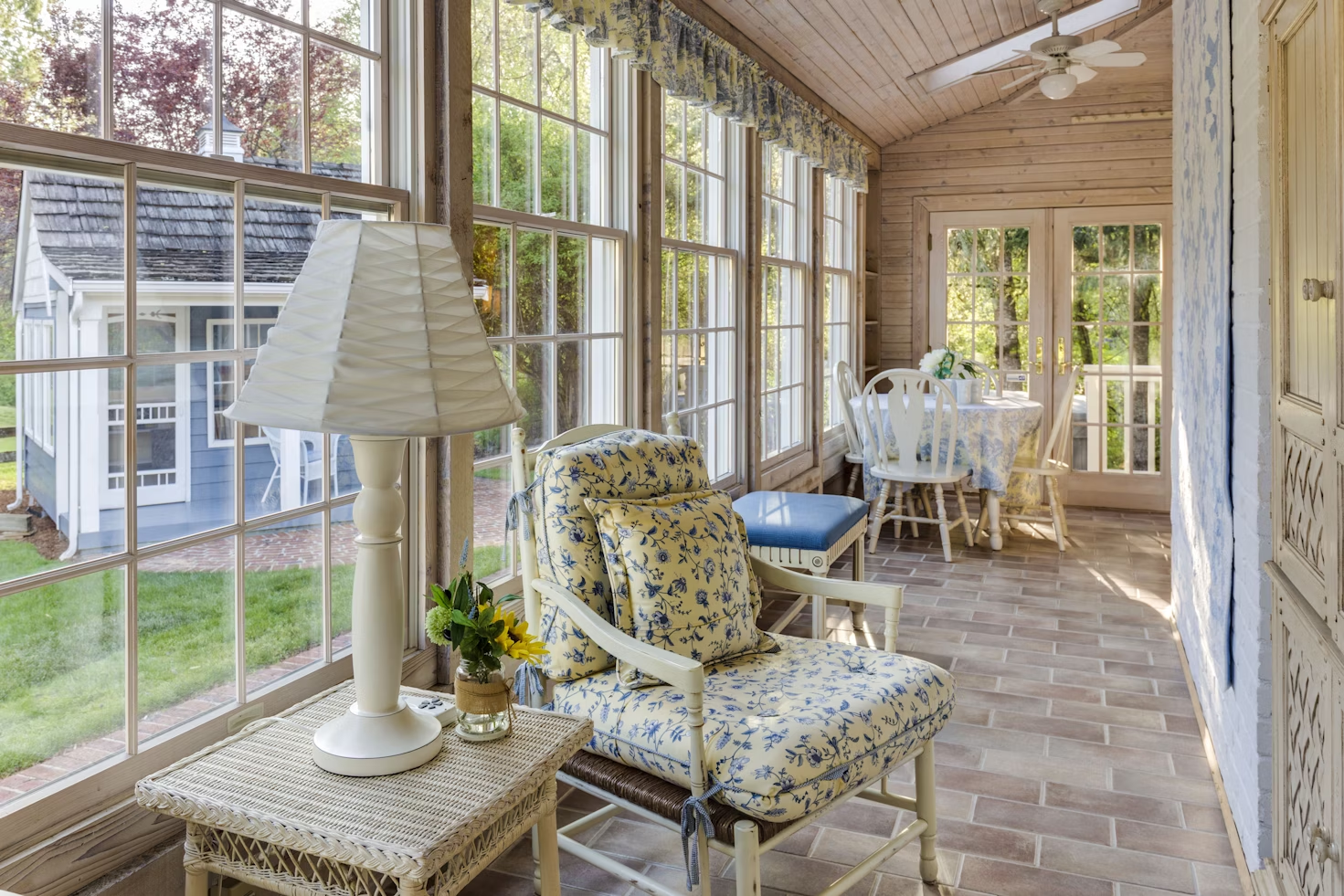
Boho home decor, short for Bohemian, is more than just a trend—it’s a lifestyle. Rooted in the free-spirited and eclectic choices of artists, world travelers, and creative souls, Boho decor embraces a blend of cultures, styles, and eras. It’s a celebration of individuality, comfort, and the beauty of imperfection. Whether you’re looking to overhaul your entire living space or simply add some Boho flair, these 11 tips will guide you in creating a home that’s as unique and expressive as you are. 1. Embrace Natural Elements One of the hallmarks of Boho decor is its deep connection to nature. The use of organic materials and natural textures brings an earthy, grounded feel to your space, making it both inviting and warm. Using Organic MaterialsIncorporating natural materials like wood, rattan, jute, and wicker is essential in creating an authentic Boho environment. Wooden furniture, whether it’s a vintage coffee table or a handcrafted bed frame, adds warmth and character to your rooms. Rattan and wicker furniture pieces, such as chairs, baskets, and side tables, introduce a laid-back, earthy vibe that is quintessentially Boho. Earthy TonesWhen it comes to color, think of the hues found in nature. Earthy tones such as browns, greens, and terracotta work beautifully as the foundation of your Boho color palette. These colors not only complement the natural materials in your decor but also create a harmonious and soothing atmosphere. Consider painting walls in soft, muted greens or warm, dusty browns to set the tone for your Boho space. Bringing the Outdoors InLive plants are a staple in Boho decor, serving as both decorative elements and air purifiers. Opt for easy-to-care-for varieties like succulents, ferns, or snake plants, which add a vibrant touch of green to your interiors. Place plants in woven baskets, macramé hangers, or rustic clay pots to enhance the natural aesthetic. 2. Mix and Match Patterns Boho decor is all about the art of layering—especially when it comes to textiles and patterns. The key to mastering this look is to embrace the eclectic without letting it become chaotic. Layering TextilesTextiles are a Boho decorator’s best friend. Think of soft throws draped over armchairs, a mix of pillows on the sofa, and area rugs scattered across the floor. Don’t shy away from mixing different patterns and textures—florals with geometrics, stripes with tribal prints. The secret to a cohesive look lies in maintaining a common color scheme that ties everything together. Balance with SolidsWhile it’s tempting to go all out with patterns, it’s crucial to balance them with solid colors to avoid overwhelming the space. Choose solid-colored pillows, curtains, or bed linens in complementary hues to ground the more intricate designs. This balance helps the room feel both dynamic and restful. Using Vintage and Global-Inspired PatternsIncorporate vintage or globally-inspired textiles for an authentic Boho feel. Kilim rugs, with their rich colors and geometric patterns, are a popular choice. Batik prints, Indian block prints, and African mud cloths also add a worldly touch to your decor. 3. Incorporate Vintage and Handcrafted Pieces Boho decor thrives on the charm and history that vintage and handcrafted items bring to a space. These elements tell a story, adding depth and character to your home. Shopping for VintageWhen searching for vintage pieces, think beyond just furniture. Look for unique items like old trunks, antique mirrors, or even vintage posters and maps. Flea markets, thrift stores, and online marketplaces like Etsy are treasure troves for finding one-of-a-kind items that add personality to your space. Adding Handcrafted ItemsHandcrafted decor plays a vital role in achieving an authentic Boho look. Whether it’s a hand-woven basket from a local artisan or a piece of pottery from a distant land, these items add a personal, human touch to your decor. Macramé wall hangings, in particular, are a Boho staple. You can purchase them from artisans or try your hand at making your own for a truly personalized piece. Mixing Old with NewOne of the beauties of Boho decor is its flexibility. Don’t be afraid to mix old and new items. A modern sofa can be paired with a vintage coffee table, while a sleek lamp might sit atop a distressed wood sideboard. This juxtaposition creates a dynamic and visually interesting space. 4. Use a Neutral Base A neutral base is essential in Boho decor, acting as a canvas for the vibrant colors, patterns, and textures that define the style. Why a Neutral Base WorksA neutral color palette provides the perfect backdrop for the eclectic mix of elements that Boho decor is known for. It helps to ground the space and allows the more colorful and patterned items to shine without competing for attention. Examples of Neutral BackdropsNeutral doesn’t have to mean boring. Think warm shades of beige, ivory, taupe, and gray. These colors create a serene environment that complements the rich textures and vibrant accents typically found in Boho decor. For larger pieces like sofas and rugs, choose neutral tones that can easily be layered with more colorful elements. Keeping it VersatileOne of the advantages of a neutral base is its versatility. As your style evolves, you can easily switch out accents and accessories without the need for a complete redesign. This adaptability is particularly appealing in Boho decor, where change and fluidity are key. 5. Add Pops of Color While a neutral base is important, pops of color are what bring a Boho space to life. This is where your creativity can truly shine. Strategic Use of Bright ColorsIntroduce bright colors through carefully selected accents like throw pillows, rugs, and artwork. These pops of color can transform a room from bland to vibrant without overwhelming the space. Consider using bright hues like mustard yellow, teal, or deep red in small doses to create focal points that draw the eye. Boho-Approved Color PalettesBoho color schemes often draw inspiration from nature and global influences. Think about incorporating rich jewel tones like emerald green, sapphire blue, and ruby red, balanced with softer shades like blush pink or pale lavender. … Read more