
I once spent an entire July afternoon dragging a heavy rubber hose across my yard, convinced that if I just kept the soil soaking wet, my hydrangeas wouldn’t wilt. By the following Tuesday, half of them were dead—not from the heat, but because I’d basically turned their root zones into a stagnant, oxygen-free swamp. It’s a gut punch to see your hard work shrivel up when the thermometer hits 95°F, but most people actually kill their gardens with “kindness” (and bad timing) during a heatwave.
The truth is, watering in extreme heat isn’t just about the volume of water; it’s about physics and biology. When the sun is screaming, your plants are essentially sweating through their leaves to stay cool. If you don’t replace that moisture correctly, they shut down. But if you do it wrong, you’re just wasting money on your water bill and inviting fungus to move in and pay no rent.
I’ve spent fifteen years figuring out why my tomatoes looked like sad umbrellas every afternoon. I’ve tried the gadgets, the “miracle” crystals, and the fancy automated systems. Most of it is garbage. What actually works is understanding how water moves through soil and into the roots when the environment is trying to suck every drop of moisture back into the atmosphere.
Best Time to Water Garden in Summer
If you’re out there watering at noon because you see your leaves drooping, you’re mostly just entertaining yourself. The sun is at its peak, and a massive chunk of that water is going to evaporate before it ever hits the root zone. Plus, getting water on the leaves in the middle of a scorching day can sometimes lead to leaf scorch, though the bigger issue is just inefficiency. I’ve found that the “golden hour” for watering is between 5:00 AM and 8:00 AM.
When you water early, the air is cool and the wind is usually calm. This allows the water to travel deep into the soil profile without being snatched away by the sun. It gives the plant a “full tank” to start the day. Think of it like drinking a huge glass of water before a marathon rather than trying to sip from a fountain while you’re already sprinting. If you wait until the heat has already set in, the plant is already in stress mode and won’t take up nutrients or water as effectively.
I used to be a night-owl waterer, thinking I was being smart by letting the water soak in while it was dark. That was a disaster. Watering at night in high humidity is basically an open invitation for powdery mildew and root rot. Because the water doesn’t evaporate off the foliage, it sits there all night, creating a playground for spores. Unless you are strictly using a drip line that never touches a leaf, keep your watering to the morning hours.
If you absolutely must water in the evening because you slept through your alarm, do it at least two hours before sunset. You want just enough warmth left in the day to dry off the “shoulders” of the plant. But seriously, set your alarm. Your peppers will thank you, and you’ll save a fortune on organic fungicides later in the season.
How Much Water Does a Vegetable Garden Need in a Heatwave?
The old “one inch of water a week” rule is fine for a breezy spring day in Ohio, but it’s a joke when you’re dealing with a triple-digit heatwave. In extreme heat, your garden might need two or even three inches of water a week, depending on your soil type. I learned this the hard way the summer my zucchini took over the entire ZIP code; I thought they were just vigorous, but they were actually sending roots out 20 feet in search of moisture because I wasn’t watering deeply enough.
Deep watering is the only way to survive a heatwave. If you just sprinkle the surface for five minutes every day, you’re training your plants to keep their roots near the surface. When the top inch of soil bakes in the sun, those shallow roots fry. You want to encourage those roots to dive deep where the soil stays cool and moist. I aim for a “low and slow” approach—slowly soaking the ground so the water penetrates at least 6 to 8 inches down.
You can check this easily with a “finger test” or a chopstick. Stick a wooden chopstick into the soil; if it comes out dry and clean, you’re failing. It should come out looking like a toothpick you stuck in a chocolate cake—moist with a little soil clinging to it. If you have heavy clay soil, you have to be careful not to create a bathtub effect, but for most of us with loamy or sandy soil, you really need to saturate that root zone until it’s heavy.
A quick side note: don’t trust your eyes when you see a plant wilting at 2:00 PM. Many plants, like squash and hydrangeas, wilt as a defense mechanism to reduce surface area and stop moisture loss. It doesn’t always mean they are thirsty. Check the soil first. If the soil is wet but the plant is wilting, adding more water will literally drown the roots because they can’t breathe.
Deep Watering Techniques for Potted Plants
Containers are a totally different beast in the heat. They are essentially little ovens. A terra cotta pot is porous, meaning the sun hits the side of the pot and sucks moisture out of the soil from every direction. I once had a beautiful Japanese Maple in a large ceramic pot that I thought was invincible. One 104°F Saturday later, it looked like a charred stick because I treated it like it was in the ground.
For pots, you often have to water twice a day when it’s over 90°F. Once in the morning to prep them, and a “cool down” soak in the late afternoon. The trick is to water until it runs out of the drainage holes at the bottom. This doesn’t just hydrate the plant; it also flushes out salts and minerals that build up in potting mix, which can become toxic to roots when the water evaporates rapidly.
I’ve found that “mulching” my pots is a total game-changer. I use a layer of wood chips or even some flat stones on top of the potting soil. This keeps the sun from hitting the soil directly and can reduce evaporation by 30% or more. Also, if you have smaller pots, move them into the shade. There is no law saying a “full sun” plant has to bake in 100-degree direct light during a record-breaking heatwave. Moving them to the east side of the house where they get afternoon shade can save their lives.
If you have a pot that has completely dried out—to the point where the soil is pulling away from the edges—regular watering won’t work. The water will just run down the crack between the soil and the pot and out the bottom. In that case, you need to “bottom water.” Sit the pot in a bucket of water for an hour and let it soak up moisture like a sponge. It’s a pain, but it’s the only way to re-hydrate peat-based potting mixes once they go hydrophobic.
Using Mulch to Retain Soil Moisture
If you aren’t mulching, you aren’t gardening; you’re just fighting a losing battle against the sun. I tell my neighbors this every year, and every year I see bare dirt in their yards baking like a sidewalk. Bare soil can reach temperatures of 120°F or more, which kills the beneficial microbes and cooks the fine root hairs of your plants. I use a thick, 3-inch layer of clean straw or shredded arborist wood chips.
Mulch acts like a thermal blanket. It keeps the soil significantly cooler—sometimes by as much as 10 or 15 degrees—and it stops the wind from whisking away moisture. I prefer straw for the vegetable garden because it breaks down faster and improves the soil over time. Just make sure it’s “straw” and not “hay,” or you’ll be weeding a field of wheat for the next three years. Trust me, I made that mistake once and my garden looked like a farm in Kansas by August.
When applying mulch, don’t pile it up against the stems of your plants. This is called “volcano mulching,” and it’s a great way to rot the base of your tomatoes or trees. Leave a little “donut hole” around the main stem so air can circulate. You want the mulch to cover the ground where the roots are, not the plant itself.
Bonus tip: If you’re really in a pinch and don’t want to buy mulch, use grass clippings—provided you haven’t sprayed your lawn with weed killer. They are high in nitrogen and do a decent job of shading the soil. Just don’t layer them too thick (keep it under an inch) or they mat together and create a slimy, stinky barrier that actually prevents water from getting through.
Drip Irrigation vs Hose Watering in High Heat
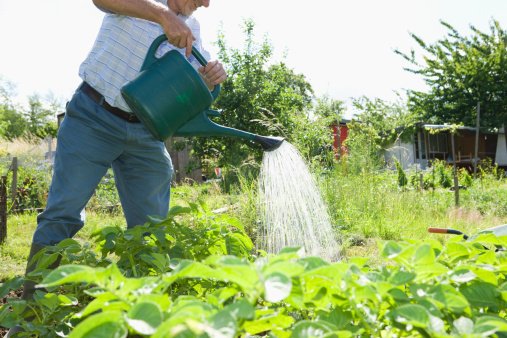
I used to love standing out in the garden with a beer and a hose, thinking I was doing a great job. But the reality is that hand-watering is usually inconsistent and superficial. You get bored, your arm gets tired, and you move on before the water has actually reached the roots. Drip irrigation is the only way to go if you want a healthy garden without spending your entire life holding a spray nozzle.
Drip systems deliver water directly to the base of the plant, right where it’s needed. There’s almost zero evaporation because the water never flies through the air. You can set it on a timer for 4:00 AM, and it will do the work while you’re still snoring. I’ve found that using soaker hoses buried under a layer of mulch is the “poor man’s” version of a pro system, and it works nearly as well.
The downside to drip systems is that they are “set it and forget it,” which leads to people forgetting to check them. Lines get clogged with mineral deposits or chewed through by thirsty squirrels. Last summer, a squirrel decided my drip line was a straw, bit a hole in it, and turned my onion bed into a pond while I was at work. You still have to walk your lines once a week to make sure everything is flowing.
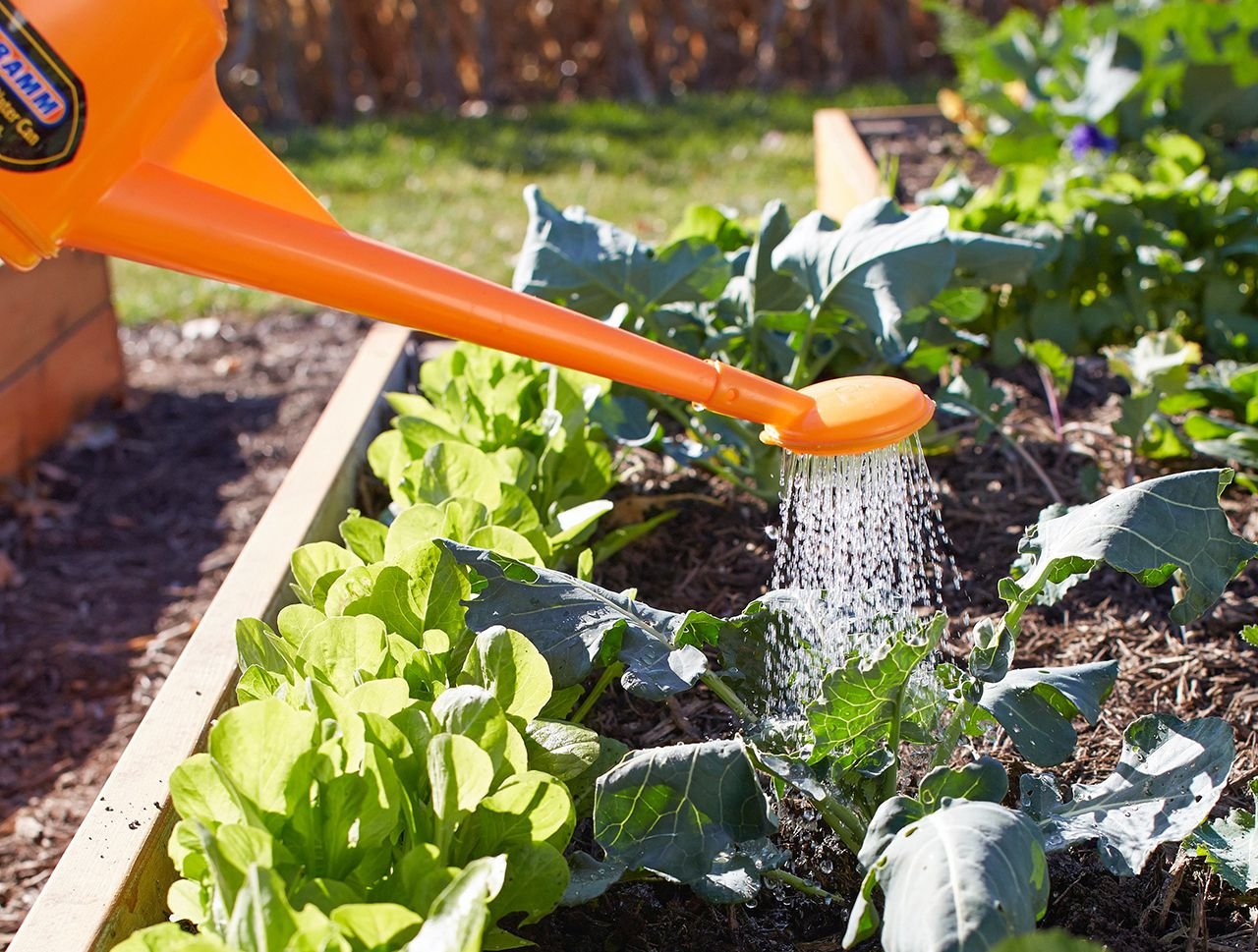
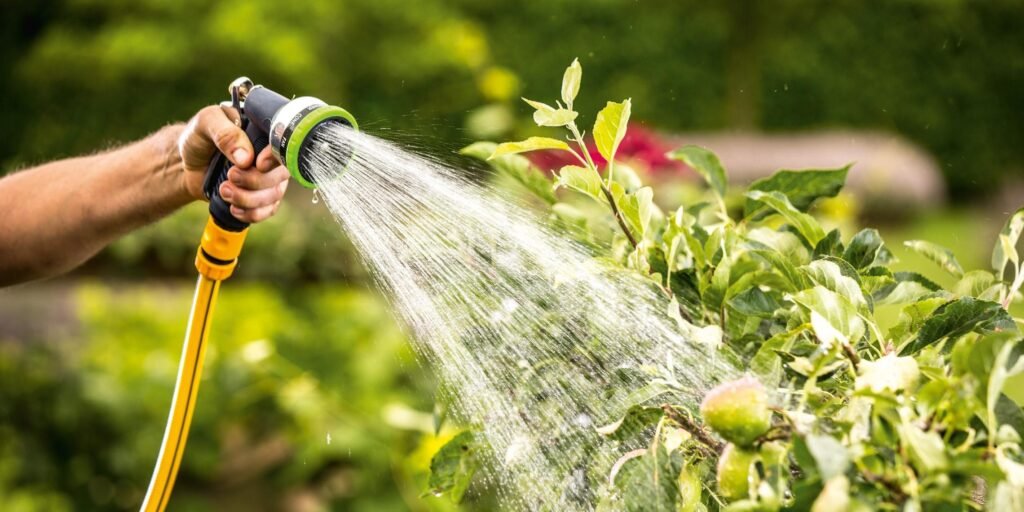
If you must stick to the hose, get a long-handled watering wand with a “breaker” head. This allows you to reach deep into the base of the plant without bending over and delivers a soft, rain-like flow that doesn’t wash away the soil. Avoid those “jet” settings unless you’re trying to blast aphids off your kale; high-pressure water can actually damage the delicate root structures near the surface.
Real Talk: What’s Not Worth Your Time
Let’s be honest: some things people tell you to do in a heatwave are a total waste of effort.
- Misting your plants: People think they are helping by spraying a fine mist over their garden. All you’re doing is increasing the humidity for thirty seconds and encouraging fungal diseases. It does nothing to hydrate the plant.
- Watering “Crystals”: Those little polymer beads that are supposed to hold water in the soil? I’ve found they are a total waste of money. In heavy clay, they don’t help, and in sandy soil, they eventually break down into a weird goo that doesn’t actually release water back to the roots effectively. Good old-fashioned compost is a much better investment.
- Automatic “Rain” Sensors: Most of the cheap ones that come with timers are garbage. They get clogged with dust or triggered by a heavy dew, and then your garden doesn’t get watered during a 100-degree day because the sensor thought it rained. Use your finger and your brain instead.
- Fertilizing in a Heatwave: Never, ever fertilize your plants when it’s over 90°F. Fertilizer encourages new growth, and new growth is tender and thirsty. You’re asking the plant to build a new room on the house when the plumbing is already failing. Wait until the heat breaks.
Parting Wisdom
If you remember nothing else, remember this: Water the soil, not the leaves. The roots are the mouth of the plant. Everything else is just decoration. If you can keep those roots cool with mulch and hydrated with deep, early-morning soakings, your garden will make it through the “dog days” of summer just fine.
Gardening is a marathon, not a sprint. You’re going to lose a few plants along the way—I certainly have—but every dead plant is just a lesson for next year. Don’t beat yourself up if your favorite petunias give up the ghost in August. Just clear them out, add some compost, and get ready for fall planting.
What’s the biggest “heatwave horror story” you’ve had in your garden? Let me know in the comments below, and let’s see if we can figure out a way to keep it from happening again!