
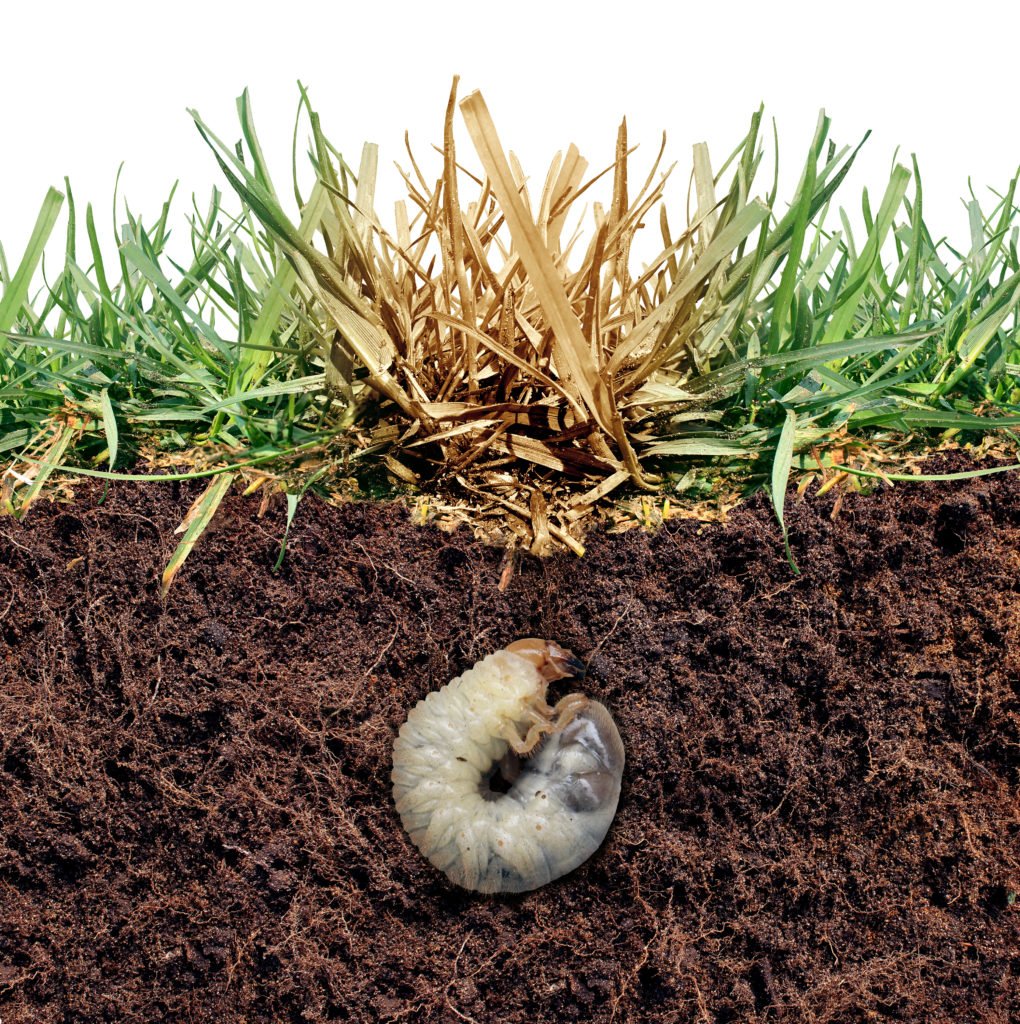
Look, if your lawn feels like you’re walking on a giant, waterlogged sponge, or if you can literally roll up your turf like a cheap rug, you’ve got grubs. I learned this the hard way back in ’12 when I thought my grass was just “tired.” I spent three months whispering sweet nothings to a patch of fescue that was actually being eaten from the bottom up by a million little translucent monsters.
Grubs are the larvae of beetles (Japanese beetles, June bugs, you name it). They live in the soil, munch on your grass roots, and attract every skunk and raccoon in a three-mile radius to dig up your yard like they’re looking for buried treasure.
You don’t need a PhD or a gallon of toxic sludge to fix this. Here is how I’ve managed to kick them out without poisoning my dog or the local bee population.
The “Are They Actually There?” Test
Before you go spending money on natural remedies, make sure you actually have a problem. I once spent a whole weekend “treating” a brown patch that turned out to be a spot where I’d spilled a bit too much weed-whacker fuel. Embarrassing.
- The Tug Test: Grab a handful of brown grass. If it stays put, it’s probably just thirsty. If it comes up with zero effort, the roots are gone.
- The Slice-and-Peel: Use a spade to cut a one-foot square of turf about three inches deep.
- The Count: Peel it back. If you see more than 6 to 10 C-shaped, white, squishy larvae, it’s go-time. If you see one or two, let ’em be. A few grubs are just part of the ecosystem; don’t be a micromanager.
Milky Spore: The Long Game
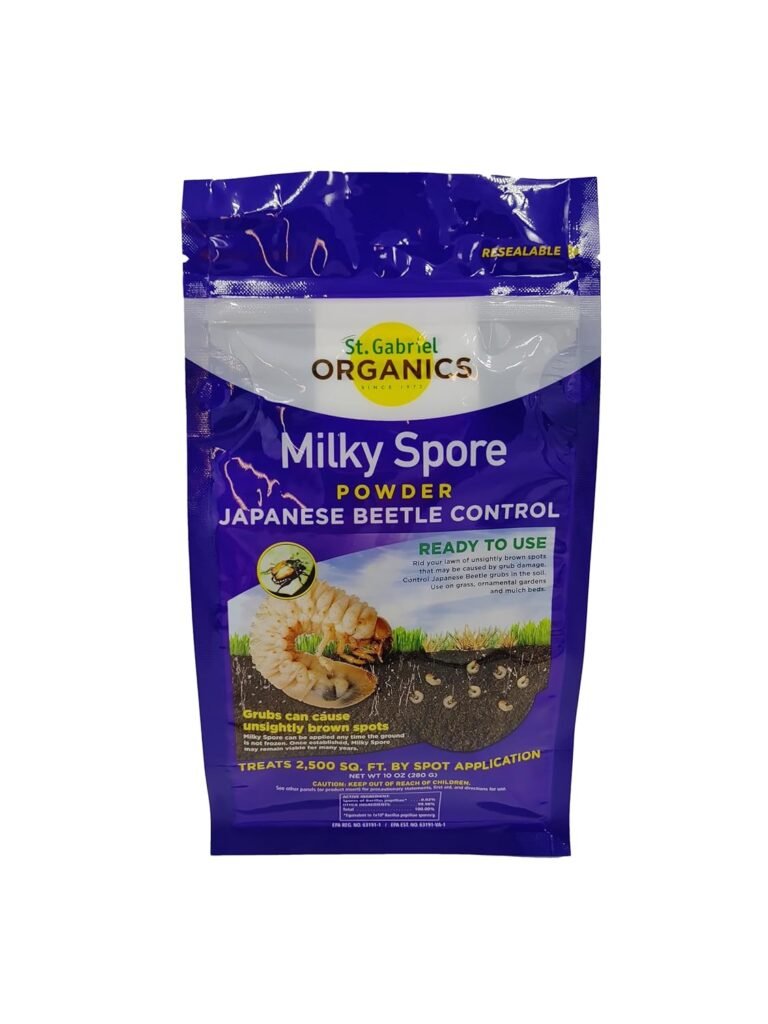
If you’re looking for a “one and done” solution and you have a lot of Japanese beetle grubs, Milky Spore is my favorite tool. It’s a bacterium (Paenibacillus popilliae) that only affects the grubs. They eat it, they get “milky” and die, and then they release more spores into your dirt.
Why I Like It
- Safety: It won’t hurt your kids, your cats, or the earthworms.
- Longevity: Once it’s established, it can stay in your soil for 10 to 15 years.
Why It Might Annoy You
- Patience: This isn’t a “kill them tonight” situation. It takes a couple of seasons to really build up a colony in your soil.
- Specific Diet: It primarily targets Japanese beetle grubs. If you have June bug larvae, they’ll just wave at the spores as they walk by.
Pro-tip: Don’t use a broadcast spreader for the powder version. You’ll end up with a white cloud in your face and none on the lawn. Use a “spot” application method every four feet.
Beneficial Nematodes: The Tiny Assassins
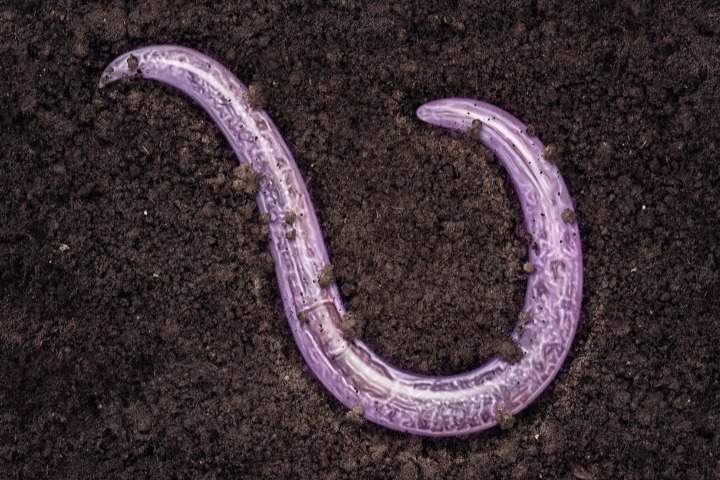
If you want those grubs dead now, nematodes are the way to go. These are microscopic roundworms that hunt down grubs like heat-seeking missiles. I used these the summer my zucchini took over the entire ZIP code—I figured if the garden was going to be a jungle, the soil should at least have its own private security force.
How to actually make them work
I see people fail with nematodes all the time because they treat them like fertilizer. These are living creatures. If you treat them like dirt, they’ll die.
- Buy the right ones: You want Heterorhabditis bacteriophora (HB). Just call them “HB” so you don’t sound like you’re casting a spell.
- Check the date: If the package is expired, you’re just spraying expensive water.
- Timing is everything: Apply them in late summer or early fall when the grubs are young and close to the surface.
- Sunlight is the enemy: UV rays kill nematodes. Apply them at dusk or on a very cloudy, drizzly day.
- Keep it wet: Nematodes need a film of water to swim through the soil. Water your lawn before you apply them and after. If the soil dries out in the first week, your tiny army is toast.
Neem Oil: The Multi-Tasker

I keep a big jug of cold-pressed Neem oil in my shed at all times. It’s the Swiss Army knife of organic gardening. It doesn’t necessarily kill the grub on contact, but it messes with their heads. It acts as a growth regulator and a repellent.
- How to use it: Mix it with water and a tiny drop of dish soap (to make it stick) and drench the affected areas.
- The Benefit: It also keeps the adult beetles from wanting to lay eggs in your grass in the first place.
Changing the “Vibe” of Your Yard
Sometimes the best way to get rid of a guest is to make your house uncomfortable for them. Grubs love moisture and short, manicured grass.
- Let it Grow: I keep my mower deck at the highest setting (about 3.5 to 4 inches). Taller grass has deeper roots and makes it harder for beetles to reach the soil to lay eggs.
- The “Drought” Strategy: In July and August, when the beetles are laying eggs, stop watering. The eggs need moisture to hatch. If the soil is bone-dry, the eggs shrivel up. Your grass might go dormant (brown), but it’ll wake up in the fall. Grubs, however, don’t come back from the dead.
- Aeration: If your soil is as hard as a brick, the grubs have a field day in the top layer. Aerating helps the natural predators (and your treatments) get down deep.
Real Talk: What’s Not Worth Your Time
I’ve tried every “home remedy” circulating on the internet, and most of them are total junk. Save your energy for something else, like yelling at the squirrels to get out of the bird feeder.
1. Dish Soap Drenches
People tell you to pour a bottle of Dawn on your lawn. While it might make a few grubs surface so you can see them, it doesn’t solve the infestation. Plus, it can strip the protective waxy coating off your grass blades, leaving you with a clean but dead lawn.
2. Spiked Sandals
You’ve seen those “aerator shoes” with the long spikes. People think they can stomp the grubs to death. Trust me, the odds of you actually impaling a tiny grub in a 1,000-square-foot yard are about the same as winning the lottery. You’ll just end up with sore ankles and a neighbors who think you’ve lost your mind.
3. “Just Get a Bird”
I love birds. I built a dozen bluebird houses one winter. But while birds eat grubs, they only do it by digging. If you rely on crows or starlings to fix your grub problem, they’ll leave your lawn looking like a lunar landscape.
Side Note: If you see a skunk digging small, “conical” holes in your yard, he’s actually helping you eat the grubs. But… then you have a skunk. It’s a trade-off I usually lose.
Alternative Solutions
- Attract the Good Guys: Plant flowers like dill, fennel, or yarrow. These attract parasitic wasps. Don’t panic—these wasps don’t sting humans; they lay their eggs inside grubs. It’s like a sci-fi movie happening under your feet.
- Cedar Chips: I’ve found that using cedar mulch in garden beds near the lawn helps a bit. The smell is a natural repellent for many beetles.
- The “Sacrificial” Plant: I sometimes plant a patch of Zinnias far away from my prized roses. The Japanese beetles love Zinnias. They flock there, I knock them into a bucket of soapy water, and they never make it to the lawn to lay eggs.
Parting Wisdom
The biggest mistake I ever made was aiming for a “perfect” lawn. A perfect lawn is a monoculture that’s fragile and delicious to pests. A healthy lawn has a mix of grass types, a little clover (which fixes nitrogen for free!), and a few bugs here and there.
If you have a few grubs, don’t lose sleep over it. Your grass can handle a little nibbling. But if the crows are starting to treat your yard like a buffet, grab some nematodes and get to work at sunset.
Have you tried peeling back a patch of your grass yet to see what’s actually living down there? Would you like me to walk you through how to mix those nematodes so you don’t accidentally drown the whole batch? Let us know in the comment box below.