
If your backyard looks like the set of a low-budget horror movie—all dark shadows, damp moss, and a vibe that says “nothing lives here but spiders”—don’t throw in the towel just yet. I spent my first three years as a gardener trying to force sun-loving marigolds and zinnias to grow under a massive, stubborn red oak. It was a massacre. I had a graveyard of crispy, leggy stems that looked like they were reaching for a sun that never came.
I’ve since discovered that shade isn’t a curse; it’s an opportunity to grow things that actually have some personality. You just have to stop fighting the shadows and start working with them. After fifteen years of dragging bags of mulch and accidentally digging up my own irrigation lines, I’ve figured out which shade perennials are “bomb-proof” and which ones are just expensive ways to frustrate yourself.
Here are the 11 plants that have earned a permanent spot in my dirt, plus some hard-earned wisdom on how not to kill them.
1. Hellebores: The “I Can’t Believe It’s January” Plant
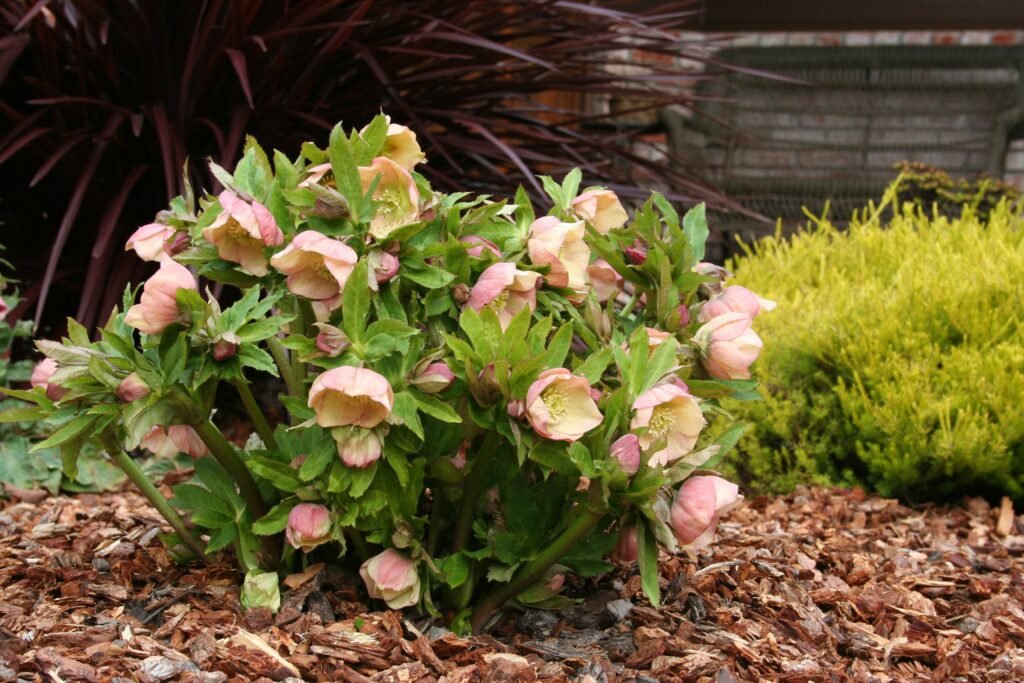
I call these the “early birds” of the garden, but that’s an understatement. These things are tough as nails. One February, we had a freak ice storm that coated everything in two inches of glass. I looked out the window, saw my Hellebores bowed over under the weight, and thought, Well, there goes forty bucks. Two days later, the ice melted, and those suckers popped right back up like nothing happened, flowers and all.
Why you want them
They bloom when everything else is gray and depressing. The flowers look like nodding bells, and the foliage stays green almost all year.
My “dirt-under-the-nails” tip
Don’t plant them too deep. If you bury the “crown” (the part where the stems meet the roots), they’ll just sit there and pout for three years without flowering. Also, around late winter, the old leaves will look like shredded leather. Cut them off. Just do it. It feels wrong, but it lets the new flowers shine.
2. Hostas: The Buffet for Slimy Guests
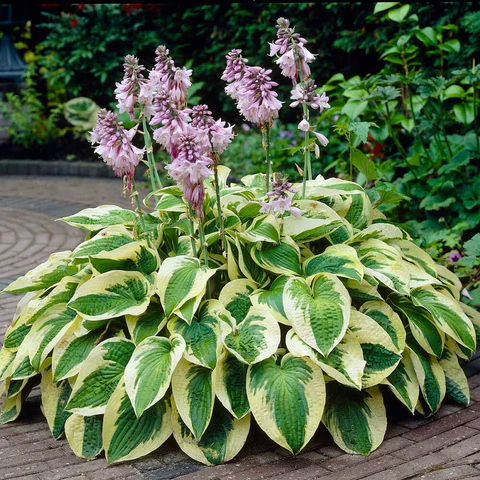
You can’t talk about shade without Hostas. They are the bread and butter of the shady garden. But here’s the thing: most people buy the boring, plain green ones. Don’t be that person. If you’re going to plant a Hosta, go big or go home.
The variety matters
I’m a huge fan of ‘Sum and Substance.’ It gets absolutely massive—like, “hide a small child inside it” massive. On the flip side, ‘Blue Mouse Ears’ is tiny and adorable. My personal favorite is ‘June’ because the gold and blue-green leaves look like someone painted them by hand.
The “Oh No” Moment
Slugs. If you live anywhere with a hint of moisture, slugs will treat your Hostas like a five-star salad bar. I once ignored a slug problem for a week and came back to find my beautiful ‘Empress Wu’ looking like a piece of Swiss cheese. Forget those expensive copper tapes or eggshells; they don’t work. Get a shallow tuna can, fill it with the cheapest beer you can find, and bury it rim-level. The slugs crawl in, get happy, and check out permanently.
3. Japanese Forest Grass: Hair for Your Flowerbeds
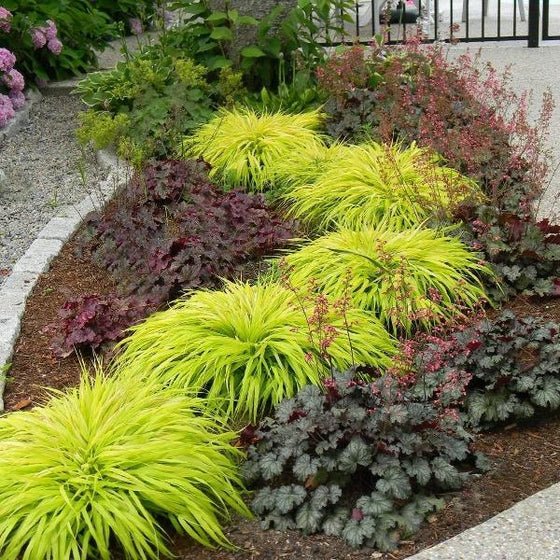
If you want your garden to look like it belongs in a magazine, buy some Hakonechloa. It’s a mouthful to say, so just call it Japanese Forest Grass. It looks like a waterfall of bright yellow hair flowing over the ground.
Why it’s worth the splurge
It moves in the breeze. Most shade plants are pretty static, but this stuff ripples. I planted a row of the ‘Aureola’ variety along a stone path, and it completely transformed the space from “dark corner” to “zen retreat.”
I’ve found that…
Dividing this plant is a pain in the neck. I tried to split a clump with a spade once and ended up breaking the handle of the shovel. The root systems are incredibly dense. If you want more, just buy more. Your lower back will thank you.
4. Astilbe: The Thirsty Dancers
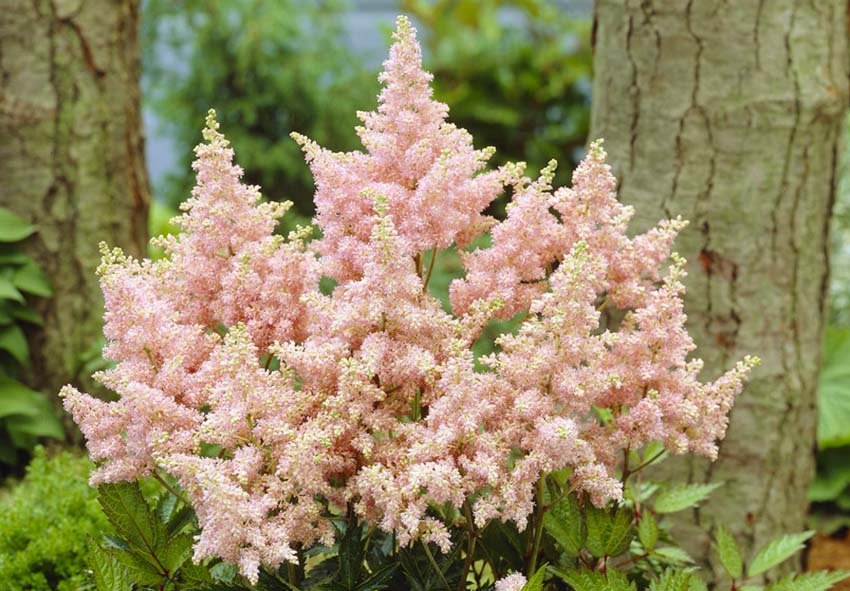
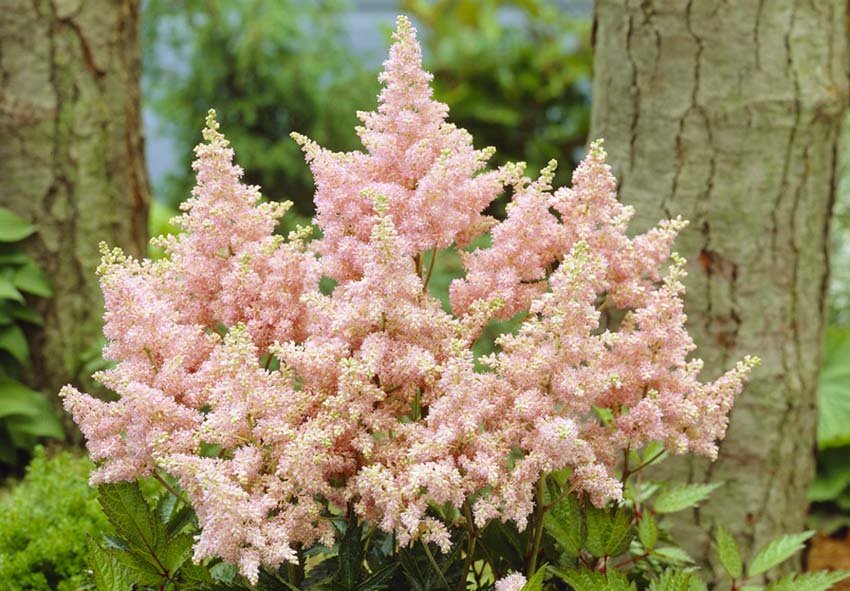
Astilbes have these feathery plumes that look like someone stuck a colorful duster in the ground. They come in pinks, reds, and whites, and they’re gorgeous. But let me give you a fair warning: these plants are the biggest drama queens in the botanical world.
The “Drama Queen” Factor
If an Astilbe gets even slightly dry, it doesn’t just wilt; it turns into a crisp. I forgot to water mine during a particularly hot July, and by the time I remembered, they looked like they’d been hit with a blowtorch. They don’t “recover” well from a drought. You’ll have to stare at brown sticks for the rest of the season.
How to keep them happy
Plant them in the dampest spot you have. If you have a leaky outdoor faucet, plant an Astilbe under it. They love “wet feet,” which is a fancy way of saying they want to be soggy.
5. Bleeding Hearts: The Victorian Tragedy
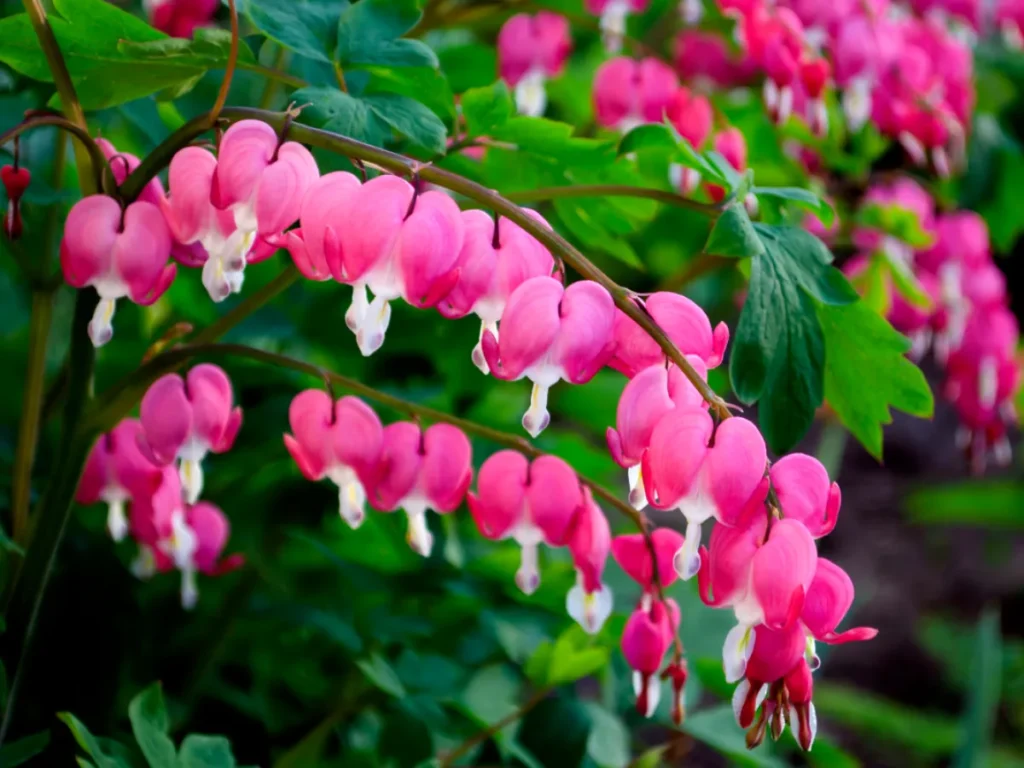
There is nothing quite as cool as a Bleeding Heart (Lamprocapnos spectabilis). The flowers literally look like little pink hearts with a drop of blood coming out the bottom. It’s very gothic and very cool.
The “Gone Girl” Trick
Here’s what no one tells you at the garden center: Bleeding Hearts are “ephemeral.” That’s a fancy gardening word for “they quit early.” By mid-July, the whole plant will probably turn yellow and disappear into the ground. The first time this happened to me, I thought I’d killed it and almost dug it up to plant something else. Don’t do that. It’s just taking a nap until next year.
My Advice
Plant them behind something else, like a Hosta or a Fern. That way, when the Bleeding Heart goes into its mid-summer disappearance act, the other plant grows over the hole and hides the mess.
6. Coral Bells (Heuchera): The Technicolor Dreamcoat
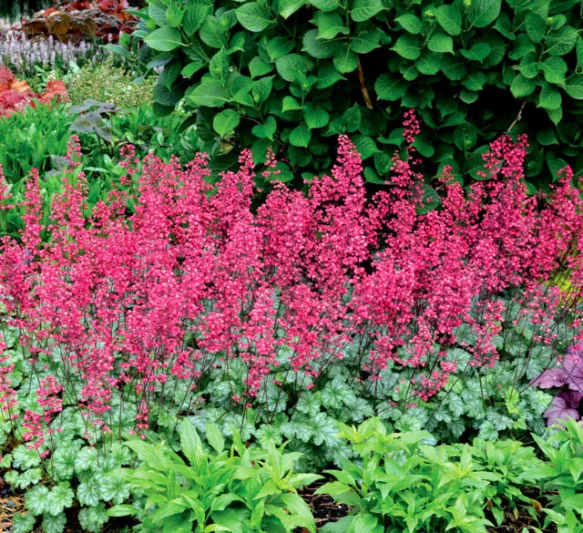
If you care more about leaves than flowers, Coral Bells are your best friend. They come in every color imaginable: deep purple, lime green, burnt orange, and even a weird silvery-rose.
Where people mess up
I see people planting these in deep, dark shade all the time. Don’t do that. They like “dappled” light. If it’s too dark, the colors will look muddy and sad. Give them a little bit of morning sun to make those colors pop.
The “Heaving” Problem
In the winter, these plants have a nasty habit of “heaving” out of the ground. The freeze-thaw cycle pushes the crown up, exposing the roots to the air. I’ve lost more than a few to a cold snap because I didn’t notice they were sitting two inches above the soil line. Check on them in January and toss some extra mulch over them if they’re looking exposed.
7. Brunnera: The “Jack Frost” That Actually Stays Alive
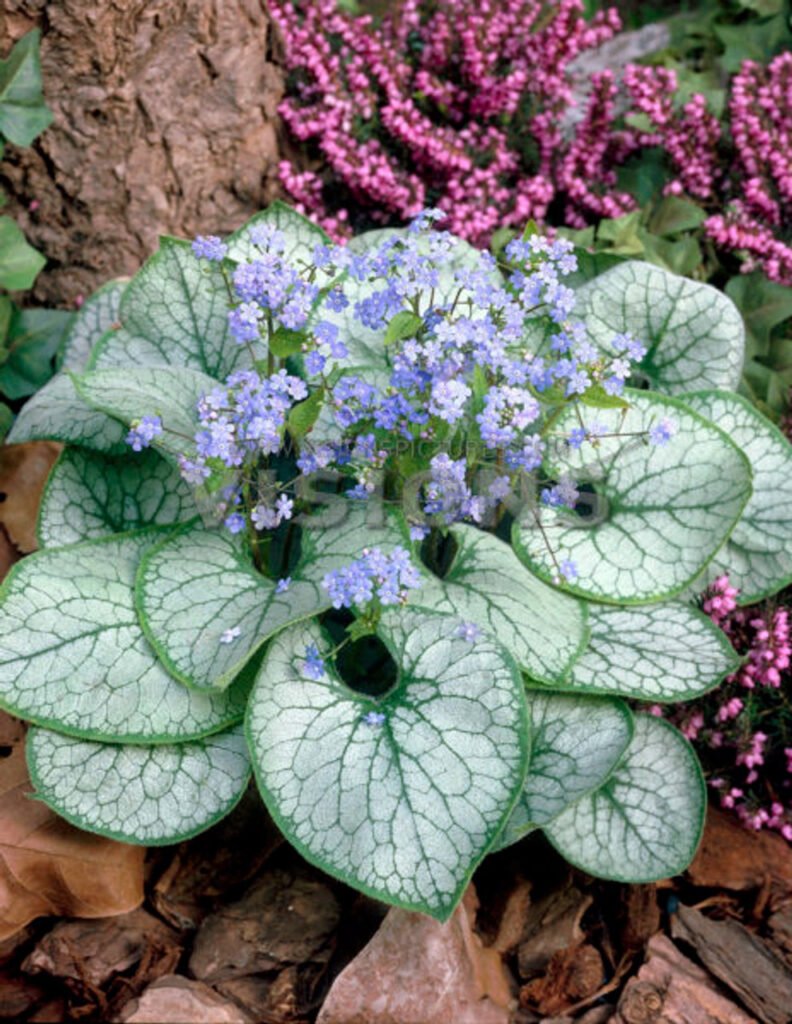
Brunnera, specifically the ‘Jack Frost’ variety, has leaves that look like they’ve been dipped in silver. It also produces tiny blue flowers in the spring that look exactly like Forget-Me-Nots.
Why I love it
Rabbits hate it. I have a local rabbit population that thinks my garden is an “all-you-can-eat” Sizzler, but they won’t touch the Brunnera. The leaves have a slightly hairy, rough texture that seems to gross them out.
Quick side note
It’s a slow grower. Don’t expect it to fill a massive space in one season. It’s a “patience” plant. I planted one five years ago, and it’s finally the size of a dinner plate.
8. Solomon’s Seal: The Understated Elegance
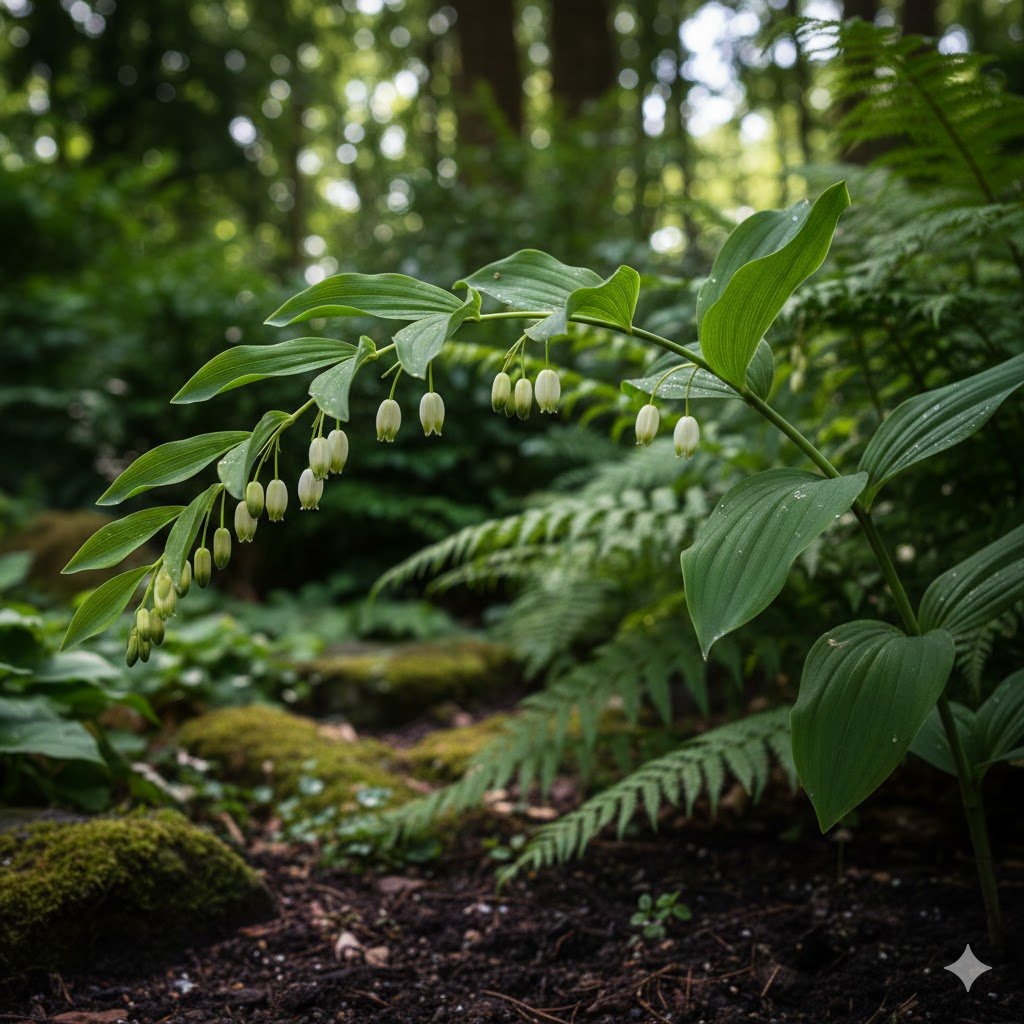
Solomon’s Seal is for the gardener who wants something that looks sophisticated without trying too hard. It has long, arching stems with white bell flowers hanging underneath.
The “Wandering” Habit
These plants grow from rhizomes (creeping roots). They don’t stay in a neat little clump. They like to wander. I planted three of them in a corner, and four years later, I had a mini-forest of them. It’s not invasive, but it’s definitely “assertive.”
My “dirt-under-the-nails” tip
Get the variegated kind (the one with white edges on the leaves). The plain green version is fine, but it tends to disappear into the background. The white edges catch whatever light hits them and make the dark corners glow.
9. Ferns: The Jurassic Park Vibe
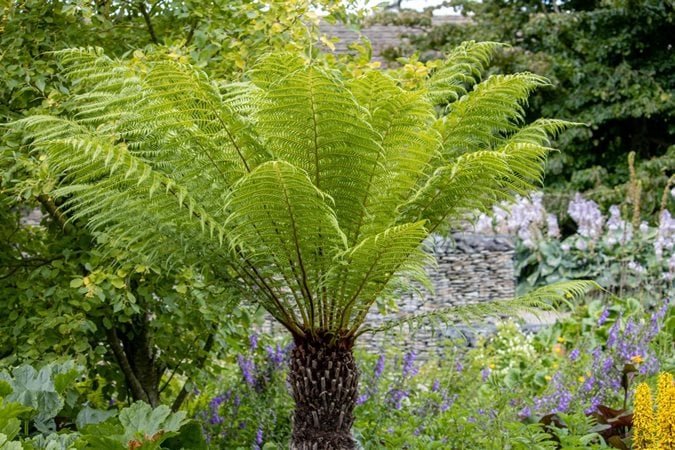
You can’t have a shade garden without ferns. It’s basically illegal. But don’t just grab a generic “fern” from the hardware store.
My top picks
- Ostrich Ferns: These get huge and look like something a dinosaur would eat. They spread fast, so give them room.
- Japanese Painted Ferns: These are stunning. They have shades of silver, purple, and green. They look like a watercolor painting.
- Autumn Ferns: These start out a beautiful copper color before turning green. They’re also one of the few ferns that don’t mind if the soil gets a little dry.
Avoid the “Hay-Scented” Fern
Unless you want your entire yard to be nothing but ferns, stay away from Hay-Scented Ferns. They spread like wildfire. I’m still pulling them out of my gravel path three years after I “removed” them.
10. Ligularia: The Elephant Ear of the North
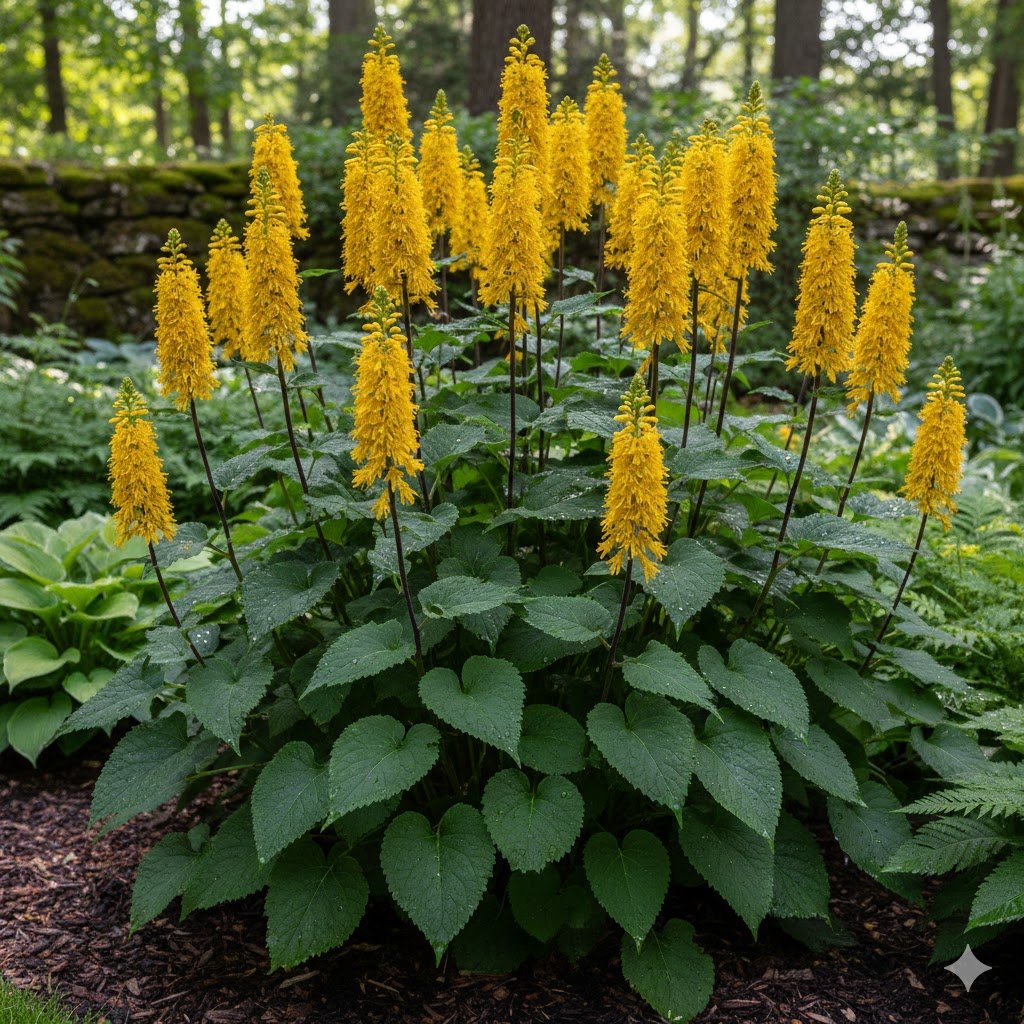
If you have a spot that is both shady and perpetually muddy, Ligularia is your answer. I have one called ‘The Rocket’ and another called ‘Brit-Marie Crawford’ (which has dark purple leaves).
The “Wilt” Factor
Ligularia is even more dramatic than Astilbe. On a hot afternoon, even if the soil is wet, the leaves will go limp and look like they’re dying. Don’t panic and drown them with the hose. They’re just “sweating.” Once the sun goes down and the temperature drops, they’ll perk right back up.
The “Real Talk” on Flowers
Some people love the tall yellow flower spikes. I think they look like giant ugly weeds. I usually cut the flower stalks off before they bloom so the plant puts all its energy into those massive, beautiful leaves. Your neighbors might think you’re crazy, but it’s your garden.
11. Tiarella: The Woodland Wanderer
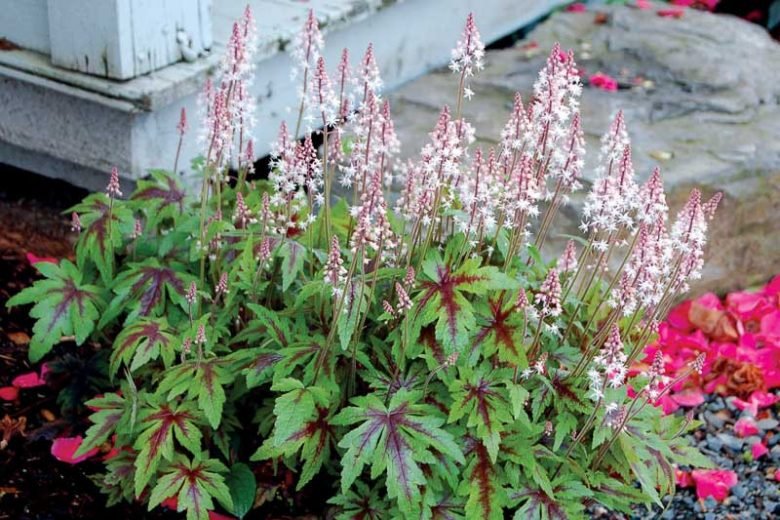
Tiarella (Foamflower) is a native plant, which means it’s used to the local nonsense—bugs, weird weather, and poor soil. It has deeply lobed leaves and fuzzy white flowers.
Why it’s better than Coral Bells
In my experience, Tiarella is much hardier than its cousin, the Heuchera. It handles deep shade better and spreads into a nice, thick groundcover that chokes out weeds. I planted a patch of ‘Sugar and Spice’ under an old maple tree where nothing else would grow, and it’s thriving.
The “Real Talk” (What They Don’t Tell You)
Let’s get real for a second. Gardening in the shade isn’t all “sipping iced tea while looking at pretty leaves.” It’s a battle. Here are a few things that aren’t worth the effort:
- “Dry Shade” is a Myth: People will tell you certain plants love “dry shade” (the area under a big tree where the roots suck up all the water). They are lying. Nothing loves dry shade. Some things merely tolerate it until they eventually give up and die. If you have dry shade, you have to water it. Period.
- English Ivy is the Devil: I don’t care how “classic” it looks. Do not plant English Ivy. It will climb your trees, choke out your perennials, and eventually try to enter your house through the windows. It’s an invasive nightmare. If you want a groundcover, use the Tiarella I mentioned earlier.
- Soil Matters More Than Light: Most shade plants are woodland plants. In the woods, the ground is covered in rotting leaves (organic matter). If you try to plant these in hard, clay-heavy “builder’s dirt,” they will fail. I spend more money on bags of compost than I do on the plants themselves. Mix a couple of inches of compost into your soil before you plant anything. It’s the closest thing to a “magic pill” in gardening.
- The “Pinterest” Garden is Fake: You’ll see photos of shade gardens with perfectly white flowers and no bugs. That’s not real life. In real life, there are mosquitoes, the white flowers turn brown after a rainstorm, and something will eventually take a bite out of your favorite leaf. That’s okay. A perfect garden is a dead garden.
Wrap Up
I’ve spent fifteen years getting my hands dirty, losing plants to squirrels, and cursing at the sky when it doesn’t rain. But there is something incredibly satisfying about walking out into a cool, lush, green shade garden on a 90-degree July day. It feels like your own private oxygen tank.
Just remember: start with the soil, watch out for slugs, and don’t be afraid to pull something out if it’s not making you happy. A plant is a guest in your garden, not a permanent resident with a lifetime lease. If it’s being a jerk, kick it out.
What’s the one plant in your yard that you’ve tried to kill three times but just keeps coming back? Would you like me to help you find a better alternative for that spot?