
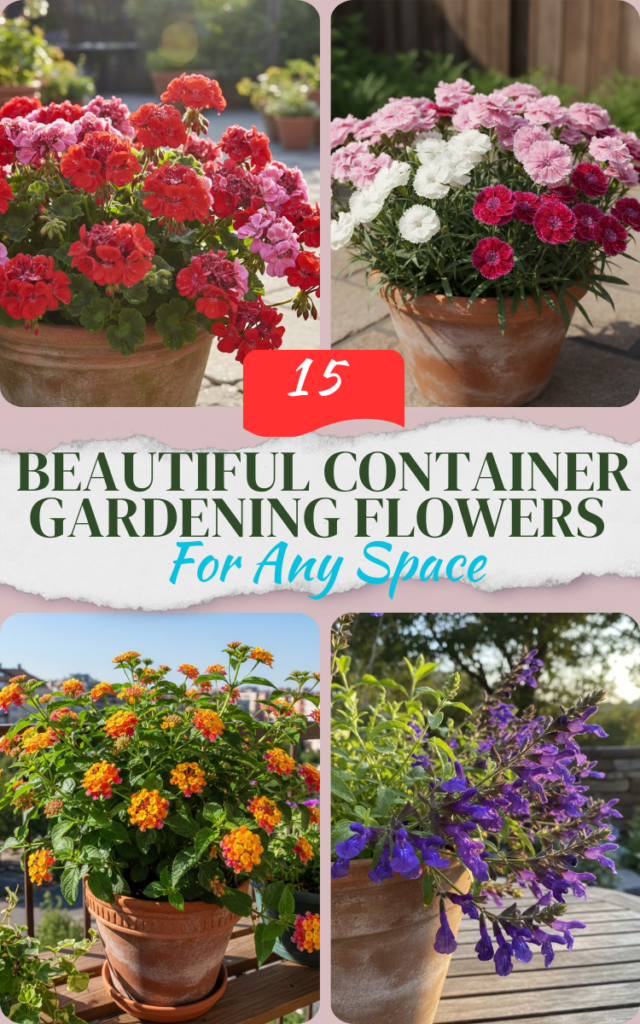
Your container garden probably starts strong in spring and then slowly turns into a sad lineup of crispy stems and regrets. I’ve been there. One summer, I planted five different flowers in one pot because Pinterest told me to. By July, it smelled like a compost experiment gone wrong.
After more than ten years of dirt-under-the-fingernails gardening, I’ve learned something the hard way: some flowers love containers, and some just pretend they do. The ones on this list are survivors. These are the plants I trust when I want color without daily drama.
These are my 15 beautiful container gardening flowers for any space—balcony, patio, front porch, or that tiny corner by the trash cans you’re trying to make “charming.”
1. Geraniums (Pelargoniums) – Best Container Flowers for Beginners
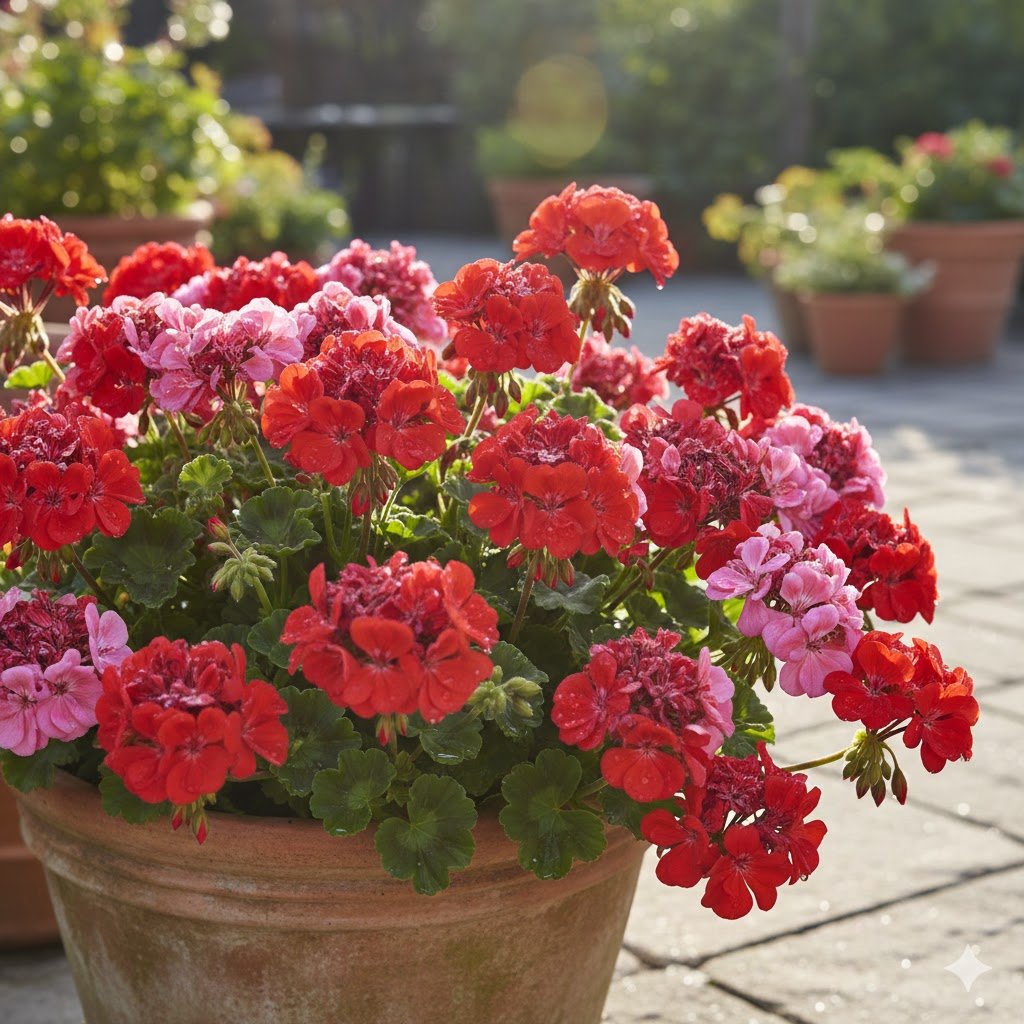
Geraniums are the friend who always shows up on time. I once forgot to water mine for almost a week during a heat wave, and they still bloomed like nothing happened. That alone earned my loyalty.
They love full sun and actually perform better when slightly ignored. Too much babying leads to floppy stems and fewer flowers. I plant them in plain potting soil with good drainage and let them dry out between waterings.
My opinion: if you want instant color with very little effort, geraniums beat most fancy flowers. They don’t care about trends. They care about sunshine and a decent pot.
2. Petunias – Classic Flowers for Hanging Baskets and Pots
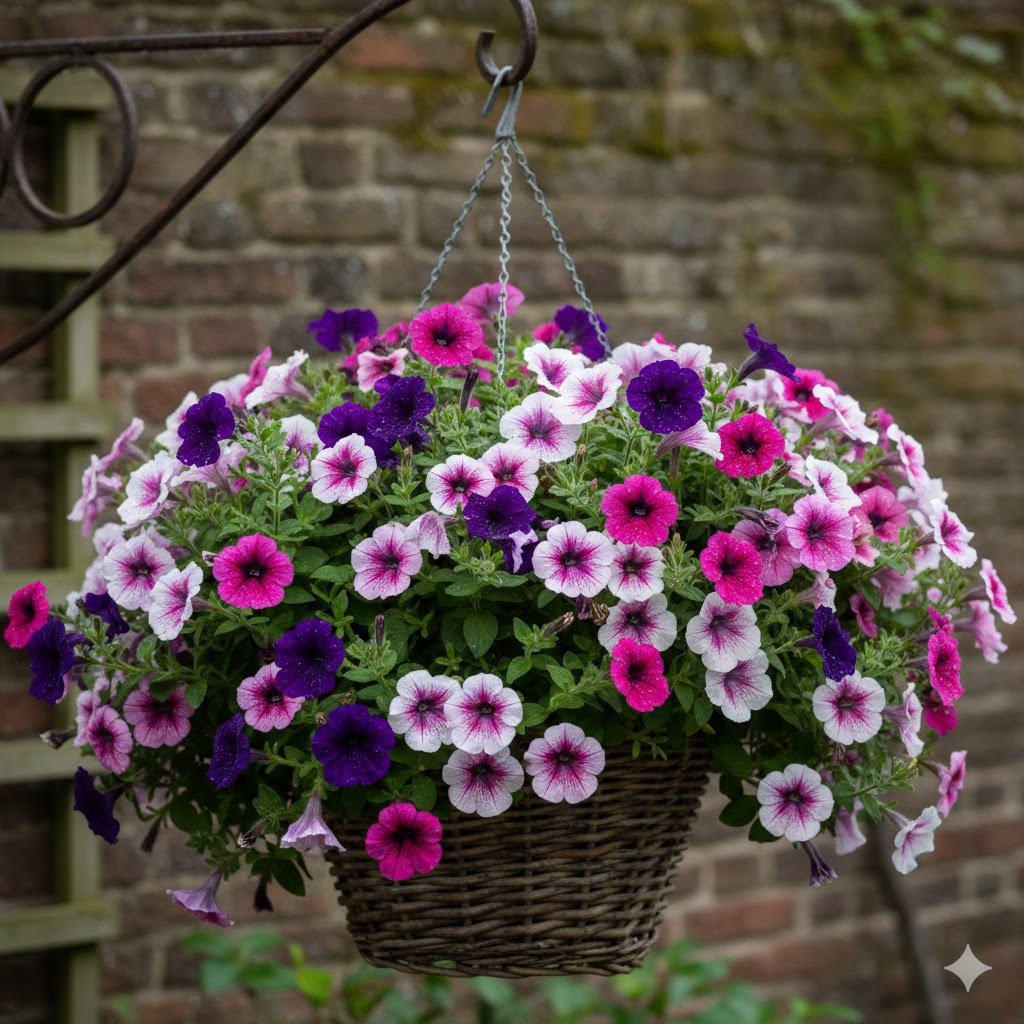
Petunias are dramatic in the best way. They trail, spill, and fill a pot fast. The summer my petunias took over my railing, neighbors thought I hired a landscaper. I did not. I just watered them consistently.
They need sun and regular trimming. If you let them get leggy, they start acting tired. A quick haircut brings them back to life in about a week.
Skip the cheap varieties that melt in heat. Spend a little more on wave or supertunia types. They bloom like champions and forgive missed waterings better.
3. Marigolds – Tough Container Flowers for Hot Weather
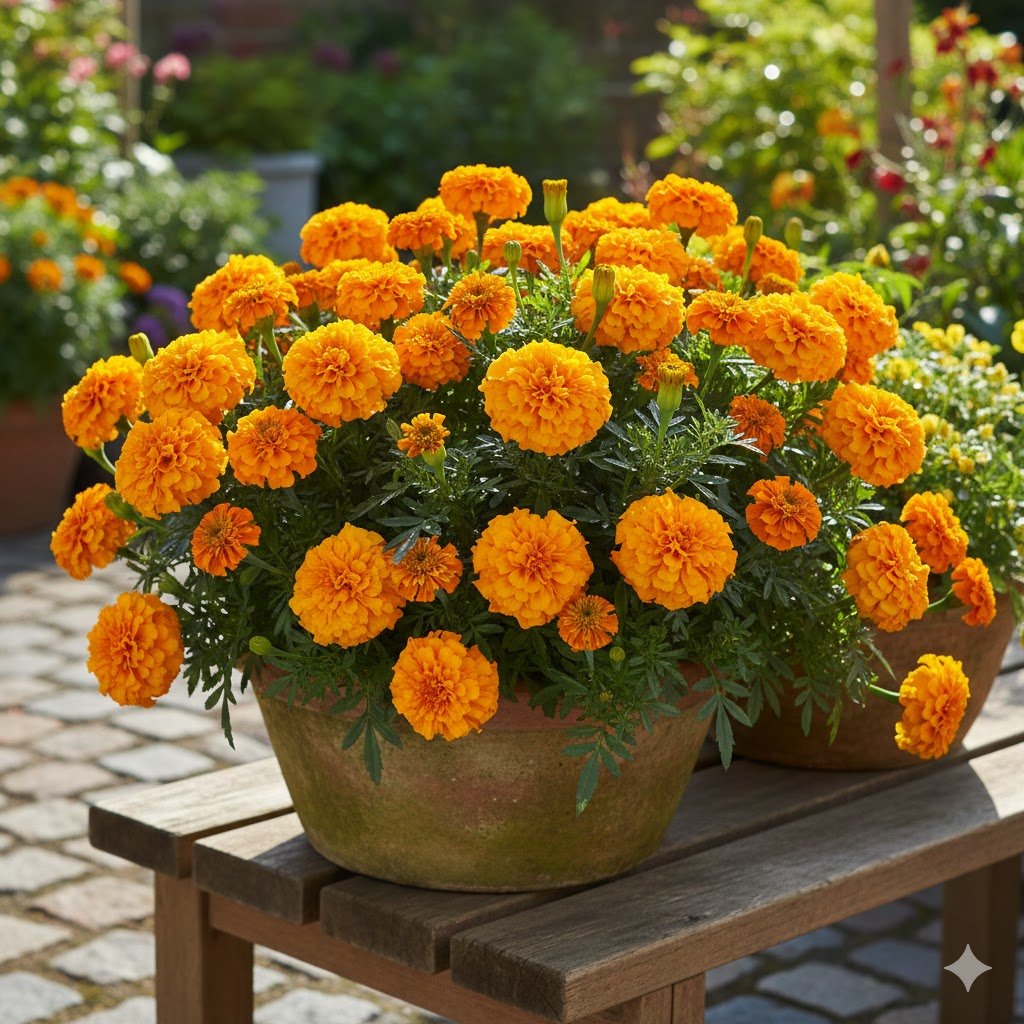
Marigolds smell like summer and victory. These things laugh at heat. I once planted them in black pots during August. Terrible decision for most plants. Marigolds thrived anyway.
They don’t need rich soil. In fact, too much fertilizer makes them leafy instead of flowery. Sun, basic soil, and occasional water are enough.
Bonus: bugs hate them. I plant marigolds near tomatoes and herbs in containers, and it helps keep pests from throwing parties.
4. Begonias – Shade-Loving Flowers for Containers
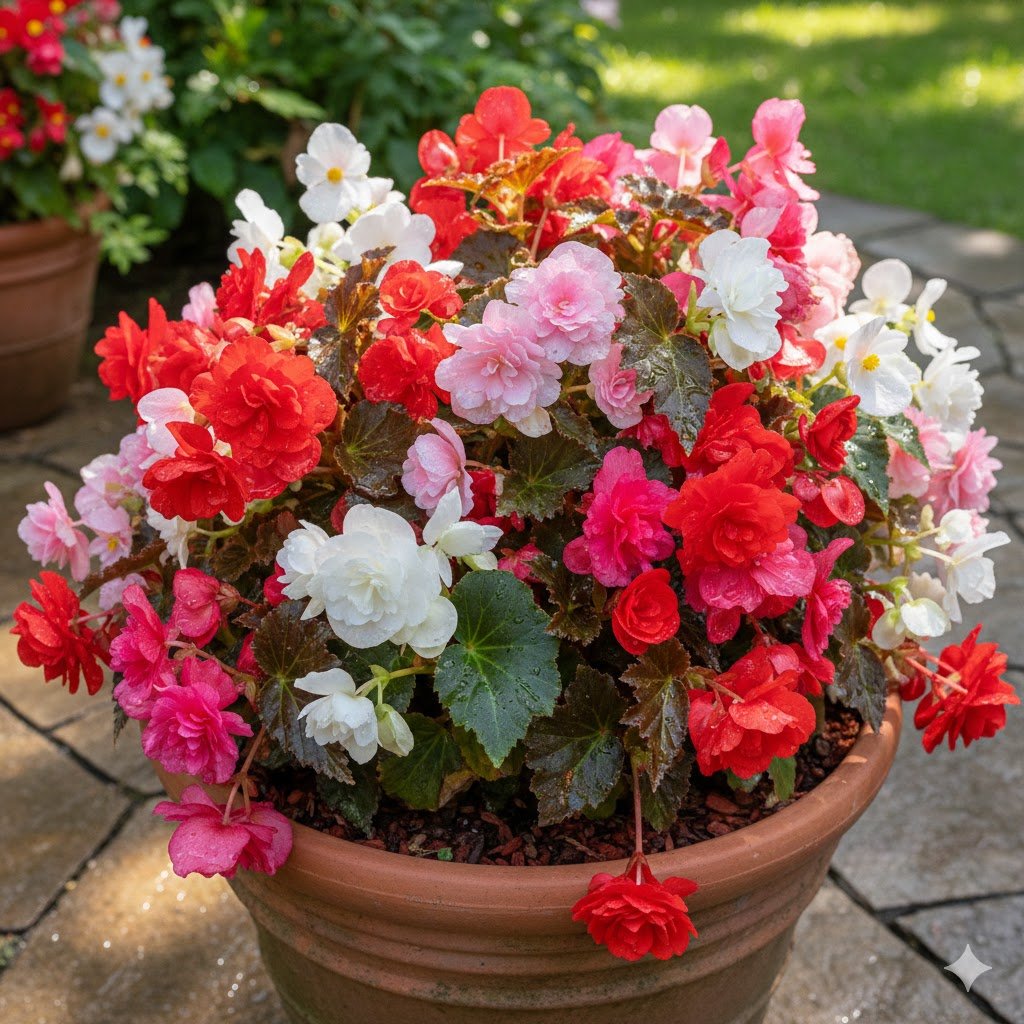
Begonias saved my north-facing porch. Everything else failed there. These didn’t.
They love bright shade and consistent moisture. If you give them soggy soil, they rot. If you forget to water, they sulk. There’s a sweet spot, and once you find it, they bloom nonstop.
I use begonias when I want color without direct sun. They feel like cheating because they make shady spaces feel alive.
5. Calibrachoa (Million Bells) – Petunia’s Easier Cousin
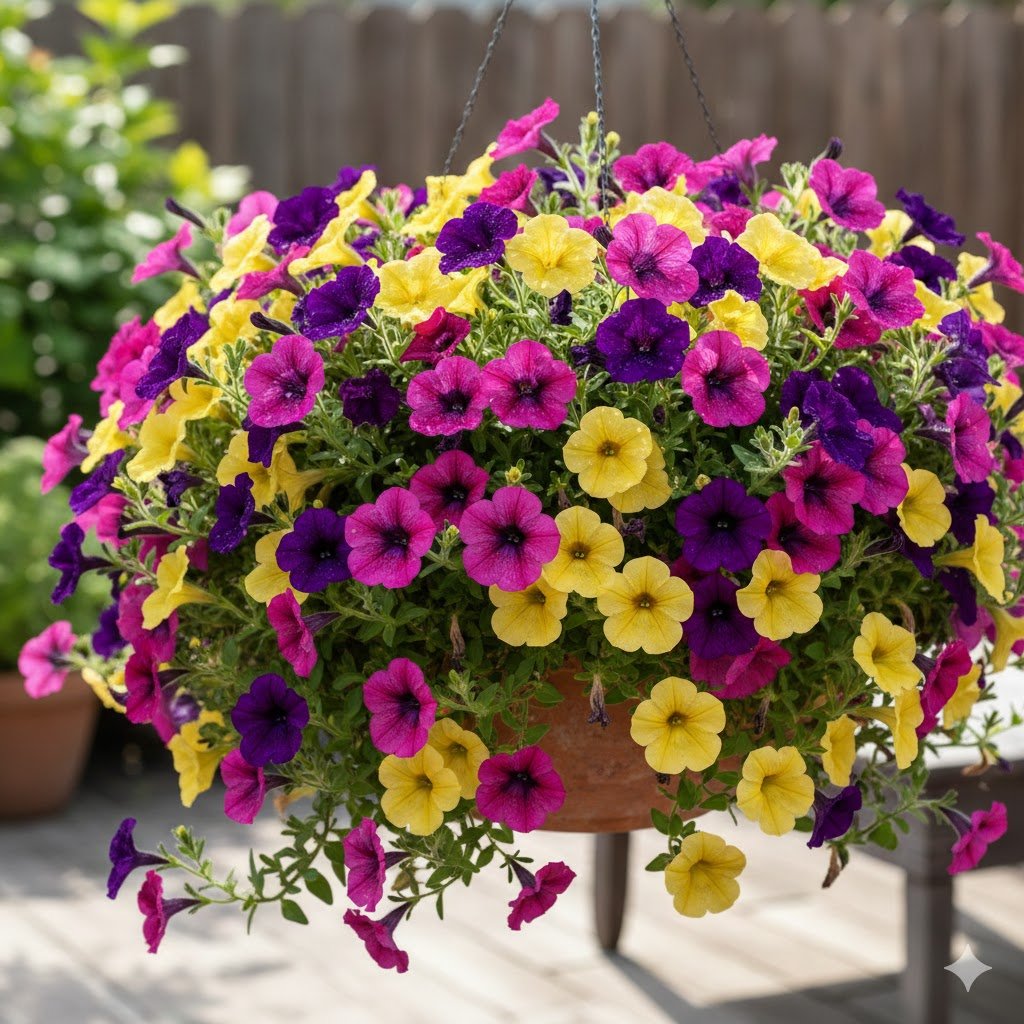
Calibrachoa looks like tiny petunias with a better attitude. They don’t need as much trimming and keep flowering without much fuss.
They love sun and good drainage. I mix them with trailing plants and let them spill over the edges of pots. They turn boring containers into something people comment on.
Real talk: they hate soggy soil. One rainy week can wipe them out if your pot doesn’t drain well.
6. Zinnias – Bright Container Flowers for Full Sun
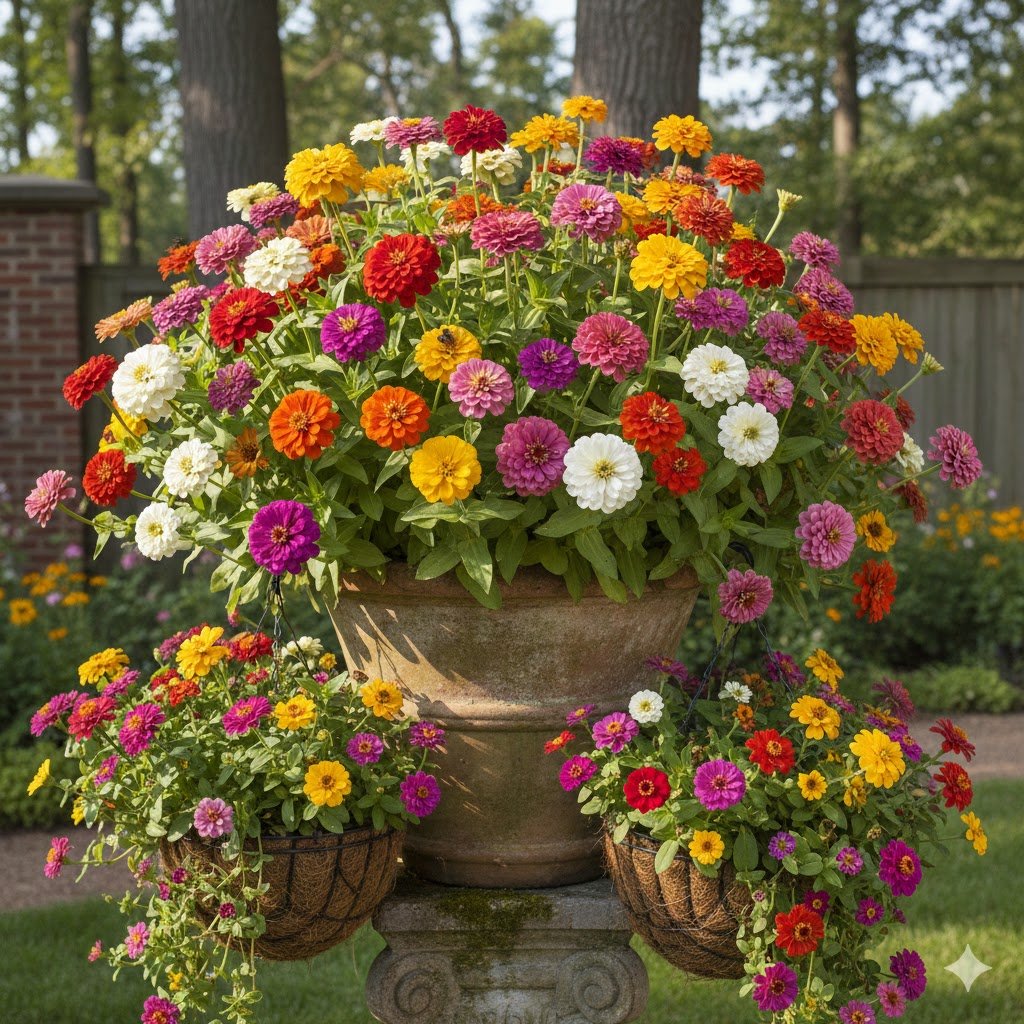
Zinnias are loud. In a good way. My first year growing them, I underestimated how tall they’d get. One pot turned into a jungle.
They need sun and airflow. Crowding them leads to powdery mildew, which is annoying and ugly. Give them space and they reward you with bold blooms.
They also attract butterflies. That alone makes them worth planting in containers near seating areas.
7. Impatiens – Reliable Flowers for Shady Containers
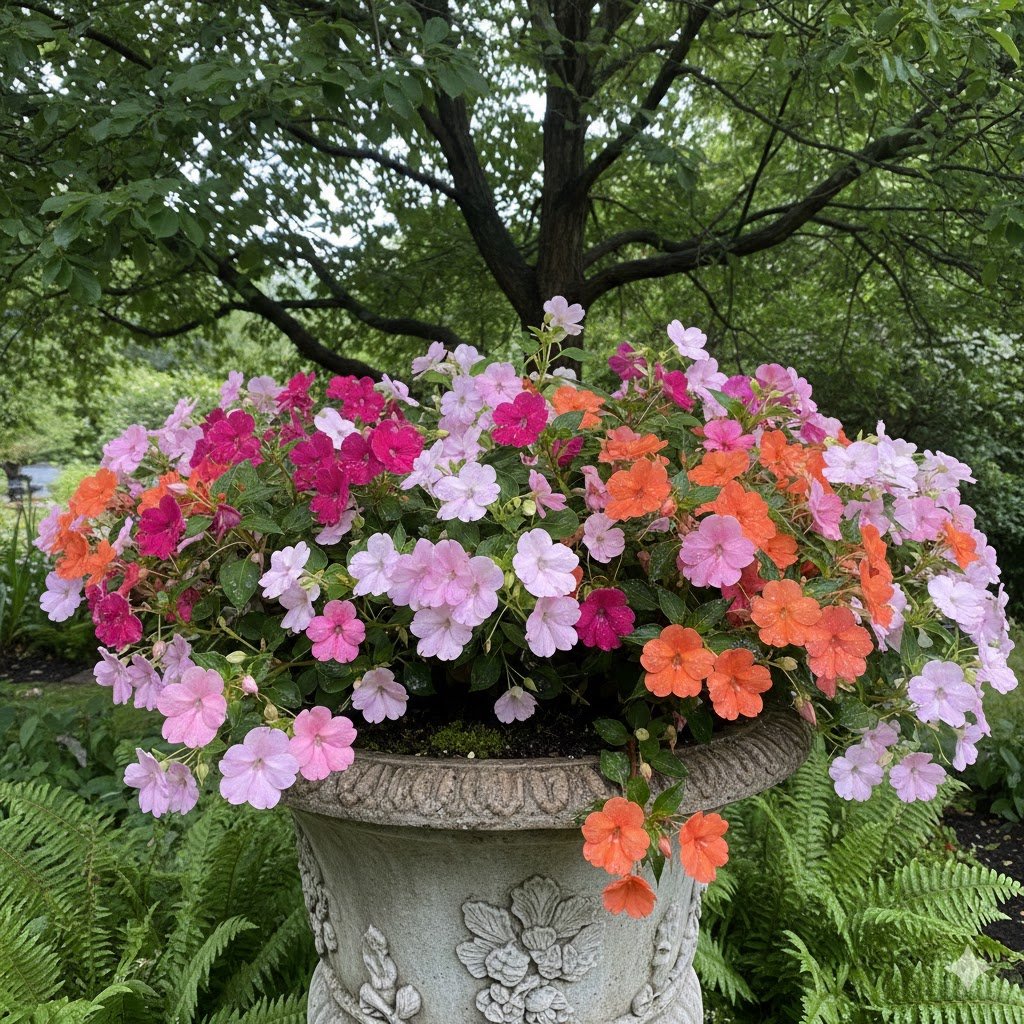
Impatiens are old-school for a reason. They work. I use them when I want dependable color in shady spots without experimenting.
They like moisture and hate dry soil. Skip them if you forget to water regularly. These plants hold grudges.
I mix impatiens with ferns and coleus for easy porch containers that feel lush without being high-maintenance.
8. Verbena – Heat-Tolerant Container Flowers
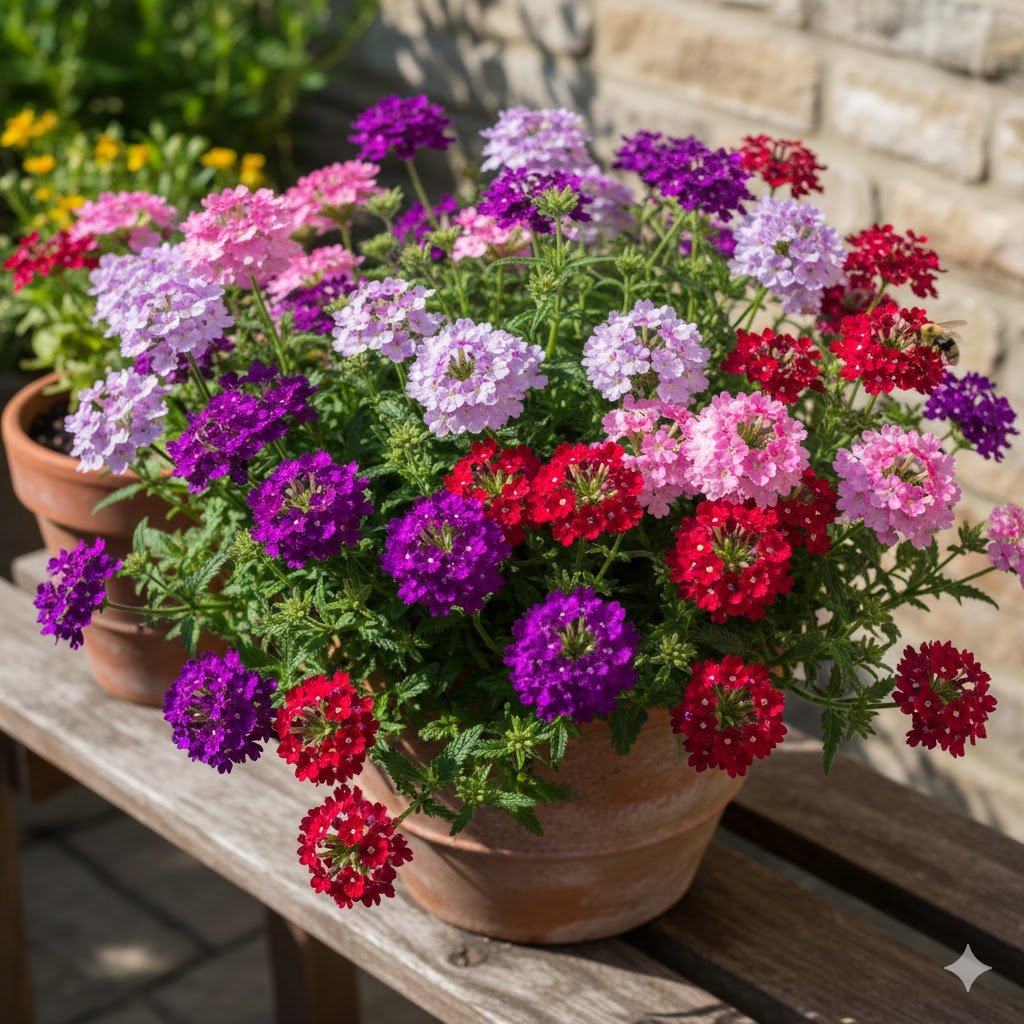
Verbena is one of those plants that quietly outperforms everything else. It handles heat, blooms nonstop, and doesn’t complain much.
It likes sun and slightly dry soil. Overwatering makes it floppy and weak. I learned that the hard way after drowning a perfectly good plant.
Verbena works great in hanging baskets and mixed pots. It fills gaps and keeps flowering when other plants tap out.
9. Lantana – Best Flower for Hot, Dry Balconies
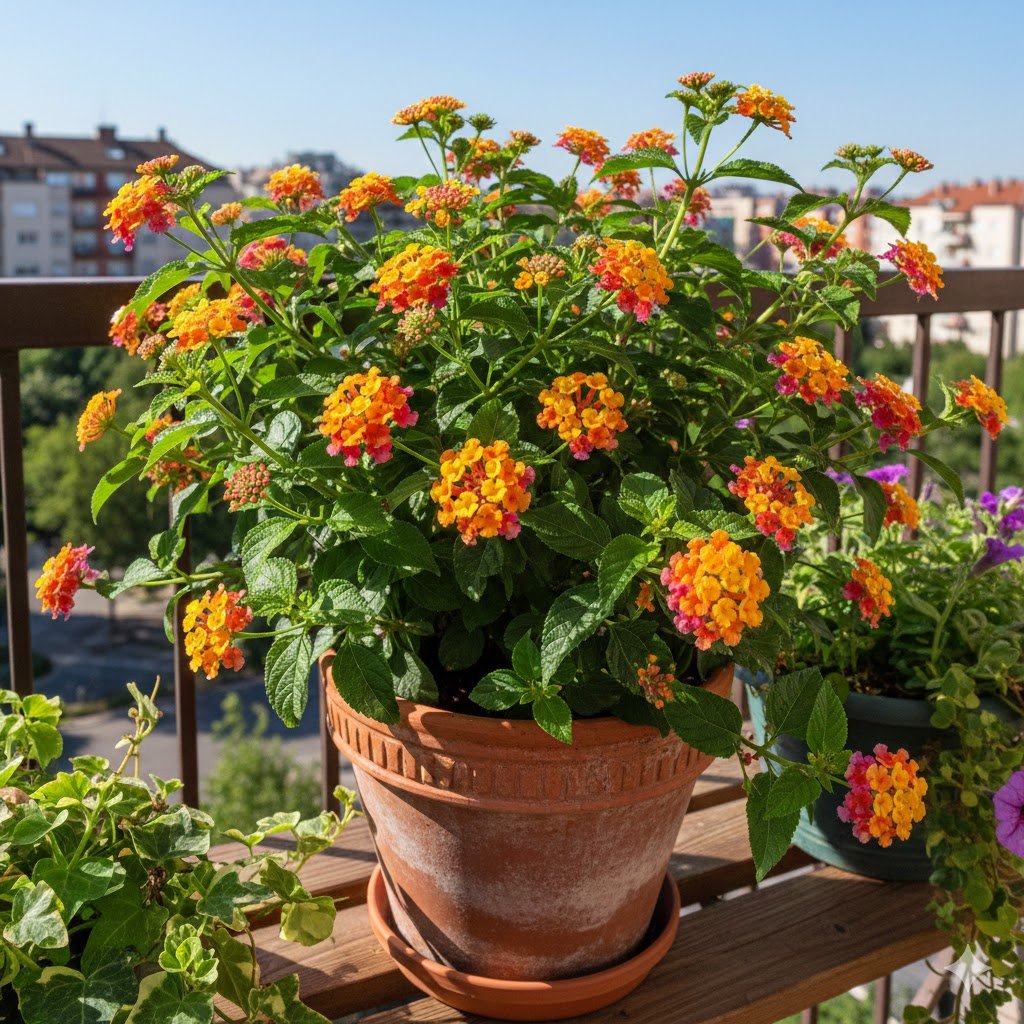
Lantana is basically a desert warrior. I planted it during a summer where everything else crisped up. Lantana kept blooming like it was on vacation.
It loves sun and dry soil. If your space gets blasted with heat all day, this is your plant.
Butterflies adore lantana. If you like movement and color in your containers, this one delivers.
10. Pansies – Cool Weather Container Flowers
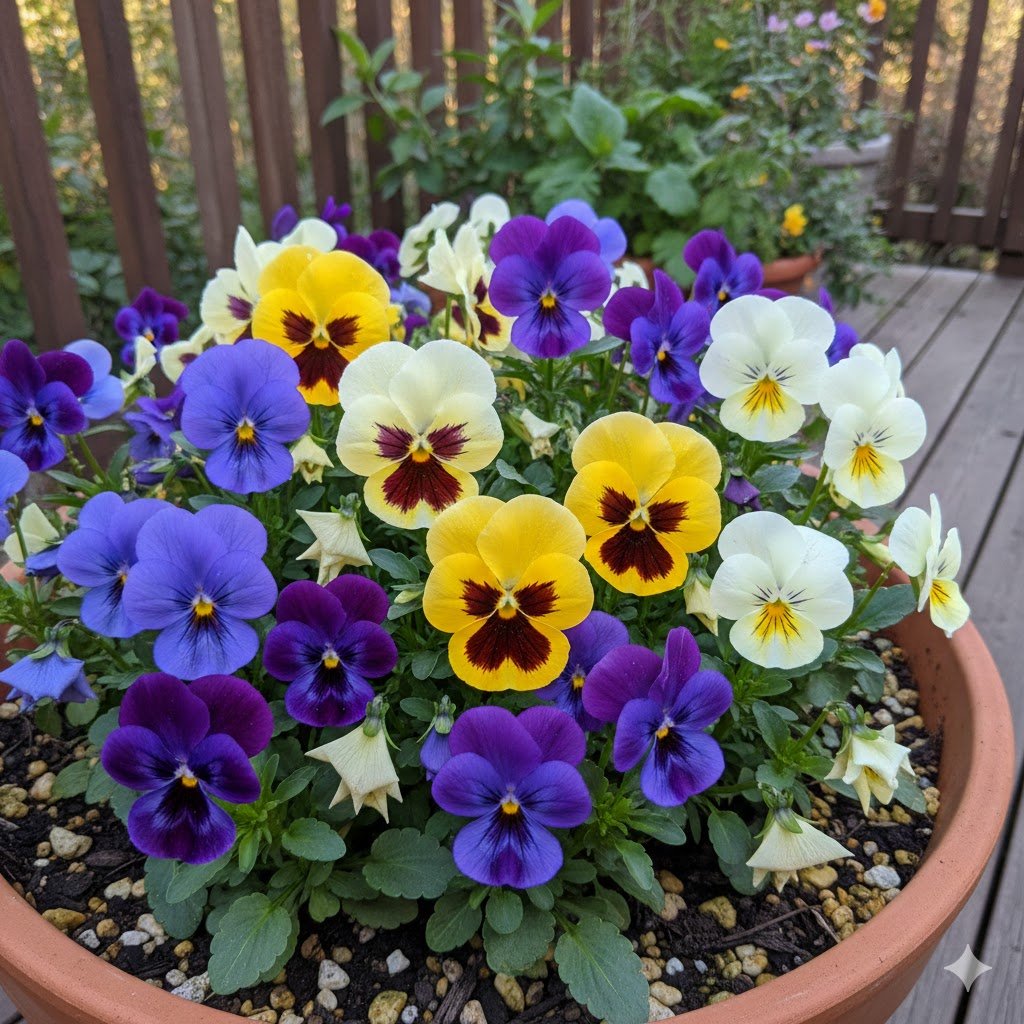
Pansies shine in spring and fall. Summer heat makes them sad, but during cooler months, they’re unbeatable.
They like sun to part shade and consistent moisture. I plant them when nights are still cool and remove them once temperatures spike.
They’re perfect for early-season color when everything else is still waking up.
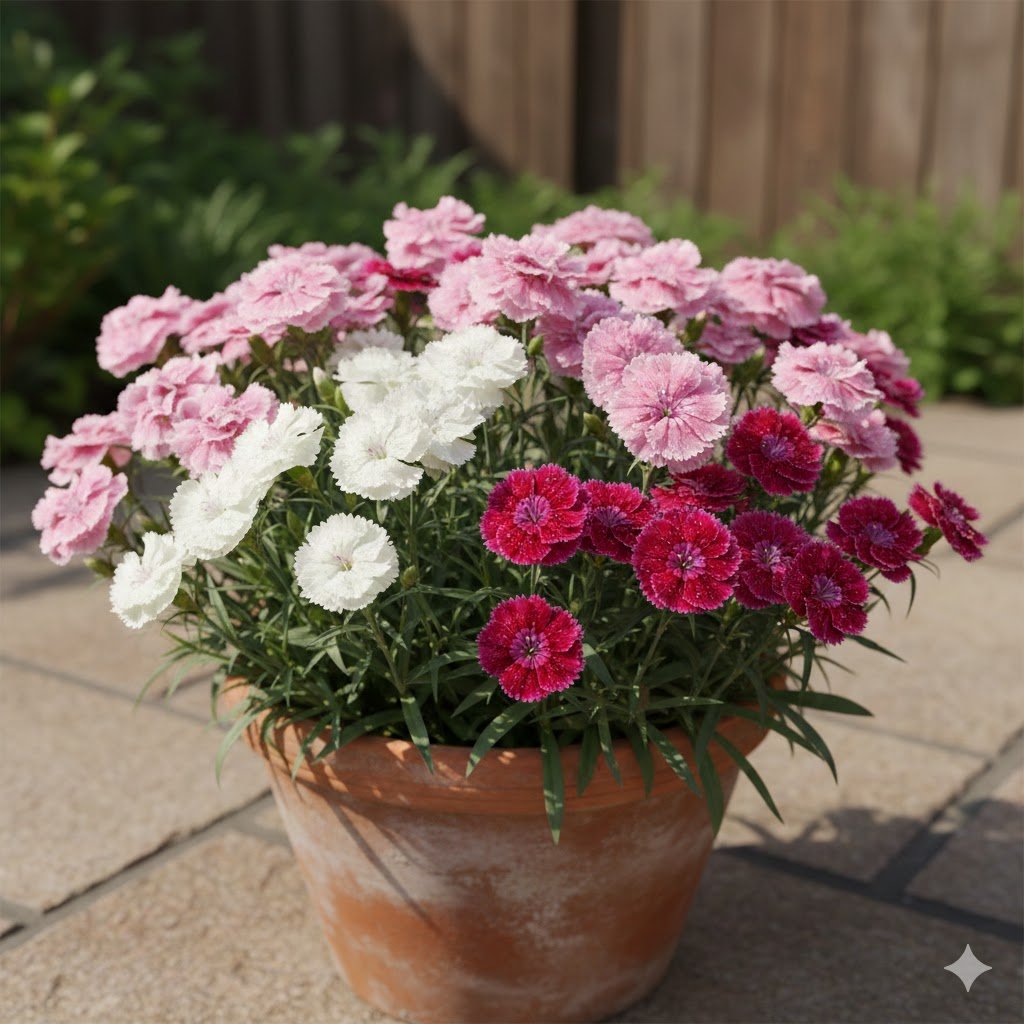
11. Dianthus – Low-Growing Flowers for Pots
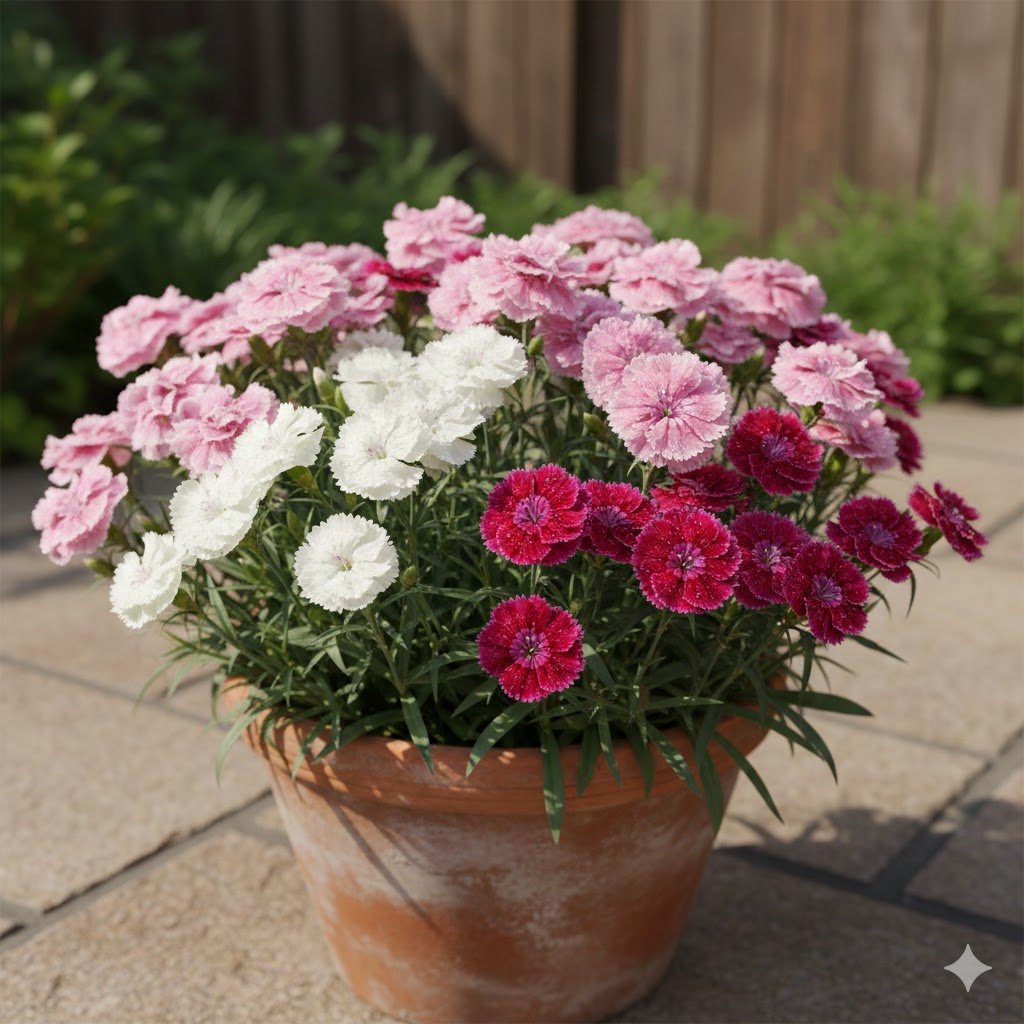
Dianthus smells like cloves and looks delicate, but it’s tougher than it appears. I use it as a filler plant in containers with taller flowers.
It prefers sun and well-drained soil. Wet feet ruin it fast. Treat it more like a succulent than a thirsty annual.
It stays compact and adds texture without stealing attention from showier plants.
12. Salvia – Tall Container Flowers with Strong Color
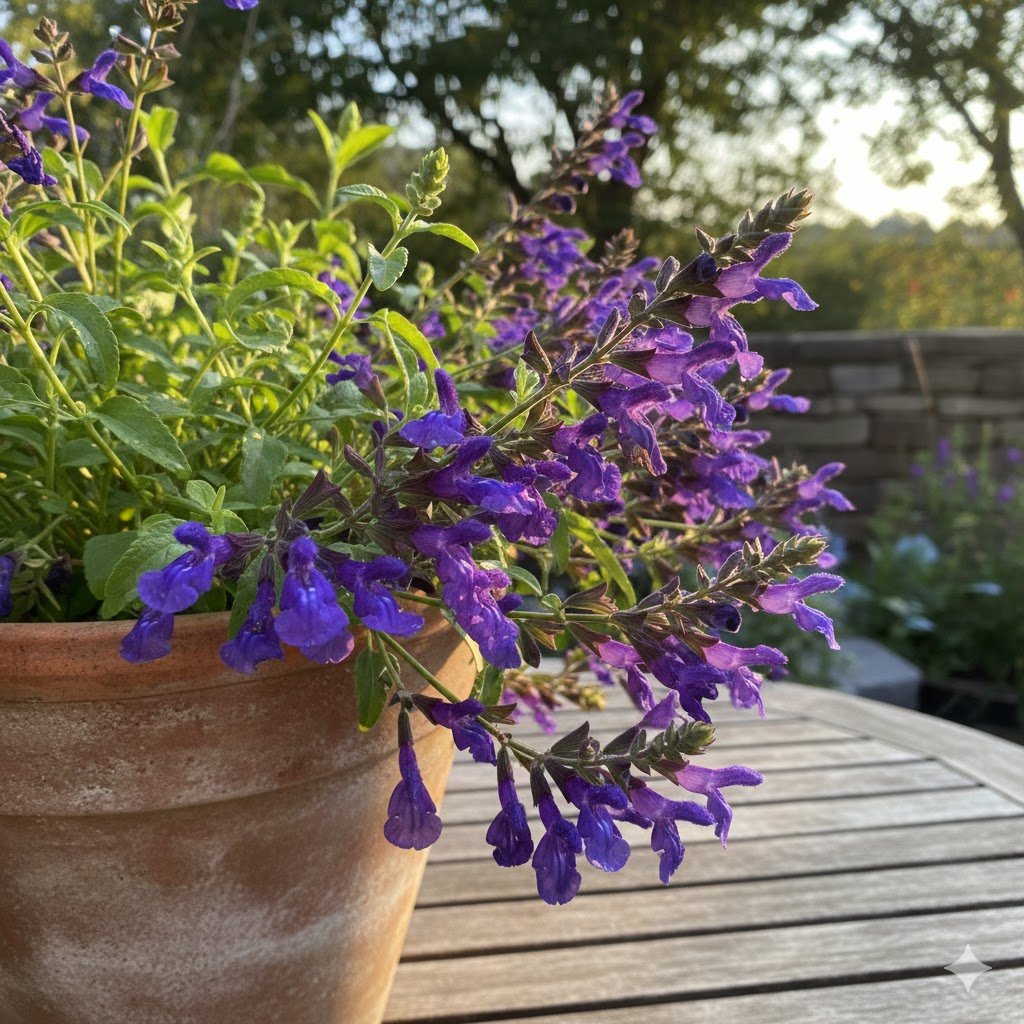
Salvia adds height and drama to containers. I once planted it in the center of a large pot and built everything else around it like a floral throne.
It loves sun and doesn’t need much water once established. Bees go wild for it, which makes my patio feel alive.
Salvia works well when you want structure instead of just a mound of flowers.
13. Nasturtiums – Edible Flowers for Containers
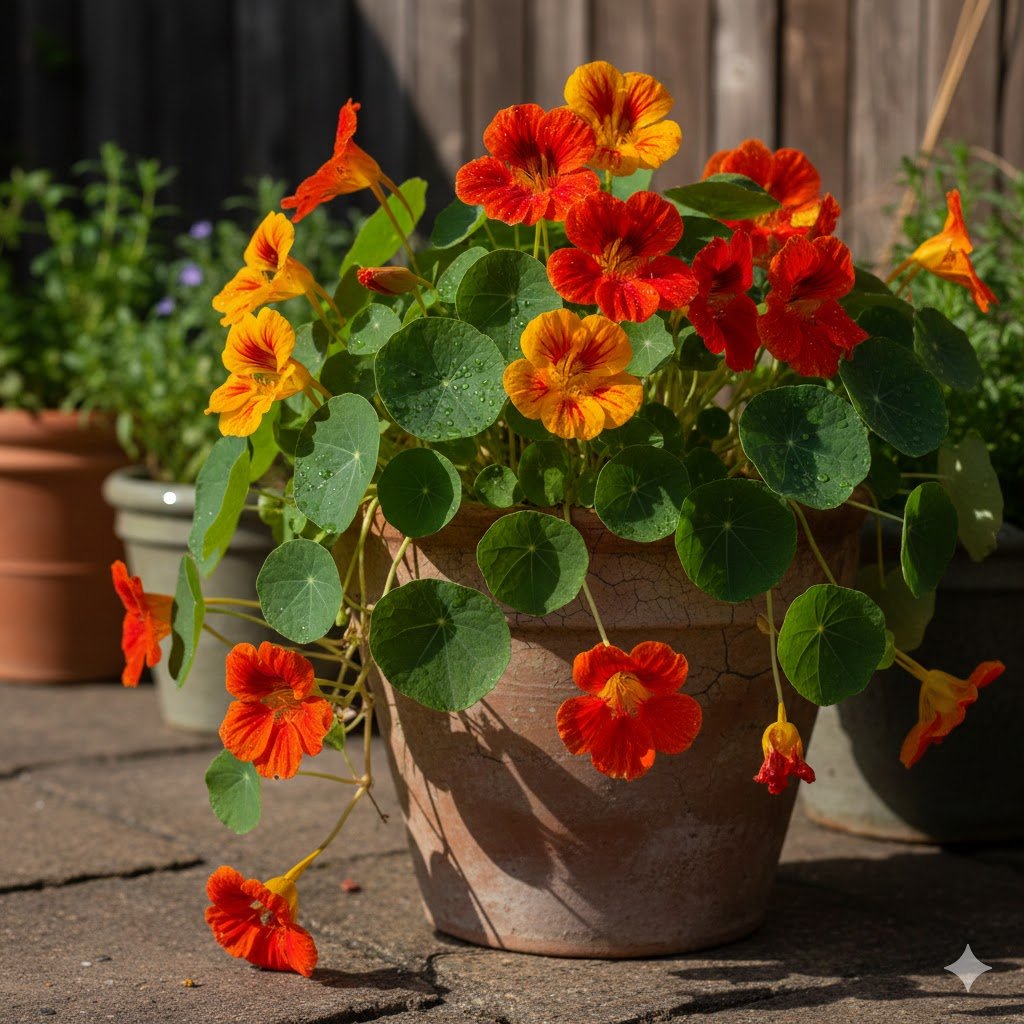
Nasturtiums are weird and wonderful. They trail, they bloom, and you can eat them. The leaves taste peppery, and the flowers make salads feel fancy.
They prefer poor soil. Rich soil makes them leafy with fewer flowers. That still feels backwards to me, but it’s true.
I grow them in small pots and let them spill over edges like vines with personality.
14. Alyssum – Fragrant Container Flower for Borders
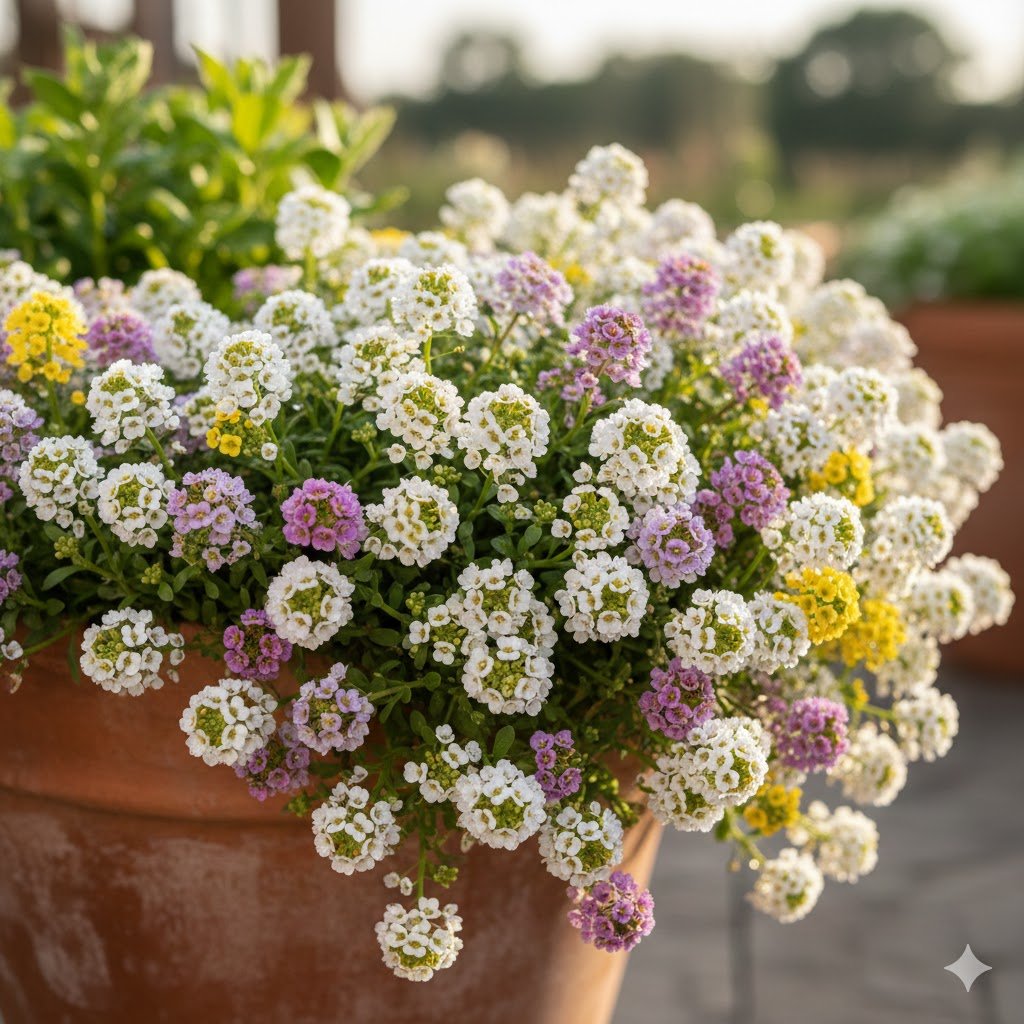
Alyssum smells like honey. Every time I plant it, people ask what perfume I’m wearing.
It likes sun to partial shade and cool weather. In extreme heat, it can slow down, but it usually bounces back.
I use alyssum to soften the edges of larger pots. It fills gaps and adds fragrance without taking over.
15. Bonus Flower: Coleus (Yes, It’s a Flower in My Book)
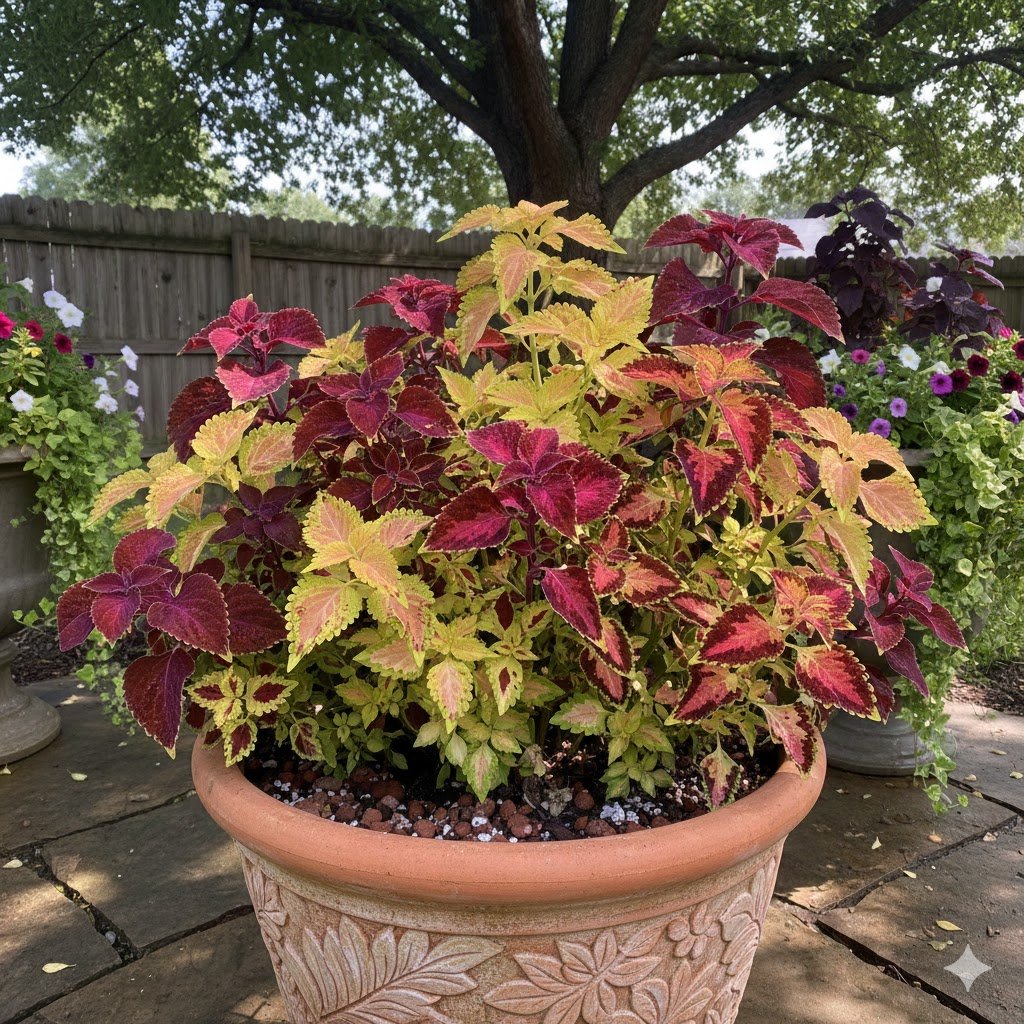
Coleus is technically grown for leaves, but I treat it like a flower because it adds color without blooms. Some varieties outshine actual flowers.
It thrives in shade and partial sun. Too much sun can scorch it, so it’s perfect for tricky corners.
If you’ve killed every flowering plant in a shady spot, coleus is your redemption plant.
Real Talk: What Can Go Wrong (and What’s a Waste of Time)
Containers dry out faster than garden beds. Miss watering for a few hot days and plants can go from healthy to dead. I’ve learned to stick my finger in the soil every morning like a ritual.
Fancy soil mixes with crystals and miracle promises are usually overpriced. Regular potting soil with compost works just fine.
Overcrowding is the biggest mistake I see. More plants does not mean more beauty. It means more stress, fewer blooms, and more disease.
And here’s my unpopular opinion: tiny decorative pots are useless for flowering plants. They dry too fast and stunt growth. Bigger pots always win.
Wrap-Up: My Final Gardening Truth
If I’ve learned anything, it’s this: containers reward consistency, not perfection. Pick flowers that match your sun, your schedule, and your patience level. Don’t fight nature. Partner with it.
Start with two or three of these flowers and build from there. You don’t need 20 pots to feel successful. One healthy container beats ten struggling ones.
What flowers have survived in your containers so far? And which ones have betrayed you? Drop your stories or questions in the comment box below—I’ve probably made the same mistake and lived to tell about it.