
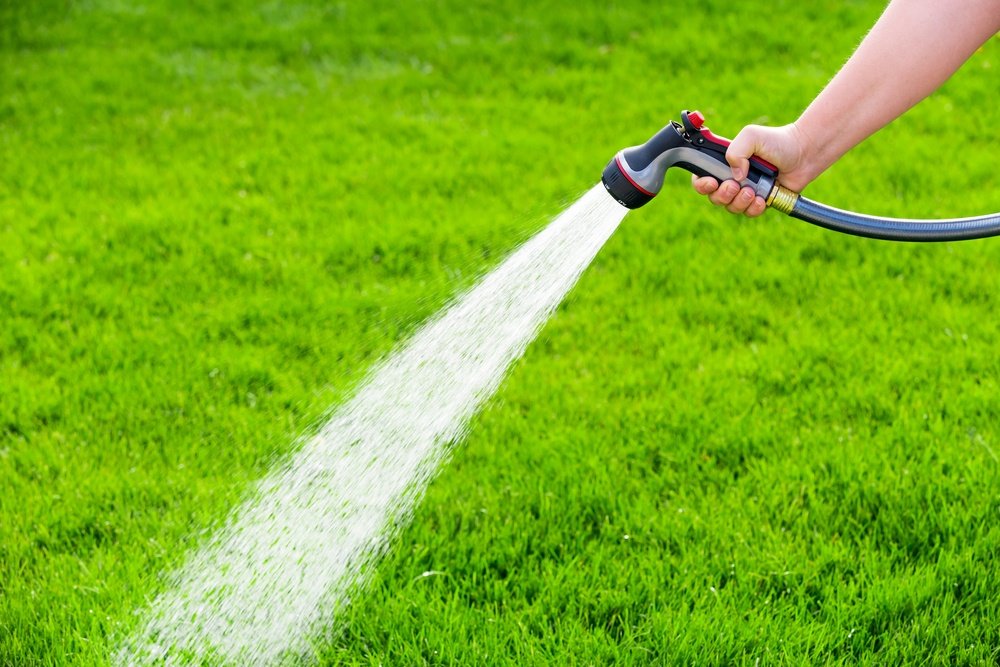
I’ve spent the last fifteen years battling a patch of dirt I call a yard, and let me tell you, I’ve committed every horticultural sin known to man. I once got so aggressive with a vertical mower that my backyard looked like a crime scene for earthworms. Then there was the “Summer of the Great Nitrogen Burn,” where I applied enough fertilizer to make my lawn visible from the International Space Station—for about three days, before it turned the color of a burnt tortilla.
If you’re tired of looking at a patchy, yellowish mess that feels more like a gravel pit than a carpet, you’re in the right place. Making a lawn green and thick isn’t about buying the most expensive bag of chemicals at the big-box store; it’s about working with the biology of the grass instead of fighting it.
Best Fertilizer for Green Grass
If you walk into a garden center, you’ll see aisles of bags with three numbers on them. That’s your N-P-K (Nitrogen, Phosphorus, Potassium). For a green lawn, Nitrogen is the heavy lifter. But here is my unsolicited opinion: stop buying the cheap, quick-release synthetic stuff. It’s like giving your grass a double shot of espresso; it gets a frantic growth spurt and then crashes hard.
- Go Slow-Release: I’ve found that organic or bridge fertilizers (a mix of organic and synthetic) are the way to go. They feed the soil, not just the plant.
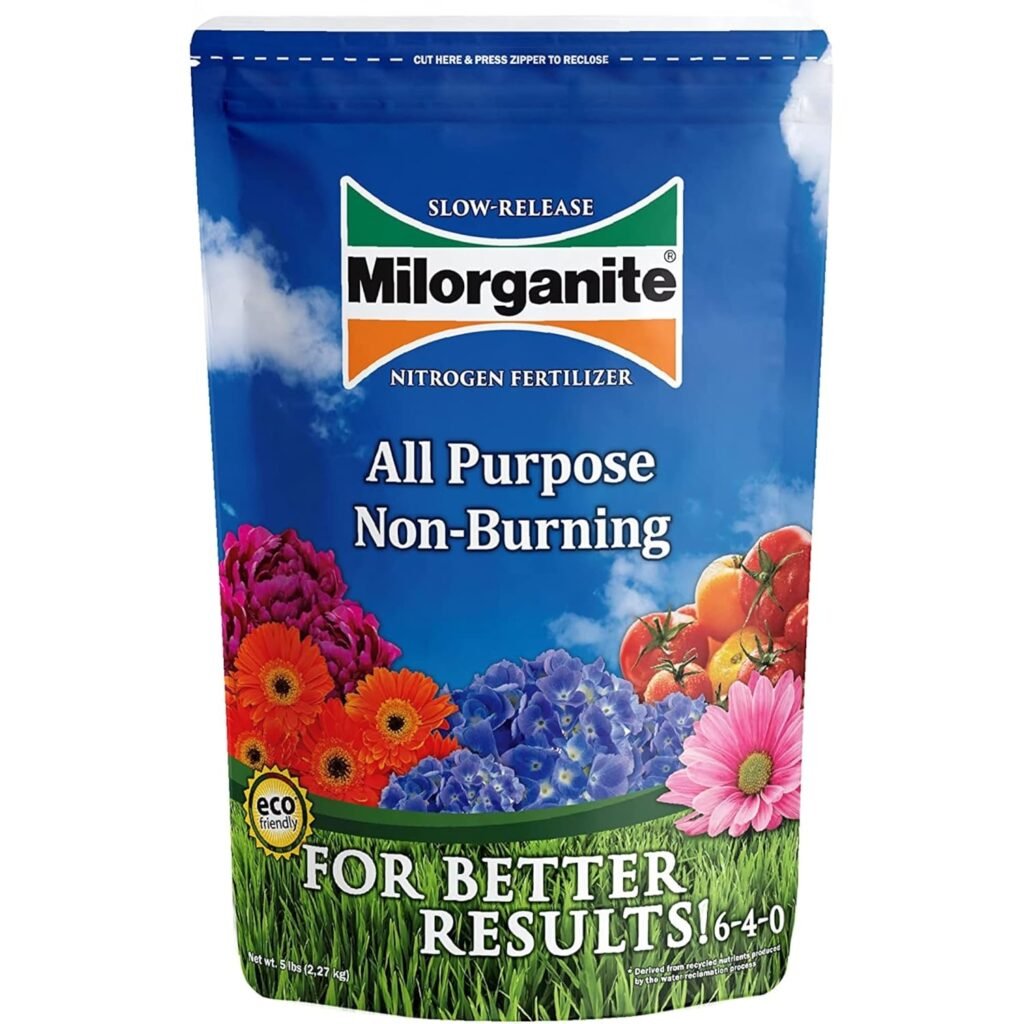
- Milorganite is a Classic: I swear by it. It’s hard to mess up, it won’t burn your grass, and it has iron, which gives you that deep, “pro-ballpark” blue-green color.
- The “Holidays” Rule: I simplify my life by fertilizing on Memorial Day, Labor Day, and Halloween. If I try to do it more often, I end up with a “mowing nightmare” where I’m out there every two days.
Essential Lawn Watering Schedule
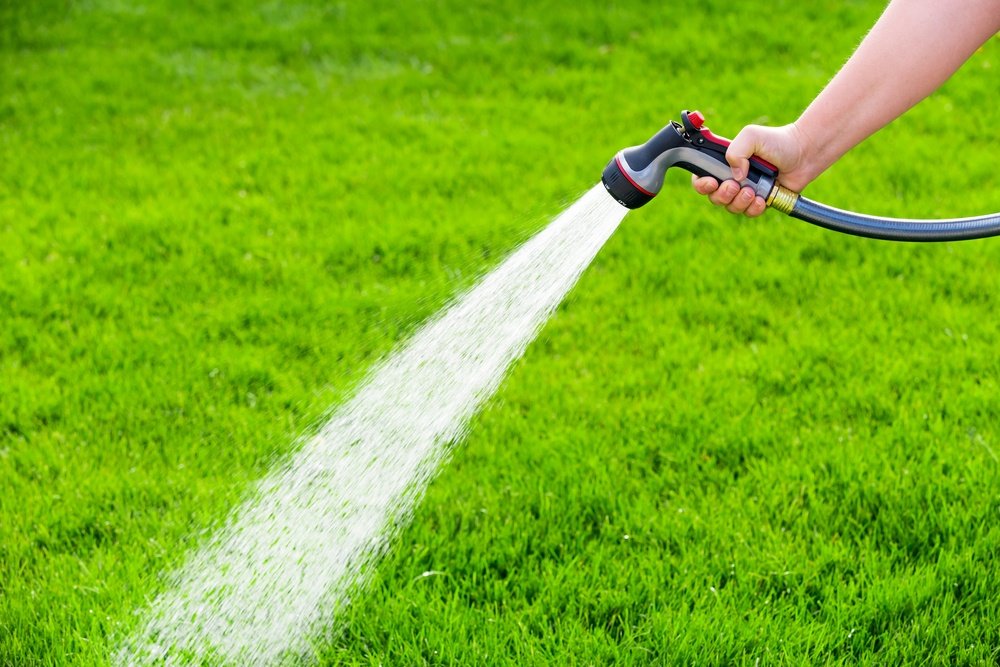
Most people water their lawn like they’re misting a delicate orchid. They do ten minutes every night. That is the absolute worst thing you can do. It keeps the roots shallow because the water never gets deep into the dirt. Shallow roots mean your grass will fold like a lawn chair the second the temperature hits 85 degrees.
- Deep and Infrequent: You want to put down about an inch of water a week, but do it in one or two sessions. This forces the roots to dive deep to find moisture.
- The Tuna Can Test: This sounds ridiculous, but put an empty tuna can on the lawn. Turn on your sprinklers. See how long it takes to fill that can. That’s your magic number for the week.
- Morning Only: I learned this the hard way after my backyard developed a fungal infection that looked like fuzzy white mold. Never water at night. The water sits on the blades, and the fungus throws a party. Aim for 5:00 AM to 9:00 AM.
Benefits of Core Aeration
If your soil is as hard as a brick, no amount of water or fertilizer will save you. After a decade of kids and dogs running over my yard, the ground was so compacted that rain would just bounce off it.
I finally rented a core aerator—the machine that pulls those little “dirt cigars” out of the ground. It looks messy for a week, but it’s the single best thing I’ve ever done for my lawn’s thickness. It lets the roots breathe. If you haven’t done this in three years, your grass is basically suffocating.
Mowing Height for Thick Turf
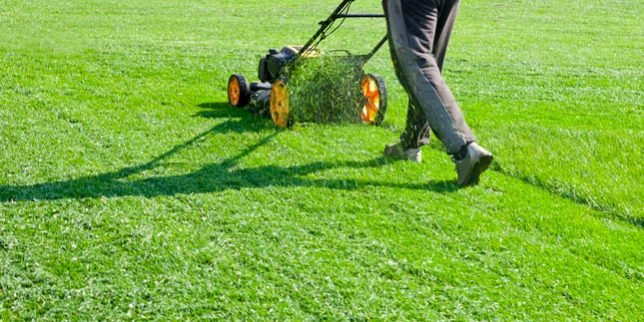
This is where most “Type A” homeowners fail. They want their lawn to look like a putting green, so they scalp it. I used to do this because I thought it meant I could go longer between mows. Wrong.
When you cut grass too short, you’re cutting off its food factory (the blades). The plant panics and stops growing roots so it can try to regrow its leaves.
- The 3-Inch Rule: Keep your mower deck high. I keep mine at 3.5 or even 4 inches in the summer.
- Shade the Soil: Taller grass shades the ground, which keeps the soil cool and prevents weed seeds from germinating.
- Sharpen the Blades: If the tips of your grass look white and shredded, your mower blade is dull. It’s tearing the grass rather than cutting it, which invites disease. I sharpen mine every month. It takes ten minutes and saves a lot of heartache.
Over Seeding Challenges
You can’t just throw seeds on top of a dead lawn and hope for the best. I tried that in 2018. I spent $200 on “Premium Sun and Shade Mix,” tossed it out like I was feeding chickens, and the only thing I grew was very fat, very happy birds.
To actually get new grass to grow and thicken the lawn:
- Seed-to-Soil Contact: You have to rake away the dead stuff or aerate first. The seed must touch the dirt.
- Keep it Damp: You have to mist new seed twice a day for two weeks. If that seed dries out once after it starts to sprout, it’s dead. It’s like a newborn baby; it’s needy and has no survival skills.
- Choose the Right Type: Don’t buy “Contractor’s Mix.” It’s usually full of annual ryegrass that dies in the winter. Spend the extra money on high-quality Turf Type Tall Fescue or Kentucky Bluegrass.
Real Talk: What Isn’t Worth the Effort
Look, I’m all for a nice yard, but some things are a total scam or just a massive waste of your Saturday.
- Dethatching Power Rakes: Unless you have a three-inch layer of organic buildup, those power rakes are usually overkill. They tear up the healthy grass you already have. Aerating is almost always a better choice.
- Manual Weed Pulling (In Excess): I used to spend hours on my knees pulling every dandelion. Now? I focus on making the grass so thick that the weeds can’t find a spot to land. A healthy lawn is the best herbicide.
- “Magic” Liquid Lawn Fixes: Those bottles you attach to your hose that claim to “Turn your lawn green in 24 hours”? It’s basically green dye and a tiny bit of nitrogen. It’s a spray-tan for your yard. Save your money for good grass seed.
- Bagging Your Clippings: This drives me nuts. Your grass clippings are 80% water and full of free nitrogen. Let them fall back into the lawn! It’s free fertilizer. I haven’t bagged a clipping since the Obama administration, and my lawn is better for it.
Potential Issues with Soil pH
I spent four years wondering why my grass looked lime-yellow no matter how much fertilizer I dumped on it. Finally, I spent $20 on a soil test. Turns out my soil was so acidic that the grass couldn’t actually “eat” the nutrients I was giving it. It was like trying to feed a steak to someone with their mouth taped shut.
A little bit of pelletized lime fixed it in one season. Don’t guess; get a test kit from your local university extension office.
Wrap Up
The biggest secret to a great lawn is actually just patience. You can’t fix a decade of neglect in a single weekend with a spreader. It takes a full cycle of seasons to see the real results. Stop aiming for perfection and start aiming for “healthier than it was last month.”
If you’re out there sweating over a patch of brown clover, remember that even the best lawns have bad days. Nature isn’t a carpet; it’s a living thing that occasionally gets cranky.
What’s the biggest “disaster” you’ve dealt with in your yard so far? Drop a comment below—I promise I’ve probably done something worse! Would you like me to walk you through a specific plan for your grass type?

About Syprose Kiche
Syprose Kiche is the creator and writer behind My Besuited Home, a practical home and garden website covering DIY projects, gardening, lawn care, landscaping, home improvement, and outdoor living. She focuses on turning everyday homeowner questions into clear, practical guides backed by careful research and useful real-world considerations.