
Look, we’ve all been there. It’s January 2nd, the tinsel is looking a bit sad, and your poinsettia is starting to drop leaves like it’s getting paid for it. Most people treat these plants like festive paper plates—use once and toss. But I’m a bit of a hoarder when it comes to anything with roots.
The first time I tried to keep one alive, I treated it like a swamp lily. By February, it was a skeletal stick in a pot of mush. Since then, I’ve spent fifteen years figuring out their drama. They aren’t actually “Christmas” plants; they’re Mexican shrubs that hate drafts and love consistency. If you want to be the person with a five-foot poinsettia bush on your patio next July, listen up.
Best Light Conditions for Poinsettias
If you stick your plant in a dark corner next to the TV just because it looks “festive” there, you’re signing its death warrant. These things are sun-worshippers. In the wild, they grow in open, sunny areas of Mexico and Central America.
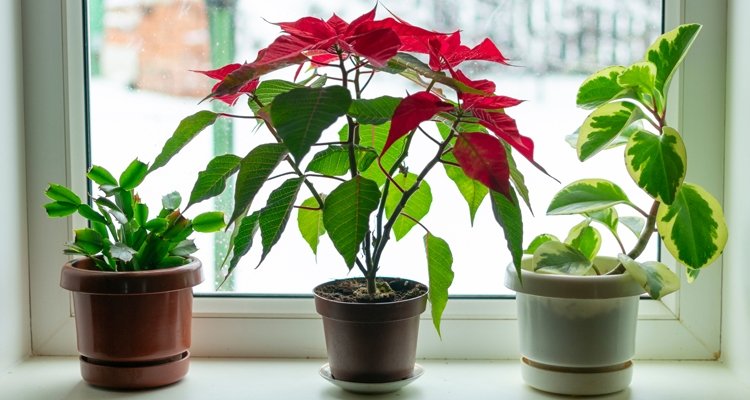
- Find a South-Facing Window: This is non-negotiable. They need at least six hours of indirect, bright light.
- Avoid the “Glass Burn”: Don’t let the leaves actually touch the window pane. In the winter, that glass is a block of ice, and it’ll give your plant a nasty “cold burn” that turns the leaves black.
- The Rotate Trick: Every time you water, give the pot a quarter-turn. If you don’t, your plant will start leaning toward the sun like it’s trying to escape the house, and you’ll end up with a lopsided mess.
Proper Watering Techniques to Prevent Root Rot
I’ve killed more poinsettias with “kindness” (aka too much water) than I care to admit. The quickest way to kill this plant is to let it sit in a saucer of water. Those decorative foil wraps they come in? They are absolute plant-killers.
- Ditch the Foil: First thing I do is poke holes in that shiny foil or just rip it off entirely. It traps water at the bottom, and poinsettia roots hate “wet feet” more than a hiker in soggy boots.
- The Finger Test: Stick your finger an inch into the soil. If it feels dry, water it. If it’s even slightly damp, leave it alone.
- Drainage is King: Take the plant to the sink, water it until it runs out the bottom, let it sit for ten minutes, then put it back. Never, ever let it sit in a puddle.
Ideal Temperature and Humidity Levels
Poinsettias are the “Goldilocks” of the plant world. They don’t want to be too hot, and they certainly don’t want to be cold.
Temperature Requirements
I once left a poinsettia in the entryway during a New Year’s Eve party. Every time a guest opened the door, a blast of 20-degree air hit the plant. By morning, it had dropped every single leaf. Aim for 65°F to 75°F during the day and slightly cooler at night.
Managing Humidity
Our houses get bone-dry in the winter because of the heater. Since these are tropicals, they appreciate a little moisture in the air. I don’t bother with misting—it just invites fungus. Instead, I group my plants together or set the pot on a tray of pebbles with a little water (just make sure the pot is on the pebbles, not in the water).
Pruning and Maintenance Schedule
Come March or April, your plant is going to look “leggy.” It’ll have long, woody stems with a few leaves at the top. This is when most people give up, but this is actually when the magic happens.
- The Big Cut: Around early April, I prune mine back to about 4-6 inches tall. It feels like murder, I know. But it forces the plant to grow back bushier.
- Repotting: This is a good time to move it to a slightly larger pot with fresh, well-draining potting soil.
- Fertilizing: Start feeding it a standard houseplant fertilizer once every two weeks. I’ve found that the “fancy” specialty fertilizers are a total waste of money. Just get a balanced 10-10-10 and follow the directions.
Potential Challenges with Poinsettias
It’s not all sunshine and red leaves. You’re going to run into some hiccups.
- Leaf Drop: Usually caused by a sudden temperature change or being too dry.
- Yellow Leaves: This is almost always a sign of overwatering. Slow down on the watering can, Sparky.
- Whiteflies: These tiny white bugs love poinsettias. If you see them, hit the plant with some neem oil or insecticidal soap immediately. I once ignored a few whiteflies and within a week, my sunroom looked like a snow globe.
The “Real Talk” on Re-blooming
Here is the truth: Getting a poinsettia to turn red again next December is a massive pain in the neck. It’s not a “natural” process in a modern home. They are “short-day” plants, meaning they need total, uninterrupted darkness to change color.
Starting in October, you have to put the plant in a dark closet for 14 hours every single night. And I mean total darkness. If you open the door to grab a coat and turn on the light for five seconds, you’ve reset the clock. You have to do this for about 8 to 10 weeks.
To be honest? Most years, I don’t bother. I just enjoy it as a nice green foliage plant for the summer. It’s okay to admit that the “darkness ritual” is too much work for a $10 plant. If you love a challenge, go for it. If not, just enjoy the green leaves and buy a new red one next year.
Downsides of Poinsettia Ownership
We need to address the elephant in the room: They aren’t exactly “tough.” If you want a plant you can ignore for three weeks while you go to Vegas, get a Snake Plant. Poinsettias are high-maintenance roommates. Also, that white sap? It’s a skin irritant. I learned the hard way that if you get it on your hands and then rub your eye, you’re going to have a very bad afternoon. Keep them away from pets, too—they aren’t “deadly” like some myths claim, but they’ll definitely make your cat regret its life choices.
Bonus Tip: If you want to put your poinsettia outside for the summer, wait until the nights are consistently above 55°F. Put it in a shady spot first so the leaves don’t get sunburned. By July, it’ll be the lushest thing in your garden.
Whatever you do, just don’t put it on top of a radiator. Seriously. I did that in 2012 and the plant practically vaporized.
What’s the longest you’ve ever kept a holiday plant alive? Drop your “success stories” (or your tragic failures) in the comment box below—I’ve seen it all!

About Syprose Kiche
Syprose Kiche is the creator and writer behind My Besuited Home, a practical home and garden website covering DIY projects, gardening, lawn care, landscaping, home improvement, and outdoor living. She focuses on turning everyday homeowner questions into clear, practical guides backed by careful research and useful real-world considerations.